Blog Turning forest conservation and landscape restoration into livelihood opportunities: a consultation on incentives in the upper Omo–Ghibe Basin in Southwest Ethiopia

The conservation and protection of forests, as well as restoration of degraded landscapes, require substantial resources. Such initiatives are also said to restrict the access of forest-dependent communities to their resources.
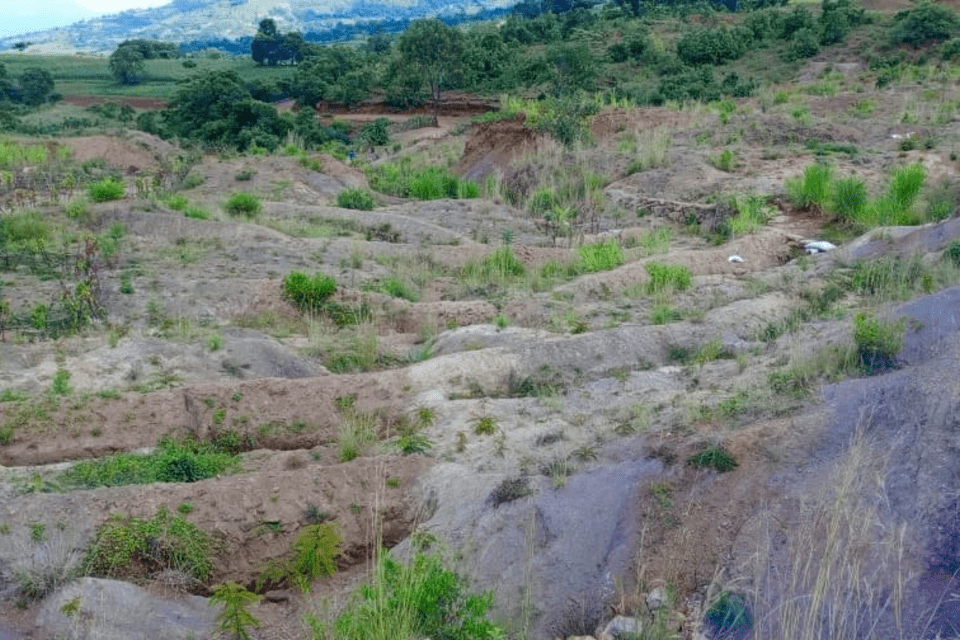
Such a contradiction is a risky case for the Omo-Ghibe basin, one of the living landscapes, under the multifunctional landscape science program. The basin has a critical significance for realizing Ethiopia’s major development agendas, especially in large-scale irrigation agriculture, hydropower generation, and large-scale agro-industrial developments. These landscapes are also the most sensitive to realizing Ethiopia’s climate change commitments, considering most of Ethiopia’s forests and biodiversity resources fall within this basin and associated systems. However, compensation for conservation, restoration, and sustainable livelihoods rarely materialized.
The Alliance Bioversity International and CIAT convened consultations with relevant stakeholders operating in the Upper Omo-Ghibe basin to co-identify easily investable livelihoods that have positive interactions with forest conservation and protection as well as land restoration efforts. In doing so, the workshops explored how pressure on natural resources can be reduced, while simultaneously improving the wellbeing of forest-dependent communities, which would reduce the trade-off between development, restoration, and conservation interests.
The missing incentive: rewarding forest conservation, protection, and restoration
Ethiopia has built significant momentum around restoration, setting an example for the continent and setting ambitious goals AFR 100 and UNFCCC commitments. In 2024, the country established the Green Legacy and Degraded Landscape Restoration Special Fund, directing 0.5% to 1% of the federal budget to further strengthen regions efforts toward nature restoration. This is a major action that could lead to the realization of the country’s commitments. But it also sharpens an important policy question: where is the equally visible financing window for forest dependent communities that prevent intact or relatively undisturbed natural forests from becoming degraded in the first place?
Restoration is tangible. Trees can be counted, hectares mapped, and degraded land visibly transformed. Many restoration and carbon-finance approaches can measure new vegetation or additional carbon stored against a relatively visible baseline. Avoided degradation is harder to see. Keeping a natural forest standing produces no dramatic before-and-after image; its success is precisely that damaging change does not occur.
This does not mean climate and carbon finance ignore standing forests. REDD+ explicitly covers reducing deforestation and forest degradation, conservation, sustainable forest management and enhancement of forest carbon stocks. But payment for avoided loss requires evidence that deforestation or degradation would otherwise have occurred. It can also require an assessed forest reference level, long-term monitoring, safeguards, verification, and measures to address leakage and permanence.
These requirements protect environmental integrity, but they can make standing-forest finance slower, more complex and more expensive to access, especially for local communities, than finance tied to tree planting or visible restoration results.
That structural gap explains why the Multifunctional Landscape Science Program is co-developing a forest-friendly incentive and finance mechanism with local actors in an already forested landscape, and landscapes undergoing restoration efforts. The purpose is not to wait for the upper Omo-Ghibe forests to become degraded enough to qualify for restoration funding. It is to identify credible ways to value continued stewardship now: by linking forest-friendly enterprises, markets, public support and payments for verified livelihoods and ecosystem services before forests are lost.
The goal is not to shift money away from restoration. It is to complete the incentive system: restore what has been degraded while rewarding communities that keep remaining natural forests from crossing that threshold.
That distinction is especially important in Southwest Ethiopia. Agricultural expansion and intensive resource use may offer households faster and more predictable returns than conservation. Forest-friendly enterprises, by contrast, often face higher transaction costs, limited technology and working capital, fragmented markets, and delayed returns. Asking communities to absorb those costs for benefits shared across an entire basin is neither equitable nor durable.
What the consultations put on the table
The national consultation held in Addis on August 6th screened livelihood options against five tests: their contribution to forest protection or restoration; livelihood and inclusion benefits; market potential; practical feasibility; and the ability to monitor and scale results. Five systems emerged as an initial portfolio: forest and shade coffee, diversified beekeeping, spices, higher-value bamboo processing and timber plantations.
The landscape-level consultation held in Jimma on August 11th, then validated those possibilities against local realities. Participants from the southwestern block, specifically from the Keffa and Jimma zones, indicated potential locations, available finances, scaling and inclusiveness opportunities, as well as regional readiness to unlock available finances. Participants emphasized that indigenous tree-seed and nursery enterprises, multipurpose agroforestry with fruit, premium markets for forest-friendly products, entrepreneurship and sustainable livestock activities are prime opportunities to be explored. They also stressed that payments for ecosystem services and timber production are not yet fully practiced locally and will require deliberate development, rather than being treated as immediately available sources of revenue. For the Multifunctional Landscape Science Program, these findings provide a grounded diagnosis of local opportunities, constraints, and readiness gaps.
An activity is not forest-friendly simply because of what it produces; where and how it is implemented matter just as much. Relatively intact forests, degraded forests, and farms or eligible non-forest land present different ecological conditions, livelihood opportunities and risks.
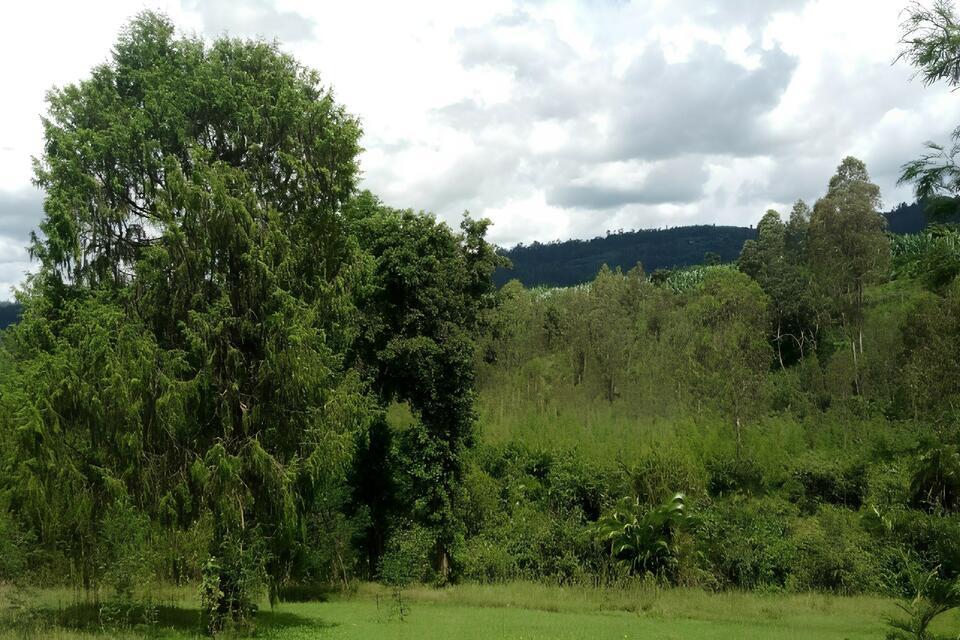
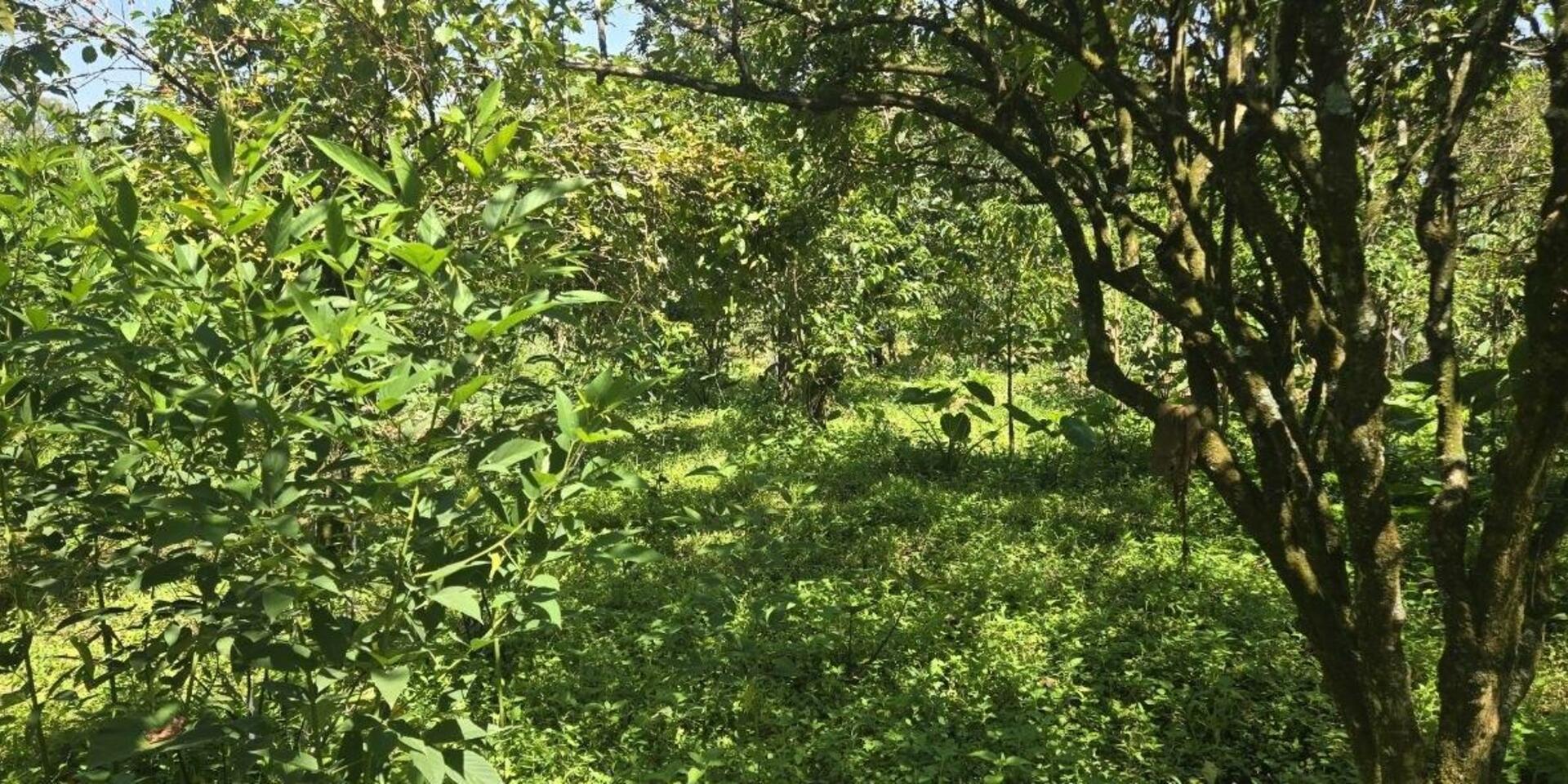
In relatively intact forests, it was advised that activities should be limited to those compatible with maintaining the canopy, biodiversity and ecological functions, such as well-managed beekeeping and the sustainable harvesting of approved non-timber forest products. In degraded forests, assisted natural regeneration and enrichment with native species can help restore ecological functions while creating opportunities for employment and forest-based livelihoods. Fruit trees, woodlots, suitable bamboo species and multipurpose agroforestry may be more appropriate on farms and eligible for non-forest land, provided they do not encourage the conversion of natural forests.
A livelihood can therefore be considered forest-friendly only when it avoids forest conversion, does not shift degradation pressure elsewhere, produces a credible forest or restoration benefit, respects land and community-use rights, and distributes benefits and conservation costs fairly. Consultation participants identified bamboo production in protected areas as requiring caution, including careful consideration of species suitability, ecological risks, management rights and applicable protection rules.
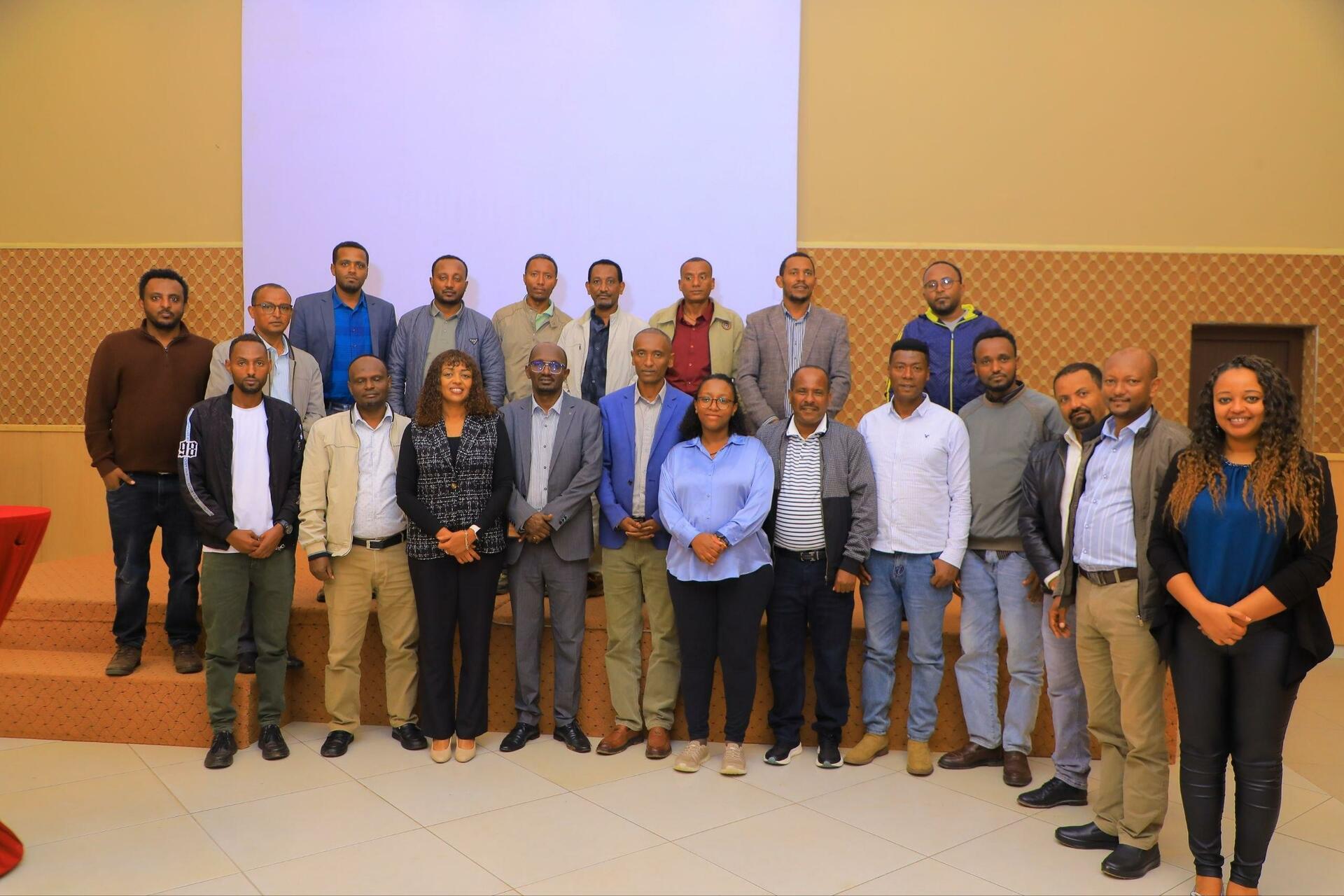
Group picture at sub-national workshop: Jimma August 2026. Photo credit: CIAT Ethiopia Team
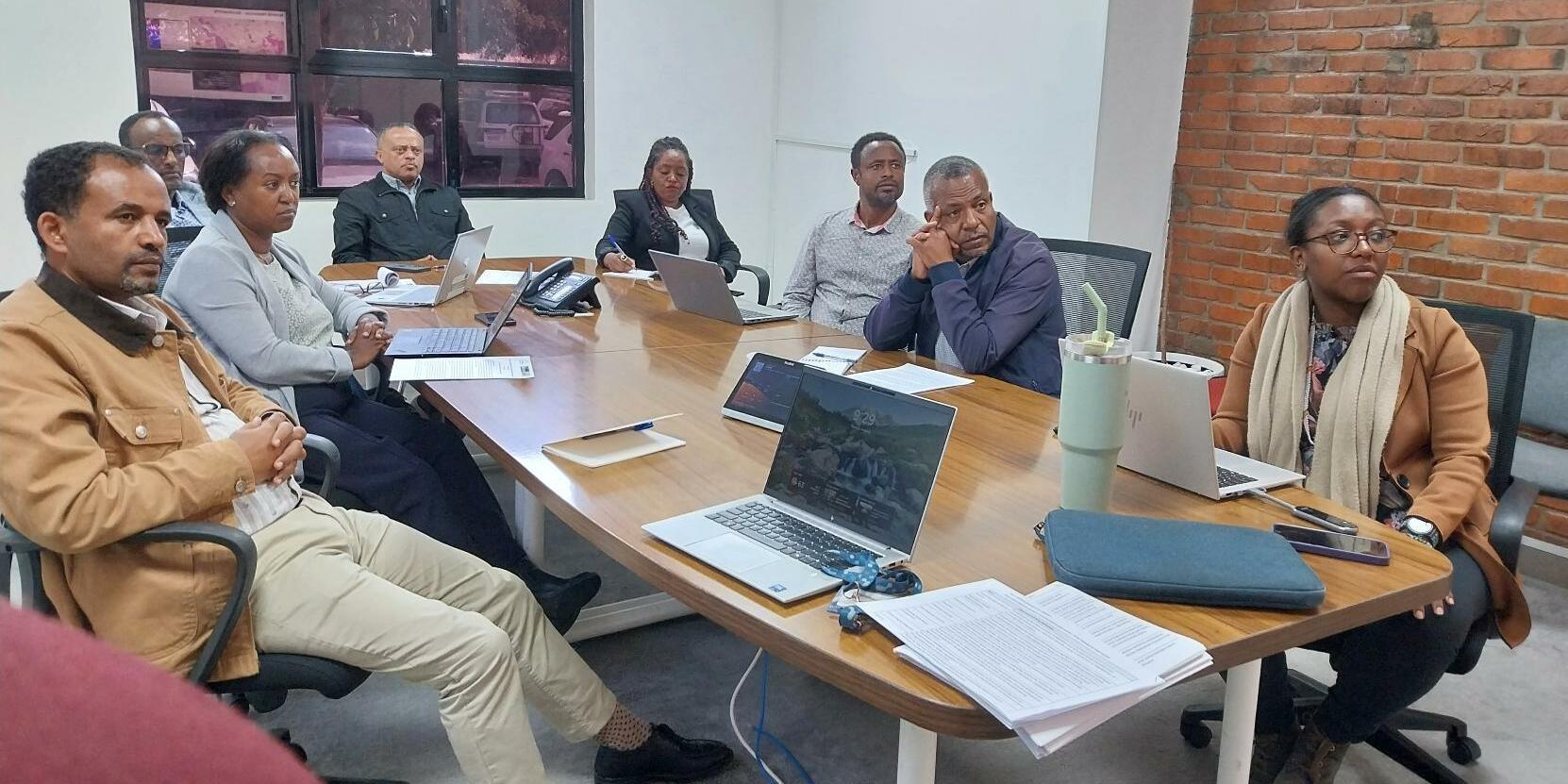
Participants at the national consultation workshop: Addis Ababa, August 2026. Photo credit: Yodit Balcha / CIAT
From workshop findings to mechanism design
Selecting promising livelihoods is only the beginning. Each opportunity must be linked to a credible market or payer and supported by financing arrangements that communities can access. Its viability will also depend on clear tenure and management arrangements, inclusive and transparent benefit sharing, adequate baseline data, regional institutional capacity, and the potential to operate at a meaningful scale.
No single grant, loan, market premium, or ecosystem payment can address every barrier. These instruments can serve as complementary and sometimes overlapping building blocks. Grants may help enterprises prepare to access affordable credit; buyer commitments may reduce lending risks; and ecosystem payments may reward forest benefits that product markets do not capture. Secure rights, transparent benefit-sharing arrangements, and targeted capacity building can further help communities and regional institutions meet eligibility requirements and access these opportunities. The appropriate combination will depend on the livelihood, the people involved, the condition of the forest or land, and the specific barriers to be addressed.
The consultations point to six components that the next phase of analysis can assess and combine into locally appropriate incentive mechanisms
1. Public program allocations
Government budgets, extension services, production inputs, public procurement and restoration-related employment that can support activities that generate public benefits but may not initially attract commercial finance. The roadmap will identify which programs are active, what they can finance and how communities and local enterprises in Southwest Ethiopia can access them.
2. Grants and readiness support
Promising livelihoods may first require technical assistance, feasibility studies, producer organisations, project preparation and generating evidence of their forest and livelihood benefits in order to unlock potential finances. Grants and readiness support can finance these foundations, helping communities and enterprises become eligible and turn promising ideas into credible, investment-ready initiatives.
3. Finance and risk-sharing instruments
Local enterprises often need capital before revenue arrives to purchase equipment, aggregate products, improve processing or bridge the period between production and sale. Loans, concessional credit, working capital, guarantees, insurance and blended finance could address these needs, provided their terms reflect enterprise maturity, seasonal cash flows, repayment capacity and risk.
4. Market and buyer incentives
Forest-friendly production becomes a meaningful incentive when markets reward the additional costs of stewardship. Price premiums, long-term purchasing agreements, buyer advances, certification support and preferred sourcing could strengthen revenue from coffee, honey, spices, and other products. These arrangements must be commercially viable, traceable, and linked to safeguards that prevent forest conversion and degradation.
5. Ecosystem and results-based payments
Many benefits generated by standing forests, including carbon storage, water regulation, biodiversity conservation and reduced sedimentation, are not reflected in product prices. Ecosystem and results-based payments could help recognize these values. Because such mechanisms are not yet widely practiced locally, the roadmap will need to assess who could pay, what can be measured credibly, how communities could participate, and how benefits would be shared.
6. Non-financial incentives and enabling arrangements
Finance cannot function effectively where rights, responsibilities and access are unclear. Secure tenure or use of rights, technical services, market information, access to equipment and capable local institutions may determine whether communities can participate and benefit. Participatory forest management agreements and transparent benefit-sharing rules are therefore not peripheral to the incentive system; they are part of its essential infrastructure.
Let us not wait for the forest to become a restoration site
Southwest Ethiopia should not have to lose its forests for it to attract attention for serious investment. The communities that maintain natural forests are already providing carbon storage, biodiversity, water regulation, and cultural value. The challenge is to convert those public benefits into reliable local opportunities without commercializing the forest beyond its ecological limits.
The two consultations have now established the foundation for practical design. Candidate livelihoods have been screened, spatial and forest-integrity conditions have been clarified, potential sources of support and access barriers have been explored, and regional readiness gaps have been brought into view. The task now is to translate that evidence into a mechanism that works for the landscape and for the people who steward it.
With the national consultation and the Southwest Ethiopia landscape validation now complete, the process can move into its final analytical step. The Multifunctional Landscape Science Program will consolidate the workshop evidence, verify the outstanding information, and complete the livelihood–incentive matching. The resulting output will be a practical roadmap or framework tailored to Southwest Ethiopia, one that shows which mechanisms may fit which livelihoods and locations, what safeguards must apply, how local capacities can be improved, and what actions can move credible options forward.