From the Field The Ethiopia Green Legacy Initiative launches exemplary landscape restoration: Evidence from Gurage and Wolaita
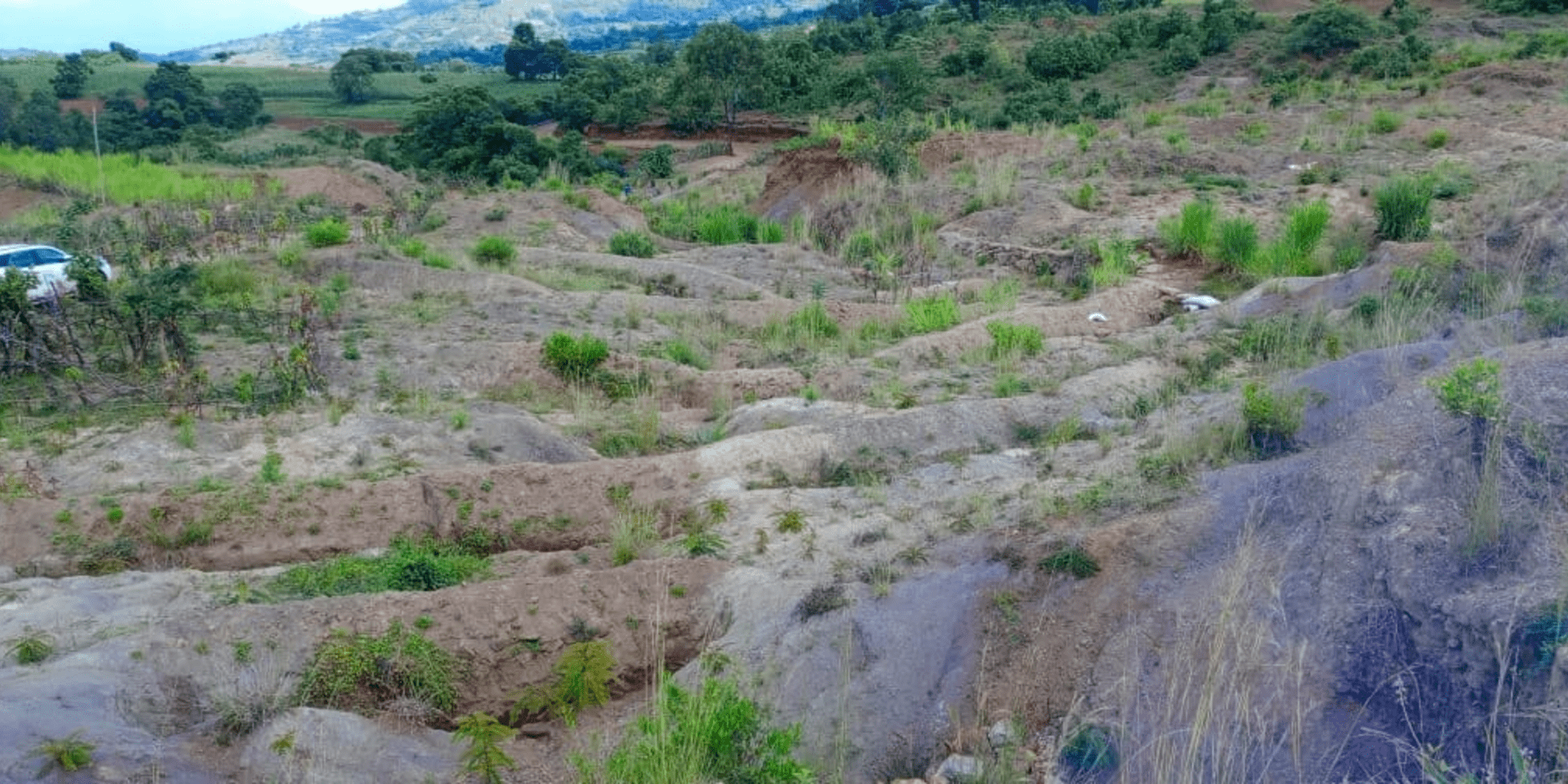

Land degradation is a sever environmental problem observed in different parts of Ethiopia and rehabilitation efforts has been carried out since 1970s. The great dedications from the Ethiopian government, the citizens and development partners aimed at expanding the green cover, restore degraded landscapes, enhance biodiversity and improve food security through the various programs such as Sustainable land management (SLM), Climate Resilient Green Economy (CRGE) and GLI has brough significant impacts.
The “deploying Diversity for Resilience and Livelihoods” project has documented the success story of restoration of degraded lands as part of the GLI, interventions in the Ezja district of the Gurage Zone, Central Ethiopia, and in Humbo and Boloso Sore districts of the Wolaita Zone, South Ethiopia. Works done at these districts have made significant contribution for restoration of highly degraded landscapes, through various soil and water conservation measures, gulley management and tree planting campaigns. GLI has been effectively implemented in the sampled districts in the past couple of years and result a successful rehabilitation of degraded lands that were totally bare and degraded before the intervention. Today, land restoration and rehabilitation become an integral part of annual development planning at various levels in Ethiopia. Such persistent and continued commitment both at federal and regional levels has brough a promising success in restoration and reclamation of degraded landscapes, creating greener Ethiopia and combating climate change effects in Ethiopia and beyond. This article highlighted an inspiring success story from the Gurage and Wolaita Zones of Ethiopia where the GLI intervention witnessed superb impacts in reversing degraded landscape.
1. The silent fundamental environmental crisis in Ethiopia: Land degradation
Land degradation is defined as a temporary or permanent decline in the productivity of land and its ecosystems (Hurni et al., 2010; Asnake, 2024). Most of the mountainous landscapes of Ethiopia have been cultivated for decades without adequate use of soil and water conservation measures to minimize soil erosion. Each year 200-300 t ha-1 soil, which is equivalent to 8 mm soil depth, eroded from farmlands (Tilahun et al., 2018). In addition, deforestation incurred soil erosion on average 220 t ha-1 yr-1 (Tamene et al., 2022) based on rainfall intensity and land use types. Soil erosion brought about serious degradation of land, water, forest, rangeland, and wildlife resources that are dependent and support each other (Wasie, 2020). Consequently, soil erosion by water affected about 50% of the Ethiopian highlands (Asfaw and Neka, 2017; Ebabu et al., 2019); and on average 23% of the total land mass (253,000km2) of the country in the last 30 years (Solomon et al., 2024). Physical soil erosion further incurs significant nutrients depletions of various amounts depending on the topography, land use, soil type and rainfall intensity (Assaye et al., 2025) threatening biomass production which is vital for food and feed production, energy flow and other ecosystem services (Wasie, 2020). To revert such negative impacts of land degradation, Ethiopia has been determined to address this critical problem by developing various instrumental strategies such as the sustainable Land Management (SLM) – launched in 2008 to improve agricultural productivity and reduce land degradation - , the Climate-Resilient Green Economy (CRGE) – launched in 2011 to build carbon-neutral, climate-resilient middle-income economy through promotion of sustainable land management - and Green Legacy Initiative (GLI) which was launched in 2019 to increase the green coverage of the country, reduce greenhouse gas emission and restore significant volume of degraded lands. The core values of all these strategies include increasing agricultural productivity, reversing land degradation, climate mitigation and adaptation and consequently leading to sustainable economic growth.
2. The Ethiopian Green Legacy Initiative (GLI)
The Ethiopian GLI, launched in 2019, is several billions tree planting campaign by mobilizing millions of people. Restoration of degraded landscapes and prevention of further land degradation were among the outcomes of the initiative. In doing so, GLI aimed at addressing multiple environmental issues including restoration of overexploited and degraded natural resources such as forest, surface soil and water, halting desertification, and improving ecosystems services at national and local levels. The target was to restore 22 million hectares of degraded lands and forests; and consequently, to remove up to 297M tons of CO2 equivalent by 2030 (MEFCC; 2018; EEA, 2023). Over the last six years, over 40 billion seedlings were planted (ENA, 2024) and with a survival rate 85% (ENA, 2023), over 34 billion surviving plants are growing across various landscapes, most of which are degraded landscapes. The protection of GLI plantation areas has fostered natural regeneration of various plant species (Mengistu et al., 2025), increasing forest cover to about 23.6% by 2024 (FBC, 2024; ENA, 2024).
3. Realizing the green vision: Restoration success stories from GLI sites
The profound impact of GLI is most vividly demonstrated in communities that have enthusiastically embraced it. From the six regions of Ethiopia where we sampled GLI sites for the GCBC “Deploying Diversity for Resilience and Livelihood” project, we are now share compelling success stories from the Gurage Zone of Central Ethiopia region and the Wolaita Zone of South Ethiopia region.
3.1. The case of Ezja district in the Gurage Zone: Remarkable land restoration
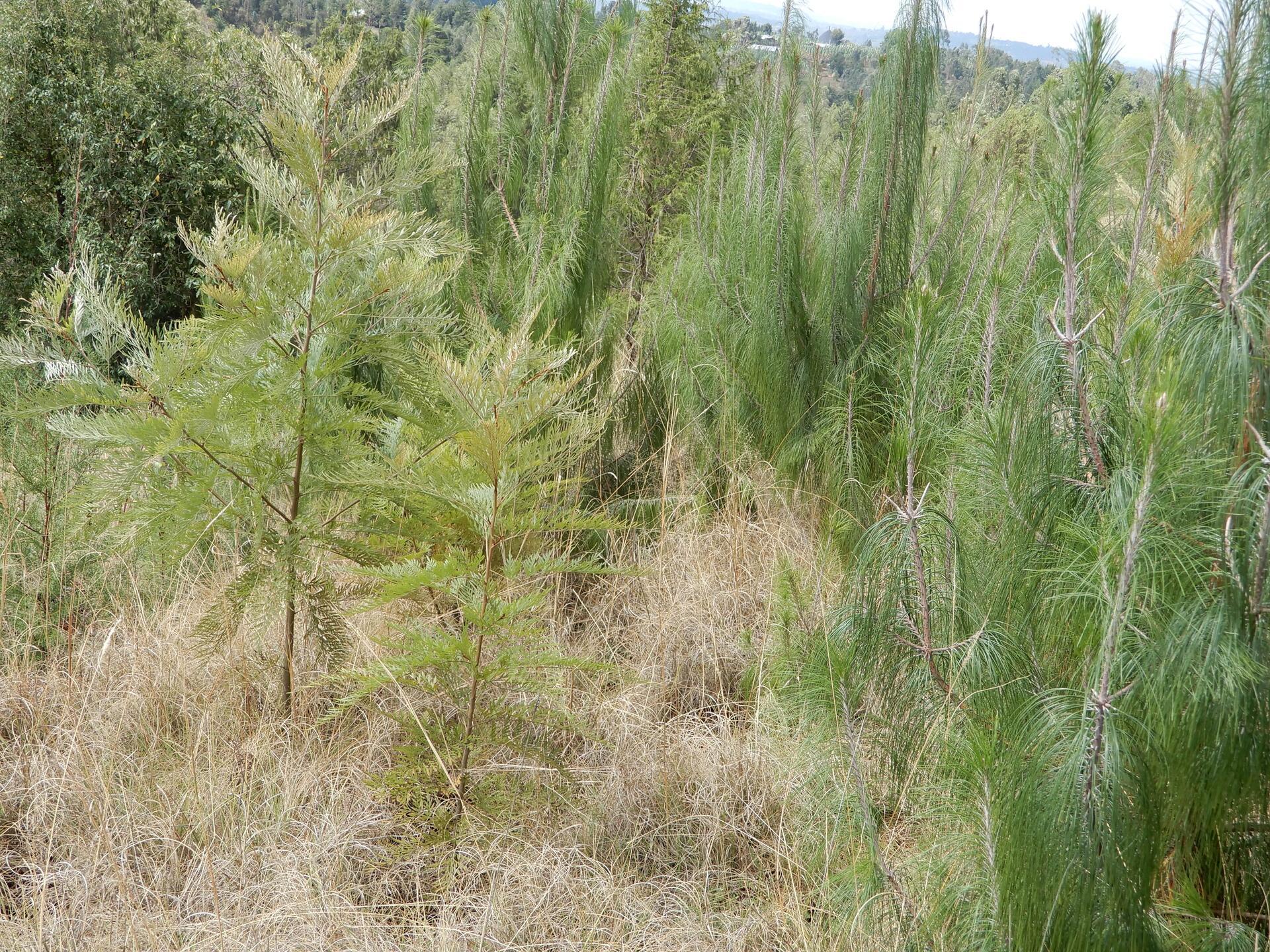
Before the GLI intervention, the Ezja district of the Gurage zone in Central Ethiopia was a stark example of severe land degradation, characterized by severe soil erosion, with totally bare landscapes in some areas (Fig. 1). Land degradation and depletion of natural forests in this zone made agriculture unsustainable and threaten communities and ecosystems (Nekir et al., 2024). This is not only a loss of vegetation but also negatively affects agricultural productivity and exposes the community to vulnerability to environmental hazards. Thanks to the various restoration programs, especially GLI, now the story is dramatically different. Previously degraded lands were under effective restoration and further degradation is stopping in most cases. The local community has realized the power of GLI in reclaiming degraded lands and rehabilitating lost ecosystems; and have been actively participating in various GLI activities such as maintenance of degraded landscapes, construction of micro catchments on gullies and steep slopes biologically supported multipurpose live plants (Fig. 2).
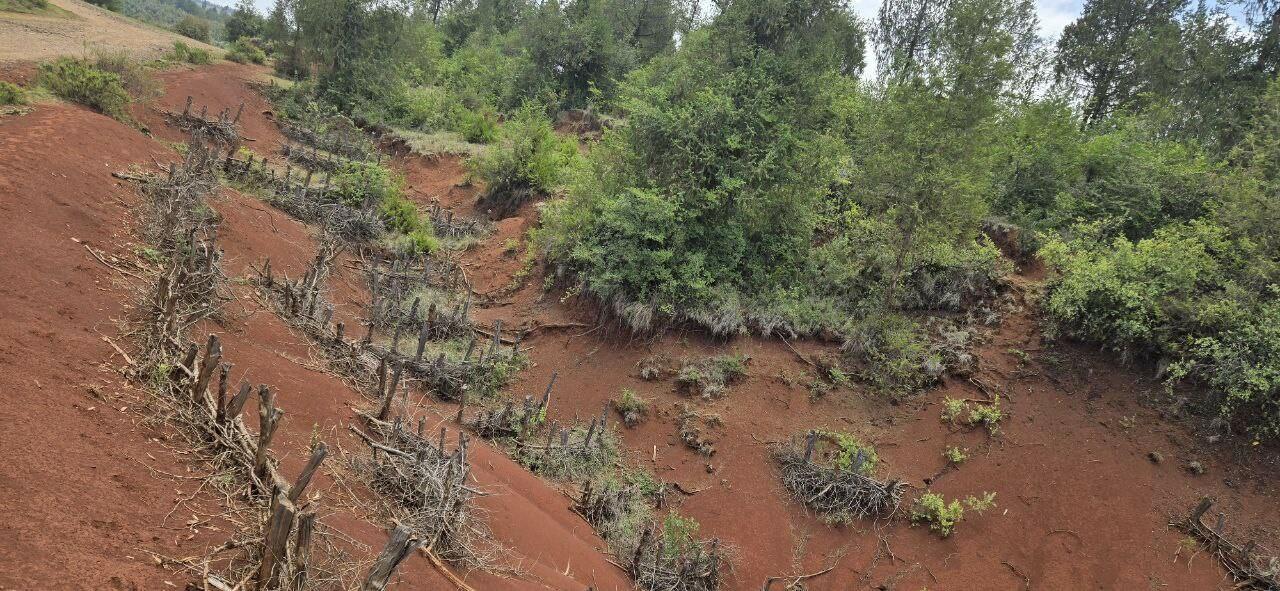
Figure 1. Progressive conversion of degraded landscapes into forest land through stepwise gully and sloppy landscape rehabilitation and planting tree seedlings. Neshe Kebele, Ezja district, Gurage zone.
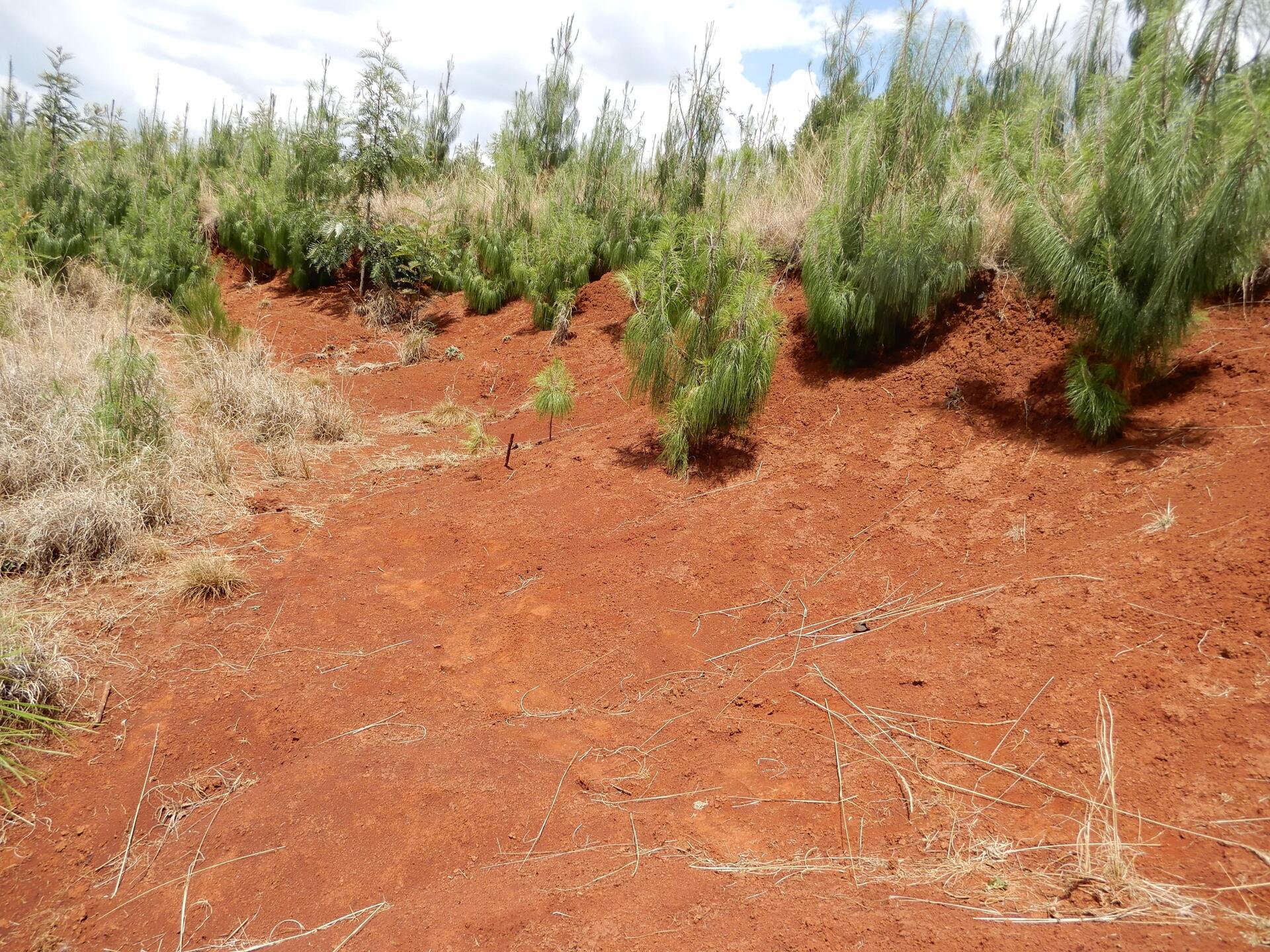
Figure 2. Progressive increase in vegetation covers across previously degraded landscapes in different Kebeles of Ezja district, Gurage Zone.

Mrs. Remla Hasen, the Zone’s environment and biodiversity officer (personal communication), witnessed the community's strong motivations to rehabilitate degraded landscapes. She implied that the local community actively participate in soil and water conservation works during the dry season planting of seedlings during the rainy season on those prepared physical structures. School students and local civil servants are also active participants inheriting the culture of environmental protection for the young generation. Such participation of all segments of the community ensures sustainability. She added that “not only planting seedlings but also taking care of the planted seedling to increase their chance of survival is the responsibility of all and as a result the success rate in our district is very high”. This collective commitment has led to impressive results: once-eroded landscapes are now covered with thriving green vegetation (both plantation and regeneration), water resources are being replenished, and the overall landscape greenness has significantly improved. In Central Ethiopia, where the Gurage zone found, about 611,385.4 ha (39.67%) of land is highly susceptible to degradation and is also under degradation because of steeply slope (5 – 68 degree (EPA, 2024). The GLI has become a cherished cultural practice, with community members, even by those living in cities and towns and maintaining this moment is important to sustain the practice itself and its impacts.
3.2. The Case of Humbo and Boloso Sore districts in the Wolaita zone: Where the revival of rehabilitation witnessed
The wolaita zone is one of the densely populated (385 km-2) zones in Ethiopia (CSA, 2010) where the population depend on nature for their livelihood. In past years, the unplanned and unsustainable land use has caused degradation of natural resources and diminish in land productivity. All landforms including hills and mountains were converted to agricultural lands (Pound and Jonfa, 2005) to meet the food demand of the growing population. However, this practice has subjected the agricultural sector, the forest and other land use forms to severe degradation which has resulted in declining agricultural productivity because of the severe soil fertility reduction. The strategies, mainly the SLM and GLI, deployed in the Wolaita zone have played a crucial role in reverting the situations of land degradation through community engagement as described for the Gurage zone. The SLM interventions have brough change in vegetation cover and rehabilitation of degraded lands (Assefa et al., 2021). Using the knowledge gained from the SLM and guidance from the current GLI interventions, the community in various districts of Wolaita zone have been striving to restore their degraded landscapes using various techniques (Figs. 3 – 5). All the techniques deployed aimed at soil and water conservation, healing gully and improving plant cover and diversity.
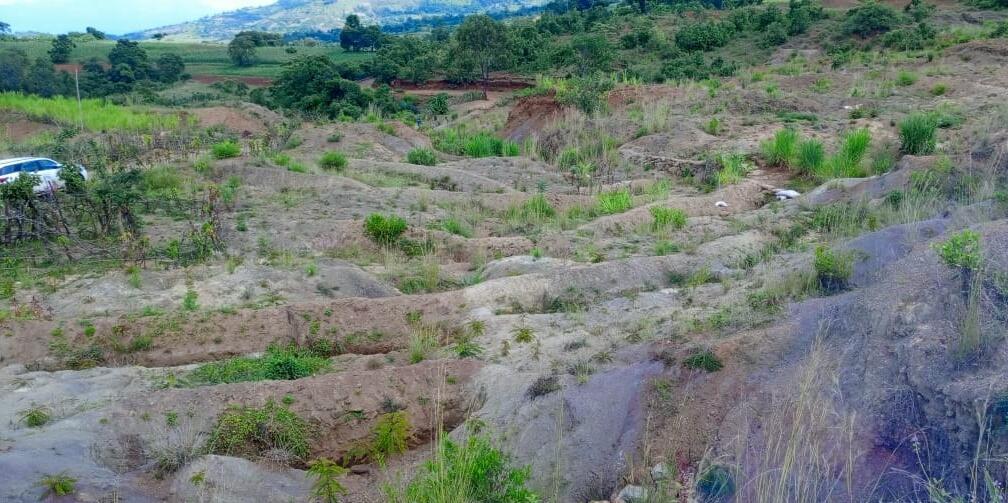
Figure 3. A one-year SWC structure supported with plantation of selected seedlings in the highly degraded landscape of Kodo Qanqo Kebele, Humbo district of the Wolaita zone
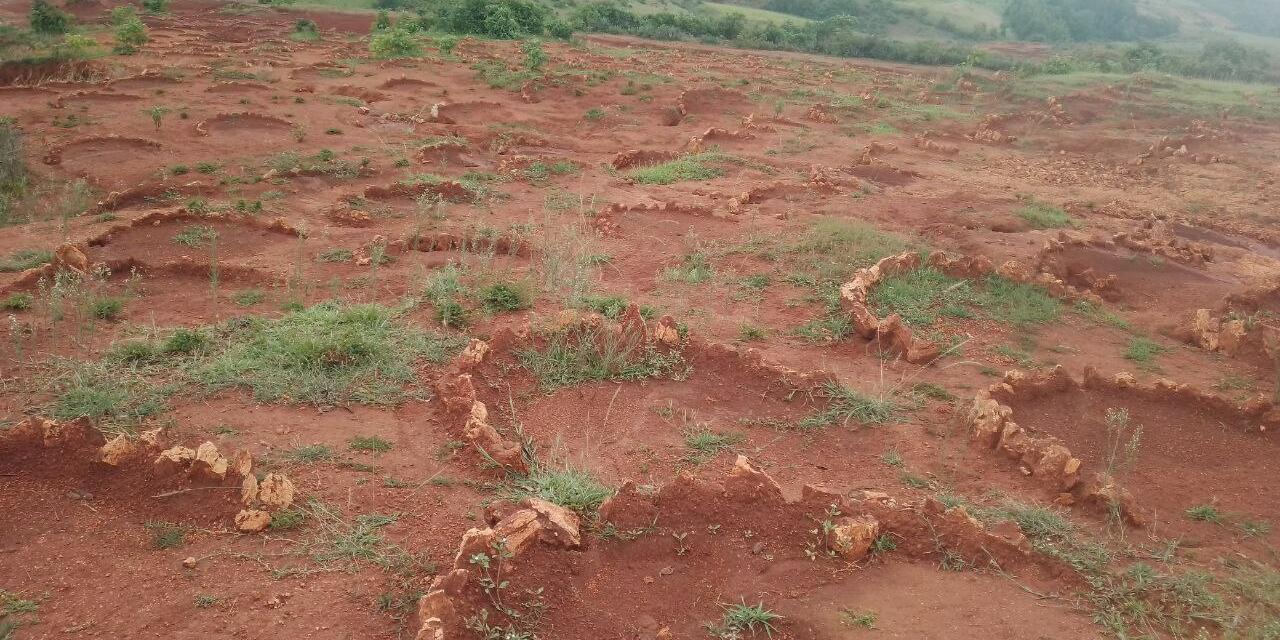
Figure 4. Intensive half-moon ditches constructed to conserve soil and water at highly degraded landscape of Metela Embecho Kebele, Boloso Sorie district of the Wolaita zone
These half-moon micro dams are a water harvesting technique primarily used for soil and water conservation in arid and semi-arid regions by slowing down and retaining runoff water, allowing for increased infiltration into the soil, which helps to improve water availability for plants and reduce soil erosion. In due course, the soil and water resources of area improves and consequently land productivity improves.
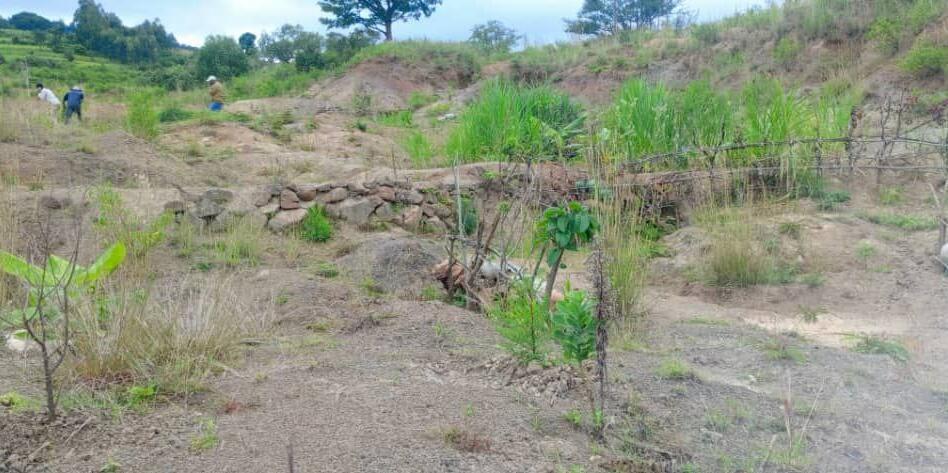
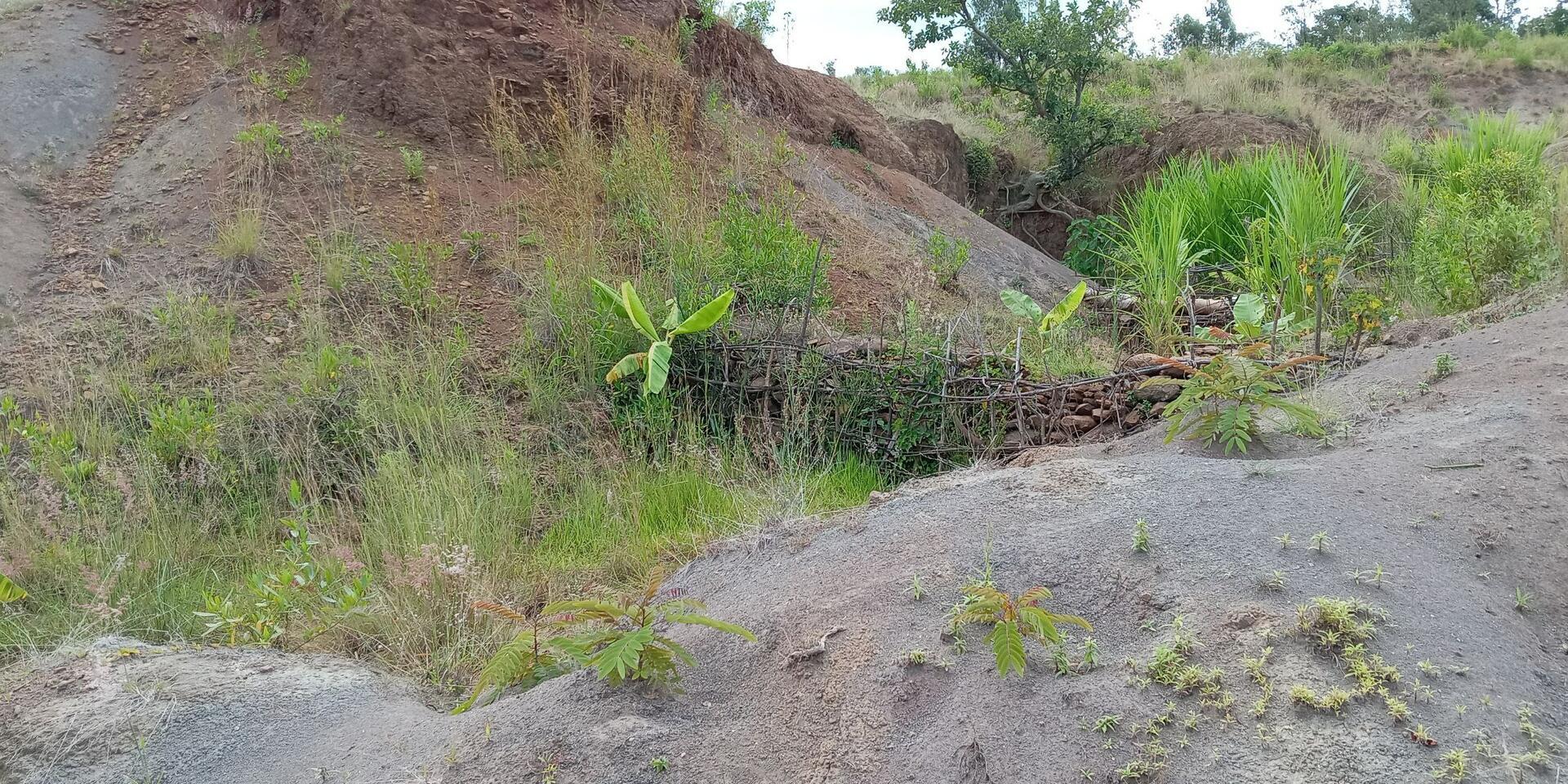
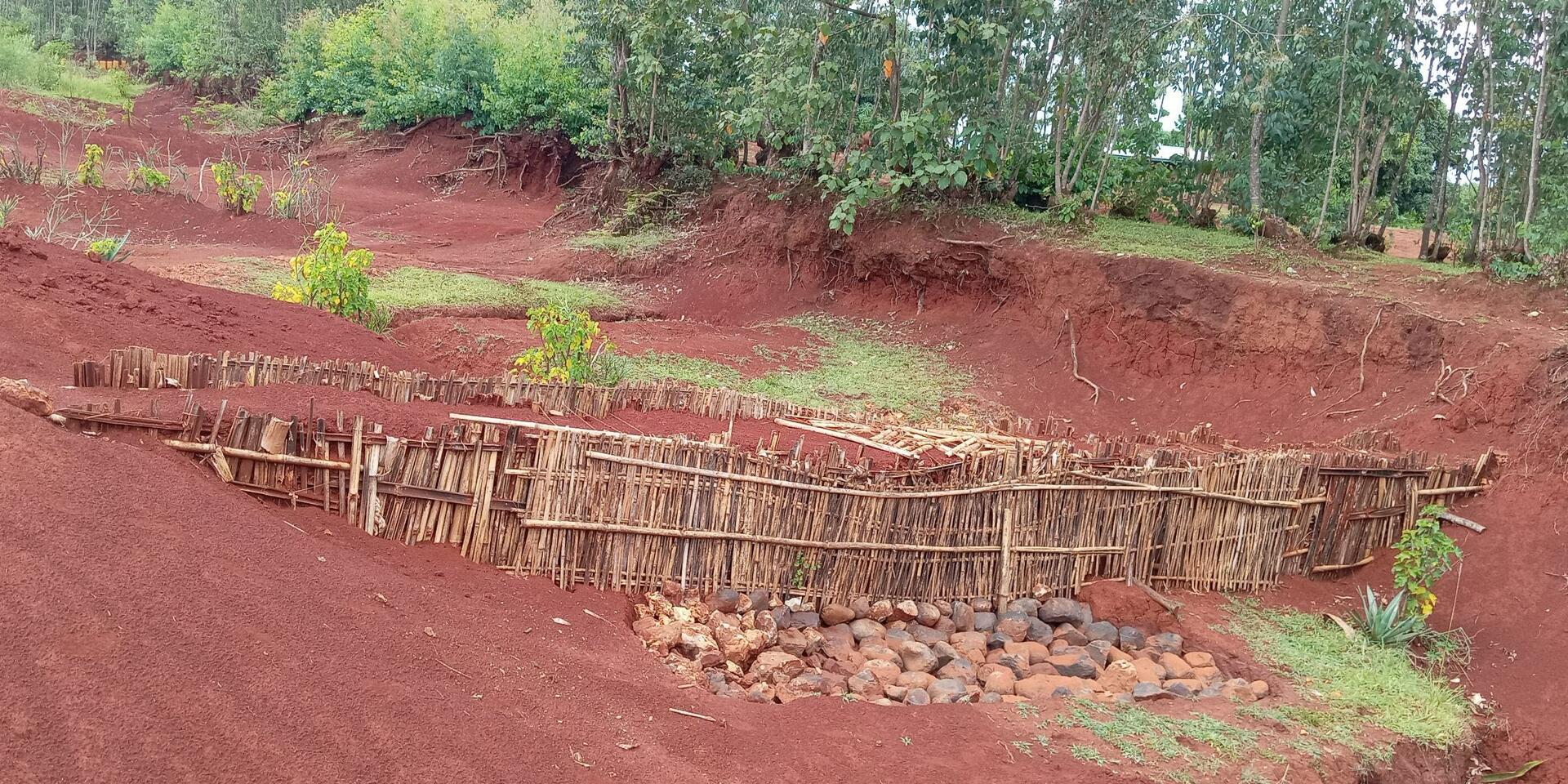
Figure 5. View of constructed micro check dams for rehabilitation of gullies at Kodo Qanqo Kebele of the Humbo district (A&B) and Metela Embecho Kebele, Boloso Sorie district (C&D).
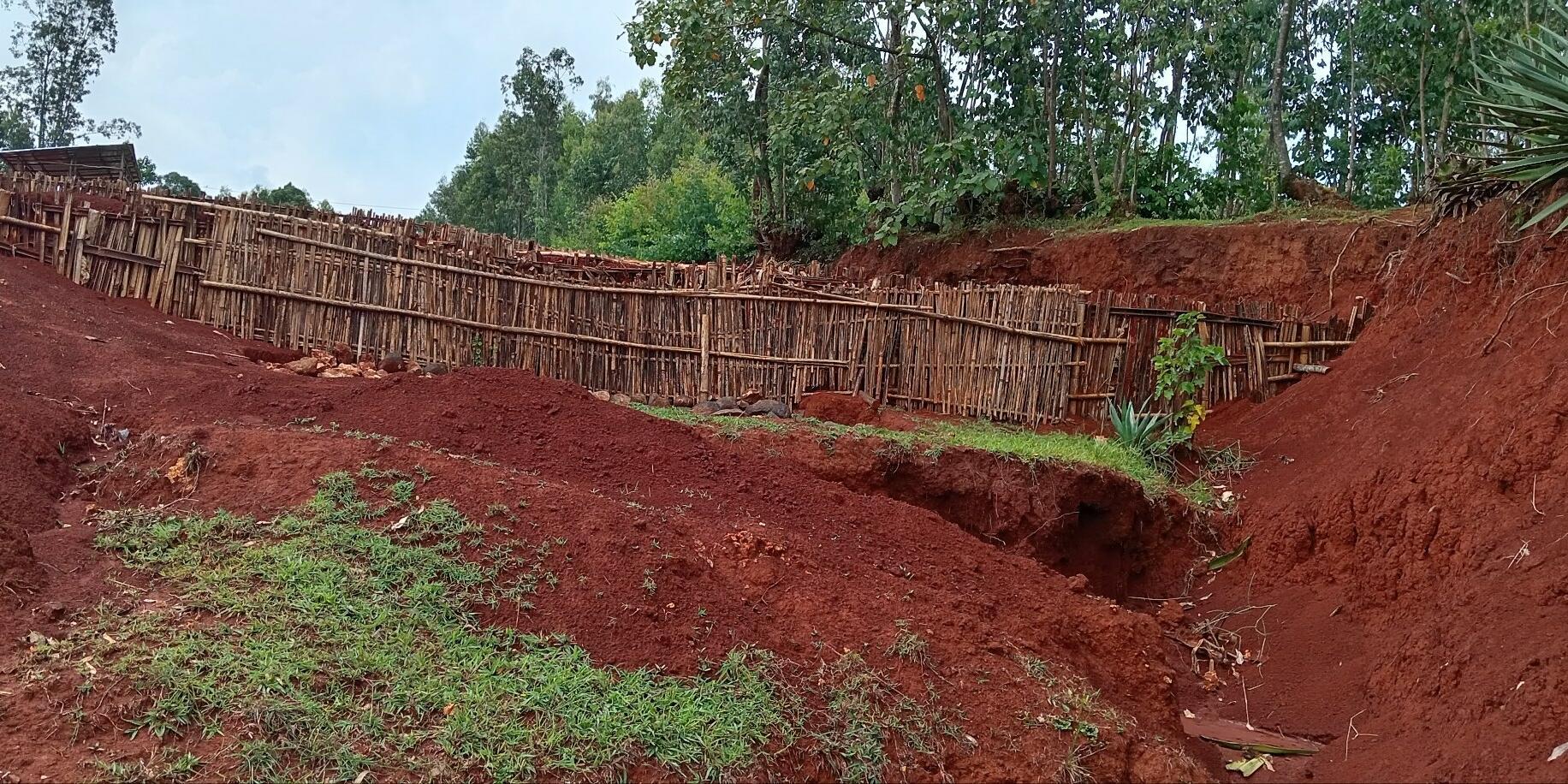
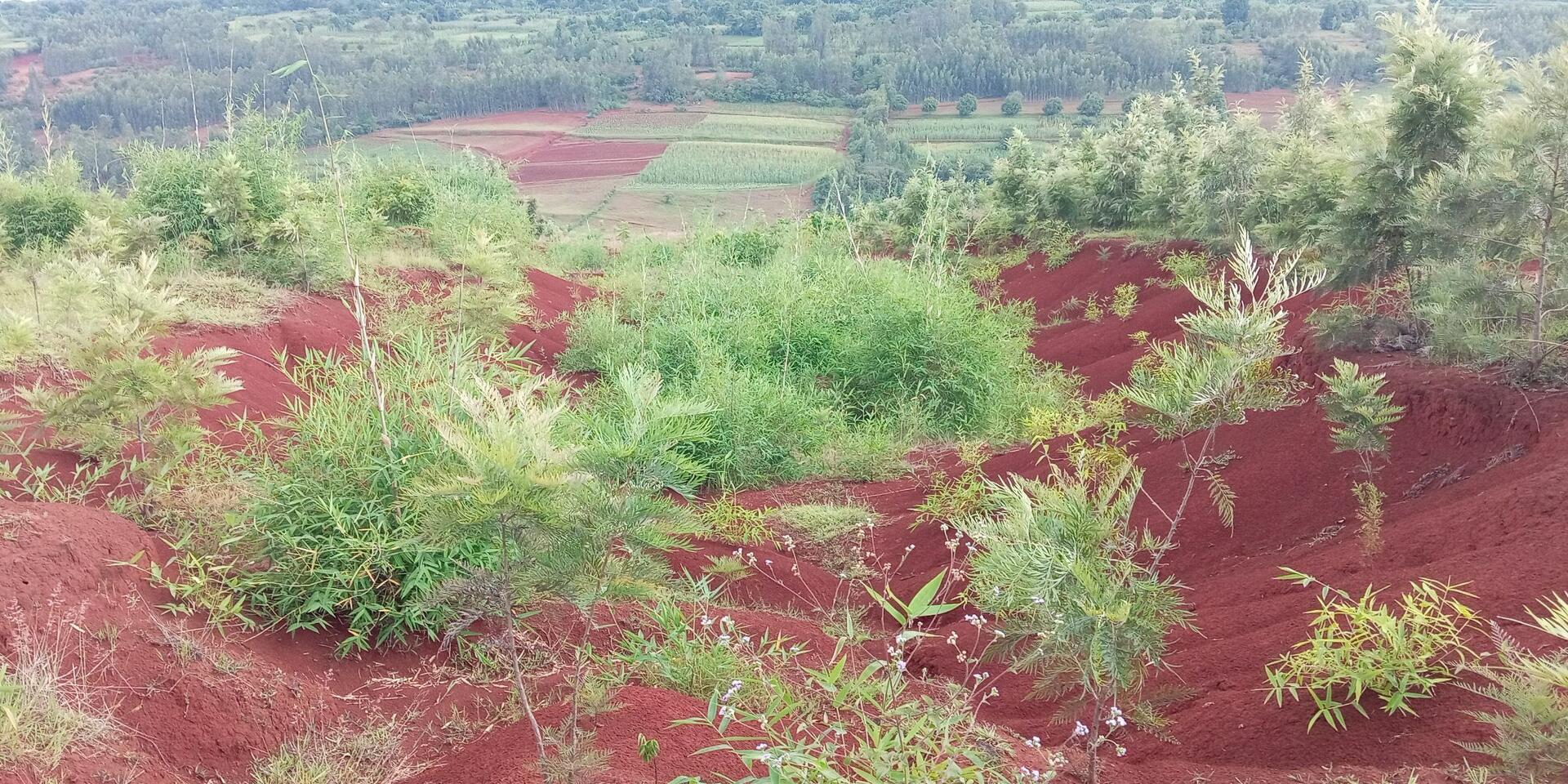
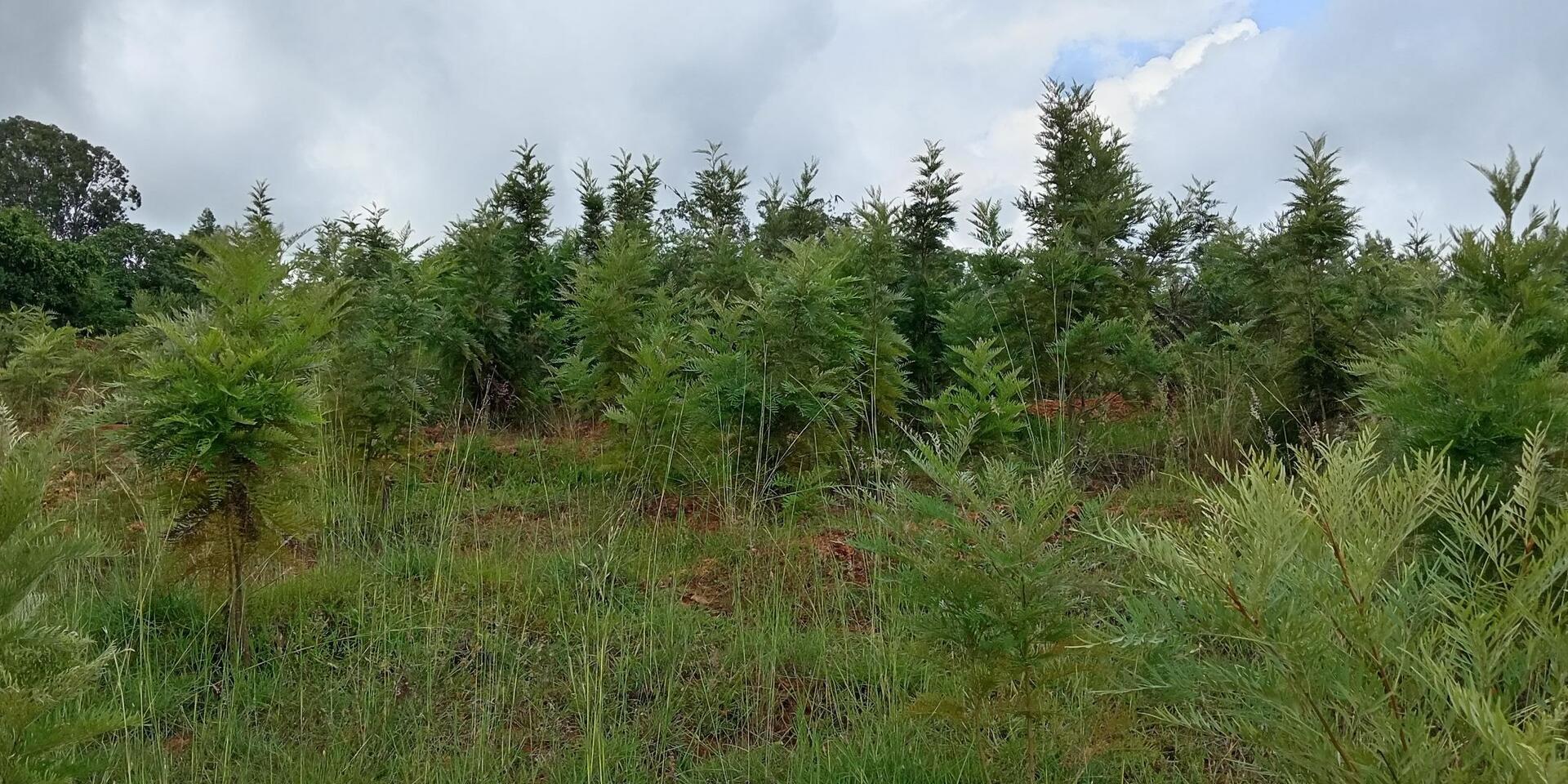
The efforts made to transform such degraded bare land into green that become productive in due course is never easy and simple and should be widely recognized and rewarded. The transformation is truly amazing; gullies actively undergoing rehabilitation (Fig. 6), bare landscapes covered with live plants and biodiversity of various grasses, herbs, shrubs, and trees now thriving where little once grew, illustrating the long-term impact of the initiative (Fig. 7), a powerful sign of recovery.
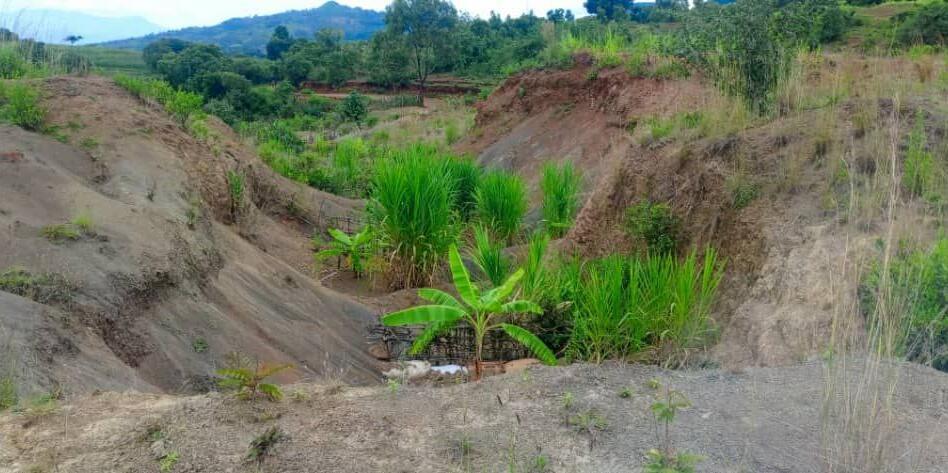
Figure 6. Sever gullies under rehabilitation at Kodo Qanqo kebele of Humbo district (A) and Metela Embecho Kebele of the Boloso Sore district (B), Wolaita zone.
The convention of Biological Diversity (CBD) Target 2 on restoration, known as 30 by 30, expects member countries to contribute to the restoration efforts. In line with this, Ethiopia pledged to restore 22 million hectares of degraded land by 2030. According to FAO (2023), approximately 15 million hectares of land had been restored through reforestation and afforestation efforts bringing a direct positive impact on agricultural productivity, including fruit crop production. As over 85% of the land subjected to various degrees of degradation (Gashu and Muchie, 2018), still much work needs to be done.
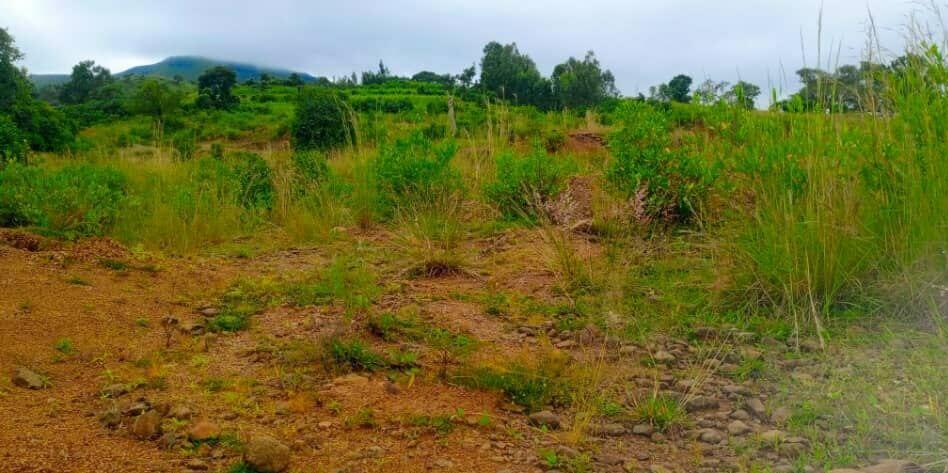
Figure 7. Rehabilitation and ground cover of previously degraded lands after GLI interventions Kodo Qanqo kebele of Humbo district (A), and Metela Embecho (B & C) Kebele of Boloso Sore district, Wolaita zone.
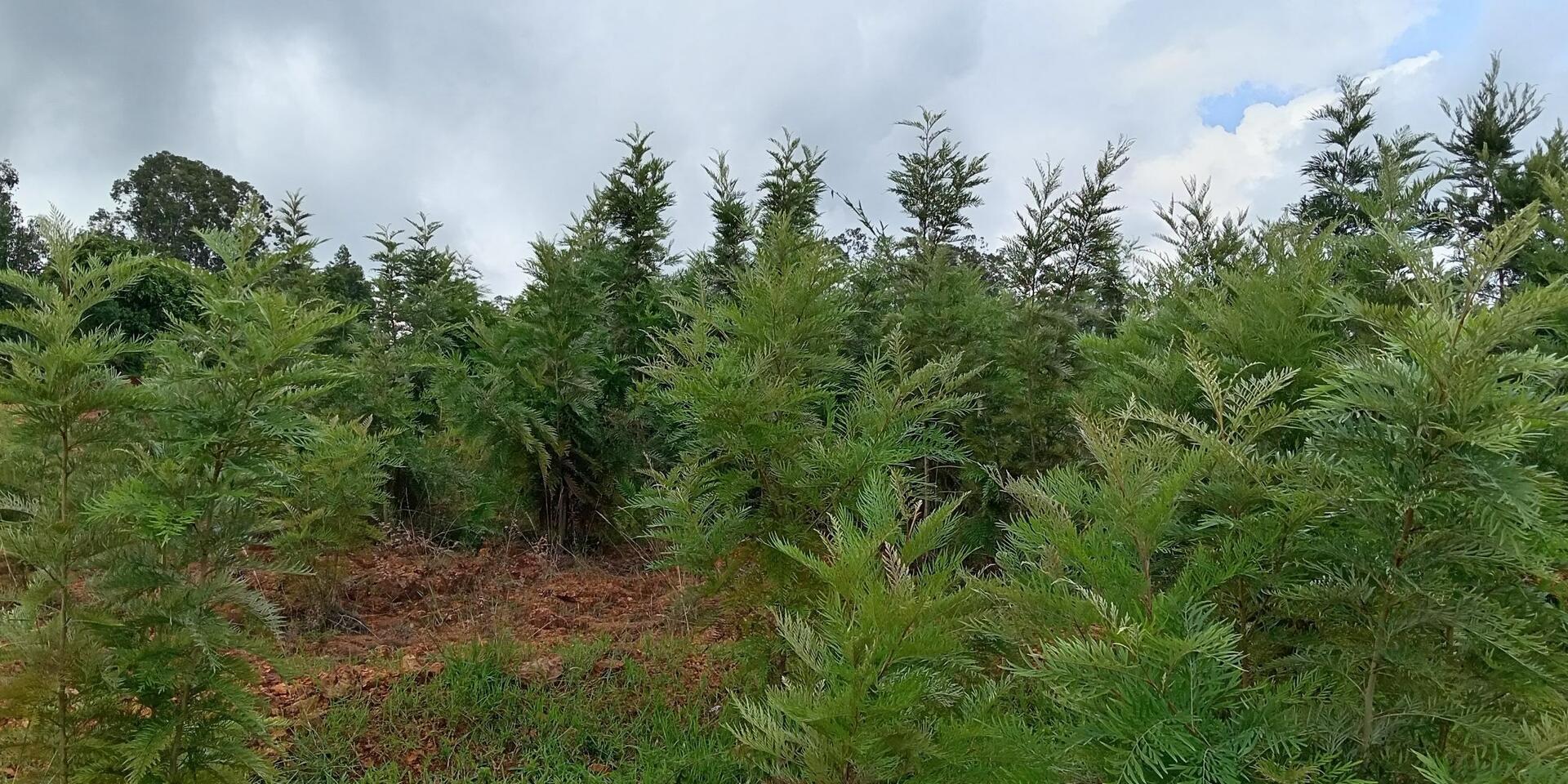
Farmers in both the Gurage and Wolaita zones are aware of the positive impacts of GLI and developed technical capability to on various soil and water conservation practices as a measure to protect and restore the fertility and productivity of their farmlands (Bojago et al., 2022). This is indeed crucial for sustainability of the initiative and to resolving the issue of cutting-edge poverty, food insecurity, and environmental deterioration.
Conclusion
The Green Legacy Initiative has been restoring the degraded landscapes into productive landform including forest lands, grass land and agroforestry. The community in the intervention areas have realized the multiple benefits of restoring degraded landscapes. Activities like tree planting and managing seem deep rooted as a culture in the community culture in Ezja district of the Gurage Zone, and Humbo and Boloso Sore districts of the Wolaita Zone with good established cultural bylaws not to cut a single tree without getting permission from concerned authorities. The restoration interventions are transforming the degraded lands into productive landscape with significant improvement of ecosystems services, increased greenness and biodiversity and habitat restoration.
The government strategy backed by the community’s commitment to implement the GLI ensures the likelihood of achieving the government targets: restoring 22 million hectares of degraded forests and lands and removing up to 297M tons of CO2 equivalent by 2030. This is indeed crucial for people, environment and nature. The GLI initiative not only about planting trees rather it is about restoring hope, Greening Ethiopia, improving the ecosystem services, and building climate resilience economy for generations. For these reasons it should be adequately promoted and scaled out.
Acknowledgement
The authors thank the Department for Environment, Food and Rural Affairs (DEFRA) of the UK and its program Global Centre on Biodiversity for Climate (GCBC) for funding this work as part of the project “Deploying Diversity for Resilience and Livelihood” through funding agreement G01-007769. We also grateful to experts and farmers in the two Zones for providing data and sharing their indigenous knowledge with us during the field works.
References
- Asfaw, D. and Neka, M. 2017. Factors affecting adoption of soil and water conservation practices: The case of Wereillu Woreda (District), South Wollo Zone, Amhara Region, Ethiopia. International Soil and Water Conservation 5: 273-279.
- Asnake, B. 2024. Land degradation and possible mitigation measures in Ethiopia: A review. Journal of Agricultural Extension and Rural Development 16(1): 23-29. DOI: 10.5897/JAERD2019.1049
- Assaye, Y., Desta G., Molla, E., Adimassu Z. 2025. Effects of land management practices on runoff and soil and nutrient losses in the rainfed agroecosystem of the Beles River Basin, Ethiopia. International Journal of Sediment Research
- Ebabu, K., Tsunekawa, A., Haregeweyn, N., Adgo, E., Tsegaye, D.M., Aklog, D., Masunaga, T., Tsubo, M., Sultan, D., Almaw, A.F., Yibeltal, M. 2019. Effects of land-use and sustainable land management practices on runoff and soil loss in the Upper Blue Nile basin, Ethiopia. Science of the Total Environment 648: 1462–1475.
- EEA (Ethiopian Economic Association). 2023. Green Legacy Initiative for Sustainable Economic Development in Ethiopia. Policy Working Paper 10/2023. 107 pp.
- ENA, 2023. Accessed on 07 May 2025.
- ENA, 2024. Accessed on 07 May 2025.
- FBC, 2023. Accessed on 07 May 2025.
- Hurni, H., Abate, S., Bantider, A., Debele, B., Ludi, E., Portner, B., Yitaferu, B., Zeleke, G. 2010. Land degradation and sustainable land management in the Highlands of Ethiopia. Global Change and Sustainable Development: 187 207.
- Solomon, N., Birhane, E., Tilahun, M., Schauer, M., Gebremedhin, MA., Gebremariam, FT., Gidey, T., Newete, SW. 2024. Revitalizing Ethiopia’s highland soil degradation: a comprehensive review on land degradation and effective management interventions. Discover Sustainability 5:106.
- Tamene, L., Abera, W., Demissie, B., Desta, G., Woldearegay, K. & Mekonnen, K. 2022. Soil erosion assessment in Ethiopia: A review. Journal of Soil and Water Conservation 77(2): 144-157. DOI: 10.2489/jswc.2022.00002.
- Tilahun, H., Taddesse, G., Melese, A., Mebrate, T. 2018. Assessment of spatial soil erosion hazard in Ajema Watershed, North Shewa Zone, Ethiopia. Advances in Plants and Agriculture Research 8:552 558.
- Wasie, SB. 2020. Natural resource degradation tendencies in Ethiopia: a review. Environmental Systems Research 9:33.
- Nekir, B., Yaekob, T., Negash, F and Bekele, T. 2024. Participatory Assessment of Agriculture Land and Vegetation Associated Issues and Possible Interventions in Gurage Zone, Ethiopia. American Journal of Agriculture and Forestry 12 (4): 271-281.
- CSA (Central Statistical Agency) (2010) Population and housing census of Ethiopia. Addis Ababa, Ethiopia.
- Pound B, Jonfa E (2005) Policy and research series, soil fertility practices in Wolaita Zone, Southern Ethiopia: learning from farmers. Farm Africa, London.
- Assefa, A., Haile, A., Dhanya, C., David, W., Gowing, J. and Parkin, G. 2021. Impact of sustainable land management on vegetation cover using remote sensing in Magera micro-Watershed, Omo Gibe Basin, Ethiopia. International Journal of Applied Earth Observation and Geoinformation 103,102495.
- Mengistu, D.K.; Terefe, H.; Nigir, B.; Tilahun, A. (2025) GLI contributed to the regeneration of local plant species: The case for restoring biodiversity in Ethiopia. [Blog post] Bioversity International and the International Center for Tropical Agriculture (CIAT). Published online 13 May 2025.
- FAO. 2023. Water resources and irrigation benefits of the Ethiopian Green Legacy initiative. Rome, Italy.
- Gashu K, Muchie Y. 2018. Rethink the interlink between land degradation and livelihood of rural communities in Chilga district, Northwest Ethiopia. Journal of Ecology and Environment 42:1–11.
- Bojago, E., Senapathy, M., Ngare, I. and Dado, T. 2022. Assessment of the Effectiveness of Biophysical Soil and WaterConservation Structures: A Case Study of Offa Woreda, Wolaita Zone, Ethiopia. Applied and Environmental Soil Science 2022, Article ID 6910901.
- ETHIOPIAN ENVRIONMNENTAL PROTCEION AUTHORITY (EPA). 2024. Environment & natural resource degradation & prevention of Central Ethiopia region. Report, Addis Ababa, Ethiopia.
The Team

Mengistu Dejene Kassahun
Scientist-II