2024 Annual Report Scaling Innovations to Institutions
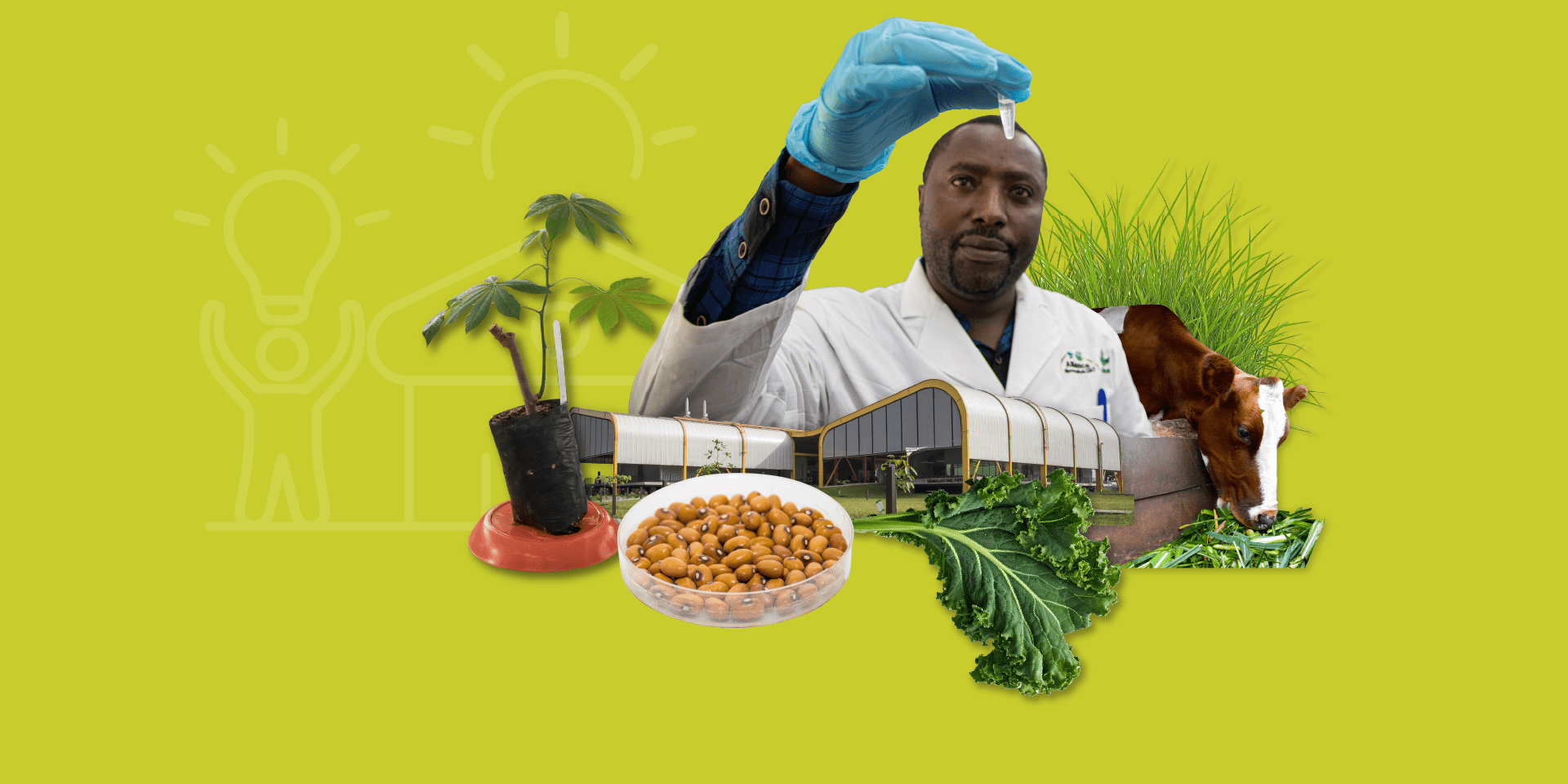
Systemic impact happens when solutions outlive individual projects, are taken up by farmers, embedded in local systems, and implemented across regions. From climate-resilient crops to digital platforms, the Alliance works to ensure that innovations are not only developed, but adopted at scale.
Putting digital tools to good use
2024 was a big year for Artificial Intelligence. AI’s potential includes accelerating and democratizing crop breeding, decision-making, disease detection, and early-warning systems in food systems. But its integration into our work raises many important questions. Can we ensure that AI tools are inclusive—built with human-centered design, grounded in local knowledge, and free from bias? How do we bridge the digital divide so even the most marginalized can benefit from these innovations?
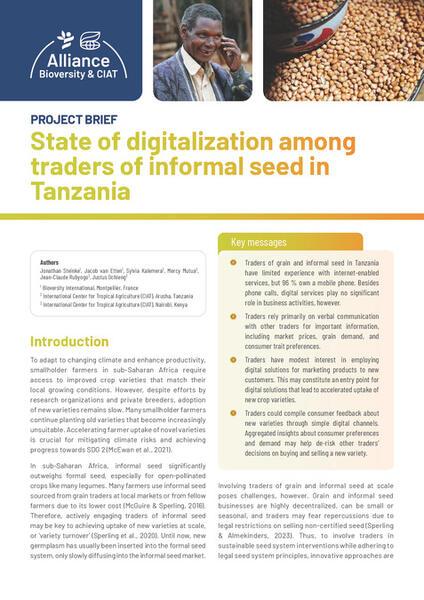
Already for years, researchers have used AI to combine and make more accurate fragmented existing data from remote sensing, social media, and climate services, and generate new data using novel and rapid methods, for example using farmers’ mobile phones. Human-centered design supports this research and can help ensure that it reaches the most marginalized, who are least digitally connected and can learn from local and indigenous practices. Approaches include reducing costs through open-source AI models and using AI on local devices. Below are examples of digital platforms, tools, and innovations that we made accessible in 2024.

Explore some of our digital tools

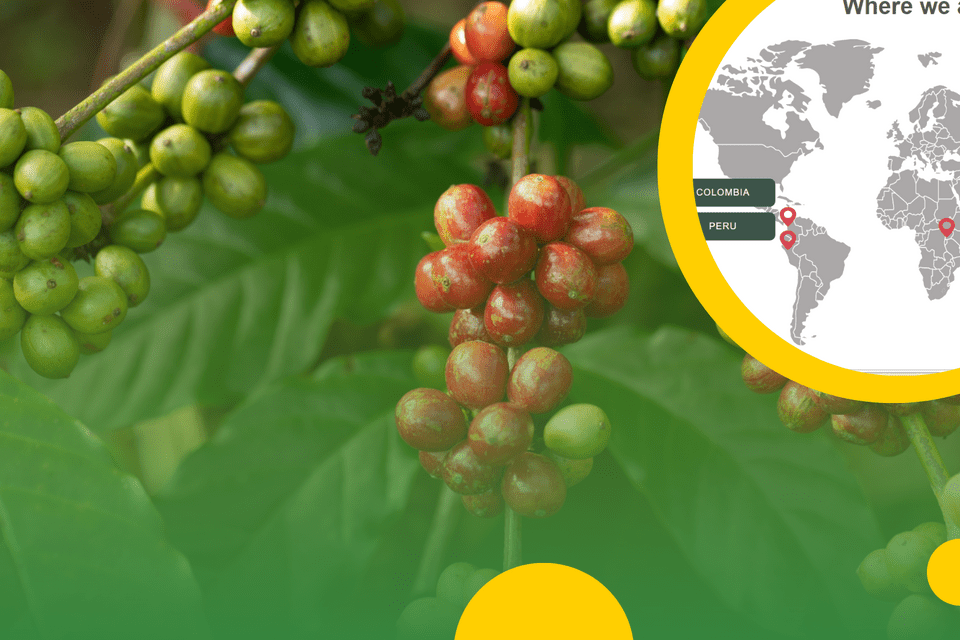

In Colombia, an AI platform helped farmers predict forage productivity by integrating satellite data and local knowledge—supporting better decisions under climate stress while investing in open-source models, offline functionality, and local customization for wider uptake.
“When I started in 2018, nobody knew about machine learning, now you can have this information faster than before.” -Juan Andrés Cardoso Arango, plant eco-physiologist at the Alliance.

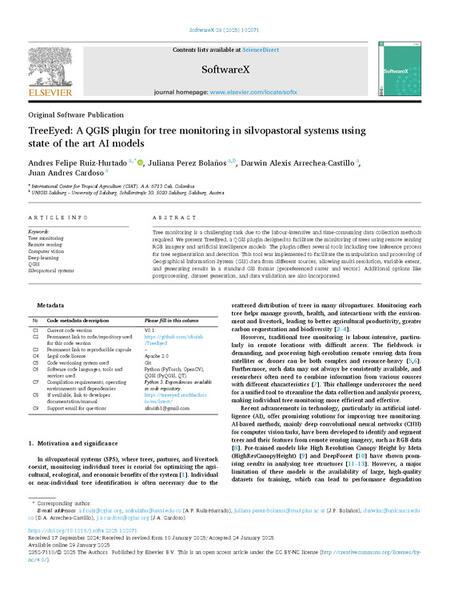
TreeEyed is a QGIS plugin designed to facilitate the monitoring of trees using remotely sensed imagery and artificial intelligence models, providing the number of trees, their individual height and canopy areas. Since its release in September 2024, plugin has been downloaded by over 3,000 global users, and is already being used to monitor trees and carbon stocks in Hacienda San Jose, a notable actor revolutionizing cattle production in Colombia, as well as by other CGIAR centers (ILRI and ICARDA).
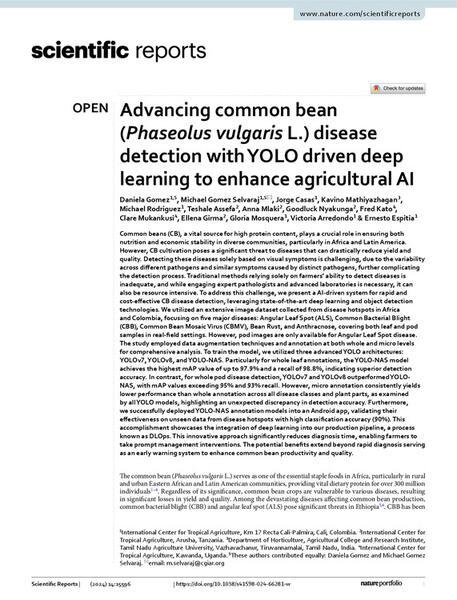
Tumaini enables farmers to identify and treat plant diseases and pests in crops including beans, cassava, and banana. This AI-powered app works in just three steps: take a snapshot/image of the plant or a plant part, upload the image, and receive a specific diagnosis within seconds, along with appropriate control measures to reduce yield losses. Tumaini currently has more than 14K downloads and is being widely used for disease detection and mapping. Its database contains more than 100,000 mapped plants in over 17 countries including: Colombia, Perú, Benin, Democratic Republic of Congo, Nigeria, Togo, Cameroon, Equatorial Guinea, Malawi, Zambia, Angola, Tanzania, Uganda, Vietnam, and India.
My Farm Trees uses mobile and blockchain technology to create a transparent information link from seed collection to tree growth, incentivizing community-led restoration, particularly with native trees. As the tool expands to additional countries, its application first in Kenya has benefited 3,403 farmers, contributing to the restoration of 1,250 hectares of forest landscapes, while in Cameroon, 1,522 individuals have used the platform to restore 817 hectares of land.

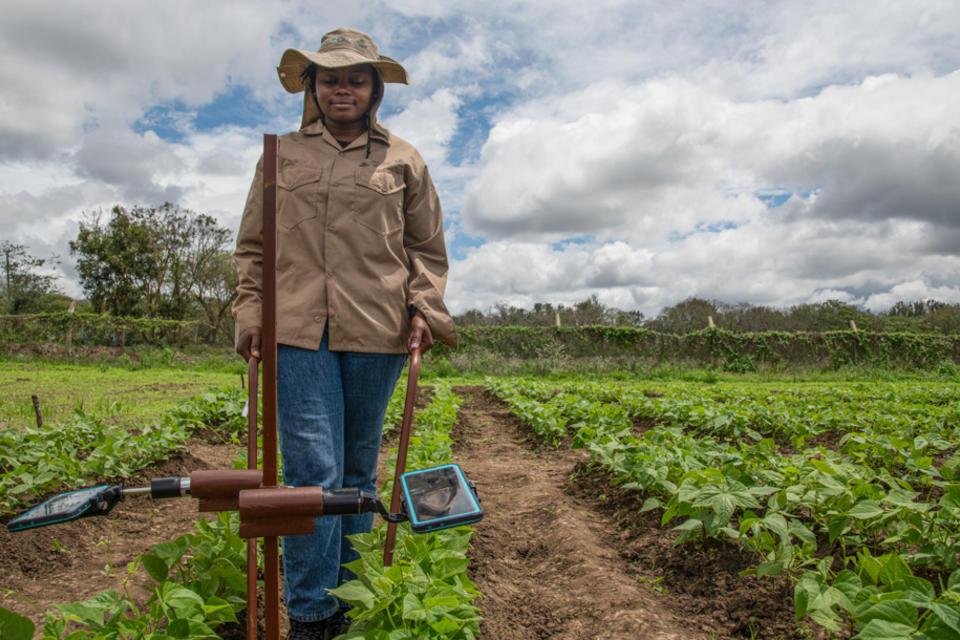
Bruno is a low-tech pushcart that elevates a smartphone above trial plots, making it easy for anybody to scan fields, upload images into an AI-powered app, and analyze data about how varieties perform. Without a cost barrier to access the technology, this innovation shortens breeding cycles by up to 50%, enabling rapid development of resilient and resistant crop varieties by breeders around the world.
Cutting off plant disease
The Alliance is at the forefront of efforts to monitor and control the spread of multiple plant diseases that threaten farmer livelihoods across the globe.
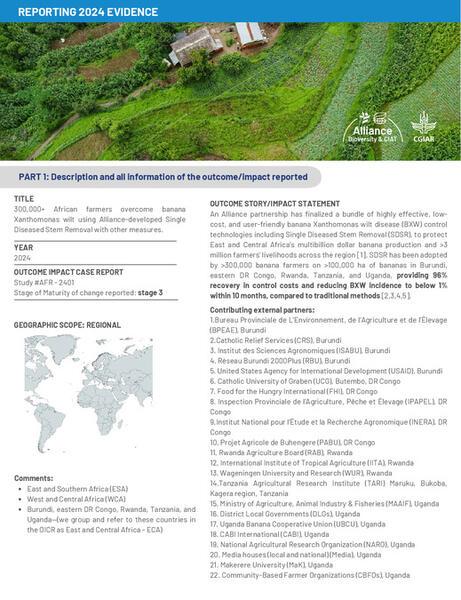
We have been monitoring the global distribution of plant diseases for banana (for example, creating a surveillance database of 50,000 banana plants) and providing farmers with recommendations to combat their spread. Over 300,000 farmers across East and Central Africa have adopted the method of Single Diseased Stem Removal (SDSR) to control Banana Xanthomonas Wilt. This low-cost, farmer-led practice is now recognized as a best practice by national agricultural systems—an example of innovation transcending the pilot phase to become part of agricultural routine. We’ve also informed supply chain actors and policymakers about simple, money-saving steps to reduce the spread of another disease, TR4.
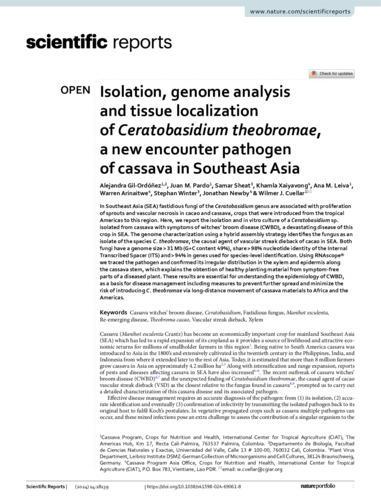
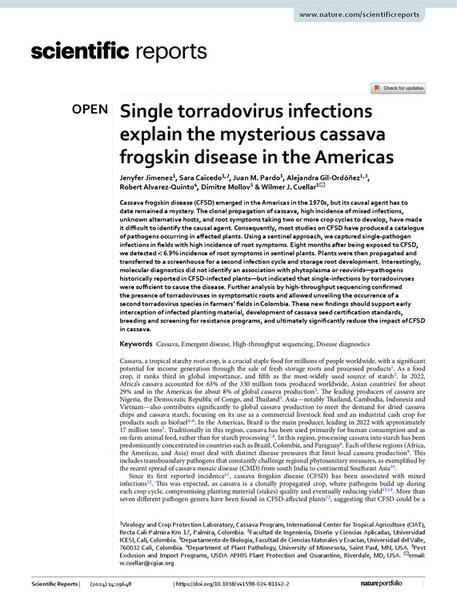
Likewise for cassava, keeping pace with the rapid spread of diseases is a race that holds ramifications for an estimated 800 million people who rely on the crop for their livelihoods. In 2024, breakthrough findings by Alliance researchers identified the pathogens responsible for Cassava Witches’ Broom, Frogskin, and Mosaic diseases. Understanding the causal agents of these devastating strains can both slow the spread of the diseases where they are already present and preemptively inform industry and governments in places not yet affected.

Linking insights from our Future Seeds collection in Colombia with our laboratory and field station in Laos, we are also identifying varieties with disease-resistant traits. Further collaborations with research partners and farmer groups aim to increase access to clean, resistant stems and planting material. For example, a participatory approach conducted auctions with farmers to find- contrary to conventional wisdom- that farmers are willing to pay more for disease-free and improved seeds, a hopeful sign for further uptake of disease-resistant cassava.
“Solving these puzzles required years of patient collaboration and cutting-edge science. Now, we are equipped to tackle these diseases head-on and safeguard cassava production for future generations.” -Wilmer Cuellar, virology laboratory lead scientist at the Alliance
Discover publications on cassava:
Uptake of climate-resilient and low emission crops
Alliance-developed crop varieties are now in the hands of farmers and being distributed through public breeding networks and seed systems.
When it comes to reducing the carbon footprint of livestock farming, forages offer a myriad of benefits. By screening over 6,000 promising accessions from three CGIAR centers and their genebanks (Alliance, ILRI, ICARDA) we are identifying low methane forages that can reduce livestock methane emissions. During this first phase, the Alliance inaugurated the most advanced respirometric chambers in Latin America. These 16 chambers simulate different conditions, enabling in vivo validation of the forage accessions with the greatest capacity to reduce methane emissions.
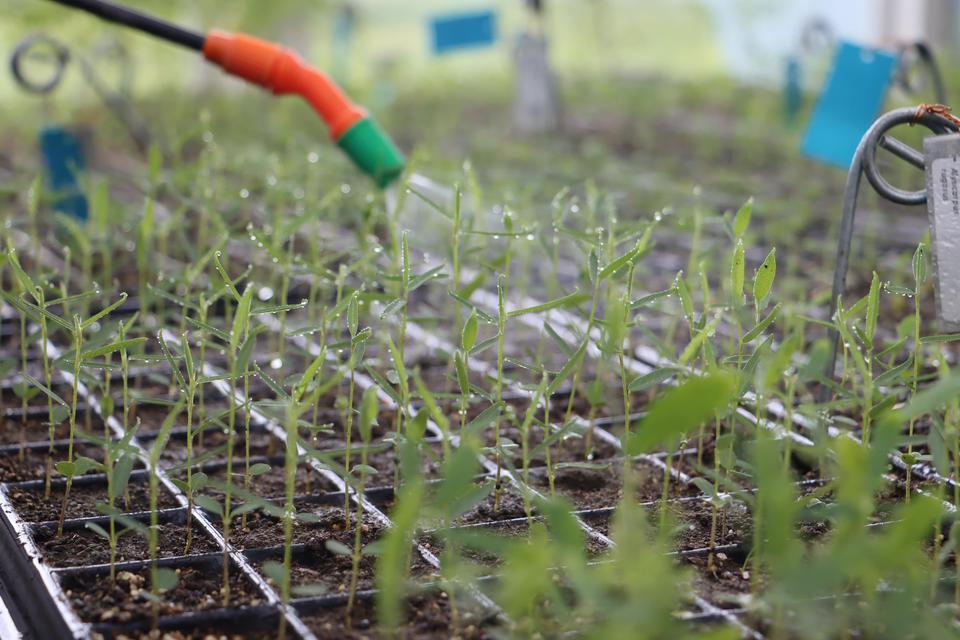
Urochloa hybrids– bred according to characteristics from drought tolerance to nutritional quality and developed by Alliance scientists– are being scaled through partnerships with governments, farmer organizations, and development programs. A standout example is the longstanding Alliance and Grupo Papalotla partnership, which has developed and commercialized Urochloa (Brachiaria) grass hybrids since the release of the first hybrid, Mulato, in 2001. Today, over 1.8 million hectares in 70 countries are planted with Urochloa hybrid seeds, benefitting 1.6 million farmers. The adoption of these hybrids, such as Mulato II, Cayman, and Cobra, have improved cattle productivity, increased farm income, and contributed to food security.
Emerging markets in East Africa and Southeast Asia present further opportunities to enhance productivity, resilience, and environmental sustainability. For example, in Vietnam we partnered with the Agricultural Service Center of Mai Son district to scale up feed and forage innovations. 34 training sessions encouraged 1,183 farmers to adopt high-yielding, drought-resilient forages like Mombasa Guinea, Mulato II, and Green Elephant grass, along with improved feeding strategies and manure composting. The result: more stable year-round feed supply, lower production costs, and healthier livestock.


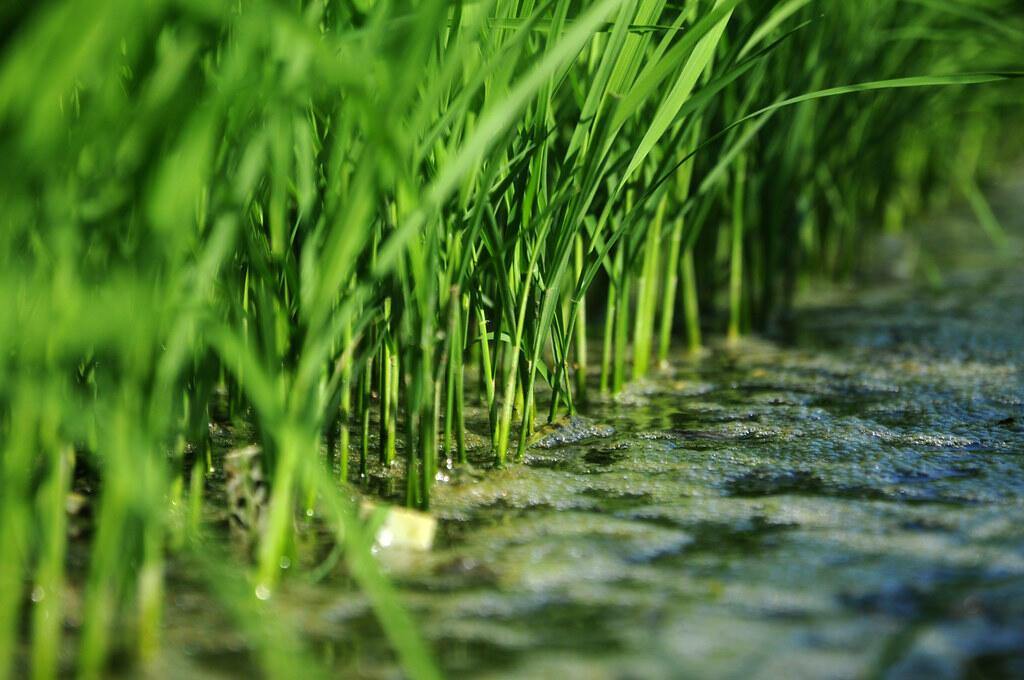
Two major vulnerabilities for rice are increased water shortages and rice blast, a fungus that destroys enough rice each year to feed more than 60 million people. In 2024, our rice breeding efforts advanced both genetic research and farmer adoption. Genomic studies linked East and Southern African rice varieties to novel blast resistance, paving the way for breeding disease-resistant varieties without sacrificing farmer-preferred traits. In Latin America and the Caribbean, over 100 high-zinc biofortified rice lines were distributed across multiple countries. Farmers in Colombia began testing these lines, which combine improved nutrition, climate resilience, and blast resistance. Uptake was strengthened through collaboration with local communities, especially women and Afro-descendant farmers. Together, these innovations are helping deliver resilient, nutritious rice varieties tailored to local needs and rapidly adopted by farming communities.
In 2024, the Alliance collaborated with national partners in Latin America to develop and release seven new bean varieties that provide improved drought tolerance, pest resistance, and enhanced nutritional value. Each of the seven newly released bean varieties was developed to address specific regional agricultural challenges:
- Bolivia: The INIAF Puka, JR25 and INIAF Bicentenario varieties were launched to increase drought tolerance and optimize water use, helping farmers adapt to climate change.
- Costa Rica: The Quiribrí variety reduces production costs by 50% and requires fewer pesticides, promoting sustainable farming while ensuring high market value and consumer acceptance.
- Guatemala: ICTA Tahual, a black bean variety, was developed to provide improved iron content and yield, supporting national food security efforts.
- Honduras: Rojo Fortificado, a fortified bean variety, offers enhanced resistance to common diseases and higher nutritional content, ensuring better crop reliability for farmers.
- Nicaragua: The INTA Frijol JM variety excels in diverse environmental conditions, demonstrating superior yield performance and commercial viability.
These efforts are complemented by breeding tools like BioFlow and rapid phenotyping methods that are being institutionalized in national programs, ensuring lasting improvement in crop productivity and resilience. The adoption of these new varieties is expected to positively influence more than 1,500 farmers, improving productivity, reducing input costs, and enhancing resilience to climate challenges.

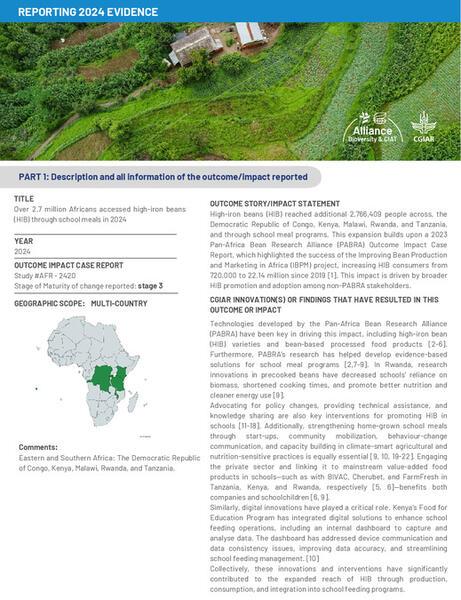
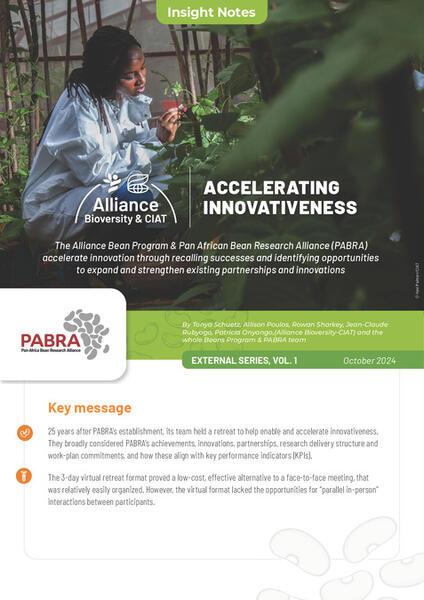
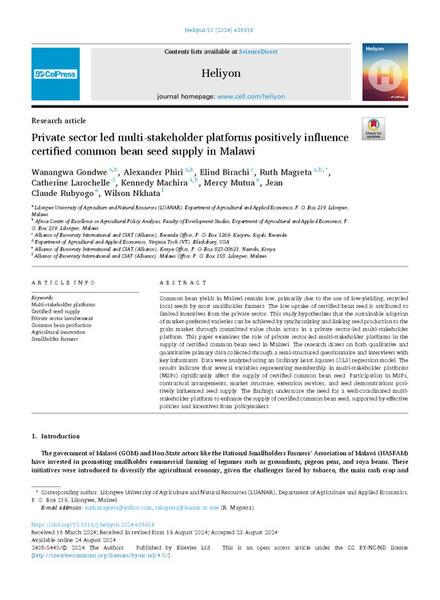
Meanwhile in Africa, the Pan Africa Bean Alliance (PABRA) continued its unique partnership approach, working with over 350 organizations to develop the bean value chain across the region. A notable outcome was the use of school meal programs to disseminate high-iron bean varieties in the DRC, Kenya, Malawi, Rwanda, and Tanzania. In 2024, these reached over 2.7 million people.
Read more about PABRA

Sustainable finance for impact at scale
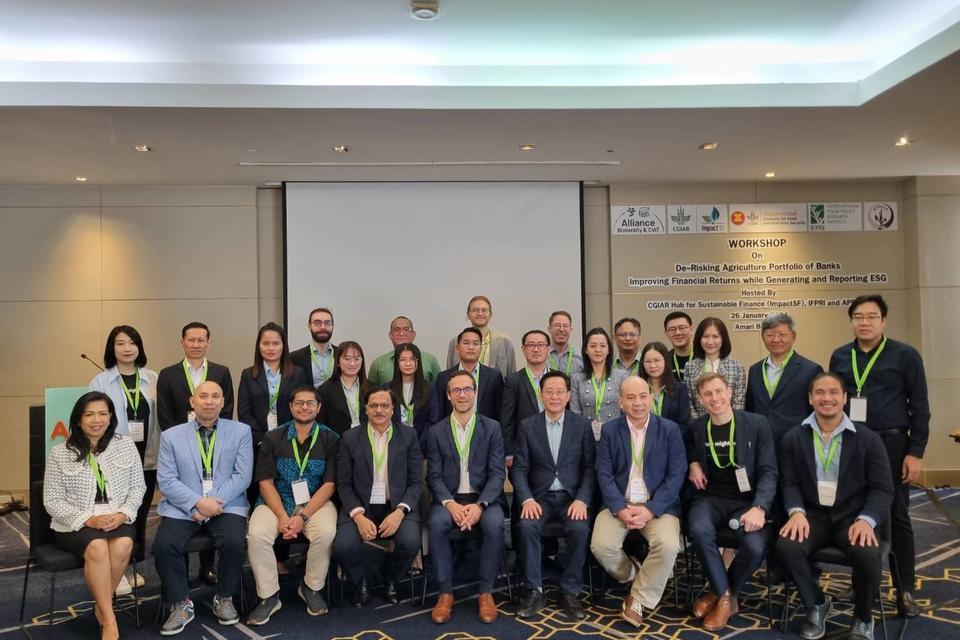
Even when there is considerable interest, banks and businesses can hesitate to invest in sustainable agriculture due to unclear climate risks, limited capacity to assess environmental impacts, and a lack of tailored investment products. But through its leadership in the CGIAR Hub for Sustainable Finance (ImpactSF), the Alliance is shifting this paradigm by connecting investors with local agri-food innovators, preparing farmers and value chain actors for financing, and offering evidence-based insights.
To date, ImpactSF has supported 190 agricultural enterprises through acceleration programs, enhancing their investment readiness and climate resilience. In 2024, the AI-powered ImpactSF Analyzer expanded ImpactSF’s reach with over 10 financial institutions to design climate-smart financial products across Africa, Latin America, and Asia. ImpactSF partnered with major impact investors to design innovative investment vehicles—such as the 'Financing Agricultural Small-and-Medium Enterprises in Africa’ Fund (FASA) and the Ag360 Fund–targeting over $750 million USD for sustainable investments.