Blog Measuring livestock's methane emissions with minimal disturbance and maximum ease

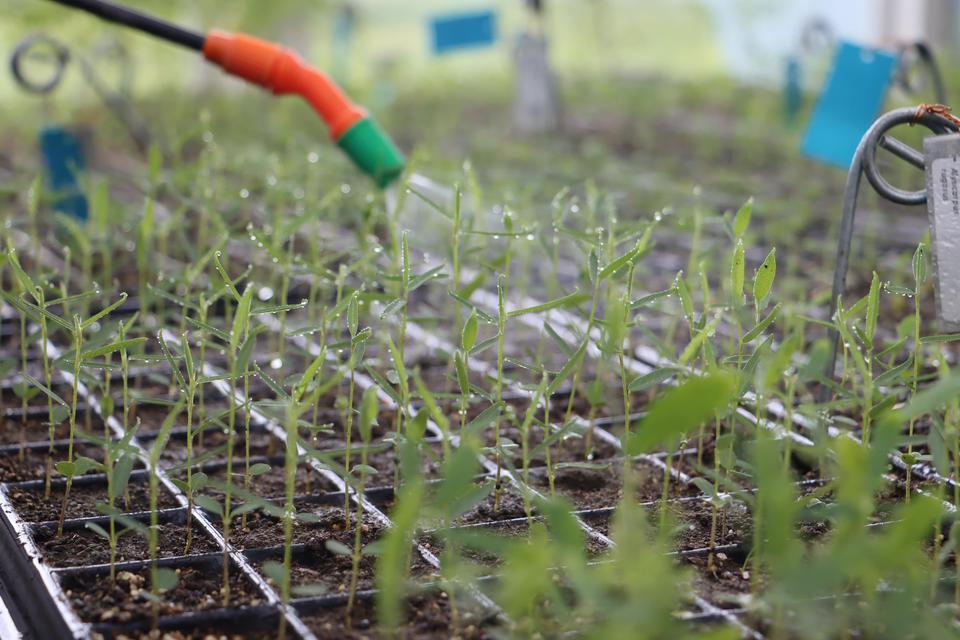
Methane emissions from livestock - especially from cattle - pose a significant challenge in facing climate change. In Latin America, Africa and Southeast Asia, where livestock farming plays a crucial role in food production and rural economies, efforts to mitigate these emissions are critical.
As part of the CGIAR Low-Methane Forages (LMF) project, in partnership the Bezos Earth Fund and the Bill & Melinda Gates Foundation, state-of-the-art respirometry chambers are being installed in the campus of the Alliance of Bioversity International and CIAT, in Colombia.
Methane (CH4) is a super pollutant gas that is roughly 80 times more potent than carbon dioxide (CO2) over a 20-year period, making it a major contributor to global warming. However, unlike CO2 (which can remain in the atmosphere for centuries) methane only remains for approximately a decade. This means that cutting methane emissions offers the quickest and most impactful way to reduce warming.
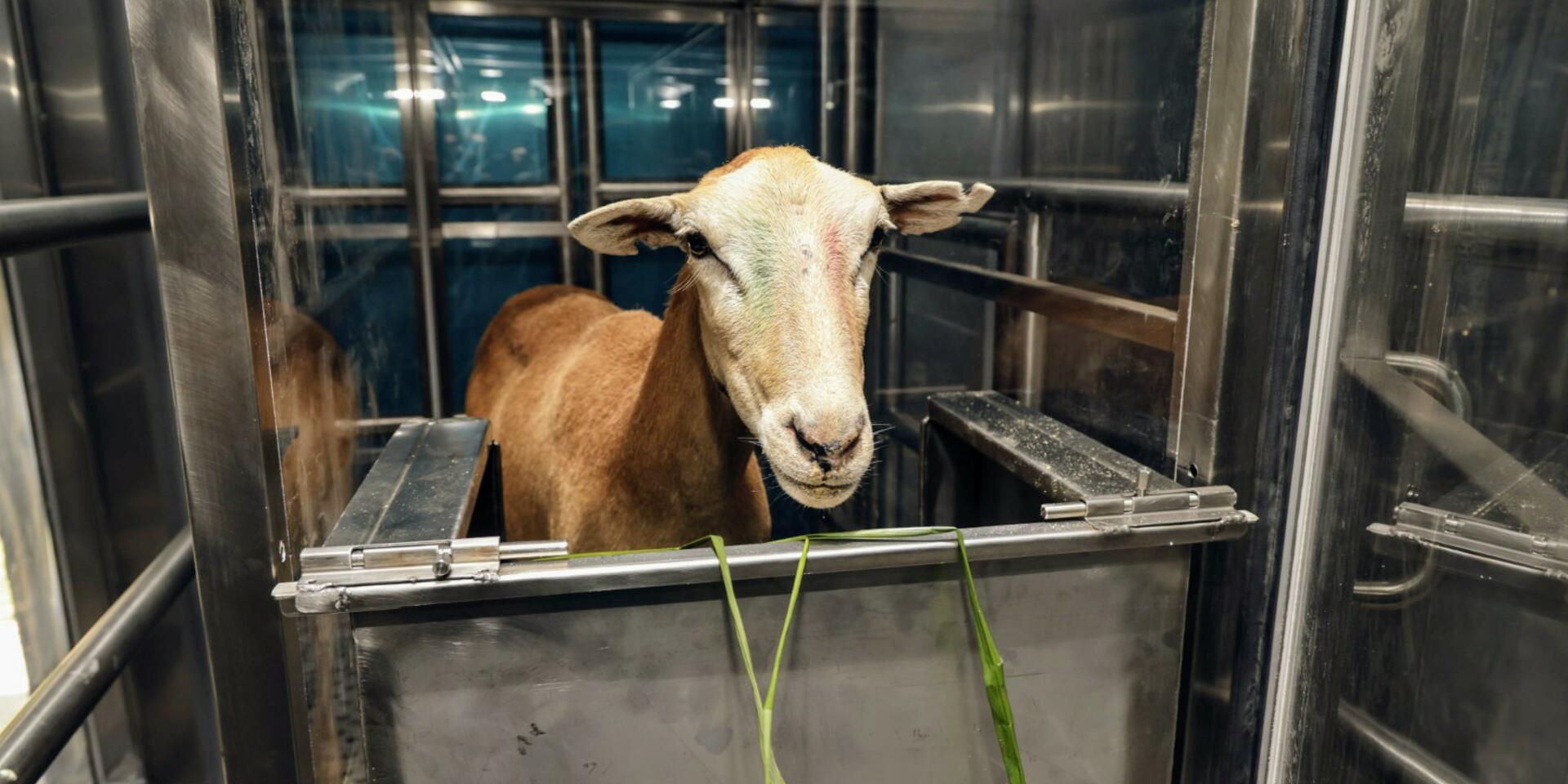
One of the key challenges to cutting methane emissions is accurately measuring and monitoring them across diverse sources and environments, without having to follow a cow all day with an uncomfortable portable meter that not only consumes time, but also stresses the animal. Instead of bringing the laboratory to the field, why not bring the field to the laboratory? This isn't a regular laboratory, but a specially designed research facility that prioritizes animal welfare, allowing cows or sheep to continue their daily activities (eating, resting, and of course, burping) while a machine known as a respirometry chamber measures the amount of gas each animal emits, transmitting that data directly to the scientists' computer next to the chamber.
Respirometry chambers are widely regarded as the gold standard method for measuring methane emissions from livestock. Their ability to continuously monitor an animal's metabolism and provide accurate real-time data on gas exchange makes them the most reliable tool for quantifying carbon dioxide and methane emissions from livestock, offering an unmatched level of precision and comfort.
By closely tracking how much methane livestock produce, researchers can better understand how different forages, feeding methods and livestock management practices affect quantities of greenhouse gases emitted. These data are also essential for policymakers to develop strategies that align with global climate goals without compromising livestock productivity.
This is where research and innovation come into play. The establishment of respirometry chambers at the Alliance's research campus in Palmira, Colombia represents a crucial step in supporting countries from the Global South with their national commitments of reducing greenhouse gas emissions by 2030 through their Nationally Determined Contributions (NDCs) under the United Nations Framework Convention on Climate Change (UNFCCC). These NDCs reflect each country’s efforts to lower national emissions and adapt to the impacts of climate change, with emissions from the livestock sector being critical.
“This level of precision will allow countries in the Global South to refine their national greenhouse gas inventories in line with IPCC guidelines. By developing country-specific emission factors for methane from livestock, we can make emissions measurements more accurate and reflective of local conditions. This is crucial for understanding how different feed and forage options impact methane emissions and for creating science-based strategies that support climate goals and meet international commitments." - Jacobo Arango, Senior Scientist at the Alliance and Principal Investigator of the Low-Methane Forages Project.
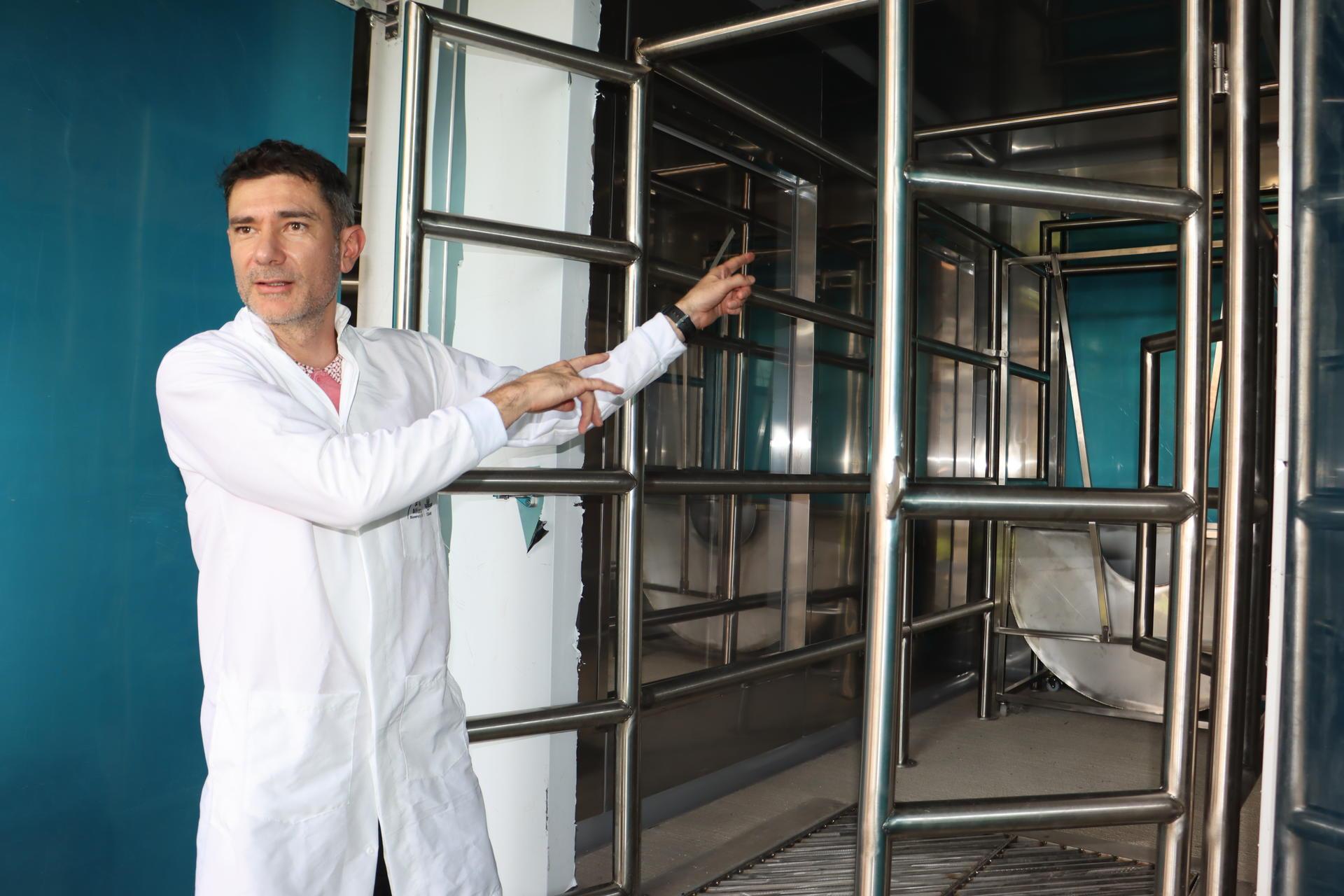
Dr. Jacobo Arango showcases one of the sixteen state-of-the-art respirometry chambers installed at the Alliance's campus in Colombia. Credit: CIAT/Anny Yedra
Measuring emissions to develop more sustainable systems
The Low-Methane Forages project is currently in its first phase of “discovery", during which seeks to identify the anti-methanogenic compounds (AMC) from screening a wide range of forage legume and grass accessions from the CGIAR research centers' genebanks, evaluating approximately 6,000 of the 71,000 forage accessions available. The process involves trials both in vitro (in the laboratory) and in vivo (with animals), the latter being a key methodology, as it allows for the integration of animals in the early stages of research, which is critical for making informed decisions in the scaling phase.
For the “discovery” phase, the Alliance inaugurated the most advanced respirometric facility in Latin America on it's Palmira campus. These chambers will be essential for in vivo validation of the forage accessions with the greatest capacity to reduce methane emissions. Comprising 16 chambers (8 for sheep and 8 for cattle) this research facility is the most advanced in accurate real-time measurements. These chambers are equipped with state-of-the-art instrumentation from Sable Systems which allows for precise monitoring of gas concentrations derived from different dietary options, while its airtight and controlled environment maintains constant temperature, humidity, and airflow, simulating real conditions for future scaling studies in livestock rearing.
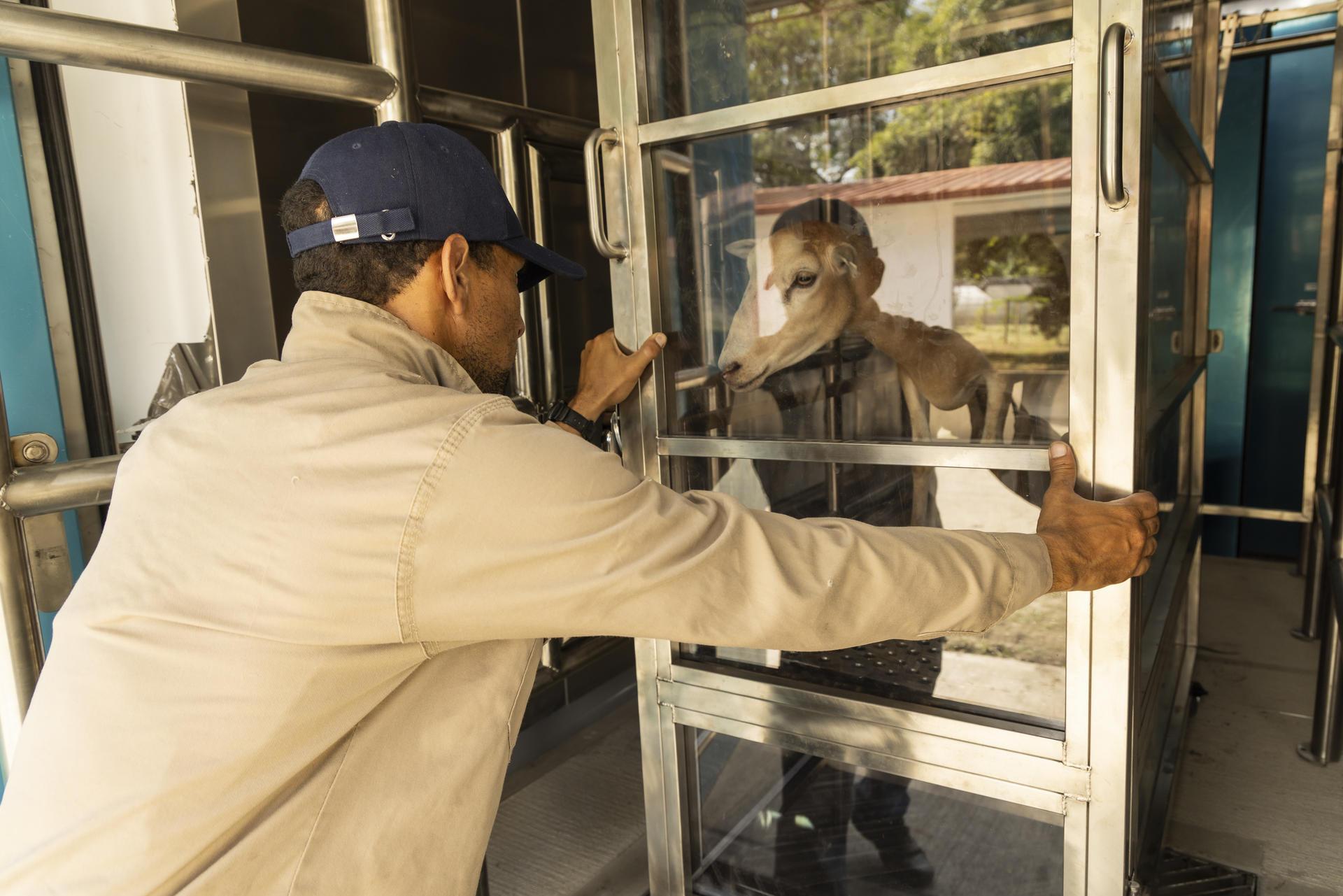
The animals are currently in a crucial adaptation phase before starting the trials in the respirometry chambers. Credit: CIAT/Juan Pablo Marín
One of the key science-based foundations for the Low-Methane Forages project is the significant (yet underutilized) potential of the diverse forages stored in CGIAR’s genebanks to reduce methane emissions. Incorporating high-digestibility legumes and grasses - particularly species rich in tannins - has been shown to lower both total methane emissions and methane intensity. A recent study conducted by the Tropical Forages Program at the Alliance \demonstrated that steers fed a diet with 23% Leucaena diversifolia (a legume grown together with grass in a silvopastoral system) produced 15% less methane compared to those on a grass-only diet.
“These results are very promising and support our project approach. Our framework works like a funnel: we’ll begin with a broad selection of diverse accessions and species, analyzing them first in the forage quality laboratory, where we simulate rumen conditions under in vitro conditions. Afterwards, the most promising forages for reducing methane emissions will be identified, improved through gene editing, and evaluated in agronomic trials. Finally, we will validate the best candidates using in vivo methods, such as the respirometry chambers”, shared Dr. Alejandra Marín, Co-Leader of the 'discovery' phase of the Low-Methane Forages project.
Animal welfare in the trials
Animal welfare is a top priority in these trials, and the Alliance has an Animal Ethics Committee to oversee the protocols that respect the 'five freedoms' of animal welfare, which include freedom from hunger, thirst, physical discomfort, fear and the freedom to express normal behavior.
“Animal welfare is a top priority, ensuring that they know they are safe and well-cared for, with food always available. By reducing anxiety, we create a stress-free environment, allowing for accurate results when the in vivo tests start”, explained Alejandro Montoya - the project's veterinarian and zootechnician - who is also responsible for overseeing the care of the livestock.
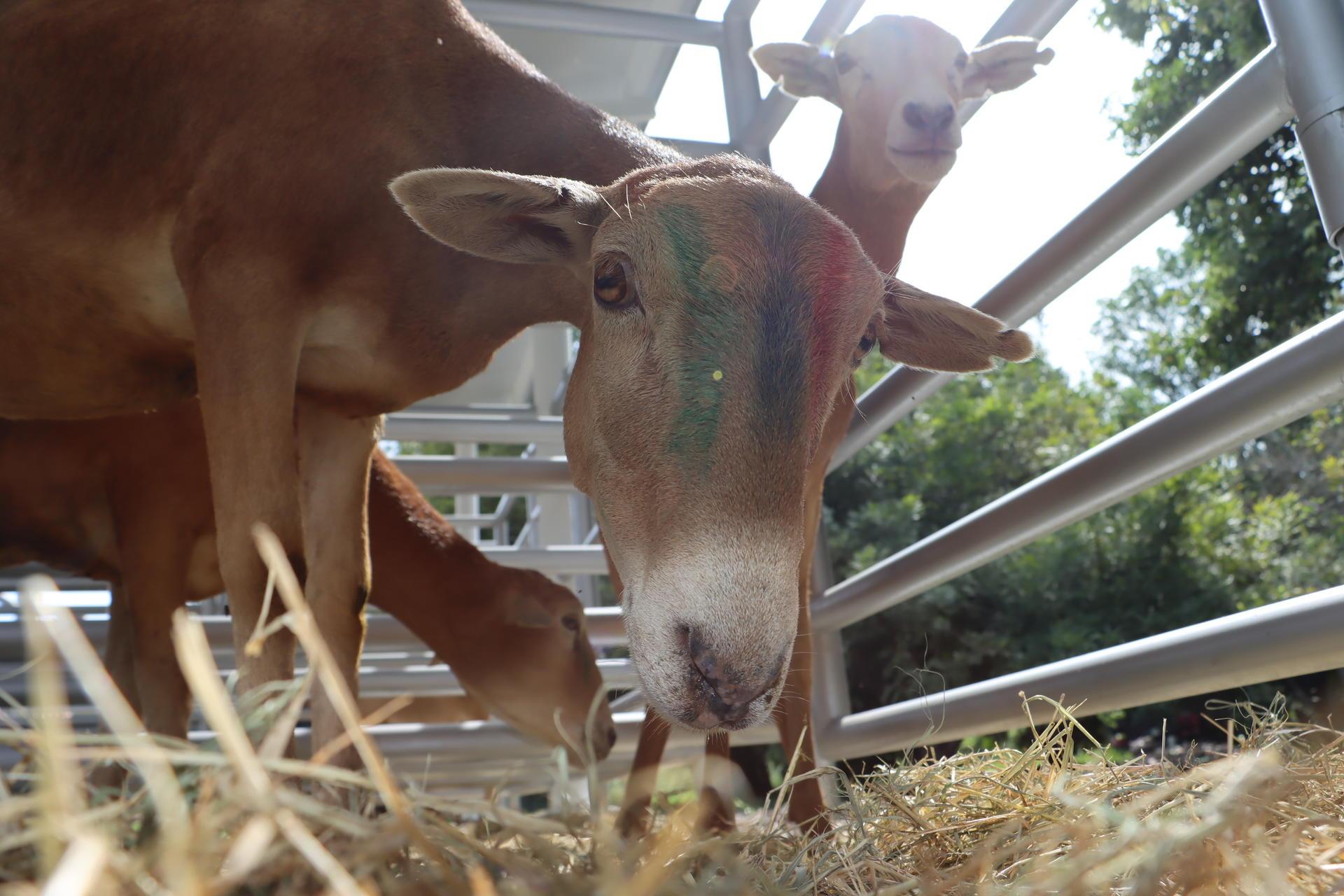
The committee adheres to strict protocols aligned with national and international standards to ensure the welfare of the animals participating in the research. Credit: CIAT/Anny Yedra
The role of the Alliance and CGIAR
The establishment of respirometry chambers at the Alliance's campus in Colombia is part of a larger collaboration between local and international research institutions including two other CGIAR centers (the International Livestock Research Institute (ILRI) and the International Center for Agricultural Research in the Dry Areas (ICARDA)), government agencies, and NGOs such as the Global Methane Hub and its initiative Methane Accelerator, with support from the Bezos Earth Fund and the Bill and Melinda Gates Foundation.
The CGIAR genebanks - which host thousands of forages accessions - hold great potential for contributing to a global reduction in methane emissions. However, until now, only a small portion of this collection has been tested for its methane-reducing properties. This represents a largely unexplored opportunity to identify and promote the use of these forages on a larger scale.
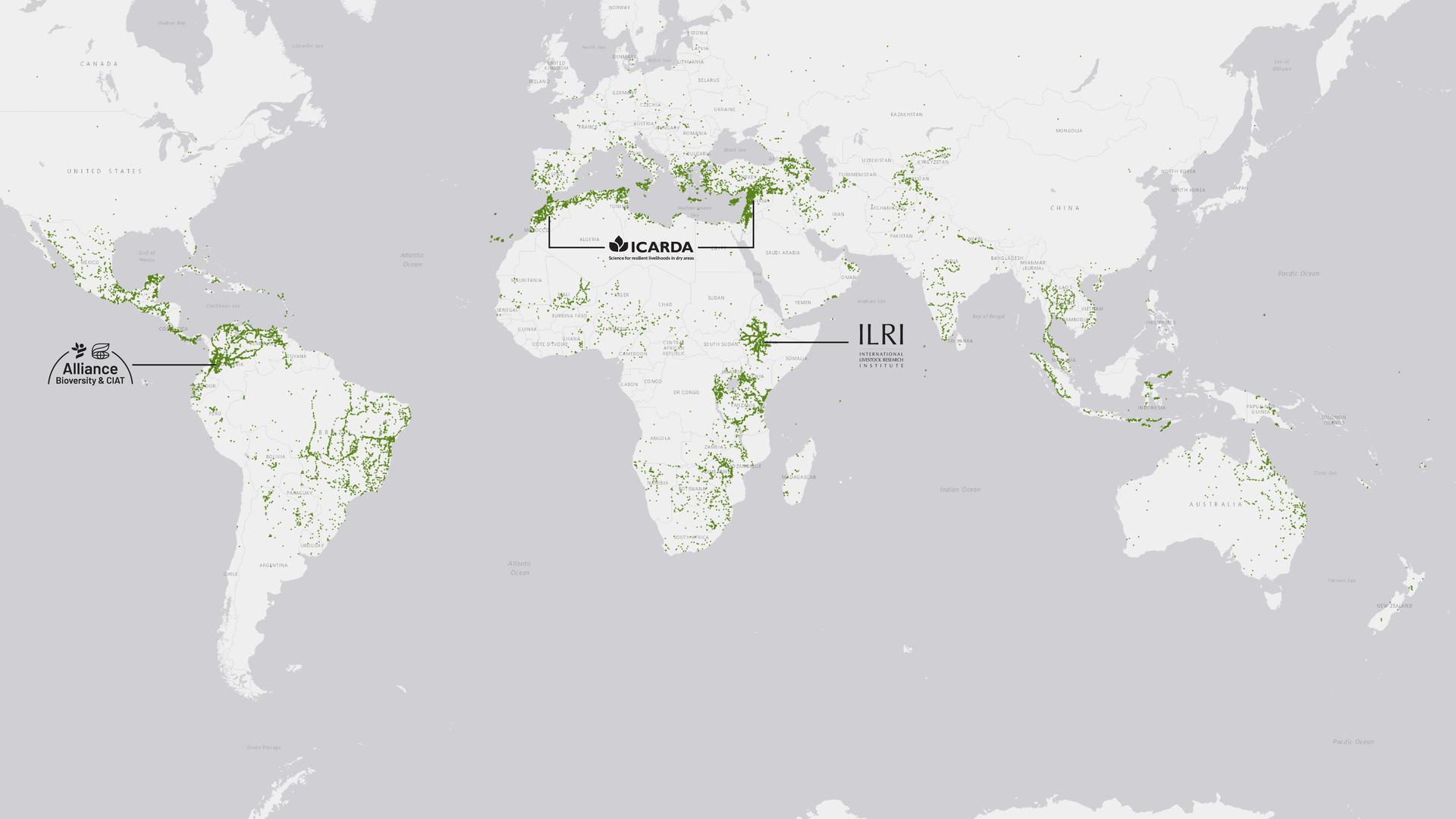
Map of the three CGIAR genebanks whose germplasm will be used in the trials of the Low-Methane Forages project. Credit: CIAT
The establishment of the respirometry chambers marks a breakthrough, enabling researchers to systematically test a wide variety of forages more efficiently. By identifying which grasses and legumes from the CGIAR genebanks can lower methane emissions, this research ensures that the germplasm kept in the genebanks actively contributes to building more sustainable livestock systems.
“Pastures or feedstocks that incorporate multiple species support essential ecosystem services such as attracting pollinators, improving soil biota, providing nesting sites for birds, and creating burrowing spots for small mammals. Considering the current biodiversity crisis, it's crucial that livestock production contributes to these efforts,” explains Dr. Juan Andrés Cardoso - Plant Ecophysiologist from the Tropical Forages Program
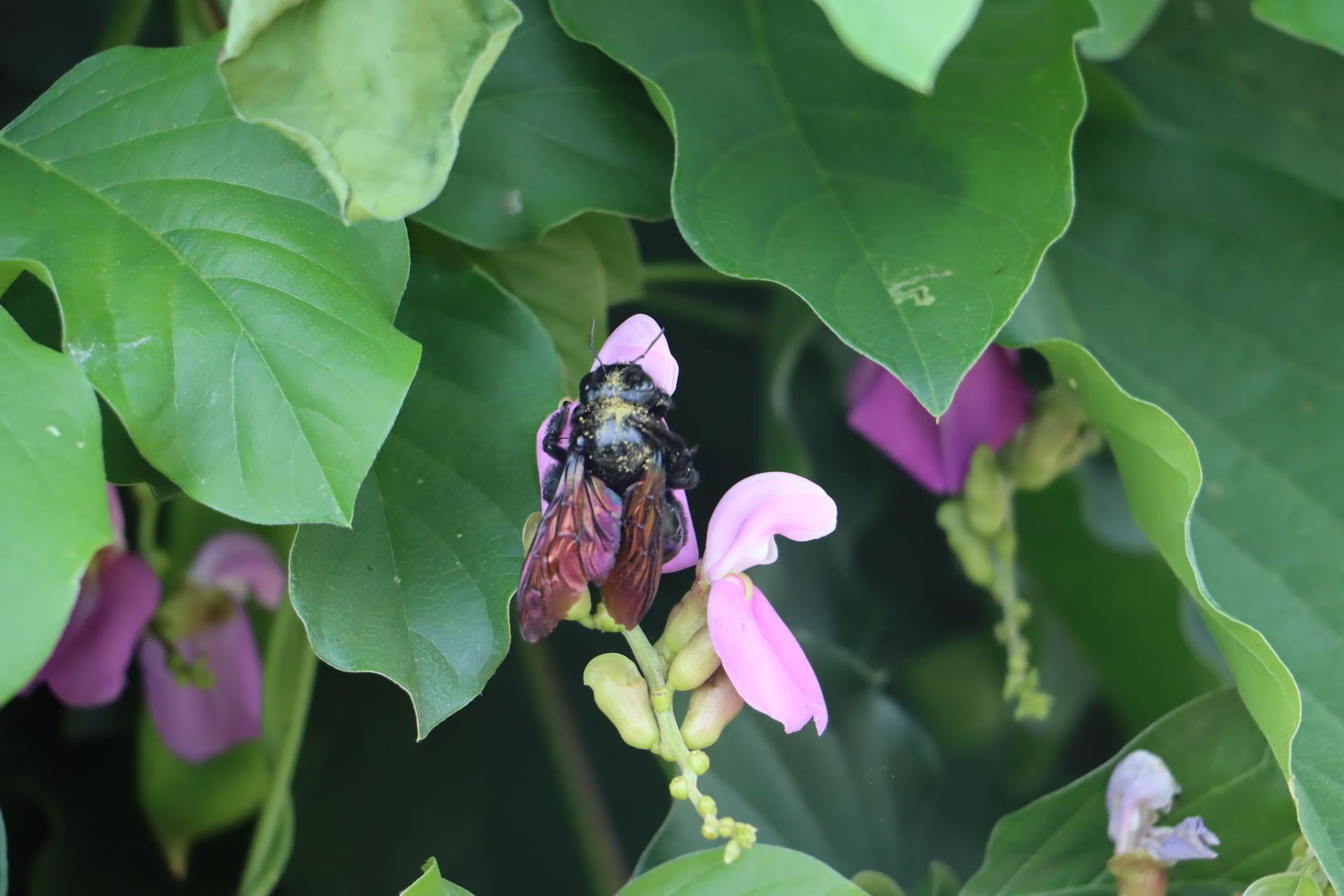
A Xylocopa sp. bumblebee pollinating the forage legume Canavalia ensiformis. Credit: CIAT/Anny Yedra
Turning research into action
This partnership aligns with broader efforts to create more sustainable livestock systems, focusing on advancing knowledge on methane emissions reduction and scaling up the adoption of sustainable livestock diets and practices globally.
By developing country-specific emission factors, we can greatly improve how accurately we measure methane emissions from livestock. These factors will help refine national greenhouse gas inventories and allow more precise tracking of progress in emissions reduction.
Additionally, cost-effective monitoring, reporting and verification systems will make it easier to track mitigation, ensuring that the actions taken are impactful. With these systems in place, stakeholders can also explore climate finance options such as carbon markets, opening new opportunities for farmers to reduce financial risks and adopt greener practices.
A global Low-Methane Forages platform is also being developed to prioritize the adoption of improved forages, which will provide essential support to governments, companies, donors and financial institutions in evaluating LMF suitability and assessing potential productivity gains to drive large-scale transition towards low-emissions livestock systems that provide additional ecosystem services.
"Our goal is to equip producers and value-chain actors with the tools, technical support, and financing to drive sustainable agriculture. By fostering conditions for cost-effective monitoring and secure investments, we aim to make the shift to low-emissions livestock systems both impactful and rewarding”, shared Dr. Ciniro Costa Jr. - Leader of the ‘deployment’ phase of the Low-Methane Forages project.
This infrastructure strengthens the leadership of the Alliance in methane mitigation research and environmental sustainability in Latin America and beyond, reinforcing its commitment to innovation in sustainable livestock solutions. Furthermore, it reflects the organization's dedication to bringing the science developed at the research center to producers in the field, expanding the impact of these solutions in livestock production.
Team

Jacobo Arango
Program Leader, Tropical Forages
Alejandra Marín
Scientist I
Juan Andres Cardoso
Plant ecologist and physiologist