2024 Annual Report Driving Community-led Change
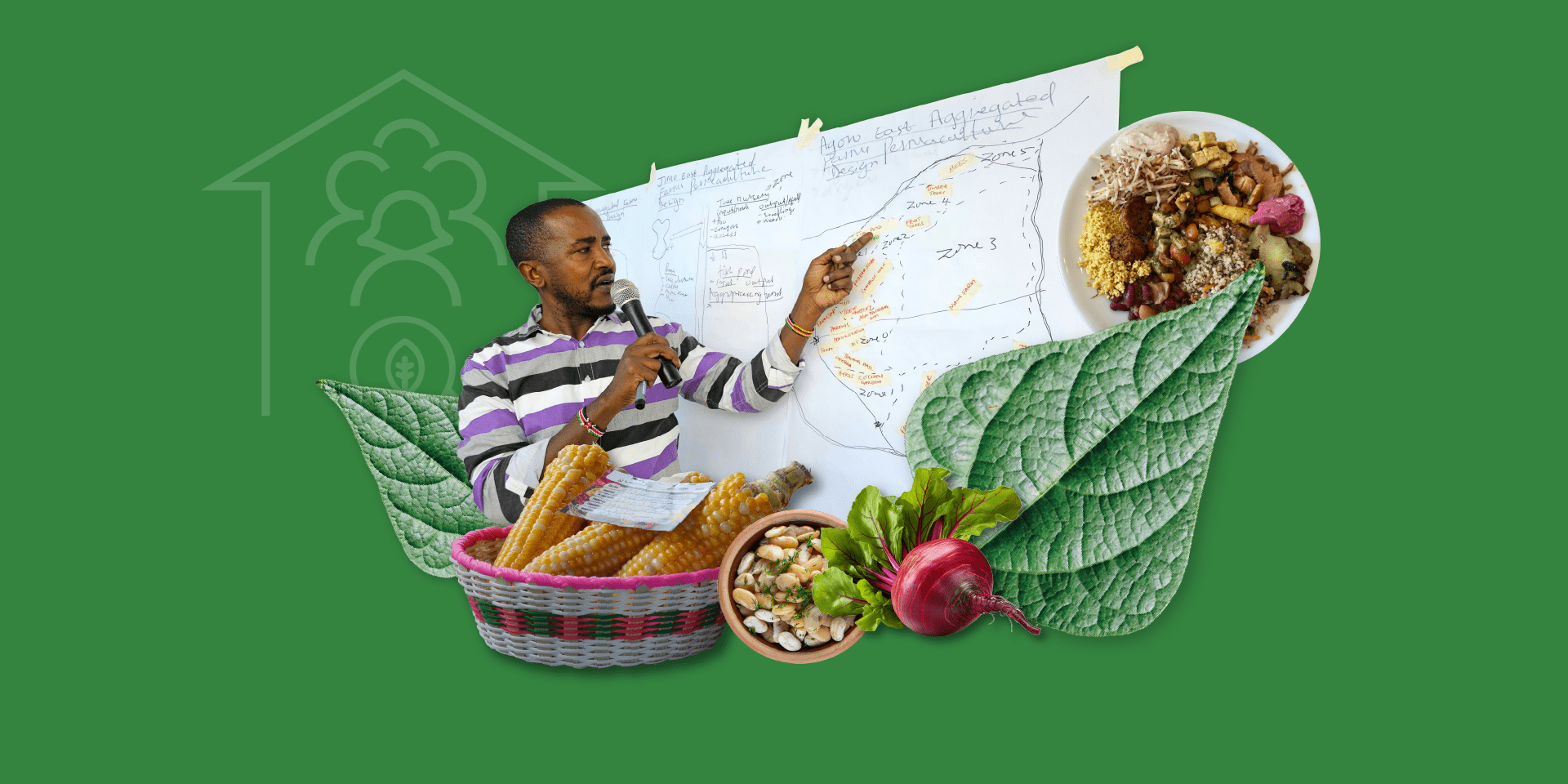
What does food systems transformation look like when we “act local”? At the Alliance, we connect our science to a community-driven process of changing behaviors and discourse to create new opportunities at the nexus of food, health, and environment.
Giving a voice to marginalized consumers

We cannot change what we do not understand. This applies to both science and consumers. If we want to achieve change, the first step is to understand what changes are required. We work with communities to understand their diverse food environments, the factors that guide decisions about putting food on the table, and co-create solutions that promote diverse, nutritious diets.
Our consumer behavior projects focus on building nutrition knowledge—not only on the consumer side, but also among scientists and decision makers—to bring about change. Changes such as understand what young people eat and why in rural, urban, and peri-urban settings, introduce underutilized crops to diversify diets, improve access and appreciation of local foods, and reframe perceptions of healthy eating, helping families shift toward nutritious, sustainable diets.

Women and youth for equitable food systems
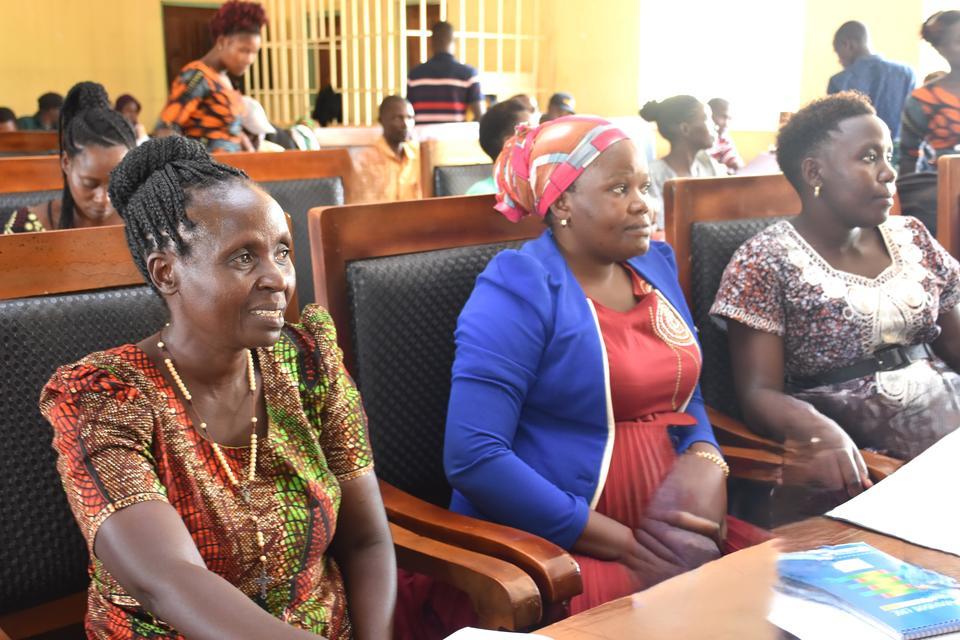
In many places, by understanding and amplifying women’s roles in farming, nutrition, leadership, and entrepreneurship, we can foster more equitable, sustainable, and prosperous food systems. Closing the gender gap in agriculture and empowering youth benefits entire communities. The following three stories, one per region where we work, highlight the transformative effects when women have equitable access to knowledge, resources, and leadership opportunities.
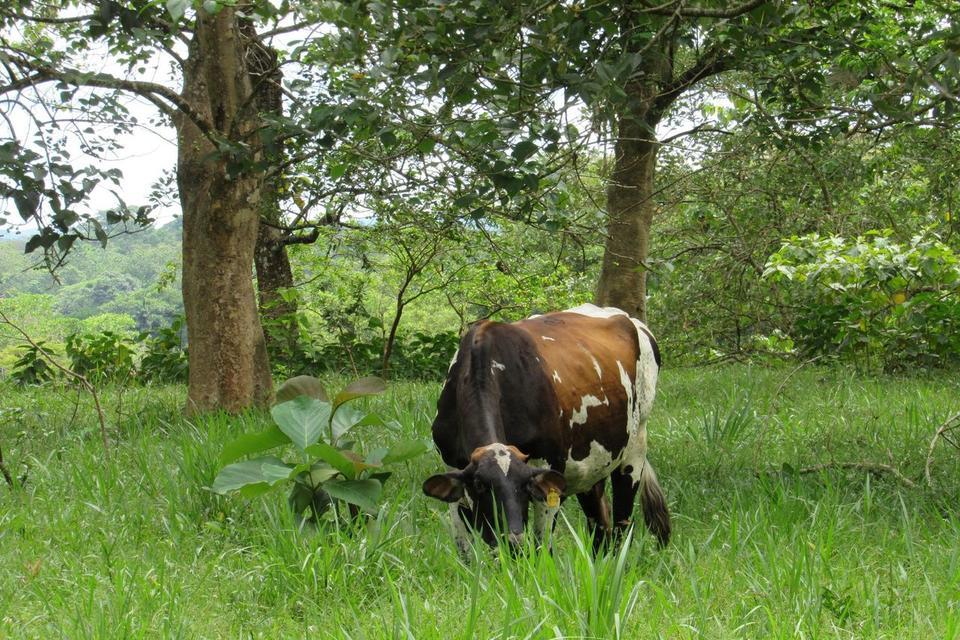
In Colombia, women are leading sustainable livestock farming initiatives near the Amazon rainforest, integrating silvopastoral practices that protect biodiversity and generate income.
“Women may be more motivated to plant trees because they have a better understanding of the state of their plots and have more ideas on how to improve farm output,” - Mary Ngaiwi, Alliance research specialist
In India, women’s empowerment programs are reducing underweight and wasting in young children through improved maternal nutrition and health practices. By strengthening women’s decision-making power in households, significant gains in child health are being achieved.
“Women’s empowerment in agricultural input use, sales, income, and other (access to credit, group membership and employment) decision-making domains was associated with fewer underweight and wasted children.” - Sylvester Ogutu, Alliance postdoctoral fellow
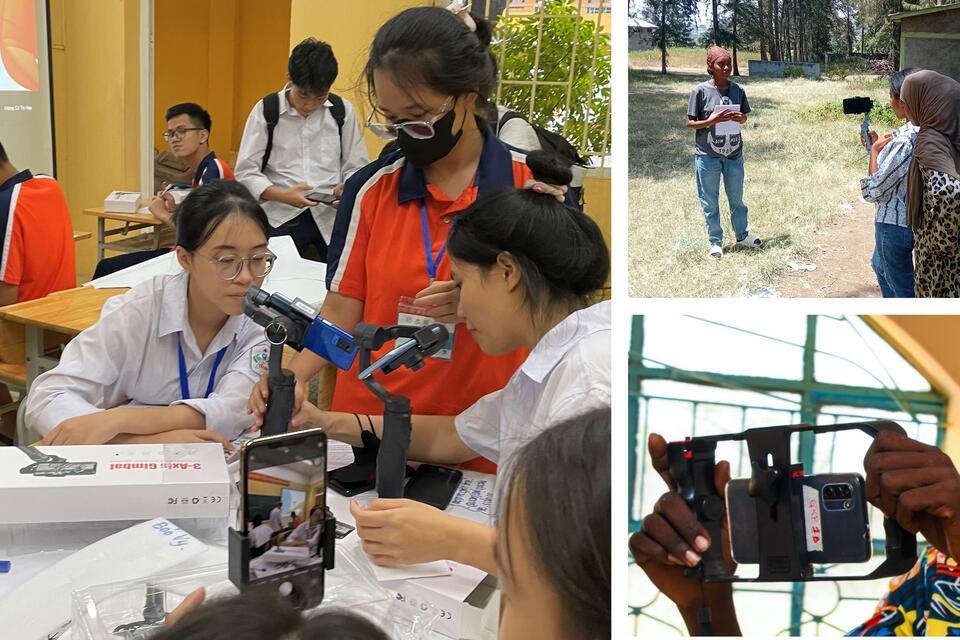
In West Africa, women and youth are spearheading community-led climate action, using innovative communication channels like radio and SMS alerts to boost agricultural resilience among vulnerable populations.
Between 2020 and 2024, the Alliance contributed to the Global Initiative for Women’s Resources Rights to strengthen women’s land rights through the integration of gender transformative approaches in six IFAD projects on agriculture and rural development. Explore the briefs we produced with CIFOR-ICRAF here, with a specific example of impact in the Gambia.

Schools and agrobiodiversity sow change: Focus on Benin
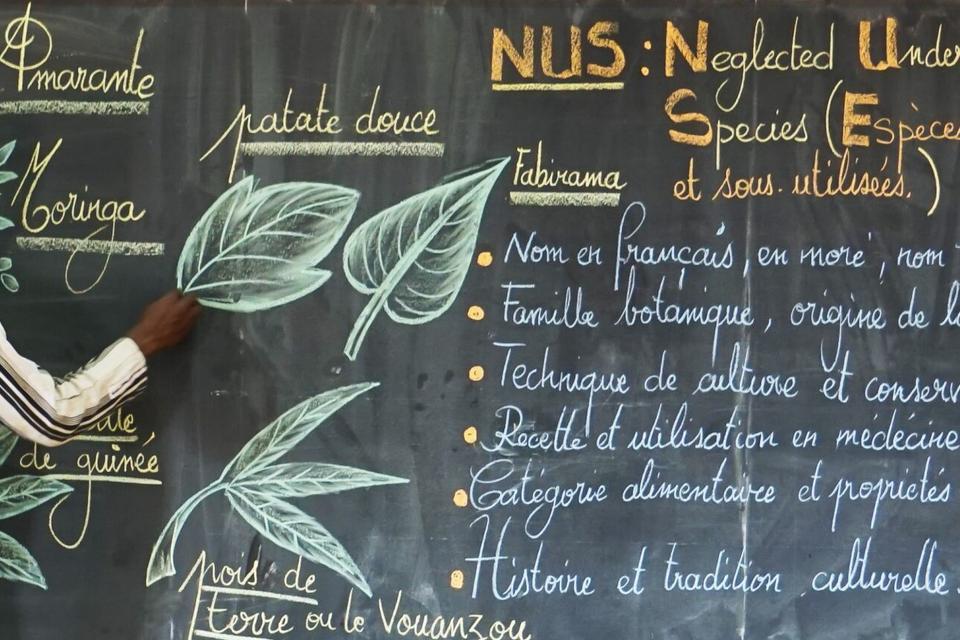
Various aspects of the food system converge at schools: meals, gardens, and home-grown school feeding (linking local producers with procurement programs).
Take the example of our work in Benin: Through school gardens, nutrition education, and youth leadership initiatives, schools are becoming living laboratories for change.
By cultivating traditional African leafy vegetables, fruits, and legumes, students are supplementing the average school meal; but more importantly, youth are connecting with indigenous biodiversity at an early age.
Nutrition education extends this impact as students bring new practices and foods back to their families, shifting community behavior toward more nutritious, diverse, and resilient food systems.
“Part of our work in the Alliance is to help people increase their knowledge about feeding practices and how conserve the quality of the local food including the neglected and underutilized species we have.” - Sam Bojrenou, Alliance postdoctoral fellow
Alliance researcher and “nutrition ambassador” Sam Bodjrenou embodies this transformation. Through school-based leadership and advocacy, Sam is inspiring a new generation to value food biodiversity and see local agriculture as a pathway to sustainable development.

Success stories of sustainable entrepreneurship
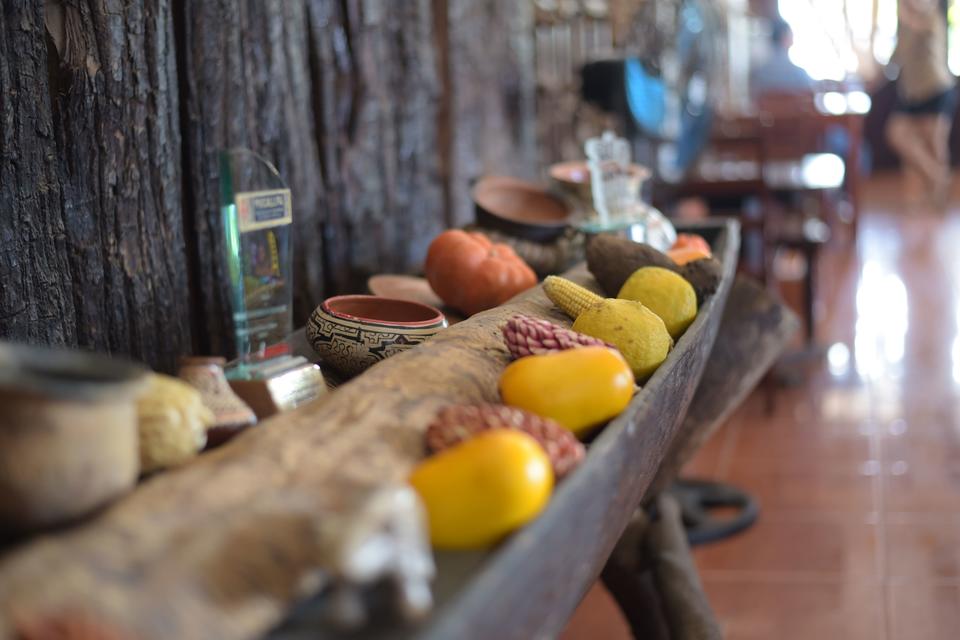
In Peru, Julia Satomi draws on Japanese-Peruvian agroecological practices to cultivate Amazonian fruits such as copuazú and camu camu under the shade of acai palms and coffee plants. Over the last 3 years, her flourishing business, Campodrim- which also processes and distributes the indigenous fruits- has grown to boost the local environment, nutrition, and livelihoods.
In Senegal, young couple Tina and Moulaye have returned to their home to establish a small business based on finding new value for typically discarded mango kernels: turning them into cosmetics, in a demonstration of how circular economies can reduce waste and create new jobs.
These cases, linked to Alliance projects, epitomize how communities can create value from local resources.

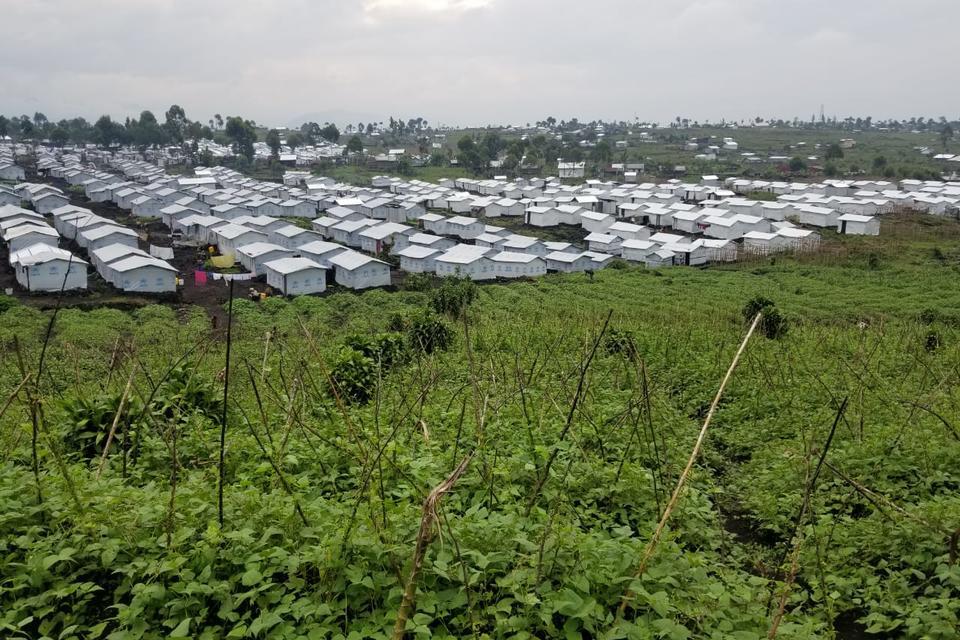
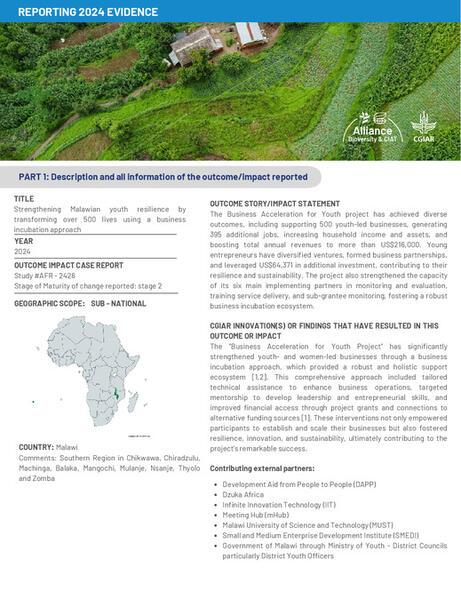
The Alliance is also investing in sustainable business incubation, with a notable example from Malawi, where outmigration of young people due to limited job opportunities is common. By providing 500 youth-led startups with access to resources like green business training, this program was able to boost revenues by $216,000 and incentivize young people to remain in their communities.
Restored landscapes, revitalized communities
Across many regions, land and forest degradation is undermining food security, livelihoods, and climate resilience. Restoration offers a pathway to reverse these trends — improving soil health, increasing carbon sequestration, enhancing ecosystem services, and rebuilding the natural foundations that communities depend on.
With Indigenous Peoples, smallholder farmers, and local organizations, we are designing and implementing evidence-based restoration approaches that restore ecosystem functions while strengthening the resilience of communities.
- In the Philippines, Datu Ramil and the Higaonon tribe are reclaiming ancestral forest territories through traditional stewardship practices, ensuring the preservation of biodiversity and cultural heritage.
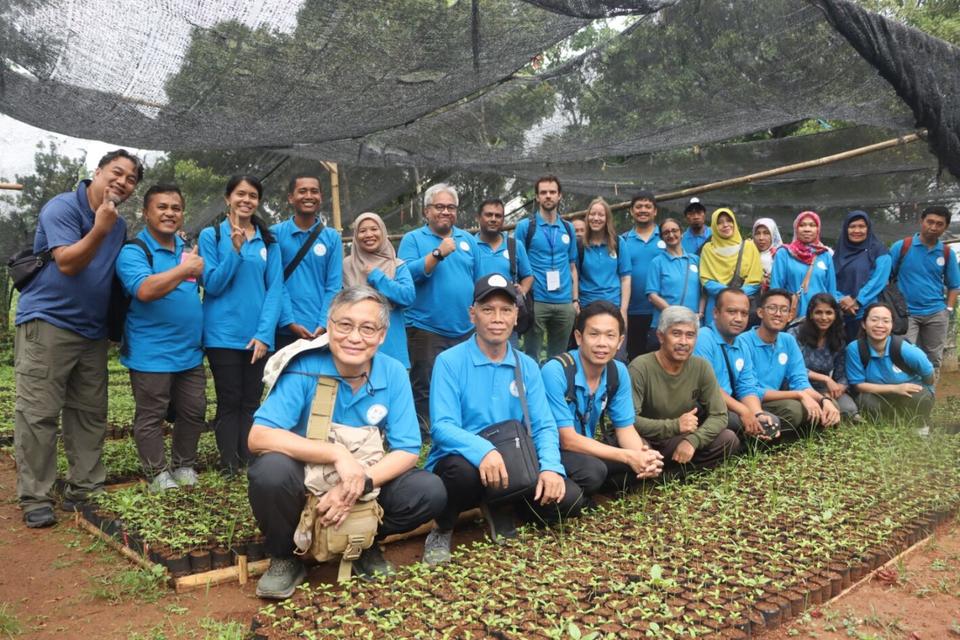
- In Indonesia, community-led nurseries are restoring vital forest ecosystems, nurturing the next generation of trees critical for local livelihoods and biodiversity.
- In Malaysia, we also launched a new “Seed to Tree” project working with indigenous community-led restoration, building on the tools Diversity for Restoration and My Farm Trees.
- In Zimbabwe, one farmer’s soil restoration success story has ignited a "ripple effect" across his community, inspiring neighbors to adopt agroecological methods that improve fertility and resilience.
- 2024’s Africa Fertilizer and Soil Health Summit was an opportunity for us to advocate for integrated soil fertility management practices that ensure zero runoff, zero erosion, and bolster farmers’ resilience.
-
In Kenya’s Nyando region, collectively-owned land has been decreasing in productivity. But communities have decided to try something new, turning their plots into a testing ground for nature-positive agriculture that aggregates resources and applies a circular economy approach harnessing permaculture, composting with black soldier flies, and growing diverse crops. The change was covered in the news here.
“In the olden days, the community land was used for grazing cattle, sheep and goats. But we are now ready to set aside part of it for permaculture.” -Philip Atieno, local farmer
Through local leadership, participatory approaches, and evidence-based innovation, these changes are taking root — strengthening diets, restoring ecosystems, and building resilience for the future.