From the Field In the Philippines, a tribal leader guards a forest stronghold
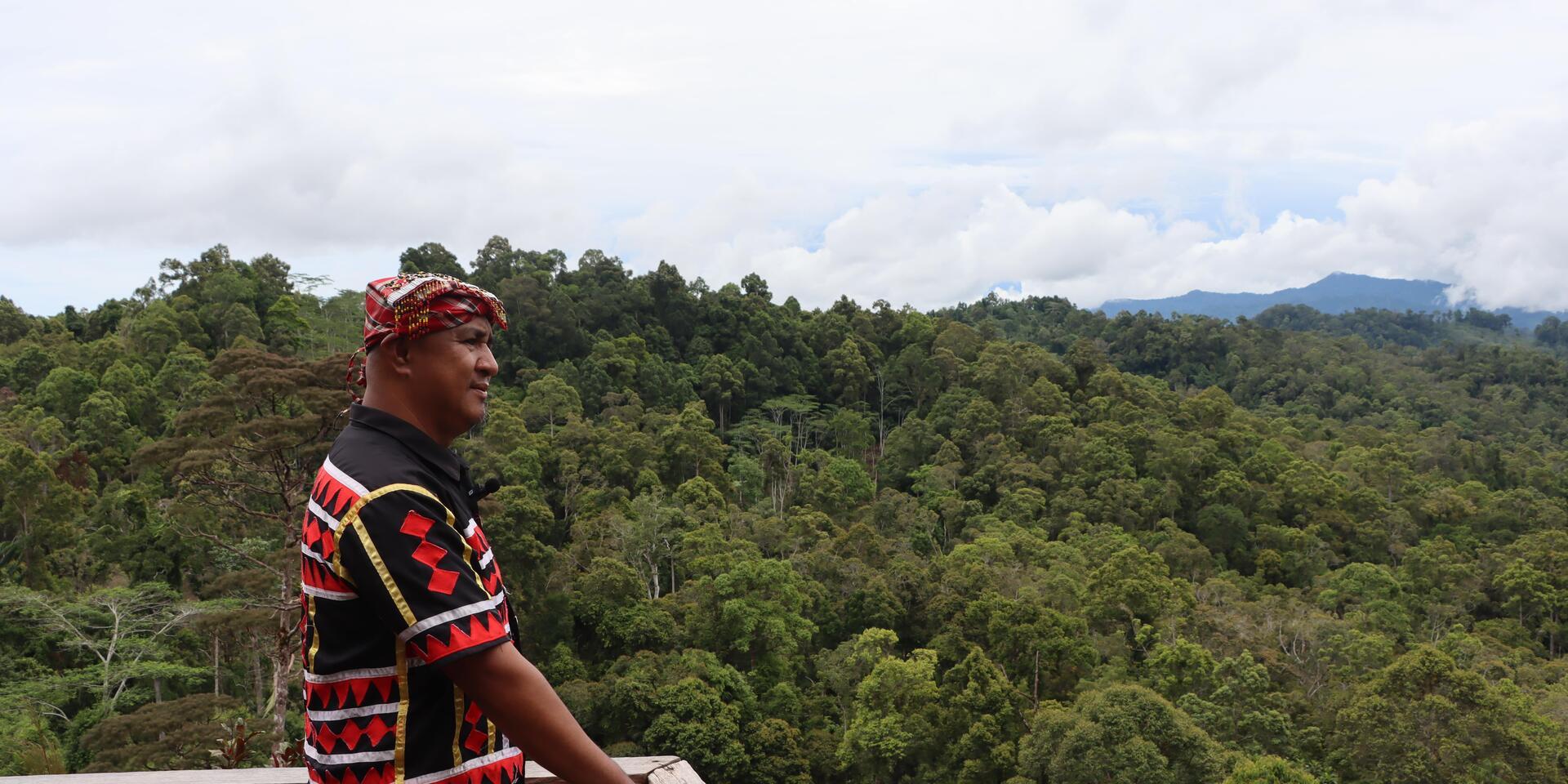

In the lush forests in Mindanao, a diverse population of flora and fauna coexist in harmony. This Indigenous Peoples' Day, meet Datu Ramil of the Higaonon tribe who acts as custodian of their ancestral lands and is undeterred in pushing for the protection and conservation of their last stronghold.
It was nearly midday when we reached the summit, but the sun had not yet touched the observation deck. The sea of green stretching across 3,700 hectares of the Higaonon tribe’s ancestral land in the Philippines’ Northern Mindanao region offered calm and quiet—until a short squeaky ngeek-ngeek echoed through the vast landscape.
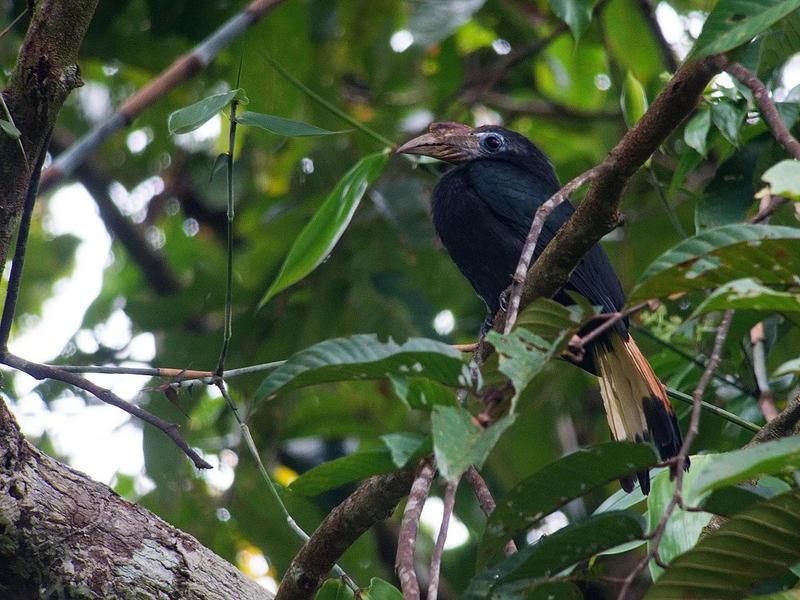
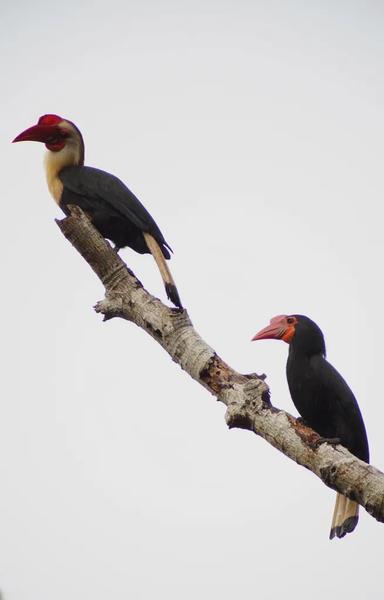
The all-black female Mindanao hornbill (Penelopides affinis), just a few meters above us, was doing its routine check. “Now we know it’s time for lunch,” quipped Datu Lumiliwan Ramil Ansihagan, one of the community’s tribal leaders.
Barometer of forest health
Locally known as kalaws, these nature’s timekeepers are critical barometers of forest health. Where their staccato calls are heard four to six times a day signal a healthy and thriving ecosystem as hornbills feed on fruits and seeds, and food animals like lizards and beetles in well-developed primary and secondary forests.
The lush remaining forest in the indigenous groups’ ancestral domain in Sitio Talangisog in Gingoog City, nearly 1,300 kilometers south of the capital Manila, is a renowned flight corridor for the endemic Mindanao hornbill and the IUCN Red List’s near threatened Writhed hornbill (Rhabdotorrhinus leucocephalus). Dubbed farmers of the forests, they are critical for the natural regeneration and maintenance of forested lands, dispersing seeds more efficiently than other avian counterparts by traveling far and wide to search for fruit-bearing trees.
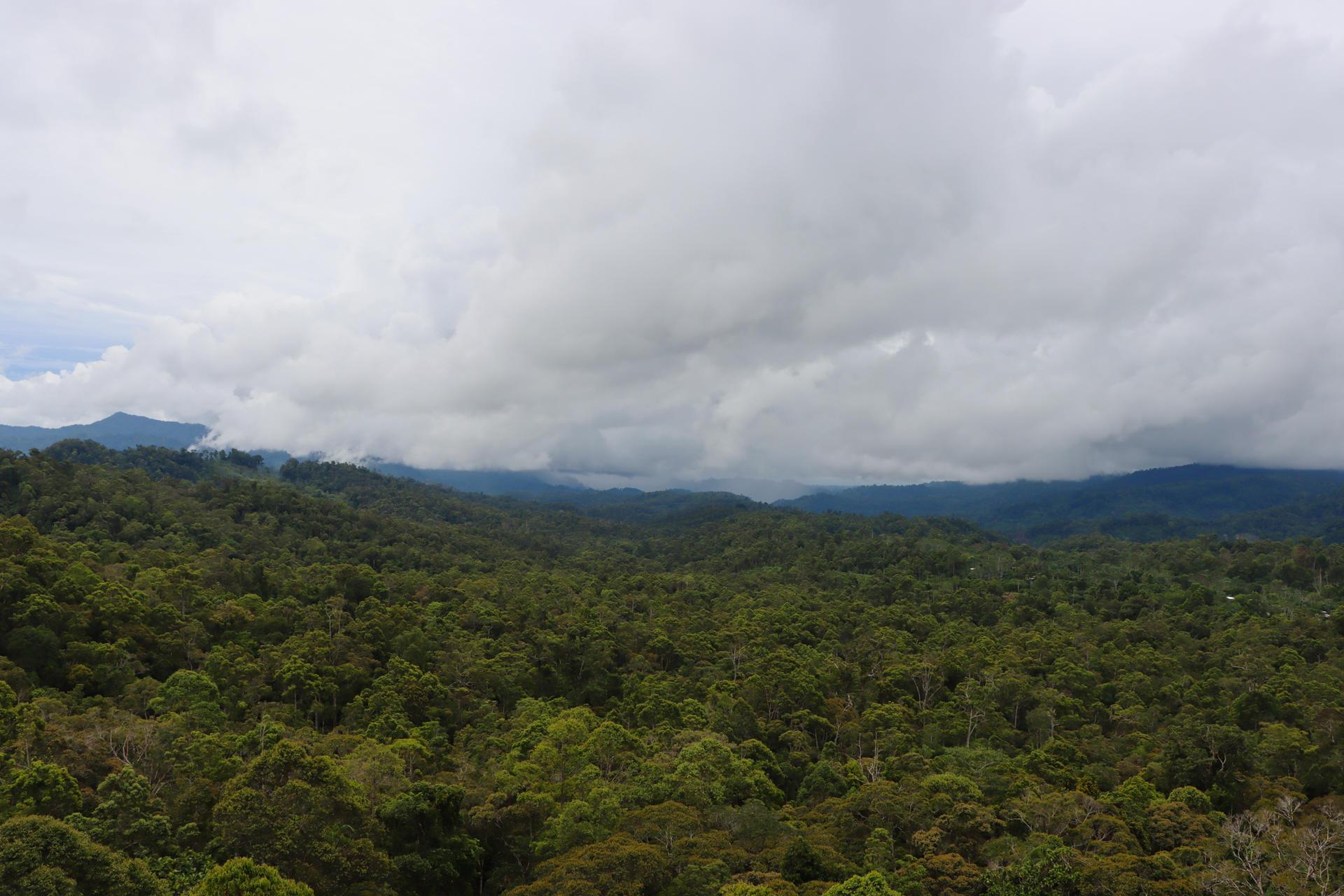
The Higaonon ancestral domain in Sitio Talangisog, Barangay Eureka, Gingoog City, Misamis Oriental, Philippines. Photo by: Alie Galeon
“I used to take photographs of the different kinds of birds visiting our neighborhood,” recalled Datu Ramil, noting that the influx of various bird species prompted his advocacy for forest restoration in 2018. Kalaws are also often found roosting on a decades-old gigantic tree standing just right outside the datu’s backyard. “Those photos I shared online reached groups of wildlife enthusiasts who then showed interest in coming to our area and opening opportunities for ecotourism.”
Intrinsically intertwined: green forests, thriving wildlife
Datu Ramil upholds his generation’s lineage of alimaong, an esteemed guardian who is responsible for maintaining peace and order in his community.
With this tribal duty, his routine involved roaming around the sitio to check his members’ welfare. But beyond community service, Datu Ramil responded to the call to protect the wildlife by safeguarding their remaining forest.
“By serving as tour guides, our wildlife provided us with incomes,” shared the leader. “Only then I fully understood the value of keeping the birds and other wildlife species free from poaching. But it all must start with protecting and developing our forests, especially with native trees.”
Datu was alluding to the community’s historical reliance on poaching and hunting wildlife, particularly hornbills, for sustenance, as well as the continued practice of kaingin (slash-and-burn) for agriculture and agro-forestry crops. But under his leadership as alimaong, illegal activities have been significantly curtailed after imposing a strict ban, recognizing that habitat loss due to forest conversion to agriculture remains the single biggest threat to wildlife diversity.
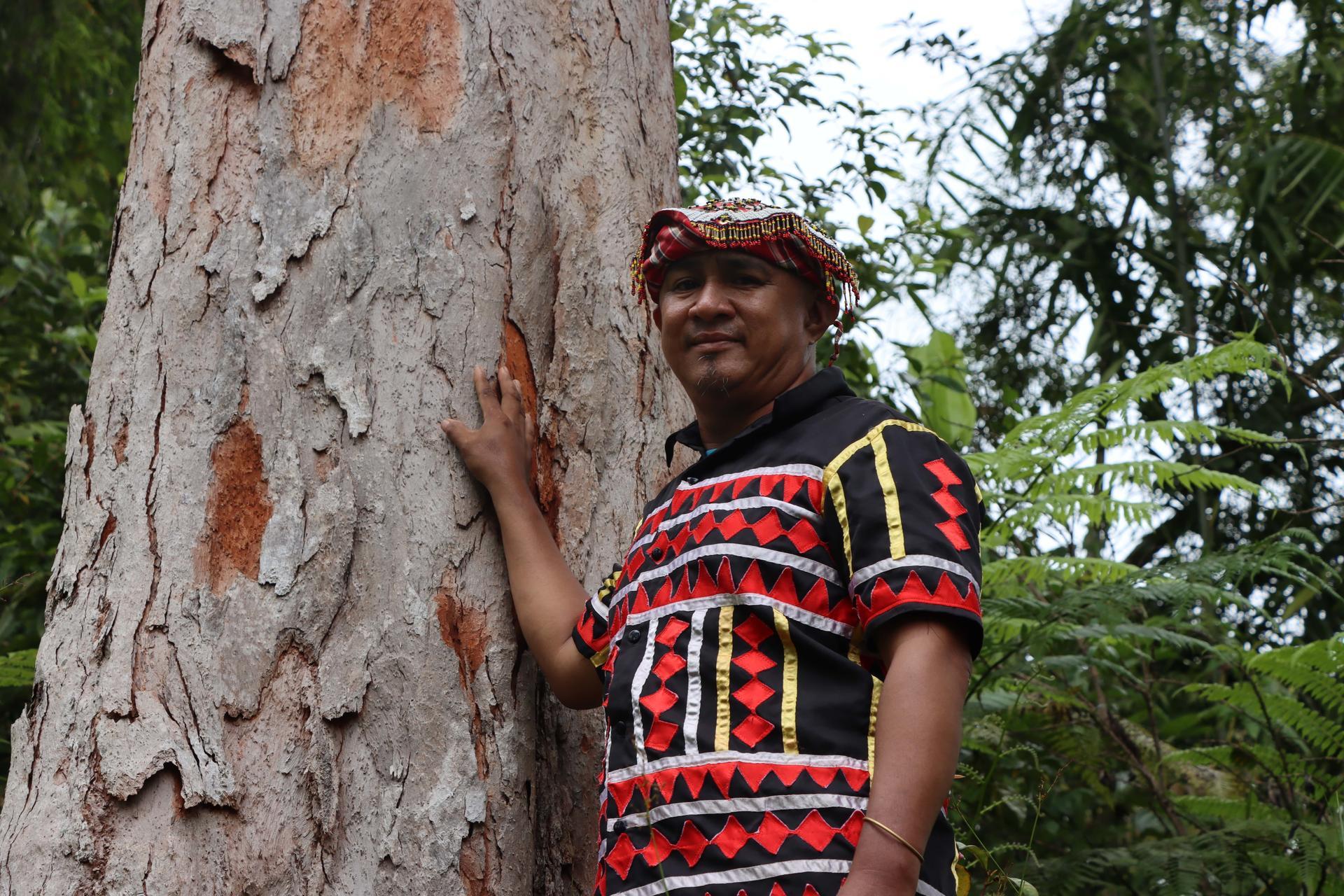
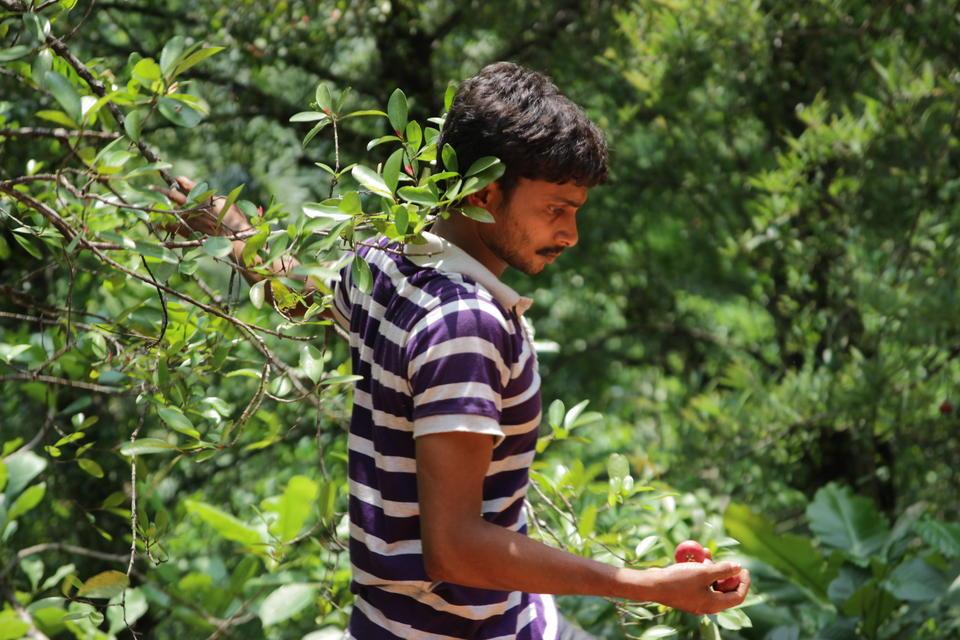
Datu Lumiliwan Ramil Ansihagan stands beside the IUCN Red List’s vulnerable Bagoadlau (Xanthostemon philippinensis) tree. This native and endemic Philippine tree is found roughly 10 meters away from his backyard. Photo by: Alie Galeon
This intertwined relationship between wildlife and forests prodded Datu Ramil to place himself at the center as a custodian of their ancestral domain. He joined the non-profit organization Society of Native Tree Advocates and the Facebook group Philippine Native Tree Enthusiasts, with over 20,000 members, to learn the importance of prioritizing native over exotic tree species in restoration and conservation initiatives to ensure integrity of local biodiversity.
Reinforcing indigenous knowledge on native trees
For over five years, Datu Ramil immersed himself with the art and science of native trees, leading him to build his own small nursery that nurtures more than ten native species abundant in their neighborhood including Almaciga (Agathis philippinensis), White lauan (Shorea contorta), and Bagoadlau (Xanthostemon philippinensis), also known as ironwood, which is classified as vulnerable under the IUCN’S Red List status.
His efforts did not go unnoticed.
With the progress of his independent nursery, Datu Ramil was contacted by the University of the Philippines Los Baños' College of Forestry and Natural Resources (UPLB-CFNR) to help trace, understand, and develop tree seed supply systems in the country. The university is part of the Asia Pacific Forest Genetic Resources Programme (APFORGEN), convened by the Alliance of Bioversity International and CIAT, wherein they embarked on a two-year UK Darwin Initiative-funded project to strengthen seed systems of native trees to support forest and landscape restoration (FLR) activities.
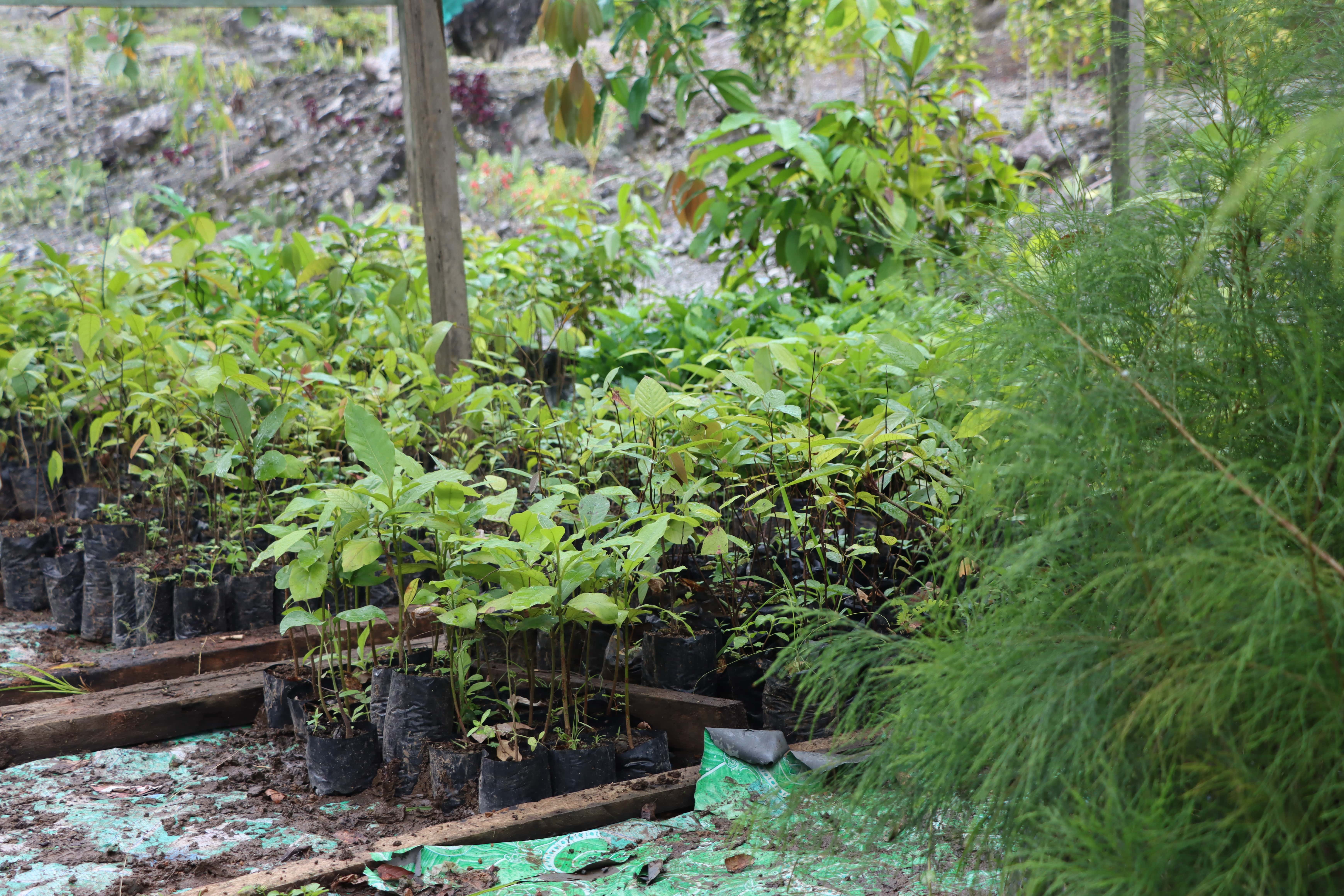
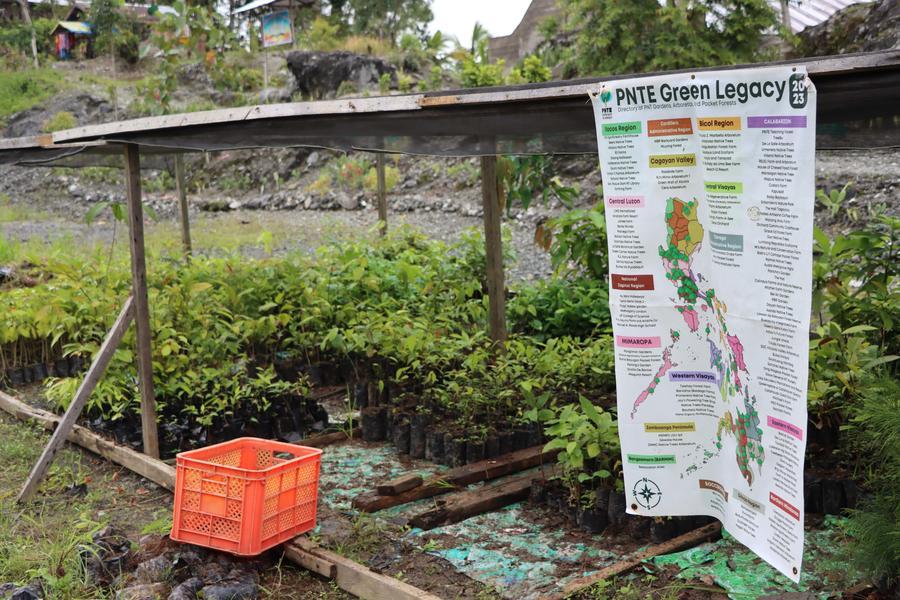
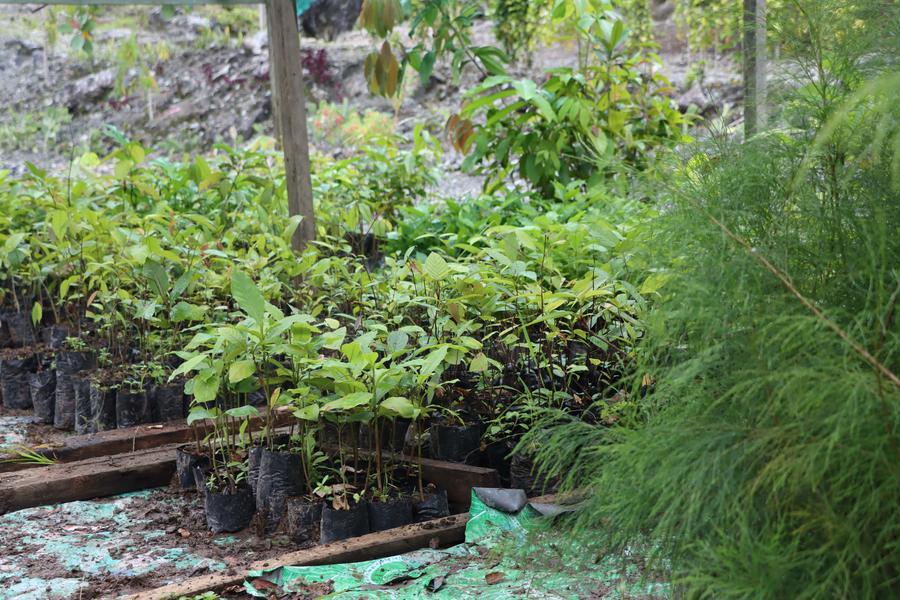
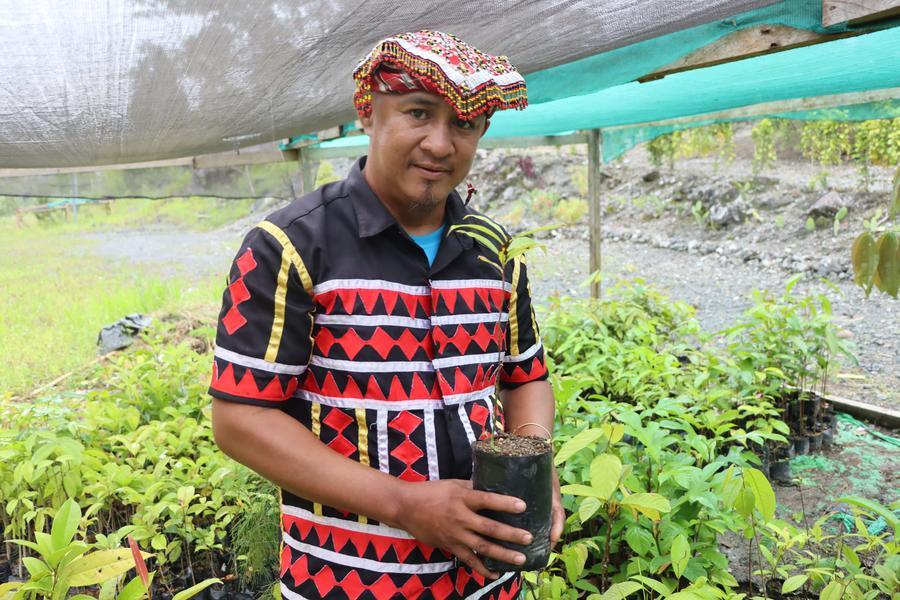
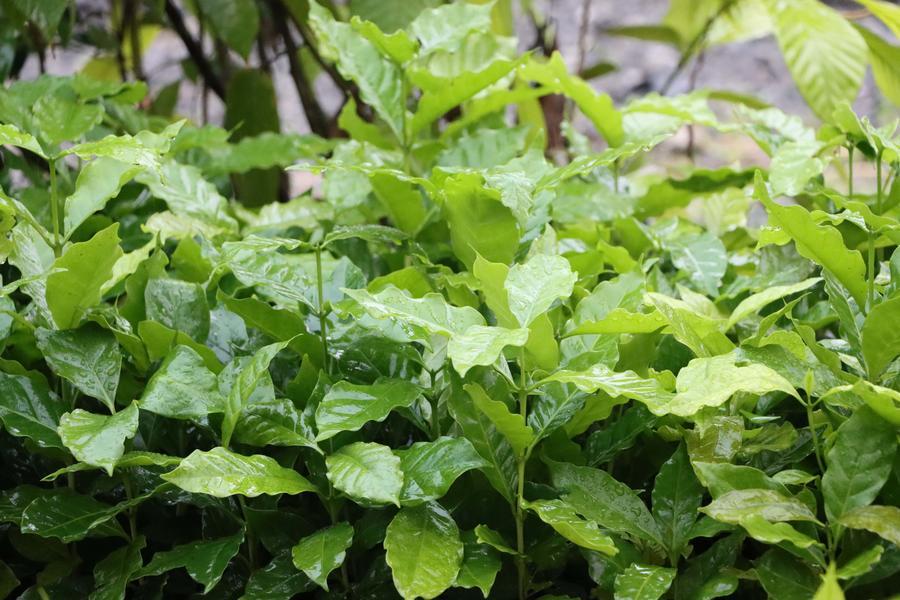
Datu Ramil’s small nursery houses seedlings of at least 10 native and endemic tree species. Seeds and other propagules of the different plant species are sourced from their vast ancestral land. Photos by: Alie Galeon
While respecting his indigenous roots, Datu Ramil embraced new methods for evaluating, sourcing, and managing diverse native tree seeds, according to For. Enrique Tolentino, vice chair of APFORGEN and professor at UPLB-CFNR. The latter’s team led a four-day workshop with farmer group leaders and forest restoration implementers, which sought to reinforce indigenous knowledge and demonstrate efficient seed and seedling production techniques such as micropropagation and cloning.
“One of the pillar principles of FLR is the employment of local knowledge, particularly indigenous knowledge,” said Professor Tolentino on involving the likes of Datu Ramil in the campaign for forest restoration. “The rich knowledge that the Indigenous Peoples possess are very essential in identifying the ecosystems in a degraded landscape that needs to be restored, the choice of native tree species that could be planted, including their propagule sources and even method of propagation and tree management.”
Featuring hands-on sessions at the Mindanao Forest Tree Seed Center (MFTSC) headquarters in Bislig City, the event capacitated participants with the latest techniques in seed propagation and cultivation. As part of the program, Datu Ramil also received essential nursery equipment including seedling bags, netting, UV plastic for wildlings stored in the recovery chamber, and insecticides.
Supporting local nurseries near the seed source forests is vital to accelerating restoration campaigns in a country that continues to absorb the impacts of its dwindling forests. In the Philippines, the forest cover is down to about 26%, where only about 11% is primary forest rich with native species, said Alliance scientist Dr. Riina Jalonen, who is also the convener of APFORGEN.
The rate of persistent forest conversion and unsustainable land use, which in turn drives the continued decline of few and quality remaining seed sources across the country, slows down efforts to restore degraded landscapes as such heavily relies on access to quality and site-adapted seeds.
“Scattered trees and small forest fragments that are commonly used as seed sources lack the genetic diversity necessary for establishing adaptive, resilient forest ecosystems. This makes forests on ancestral domain lands, such as those under the custody of the Higaonon tribe, invaluable treasure troves for both conservation and restoration,” Dr. Jalonen explained.
See Also
Online data portal for better market access
Limited market demands and opportunities for native tree seeds and seedlings continue to hinder forest restoration practitioners to accelerate their greening projects. Such is the case of Datu Ramil, whose willingness to expand his independent nursery is outweighed by the evident lack of a consistent and stable market.
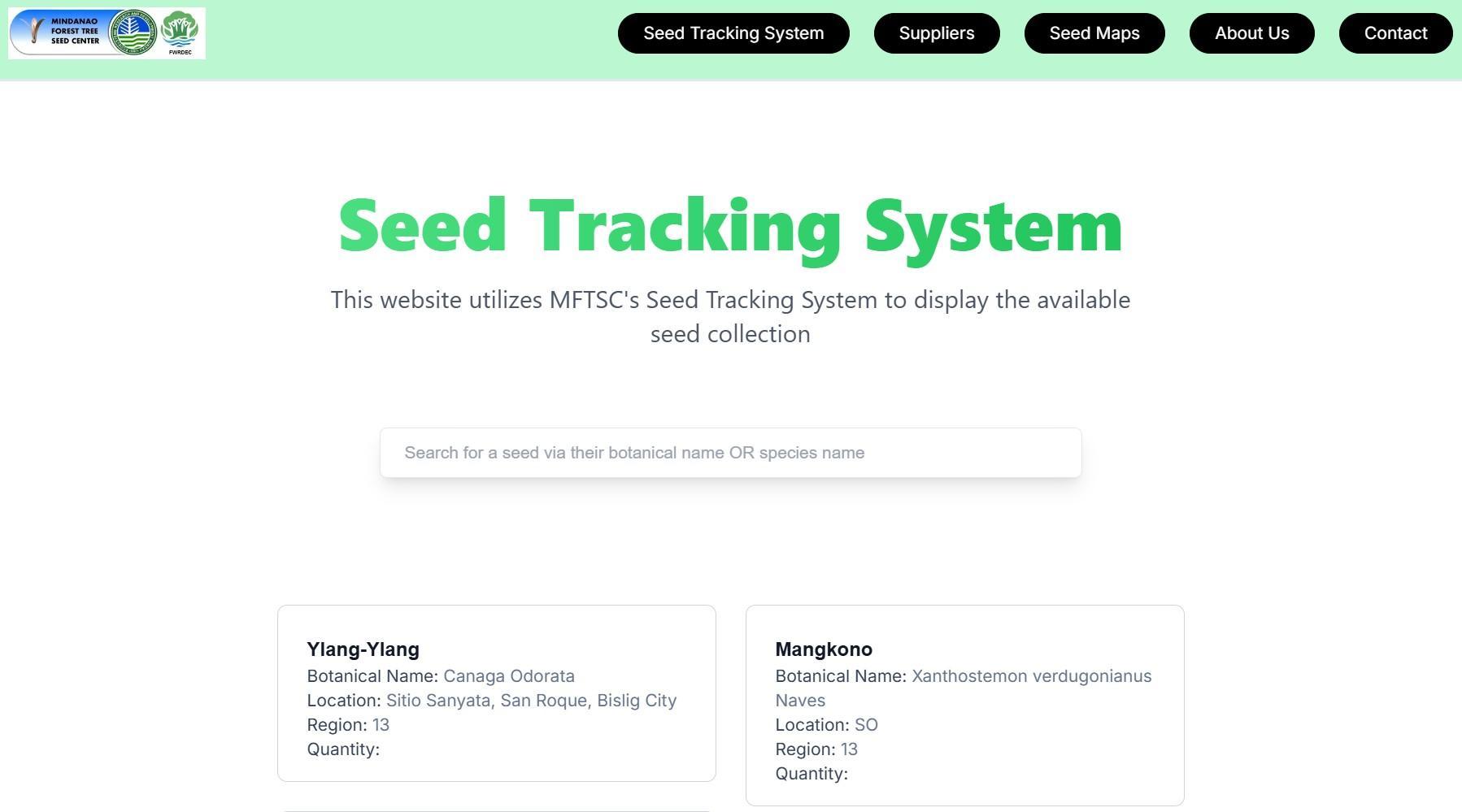
With the support of the Darwin Initiative project, MFTSC established an online data portal of suppliers of native trees, including Datu Ramil’s group, to improve the diversity and quality of planted trees, as well as help seed producers and seed sources managers to access markets and receive recognition for their conservation efforts. This tool will be beneficial to equip forest restoration implementers with the necessary information on where to find site-adapted native tree seeds and seedlings, said Dr. Jalonen.
Integral threads in the fabric of life
Undeterred by present challenges, Datu Ramil is convinced that their current situation implores more reason to champion and propagate native trees within and beyond their ancestral lands as the Higaonon domain is one of the last remaining forests where a diverse array of endemic Philippine trees thrives.
Almaciga trees, for one, are culturally essential as their resin is central to various rituals of the tribe.
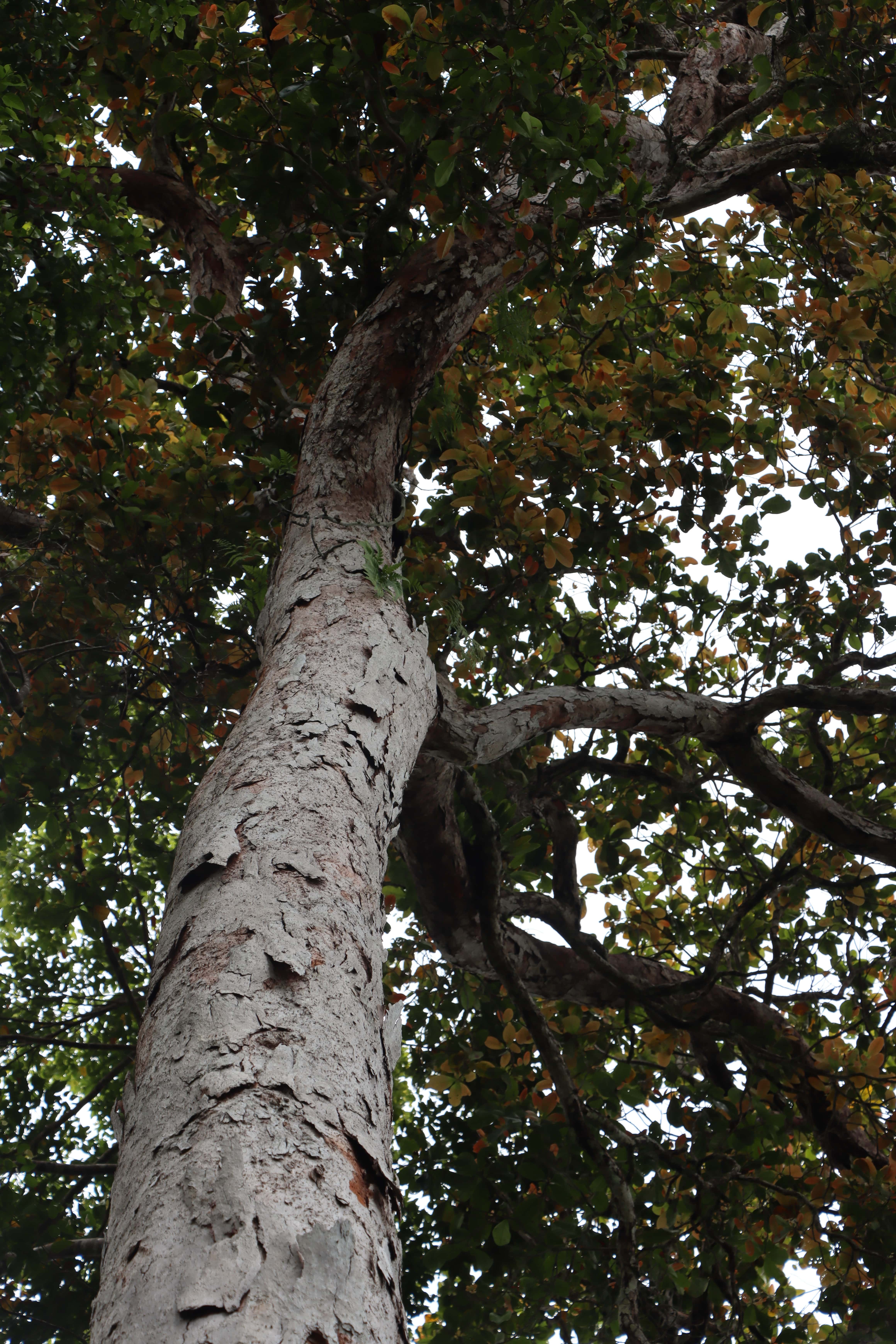
The presence of bagoadlau (in Bisaya, meaning “new day”) trees in the community also proves crucial as only a few of its populations are recorded in the country. Considered keystone species, influencing the abundance and distribution of associated species in their natural habitat, ironwood needs to be properly and efficiently propagated to boost local biodiversity.
See Also
Securing the survival of the many native trees in Datu Ramil’s homeland will guarantee and sustain the rich tapestry of diverse life forms in the tribe’s ancestral domain. As there is much more to Sitio Talangisog than hornbills, the ancestral land is an enclave to the endemic Philippine Trogon (Harpactes arden) and one of the four native species of Great Eared-Nightjar (Lyncornis macrotis). The diverse habitat also supports reptiles, including skinks and snakes, and insects like butterflies and beetles. In 2019, a group of university researchers discovered a new species of longhorn beetles in Mindanao, Cylindrepomus ansihagani, named in honor of the tribal leader.
“I remain firm in my mission to promote and advocate for native trees because if we keep planting exotic trees, our biodiversity will eventually be lost. In our culture, the forest is our lifeline and an extension of life—providing us with shelter, food, indigenous medicines, and a way of life,” Datu Ramil said.
For the people of Talangisog, protecting their forest stronghold means ensuring the survival of their tribe. As the shadows of looming infrastructure and development await on the horizon, Datu Ramil is determined to amplify his advocacy in reaching more members and translating more actions into tangible solutions. Once he becomes successful in rallying his tribe to hold the line for such cause, Datu Ramil cast no doubts for the future of their ancestral lands and of the next generation of Higaonons.