Blog Women and Youth as Drivers of Climate Information and Action in their Communities
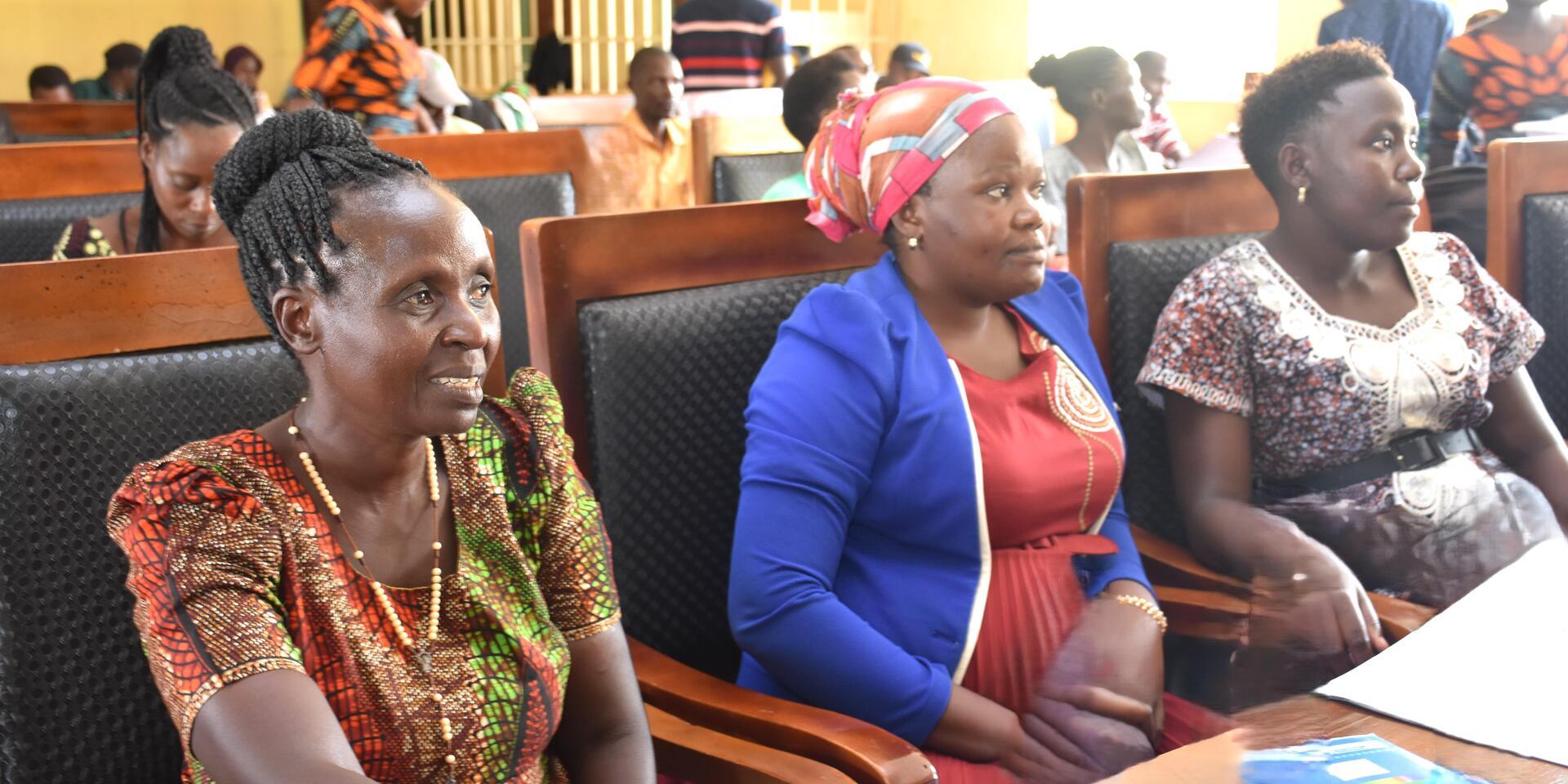

ECREA Project - implemented in Kenya, Rwanda, Uganda and Tanzania - has empowered 400 farmers and extension workers as of June 2024, including 50% women and young people, co-designing and disseminating climate information services to improve the resilience of bean value chain actors against climate shocks.
By: Joseline Kiogora, Desire Kagabo, Livingstone Byandaga, Patrick Mvuyibwami, Chris Ngige and Eileen Nchanji
Integrating women and young people in climate action projects is crucial for enhancing resilient agriculture. This approach improves not only the livelihoods of women but also of their households and communities.
According to Gender and social inclusion expert Eileen Nchanji, women are more vulnerable to climate change than their male counterparts because their livelihoods depend mainly on rainfed subsistence agriculture in sub-Saharan Africa. They are often the first to experience severe climate shocks such as droughts and floods, yet they are expected to provide food, energy, and water for their households. Many men leave their spouses behind to seek better income opportunities elsewhere, leaving women to provide for the remaining household members and make decisions on resource use. However, weather and climate information often does not reach this vulnerable groups, nor are they part of the decision-making processes that define what information is needed, by whom, when, and how it is used.
According to estimates by the Food and Agriculture Organization (FAO), women are responsible for more than 50% of food production worldwide, including up to 80% of food production in Africa. This highlights the critical need to include women in climate information services to improve their resilience and ensure the sustainability of food production and community well-being.
To address these challenges, the Alliance and its partners have been implementing the Enhancing Climate Resilience in East Africa (ECREA) Project in Kenya, Rwanda, Uganda and Tanzania.
So far, as of June 2024, the project has reached 400 lead farmers and extension workers (direct beneficiaries), 50% of whom are vulnerable women and young people, with face-to-face training on Weather and Climate Information Services (WCIS) co-designed and driven by women and youth farmers. Additionally, the training has been part of the project’s efforts on interventions to ensure gender equity and social inclusion for women and young people across the bean value chain.
Gender and social inclusion expert Eileen Nchanji, together with the implementation team, has been at the forefront of ensuring that women and young people are not only beneficiaries but also co-designers and drivers of climate information at the household, community, and regional levels. The team has emphasized the need for increased women's leadership and participation, ensuring that women are empowered to make decisions and influence policy and institutional change. To achieve effective gender inclusion they have advocated for the collection of gender-disaggregated data to better understand and address needs.
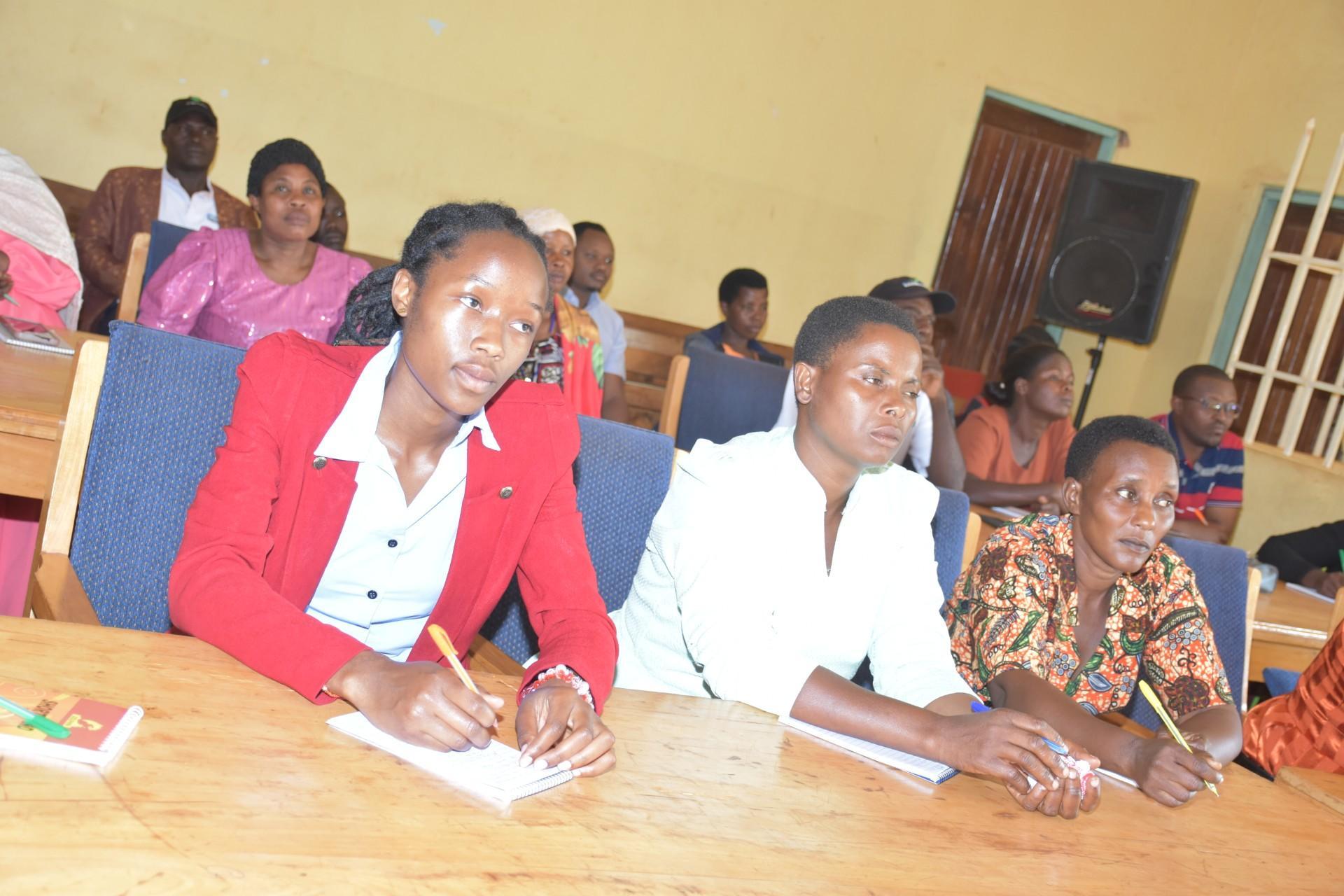
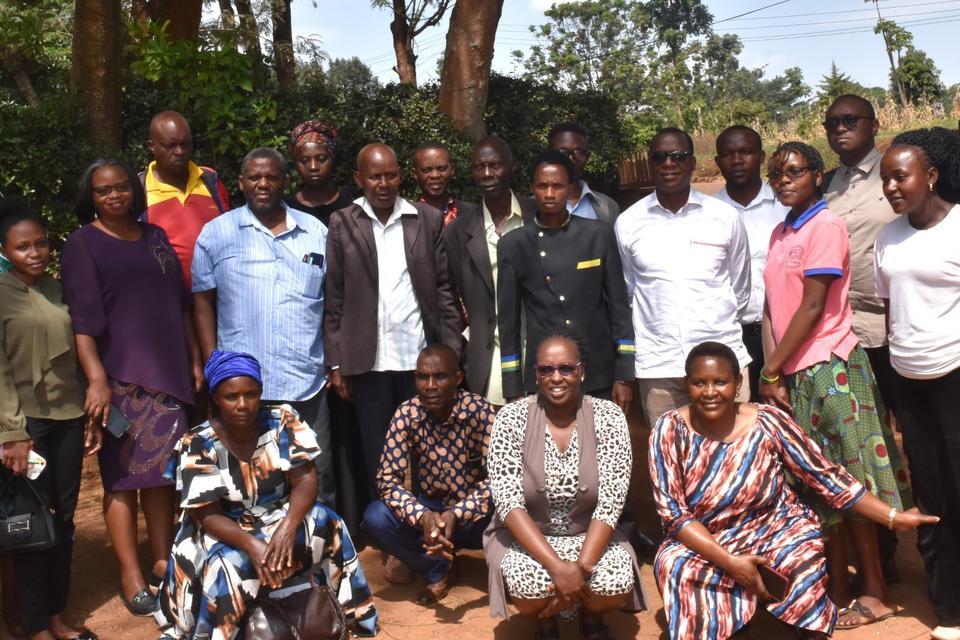
Youth and women farmers participating in the PICSA Lite Master class in Karagwe Tanzania
"The ECREA project is ensuring that women are empowered with the technologies and capacities to access and translate climate information, enabling them to make appropriate decisions that significantly improve and transform their agricultural livelihoods," says Desire Kagabo, the ECREA Project team leader. "Our project addresses multiple Sustainable Development Goals (SDGs), such as SDG 5 (Gender Equality) and SDG 13 (Climate Action). We focus on supporting and enhancing women’s effective participation and providing equal opportunities for leadership at all levels of decision-making. This approach aims to improve food security and income generation through accessible and timely climate information customized for diverse farmers."
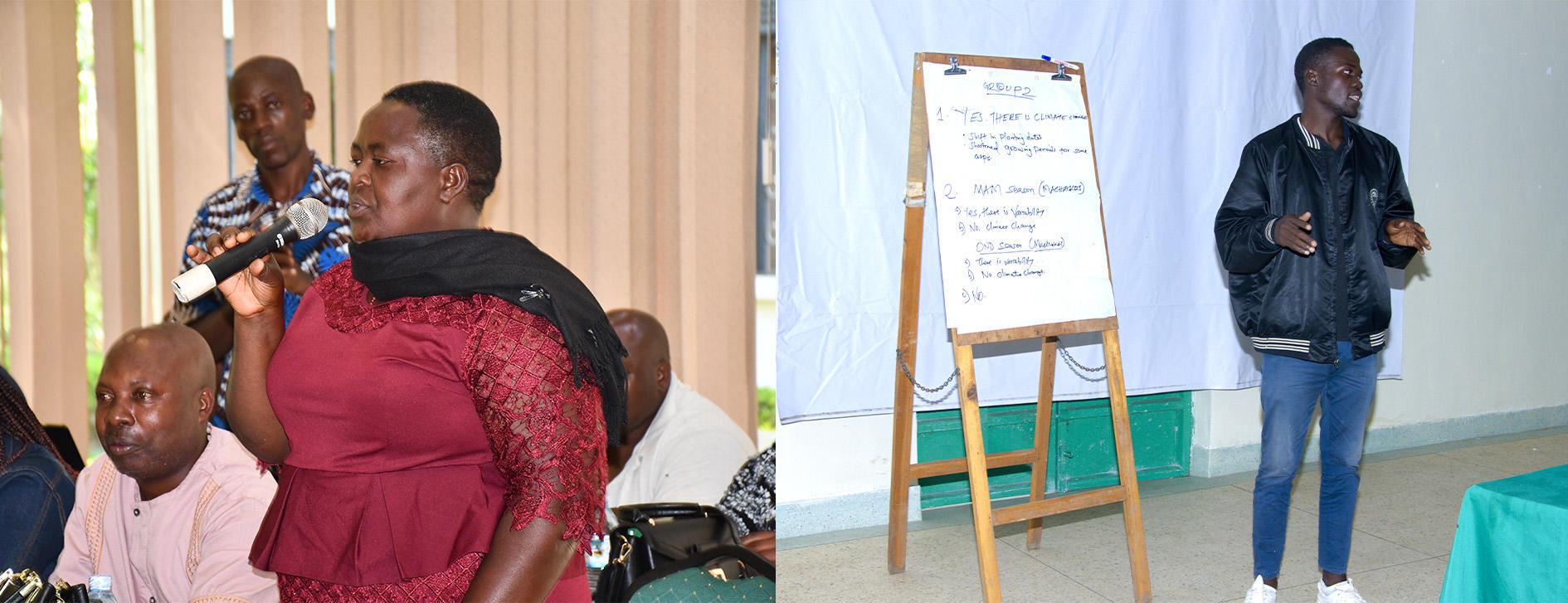
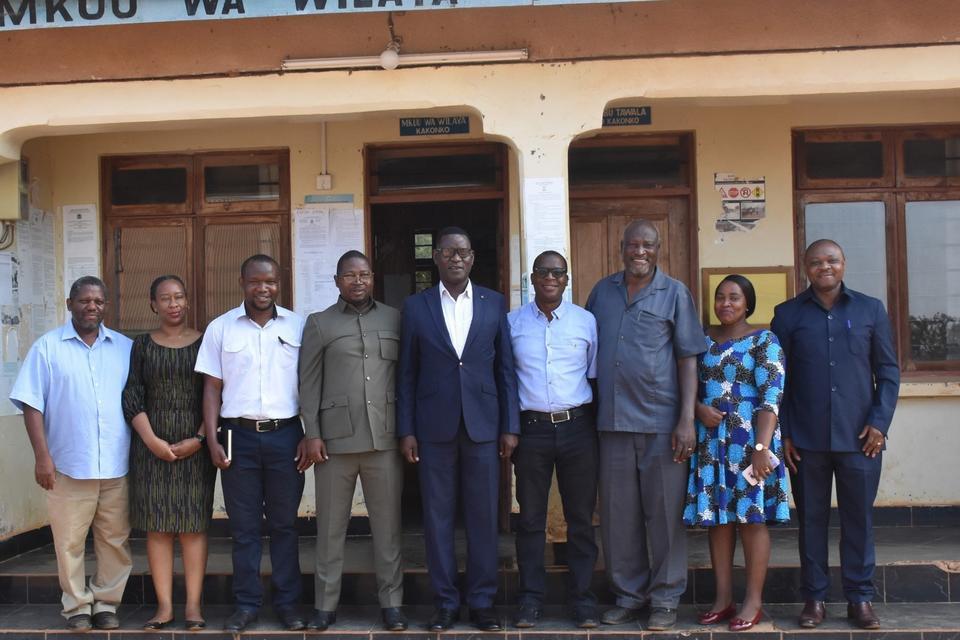
A woman farmer sharing her experiences in the PICSA Lite Masterclass in Namulonge, Uganda, and a young farmer presenting group discussion results during a PICSA Lite Masterclass in Nakuru, Kenya.
The ECREA project targets bean producers in East Africa, of whom approximately 80% are women. According to Livingstone Byandaga (ECREA Project Coordinator), the agency and voice of 50% of women and young people in the bean value chain has been increased through the co-production and use of weather and climate information services at the farm and household levels.
Women and young people have been included in the Training of Trainers on Participatory and Integrated Climate-Smart Agriculture (PICSA). This initiative has equipped 400 extension agents and lead farmers to train 400,000 farmers; 50% of the trainees are women and young people.
Furthermore, women and young people hold leadership positions in the Agro-climate Advisory Committees to co-design, adapt, and pilot innovative tools and approaches that enhance farmers’ digital adoption.
"We are enhancing the quality, accuracy, user responsiveness, and reach of WCIS across East African countries. As a result, women and other farmers in the bean value chain are being empowered and becoming more resilient to climatic shocks," noted Livingstone at a recent training in Namulonge, Uganda.
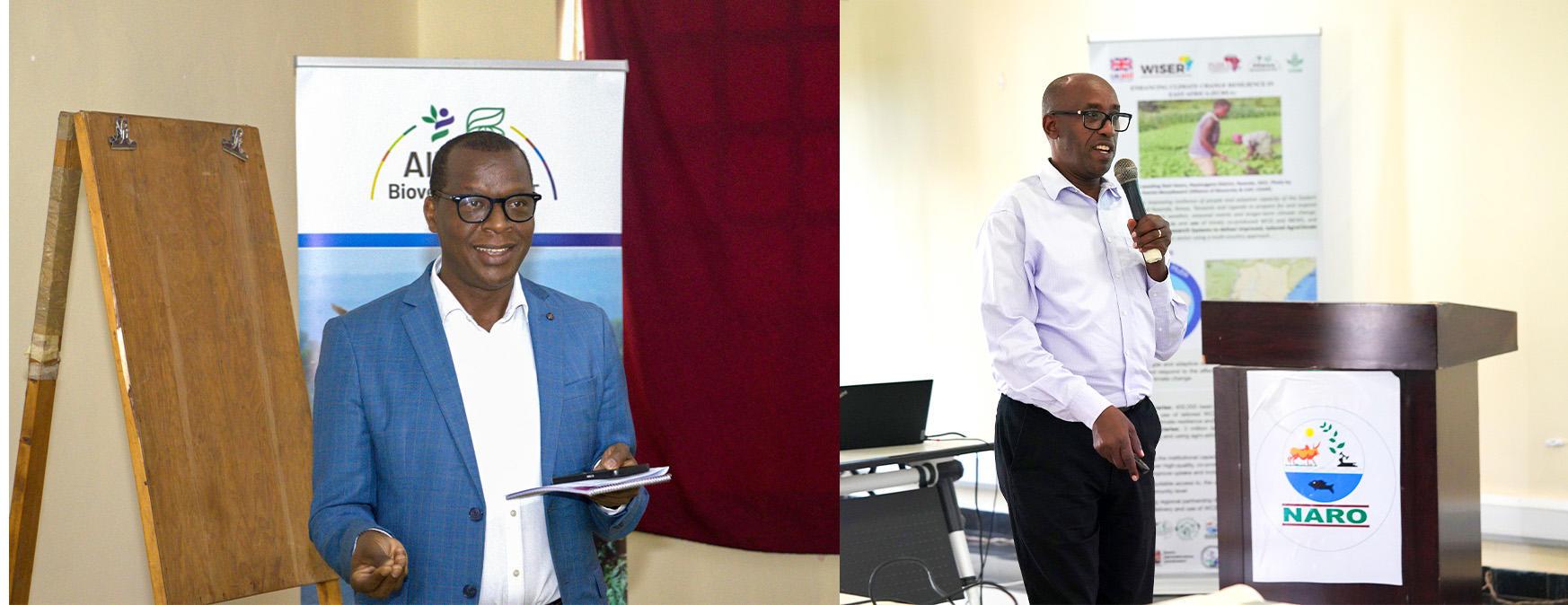
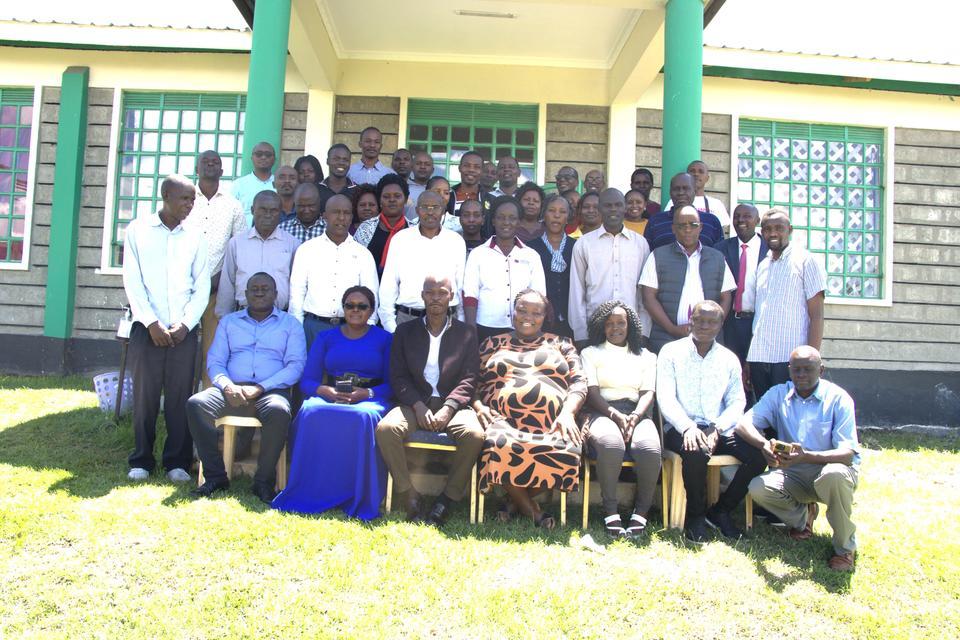
Desire Kagabo (ECREA Project Lead) presenting at a PICSA Masterclass in Nakuru, Kenya, and Livingstone Byandaga (ECREA Project Coordinator) giving a presentation at the PICSA Masterclass in Namulonge, Uganda.
The ECREA project has already begun to show promising results. With training sessions conducted in Kenya, Rwanda, Uganda, and Tanzania, 200 women and young farmers have been empowered to lead their communities in adapting to climate challenges. The enhanced and usable WCIS driven by women inform plans, policies, and decision-making at the community, local, national, and regional levels. Many empowered women now have the capacity to access information and resources, make appropriate decisions to improve their livelihoods, resolve conflicts, and participate in decision-making.
By focusing on gender and social inclusion, ECREA is not only addressing the immediate challenges posed by climate change, but is also laying the groundwork for a more resilient and equitable future for all.
The Team

Desire Kagabo
Project Leader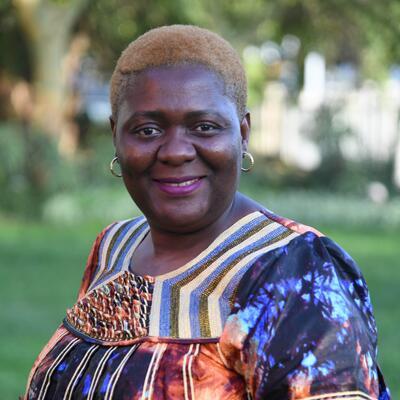
Eileen Bogweh Nchanji
Gender and Social Inclusion Expert
Livingstone Byandaga
Research Specialist
Mvuyibwami Patrick
Senior Research AssociateAcknowledgements
The Enhancing Climate Resilience in East Africa (ECREA) Project is being implemented with funding/support from the UK government's Foreign, Commonwealth and Development Office (FCDO) and UK AID through the Met Office UK’s Weather and Climate Information Services for Africa(WISER)
Further Reading