Blog Enhancing Climate Resilience for Beans in East Africa through a High-Level Governments’ Participation Approach

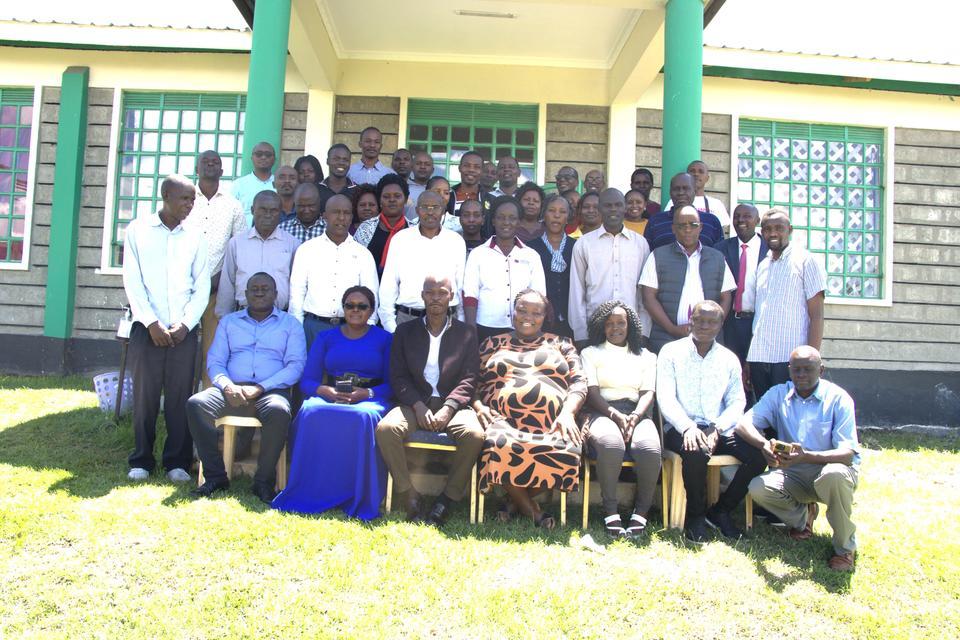
High-level officials and stakeholders from Kenya and Tanzania gathered in Kagera (Tanzania) and Nakuru County (Kenya) for PICSA master classes conducted by the 'Enhancing Climate Resilience in East Africa (ECREA)' project. The event aimed to enhance farmers' and extension officers' knowledge on how to utilize climate information services to improve their resilience to climate shocks and increase the sustainability of their practices
By: Joseline Kiogora, Desire Kagabo, Livingstone Byandaga and Patrick Mvuyibwami
Through our ongoing workshops in East Africa, we have trained over 300 farmers and extension officers on the PICSA tool. These workshops were supported and endorsed by key agricultural and meteorological institutions, as well as high-level government officials, demonstrating significant buy-in and ownership. They focused on utilizing climate information to enhance resilience to climate variability. This initiative aims to promote sustainable agricultural practices and strengthen the livelihoods of actors across the bean value chain."
Tanzania's picturesque Kagera and Kigoma regions and Kenya's Nakuru, Machakos, Elgeyo Marakwet and Homabay counties are known for their bean production. Farmers are the backbone of these regions' economies, working tirelessly to cultivate the land and provide for their families. However, like many agricultural regions in Sub- Saharan Africa, these areas face significant challenges due to climate variability. Addressing these challenges requires more than just technical solutions; it requires the involvement and support of high-level government officials to ensure successful implementation and sustainability of agricultural initiatives.
Recently, the Participatory Integrated Climate Services for Agriculture (PICSA) Lite Master Class was held in the Kagera region of Tanzania and in Nakuru, Kenya by the team from the Alliance project on 'Enhanced Climate Resilience in East Africa (ECREA)' project. The project is funded by the Foreign, Commonwealth & Development Office (FCDO) through the Met Office and the Weather and Climate Information Services (WISER) programme, in collaboration with other partners.
From April to June 2024, a series of workshops were held in Rwanda, Kenya and Tanzania, equipping bean farmers with climate information and other agro-advisory services to enhance their resilience to climate change and variability. So far, more than 300 farmers and extension officers have received face-to-face training using the PICSA approach, enabling them to pass on their knowledge to 400,000 farmers.
In Kenya, the workshop was led by Kenya Agricultural and Livestock Research Organization (KALRO). Speaking at the workshop, the Director of KALRO Katumani - Patrick Kesiem - highlighted that "it is essential to equip farmers with the knowledge and tools to thrive in a changing climate". Kennedy Thiong’o - Deputy Director of Technical Services at the Kenya Meteorology Department (KMD) - stated: “We are committed to providing accurate seasonal forecasts to inform farmers' decisions." Their presence at the trainings highlighted the government’s commitment to strengthening agricultural practices and supporting the hardworking farmers who sustain their communities.
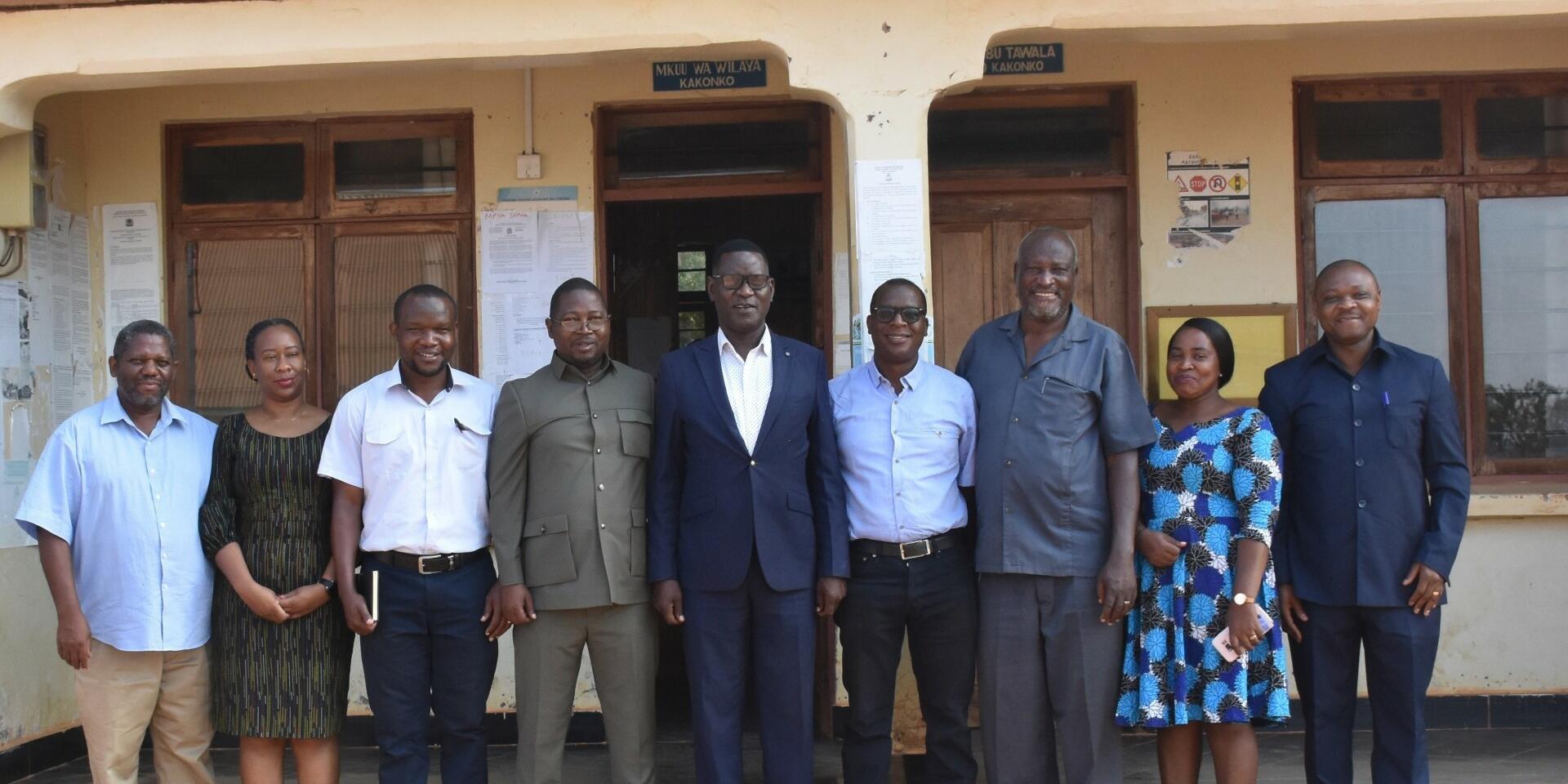
Kanali Evance Malasa, the District Commissioner of Kankoko District welcomed the ECREA team and partners delegation to Kankonko district.
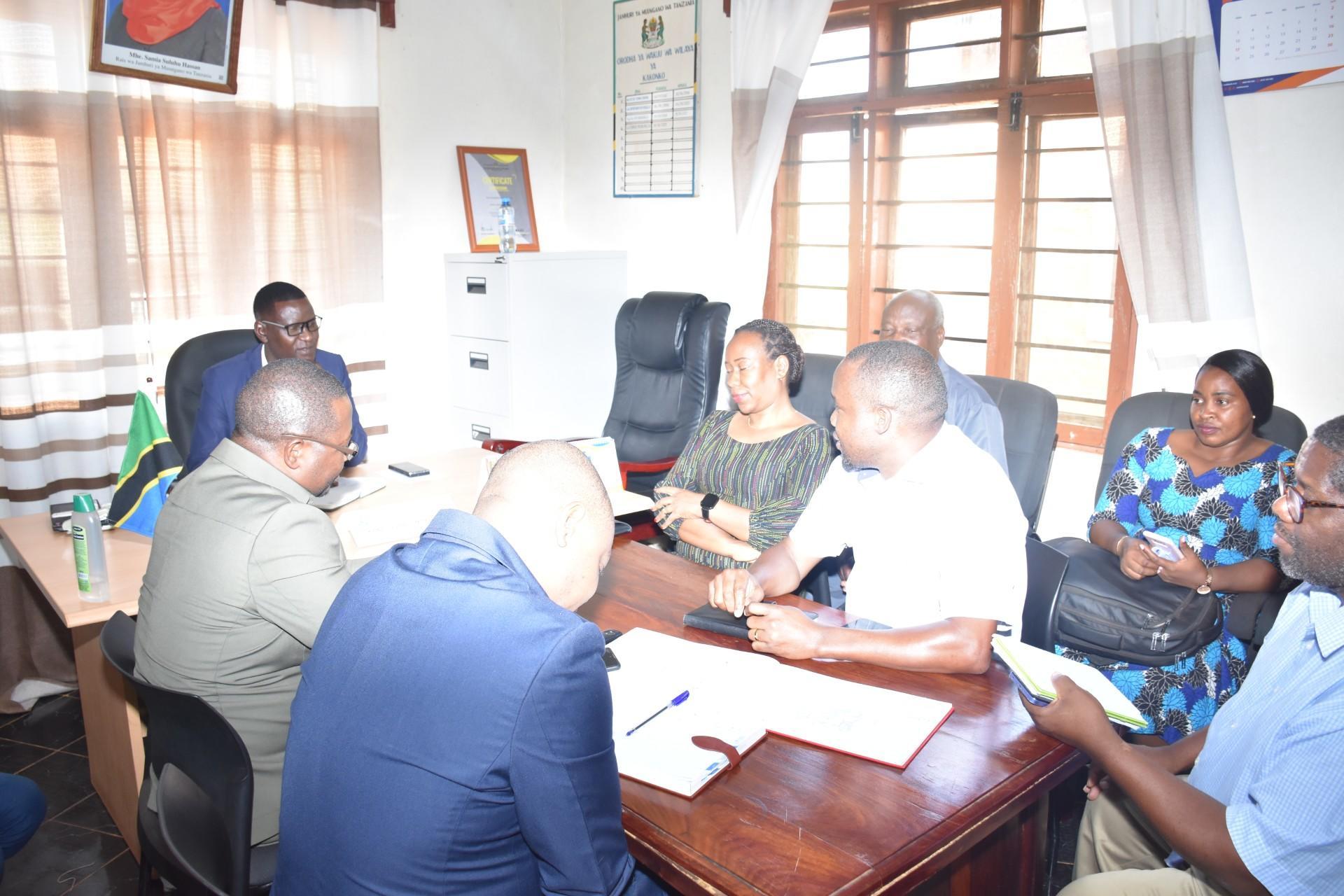
In Tanzania, the PICSA training workshop was led by the Tanzania Agricultural Research Institute (TARI). The training began with a courtesy call to the offices of the Acting District Executive Director of Karagwe District (Henritta William) and the District Commissioner of Kankoko District (Kanali Evance Malasa).
The involvement of government representatives increased the credibility of the PICSA Masterclass, which is a 'training of trainers' (ToTs). When high-level government officials actively participate in such initiatives, it sends a powerful message to the community. Their presence highlights the importance of the project and demonstrates the government's commitment to supporting local farmers. This endorsement is crucial for gaining the trust and buy-in of end users – the farmers themselves.
Insights from High-level Government Involvement in the Implementation of the ECREA Project
Enhanced Awareness and Visibility: The presence of government officials at the workshop attracted the attention of farmers and other stakeholders in the agricultural sector. This visibility is essential for the project's success, as it encourages more widespread participation and support. For example, during his welcoming remarks, Kanali Evance Malasa - the District Commissioner of Kankoko District - stated: "Our commitment to this initiative underscores the importance of building resilience amongst our farmers. By supporting these efforts, we are boosting sustainable agricultural practices and improving the livelihoods of our communities." Similarly, during the workshop in Kenya, Leonard Bor - the County Executive Committee Member of Nakuru County - highlighted that: "This project represents a significant step towards integrating modern agricultural techniques with local knowledge, providing a model that can be replicated across other regions."
"Joyce Keshe, the County Executive Committee Member for Narok County's Department of Agriculture, Livestock, and Fisheries, who attended the workshop, also expressed keen interest, stating, "I am eager to include my county as a beneficiary of the PICSA training. The bean farmers in Narok will benefit immensely from this training."
Such endorsements from government officials underline the initiative’s credibility and potential for upscaling, thereby fostering greater engagement and attracting investments in locally led climate resilience initiatives.
Engaged in Resource Allocation and Mobilization: The involvement of government officials ensures that adequate resources are directed towards the initiative, whether in terms of funding, technical support, or logistical arrangements as indicated by the District Commissioner in Kankoko Evance Malasa during a courtesy call to his office by the project team and partners:
“We fully support the activities of this project and are ready to provide logistical assistance whenever needed during your stay. We have made our town hall available for you to use in teaching our farmers, and you can be assured of your safety in our district as you conduct your training.”
Mainstreamed Policy Support and Integration: The support of high-level officials facilitates the integration of agricultural initiatives into broader policy frameworks. This alignment with government policies ensures that the programs are sustainable in the long term. It also helps in upscaling successful models and replicating them in other regions. During the welcoming remarks, Henritta William - Acting District Executive Director of Kankoko District - emphasized:
"By aligning these initiatives with our existing policy frameworks, we ensure their sustainability and pave the way for scaling successful models to other regions, thereby strengthening our agricultural sector and enhancing food security for all."
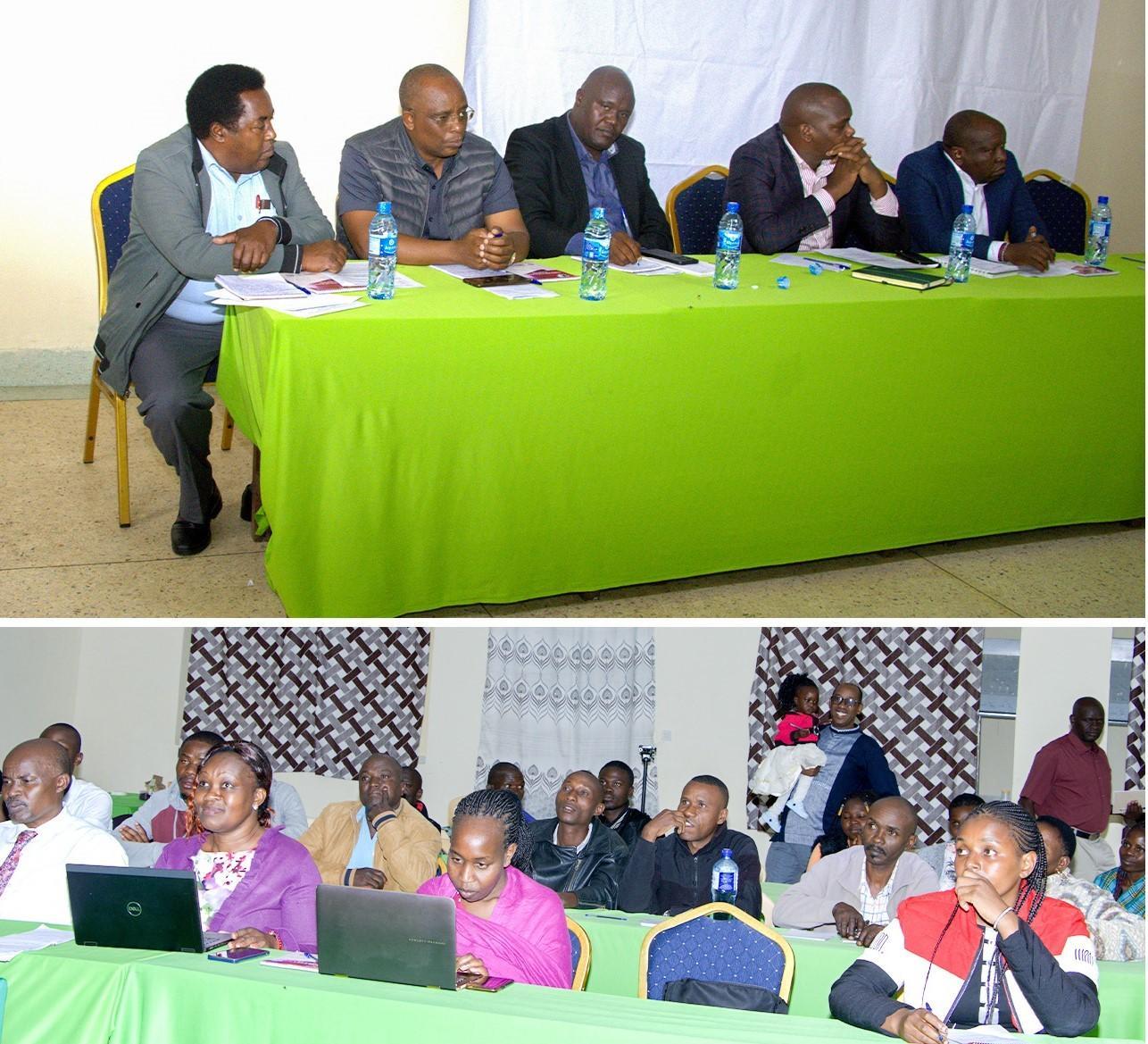
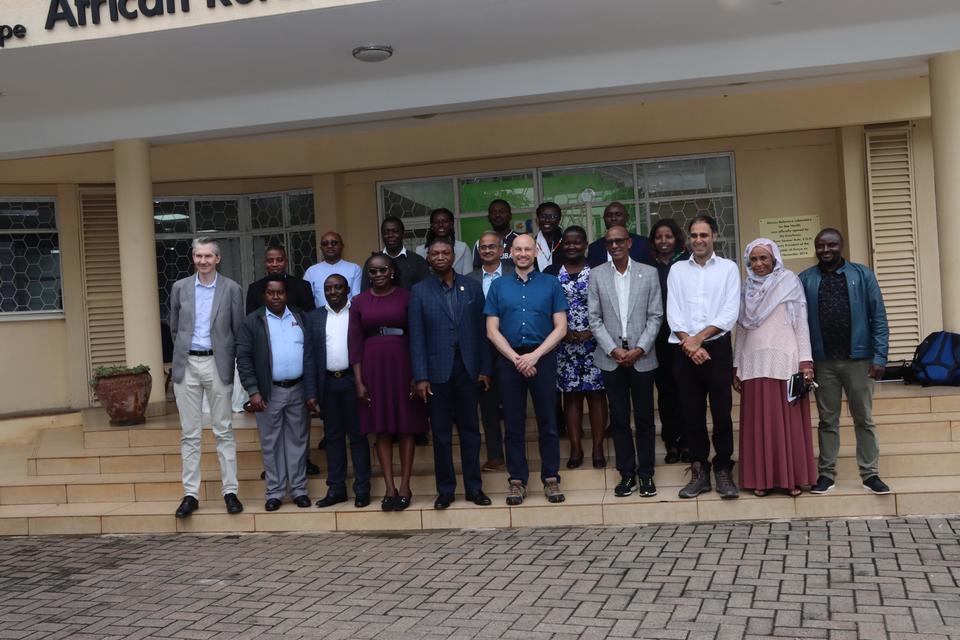
Fig1: David Karanja (KALRO), Kennedy Thiong’o (KMD), Patrick Kesiem (KALRO), Leonard Bor, the County Executive Committee Member (CEC) for Agriculture in Nakuru County and his counterpart from Elgeyo Marakwet, Edwin Seroney during the workshop in Nakuru, Kenya.
Fig2: Pascaline Chemaiyo and Beverly Aura from the Kenya Meteorological Department participate in PICSA training in Nakuru, Kenya.
Strengthened Farmer Engagement
“Administrative support in increasing farmer engagement is of utmost importance. We thank the Alliance of Bioversity International and CIAT for partnering with government agencies to enhance awareness of climate information services in our country.”
David Karanja - Bean Research Team Lead at KARLO - expressed his gratitude towards the Alliance's team during his presentation at the training held in Kenya. The speeches by government representatives emphasized their recognition of the challenges faced by farmers, as well as confirmed the government's support in overcoming these. This assurance is crucial for building community cohesion and motivating farmers to utilize climate information services for informed decision making in agricultural activities.
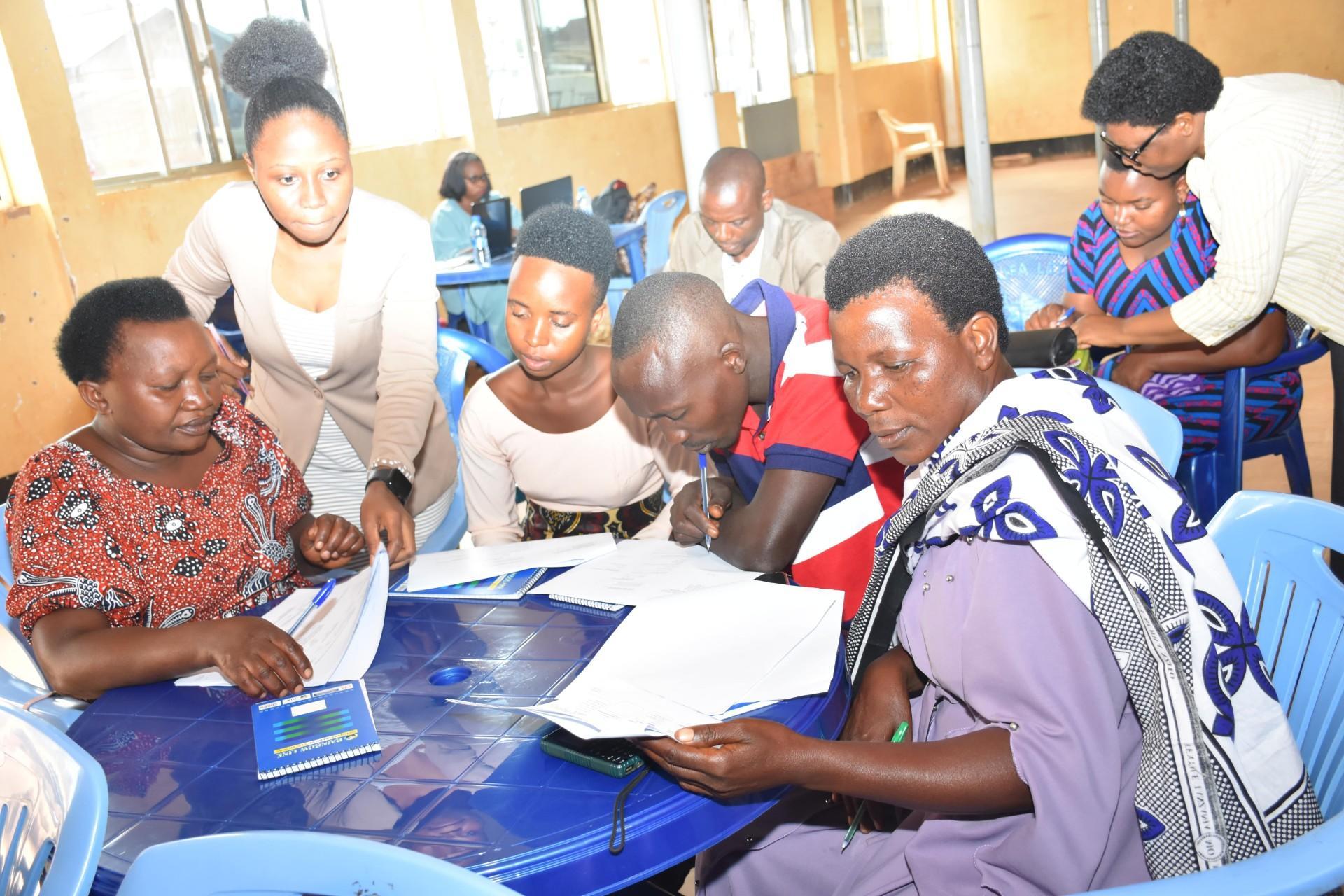
Farmers engage in group discussions in one of the workshops, highlighting the participatory nature of the training sessions.
Godfrey Kayomba - Officer from the District Agricultural and Livestock and Fisheries (DALFO), said:
“The government is committed to supporting farmers' education and enhancing resilience.”
This statement reinforced the government’s dedication to equipping farmers with the knowledge and tools to manage climate risks. He emphasized that the government is fully behind initiatives such as the ECREA, educating farmers and building their resilience to climate variability. Benson Elias, a farmer from Homabay, shared that:
"I have greatly benefited from the workshop, gaining the skills to interpret weather and climate information. I now feel confident in creating a seasonal calendar to guide my bean planting choices on the farm."

Mecklina Merchades from Tanzania Meteorological Authority and Julius Mbiu from Tanzania Agricultural Research Institute (TARI) Tanzania Meteorological Authority (TMA) presenting during the PICSA Lite Master Class.
Who are the Key Partners in Cascading the PICSA Approach?
At the PICSA workshops, the pivotal roles of the Kenya Agricultural and Livestock Research Organization (KALRO), the Kenya Meteorological Department (KMD), the Tanzania Agricultural Research Institute (TARI) and the Tanzania Meteorological Authority (TMA) were highlighted. The commitment of these institutions shows the importance of collaboration in tackling climate change in agricultural value chains. KALRO, as mandated by its governing act, promotes, streamlines, coordinates, and regulates research in crops, livestock, genetic resources, and biotechnology in Kenya, facilitating equitable access to research information and technology. KMD provides crucial meteorological and climatological services to various sectors, including agriculture, forestry, water resources management and civil aviation. Meanwhile, TARI enhances agricultural research in Tanzania by providing advisory services to farmers, helping them adopt best practices and innovative techniques to boost productivity and resilience. Lastly, TMA ensures the availability of accurate and timely climate information, which is essential for agricultural decision-making.
This collaboration demonstrates the power of direct interaction with farmers, which helped demystify meteorological data and foster trust among farmers regarding the reliability of climate information to inform their agricultural decision making. Rehema - a farmer from Karagwe - shared her experience of the training by saying: "Since I was born, I have never met anyone from the Tanzania Meteorological Authority. Seeing them here and getting first-hand information on how they produce the weather forecasts gives me a lot of confidence that the information is correct, and from now on, I will use the information in my daily decisions on my farm.
Another farmer, Bendetter from Machakos, said, "I'm grateful for learning how to access and use climate information to make better decisions about crop varieties, planting, and how to take care of my crops, which will increase my yield and reduce climate risks."
It became clear that farmers are more likely to trust and adopt practices recommended by recognized authorities, leading to better implementation and outcomes. “As a farmer, I feel more confident in adopting new practices when they are recommended by reputable institutions like KALRO, that we have worked with for a long time. Their expertise and support give us the assurance that we are on the right track to improving our productivity and resilience" said Eunice Sakong, a farmer from Elgeyo Marakwet.
Conclusion
The involvement of the government agencies alongside scientists from the Alliance brought a wealth of technical expertise to the table. The collaboration enriched the workshop's content by offering farmers reliable and actionable information, ensuring that advice and data were based on scientific research and practical experience. This comprehensive technical support ensured that farmers received high-quality guidance for improving agricultural practices and resilience to climate change using the PICSA approach.
The collaborative model involving government bodies, research institutions and meteorological services paves the way for sustainable agricultural practices. It also creates a framework that can be scaled to other regions, ensuring broader impact and long-term sustainability. Additionally, this model opens opportunities for farmers who are direct partners in this project, as well as private sector entities such as community radios (FADECO and Huguka) who are already partnering with the ECREA project to engage in profitable businesses. Farmers can leverage the insights and resources provided through these collaborations to enhance their productivity and profitability. For community radio, the increased listenership and improved quality of radio content can lead to higher trust and credibility across all levels. This, in turn, may motivate the owners to further invest further in climate information services, recognizing the business potential.
Acknowledgements
The Participatory Integrated Climate Services for Agriculture (PICSA) Master Class was conducted with funding/support from the UK government's Foreign, Commonwealth and Development Office (FCDO) and UK AID through the Met Office. Additionally, we extend gratitude to our key partners, Tanzania Meteorological Authority (TMA), Tanzania Agricultural Research Institute (TARI), Agricultural and Livestock Research Organization (KALRO,) Rwanda Agricultural Board (RAB), Kenya Meteorological Department (KMD), District Commissioners of Karagwe and Kankoko Districts in Tanzania, the County meteorology services and Governments of Homabay, Machakos, Nakuru and Elgeyo Marakwet, Huguka Community Radio, FADECO Community Radio and all the participating organizations and most importantly the farmers. Their collaboration and dedication played a pivotal role in the success of the PICSA Lite Master Class.
The Team

Desire Kagabo
Project Leader
Livingstone Byandaga
Research Specialist
Mvuyibwami Patrick
Senior Research AssociateSee Also