Blog What is food security? Understanding what threatens it — and what can help

Food security is not only about how much food is produced. It also depends on whether people can obtain safe, nutritious food which is culturally acceptable, use it well, and count on that access over time. Here is what food security means, what drives food insecurity, and how research can help.
What is food security?
Food security exists when all people always have physical, social and economic access to sufficient, safe and nutritious food that meets their dietary needs and food preferences for an active and healthy life.
That definition matters because food security is about more than food production. A country can produce large quantities of food and still have households that cannot afford healthy food, while a good harvest can coexist with food insecurity elsewhere in the same region.
Food security is therefore about more than producing enough food or having enough income. It is also about whether people can access preferred food, whether these choices support health, and whether that access can withstand shocks.
Food security: the six pillars
FAO describes six interconnected dimensions of food security: availability, access, utilization, stability, agency and sustainability. They are useful because they show why food insecurity cannot be explained by a single cause. As we transition from 4 pillars (1996) to 6 pillars (2020), we recognized the multidimensionality in causes and impact of food insecurity in the current world.
- Availability is about whether food is physically present. It can come from domestic production, imports, food reserves or other sources. Availability may fall when crops fail, livestock are lost, supply chains are disrupted or markets cannot be supplied.
- Access is about whether people can obtain the food that is available. That may mean producing food themselves, buying it, receiving it through social protection or relying on other forms of support. Poverty and high food prices can therefore create food insecurity even where markets are well supplied.
- Utilization refers to how the body uses the food people consume. Food safety, diet quality, food preparation, clean water, sanitation and health all matter. Eating enough calories does not necessarily mean the body is able to utilize all the nutritional value present in the meal.
- Stability brings the other three dimensions together over time. A household may have enough food today but be pushed into food insecurity next month by a drought, a conflict, job loss, or sudden increase in prices. Food security therefore depends not only on the situation at a given moment, but also on the capacity to withstand shocks and maintain access.
- Sustainability is about whether food systems can meet people’s needs over the long term without compromising the ability of future generations to meet theirs. It considers how food system practices affect natural, social and economic systems and whether they can support food security into the future.
- Agency is about whether individuals and groups have the capacity to make meaningful choices about what they eat, the food they produce, and how food is produced, processed and distributed. It also includes the ability to participate in the policies and decisions that shape food systems.
Food insecurity, nutrition security and hunger are not the same
Food insecurity refers to limited or uncertain access to adequate food. It ranges from worrying about obtaining food to experiencing severe deprivation. Hunger is a physiological condition associated with insufficient food intake. Although these concepts are related, they are not interchangeable.
Nutrition security is a broader concept. Food security is necessary, but not sufficient, for nutrition security. The latter considers not only access to an appropriately nutritious diet, but also a sanitary environment, adequate health services and appropriate care. Together, these conditions help ensure a healthy and active life.
Malnutrition is broader still. It includes undernutrition, deficiencies or excesses of nutrients, and diet-related forms of overweight and obesity. These conditions can coexist within the same food system and, sometimes, within the same household.
This distinction matters because reducing hunger is not the same as ensuring healthy diets. A food system may provide enough calories while making nutrient-rich foods needed for a healthy diet difficult to afford. This is an increasingly important part of the global food security debate.
What causes food insecurity?
Food insecurity has many causes. It usually reflects several pressures acting at the same time, often on people who already have fewer resources to cope with them.
- Poverty and inequality are fundamental drivers. When household incomes are low, an increase in food prices can quickly force difficult choices about what to buy, how much to eat or which other essential expenses to postpone.
- Livelihoods and income stability are foundational to food security. People who depend on daily earnings or informal employment may have little financial protection when work is interrupted. Stability of livelihoods and income therefore plays a substantial role in food access.
- Conflict and instability can destroy crops, livestock, infrastructure and markets, while forcing people to leave their homes. In these situations, food may exist elsewhere, but the people who need it may no longer be able to produce, purchase or reach it. Conflict and environmental shocks can also affect people's well-being and make it harder for households to recover, even when resources are available.
- Climate change adds another layer of risk. Droughts, floods, heat, changing rainfall patterns and other extremes can affect yields, livestock, water availability and rural incomes. The consequences are not limited to farms: disruptions in production can affect prices, markets and the availability of particular foods.
- Economic shocks and food-price volatility can also weaken access. This is especially important for households that spend a large share of their income on food. When prices rise faster than incomes, the ability to maintain a diverse and nutritious diet can deteriorate quickly.
- Infrastructure and market access matter as well. Poor food environments, poor roads, inadequate storage, housing insecurity, lack of health systems and unreliable energy can increase costs and contribute to food losses during storage and transportation. Weak links between producers and consumers can further limit access to food. Food surpluses in one place do not automatically solve shortages somewhere else.
- Finally, land degradation and biodiversity loss can undermine the productive capacity and resilience of agricultural and food systems over the longer term. A farming system that depends on a narrow range of crops or varieties may have fewer options when conditions change.
These pressures often reinforce one another. A drought can reduce production, raise prices and cut farm income at the same time. Conflict can destroy productive assets while disrupting markets. In many places, these pressures increasingly overlap or recur before households have time to recover, deepening food insecurity and making it harder to rebuild livelihoods.
Who is most affected?
Food insecurity is not distributed evenly. Risk is shaped by income, geography, livelihoods, gender, age and exposure to conflict or environmental shocks.
- Urban and peri-urban low-income households are particularly vulnerable. The HLPE report #19 finds that more than three-quarters of people experiencing moderate or severe food insecurity live in urban and peri-urban areas. Many rely on markets to access food and must also pay for other basic needs, such as water, housing, energy, education and transportation. Food therefore becomes a variable expense, and households may reduce its quality or quantity to cover other essential costs.
- Women and children can also face disproportionate risks. Unequal access to land, income, credit and other resources can limit women’s ability to respond to shocks. Poor nutrition during pregnancy and early childhood can have consequences for health and development that extend well beyond the immediate food crisis. The gender gap in food security remains a concern globally, including in Latin America and the Caribbean.
- Smallholder farmers are another example. Producing food does not automatically protect a household from food insecurity. Farmers can face low or unstable incomes, high input costs, limited market access, crop losses and climate risks. Dependence on a narrow set of crops can increase vulnerability when a pest, disease or extreme weather event affects production. Landless rural households may also face food insecurity and can be overlooked by programs primarily targeting farming households.
- Indigenous Peoples and remote rural communities may face additional barriers to accessing markets, public services and social protection. Their vulnerability can increase when environmental changes, conflict or disruptions to traditional food systems affect their livelihoods and access to food.
- People living in conflict-affected areas and communities exposed to repeated climate shocks are also particularly vulnerable. For these populations, food insecurity may not be the result of one bad season but of repeated disruptions that erode assets, income and the capacity to recover.
How food insecurity affects health and development
The consequences of food insecurity extend beyond an empty stomach. When people regularly have too little food, or when diets lack essential nutrients, health and development suffer.
In early childhood, inadequate nutrition contributes to malnutrition and can impair development. During pregnancy, poor nutrition can increase risks for both mothers and children, with consequences that may extend across generations. More broadly, inadequate diets can undermine health and make it harder for people to learn, work and participate fully in their communities, contributing to health disparities.
The effects can persist across generations. Poor nutrition can affect children’s learning and future earning potential, which can limit their ability to provide adequate food and care for their own families later in life. This can perpetuate a cycle of poor nutrition and health, particularly affecting mothers and children.
Food insecurity should not be reduced to undernutrition alone. When healthier foods are expensive or difficult to access, households may struggle to maintain a diverse, nutritious diet. At the same time, the health and economic consequences of poor diets can place additional pressure on household resources, making food insecurity harder to overcome. This is why food security and nutrition need to be considered together.
How agrifood system research can help
Agrifood system research cannot solve food insecurity on its own. But it can generate evidence about what works, help identify barriers and inform decisions to make food systems more inclusive, sustainable, nutritious and resilient to shocks.
- Food environments and healthy diets. Research can help explain how food availability, affordability, marketing and consumer choices shape what people eat. Nutrition education can also strengthen the links between agricultural production, markets and healthy diets. Explore how food systems shape what we eat.
- Inclusive, nutrition-sensitive value chains. Research can identify opportunities to improve how food is produced, processed, distributed and marketed, while considering nutrition, environmental sustainability and the inclusion of small-scale producers and other value-chain actors. In Honduras, for example, the Alliance and its partners are working through PROINORTE to strengthen value chains that contribute to more inclusive rural development and healthier diets.
- Gender, youth and social inclusion. Research can help identify the barriers that women, young people and other underserved groups face in accessing resources, markets, information and opportunities. It can also inform approaches to recognize, reduce and redistribute unpaid care work, including through childcare models in markets and workplaces.
- Sustainable production and healthier landscapes. Food security depends on productive agricultural systems, healthy soils and functioning ecosystems. Research on land restoration, agroecology, agroforestry, livestock and other production systems can help identify approaches suited to different contexts, supporting livelihoods while protecting the natural resources on which food production depends.
- Climate resilience and digital inclusion. Climate information, early-warning systems and digital tools can support more informed decisions by farmers, communities and institutions. Combined with sustainable finance and context-specific agricultural practices, these approaches can help households and farming systems prepare for climate shocks and strengthen their capacity to recover.
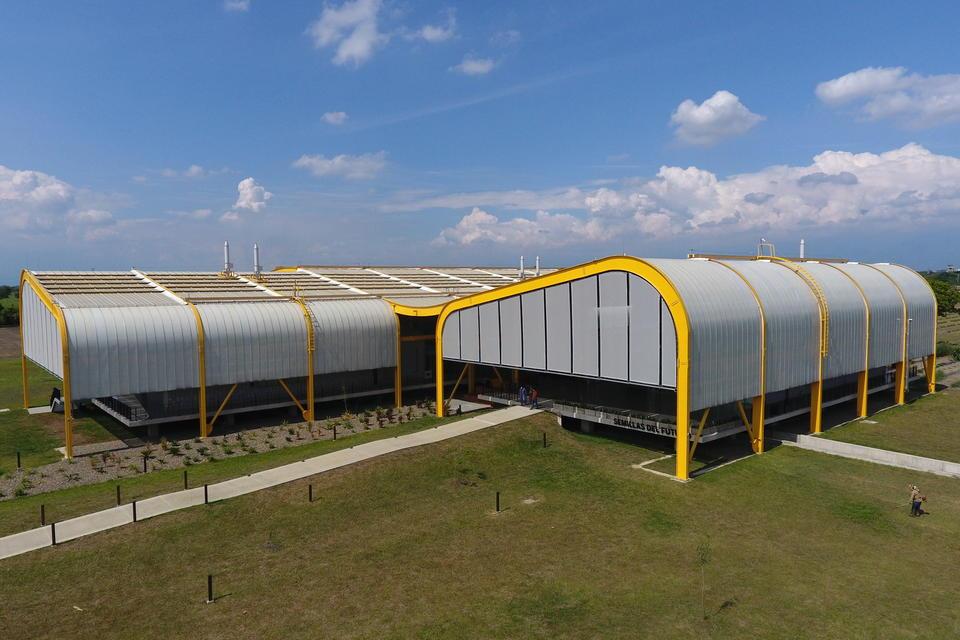
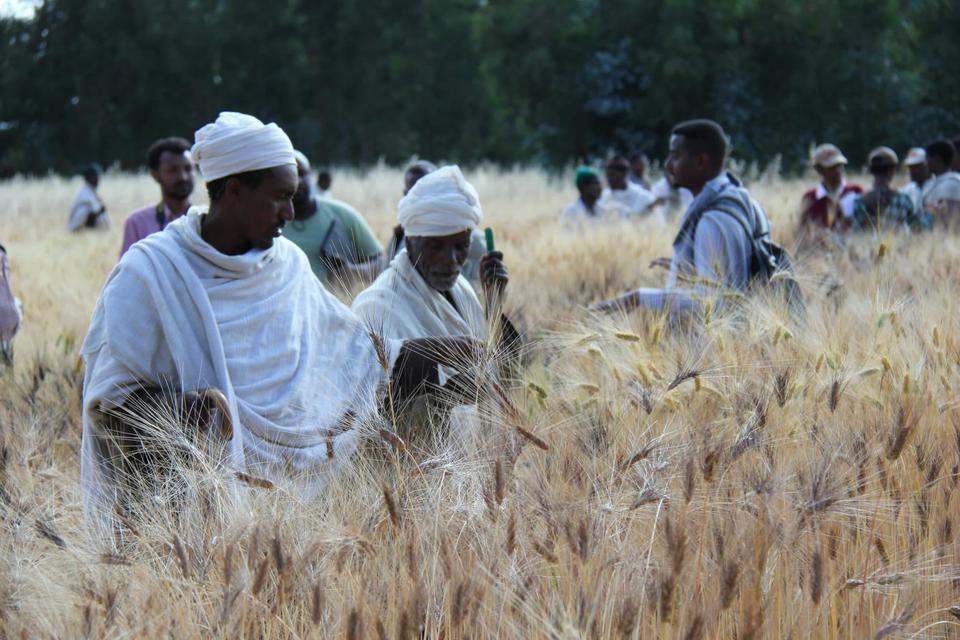
- Crop diversity and adapted seeds. Genetic diversity gives researchers and breeders options to identify traits that may help crops withstand drought, heat, pests and diseases or improve nutritional quality. Genebanks such as Future Seeds preserve this diversity for future use. Initiatives such as Seeds for Needs and community seedbanks can also help farmers access and conserve crop varieties suited to local conditions.
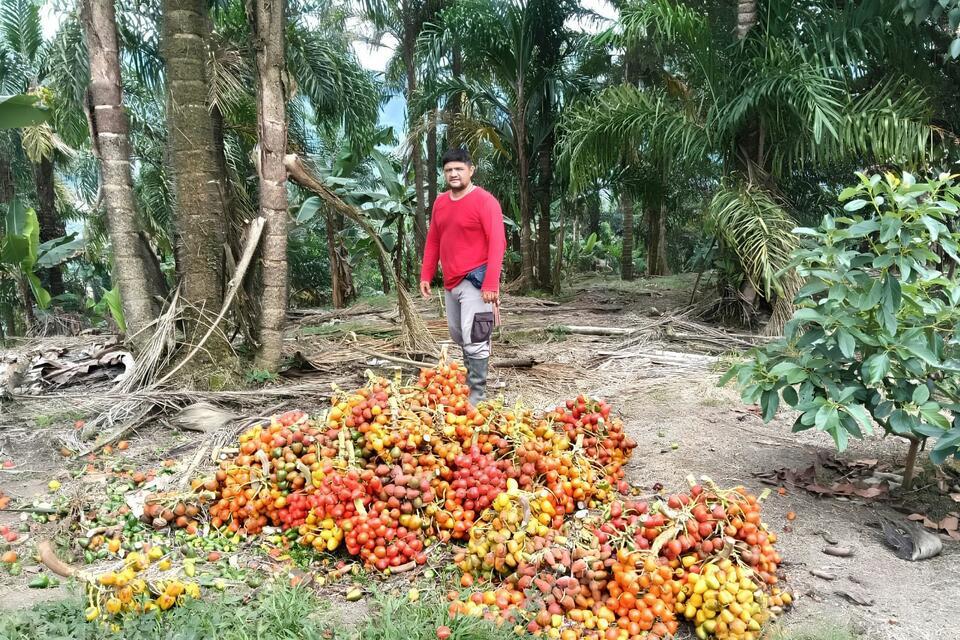
- Underutilized and locally available food biodiversity. Research into diverse edible species can help identify additional food sources with nutritional and agronomic value. Depending on the local context and season, these foods may complement other sources when harvests are limited or prices rise, while contributing to the conservation and use of biodiversity.
- Food-system profiles, evidence and governance. Research can bring together information on production, value chains, food environments, consumer behavior, nutrition and environmental conditions to help identify priorities and inform public policy. The Alliance and its partners have developed food-system profiles at national and subnational levels, including in Cali, Colombia, and Honduras, as well as work supporting food-system transformation in Vietnam, Kenya and Ethiopia. These profiles and collaborative processes can support evidence-based dialogue, monitoring and decisions about where action is most needed.
What can help reduce food insecurity?
There is no single intervention that can eliminate food insecurity. Responses need to match the causes and the context.
-
Social protection can help households maintain access to food during economic shocks or crises. School meals, cash transfers and other programs can provide an immediate buffer while longer-term solutions are developed.
- Sustainable agricultural practices and stronger food systems can help build resilience. Practices that improve soil health, manage water and diversify crops can support production under changing conditions. Better seed systems, storage, transport and market infrastructure can also reduce losses and improve access to food.
- Evidence-based policies and coordinated action matters. Governments can use evidence to identify where food insecurity is concentrated and coordinate action across agriculture, health, social protection and other sectors. Policies that address gender wage gaps, both within and beyond agrifood systems, can also improve women's and men's ability to afford food and meet other essential needs.
- Making healthy diets more affordable requires attention to the entire food supply chain. Storage, processing, transport, energy, cold chains, markets and retail all influence the final cost and availability of nutritious foods. SOFI 2026 estimates that around 2.7 billion people could not afford a healthy diet in 2025, highlighting the scale of this challenge.
- Women's agency in agrifood systems and household food decisions is also important. Access to land, finance, information and training can help women participate in decisions about agricultural production, food purchasing, preparation and dietary choices. Recognizing women's role in these decisions is essential to developing more inclusive approaches to food and nutrition security
The bigger picture
Food security is not simply a question of whether enough food exists in the world. It is about whether people can obtain food, whether that food supports health, and whether access can be maintained when prices rise, harvests fail or other shocks occur. Access to adequate food is also a human right, which means that food security is not only a development goal but a matter of dignity and public responsibility.
That makes food security a food-system challenge as much as an agricultural one. Research can contribute by protecting crop diversity, improving varieties and seed systems, strengthening climate resilience, generating evidence for policy and helping different actors understand how their decisions affect the wider system. This evidence can support policies and actions that advance the right to adequate food.
The global trend shows both progress and the scale of the remaining challenge. Hunger declined for a third consecutive year in 2025, but 2.1 billion people still experienced moderate or severe food insecurity, and healthy diets remained unaffordable for billions.
Frequently asked questions about food security
1. What is the difference between food security, nutrition security and food safety?
Food security means that people have reliable access to sufficient, safe and nutritious food for an active and healthy life. Nutrition security goes beyond food access to include the conditions needed for good nutritional status, such as safe water, sanitation, healthcare and appropriate care and feeding practices. Food safety focuses on preventing biological, chemical or physical hazards in food that can make people ill. Food can be available but unsafe, or safe and nutritious but inaccessible to some households.
2. How many people are food insecure globally?
There is no single number that captures every form of food insecurity. FAO’s 2026 SOFI report estimates that about 2.1 billion people experienced moderate or severe food insecurity in 2025. This figure differs from the number of people experiencing hunger because the indicators measure different aspects of the problem.
3. Is food insecurity only a problem in rural areas or low-income countries?
No. Food insecurity affects people in high-, middle- and low-income countries, and in both urban and rural areas. Low-income urban and peri-urban households can be particularly vulnerable because they depend on markets to access food while also facing costs for housing, transport, energy and other basic needs. In rural areas, poverty, unstable livelihoods, climate shocks and limited access to markets and services can also undermine food security.
4. Do men and women face different risks of food insecurity?
Yes, their risks can differ, although the consequences of food insecurity can affect everyone. Women may face additional barriers related to income, land, credit and other resources, while children and different generations have specific nutritional needs and vulnerabilities. These differences can shape exposure to food insecurity and the ability to respond to it.
5. What is the Integrated Food Security Phase Classification (IPC)?
The IPC is a standardized system used to classify the severity of acute food insecurity and support coordinated analysis and response. It is particularly useful for identifying where urgent action is needed during food crises. Learn more about the Integrated Food Security Phase Classification.
6. What can individuals do to help reduce food insecurity?
Individuals cannot solve the structural causes of food insecurity alone, but they can support credible food-assistance and resilience organizations, reduce household food waste, make informed food choices and engage in public discussions and policies that shape food systems.
Keep exploring