Blog He wanted to leave, he chose the land: The courageous choice of Tahirou Diallo
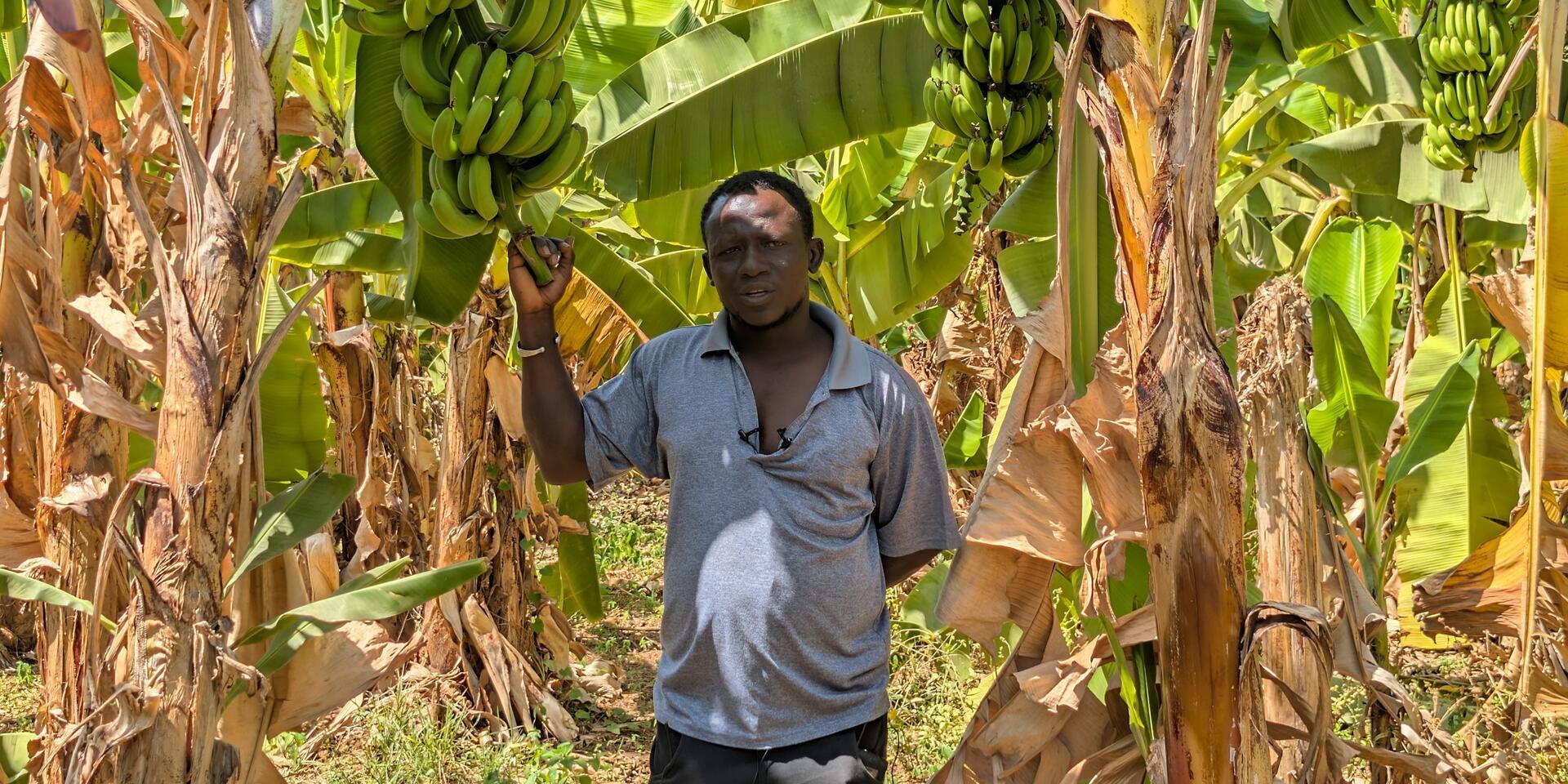

In eastern Senegal, between Tambacounda and the Gambian border, agriculture is both a promise and a gamble. In a region marked by climate variability, pressure on natural resources, and the persistent pull of migration, succeeding in farming often requires courage. In Gouloumbou, in the commune of Missirah, Tahirou Diallo made that choice. A former migration candidate, he now leads the Kénié kéniéba economic interest group and produces dozens of tons of chili pepper, bananas, and vegetables each year. His story shows how climate-smart agriculture, supported by the AVENIR project, funded by Global Affairs Canada and implemented by Mennonite Economic Development Associates (MEDA) in collaboration with the Alliance of Bioversity International and CIAT, can turn an individual journey into a collective dynamic and restore meaning to the decision to stay.
The day he decided to stay
The sun rises slowly over Gouloumbou. The first sounds come from the river, then from the fields. Tahirou Diallo walks confidently between rows of chili peppers. At 22 hectares, his farm commands respect. Yet things were not always so clear.
“There was a time when I was a candidate for migration,” he says frankly. Like many rural young people in Senegal, he once considered leaving. In the regions of Tambacounda and Sédhiou, migration is often seen as an escape from unstable agricultural incomes and economic pressure. Irregular seasons, declining soil fertility, and limited access to markets reinforce this sense of uncertainty.
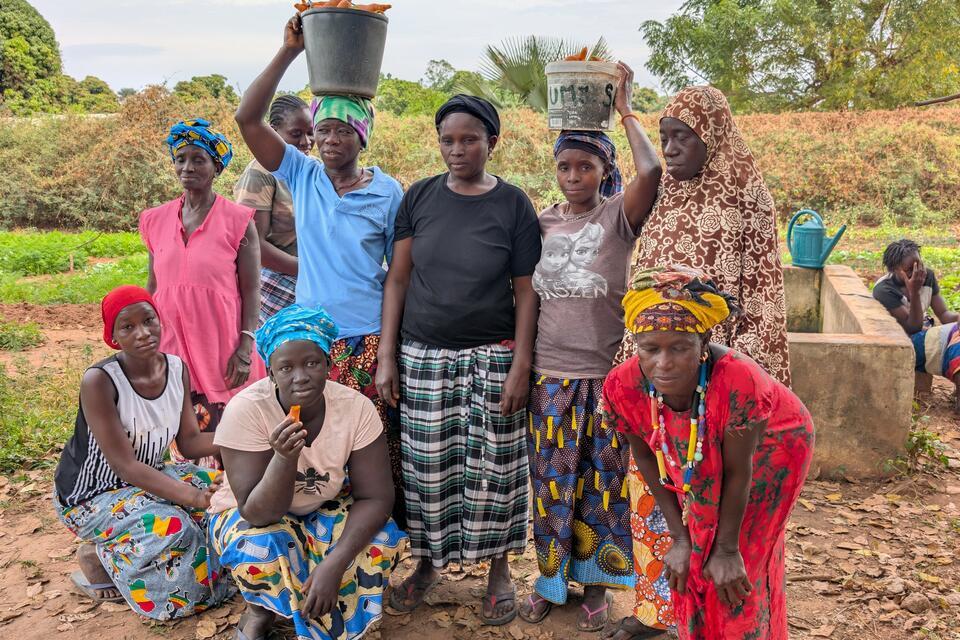
But Tahirou stayed. With support from his older brother, he invested in the family land. Gradually, the plot expanded and crops diversified. He became president of the Kénié kéniéba group, made up of 16 members, including 7 women. Together, they structured their production and responded to growing demand, particularly from The Gambia.
Each year, the volumes are impressive. On average, 21 to 22 tons of chili peppers. In some seasons, up to 8 tons of onions. Yet despite these achievements, pressure remains high. This year again, demand exceeds supply.
Tahirou pauses, looks at his plants, and adds:
“Today, I do not regret staying because thanks to my work I have nothing to envy those who prefer to go to the West.”
It is not a boastful statement. It is a calm affirmation. In a context where migration remains a horizon for many, his choice becomes a message. Staying can be a winning strategy, provided agriculture is supported, modernized, and well organized.
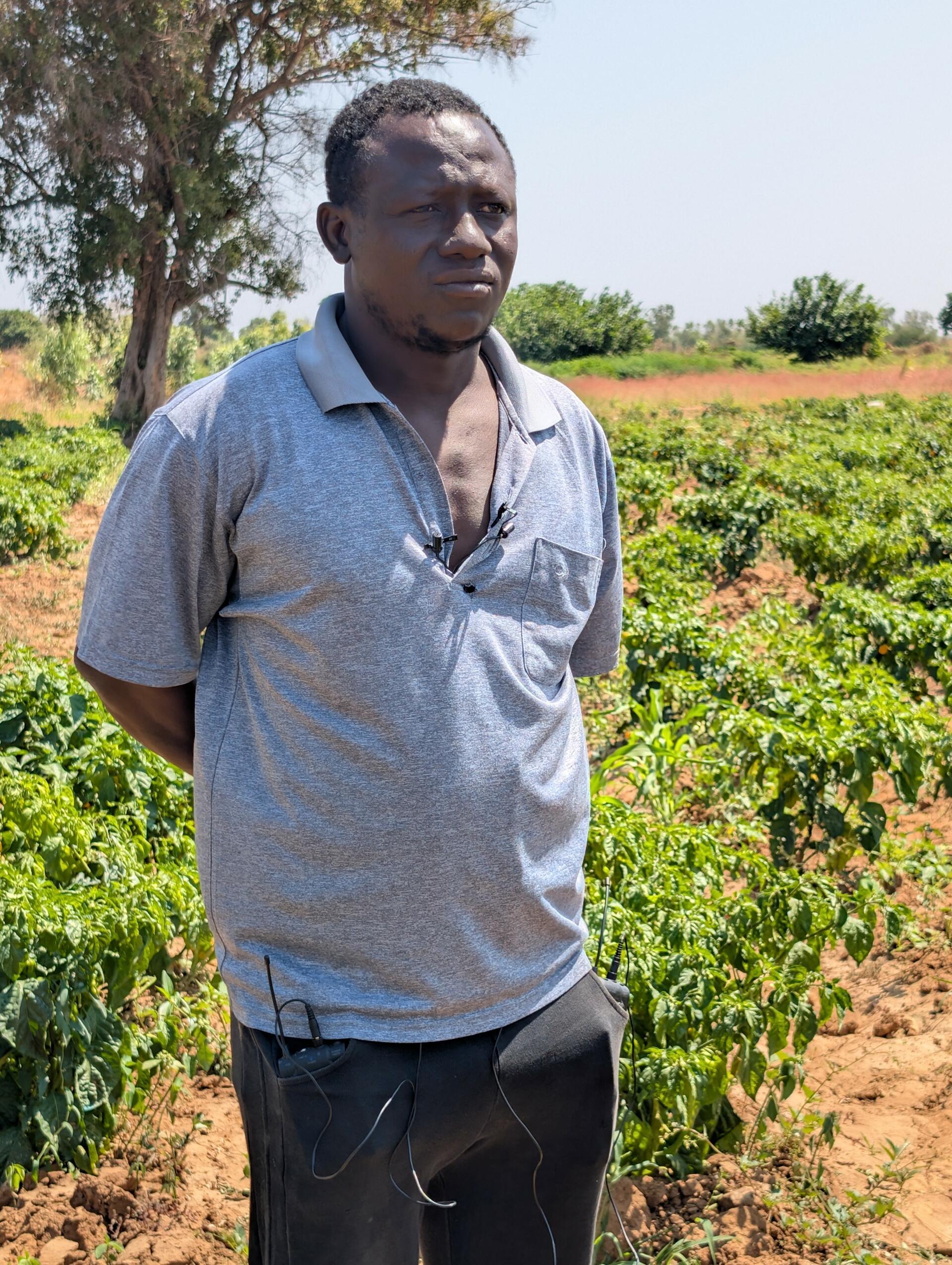
Photo credit: Fatimata Kone
Learning to feed the soil so it feeds back
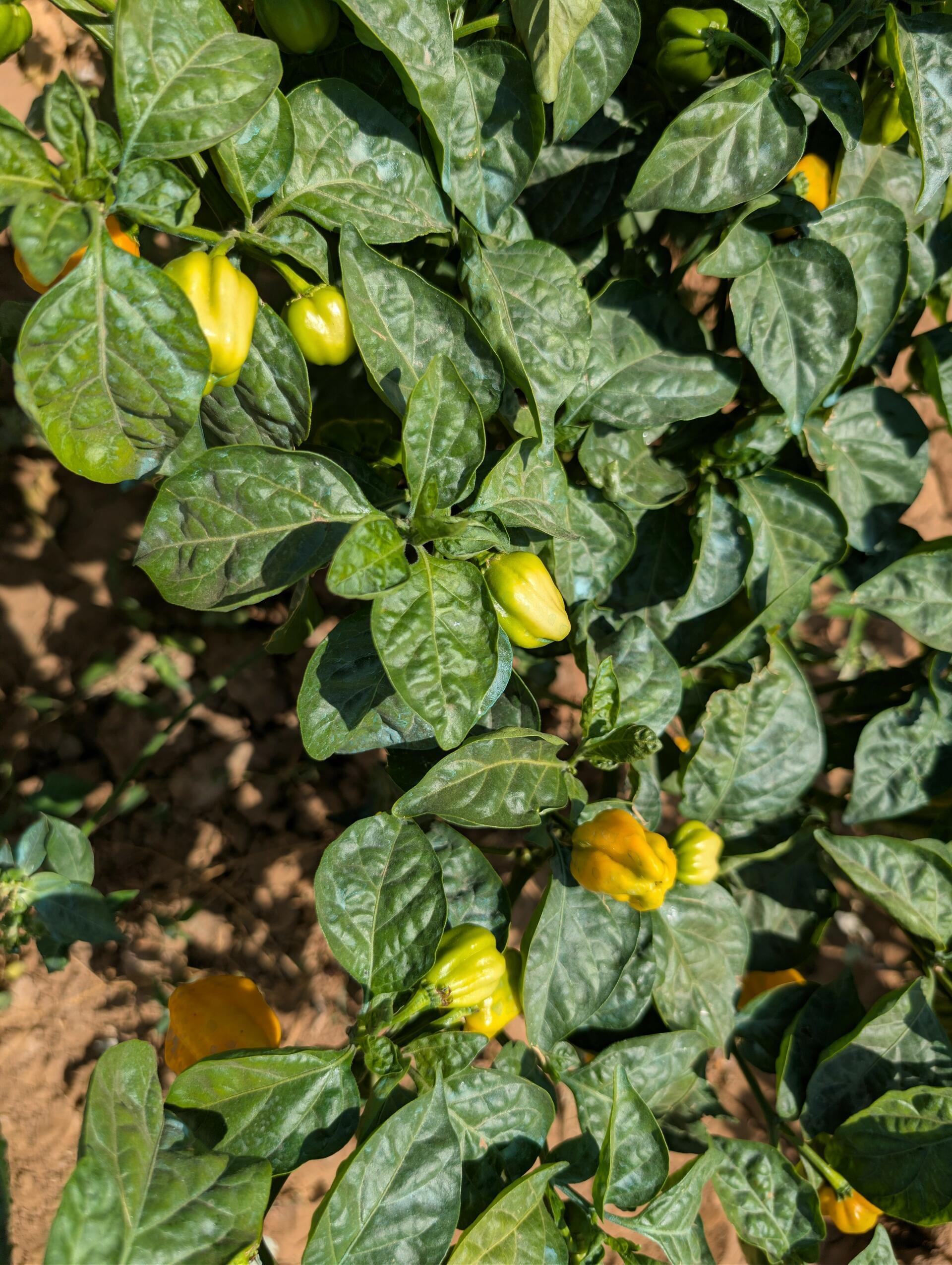
Photo credit: Fatimata Kone
In Gouloumbou, the soil tells an old story. As in many Sudano-Sahelian areas, fertility has gradually declined due to repeated cultivation, erosion, and climate variability. Farmers know that without organic matter, the soil retains little water and yields become unpredictable.
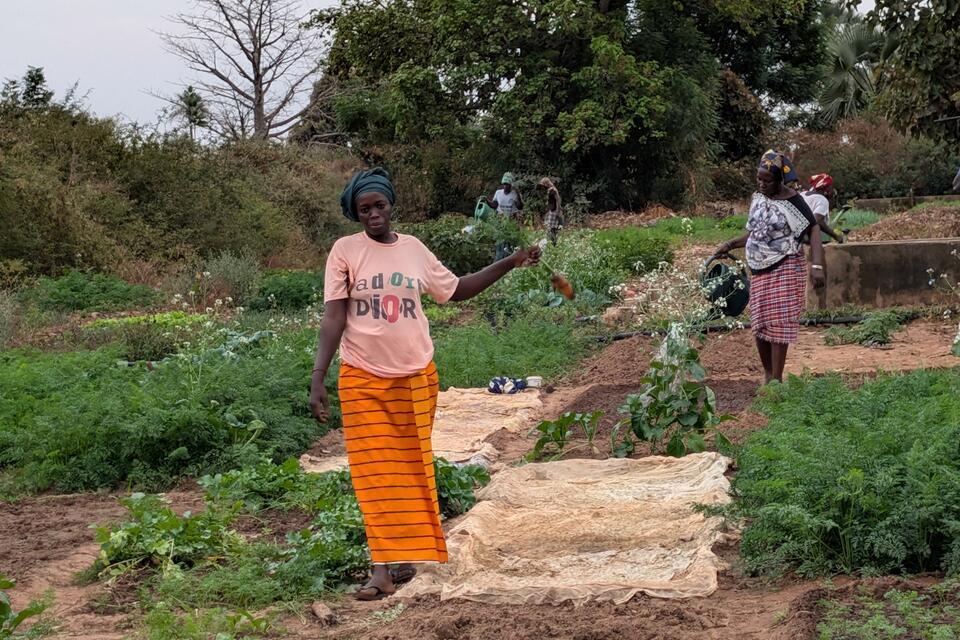
When the AVENIR project selected Tahirou’s site to test microdosing techniques on vegetables, it marked a turning point. The principle is simple: apply small quantities of fertilizer precisely at the base of plants to maximize efficiency. Less waste, higher yields.
“The AVENIR project taught us working methods in market gardening, how to use and optimize fertilizer, and how to prepare organic manure,” Tahirou explains.
This technical shift transformed production practices. Microdosing was combined with composting, crop rotation, and more soil-friendly methods. The results are visible in the vigor of the plants and the uniformity of harvests.
In a region where rainfall is increasingly irregular, these practices strengthen resilience. Enriched soil retains moisture more effectively. Controlled fertilization reduces costs. The farm gains stability.
Tahirou does not speak like a technician, but like a careful observer. He points to the leaves, the stems, the density of the fruits. Every detail has become an indicator. The land is no longer just something to exploit. It has become a partner to understand.
Water, the silent key to success
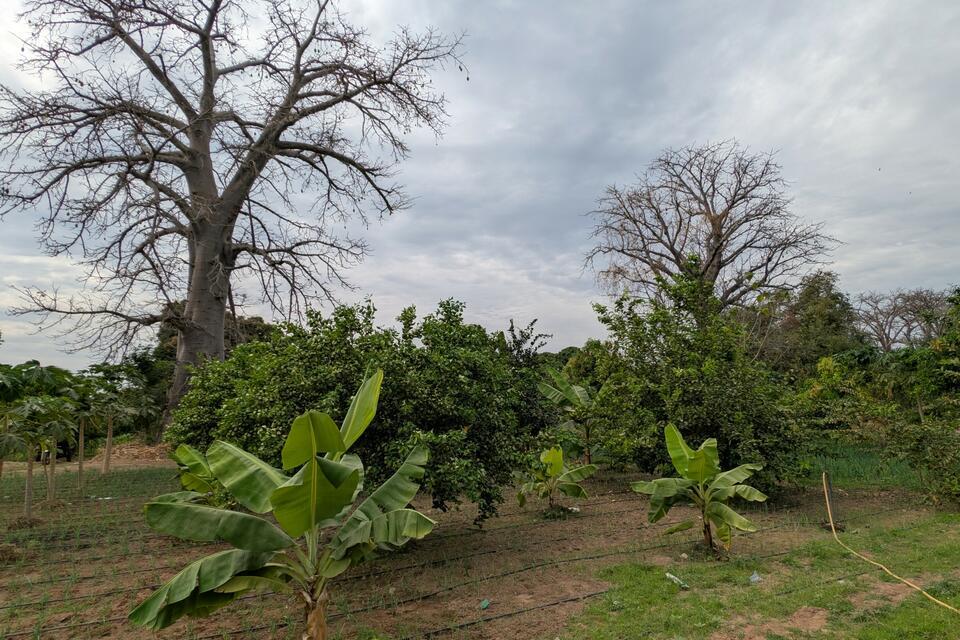
A few hundred meters from the fields, the river flows quietly. For a long time, it represented untapped potential. Irrigation depended on available means, sometimes limited.
Through the AVENIR project, Tahirou received pipes and connectors to irrigate directly from the river. This detail changed everything. Water was no longer left to the uncertainty of rainfall.
In the regions of Tambacounda and Sédhiou, integrated water resource management is becoming central in the face of climate change. Periods of drought alternate with intense rainfall. Mastering irrigation allows farmers to plan cycles, reduce losses, and increase yields.
On the ground, the impact is immediate. Plants suffer less water stress. Production periods extend. Quality improves.
Tahirou sums it up simply: water means security. Security for harvests. Security for income. Security for the members of the group who depend on the farm.
The combination of improved soil fertility and controlled irrigation creates balance. Enriched soil retains moisture. Targeted irrigation enhances every nutrient. The farm gains coherence.
In Gouloumbou, the field has become a learning space. Other producers come to observe and ask questions. The experimental site goes beyond the individual. It has become a local showcase of resilient practices.
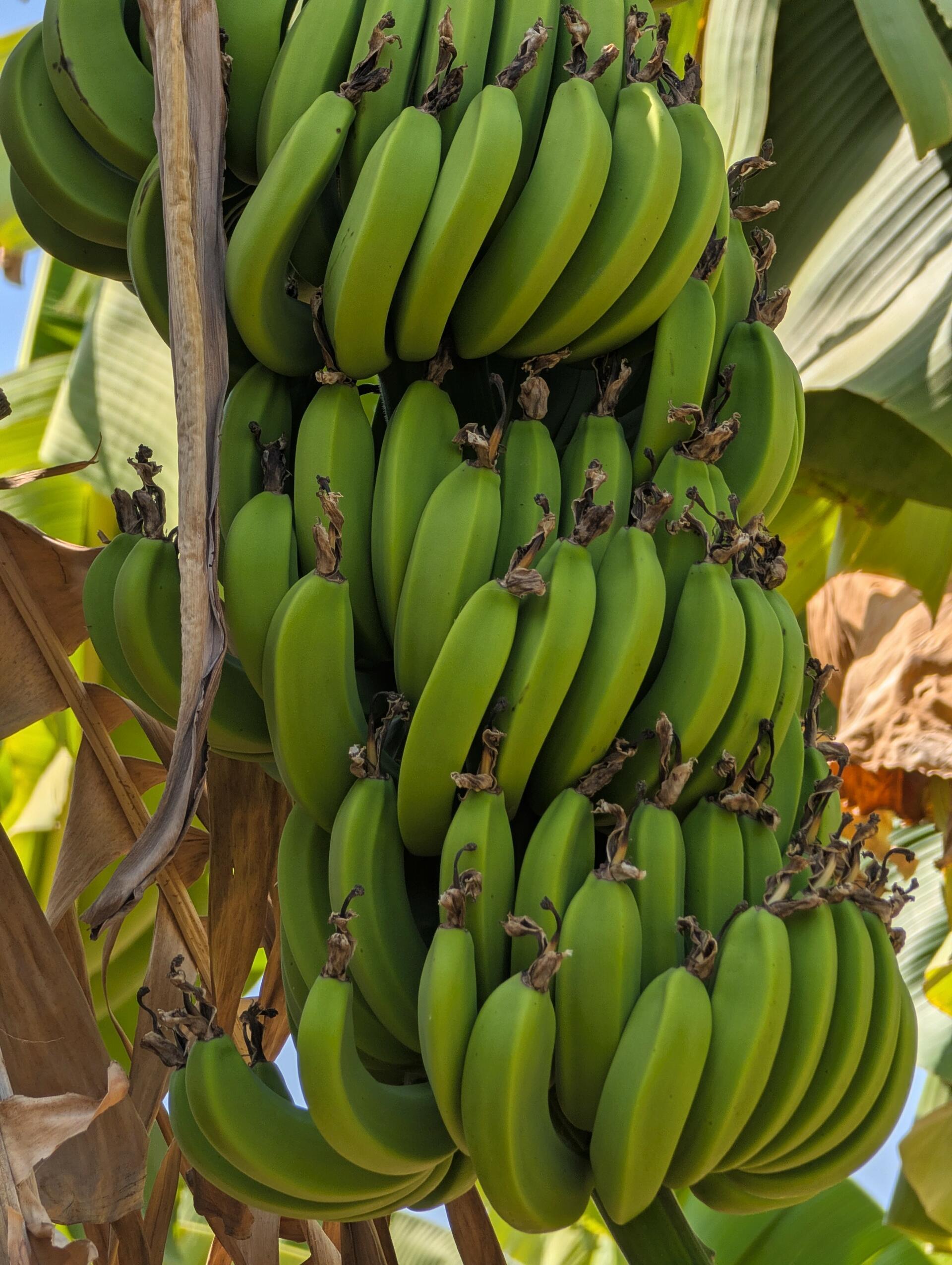
Photo credit: Fatimata Kone
Chili powder, the beginning of a new chapter
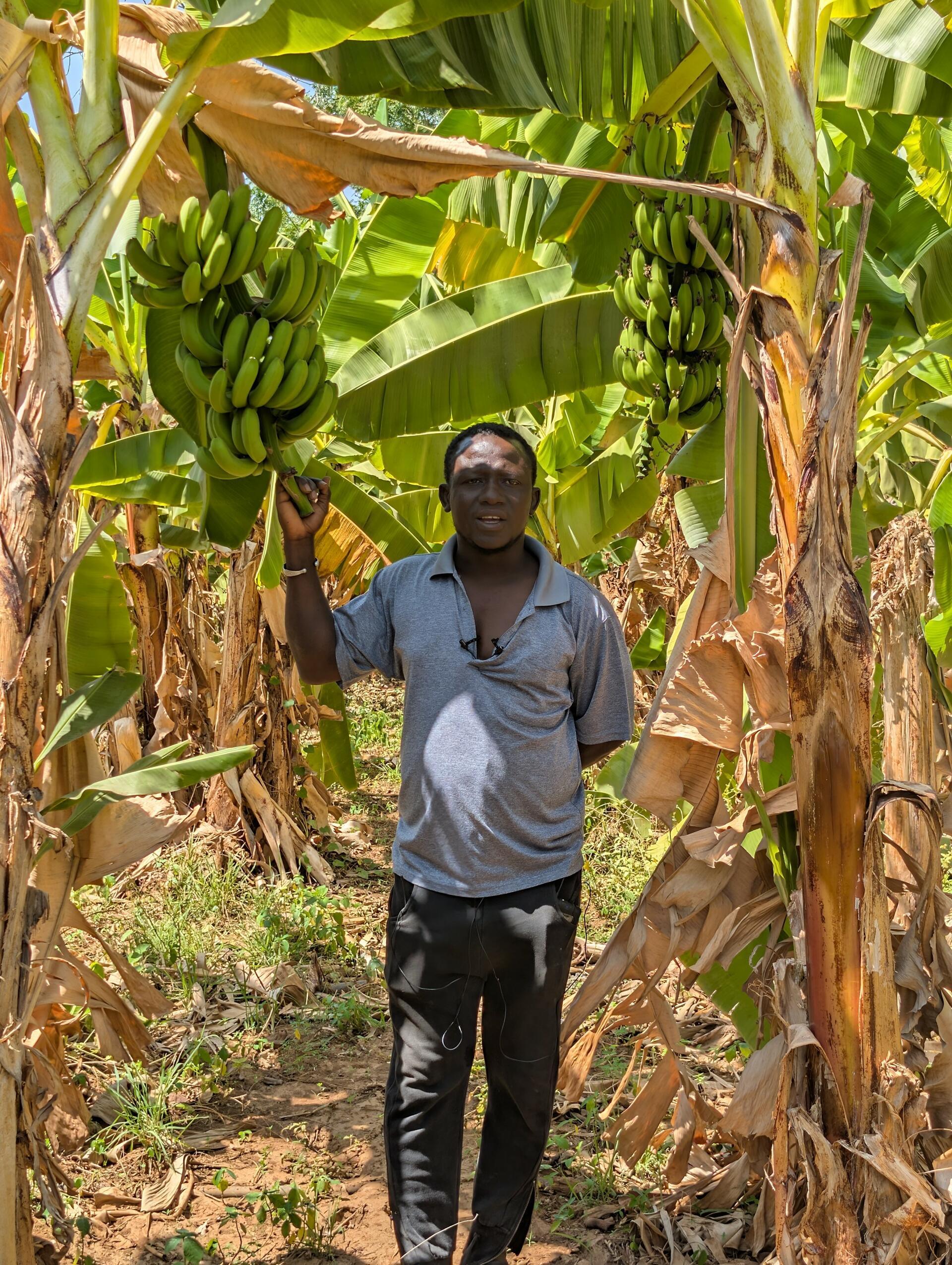
Photo credit: Fatimata Kone
Among the red rows, Tahirou stops and smiles. He picks up a chili pepper and turns it between his fingers. Then he speaks about the next chapter.
For years, part of the harvest was lost after picking due to heat, delays in reaching markets, and logistical challenges. Post-harvest losses are a major issue in West African horticultural value chains.
With support from the AVENIR project, Tahirou acquired a dryer. Production of chili powder will begin very soon. The project is ready. The space is set up. Initial trials have started.
“I received funding for a dryer to dry the peppers and turn them into powder so I can sell them,” he explains.
With pride, he shows how he now produces organic chili peppers using manure and the improved practices he has learned. Processing into powder will help valorize surplus production, reduce losses, and generate additional income.
This is not just diversification. It is strategy. Chili powder keeps longer, is easier to transport, and opens new markets.
Today, Tahirou already generates several million CFA francs in annual revenue. Tomorrow, with processing, he hopes to further stabilize income and strengthen the autonomy of the group.
As he leaves the field, he takes one last look at his plants. In this hot and dusty landscape, the future shines in bright red. And for Tahirou Diallo, it now tastes like success built right here, in Gouloumbou.