Blog Idrissa Aidara’s story, or how the AVENIR project turned a return into success
Some life journeys tell far more than an individual story. They speak of a territory, a generation, and a courageous choice. At 43, Idrissa Aidara, a farmer in Dar Salam in the Goudomp department of Senegal, embodies such a story. A returnee migrant after two attempts at irregular migration marked by violence and imprisonment, he chose the land as his anchor and climate-smart agriculture as his pathway to rebuild his life. Thanks to the AVENIR project, funded by Global Affairs Canada and implemented by MEDA in collaboration with the Alliance of Bioversity International and CIAT, Idrissa has built a model farm, created local employment, and inspired other young people to believe in a possible future in Senegal. Here is his story.
Coming back from afar: when exile fails but dignity remains
When Idrissa speaks about his past, his voice grows heavier. Before becoming a recognized farmer, cooperative president, and mentor to other young people, he was a migrant, twice. Two attempts at irregular migration, two failures, and above all, severe physical and emotional hardship.
“I experienced prison, I was shot. At one point, I truly believed I would not make it back alive.”
When he finally returned to Senegal in 2015, he had few material resources but a deep conviction: he had to rebuild, differently.
Back in Dar Salam in the Goudomp region, Idrissa faced a reality familiar to many returnee migrants: limited structured economic opportunities, social pressure, and sometimes skeptical looks from the community. Yet he refused to give in to discouragement.
“After two failed attempts, I understood that the solution was not elsewhere. It was here, at home, if I could find the right support.”
This realization marked a turning point. Agriculture, long perceived as a low-value subsistence activity, became for him a space of opportunity.
On a 1.5-hectare plot, Idrissa began experimenting. The early days were modest and difficult. Yields were low, access to water uncertain, and labor limited. But he persisted. His ambition was not only to produce, but to create a viable, replicable model capable of attracting other young people.
“I did not want to farm just to survive. I wanted to show that you can succeed with dignity through agriculture.”
It was at this critical moment that the AVENIR project entered his life.
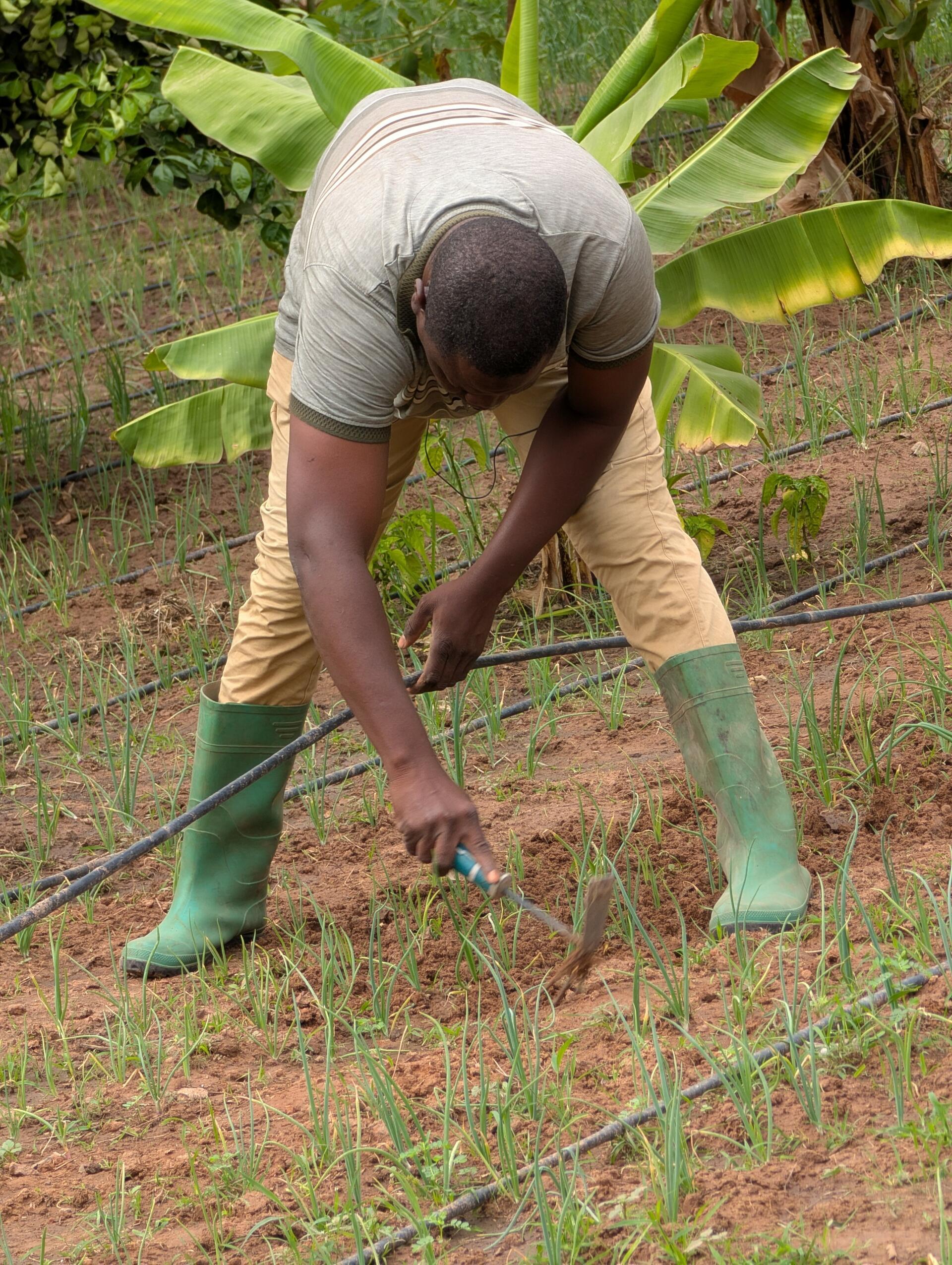
Photo credit: Fatimata Kone
AVENIR as a structural turning point and the key role of the Alliance
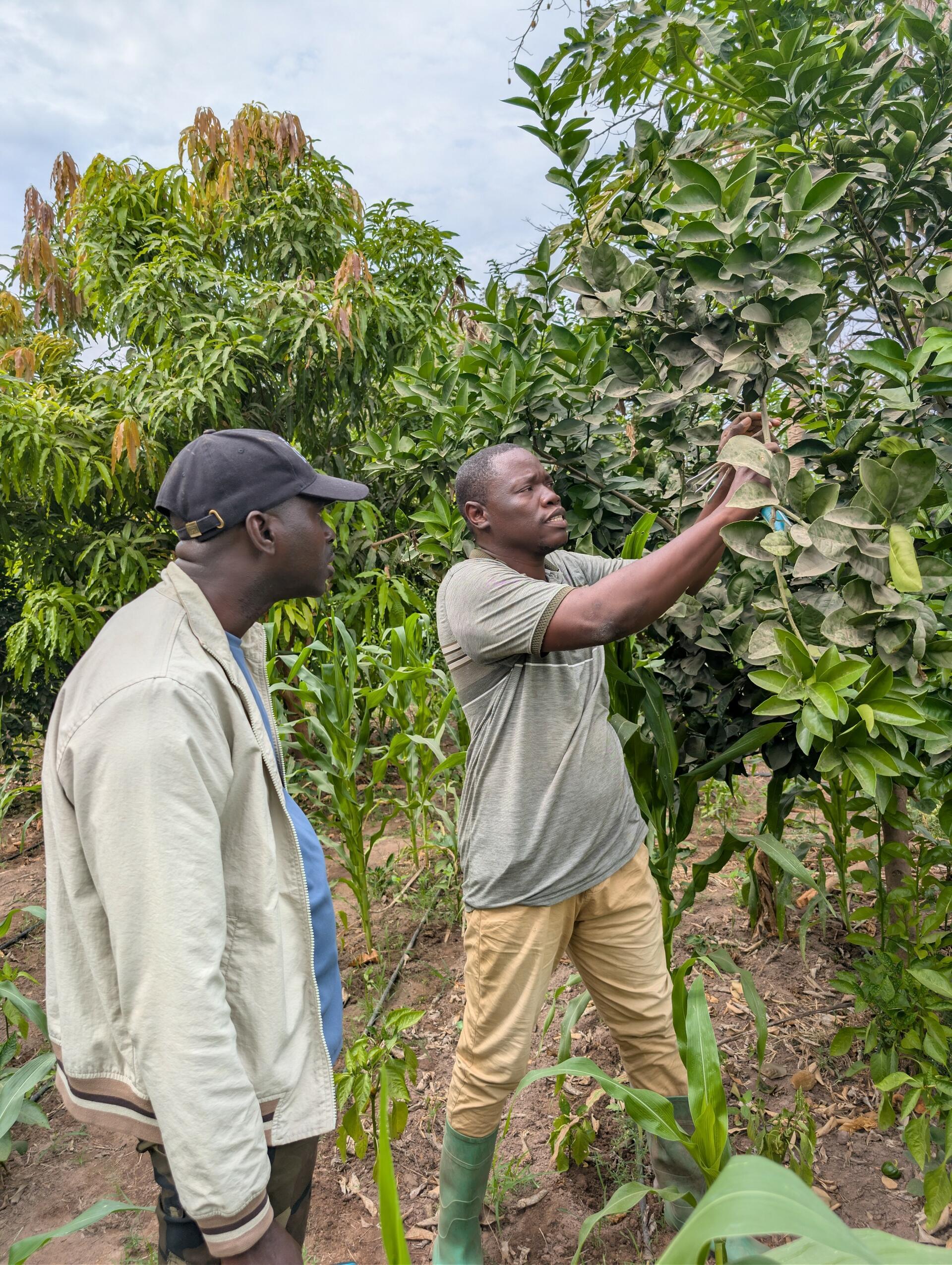
Photo credit: Fatimata Kone
The AVENIR project does more than provide inputs or equipment. It offers an integrated approach that combines climate-smart agriculture, rural entrepreneurship, and local resource governance. For Idrissa, this support came at the right time.
“The AVENIR project came to support me in setting up my farm at the moment I needed it most.”
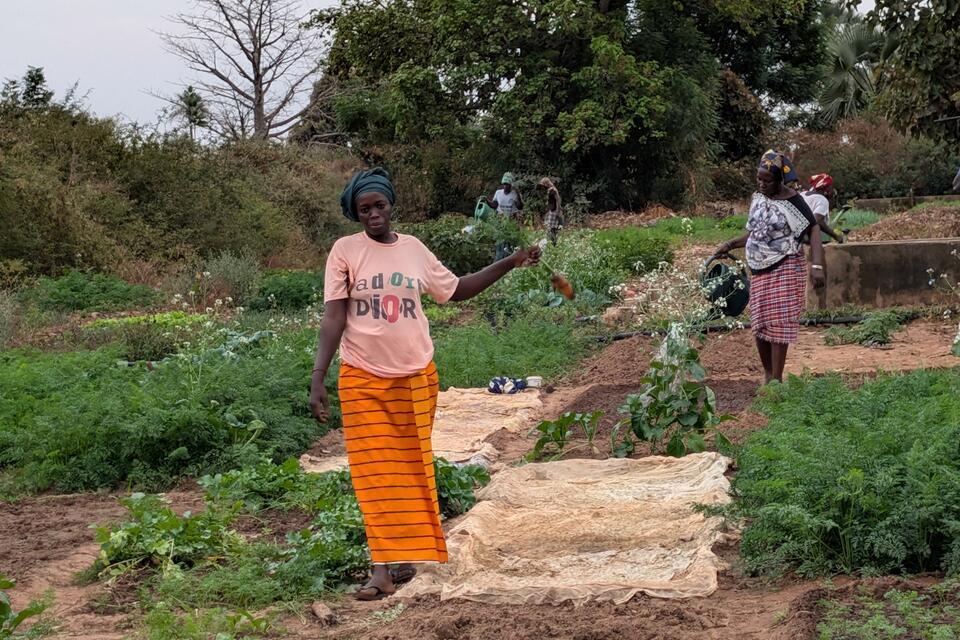
The first step was human and collective. With project support, a local workforce was mobilized, made up of 25 women from the village. Together, they cultivated an initial 2,500 square meters. This created jobs, strengthened social acceptance of the initiative, and embedded the farm within a community dynamic.
A decisive intervention was the installation of a borehole equipped with a full drip irrigation system. This infrastructure radically transformed the farm’s production capacity.
“I will continue using this system even after the project ends. It changed the way I produce and manage water.”
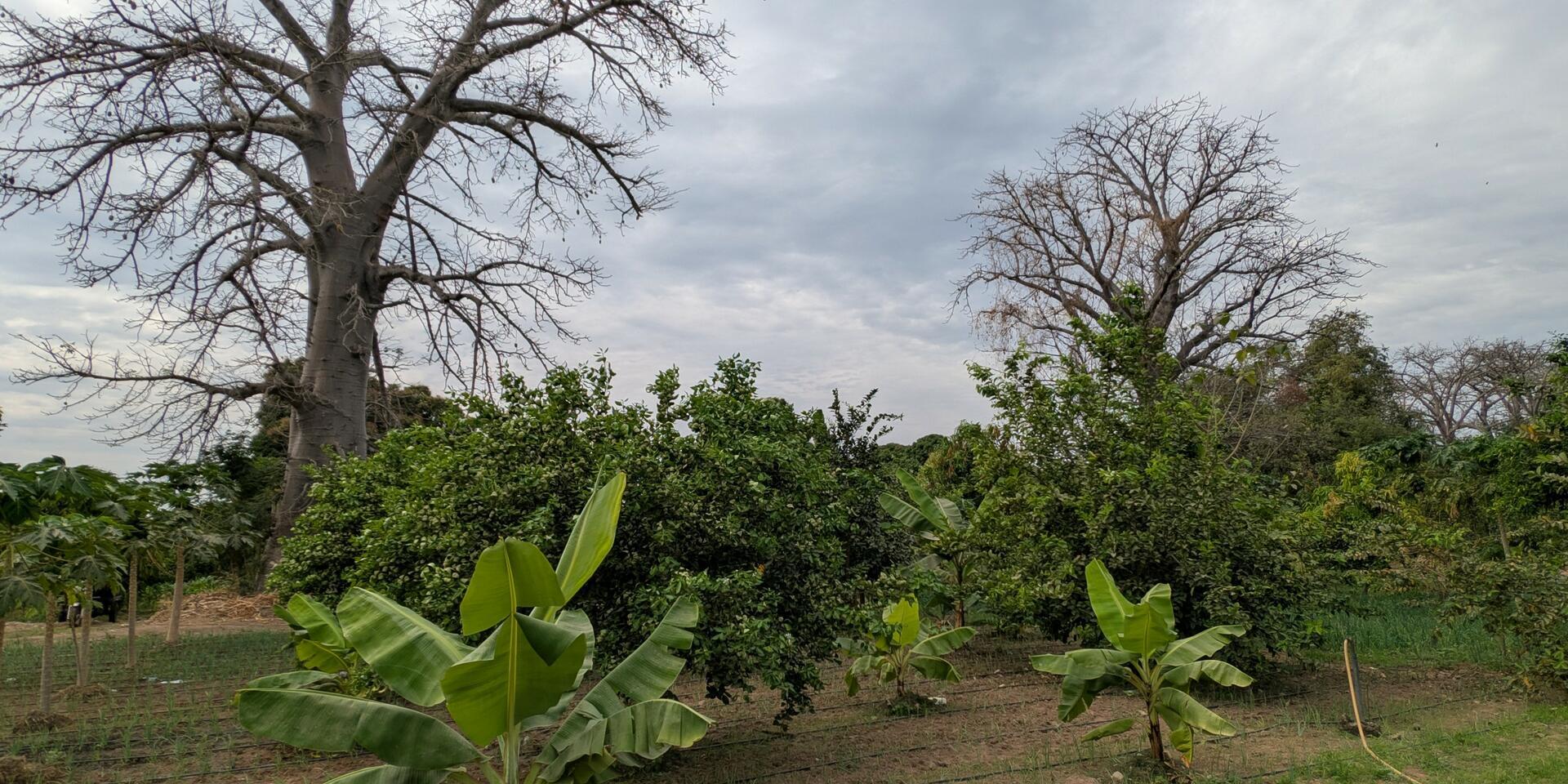
The introduction of agroecological practices, such as intercropping and tree planting to create a microclimate, further strengthened the farm’s resilience.
Behind these innovations, the role of the Alliance of Bioversity International and CIAT was central. As the scientific arm of the project, the Alliance provided research-based approaches adapted to local realities. The technical guidance Idrissa received enabled him to diversify crops, improve yields, and secure his income.
“At first, we were only thinking about market gardening. But thanks to AVENIR’s technicians, we understood the importance of planting trees and thinking about the system as a whole.”
This systemic vision paid off. Idrissa’s farm gradually became a local model of success, eventually leading him to head a major agricultural cooperative at the national level.
A model farm, shared pride, and a symbolic trophy
Today, Idrissa walks through his farm with visible pride.
“I am proud to show these installations. This farm now serves as a training site for other young people.”
Partnerships have even been established with a university in Thiès, strengthening the site’s educational role.
Production has diversified and become more professional. Onions, peppers, and chili peppers are grown in association with maize to create a favorable microclimate. Even before introducing beekeeping, the farm was generating an annual profit of five million CFA francs.
His success did not go unnoticed. Idrissa received a “model returnee migrant” trophy awarded by the Ministry of Youth, Entrepreneurship and Employment.
“This trophy is not just for me. It is to show young people that opportunities exist here.”
His success has also changed perceptions of agriculture in his community.
“When people see me driving my double-cabin 4x4, they understand that my activity is profitable and start to take an interest in agriculture.”
Far from outdated stereotypes, his experience gives farming a modern, ambitious, and forward-looking image.
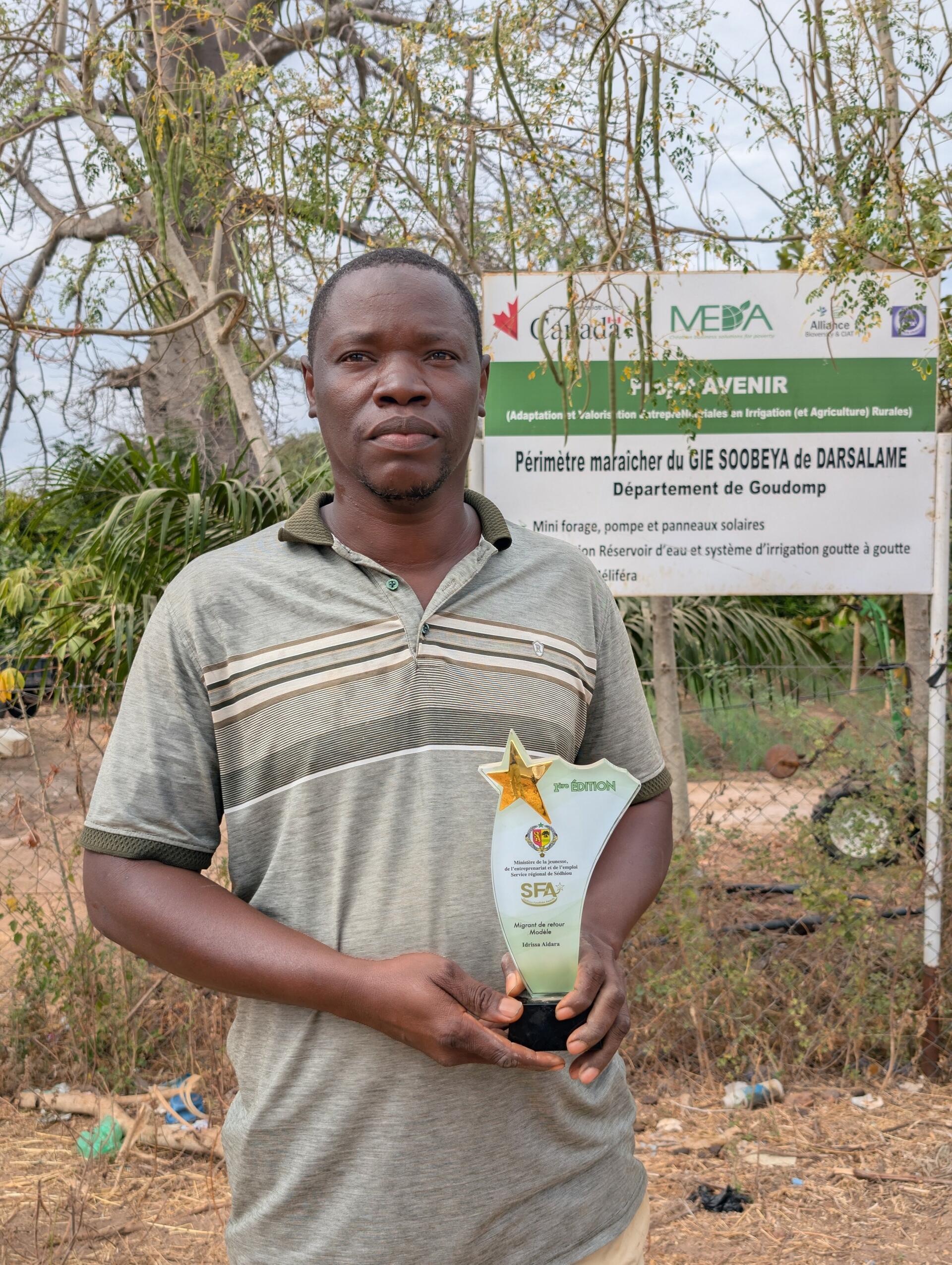
Photo credit: Fatimata Kone
Sowing hope, training youth, and choosing to stay
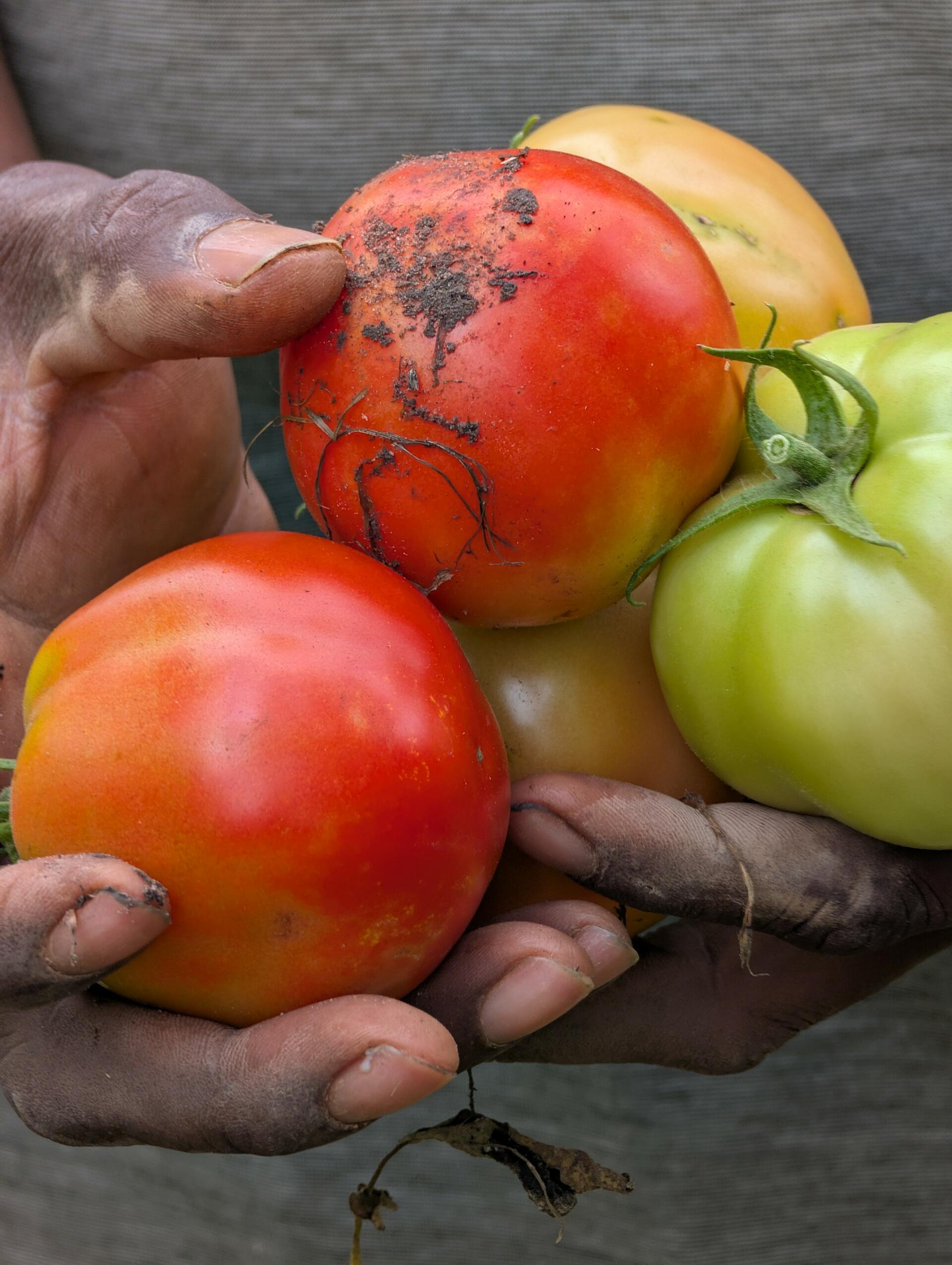
Photo credit: Fatimata Kone
Beyond figures and infrastructure, Idrissa Aidara’s story is above all a story of transmission. His farm has become a space for learning, experimentation, and demonstration.
“If I tell my story, it is to prevent others from going through what I experienced on the roads of exile.”
Through the AVENIR project, he gained not only technical skills but also a leadership posture. As president of the GIE SOOBEYA and chair of a national cooperative, he now contributes to collective dynamics shaping Senegalese agriculture.
“I truly thank MEDA and the Alliance, because they supported me greatly. Without this support, I would not be where I am today.”
This acknowledgment highlights the importance of sustainable partnerships between development projects, scientific institutions, and local communities.
Idrissa’s story reminds us of a simple yet often overlooked truth: investing in territories means investing in people. By betting on climate-smart agriculture, rural entrepreneurship, and the support of returnee migrants, the AVENIR project demonstrates that another narrative is possible. One in which the future is not sought elsewhere, but patiently built on one’s own land.