Blog A dawn for resilient households in Senegal: The story of the GIE Malouthiandi market garden
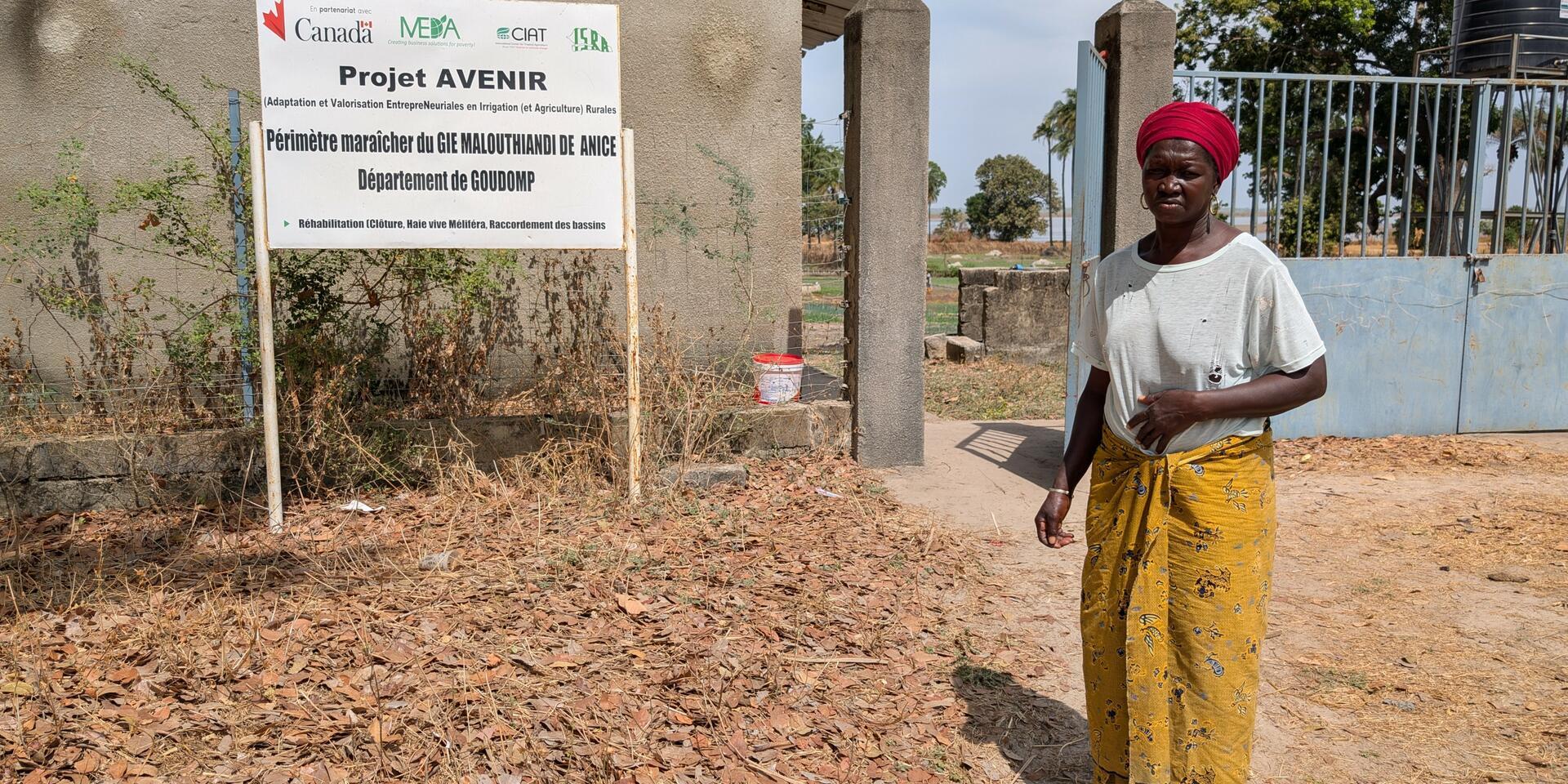

In southern Senegal, in the department of Goudomp, the market garden of the GIE Malouthiandi in Anice has become a concrete symbol of women’s resilience. This transformation is part of the AVENIR project, funded by Global Affairs Canada and implemented by MEDA in collaboration with the Alliance of Bioversity International and CIAT. The rehabilitation of the fence, the establishment of a living melliferous hedge, and the reconnection of irrigation basins have strengthened site security and water management. In a country where agriculture accounts for about 17 percent of GDP and where women make up nearly 40 percent of the agricultural labor force in Sub-Saharan Africa the daily work of the women in Anice shows that appropriate infrastructure combined with structured technical support can sustainably transform household food security and economic autonomy.
Women make up 40 percent of the agricultural labor force in Sub-Saharan Africa. In Anice, that reality is visible at dawn
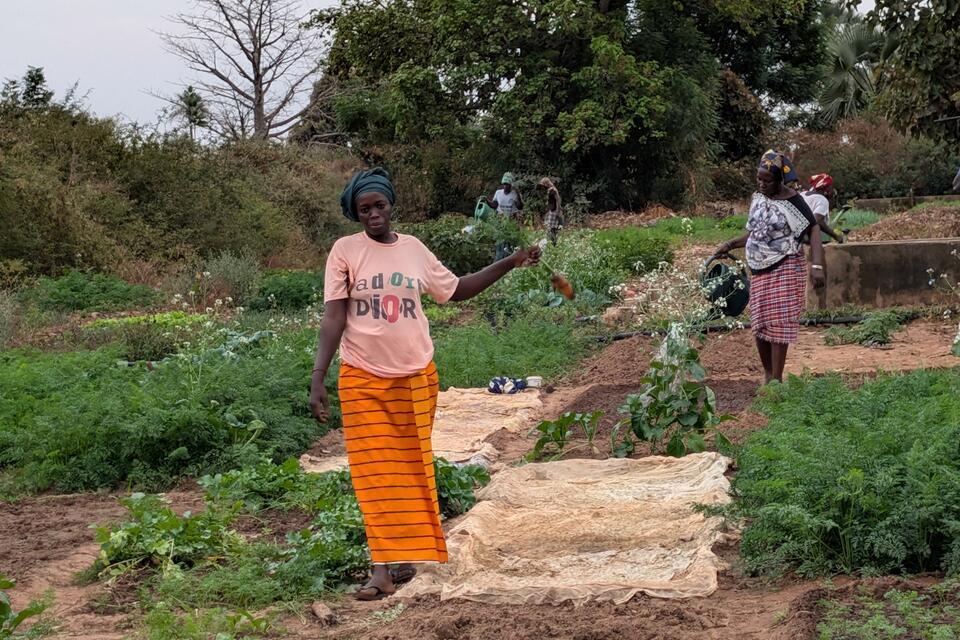
Women account for around 40 percent of the agricultural labor force in Sub-Saharan Africa. In Anice, this statistic has a face. At first light, members of GIE Malouthiandi gather at the garden. They distribute water, inspect beds, and discuss planting decisions. Every movement is part of a collective rhythm shaped by necessity and experience. Climate variability has intensified in several parts of Senegal. This means longer dry spells, unpredictable rainfall, and fragile yields. In this context, discipline becomes an adaptation strategy. The women observe the soil carefully, adjust planting calendars, and share knowledge built from seasons of trial and learning.
“We are here every day. If we do not come, nothing grows,” says Khadijatou Sadio.
The garden is not only a production site. It is a space of women’s governance. Decisions are shared. Responsibilities rotate. Maintenance is organized collectively. Their work goes far beyond planting and harvesting. It structures a local economic system rooted in cooperation.
In a region where resources are limited, this organization creates stability. The garden becomes a buffer against climatic and economic uncertainty. In Anice, women’s leadership is expressed through steady, consistent action.
Agriculture represents 17 percent of Senegal’s GDP. In Anice, it begins with the family meal
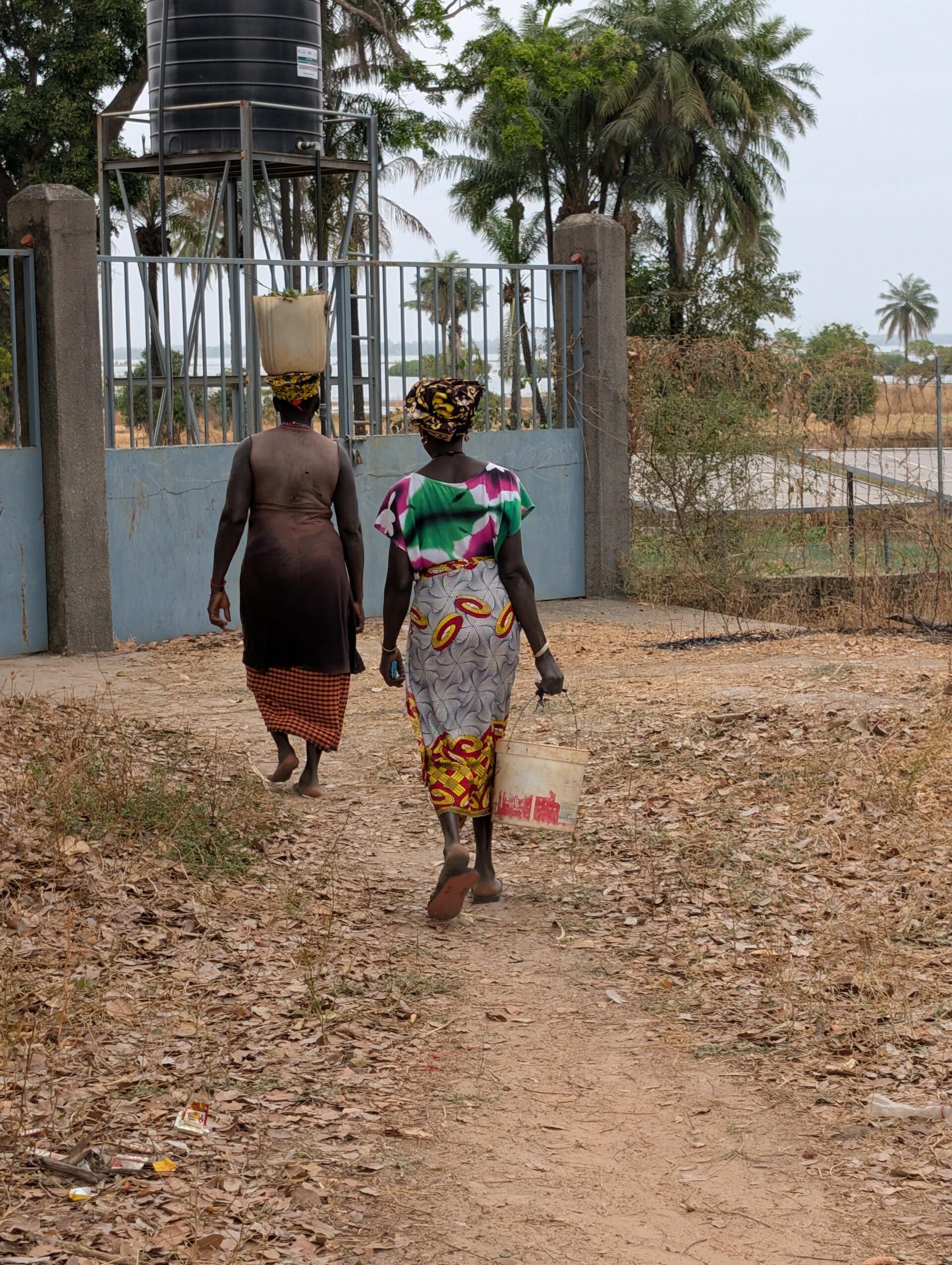
Agriculture contributes approximately 17 percent of Senegal’s GDP. In Anice, that macroeconomic figure translates first into food on the table. The vegetables produced by the women of the GIE are primarily destined for their households. Tomatoes, onions, peppers, leafy greens. The diversity strengthens daily meals.
National food security reports indicate that some rural areas experience seasonal vulnerability during the dry season. During those periods, the garden becomes a safeguard.
“Before we think about selling, we think about feeding our children,” Khadijatou explains.
“When my children eat fresh vegetables, I feel at peace.”
Once household needs are met, sales follow. The income is modest but steady. It helps pay school fees, cover medical expenses, or respond to unexpected costs.
“Even a small income changes things. I can contribute to family expenses,” she says.
Economic participation strengthens women’s decision-making power within households. At the scale of a rural family, that shift matters. The garden supports both nutrition and financial resilience.
In Anice, the daily labor of women becomes a double guarantee: food security and economic contribution.
Water access and soil quality determine yields. In Anice, women have made them a technical priority
Research on market gardens in Casamance highlights that water availability and soil fertility directly influence productivity. Before the rehabilitation, irrigation was irregular. Basins were poorly connected. A weakened fence exposed crops to damage. These structural weaknesses translated into lost harvests and wasted effort.
The rehabilitation of the fence reduced losses. The living melliferous hedge strengthened protection while supporting biodiversity and pollinators. Reconnecting the basins improved water distribution and irrigation planning.
“When water is organized, we work with less worry,” Khadijatou notes.
The women also reinforced soil fertility practices. Composting, mulching, and rational water management became collective habits.
“We learned that if we take care of the soil, it will take care of us.”
These practices improve moisture retention and reduce dependency on costly external inputs. They also increase resilience during prolonged dry periods.
The garden has become a space of continuous learning. Women develop technical skills that reinforce their autonomy. In Anice, managing water and protecting soil are inseparable from women’s work.
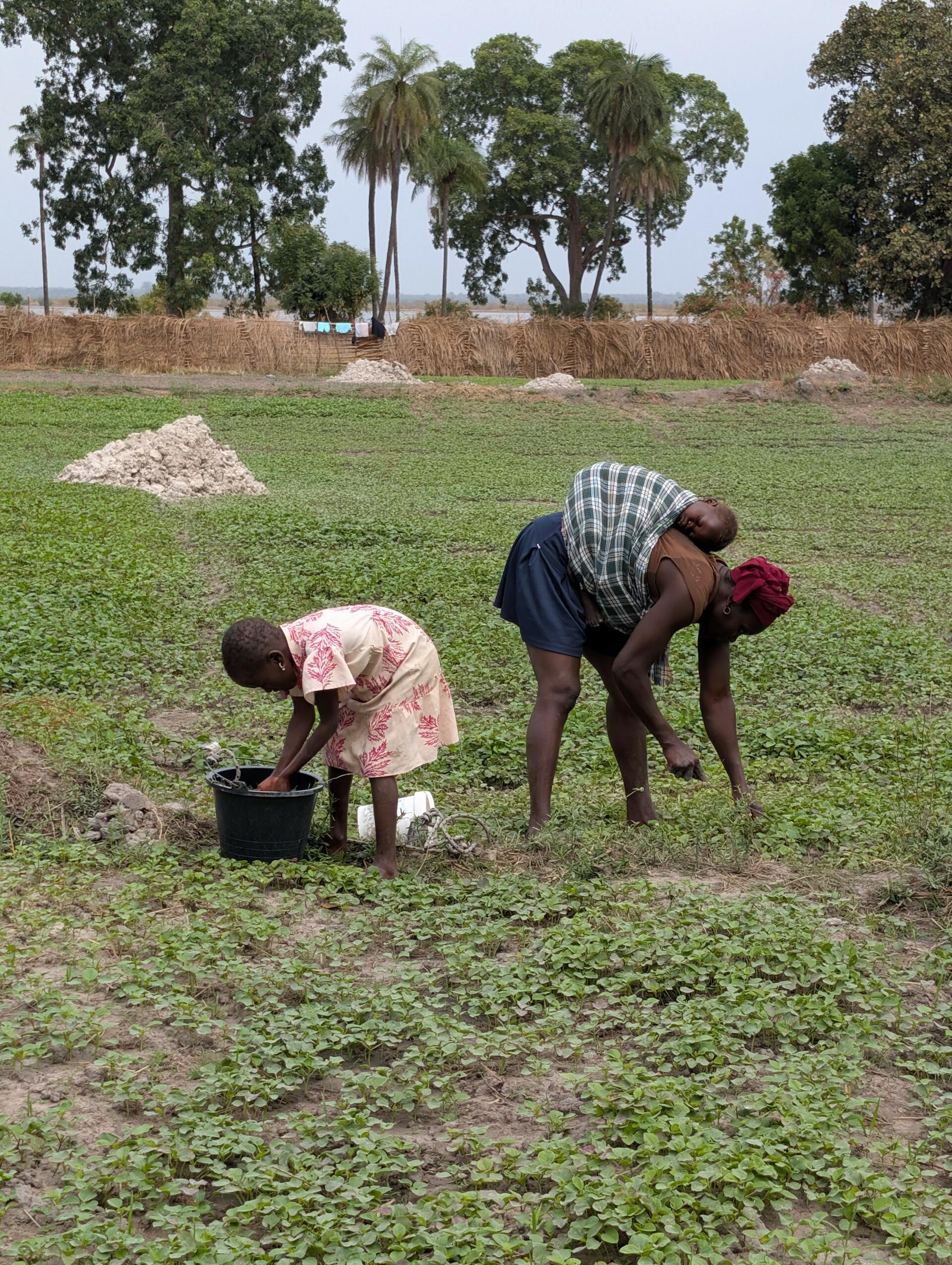
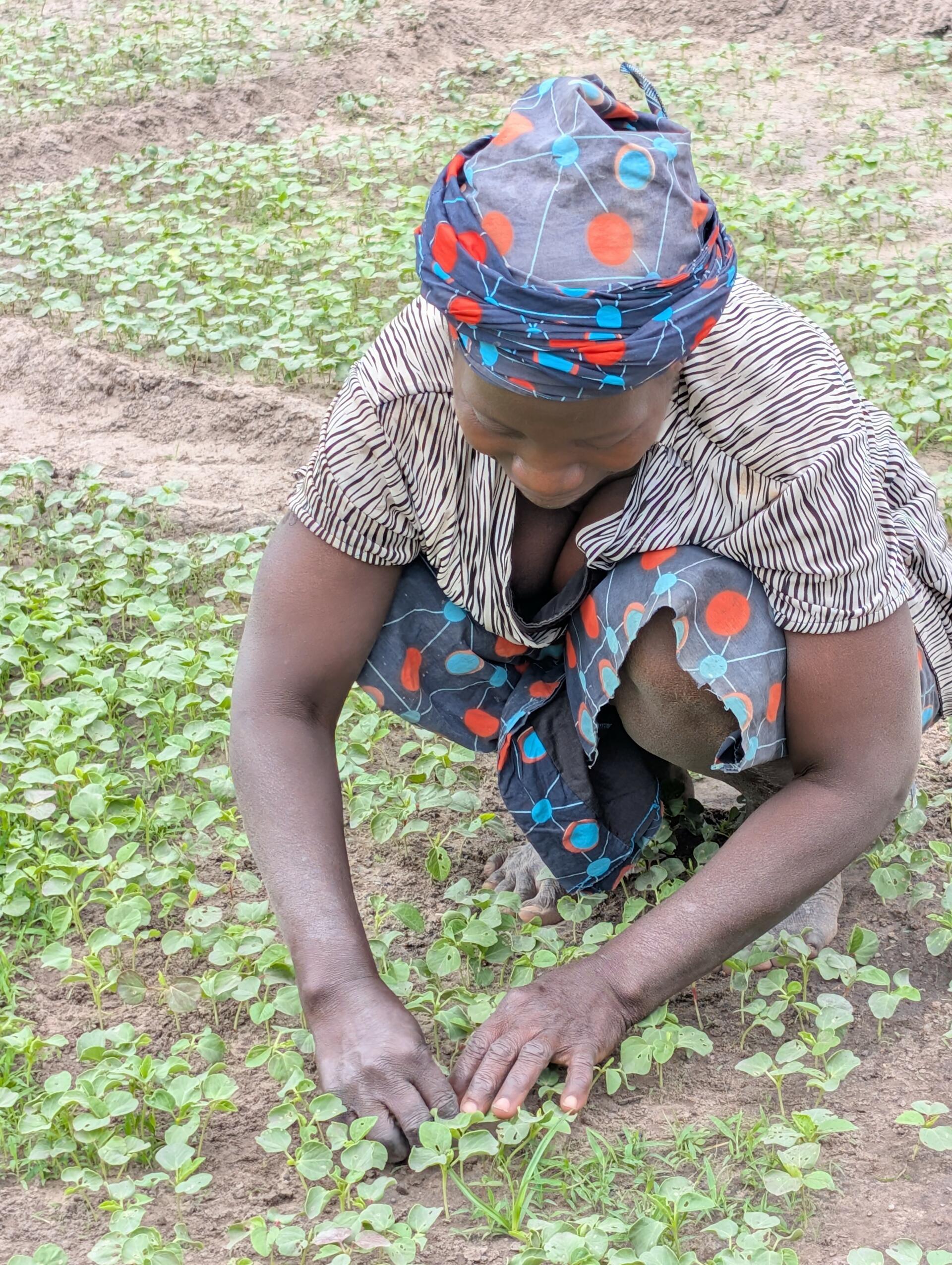
Closing the gender gap in access to resources could significantly increase agricultural productivity. In Anice, that potential is tangible
Reducing gender gaps in access to productive resources could significantly increase agricultural productivity. In Anice, this potential becomes visible when infrastructure functions properly. Production stabilizes. Losses decline. Income becomes more predictable. As Ndeye Diatta, a member of the GIE Malouthiandi, explains, one of the most visible impacts has been an improvement in household dietary diversity, along with an additional monthly income of about 40,000 CFA (around 71 USD) generated from the sale of onions and green peppers.
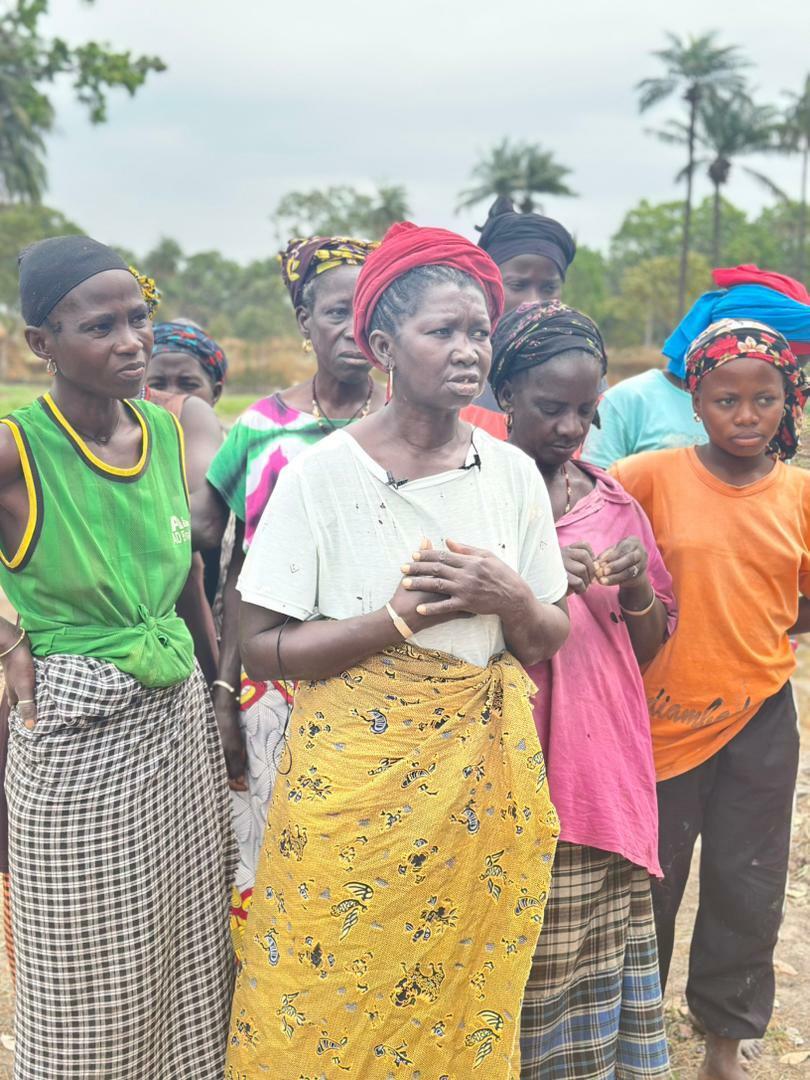
The women of GIE Malouthiandi have built a strong collective model. They maintain infrastructure together, distribute responsibilities, and make decisions jointly.
“We are not asking for someone to do the work for us. We are asking for tools that last,” Khadijatou says.
Collective resilience is measured in continued harvests and stable meals. It is rooted in organization, cooperation, and daily commitment.
In Goudomp, the market garden of Anice demonstrates a clear reality. When rural women have secure infrastructure and appropriate technical support, they become drivers of sustainable local development.In Anice, they grow vegetables. More importantly, they grow autonomy.