Blog Fatoumata Bodian: the face of an agri-nutrition success supported by the AVENIR Project

In Tambacounda, eastern Senegal, Fatoumata Bodian’s story begins with a few modest garden beds, patiently drawn water, and a fierce determination to take control of her life. Today, at 33, she stands as a powerful symbol of resilience in her community. What started as a small initiative has grown into a thriving market garden that secures a reliable income, nourishes her family with diverse and nutritious food, and creates meaningful employment within her household. Behind this inspiring journey lies the very concrete impact of the AVENIR project, funded by Global Affairs Canada and implemented by MEDA in collaboration with the Alliance of Bioversity International and CIAT. A human story that gives real meaning to agri-nutrition statistics.
It all starts with a quiet decision: learning to change course
When Fatoumata Bodian speaks about her beginnings, she does not dramatize anything. She simply tells her story. Yet behind her words lies a fundamental choice - a conscious choice to refuse passivity and take control of her own path.
“I’m 33 years old and I’ve been farming for three years.” Only three years, but already a rich journey shaped by learning, experimentation, and perseverance.
It began with a ten-month training program at Tambacounda’s reference high school. A long and demanding course that opened the door to knowledge she had never accessed before. “That training allowed me to start a garden with five beds.” Five beds. A modest plot, yet one she could call her own. Her first real control over food production.
The beginnings were modest. The climate is harsh, water scarce, and resources limited. Fatoumata learned to observe the soil, understand cycles, and manage effort. Then she made a strategic choice: she did not confine herself to a single experience.
“Two years later, I worked six months in an agro-company, then six months in my garden, and then again in a company.” This alternation became her field school.
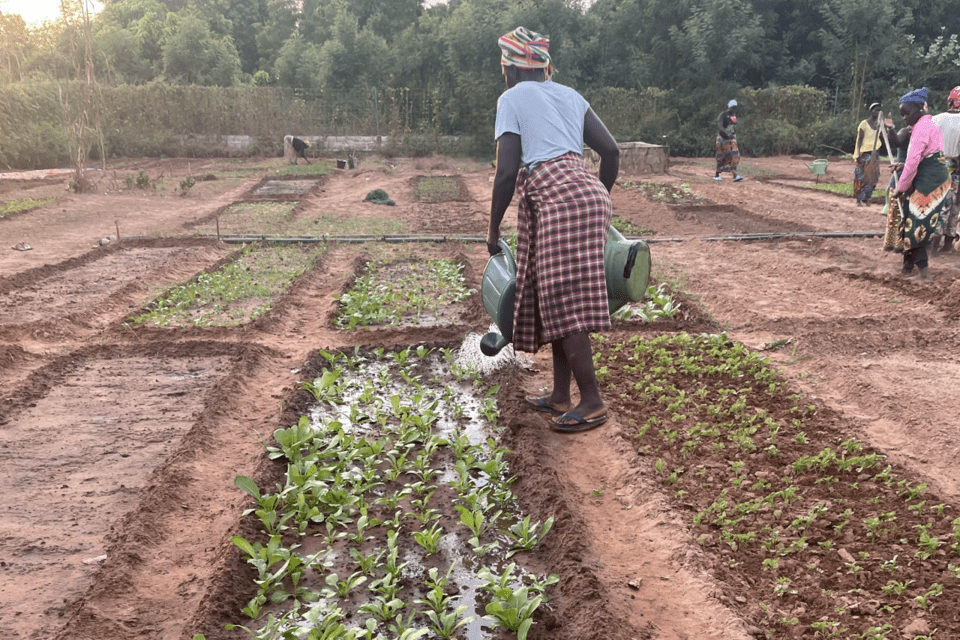
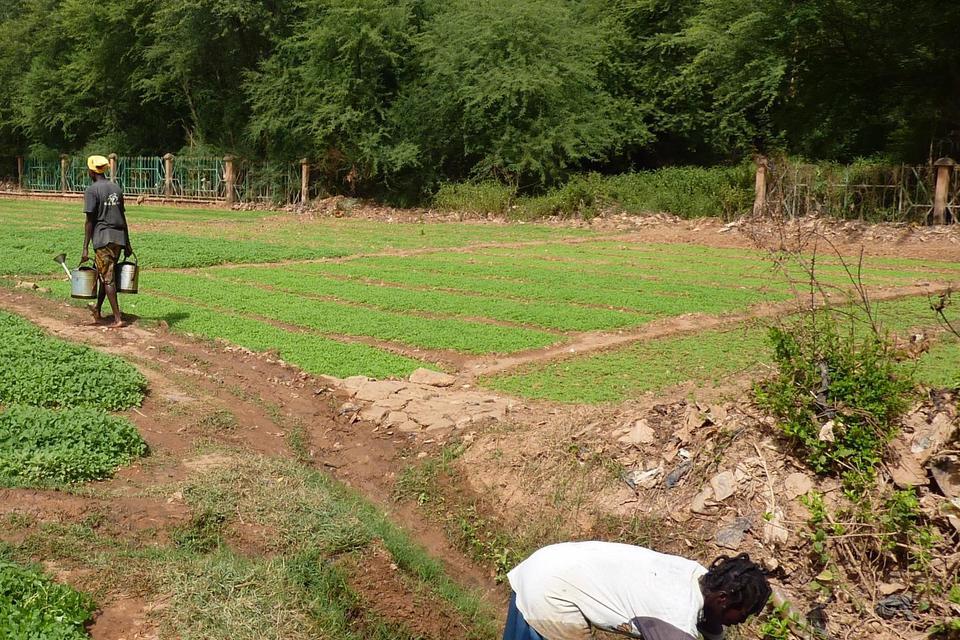
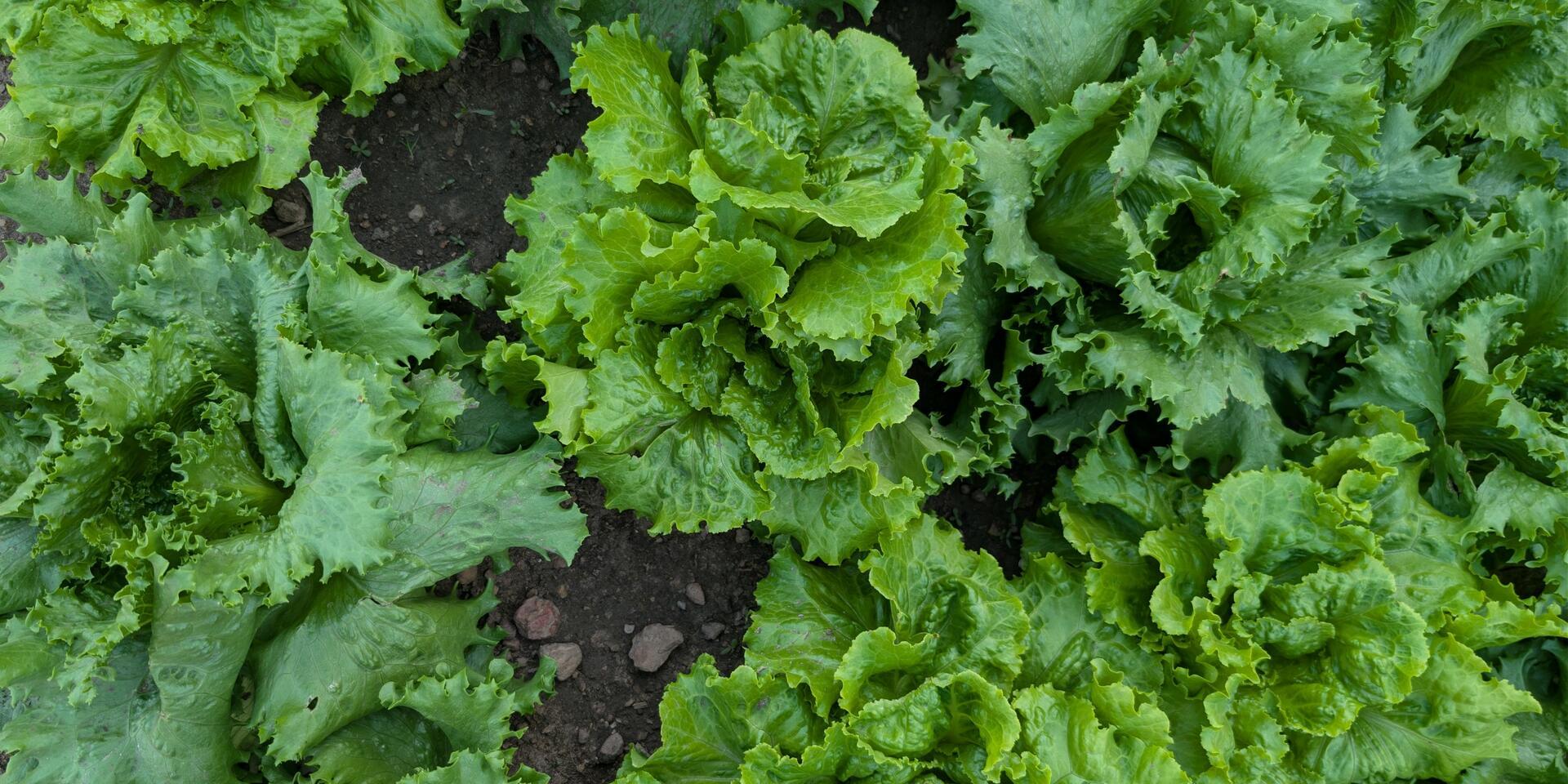
Each return to her garden is different. More controlled. More deliberate. Fatoumata experiments, improves, and fine-tunes her practices. She diversifies her crops: lettuce, cucumber, chili pepper, mint, moringa, amaranth, cassava, sorrel, and parsley. These are not random choices. They are short-cycle crops in demand in local markets and, above all, rich in essential nutrients.
“All of this gave me a lot of experience to improve my garden.” At this point, Fatoumata is no longer just a learner. She has become a farmer who makes informed decisions. Her garden is no longer a trial. It has become a life project.
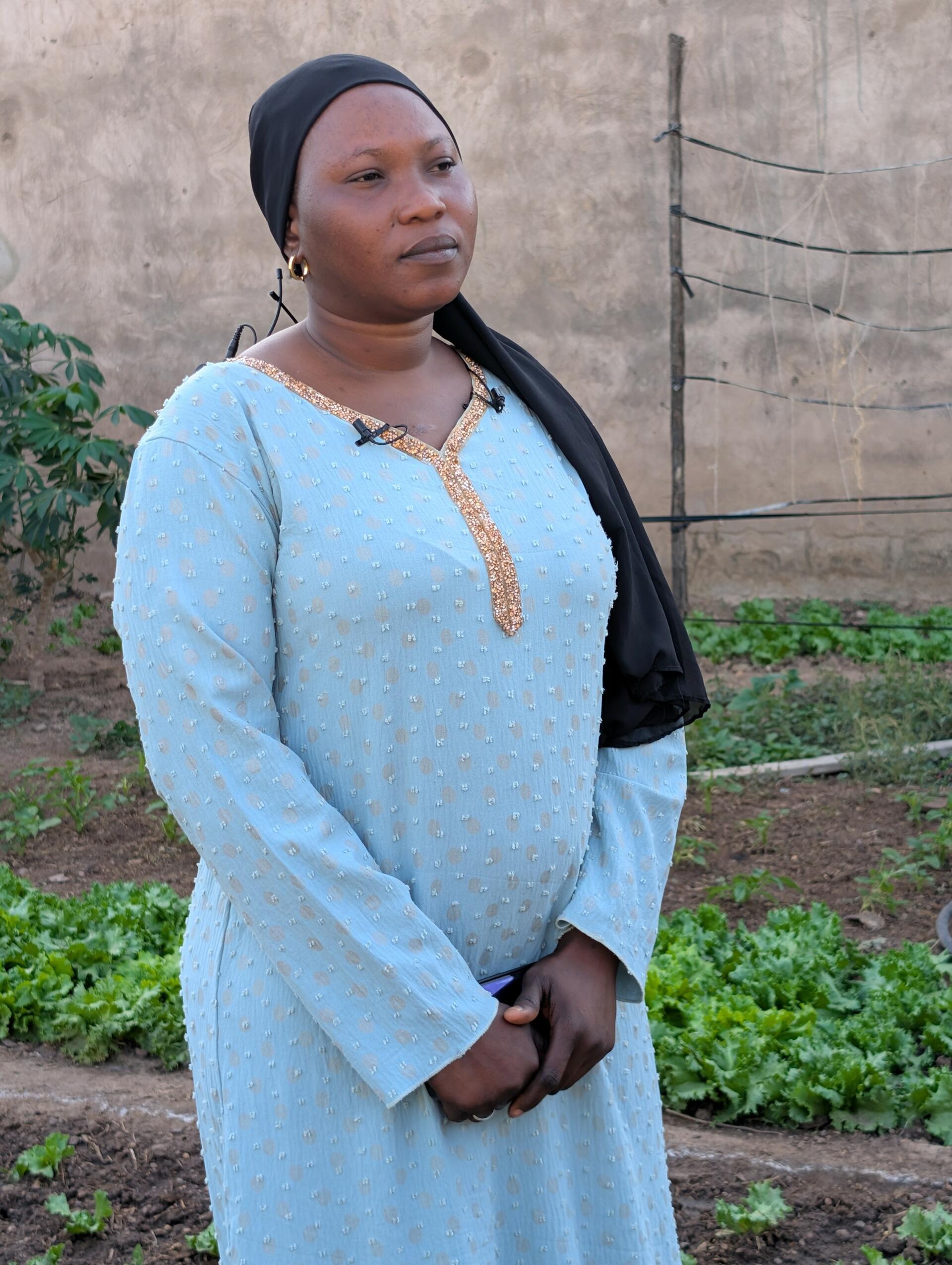
Photo credit: Fatimata Kone
Eating better to live better: when the garden transforms diet and health
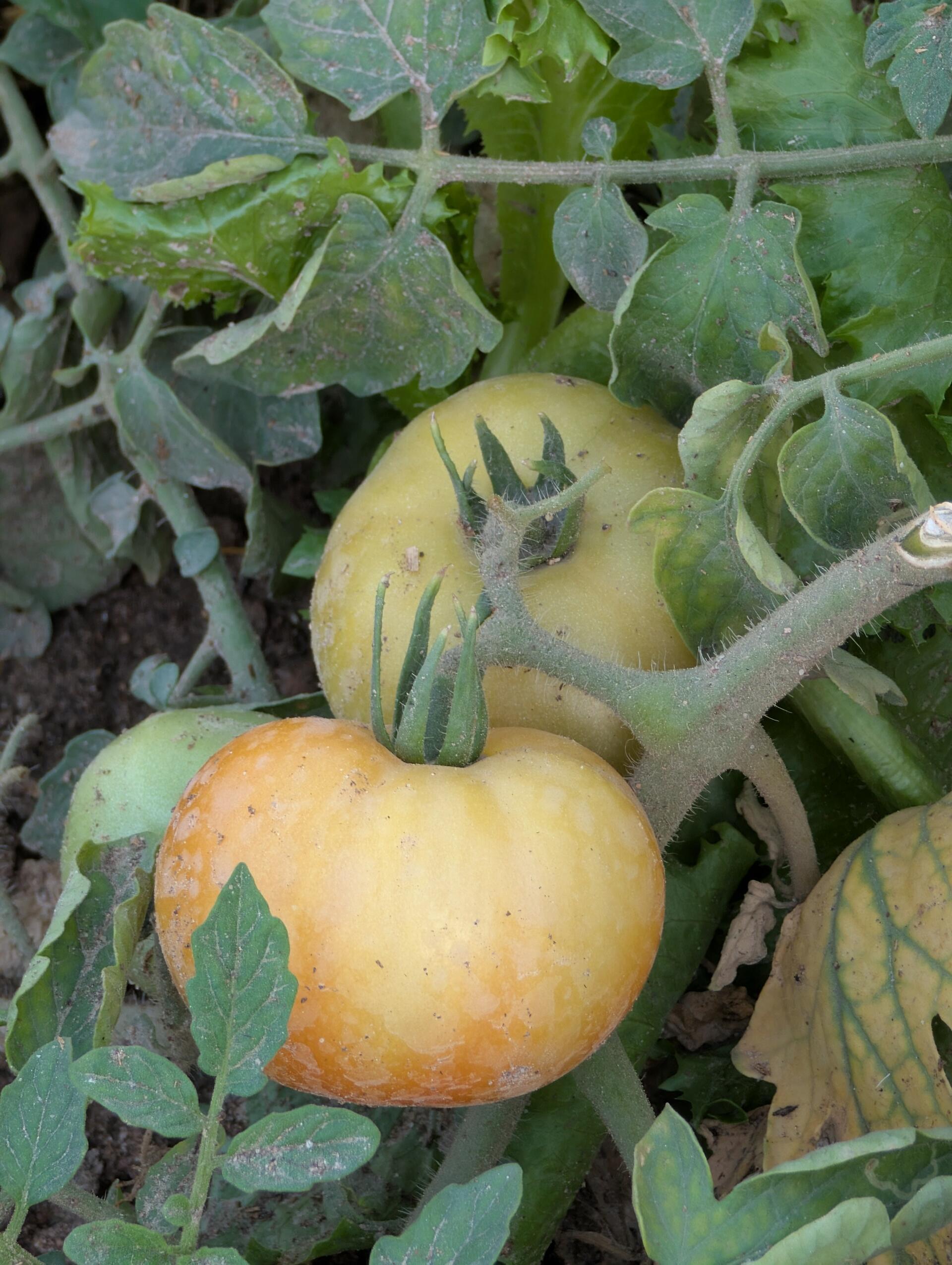
Photo credit: Fatimata Kone
In Fatoumata Bodian’s garden, vegetables are not grown only for sale. First and foremost, they are for her household. And that priority changes everything.
With pride, Fatoumata shows how she has significantly improved her own nutrition. “Gardening has many benefits for me.” Behind this simple sentence lies a profound reality.
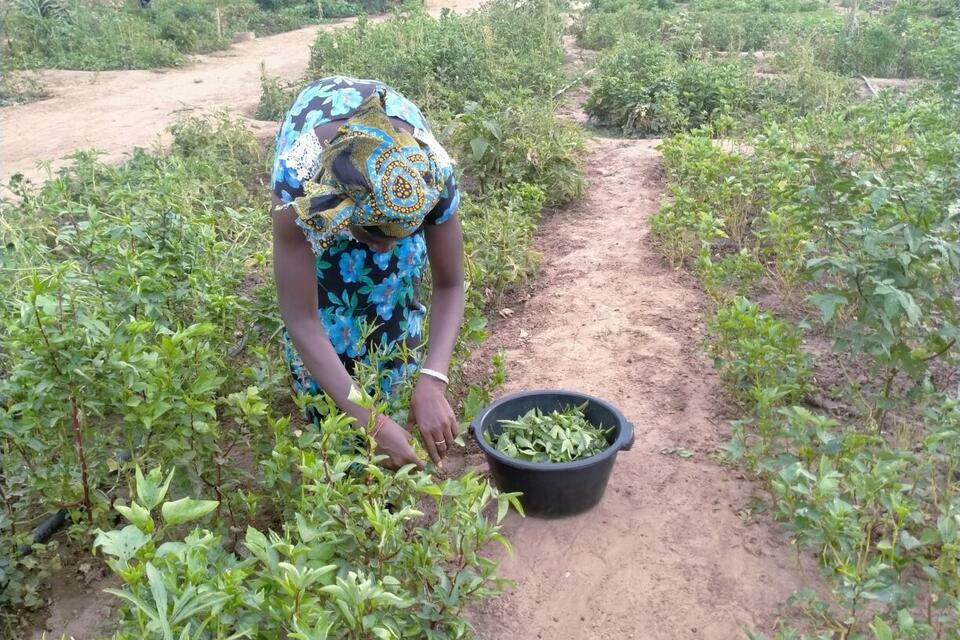
Every day, she now has access to fresh vegetables. Moringa and amaranth enrich meals with iron and vitamins. Mint and leafy greens diversify her diet. “I spend less on household condiments.” This reduction in food expenses is not trivial. It frees up resources for other essential needs.
More importantly, Fatoumata eats better. She chooses what she consumes. She understands what she gives her body. She connects production with nutrition. This food autonomy lies at the heart of agri-nutrition. Producing is not enough. You must produce what truly nourishes.
This transformation goes beyond her own life. The garden has become a source of regular income. “I earn monthly income.” A rare stability in a rural context exposed to climate shocks. With this income, she creates jobs. “I create employment, especially for my mother, who sells my vegetables at the market.”
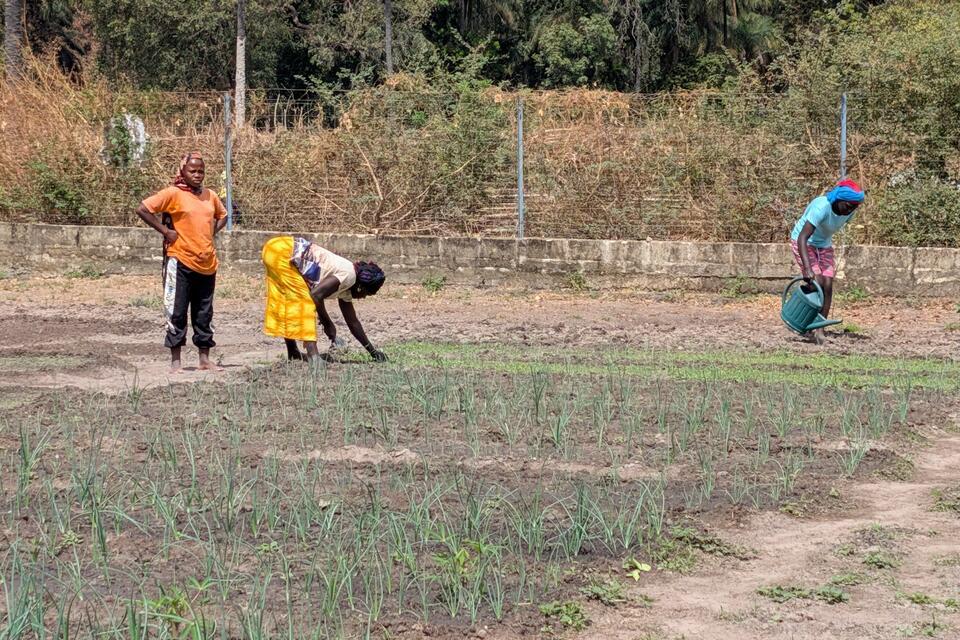
The garden becomes a space of solidarity. Fatoumata helps her neighbors, shares advice, sometimes even harvests. She becomes a local reference point. Living proof that agriculture can nourish bodies and restore confidence.
In a region marked by food insecurity, this ability to produce, consume, and sell locally is an act of resilience. Fatoumata does not speak about nutrition in technical terms. She lives it. And that is precisely where her story draws its strength.
The AVENIR Project: a catalyst for agri-nutrition and lasting autonomy
Fatoumata Bodian says it clearly: her journey would not have been the same without the AVENIR Project.
“If I reached this level, it’s thanks to the project.” AVENIR did not simply provide training. It accompanied her, equipped her, and secured those first critical steps.
“The project trained me very well and gave me equipment like watering cans and wheelbarrows.” These tools, simple as they may seem, make all the difference. They allow people to work better, longer, and with less physical strain.
The AVENIR Project is built on an integrated approach. Agriculture, nutrition, water, soils, and climate resilience are addressed together. The goal is not only to increase yields, but to sustainably improve diets, health, and household economic conditions.
This is where the Alliance of Bioversity International and CIAT contributes its scientific expertise, particularly in agri-nutrition. Dr. Christine Chegue, scientist at the Alliance, explains:
“Agri-nutrition is based on a systemic approach that connects agriculture, nutrition, water, soils, and climate resilience. Producing more is not enough. We must produce better, consume better, and preserve resources. When households gain access to diversified, nutrient-rich diets, we simultaneously improve health, agricultural productivity, and economic conditions. The ‘do no harm’ principle is central. Fatoumata Bodian’s story perfectly illustrates this vision.”
In Tambacounda, this vision becomes reality. Family gardens, nutrition training, and close local support are transforming practices. Women and young people are becoming agents of change.
A success story that inspires and lights the way forward
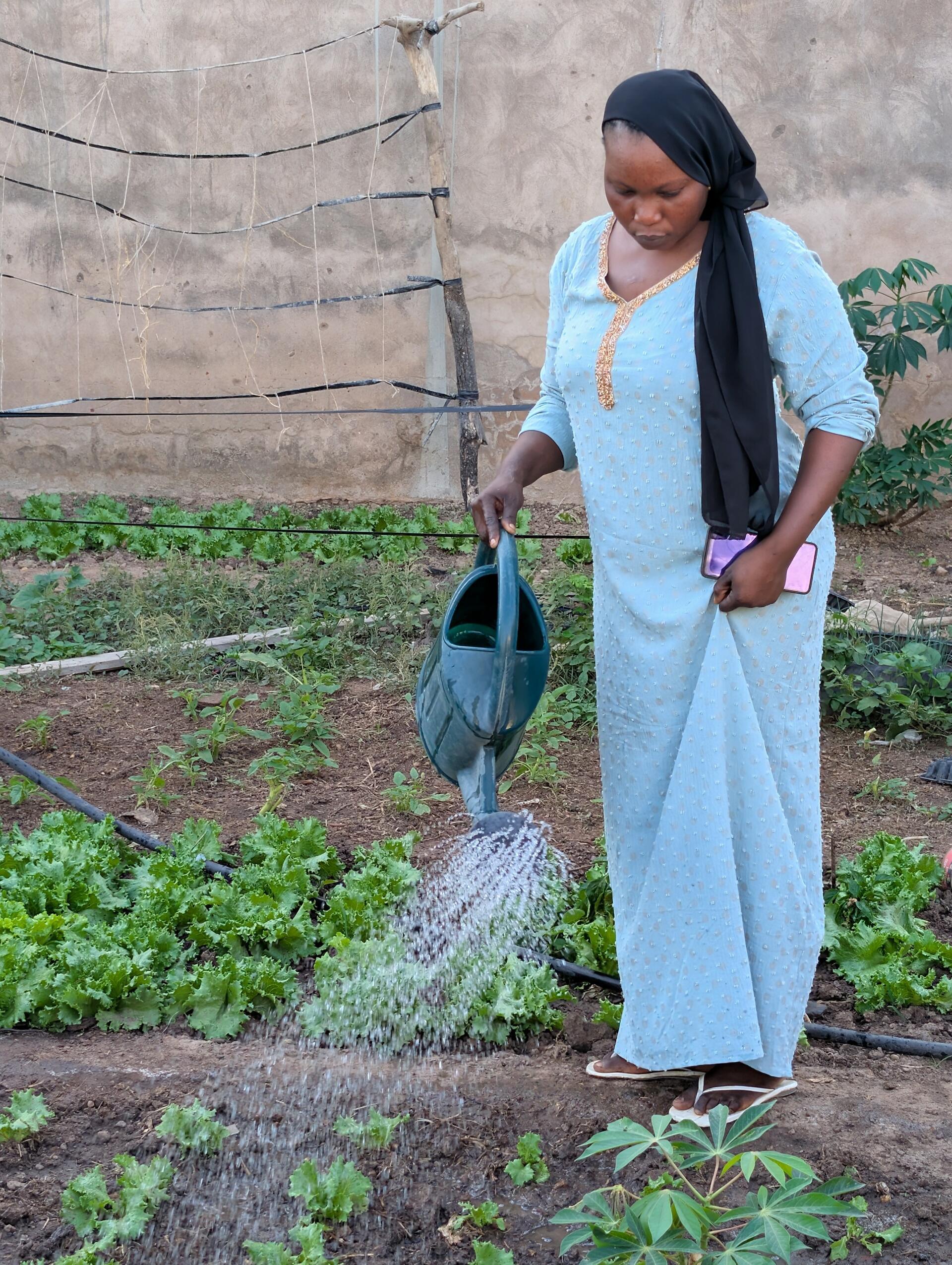
Photo credit: Fatimata Kone
Today, Fatoumata Bodian looks at her garden with pride. Not loud pride, but grounded pride.
“I’m truly grateful to them.” Her success is tangible. It is measured in more balanced meals, steady income, and restored dignity.
Her story circulates through Tambacounda’s neighborhoods. It inspires other women. It shows that it is possible to start with very little and build something meaningful. It reminds us that agriculture, when aligned with nutrition, can transform life trajectories.
Fatoumata is not an exception. She is an illustration. An illustration of what development policies rooted in local realities, driven by strong partnerships, and centered on people can achieve.
In Tambacounda, Fatoumata’s garden continues to grow. And with it, a certainty: when agriculture truly nourishes, it sets people free.