From the Field Building resilient farms in Senegal: Water and land management innovations under the AVENIR project
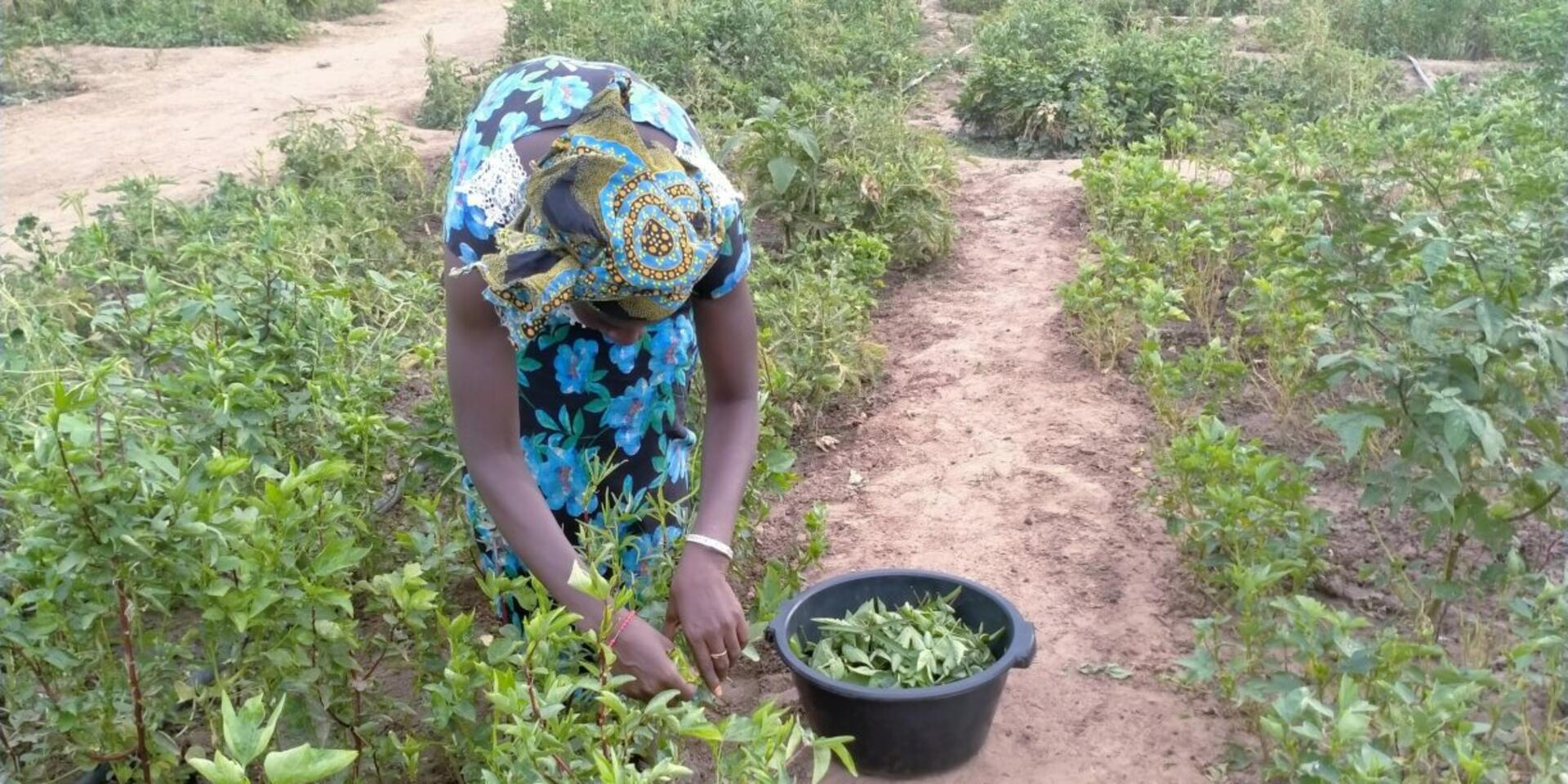

In Senegal’s drylands, the AVENIR project, led by MEDA with the Alliance of Bioversity International and CIAT, empowers farmers with climate-smart innovations in water and soil management to build resilient, productive farms.
Across Senegal’s drylands, climate variability has become the defining challenge of rural life. In the regions of Tambacounda and Sédhiou, smallholder farmers endure daytime temperatures soaring up to 47°C and an average annual rainfall of about 594mm preceding a seven-month dry season, during which soils progressively lose fertility. These conditions erode food production, strain household incomes, and heighten the vulnerability of communities that rely almost entirely on agriculture for survival. Effective adaptation, therefore, depends not only on managing water and soil, but on rethinking how these critical resources are used, restored, and sustained over time.
With the support from Global Affairs Canada and implemented by MEDA in collaboration with the Alliance, the AVENIR project is equipping communities with the tools, knowledge, and confidence to adapt to a changing climate. Its approach goes beyond introducing new technologies since it cultivates a culture of climate-smart innovation that enables farmers to turn production challenges into opportunities for growth. The project’s interventions which span from water management, soil restoration and on-farm learning, are not isolated efforts but interconnected solutions that together build the foundation for long-term agricultural resilience.
Managing water and soil for lasting impact
In both regions, sandy soils stretch across the landscape, light to the touch but heavy in consequence. Beneath their fragile surface lies a complex challenge for smallholder farmers. These soils are low in organic matter and struggle to retain moisture and nutrients, leaving crops vulnerable to even slight fluctuations in weather. Each dry spell draws moisture from the ground faster than it can be replenished, while strong winds and heavy rains sweep away the thin topsoil that sustains plant growth. Over time, this silent erosion depletes productivity, damages food security, and undermines the stability of rural livelihoods.
To counter these losses, the AVENIR project promotes integrated water and land management solutions that combine local experience with practical, evidence-based techniques. Approaches such as Zai pits and half-moons - the small, crescent-shaped basins dug into the soil - allow farmers to capture rainfall where it falls, preventing runoff and improving infiltration. Similarly, small ponds collect and store rainwater for supplementary irrigation, offering a lifeline during the seven-month dry season when crops would otherwise fail.
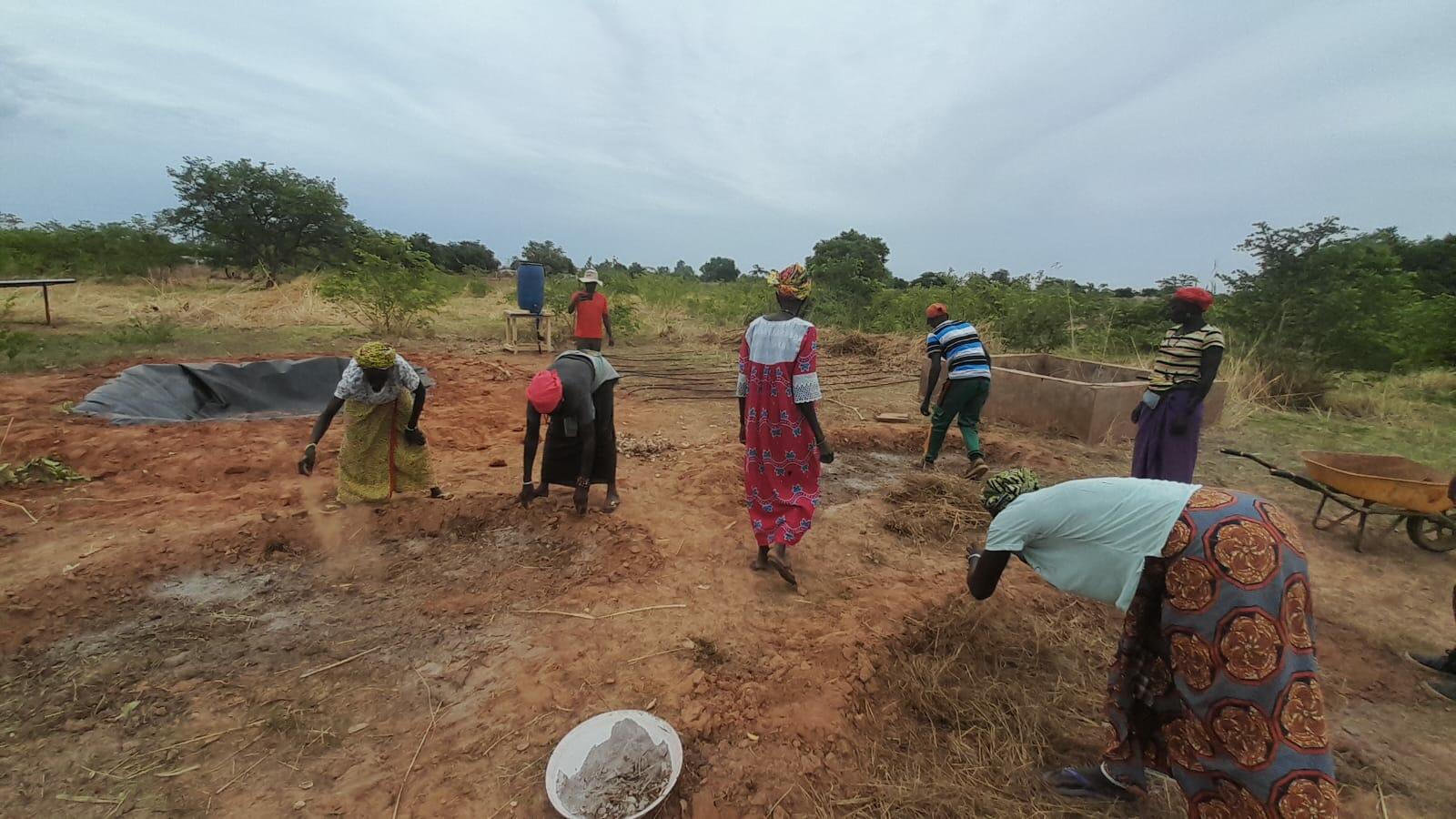
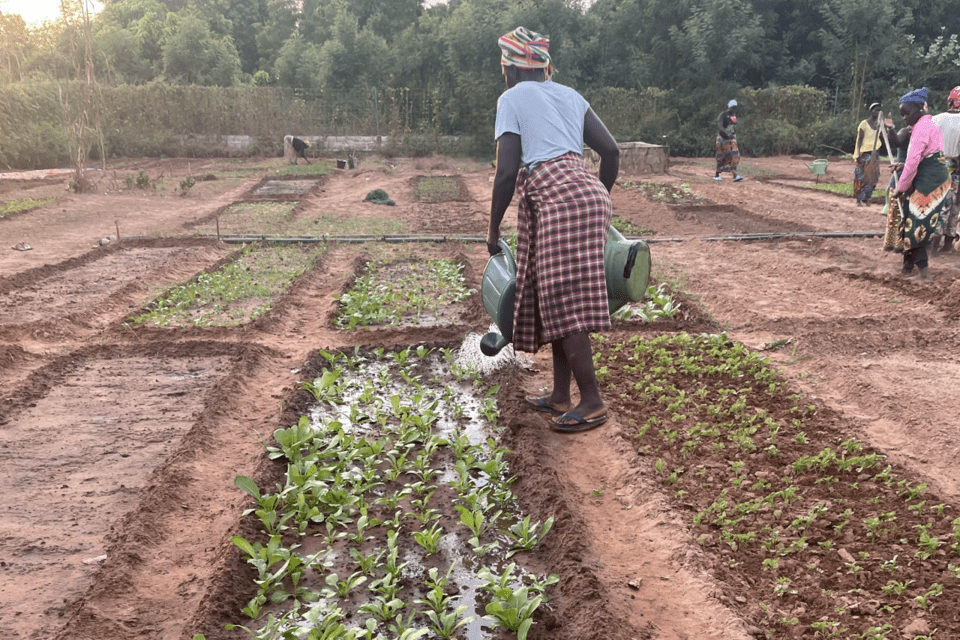
Sowing of vegetable crops in half-moons in Koussanar region of Senegal. Photo: Obadiah Mwangi/CIAT.
Farmers are also trained to assemble micro-drip irrigation systems using locally available materials at a cost as low as $5 USD. This simple, low-cost solution ensures water is delivered directly to plant roots, minimizing evaporation and maximizing efficiency. For households farming under extreme heat, the difference is visible: improved crop vigor, higher yields, and more reliable production across seasons.
Complementing these measures are training sessions on contour farming and agroforestry with multipurpose trees that provide food, fodder, and natural soil cover. These living components anchor the soil, reduce erosion, and enhance fertility through organic matter deposition. Together, these practices form a basket of climate-resilient solutions tailored to the realities of Senegal’s drylands, practical, affordable, and sustainable over time.
“Since the project started, I’ve learned valuable practices in water and soil conservation,” said Mr. Ousmane Aidara, a member of the Darsalam demonstration site. “I installed drip irrigation on my farm, began applying manure at planting, and mulching. This has enhanced soil moisture retention and significantly increased overall production.”
His experience illustrates the project’s broader impact by demonstrating that when practical knowledge aligns with farmer-led innovation, resilience becomes both achievable and enduring.
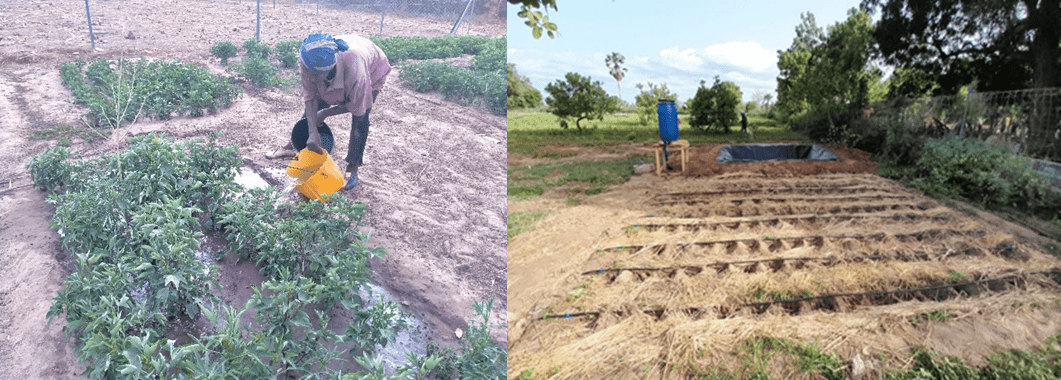
A shift from bare sun-scorched soil (background left) to water inefficient sunken bed technology (front left) to effective micro-drip irrigation with organically mulched system (right). Photo: Michael Kinyua and Wilson Nguru / CIAT
Learning hubs: innovation in action
Turning innovation into impact requires more than introducing new practices and it demands spaces for experimentation, collaboration, and mutual learning. To achieve this, AVENIR has established eight demonstration sites, four are in Tambacounda and the other four in Sédhiou. These serve as living laboratories for climate-smart agriculture. The sites allow farmers to test, adapt, and refine new techniques in real time, fostering confidence through firsthand experience.
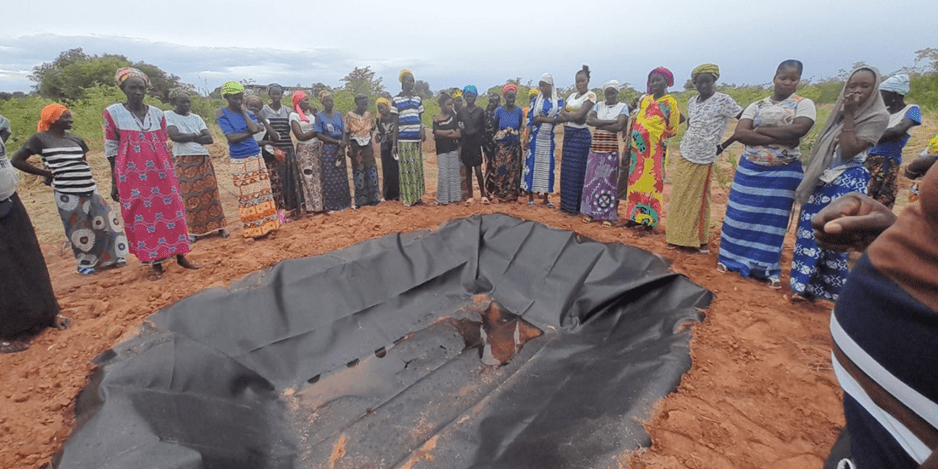
Farmers training on establishment of half-moons as part of soil and water conservation technology in Koussanar region of Senegal . Photo: Obadiah Mwangi/CIAT.
At these hubs, farmers participate actively, from preparing compost and managing crop residues to implementing irrigation systems and cover crops. The learning process is deeply practical: each innovation is demonstrated under field conditions, allowing participants to see outcomes for themselves before adopting them at scale. This participatory approach ensures that knowledge is not only transferred but owned, rooted in local experience and sustained through peer-to-peer exchange.
Beyond technical learning, the demonstration hubs strengthen social networks and collective problem-solving. Farmers meet regularly to assess results, share insights, and co-develop context-appropriate solutions. This community-centered model transforms innovation from a one-time intervention into a continuous process of adaptation and improvement, anchoring resilience at both household and community levels.
Toward climate-resilient agriculture
The progress emerging from Senegal’s drylands demonstrates that climate adaptation is possible when innovation, knowledge, and local participation converge. Through its integrated approach to water-smart practices, soil restoration, and on-farm capacity building, the AVENIR project is helping farmers overcome environmental stress and build the foundation for sustainable productivity. Each demonstration site established, each farmer trained, and each practice adopted represents a tangible step toward resilience. Farmers who once struggled with declining fertility and erratic rainfall now report improved soil moisture, enhanced productivity, and renewed confidence in their ability to sustain their livelihoods despite harsh conditions. These results point to a larger transformation underway, one where innovation and empowerment reinforce each other to restore both land and livelihoods.
The experience from Tambacounda and Sédhiou highlights a key lesson: resilience is built through systems that connect people, knowledge, and ecosystems and not through isolated interventions.
By investing in both communities and the natural resources they depend on, AVENIR is helping farmers move from vulnerability to opportunity by cultivating the confidence and capacity to thrive in a changing climate besides the crops.
The lessons from Senegal extend beyond national borders. As climate variability intensifies across Africa’s drylands, the integrated strategies demonstrated by the AVENIR project offer a replicable model for other regions facing similar constraints. By combining effective water management, soil restoration, and inclusive learning, projects like AVENIR show that sustainable transformation is possible even under the most challenging conditions.
In doing so, the project reaffirms a central principle of resilience: that lasting solutions emerge where science, local knowledge, and community action meet. Through continued collaboration and investment, the path toward climate-resilient agriculture in Senegal can inspire wider efforts to build food security and sustainability across the Sahel and beyond.