Blog Feeding Senegal: Challenges and innovations in agri-nutrition

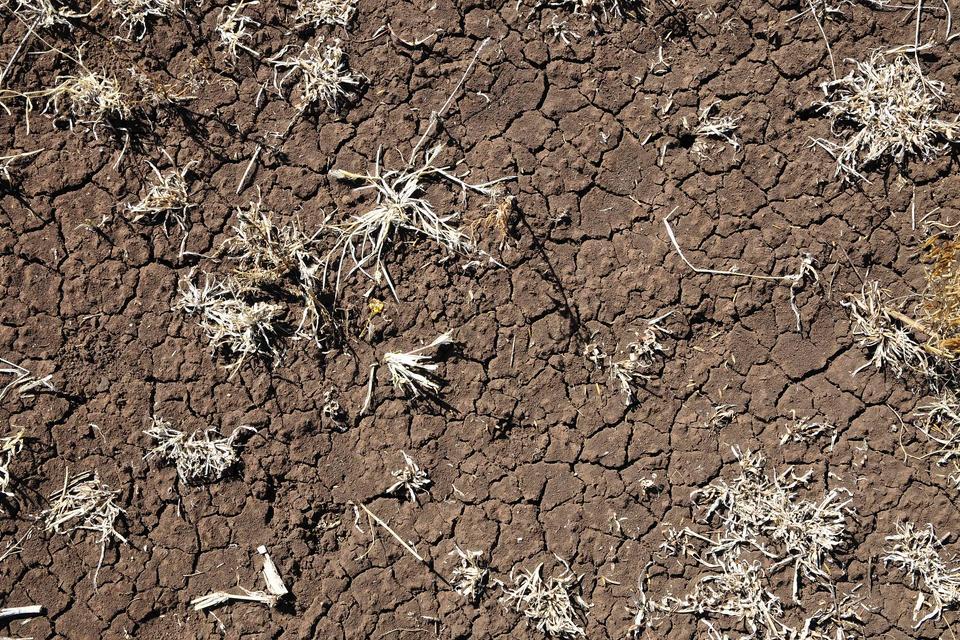
Climate change is exacerbating food insecurity in Senegal. However, innovative tools are empowering rural communities to strengthen their food systems. Discover examples of innovation such as the Agri-Nutrition Picture Book and the Food Seasonal Calendar.
Food and nutrition insecurity pose major challenges in Senegal, particularly in rural areas where adverse climatic conditions and limited access to essential information. To address these challenges, the AVENIR project ("Adaptation and Valorization of Entrepreneurship in Irrigated Agriculture") offers innovative solutions. Led by Mennonite Economic Development Associates (MEDA) in collaboration with the Alliance and funded by Global Affairs Canada (AMC), this project exemplifies an international collaborative effort aimed at improving the socio-economic well-being and resilience of women and youth in the Tambacounda and Sedhiou regions of Senegal.
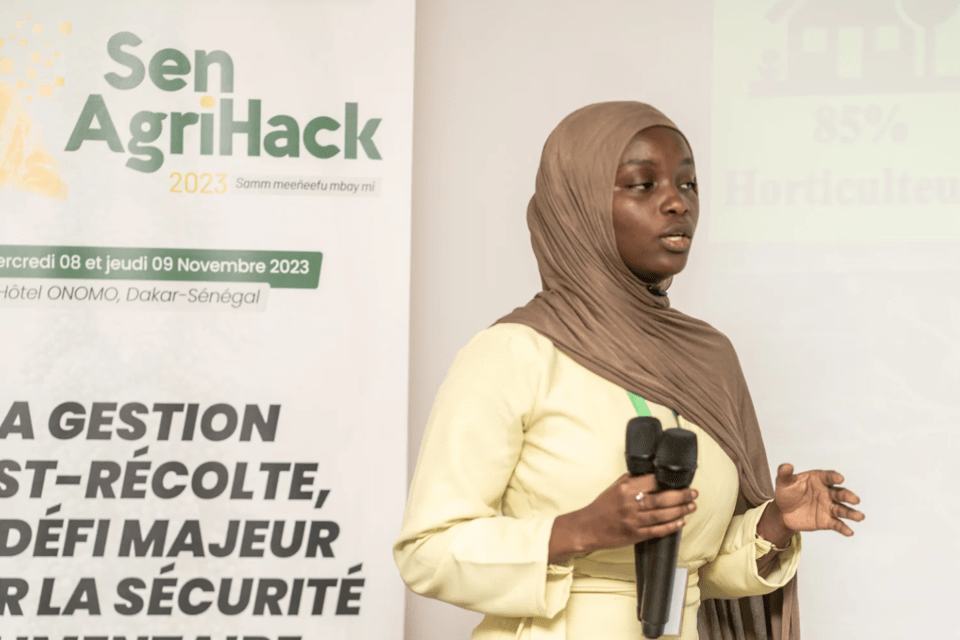
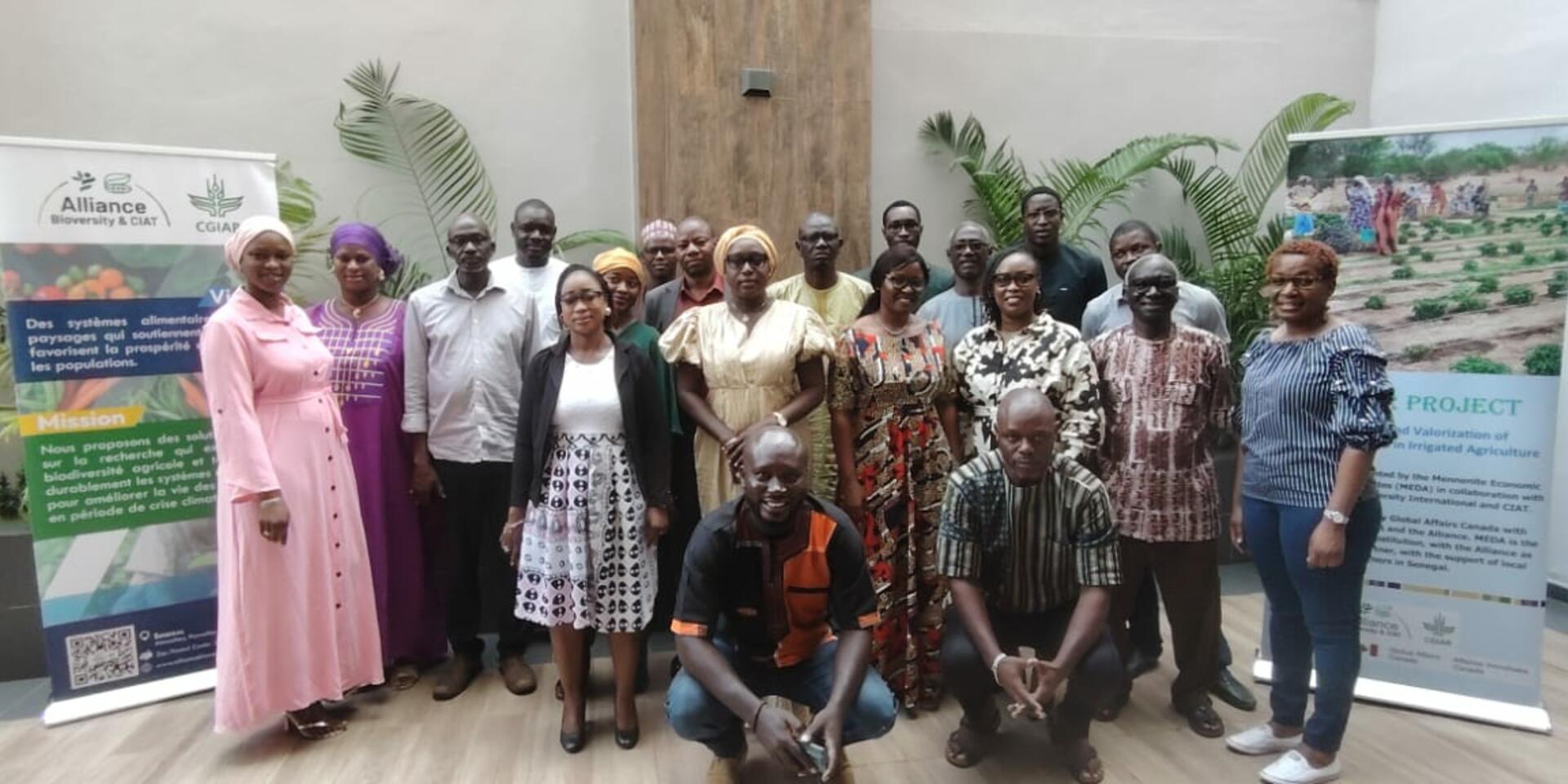
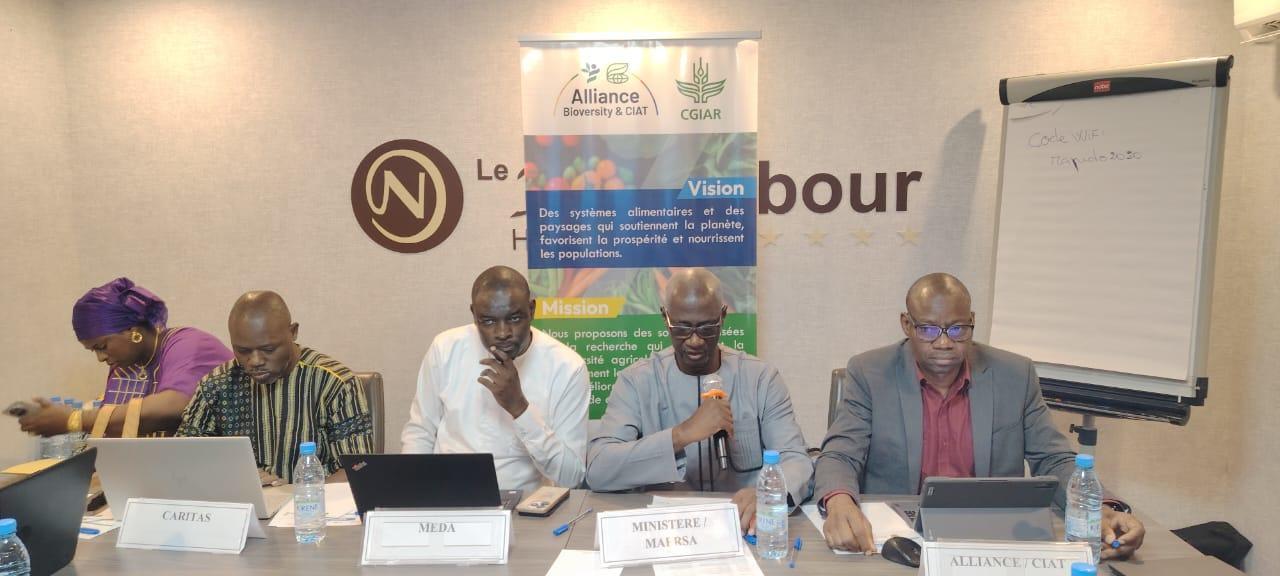
As part of the project, valuable tools for capacity building and decision support were developed: the Agri-Nutrition Picture Book and the Food Seasonal Calendar. Key partners and stakeholders attended a technical workshop on July 25 2024 in Dakar, where these tools were presented and validated. This initiative highlighted the commitment of influential partners such as Caritas Senegal, ITA, Jokalante, INP, Mlouma, ANCAR, UCAD, CNDN, ISRA, CNSA and World Vision. Together, these organizations are working toward an integrated strategy that respects Senegal's environmental and socio-economic complexities.
This collaboration marks significant progress in how Senegal addresses food and nutrition security challenges. By leveraging adapted knowledge and advanced technologies, the partnership aims to sustainably improve the management of food and nutritional resources, thereby strengthening local food systems for a safer and more prosperous future.
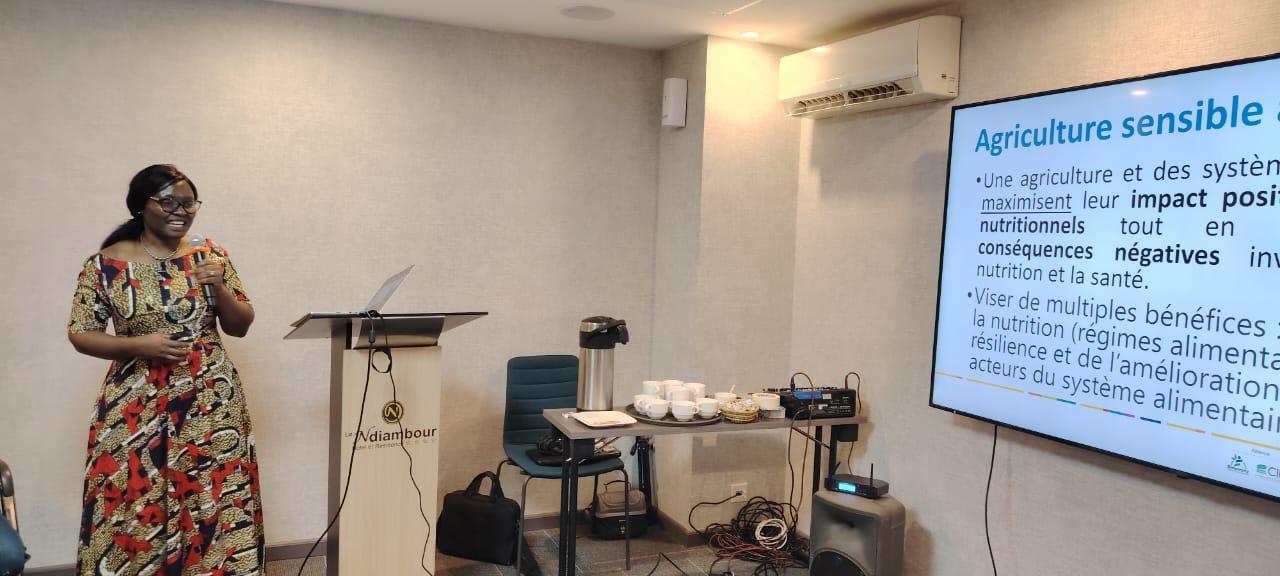
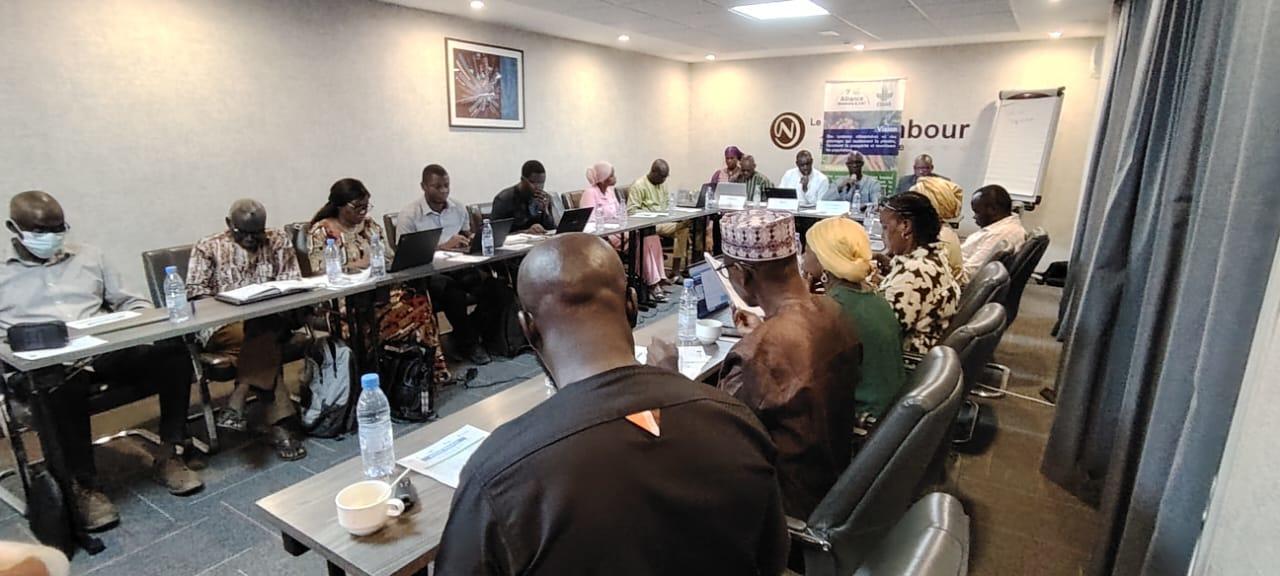
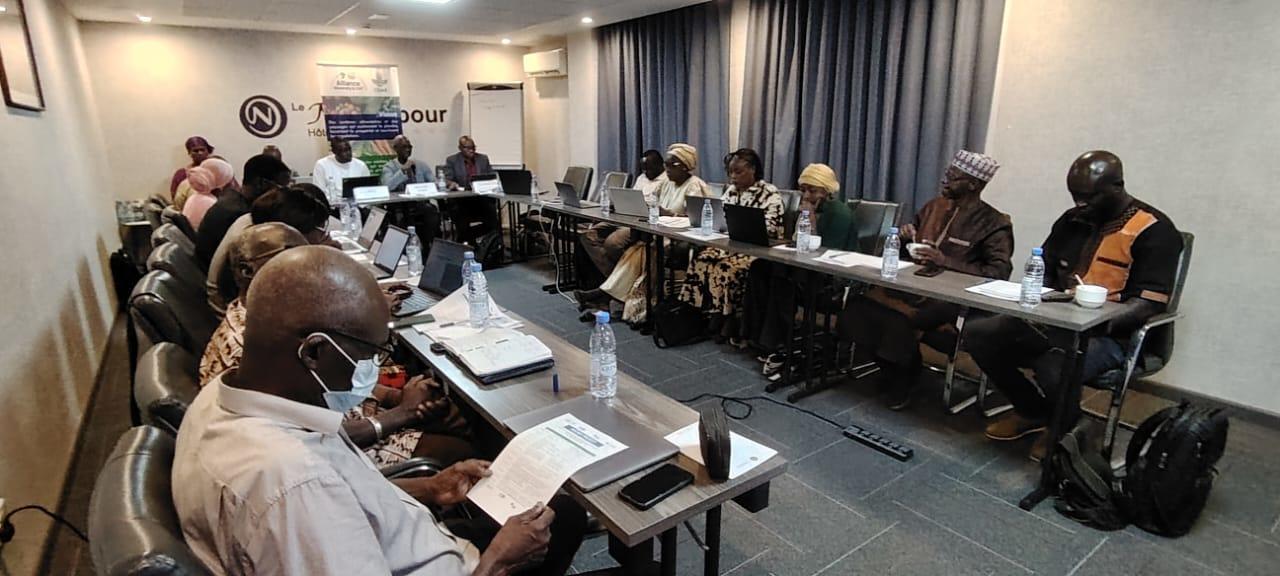
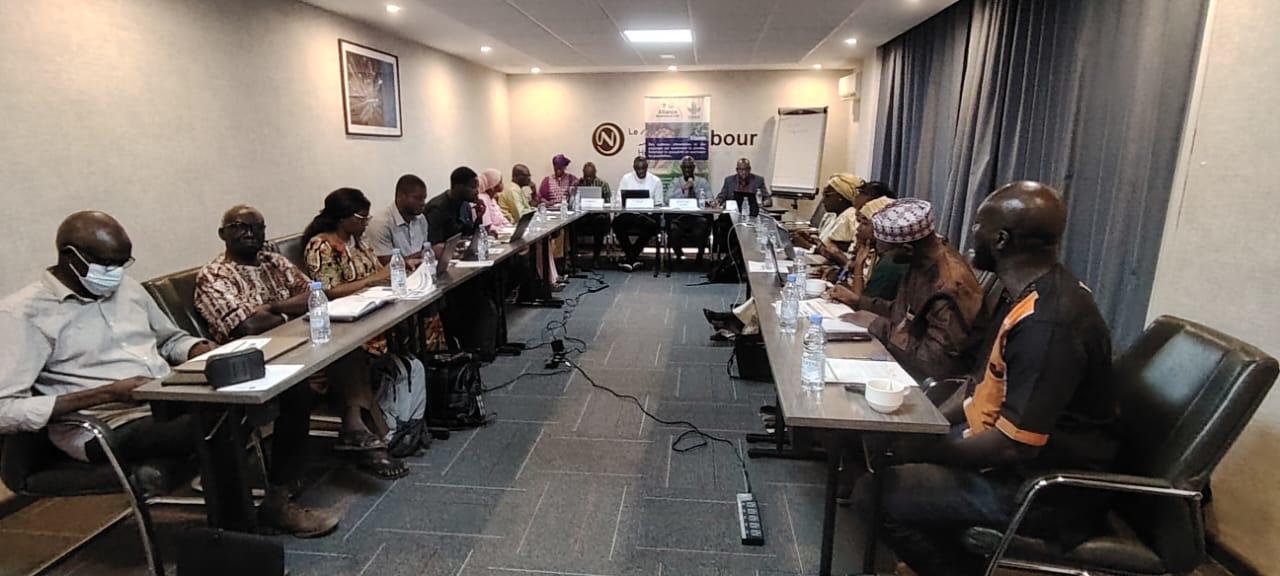
Key tools for food security: Visual education and strategic planning at the heart of the AVENIR Project
As part of the AVENIR project, the Agri-Nutrition Pictures Book and the Food Seasonal Calendar emerge as essential tools for transforming food and nutritional resources management and production in Senegal. These tools are specifically designed to address the challenges of rural communities, integrating accessible education, optimal resource management, and targeted strategic planning.
The picture book uses clear illustrations and texts to increase access to nutritional education and best agri-nutrition practices. By simplifying nutritional concepts and promoting the adoption of healthy behaviors, this tool also stimulates community engagement and the dissemination of essential information.
The Food Seasonal Calendar is a web-based decision-support tool that provide useful information on the off-farm availability, on-farm production and other external market availability of different commodities throughout the year. The calendar helps farmers and agricultural practitioners make informed decisions about planting, harvesting, and marketing their crops based on expected weather patterns and climate conditions.
These instruments play a crucial role in promoting sustainable agricultural practices and continually improving food security in Senegal. They represent a major step towards a future where rural communities enjoy greater prosperity and resilience.
Community integration and empowerment: Pillars of food security in Senegal
In addition to the tools developed, the AVENIR project strongly emphasizes community integration and empowerment, thus enhancing the use and effectiveness of the Agri-Nutrition Pictures Book and the Food Seasonal Calendar. These strategies aim to actively engage communities in managing their own food and nutritional security.
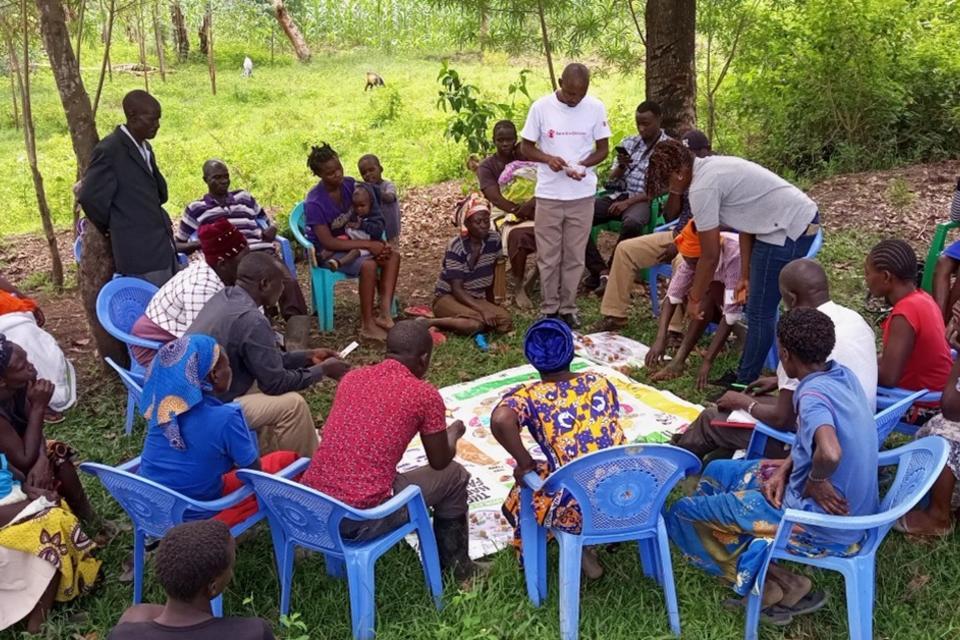
The trainings on agri-nutrition enriched the knowledge and skills of farmers, women and youth, enabling them to make informed decisions for the well-being both of themselves and of their community. Community engagement is increased through the training of local leaders and the establishment of support networks, which facilitate the exchange of knowledge and resources.
These efforts create an environment where education, technology, and active community participation combine to forge a sustainable food system. This integration ensures that the improvements initiated by the AVENIR project are rooted in the daily practices of rural Senegalese communities, propelling them towards a future where food security is a consolidated reality.
Towards a sustainable future in Senegal: Validation of agri-nutrition tools
Official recognition of the Agri-Nutrition Picture Book and the Food Seasonal Calendar by the working group on July 25 marks a decisive step towards wider deployment that can equip communities with the means to manage their own food and nutrition security. This validation confirms not only the effectiveness and relevance of these tools for rural Senegalese communities but also demonstrates their technical robustness and adaptability to local challenges.
By incorporating feedback from end users, the tools are practical and tailored to specific field realities. Their implementation under the AVENIR project is set to significantly strengthen communities' capacities to sustainably manage their food and nutritional security.
This initiative serves as a model for similar interventions across Senegal and beyond, illustrating how collaboration, innovation and community engagement can create lasting impact. The AVENIR project continues to pave the way towards improved food security, supported by an approach that values local engagement and international support.