Blog With Mama Mané, agriculture becomes a driver of nutrition, income, and women’s leadership

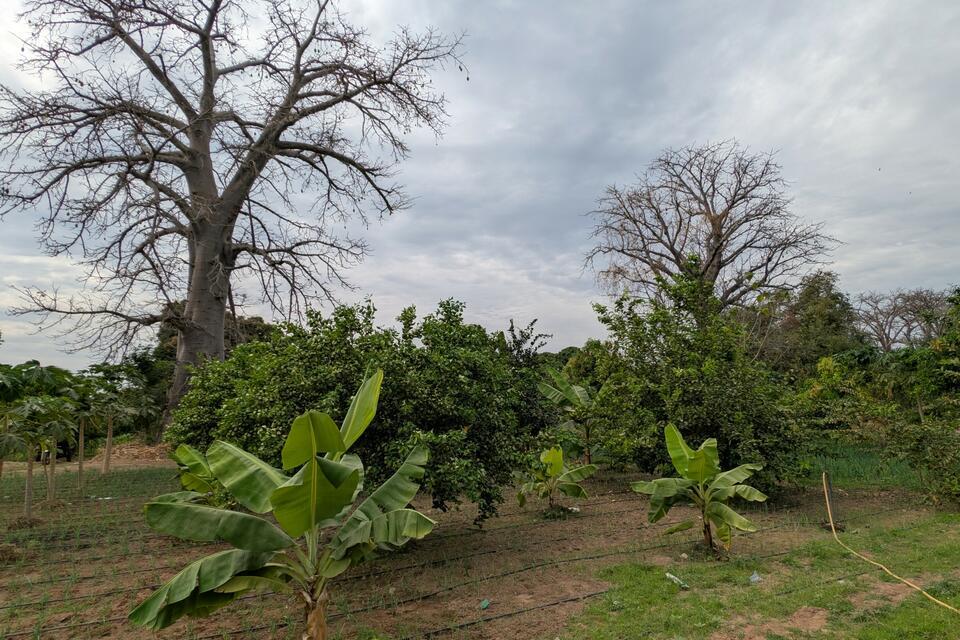
In Djimassar, in Senegal’s Sédhiou region, Mama Mané’s garden has become far more than a simple cultivation space. Between rows of carrots, radishes, and okra, this farmer is gradually transforming her plot into a place of learning, nutrition, and women’s leadership. Her story illustrates how the AVENIR project, funded by Global Affairs Canada and implemented by Mennonite Economic Development Associates (MEDA) in collaboration with the Alliance of Bioversity International and CIAT helps translate research-based solutions into tangible changes in farmers’ fields and on the plates of rural communities in southern Senegal.
When the rain decides everything: the years when the garden fell silent
In Djimassar, the day often begins with a glance toward the sky. In this part of the Sédhiou region, agriculture still depends largely on rainfall. When the rains arrive late or disappear too early, the consequences are immediately felt in the fields.
Mama Mané knows this rhythm by heart. For many years, she farmed only during the rainy season. Once the rains ended, the soil dried out and the plot remained empty for several months.
She still remembers those periods when agricultural activity would suddenly stop.
“After the rainy season, the garden became silent. We waited for the next season to start again,” she recalls.
During those months, vegetables gradually disappeared from family meals. People had to go to the market to buy them, often at higher prices.
This situation is common in the regions of Sédhiou and Tambacounda. When seasons become unpredictable, harvests decline and dietary diversity shrinks. Families must adapt their meals based on what remains available.
For rural women, this pressure is particularly strong. They are responsible for a large share of food production and meal preparation, yet they often have less access to water, agricultural inputs, or technical training.
Mama Mané remembers that during that time, each season felt like a gamble.
“We work very hard, but if the rain does not come, everything can disappear,” she explains.
It was in this context that the AVENIR project began working in Djimassar, with the ambition of testing agricultural solutions adapted to the climatic and social realities of local communities.
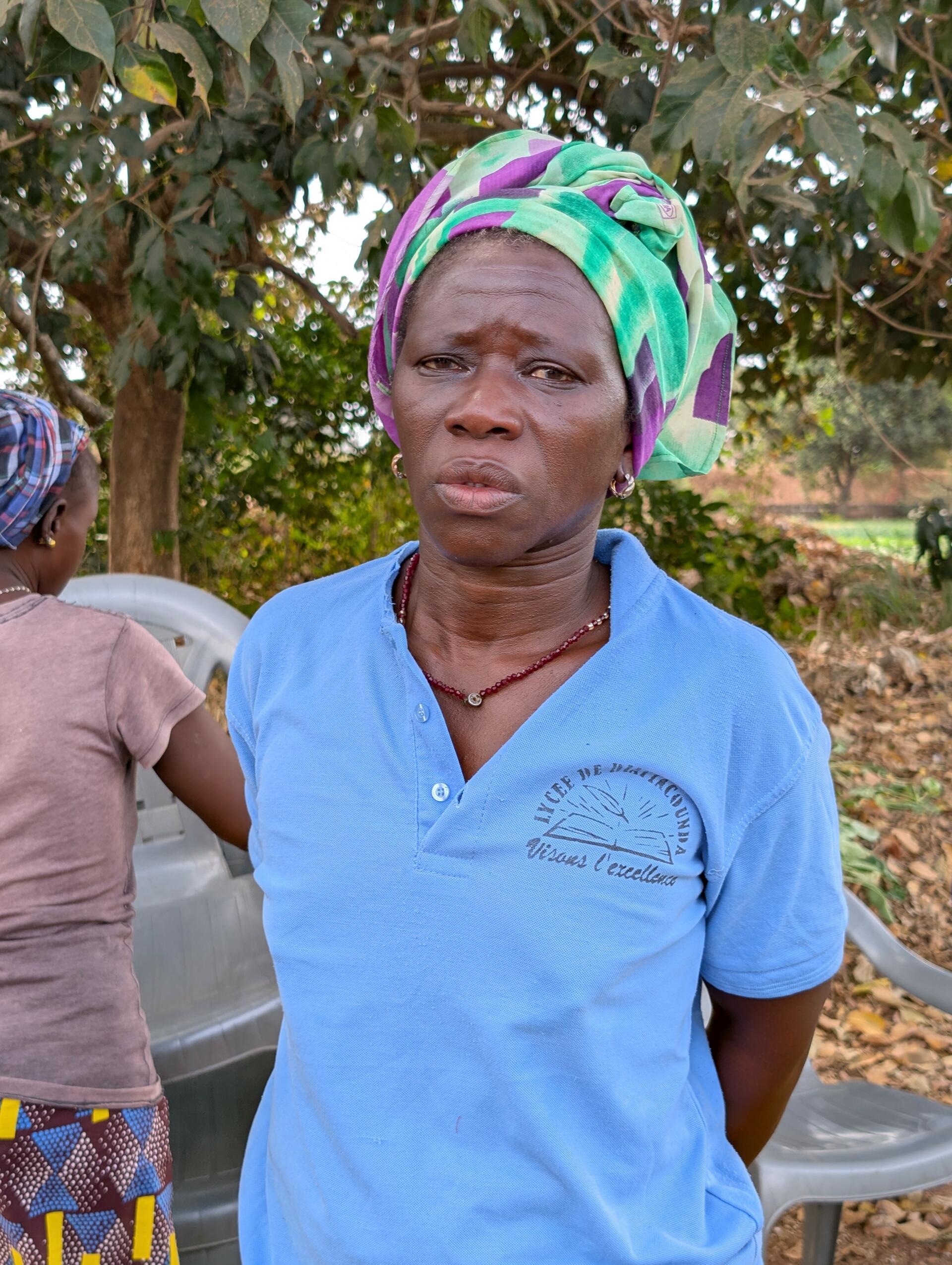
Photo credit: Fatimata Kone
Learning to farm differently: when research reaches the fields
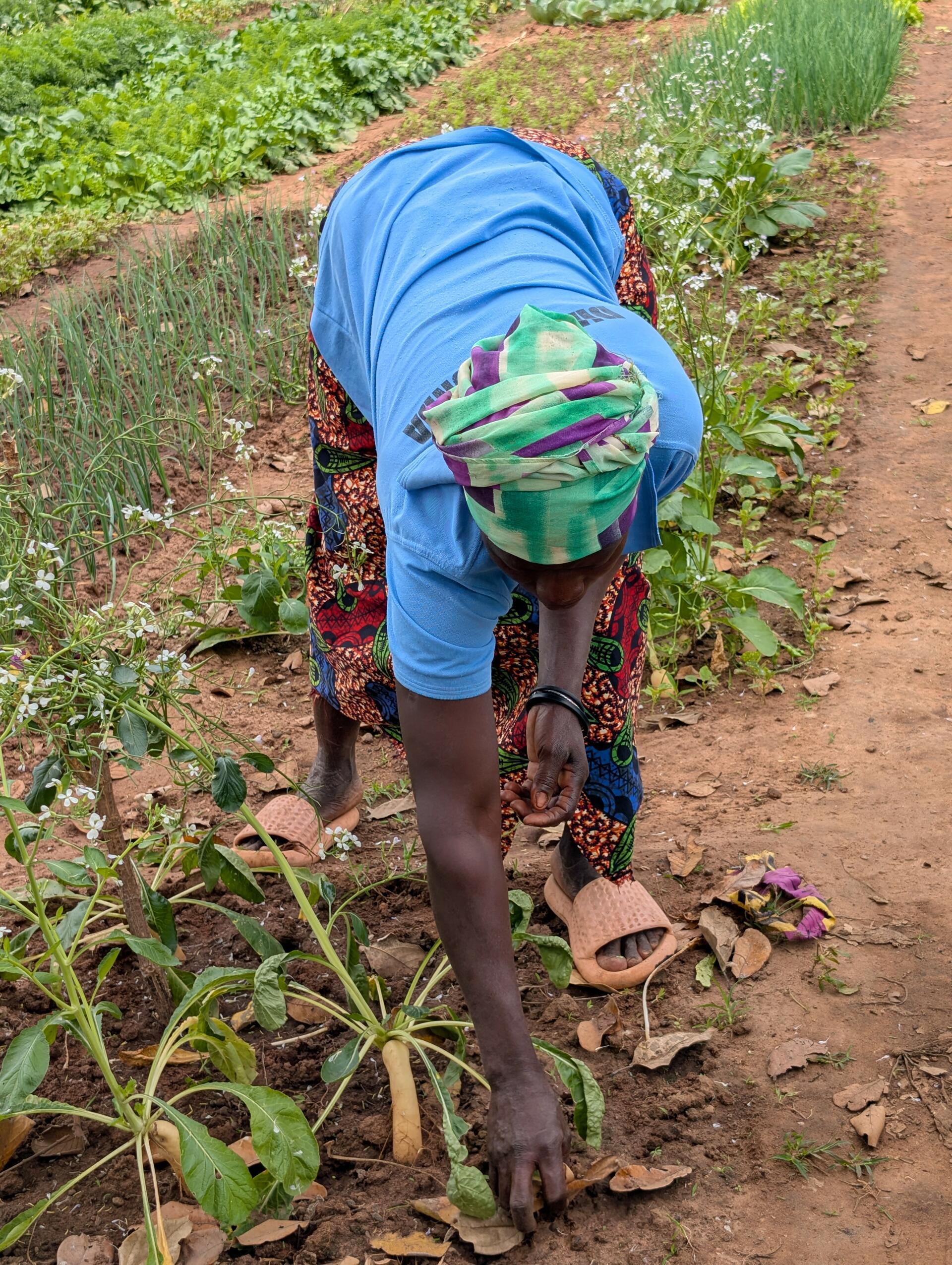
Photo credit: Fatimata Kone
On Mama Mané’s plot, the soil now looks different. It is darker, softer, and the rows of vegetables are neatly aligned.
This transformation happened gradually through practices introduced through the AVENIR project.
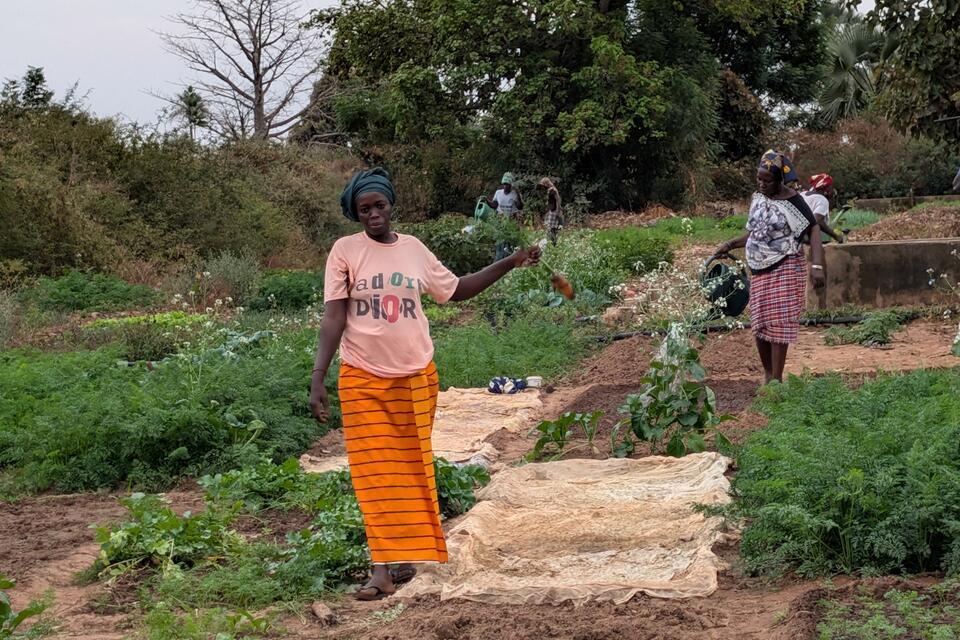
Mama Mané learned how to enrich the soil using compost and manure, protect it through mulching, and better manage the available water. These practices help the soil retain moisture longer and improve productivity.
These techniques are part of the research-based solutions promoted by the Alliance of Bioversity International and CIAT and adapted with farmers directly in the field.
Little by little, Mama Mané’s plot has become a real demonstration site.
Villagers now come to observe the crops, ask questions, and compare their own practices.
“People come to see how we work now. They want to understand what has changed,” she explains.
The garden has also evolved in its diversity. Mama Mané no longer grows a single crop at a time.
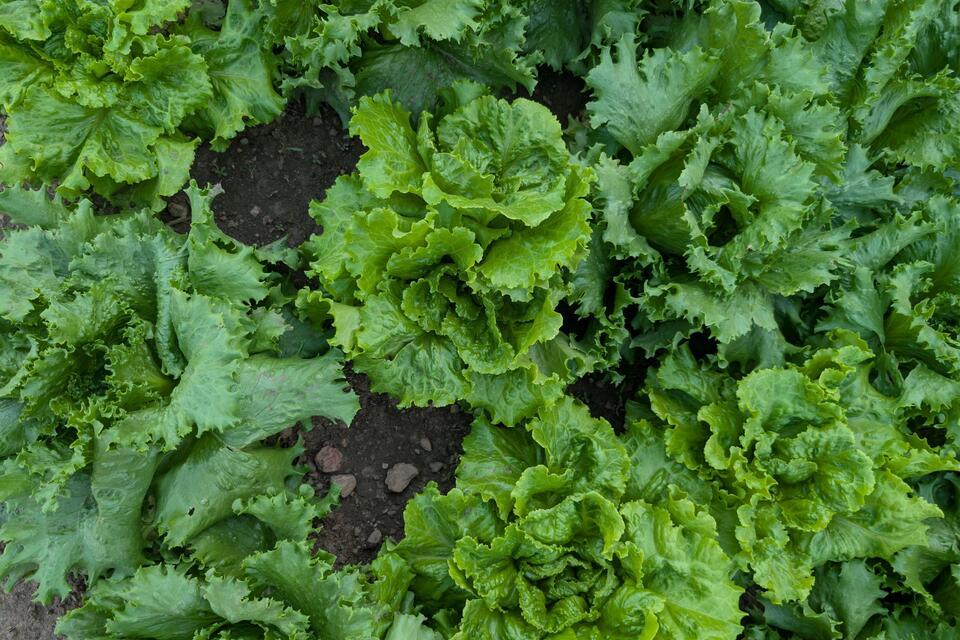
Today, carrots, radishes, okra, eggplants, and onions grow side by side on the same plot.
This diversification not only improves production but also strengthens the nutritional quality of family diets.
“Now when I cook, there is always something from the garden in the pot,” she says with satisfaction.
Carrots washed at dawn and the first income for women
One morning around Mama Mané’s garden, activity begins early.
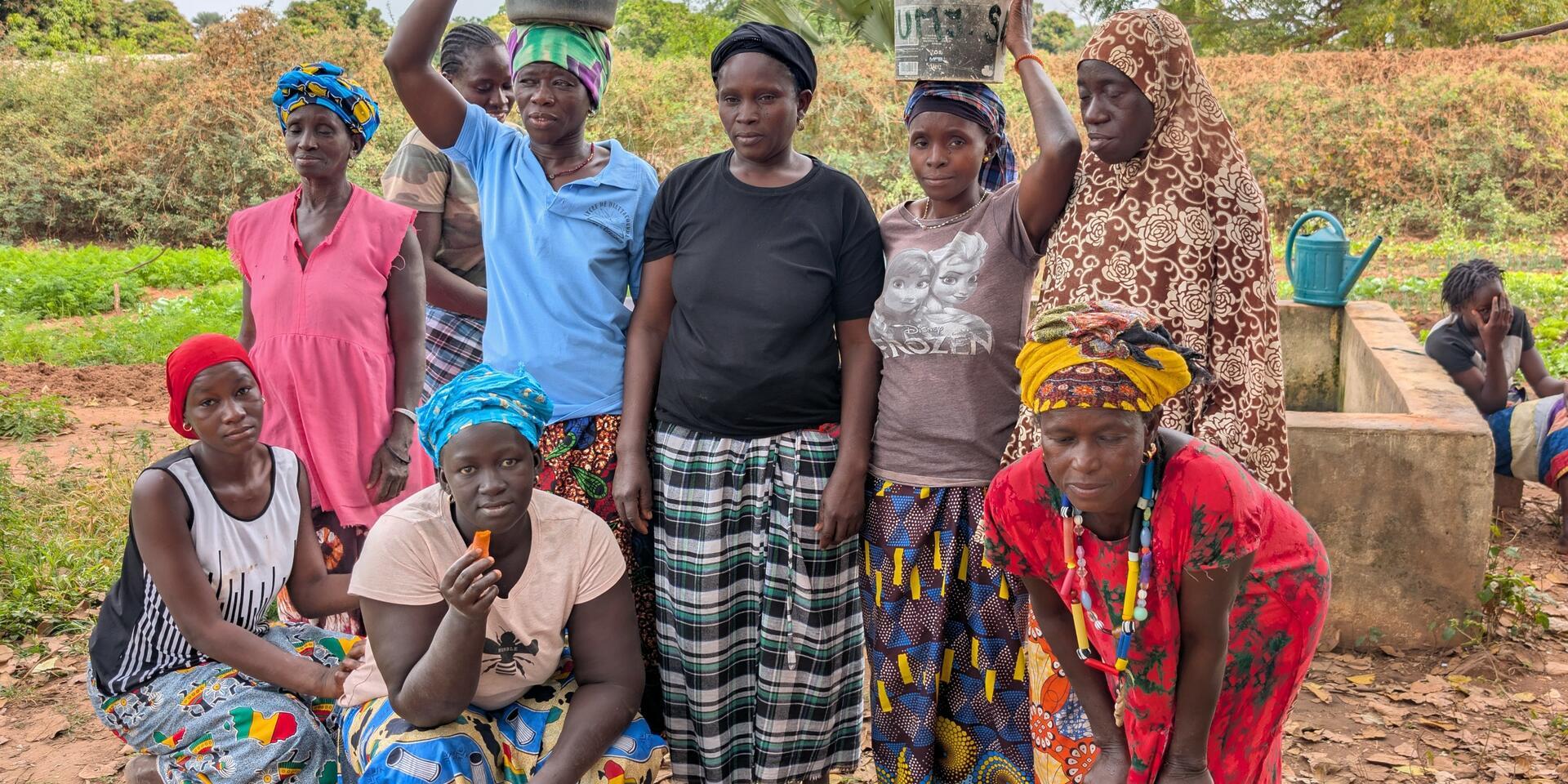
Women from the group gather near a water point with large bowls. They immerse freshly harvested carrots and radishes in the water. The vegetables roll gently as the women talk and laugh while preparing baskets for the market.
Mama Mané watches the scene with pride.
“Look how beautiful they are. When we wash them, they look like they came from a city garden,” she says, lifting a handful of carrots.
These harvests have also begun generating income.
In a single season, Mama Mané sold part of her production and earned approximately:
- 40,000 FCFA (about 67 USD) from carrots
- 18,000 FCFA (about 30 USD) from eggplants
- 30,000 FCFA (about 50 USD) from okra
- 40,000 FCFA (about 67 USD) from cabbages and onions
In total, nearly 128,000 FCFA (about 213 USD) from her garden in just one month.
This money helps cover certain household expenses, including school fees, while also contributing to the savings activities of the women’s group.
For Mama Mané, this income represents much more than financial gain.
“Before, we depended a lot on the market. Now the garden also brings us money,” she explains.
Beyond income, however, it is recognition that has changed the most.
Her plot now attracts farmers from the village who come to observe and learn.
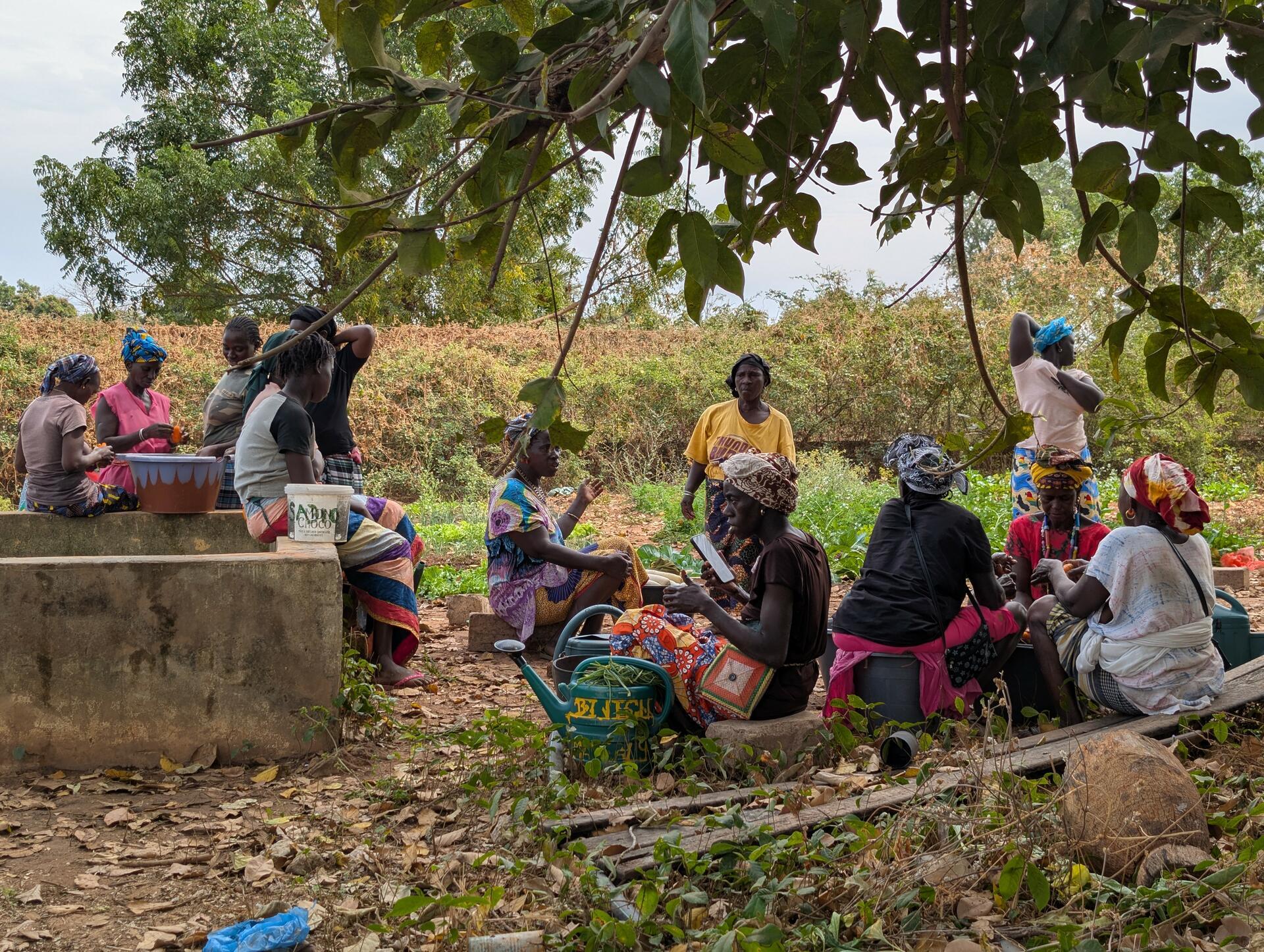
Photo credit: Fatimata Kone
A plot that inspires an entire village
Over the seasons, Mama Mané’s garden has become a meeting point in the village.
Farmers come to observe the crops, discuss techniques, and compare their own experiences.
This demonstration site reflects the approach of the AVENIR project, which combines climate-smart agriculture, improved nutrition, and economic empowerment.
For Mama Mané, this collective dynamic is a major source of motivation.
“When people come here to learn, I realize that what we are doing can help the whole village,” she says.
She also speaks enthusiastically about future prospects.
She also speaks enthusiastically about future prospects.
During a recent discussion with local authorities, the village chief even mentioned the possibility of expanding the land available for women’s farming.
“The village chief said that if there is a second phase of the project, he agrees to give a larger space so that women can cultivate more,” Mama Mané explains.
This perspective illustrates the potential of an initiative that now goes far beyond a simple agricultural plot.
In Djimassar, this garden has become a symbol. A place where research meets practice, where women strengthen their autonomy, and where agriculture becomes once again a source of hope.
And when Mama Mané waters her vegetable beds at the end of the day, she knows that what she grows here goes far beyond the harvest. She is also cultivating the future of her village.