
Blog Sustainability Policy for Smallholder Farmers: Opportunities
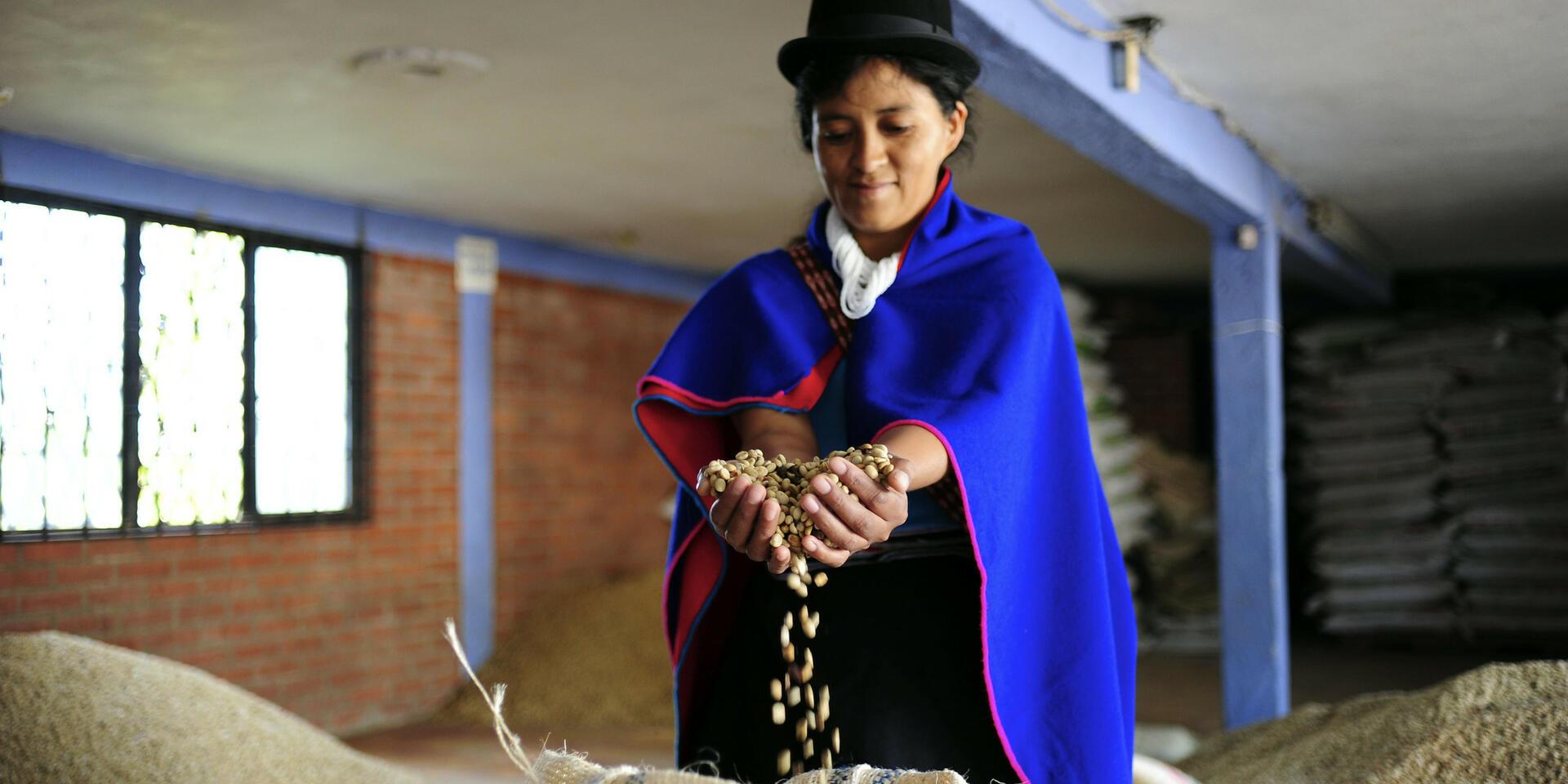

In 2023, European Union member countries imported 2.7 million tons of coffee, with consumption increasing 15% in the past decade. Amongst other initiatives to reach the region’s target of net-zero greenhouse gas emissions by 2050, in 2022 the EU passed a regulation on deforestation-free supply chains (EUDR), requiring that numerous products that enter the EU market – including coffee – must be grown on land that has not been deforested since 2020. Although legalizing sustainable production should be a step in the right direction, EUDR is creating significant economic and environmental challenges, especially for smallholder farmers, who produce an estimated 80% of coffee and typically use more sustainable farming methods than large-scale producers.
In part one of this three-part series on aligning the needs of smallholder farmers with sustainability regulation, we explored the implications of EUDR from the perspective of smallholder farmers. As illustrated by the Honduran farmer José Darío Enamorado, many rural farmers lack the technology to prove compliance with EUDR, thus losing access to important markets. Furthermore, as well as potentially excluding vulnerable farmers, EUDR has unintended environmental consequences: Many smallholder farmers use traditional regenerative agricultural systems – such as agroforestry – that provide multiple precious ecosystem services; however, the dense forest cover of these plantations means that up to 80% of these plantations are not identifiable even from satellite view, making these healthy farming systems a legal risk for farmers to continue. In part two of this series, we explored how digital technologies – including mobile applications for land cover monitoring and crop yield estimation developed by the Alliance – could allow smallholder farmers to demonstrate their compliance, and finally, in this final piece we explore how to go a step further, finding ways for smallholder farmers to adjust to this changing global policy environment.
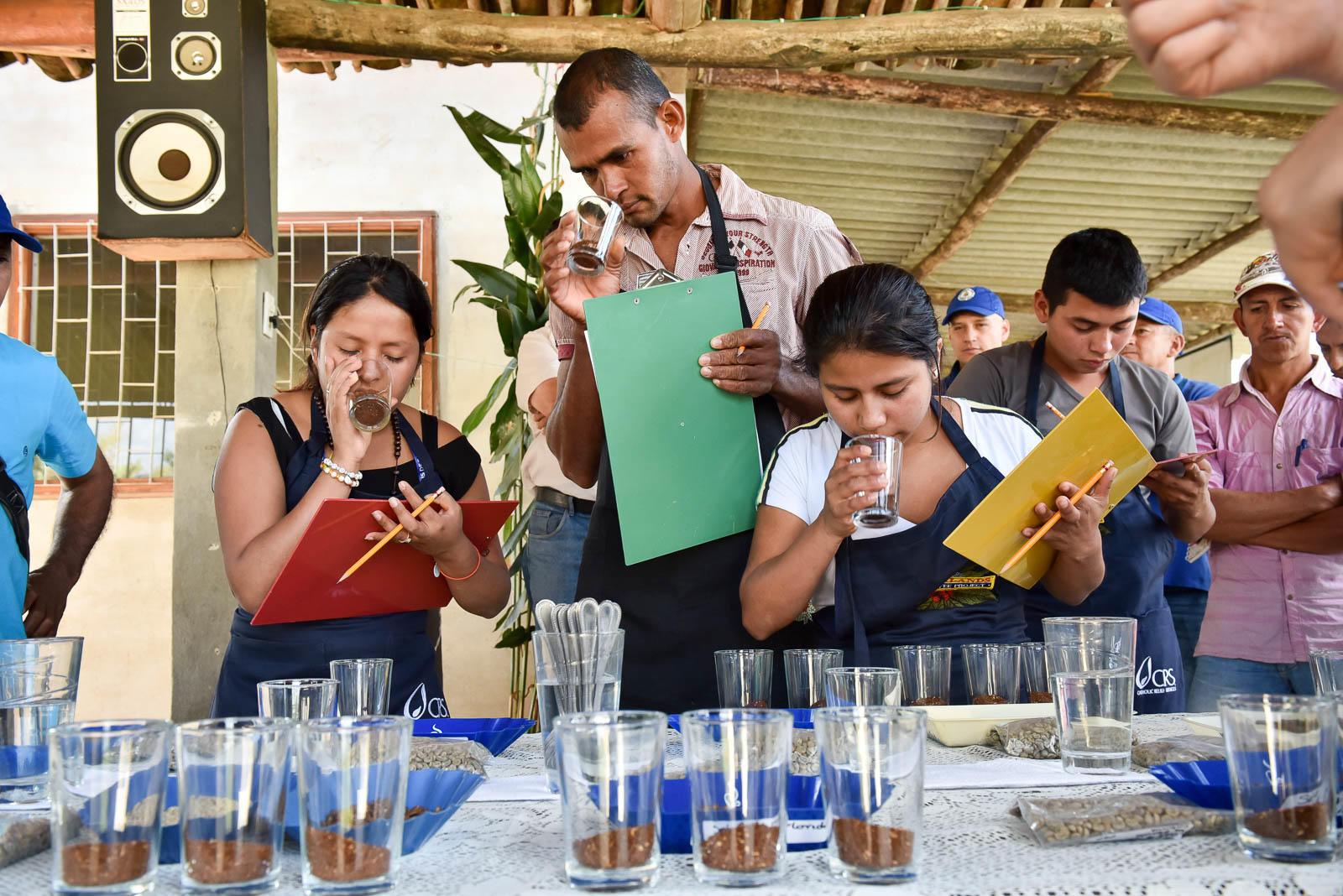
A coffee tasting session in Colombia's Nariño region. Credit: CIAT/Neil Palmer
Increased prospects through accountability
Beyond adjustment, an Alliance team studying the influences of EUDR on farmers proposes how effective EUDR implementation can even benefit smallholder farmers in the long run. According to expert workshops in Brussels, one of the main potential benefits is improved incomes and working conditions through increased accountability of importers: To maintain their supply, companies will have to provide smallholder farmers with the necessary technology and monitor on-farm activities to ensure compliance. Currently, very few goods are traced to the plot level, allowing companies to ignore ethical variables such as fair working conditions, wages and child labor. However, gathering all the necessary data for EUDR compliance will increase transparency and make importers accountable to farmers. As transparency increases across global supply chains, consumer pressure is expected to force importers to address ethical shortcomings, which in some instances would increase the incomes and well-being of smallholder farmers.

A woman in Rwanda tests digital agriculture tools. Credit: CIAT/Stephanie Malyon
New financial opportunities through digital agriculture and traceability
The digitalization of farming activities is an emerging topic, and according to Alliance researcher Christian Bunn, building the infrastructure for EUDR compliance “will transform digital agriculture for smallholder farmers”. The sector is scaling out digital tools such as mobile applications for land cover monitoring and crop yield estimation, which will have effects beyond their objectives of increasing farmers’ ability to predict yields and prove land cover: as farmers receive new tools and training to ensure EUDR compliance, their digital literacy will increase. As a result, they will be integrated in capacity building systems, gain access to climate services and be more able to apply for bank loans to improve their production systems. Their digital assets will also increase their creditworthiness, thus opening new economic opportunities for smallholder farmers.
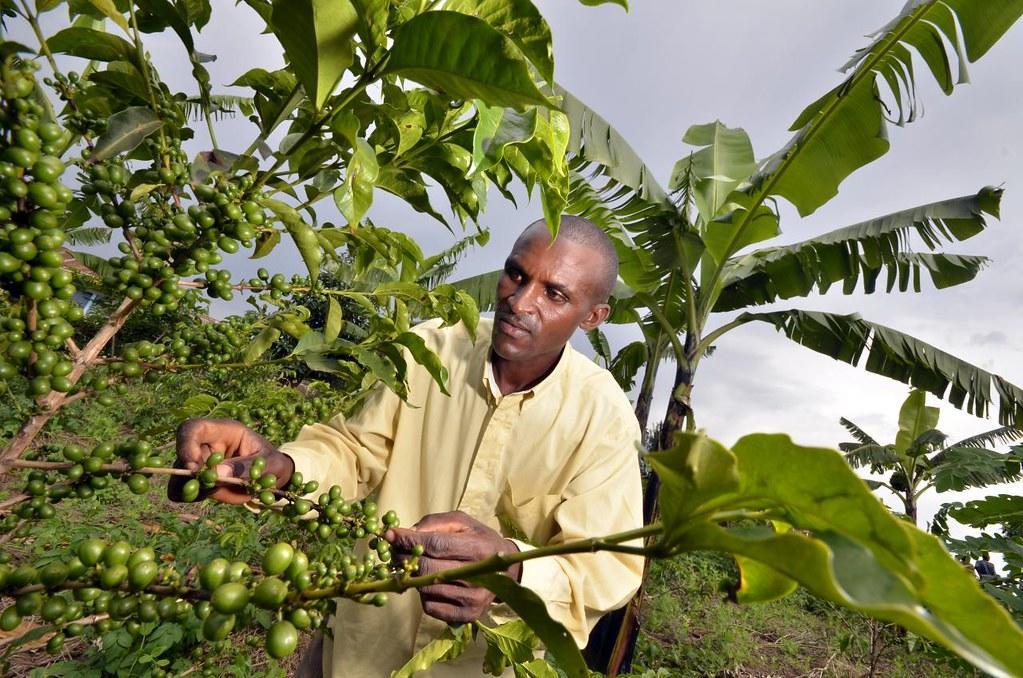
A farmer in his coffee and banana agroforestry planation in Rwanda. Credit: CIAT/Neil Palmer
Accelerating biodiversity-friendly farming practices
While the difficulty of distinguishing biodiverse coffee plantations and plain forest through remote sensing had made it risky for farmers to continue using regenerative agroforestry techniques in the face of EUDR’s requirements, the accelerated evolution of digital tools and their widespread use to detect plot-level land-use change will enable new business models. Analyzing market trends, regenerative practices may become the more lucrative production approach for farmers, who would be able to charge a premium to environmentally conscious consumers, with positive economic and environmental effects, with regenerative practices contributing to biodiversity, soil health and carbon sequestration. As importers must adapt to growing consumer interest, companies themselves may provide economic incentives for farmers to adopt these practices, once again for the benefit of smallholder farmers and their surrounding environments.
Reflecting on the research community’s latest analyses of this situation, Christian Bunn stated that “in discussion with stakeholders from across the coffee supply chain, we identified that these opportunities would evolve out of necessity”, in a chain reaction starting with an urgent need to prove smallholder farmers’ compliance to maintain a steady supply of coffee for the European market. However, it will still require investment and innovation to make these opportunities a reality. The Alliance is piloting tools to empower smallholder farmers to seize these emerging opportunities, collaborating with communities to understand their needs and their capacity to use new tools to document biodiverse practices, their productive capacity and creditworthiness, or direct to farmer climate services and regenerative practices.
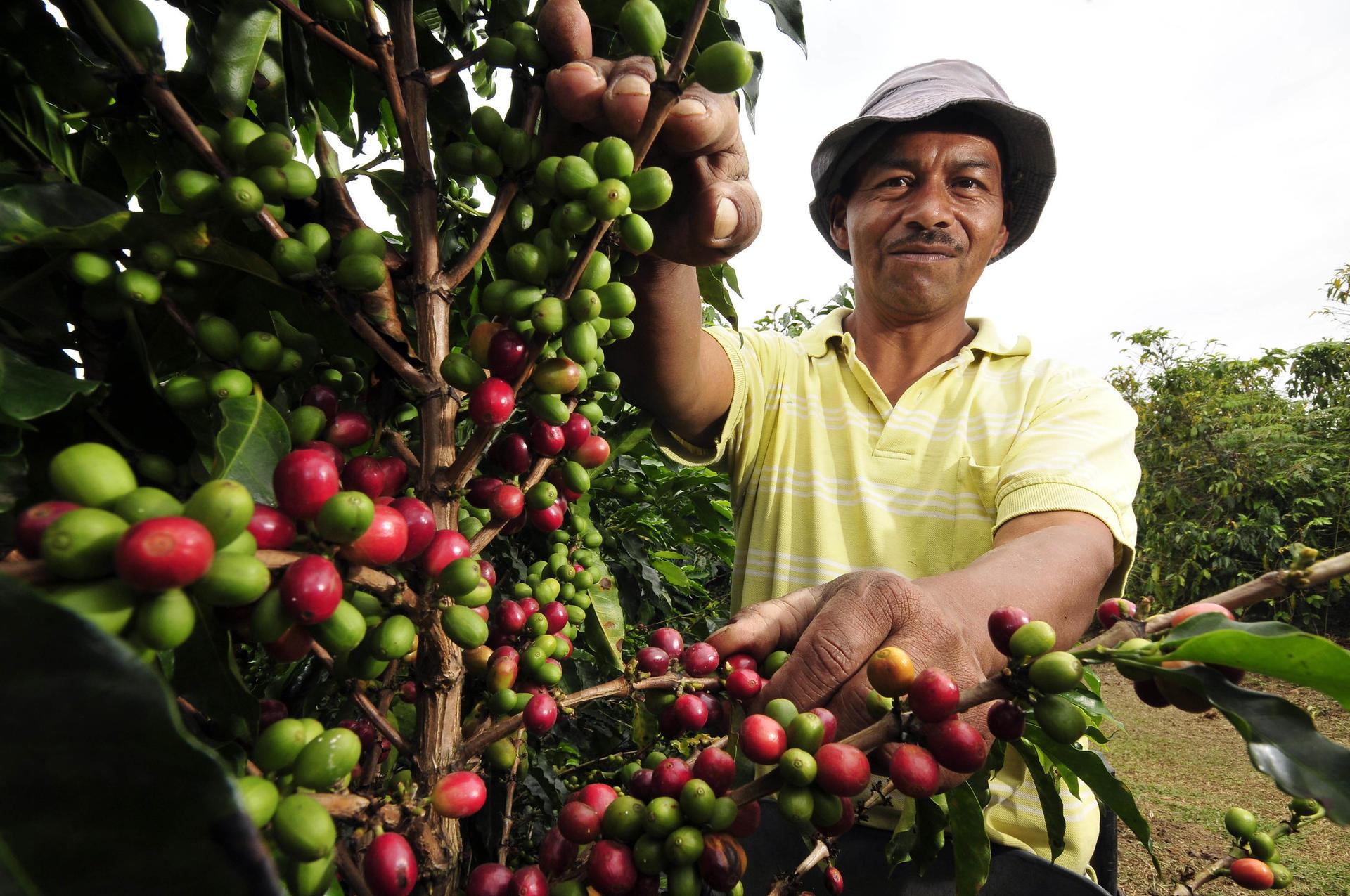
A coffee farm worker in Cauca, southwestern Colombia. Credit: CIAT/Neil Palmer
Concluding thoughts
Overall, the unanticipated challenges that EUDR has created for smallholder farmers can, in the long run, transform the value chains of coffee (and other commodities), for the benefit of producers and the environment. However, action is still needed: from the private sector, new business models are needed, based on traceability and the valorization of biodiversity protection; from the research-for-development community, new traceability tools, protocols and capacity-building activities must be offered, ensuring that smallholder farmers are able to meet their full potential, applying regenerative practices and demonstrating this to secure stronger livelihoods; lastly, on behalf of all organizations and stakeholders involved in the international sale of agricultural goods, advocacy for policies that take into account the unique situations and needs of smallholder farmers is essential, ensuring that policymakers are aware of the importance of their contributions to global food systems, and avoid the development of regulations that inadvertently put both livelihoods and sustainable land-use practices at risk. Together, these can ensure that legally binding sustainability policies such as EUDR do indeed lay the ground for international supply chains that work for both people and the planet.

