
Blog Sustainability policy for smallholder farmers: The challenge

While intergovernmental organizations such as the European Union develop policies to curb deforestation, farmers’ experiences on the ground suggest that these can have unintended negative impacts both on the livelihoods of smallholder farmers and on the upscaling of farming methods that restore and conserve forest health.
Behind a cup of deforestation-free coffee
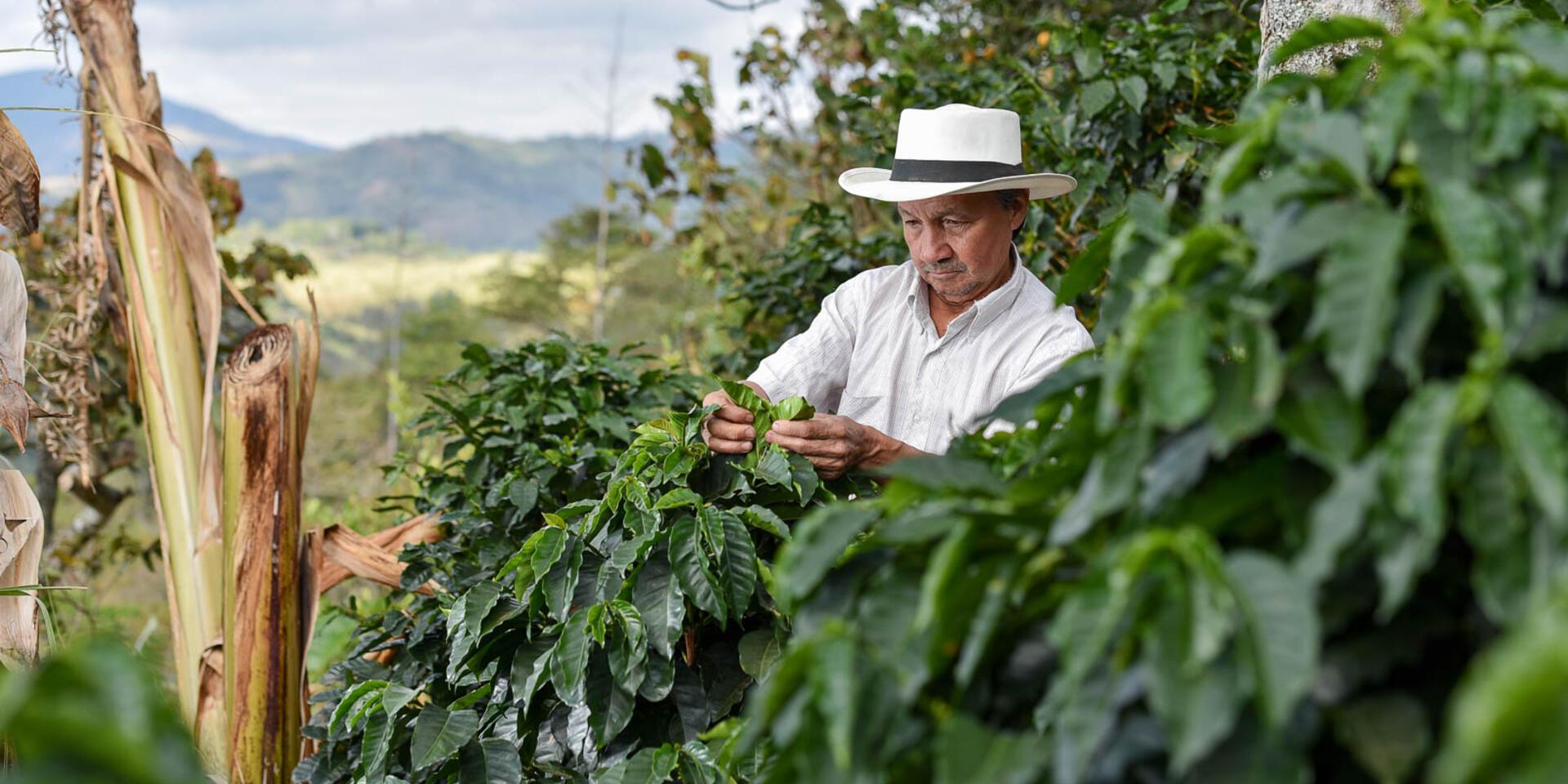
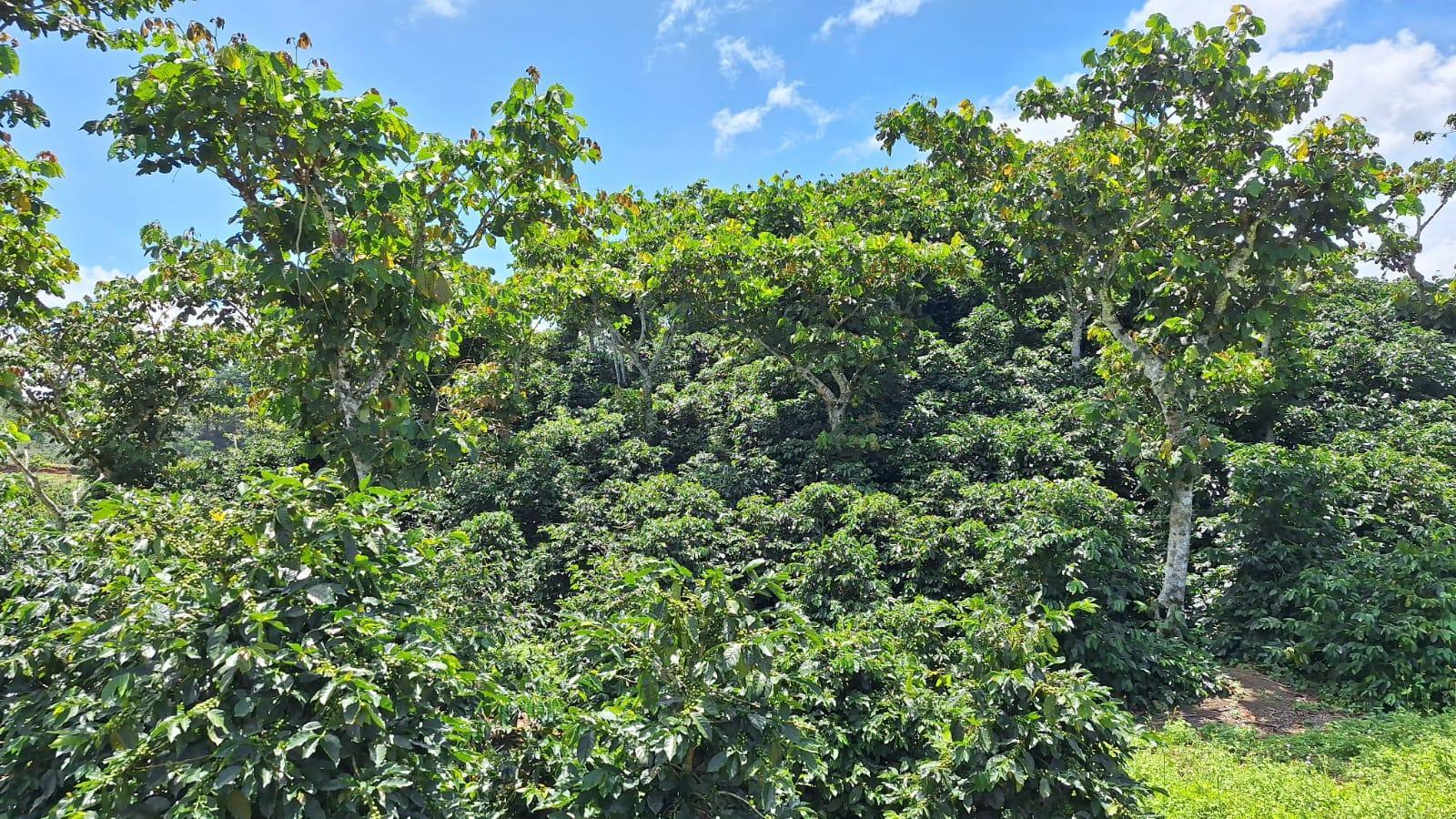
Rio Frío, Honduras: José Darío Enamorado stands on his family’s farm, surrounded by lush trees and coffee plants. “We have worked on this land since the beginning of the 20th century,” he says. “My great grandparents grew grains, raised cattle, and then converted their pasture into shade-grown coffee plantations, creating forest gardens. Organic fertilizer from the trees increased the soil’s fertility and water availability, and coffee became a source of wealth for our lands.” José Darío’s family uses traditional agroforestry farming practices. In recent years, these approaches are receiving increasing attention due to their potential for ecosystem restoration and biodiversity protection.
The European Union invest millions of euros per year to research and implement regenerative practices such as agroforestry. However, although this should be a step in the right direction, in some cases its parallel efforts to legalize the decarbonization of agriculture are putting livelihoods and sustainable practices of smallholder farmers at risk. As European countries set climate action targets, the European Union is establishing regulations to reduce the region’s contribution to climate change and ecosystem degradation. However, do policymakers overlook how regulations may damage existing low-emissions food production, fair incomes, and global food security? To ensure true sustainability of such regulations, the stories behind their implementation must be considered, starting with the farmer.
When asked about the ‘EU Deforestation Regulation (EUDR)’ that was put into force in 2024, José Darío explains the challenge it creates for smallholder farmers, such as himself:
“We confidently comply with the EU regulation, which prohibits the deforestation of forest areas. However, the regulation demands detailed geo-referenced data for coffee exports – a requirement that exceeds the capacity of local producers, who often lack adequate cell phones or lack the knowledge for such precise data collection. This regulation is worrying for producers because it defines whether their coffee will be sold or not, and it is certain that the production cost will rise in order to comply.”
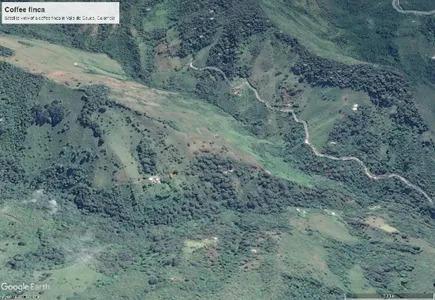
Satellite imagery of shaded smallholder coffee plantations in Colombia. Credit: Image Google Earth Pro
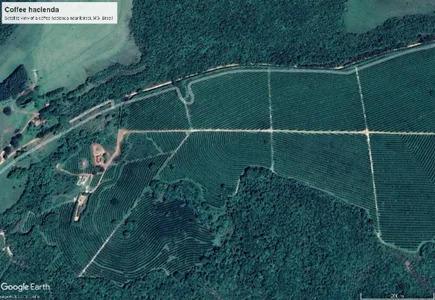
Satellite imagery of coffee plantations in Brazil under full sun. Credit: Image Google Earth Pro
As well as damaging the income of smallholder farmers, this policy does not reward sustainable practices. According to Alliance scientist Christian Bunn – an expert in coffee and cacao value chains – the EUDR’s reliance on geo-imagery means that agrobiodiverse coffee plantations may not be detected due to rich tree cover, whilst, ironically, “coffee from a large estate — grown under full sun, with many fertilizers, irrigated and mechanically harvested — will easily comply”. Plantations on long-established deforested land may have the technology to prove compliance, and their lack of forest cover makes coffee plants easy to detect.
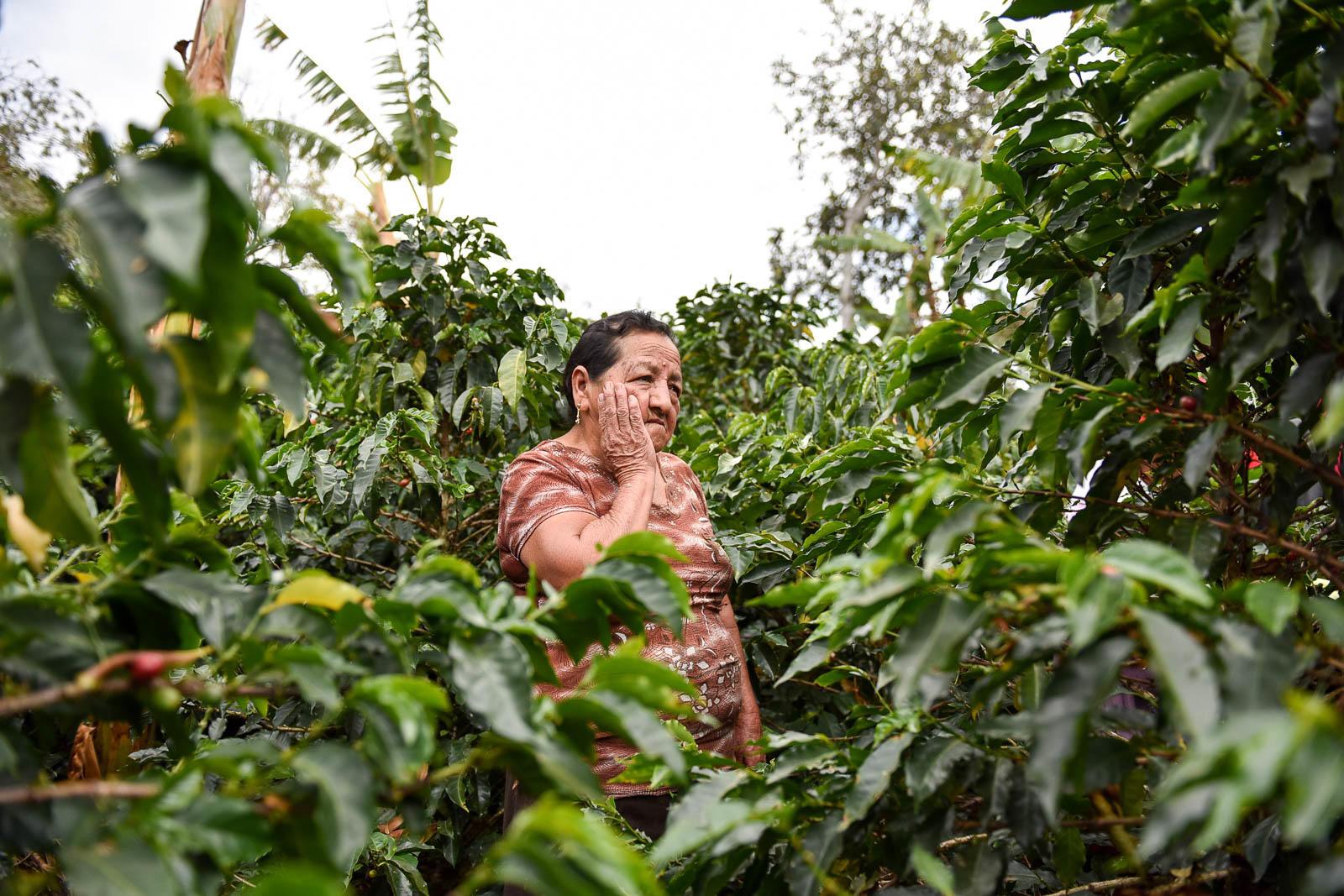
A farmer in Colombia's Nariño Department amongst her coffee bushes. Credit: CIAT/NeilPalmer
EUDR is changing access to global markets
The EUDR does not just affect coffee producers. Smallholder farmers of cattle, cocoa, palm oil, rubber, soy, and wood grown in vegetation-dense environments are at a disadvantage compared to large-scale open-sun producers, and the interconnectedness of global markets – in which smallholder farmers rely on exportation for their livelihoods – means that regulations such as the EUDR blocking their access to lucrative markets, making their low-emissions agroecological production economically unviable, meaning that to secure their incomes, farmers may begin to abandon these regenerative practices.
While smallholder farmers across the world struggle to prove compliance, some countries may be more affected than others, hindering economic development. Consider Ethiopia – the origin of coffee, where Arabica coffee is its #1 export product, and Europe one of its main markets. Approximately 80% of coffee is produced by smallholder farmers, many of whom use high-shade cultivation like in José Darío’s community in Honduras; however, if they don't receive support to prove compliance with the EUDR, they must either abandon switch to full-sun production, find new sources of revenue, or search for alternative buyers on unregulated markets. Alternatively, certification – that would allow them to sell to companies that prioritize forest conservation – is often a costly process, blocking avenues for smallholder farmers to maintain agrobiodiverse landscapes while securing a reliable income.
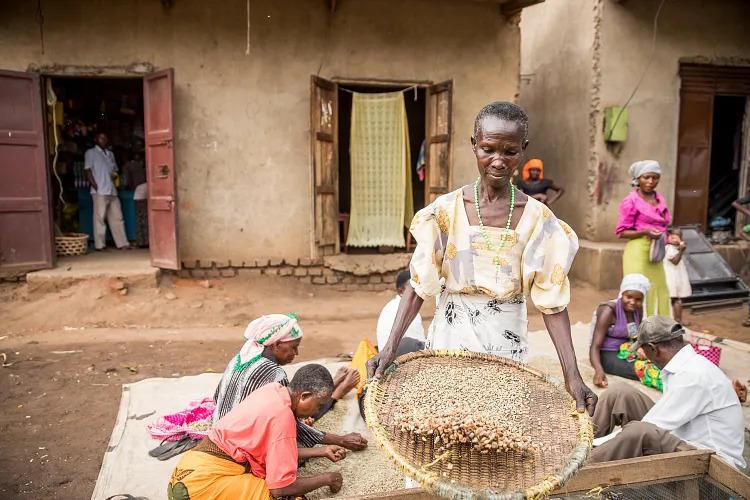
Coffee-producing smallholder farmers sorting coffee beans. Credit: HRNS
Final thoughts
By seeing the implications of sustainability regulation across the production chain, it’s clear that the development and enforcement of regulation lacks a nuanced perspective. For regulation to achieve its objective of incentivizing sustainable farming, producers' experiences must be considered, the suitability of the measurement process reconsidered, and disparities in technology access addressed. In this context, what can the agricultural research-for-development community offer? In the remaining two stories in this series, we explore the technological innovations that can support farmers in overcoming these obstacles, and how these challenges can finally turn into opportunities, ensuring that sustainability regulations boost low-emissions food system while leaving no one behind.

