From the Field Peeling back the Layers: A groundbreaking study on how nutritious bananas could help fight vitamin A deficiency in Uganda
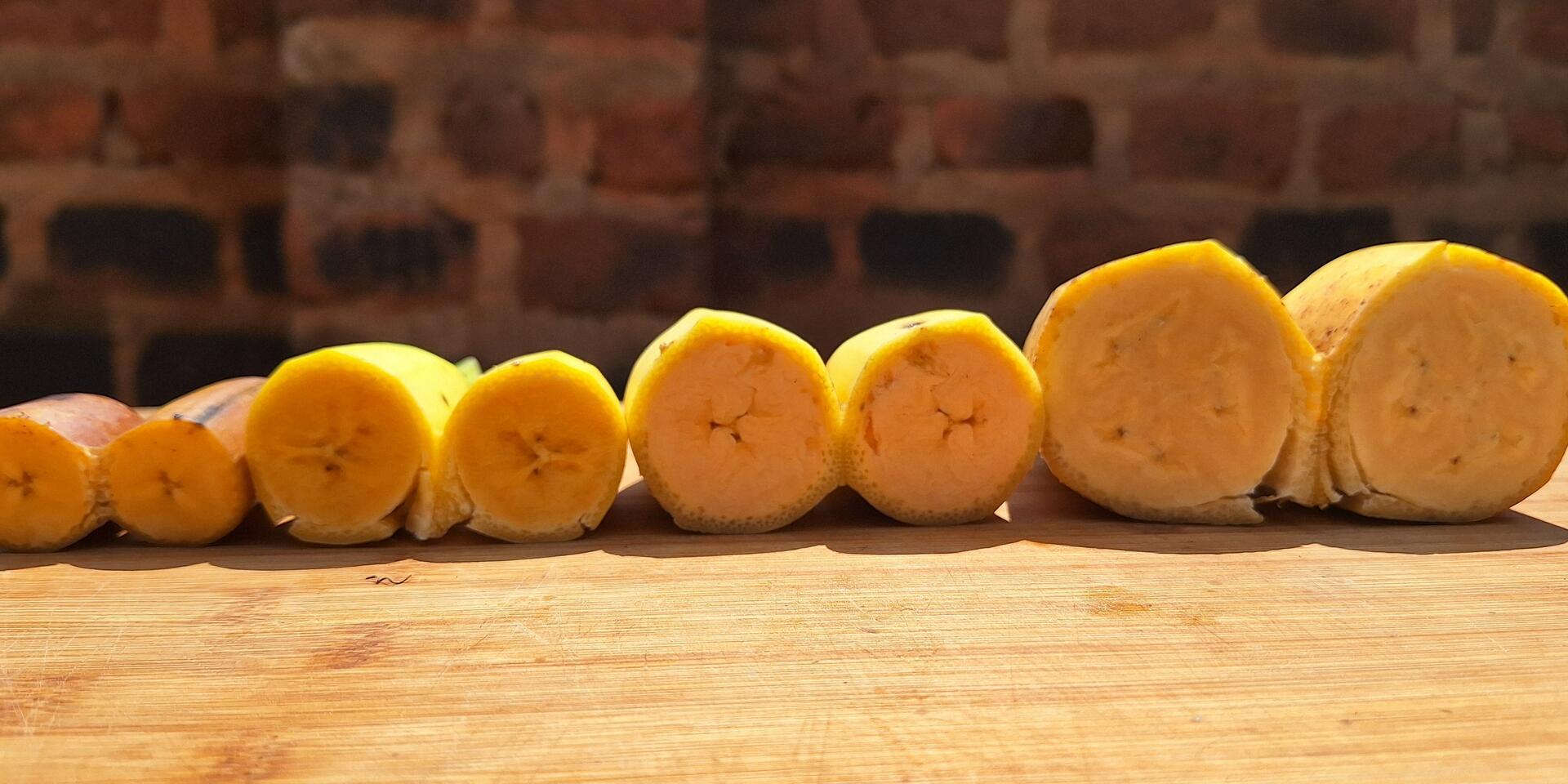

A bioefficacy study in Tororo District (eastern Uganda), aims to assess how well the consumption of pVACs bananas can improve vitamin A levels in children aged 6-14 years. The results will inform efforts to integrate pVACs bananas into farming systems and diets in Uganda, the Democratic Republic of Congo (DRC), Burundi, Tanzania and beyond.
Vitamin A deficiency is a major health issue in Uganda, especially affecting young children and women. This deficiency can lead to a weakened ability to fight disease, irreversible loss of sight, and even death. Although there are efforts to disseminate vitamin supplements and fortified foods, these solutions don’t always reach everyone. Bananas, which have a daily per capita consumption of one and a half pounds in Uganda, provide an opportunity for tackling malnutrition when integrated into farming systems and diets.
Powerful ways to fight deficiency
One of the most effective and sustainable ways to combat vitamin A deficiency is to improve dietary diversity and the consumption of foods rich in the nutrient. This approach can:
- Enhance nutritional intake: A variety of foods ensures that people get a broader range of essential nutrients, including vitamin A.
- Support local agriculture: Growing and eating a variety of local crops, including those rich in vitamin A, strengthens food systems and boosts local economies.
- Ensure sustainability: Diversified diets are less dependent on external food aid and fortification programs, which can be intermittent and limited in scope.
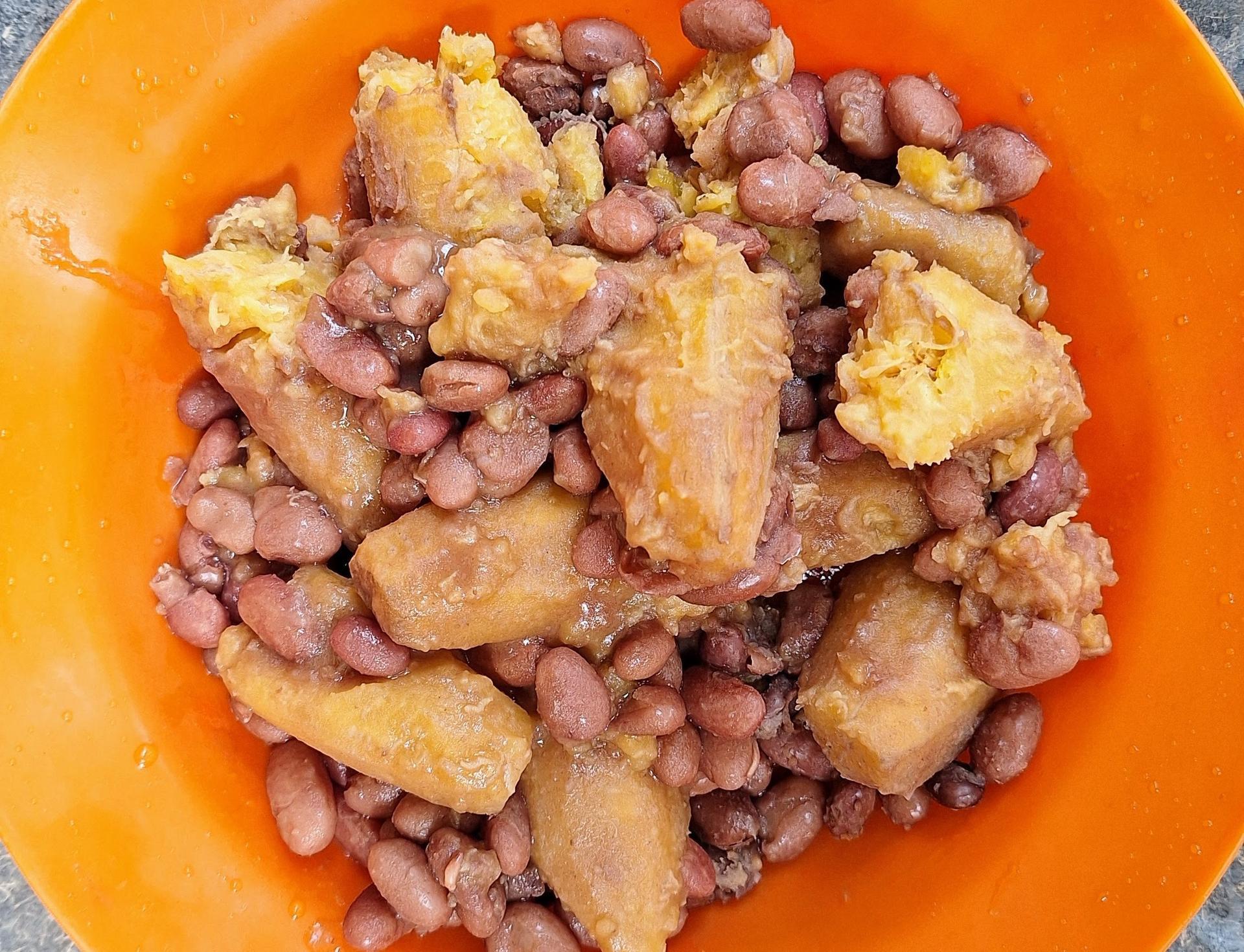
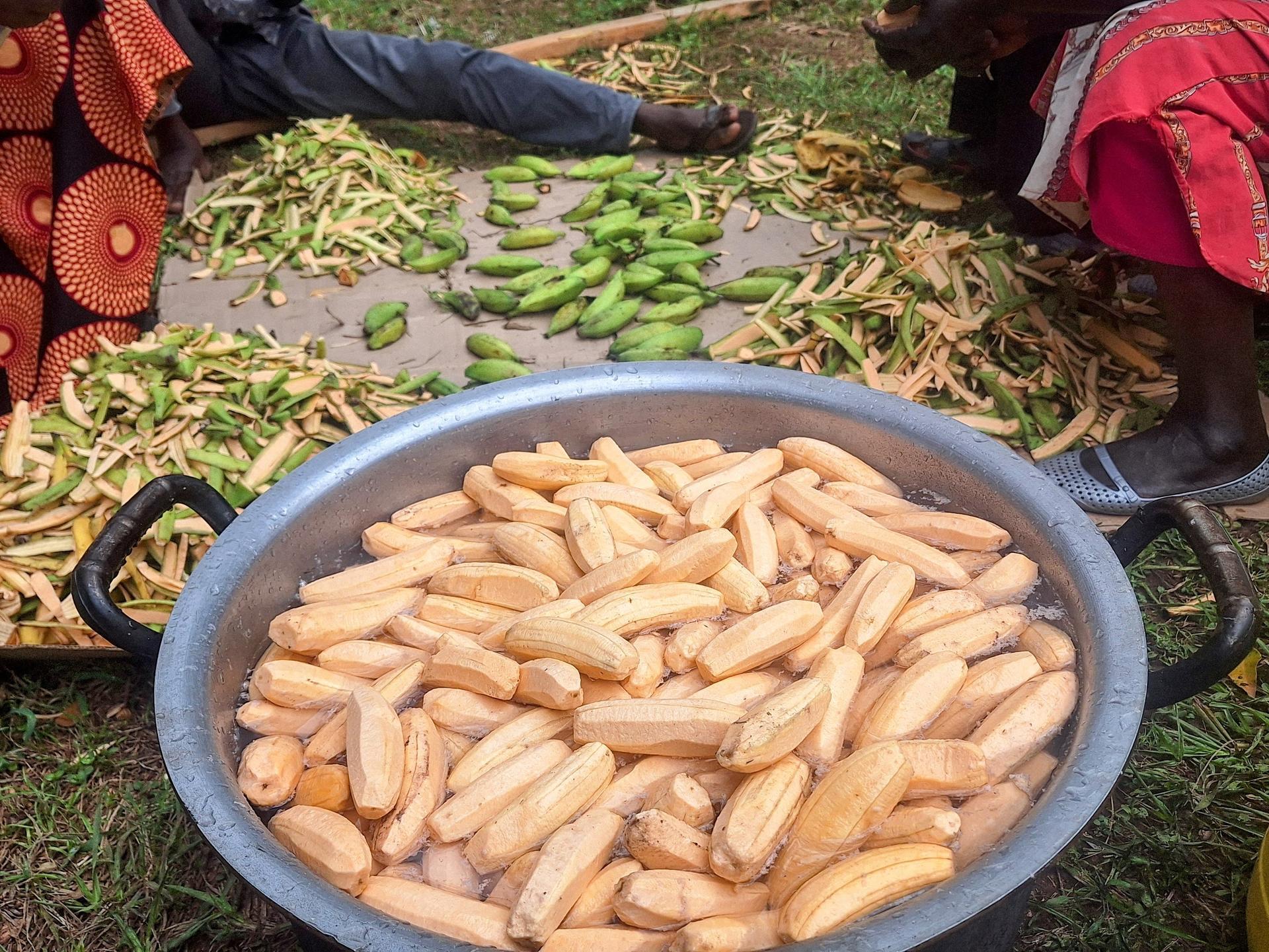
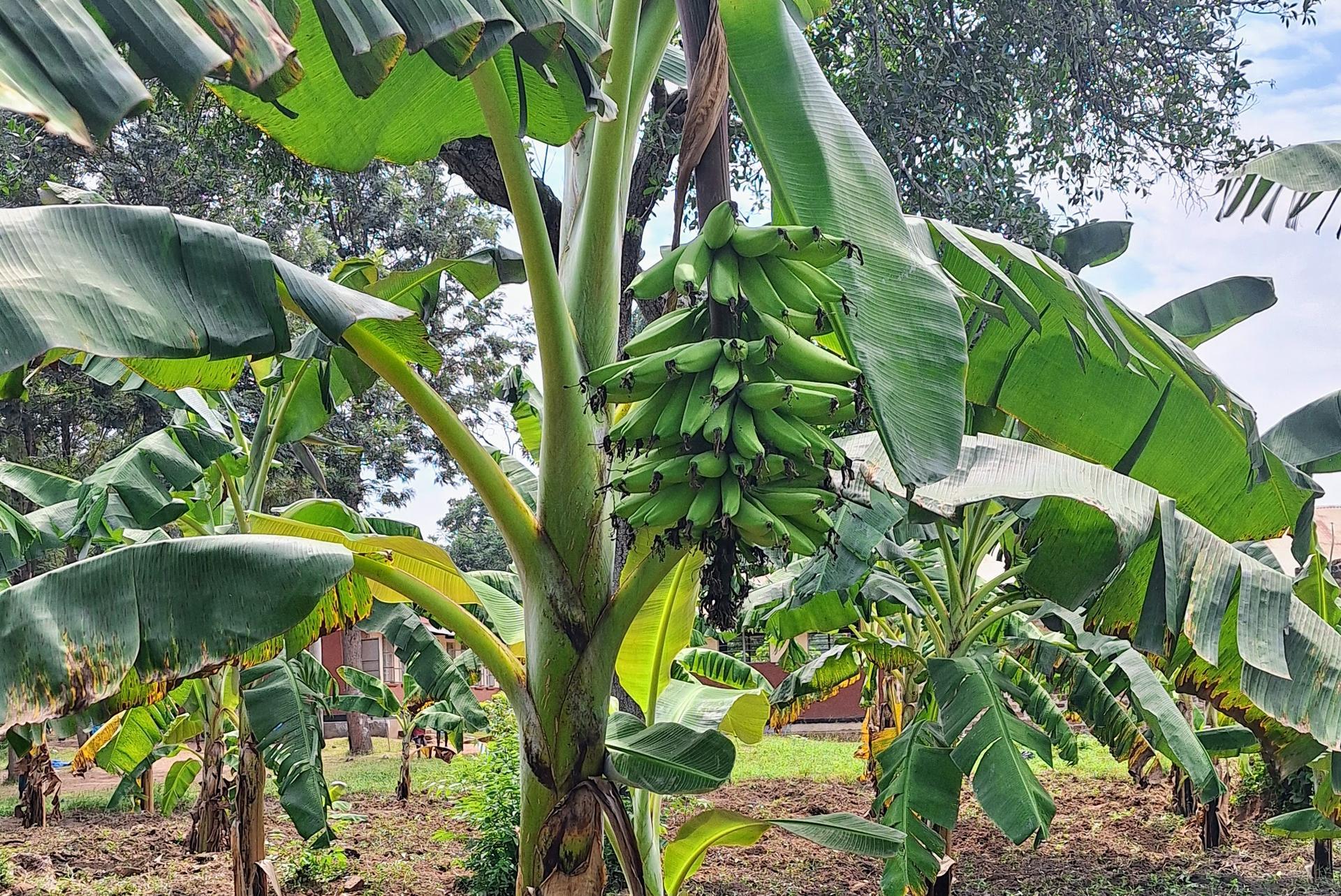
The Bioefficacy Study: Testing a nutritious banana
Over the past 10 years, the Alliance of Bioversity International and CIAT, together with partners in the Democratic Republic of Congo (DRC), Burundi, Tanzania, and now Uganda, evaluated 15 provitamin A-carotenoid-rich bananas (pVACs bananas) of different sub-groups from different countries (plantain, ABB cooking bananas, AA and AAA dessert bananas, Pacific plantain and AA cooking bananas). Following promising results from the agronomic and sensory evaluations, an essential next step was to generate evidence on the efficacy of their consumption and nutrient absorption.
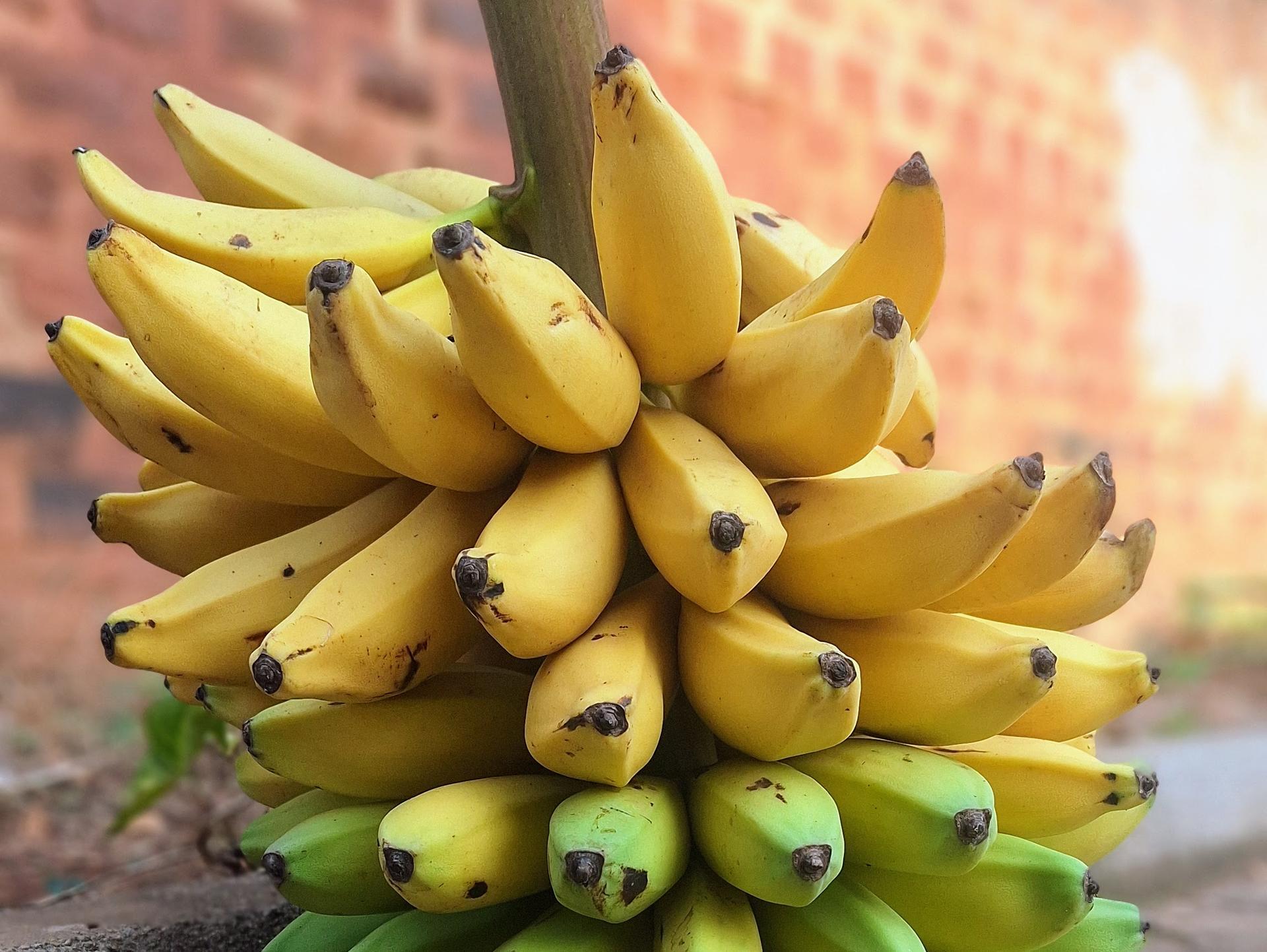
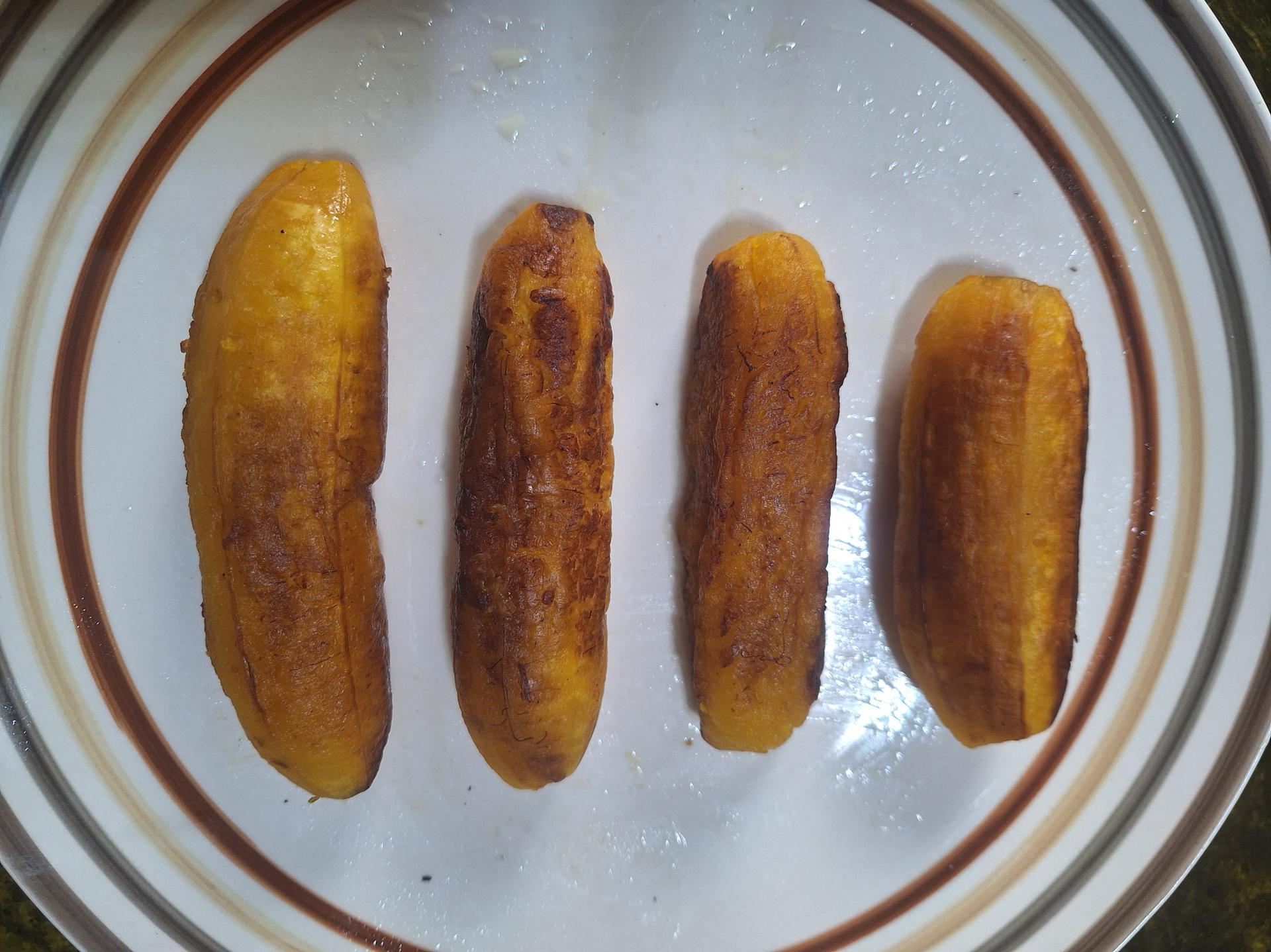
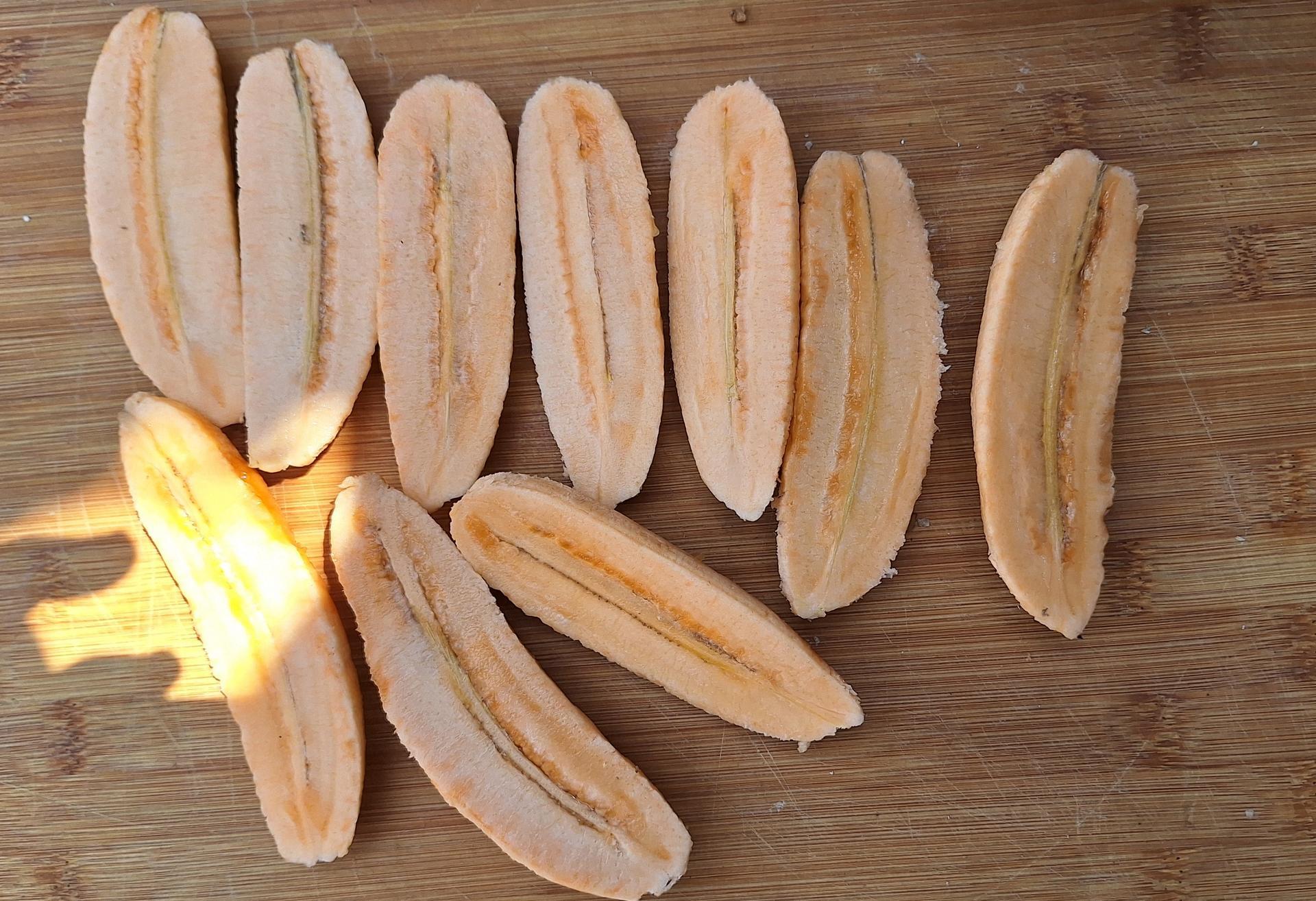
A bioefficacy study has therefore been conducted in Tororo District in eastern Uganda, led by a team of researchers from the Alliance, Newcastle University, Wageningen University and Makerere University, in collaboration with the Ministry of Education and Sports, the Ministry of Health, and the Tororo District Local Government. The study aims to assess how well the consumption of pVACs bananas can improve vitamin A levels in children aged 6-14 years, using the retinol isotope dilution technique.
Findings: What’s special about ‘Bira’?
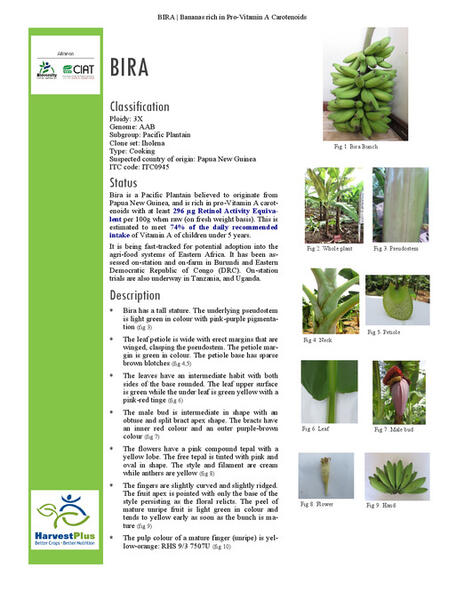
The Bioefficacy study focused on ‘Bira’, a Pacific plantain believed to originate from Papua New Guinea with at least 296 µg retinol activity equivalent per 100g when raw. This is estimated to provide 74% of the recommended daily intake of vitamin A for children under 5 years of age. It was compared to ‘Kibuzi’, a local banana variety. 100 children participated in the study and were given either pan-fried ‘Bira’ or ‘Kibuzi’ bananas once a day for a total of 56 days.
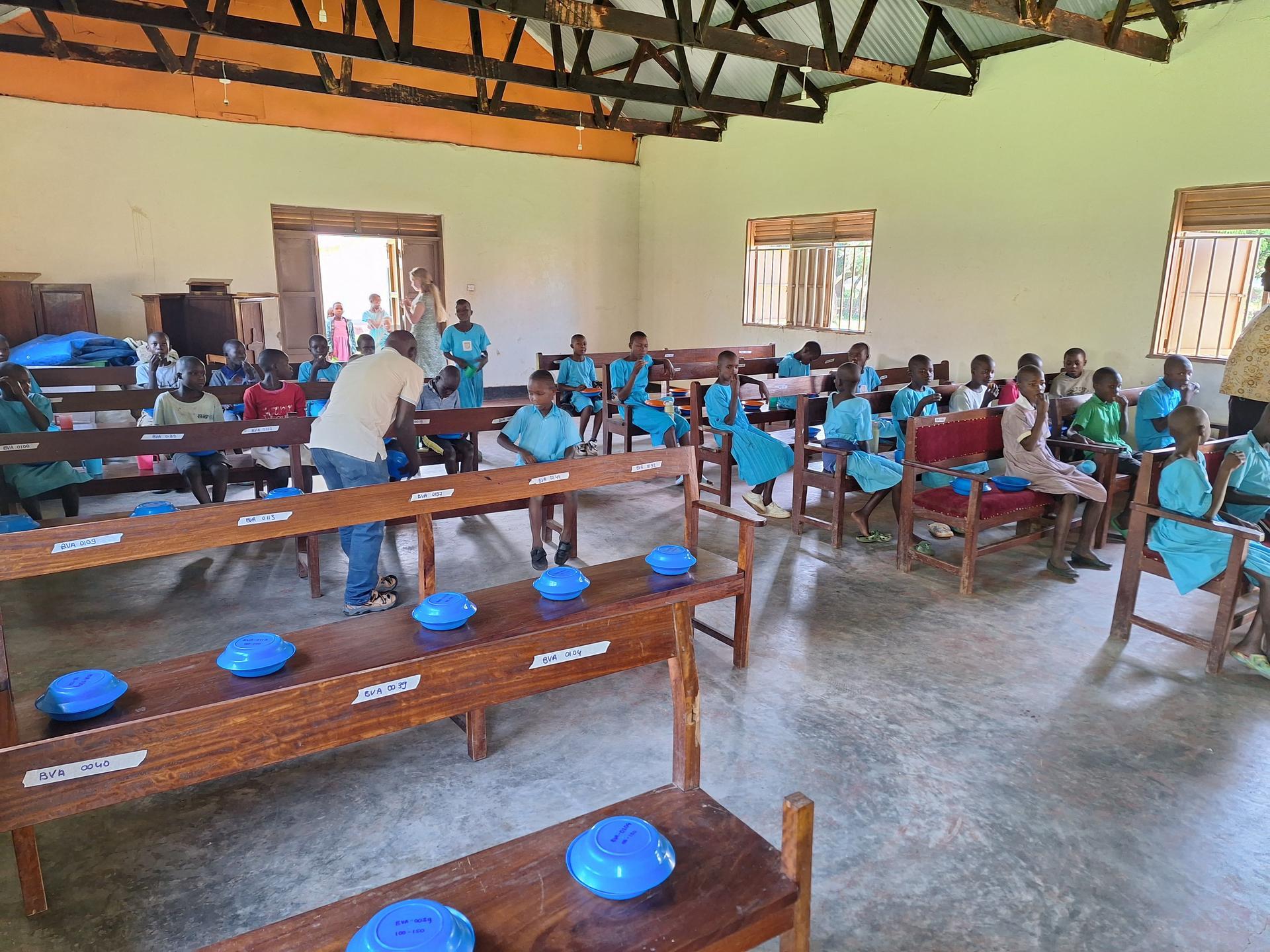
By tracking changes in vitamin A levels over time, the team aim to demonstrate how regular consumption of ‘Bira’ could increase vitamin A intake and total body stores.
Laboratory and data analysis is currently ongoing. If ‘Bira’ bananas meet expectations, pVACs bananas could play a significant role in addressing vitamin A deficiency, supporting current agricultural and public health efforts, and providing a sustainable, local solution. The results will inform efforts to incorporate pVACs bananas into farming systems and diets in Uganda, the DRC, Burundi, Tanzania, and beyond.
About this work
The pVACs banana bioefficacy study was funded by the International Atomic Energy Agency (IAEA), Nutricia Foundation, and the Alliance of Bioversity International and CIAT.

The Team

Deborah Nabuuma
Scientist I
Moses Owori
Senior Research Associate - NutritionRelated Publications