Blog A Community Facilitation Model that Reached 42,861 Households in Northern Uganda
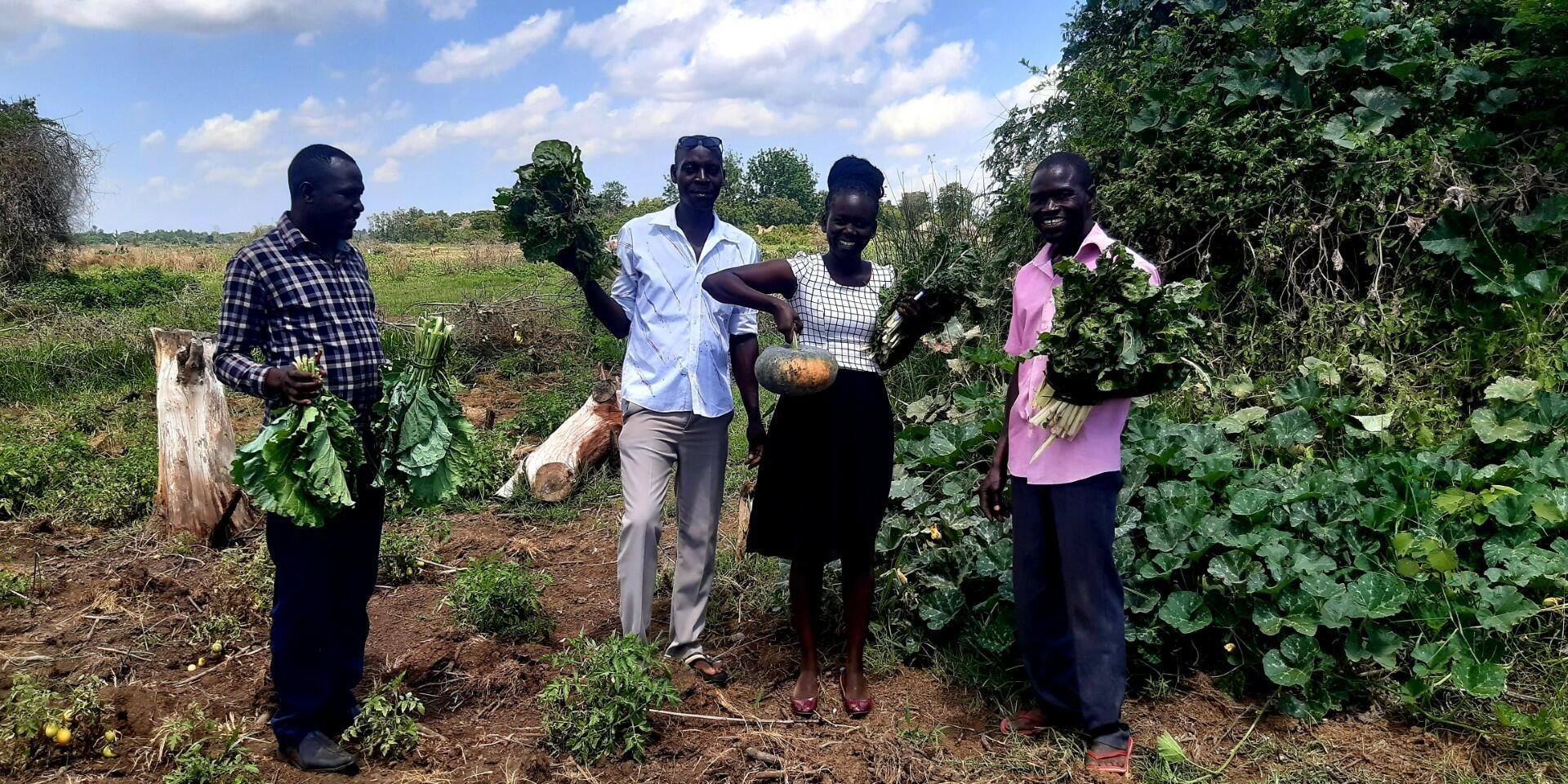

The need to reach households to increase food security, nutrition, incomes and health is clear; but, how to do so in the most vulnerable areas, and over large territories where households can be far apart? Discover an experience that we can learn from.
The context
Building Resilience to Enhance Food and Nutrition Security, Incomes and Health in Northern Uganda (BRENU) was a project under the Development Initiative for Northern Uganda (DINU), a program of the Government of Uganda supported by the European Union (EU). Led by the International Institute of Tropical Agriculture (IITA), a consortium of six partners, including the Alliance, aimed to reach 51,250 households (approximately 60% represented by women) from seven districts in two sub-regions of Northern Uganda: Lango (five districts) and Teso (two districts).
The model
To achieve this, the BRENU consortium designed the following model for community facilitation:
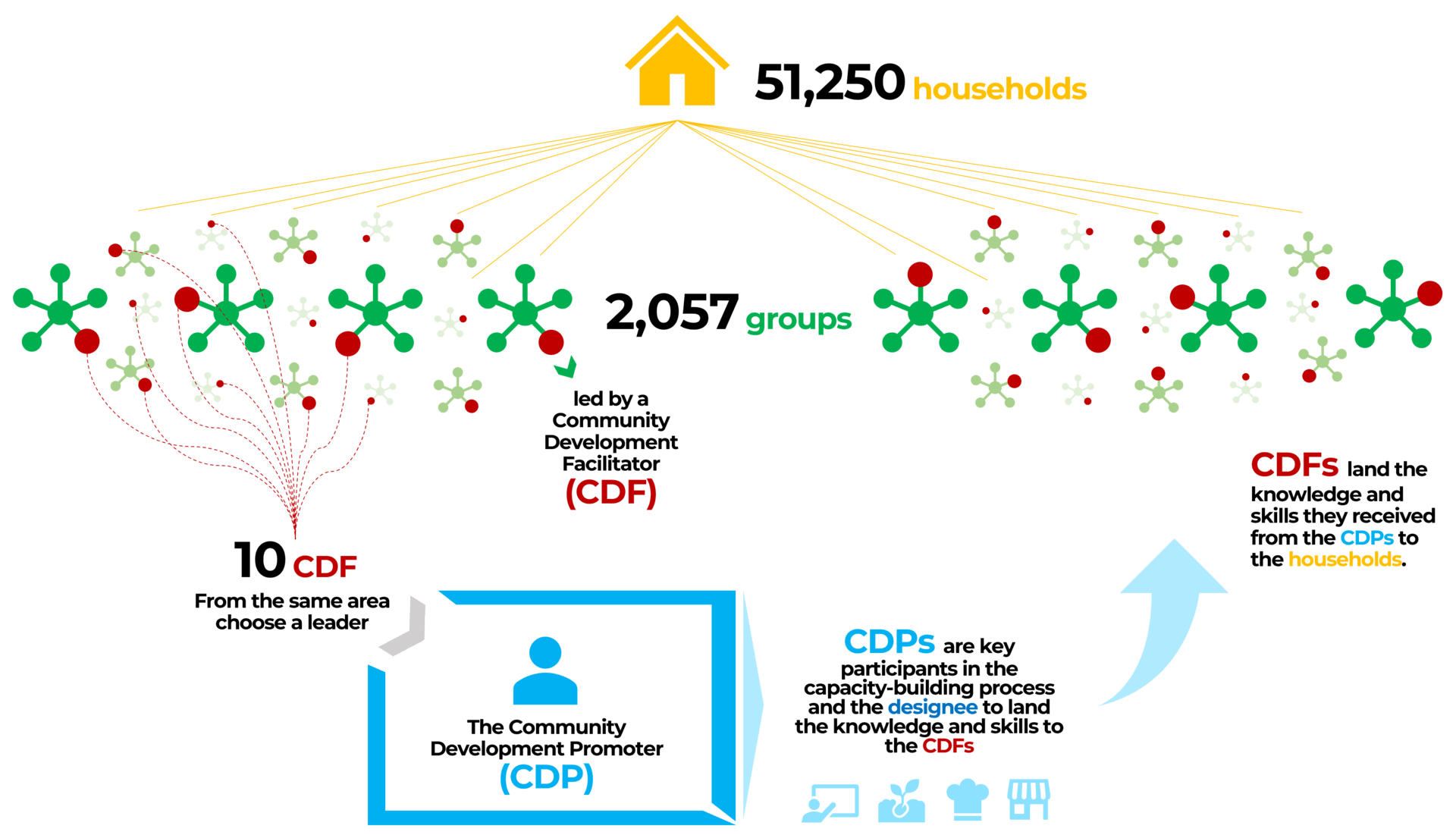
Figure 1. BRENU Community Facilitation Model
As shown in Figure 1 from top to bottom, each household designated a member to represent the household in a group of 25-30 members (60% of whom are women, 2,057 groups in total). Each group was led by a Community Development Facilitator (CDF); 10 CDFs from the same area worked together as a group and chose a leader called a Community Development Promoter (CDP). These CDPs participated in capacity-building sessions organized by the consortium, and were tasked to transfer the knowledge and skills acquired to the 10 CDFs in their groups. Finally, these CDFs in turn reached out to the households in their respective groups with the same information, using simplified teaching tools.
The teaching tools
The Alliance led the production of educational materials on nutrition-sensitive agriculture, and our role was to ensure that communities acquire the necessary skills and knowledge to access (through production and purchase), prepare and consume diverse nutritious foods sustainably. Using the community facilitation model, the Alliance carried out capacity building and awareness raising through three modules:
-
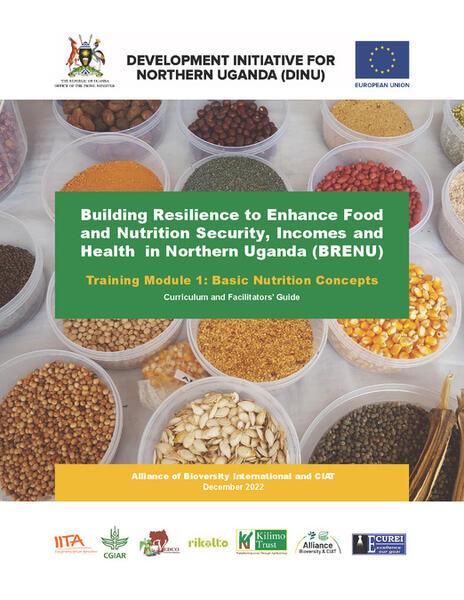
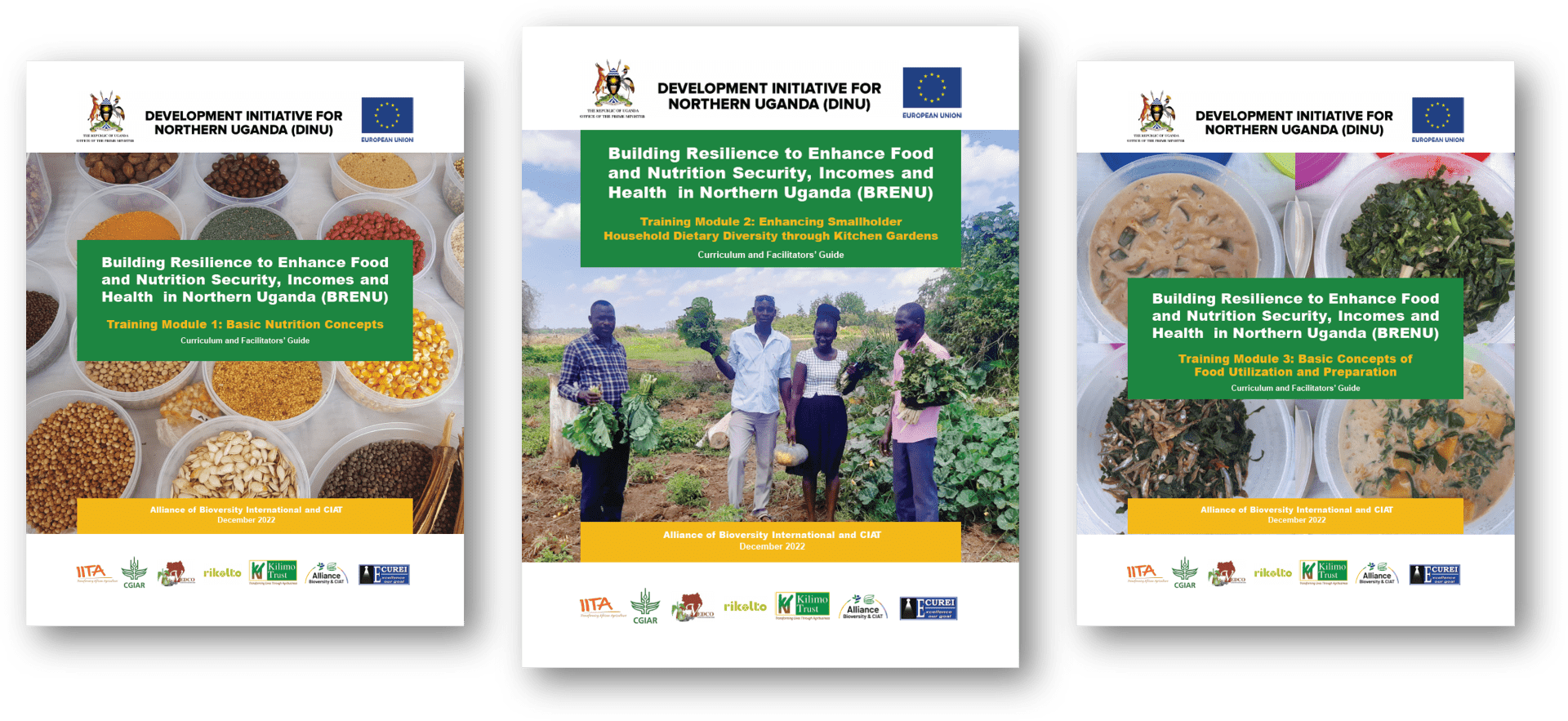
Module 1: Basic Nutrition Concepts: This module covered the nutritional characteristics of agricultural foods, making connections between the foods that local communities produce or purchase, their nutritional benefits, and how to achieve good nutrition for all household members.
-
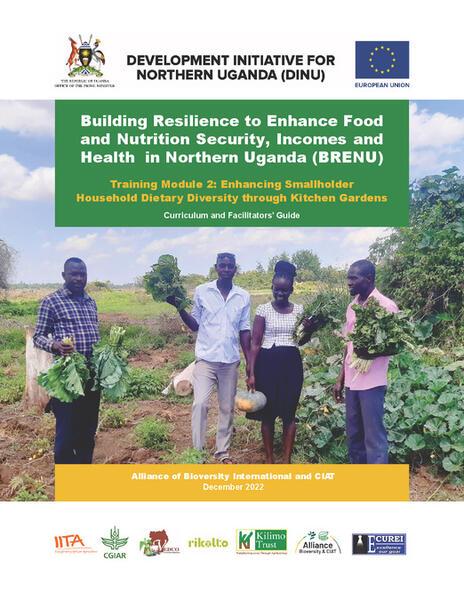
Module 2: Enhancing Smallholder Household Dietary Diversity through Kitchen Gardens: Each CDP and CDF established a demonstration kitchen garden, which they use to train their group members. The purpose of this module is to help communities appreciate the importance of fresh home-grown fruits and vegetables in household diets, and how these can also be a source of income.
-
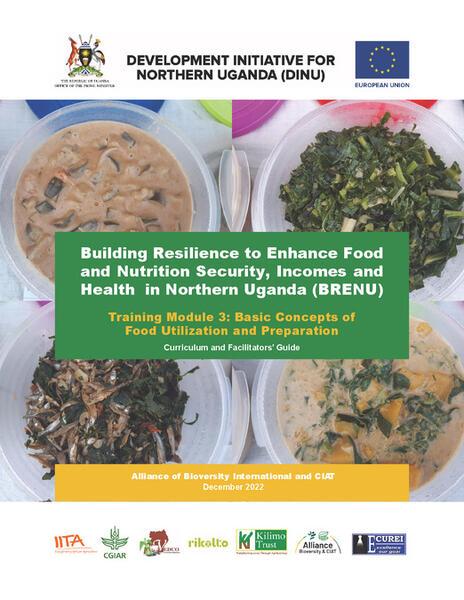
Module 3: Basic Concepts of Food Utilization and Preparation: This module aims to improve processes for preparing safe, culturally acceptable, and nutritious meals. It includes cooking demonstrations for diversifying household meals and incorporating nutrient-rich foods for household meals as well as for small-scale processing and sale.
The training manuals developed under the three modules can be accessed by clicking on each title above. These manuals provide a nutrition-sensitive package of formal training, informal technical assistance, and mentoring services for use at the local level.
In addition to the kitchen gardens established by the CDPs and CDFs, one-acre demonstration gardens were established by each CDP and their group members. Both the kitchen gardens and the one-acre demonstration gardens focused on seven key crops that had been identified through community engagement: orange-fleshed sweet potato, high-iron beans, papaya, green leafy vegetables (leafy amaranth, kale/sukuma wiki, spinach), and pumpkin. The one-acre demonstration gardens supported seed multiplication and community learning field days.
Collaboration with the private sector to reach markets
In addition to ensuring vulnerable households’ production and consumption of diverse nutritious foods, the Alliance collaborated with the private sector (small and medium enterprises) to ensure that nutrient-rich products reach markets. This included the development of nutrient-dense foods based on high-iron beans (HIB) and orange-fleshed sweet potatoes (OFSP). Two products (instant porridge and whole meal) were co-developed with Divine Organic Foods, evaluated with the community, certified by the Uganda National Bureau of Standards, and launched in May 2023. The two products were well received by community members, who indicated that the main driver of acceptability was their nutritional value. A post-launch survey was conducted by the private sector partners to enable upscaling and distribution of the nutritious products to reach more people.
The outcomes from our scientist’s perspective:
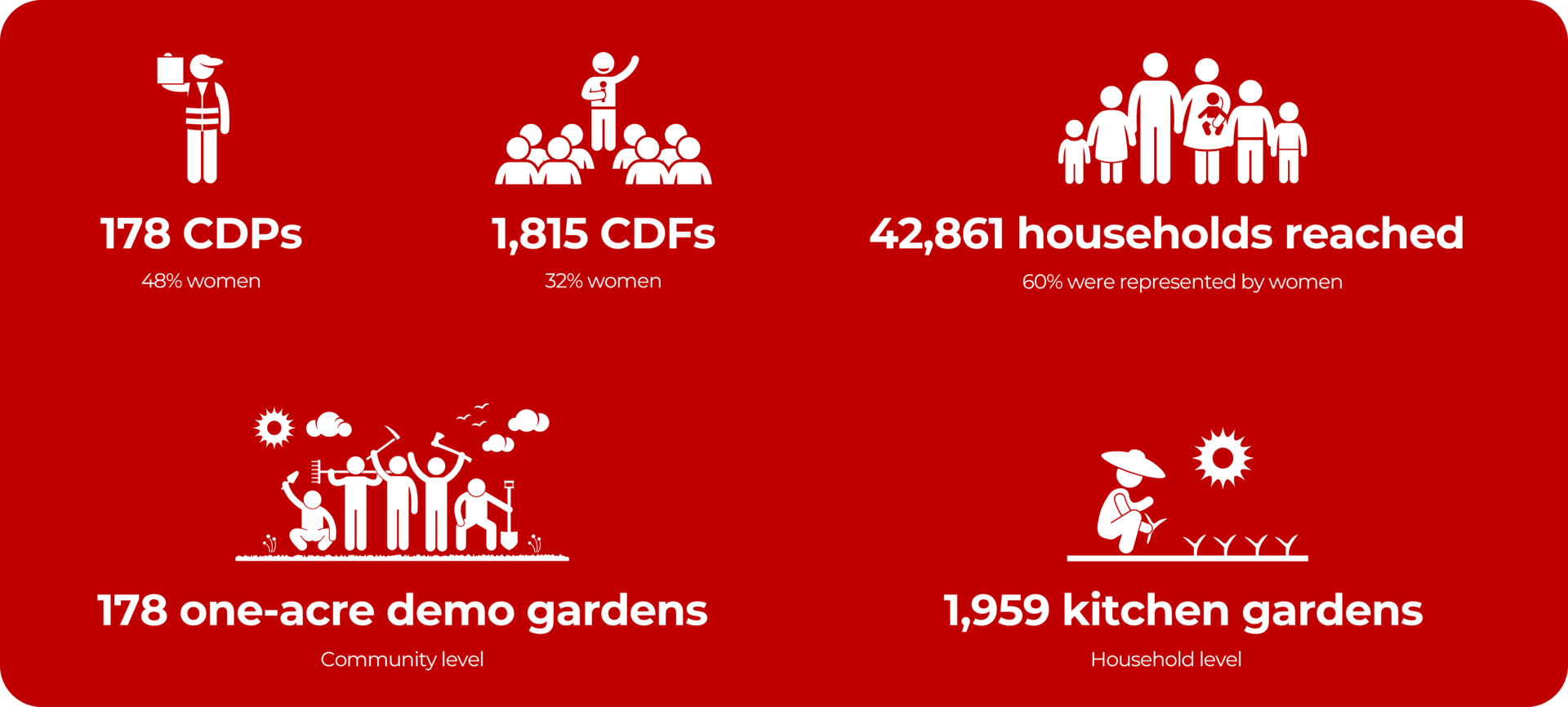
Over the three-year period, the Alliance trained an average of 178 CDPs (48% women), who reached 1,815 CDFs (32% women) and 42,861 households (60% represented by women). The project also established 178 one-acre demonstration gardens at the community level and 1,959 kitchen gardens at the household level, making significant contributions to the nutrition, income and well-being of many households.
We know that outcomes do not come only from applying a model, but from the implementation and interaction of many (sometimes uncontrolled) factors. Here are some project outcomes in the words of Alliance scientists:
“Almost every home has what we call a kitchen garden, which improves household food and nutrition security and becomes a source of income. Here, people consume vegetables, which they consider food for the poor. People cannot afford to buy meat, so eating meat is prestigious. However, after the training, participants had a better understanding of the importance of eating these fruits and vegetables daily. …Most of the beneficiaries did not fully recognize the value of the different foods, nor did they correctly categorize them as energy-giving, body-building and body-protecting foods. After the training, when the trainers asked them to say where each food belongs, they were able to categorize them clearly. Participants also learned how to prepare different foods to ensure that the nutrients are retained whilst making the food safe to eat: A lot of knowledge!” - Juliet Faith Ecii, Research Associate, Food Environment and Consumer Behavior Research Area, Africa hub
“If you go to the community you see that many of the members we worked with are growing orange-fleshed sweet potatoes. We also trained them on value addition: how to use homemade sweet potato puree to make chapati, bread and porridge. Many people are now making these things, and if you go to the market, you will find snacks made from pumpkin and sweet potato. Some model farmers also grind amaranth seeds to make porridge flour. With these communities, we also held cooking demonstrations, sharing tips on how to prepare a variety of foods. When you go to this community now, you find that these people are preparing these foods in ways that are safe and healthy, using the knowledge that we shared. Their kitchens are clean, the food preparation is hygienic, and participants now make sure to follow the five critical moments of washing. The storage facilities are also better, and they know tricks on how to store food properly." - Jaqueline Akullo, Research Associate, Food Environment and Consumer Behavior Research Area, Africa hub
The BRENU project worked closely with the local government. The Alliance’s activities were aligned with the Parish Development Model through community mobilization for improved nutrition outcomes and training of Parish Nutrition Coordination Committee members. This contributed to the extension of the government’s nutrition coordination structure at the parish level and the government’s development agenda.
The Team
Beatrice Ekesa
Senior Scientist, Country Representative for Uganda
Fred Kato
Research Specialist
Moses Owori
Senior Research Associate - Nutrition
Deborah Nabuuma
Scientist I
Ecii Juliet
Research Associate NutritionBRENU sought to enhance food and nutrition security, increase household incomes, and improve mother and child health in Northern Uganda by promoting the production of diversified crops and animal products; commercializing agriculture; improving post-harvest handling, food preparation; encouraging family planning for improved and sustainable livelihoods; and enhancing household resilience to climate change and empowering women and youth.
IITA led the implementation of BRENU together with a consortium of five partners: (i) Voluntary Efforts for Development Concerns (VEDCO), (ii) Kilimo Trust (KT), (iii) Rikolto International, (iv) the Alliance of Bioversity International and CIAT, and (v) Ernest Cook Ultrasound Research and Education Institute (ECUREI). BRENU was carried out from 2020-2023.
Access the training modules