Press and News New THRIVE project launches to advance plant diversification and inclusive value chains across East Africa

A new project, THRIVE, has launched across Ethiopia, Kenya and Uganda, bringing together soil restoration, crop diversification and inclusive markets to strengthen smallholder livelihoods and resilience.
Across East Africa, climate shocks, soil degradation and biodiversity loss are putting increasing pressure on agricultural production, while fragmented markets, price volatility and limited access to finance constrain opportunities for farmers and rural businesses. Farmers need quality seed and planting material, healthy soils and the knowledge to respond to changing growing conditions, but they also depend on what happens beyond the farm, from aggregation and transport to reliable buyers and markets. Without these conditions, increasing production does not necessarily translate into higher incomes or more secure livelihoods. Yet the region also has considerable agricultural diversity that remains underused, including neglected and underutilized species (NUS) and nutrient-rich African indigenous vegetables (AIVs), which have the potential to contribute to more diverse farming systems and diets while creating additional sources of income and market opportunities.
It is within this context that the Alliance has launched THRIVE - Transforming soil Health, livelihoods and nutrition through Regenerative diversification a 24-month initiative working across Ethiopia, Kenya and Uganda. Funded by the Italian Ministry of Foreign Affairs and International Cooperation (MAECI), and implemented in collaboration with UNIDO, CIHEAM Bari, ECDPM and national partners in the three countries, THRIVE takes a systems approach that brings together what happens on the farm with the wider environment in which farmers, businesses and markets operate, recognizing that healthier soils and more diverse production need to be supported by functioning value chains if they are to translate into lasting livelihood opportunities.
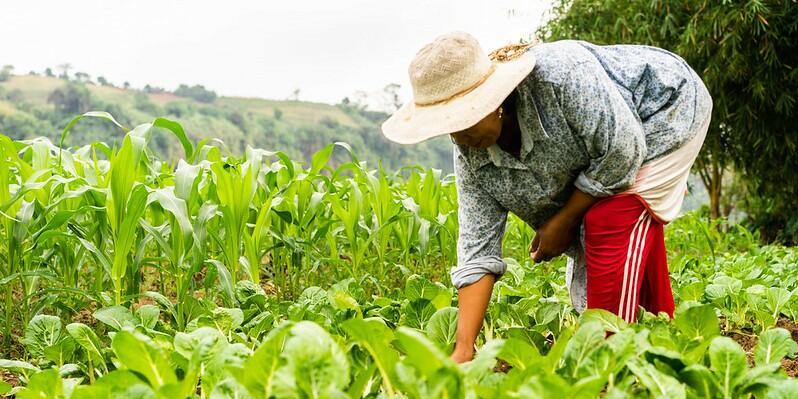
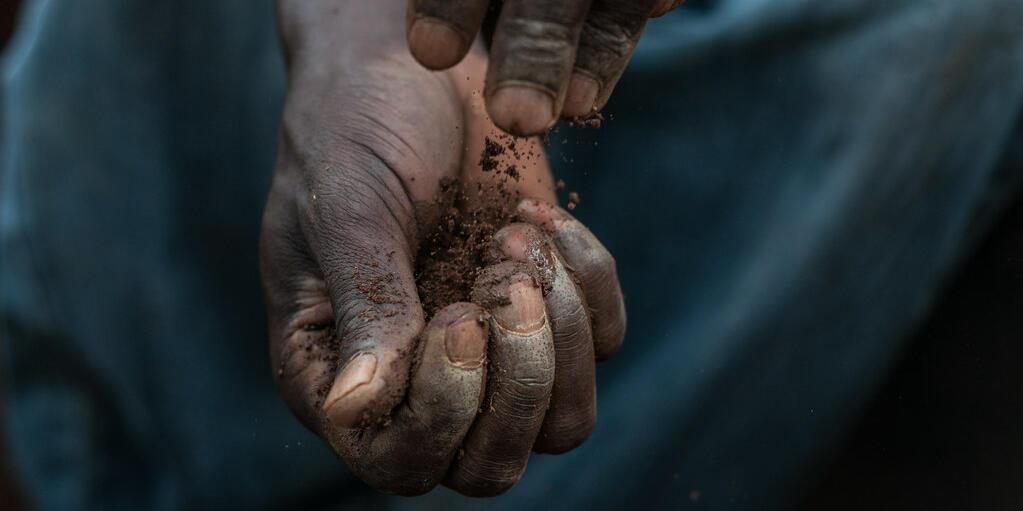
“THRIVE is built on the premise that soil restoration and crop diversification must advance together. Integrating NUS, AIVs, legumes, and agroforestry species into farming systems can improve soil health and water retention, while creating opportunities for more diverse diets and additional sources of income. Diversification, in this sense, is both an environmental and economic strategy,’ says Celine Termote, leads THRIVE East Afica.
At regional level the project fosters dissemination of best agricultural practices, supports policy dialogues through the African Seed and Biotechnology Program's (ASBP) opportunity crop working group, promotes linkages with the African Continental Free Trade Area (AfCFTA), and facilitates cross-country knowledge sharing, thanks to cross-learning experiences promoted by CIHEAM Bari for farm system’s diversification to strengthen NUS value chains.
At country level, the work will look different across Ethiopia, Kenya and Uganda, reflecting the crops, markets and challenges that matter in each country.
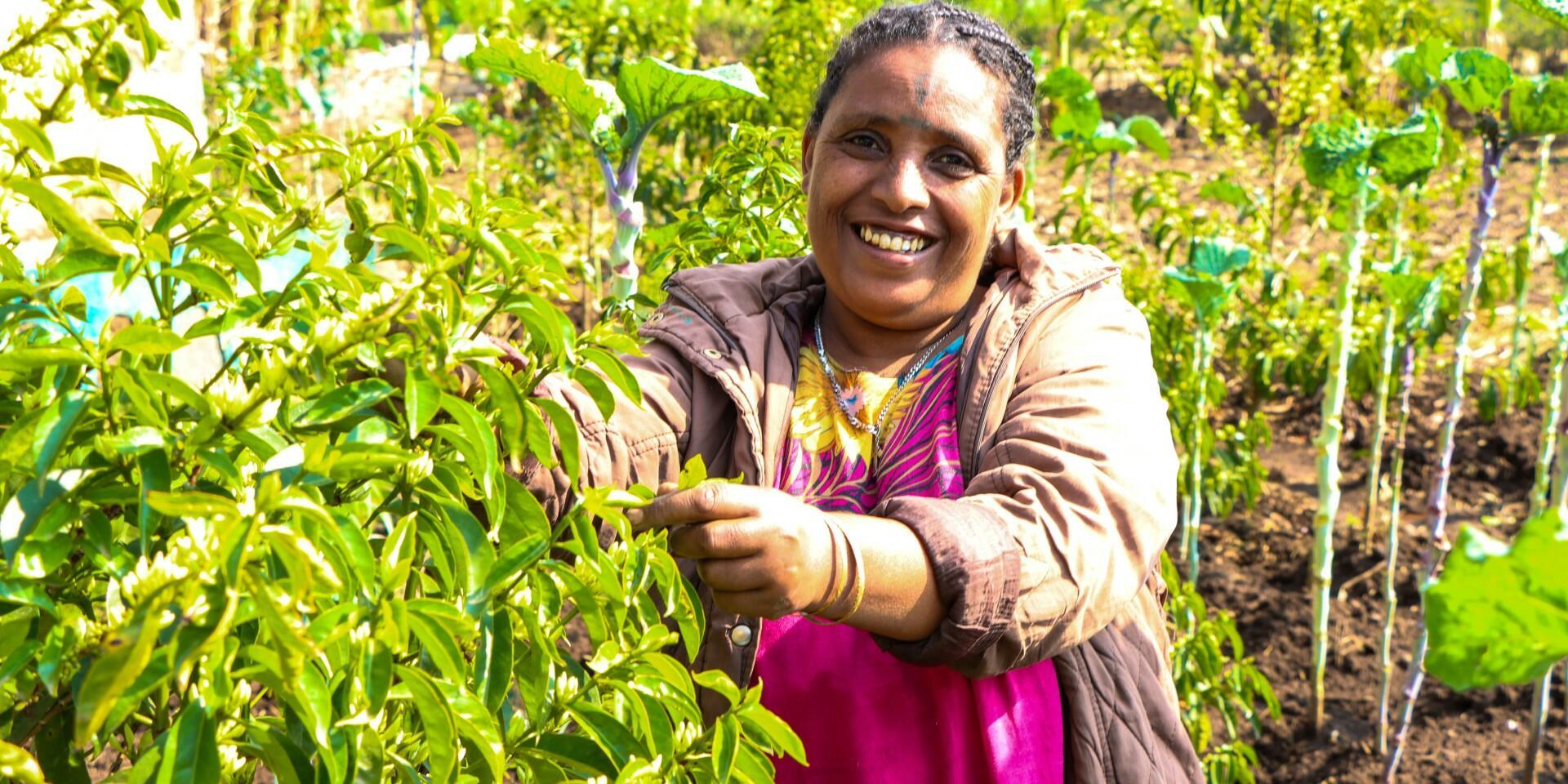
In Ethiopia, where coffee is an important source of livelihoods and export income, THRIVE will support more diverse, regenerative and deforestation-free coffee agroforestry systems, combining improved soil management and the integration of neglected and underutilized species with digital tools for climate information, forest monitoring and traceability. By looking at production alongside the requirements of increasingly demanding international markets, the work aims to help strengthen coffee systems from the farm through to the market rather than treating these challenges separately.
More than 10,000 smallholder coffee farmers are expected to benefit from the work in Ethiopia, with farmers reached through cooperatives, extension services, Farmer Field Schools, coffee training centres and digital platforms. The project will also work with extension agents, cooperatives, private-sector actors and government staff, reflecting the range of people and institutions involved in making the coffee value chain work.
In Kenya, the project will focus on African indigenous vegetables and other underutilized crops, building on existing production clusters and market networks to strengthen the connections between farmers and consumers. While these crops are already part of local diets and have nutritional and commercial potential, fragmented value chains can limit the opportunities available to those who produce and trade them. THRIVE will therefore work across the value chain, linking community seed banks and regenerative production with aggregation, logistics, finance, businesses, institutional buyers and consumer demand, with the aim of developing more efficient and inclusive commercial corridors for these crops.
The project expects to work with around 7,000 smallholder AIV and NUS farmers in Kenya, alongside market vendors, intermediaries, youth enterprises and agritech businesses. By addressing challenges such as fragmented markets, post-harvest losses, transport costs and limited access to finance, the work aims to make it easier to connect production with demand, including from urban consumers and institutions such as schools and health facilities.
In Uganda, THRIVE will work within coffee-growing landscapes, where integrating neglected and underutilized crops and African indigenous vegetables into regenerative coffee agroforestry systems can contribute to healthier soils while opening additional opportunities for food and income. The work will combine soil health and diversified production with enterprise development, capacity building and stronger market connections, exploring how coffee-growing households can benefit from farming systems that are productive and resilient while being less dependent on a single crop.
More than 7,000 smallholder coffee households and extension agents are expected to benefit from activities in Uganda, including demonstration farms, training and the adoption of agricultural innovations, while farmers, cooperatives, private-sector actors and other stakeholders will be involved in designing approaches suited to local coffee systems.
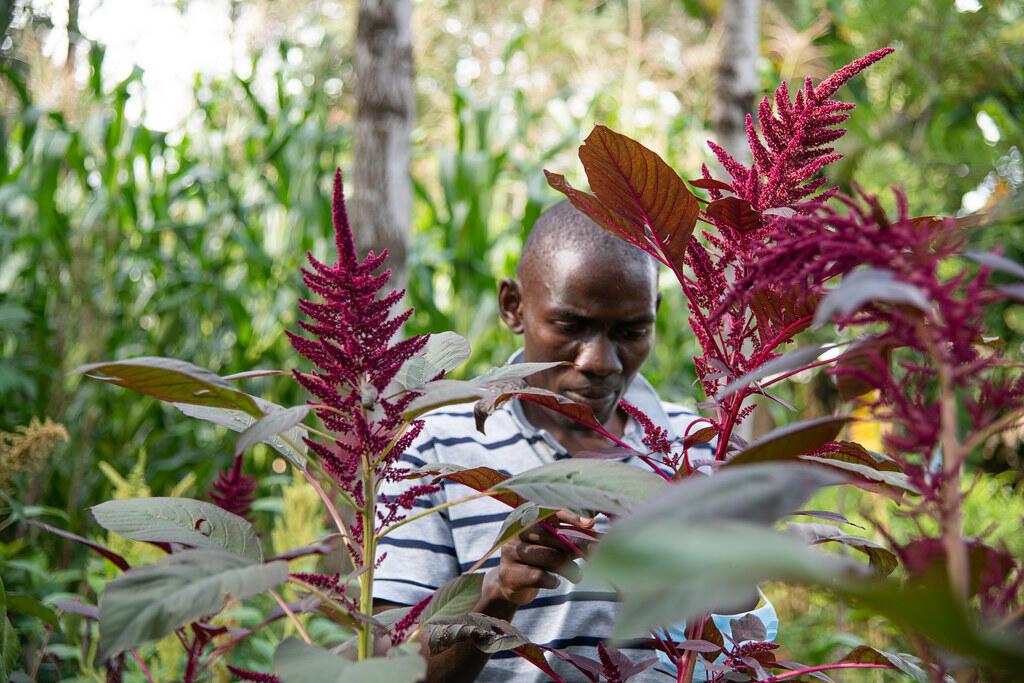
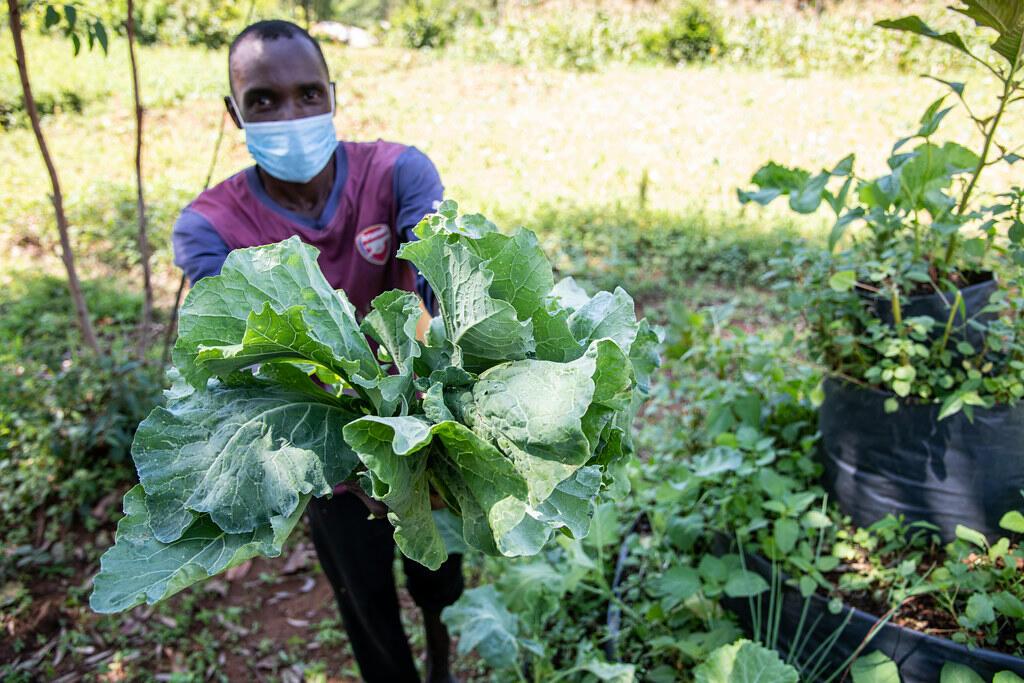
Across the three countries, the focus is on making the connections between production and markets work better, so that farmers can find reliable buyers, and create better livelihood opportunities. This will involve working with farmers alongside cooperatives, businesses, buyers, financial institutions, researchers and policymakers to improve access to markets and finance, strengthen value chains and create better opportunities for the people who produce, trade and depend on these crops.
The initiative is expected to have the potential to reach around 25,000 smallholder farmers through extension, training and cooperative engagement, as well as approximately 600 value-chain actors, including aggregators, processors, vendors, youth enterprises and agritech businesses.
Over the next two years, THRIVE will use the experience from Ethiopia, Kenya and Uganda to build evidence on what works, what needs to be adapted and where there is potential to scale. By bringing these lessons into policy and investment discussions, the project aims to inform approaches that can extend beyond the three countries, while keeping the focus on farming systems that are more resilient, markets that create real opportunities and better livelihoods for the farmers and communities that depend on them.