Blog Cultivating opportunity: Revaluing traditional crops for nutrition, heritage and resilience in Africa

How can forgotten Amaranthus varieties, traditional Baobab ‘foodways’ and niche Fabirama tubers contribute to food systems transformation in Africa?
Today, wheat, maize and rice provide approximately 50% of our plant-derived calories; yet, diversification through ‘neglected and underutilized species’ (NUS) could support the creation of climate-resilient and nutrition-sensitive food systems. NUS are the traditional, wild or semi-domesticated species that formed the basis of diets for generations, but that have largely disappeared from modern markets and diets due to changing consumer preferences. However, today more than ever, their unique qualities are attracting recognition: Traditional crops are often better adapted to local climates, have greater nutrient density than commercially cultivated varieties, and they are central to countries’ gastronomic heritage. As we search for solutions to environmental and public health challenges across Africa and beyond, diversifying food systems by reincorporating NUS could contribute multiple benefits. Here, we spotlight three crops – Amaranthus, Baobab and Fabirama – exploring how community-led initiatives are bringing them back to life, encouraging us to reimagine a ‘food systems transformation’ grounded in community and culture.
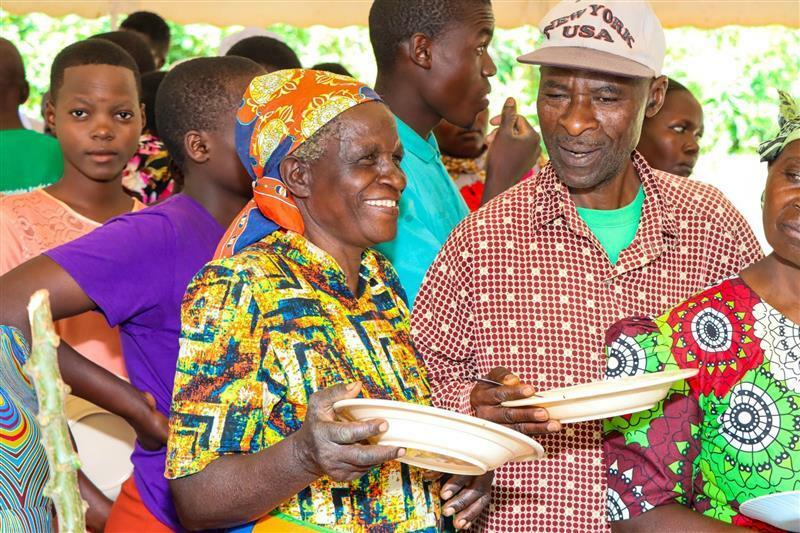
Participants during the sensory evaluation of traditional leafy vegetables. Credit: Owen Kimani
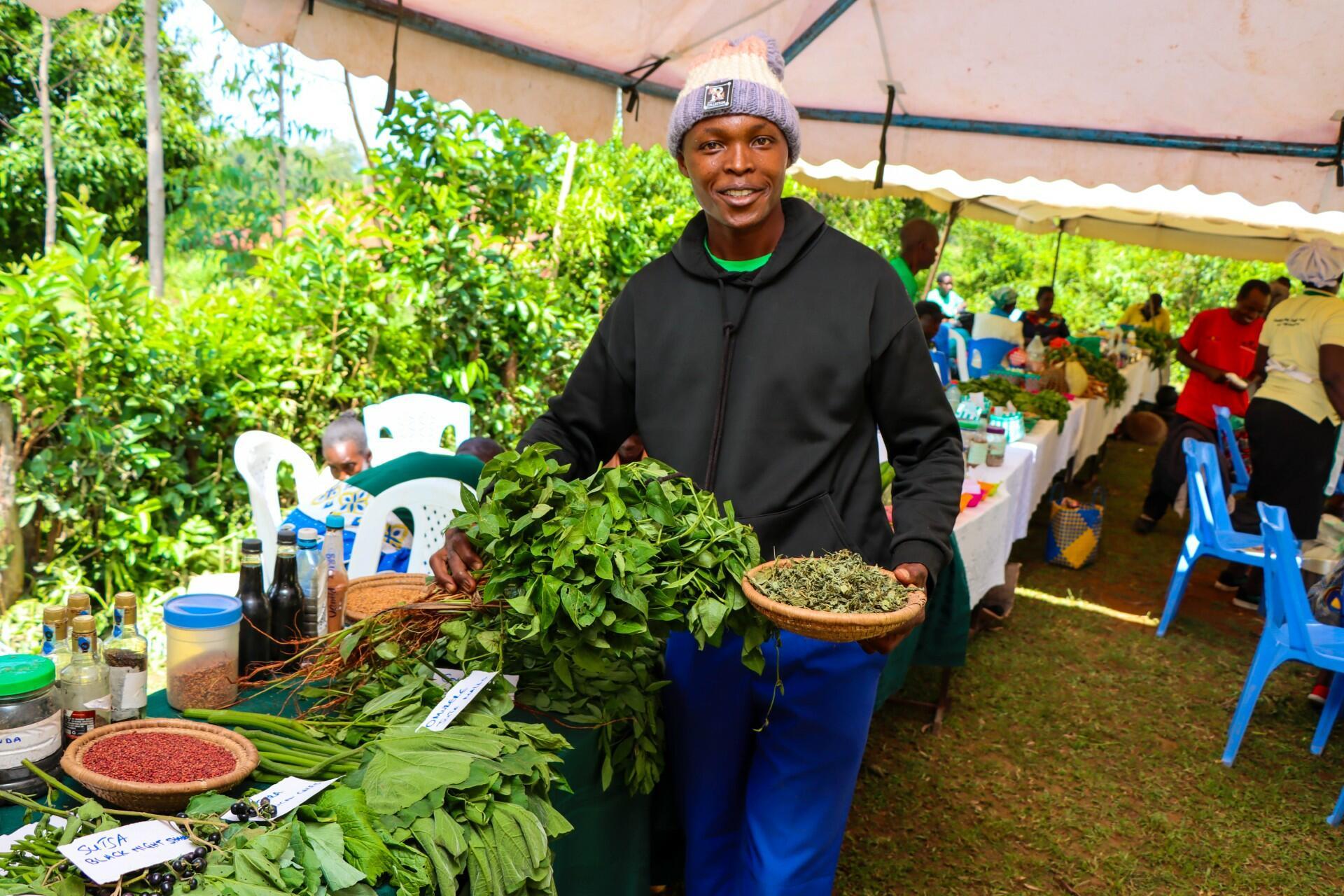
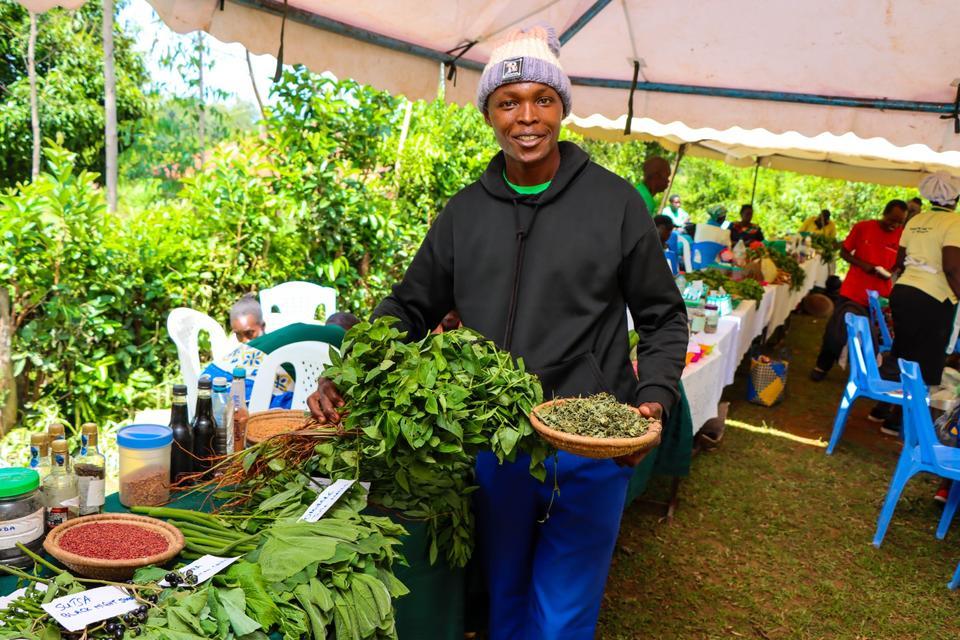
Young participant in the traditional crops demonstration day in Vihiga, Kenya. Credit: Owen Kimani
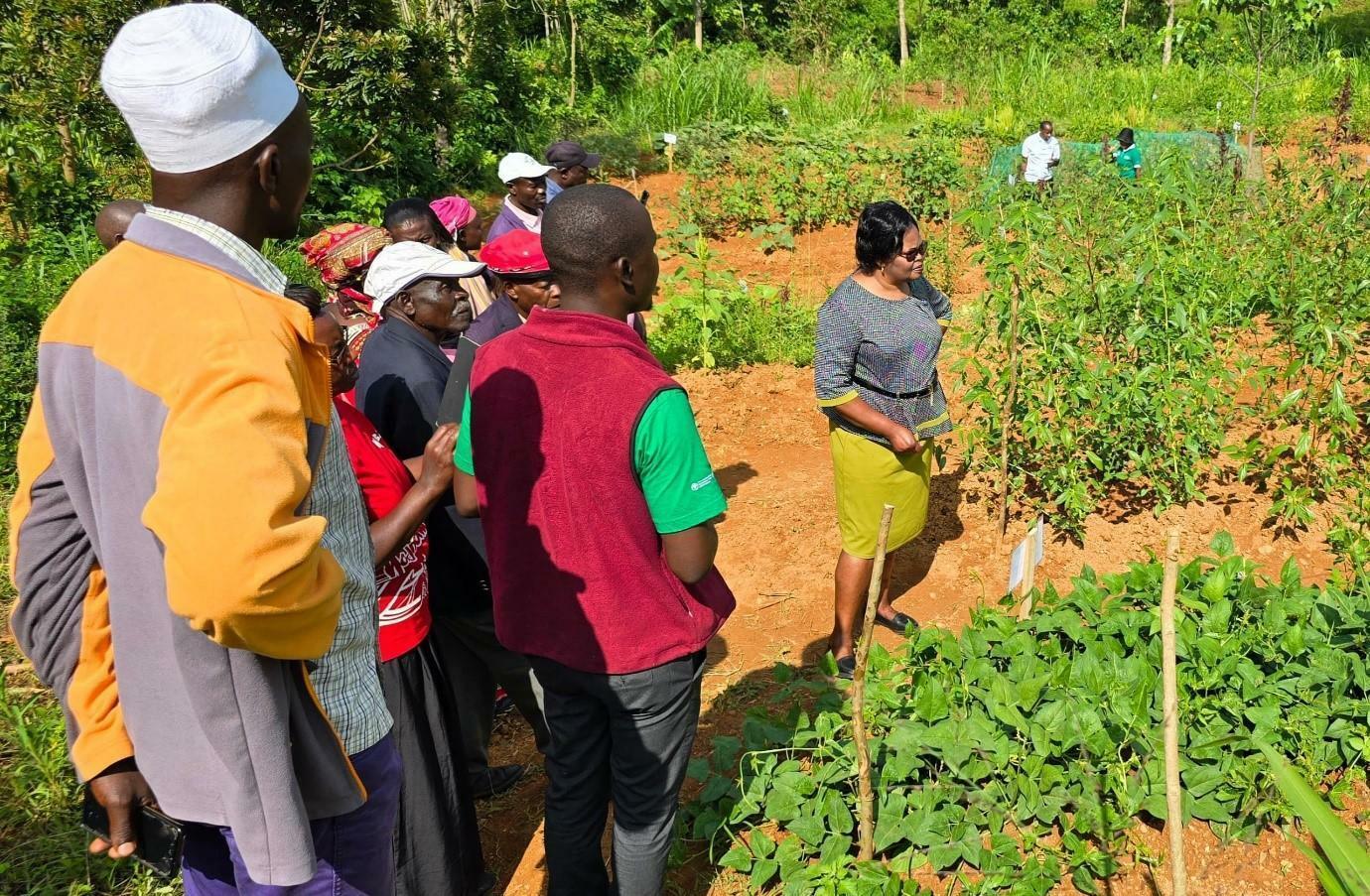
Farmers in Vihiga, Kenya at a demonstration farm. Credit: Owen Kimani
Amaranthus: nutrient-packed greens to address multi-layered food insecurity
[Amaranthus Spp.: A plant species with over 70 varieties; considered a sacred crop by the Aztecs for over 6,000 years and consumed in Africa since the 1500s, it is currently being tested as a potential space crop due to its nutrients and resilience.]
A core element of NUS and agrobiodiversity is 'intra-specific diversity’: In Vihiga County, Kenya, many people are familiar with Amaranthus dubius; yet, numerous amaranth varieties go unnoticed, each with unique qualities. In a comparison between the dominant leafy green Brassica oleracea and traditional African leafy greens – including amaranth – researchers found that Kenya’s native varieties have significantly higher levels of vitamins and minerals, with amaranth being a source of protein, fiber, magnesium and iron.
These studies demonstrate how substituting common varieties with indigenous equivalents could address ‘hidden hunger’ and micronutrient deficiencies for lasting food security.
To reframe widespread perceptions of traditional crops as ‘poor people's foods’, in Vihiga, local partners and the Alliance held food tastings and lively discussions with farmers, researchers and communities, celebrating the region’s agricultural diversity. The event demonstrated these varieties’ gastronomic and nutritional potential, with one attendee who used amaranth to feed his goats expressing intention to integrate these recipes into his family meals. To facilitate increased production of these crops, the Alliance co-created a community seed bank, allowing farmers to freely co-create resilient farming systems that celebrate the region’s agricultural heritage, while boosting access to nutritious foods in the region.
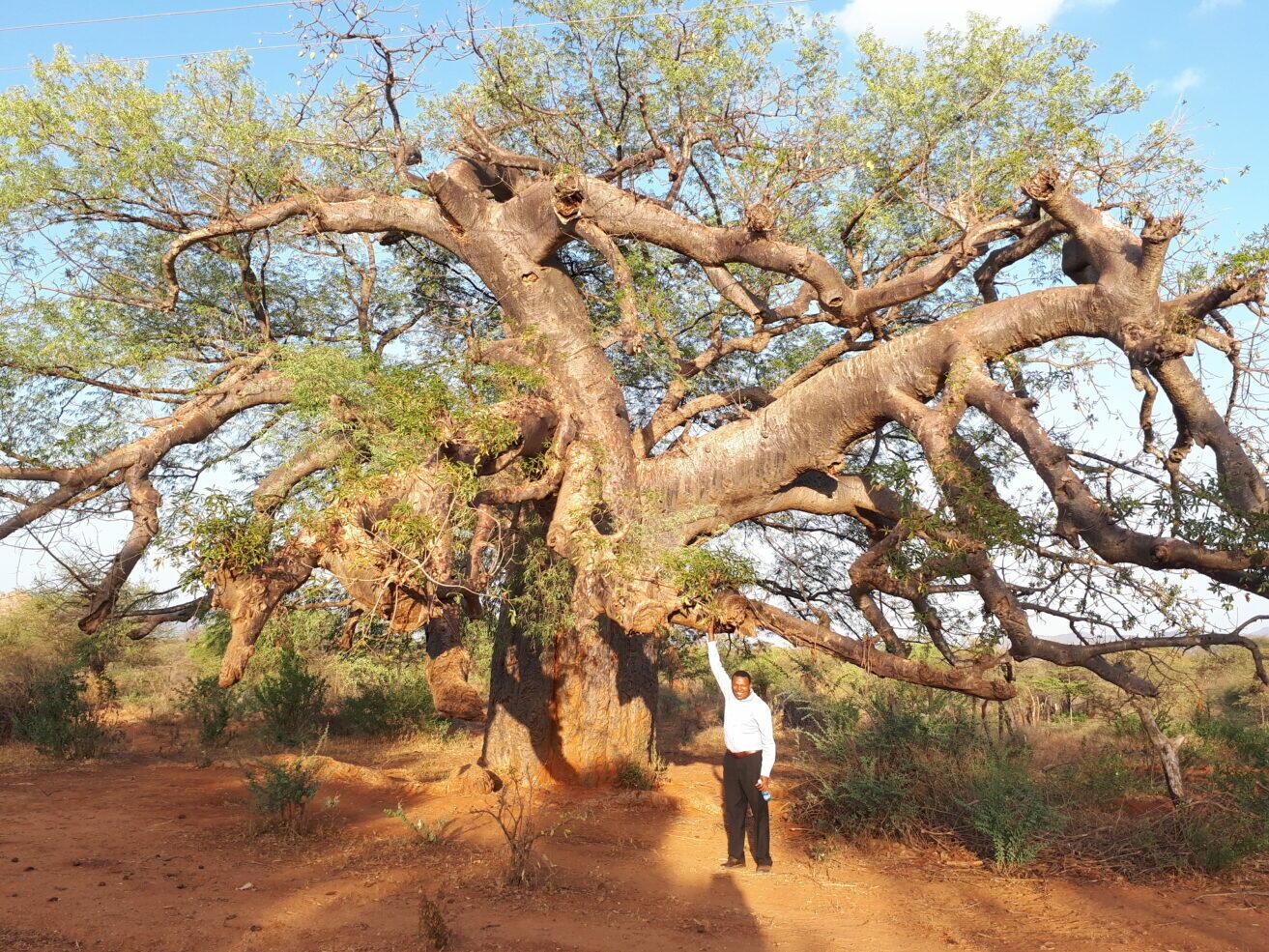
Mijikenda research participant beneath a baobab tree. Credit: Endangered Material Knowledge Programme
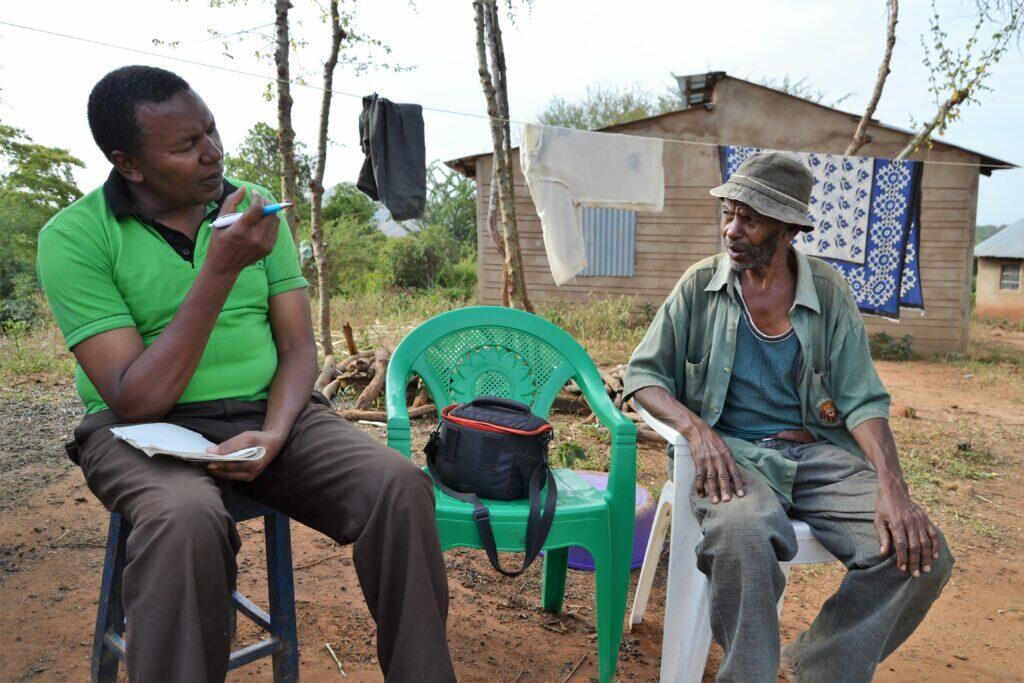
Research interview carried out in Kenya. Credit: Kimanzi Ndunda
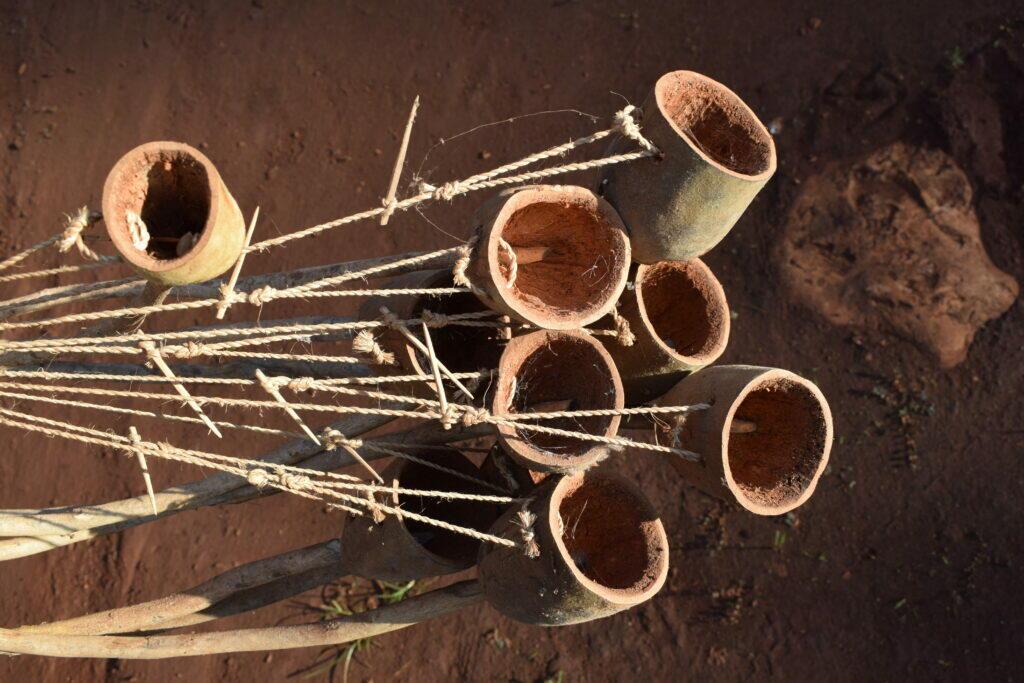
Utensils made from baobab fruit shells. Credit: Endangered Material Knowledge Programme
Baobab: Recovering ‘traditional food pathways’
[Adansonia digitata: iconic tree of the African continent with over 300 known uses; with an average trunk circumference of 5-12 meters, this tree can live for up to 1,000 years.]
Referred to as ‘the tree of life’, the baobab’s fruit, leaves and seeds have provided food and medicine for millennia. Its fruit (a white pulp that dries in a hard shell, mixed into drinks and used as a thickener) is rich in vitamins, and the leaves (typically cooked into soups and stews) are a source of protein, vitamin B and minerals. However, the baobab’s gastronomic significance goes far beyond its edible components. Members of coastal Kenya’s Mijikenda people explain,
Alliance studies profiled the Baobab’s nutritional value, identifying declining consumer interest in the tree's foods. However, collaboration with the Mijikenda people is protecting the baobab’s traditional ‘foodways’, which refers to the tree’s role in food systems beyond direct consumption. Using participatory video methods, the team is consulting community elders and documenting the practices that are part of their heritage. Stating the project’s ambitions, one participant explained:
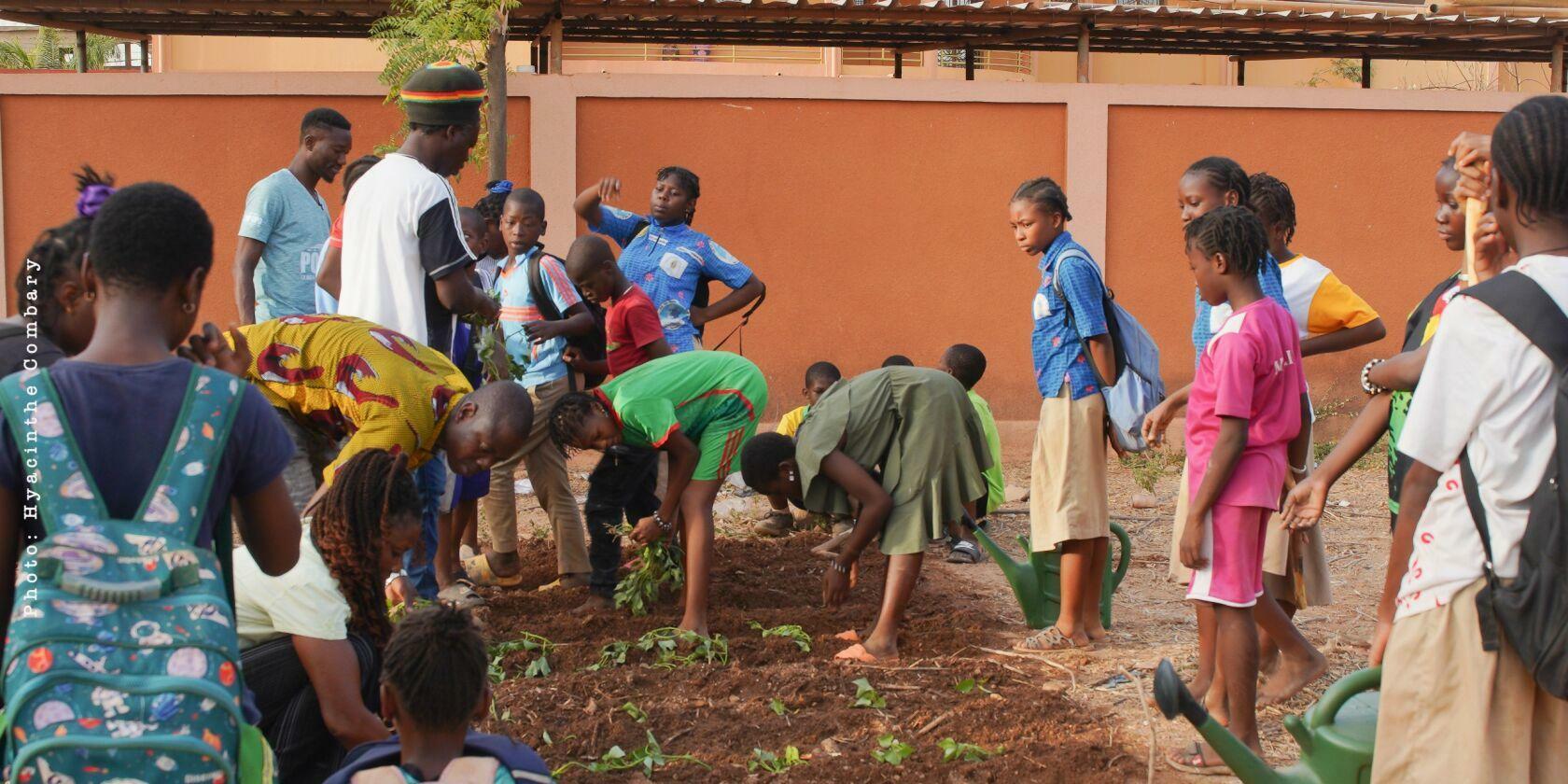
A SUSTLIVES school garden in Niger. Credit: SUSTLIVES/G. Meldrum
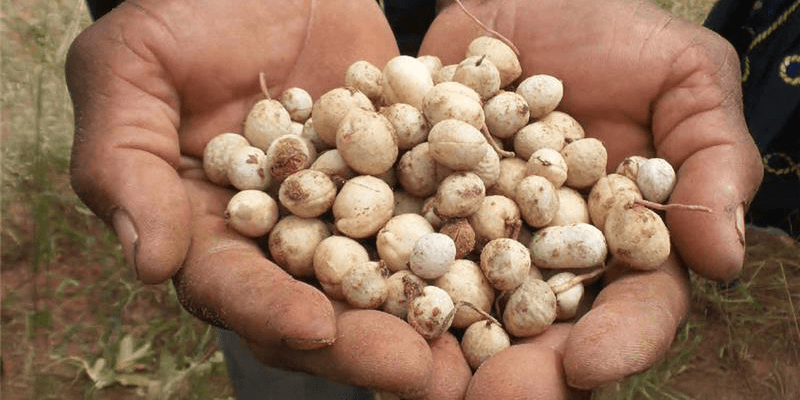
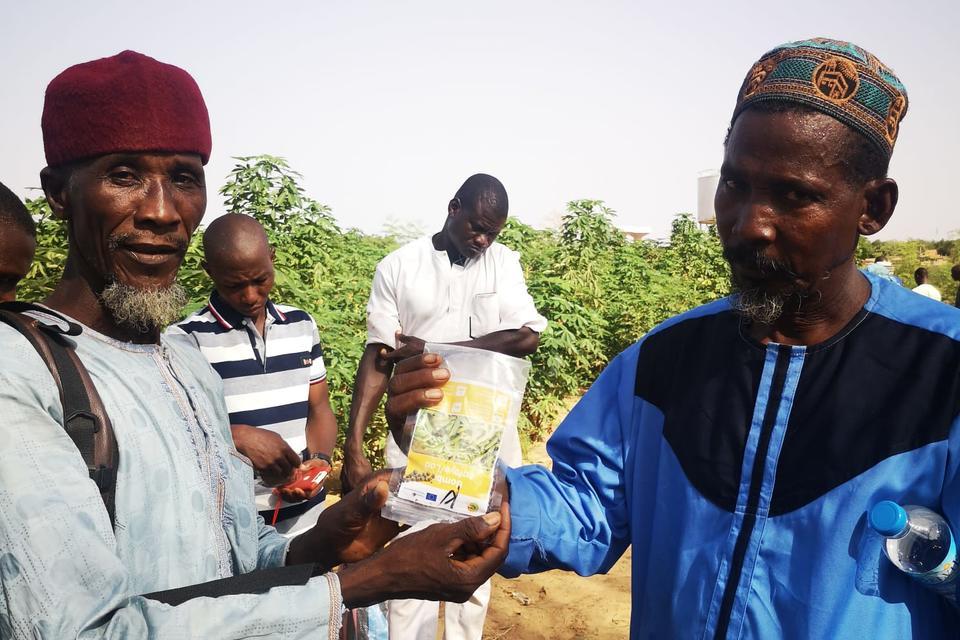
Fabirama tubers at a school in Niger, as part of the SUSTLIVES project. Credit: SUSTLIVES/G. Meldrum
Fabirama: Growing climate resilience
[Solenostemon rotundifolius: Small tuber crop native to West Africa; despite its common name of ‘frafra potato’, it is part of the Lamiaceae mint family.]
Fabirama is one of the most suitable staple crops for food security in West Africa. Adapted to dry savannah regions with infertile soils, it exemplifies how ‘forgotten’ varieties can support farmers’ adaptation to climate change, allowing them to maintain food production in the face of rising temperatures and water scarcity by adopting crops that grow in challenging environments with minimal inputs. Climate challenges are increasing farmers’ incentives to adopt new varieties; but, how can consumer interest keep up with farmers’ needs?
Momentum is building in the schoolyards of Niger, where the Alliance’s SUSTLIVES project is engaging children’s curiosity to spark interest and increase the consumption of native crops, including fabirama. Cultivating them in school gardens, children are discovering the benefits of these foods, while open days and cooking demonstrations are introducing families and farmers to these crops’ environmental and nutritional value, fostering lifelong interest in native foods. In the words of one 10-year-old participant:
''I love this activity. It gives us a better understanding of our own culture".
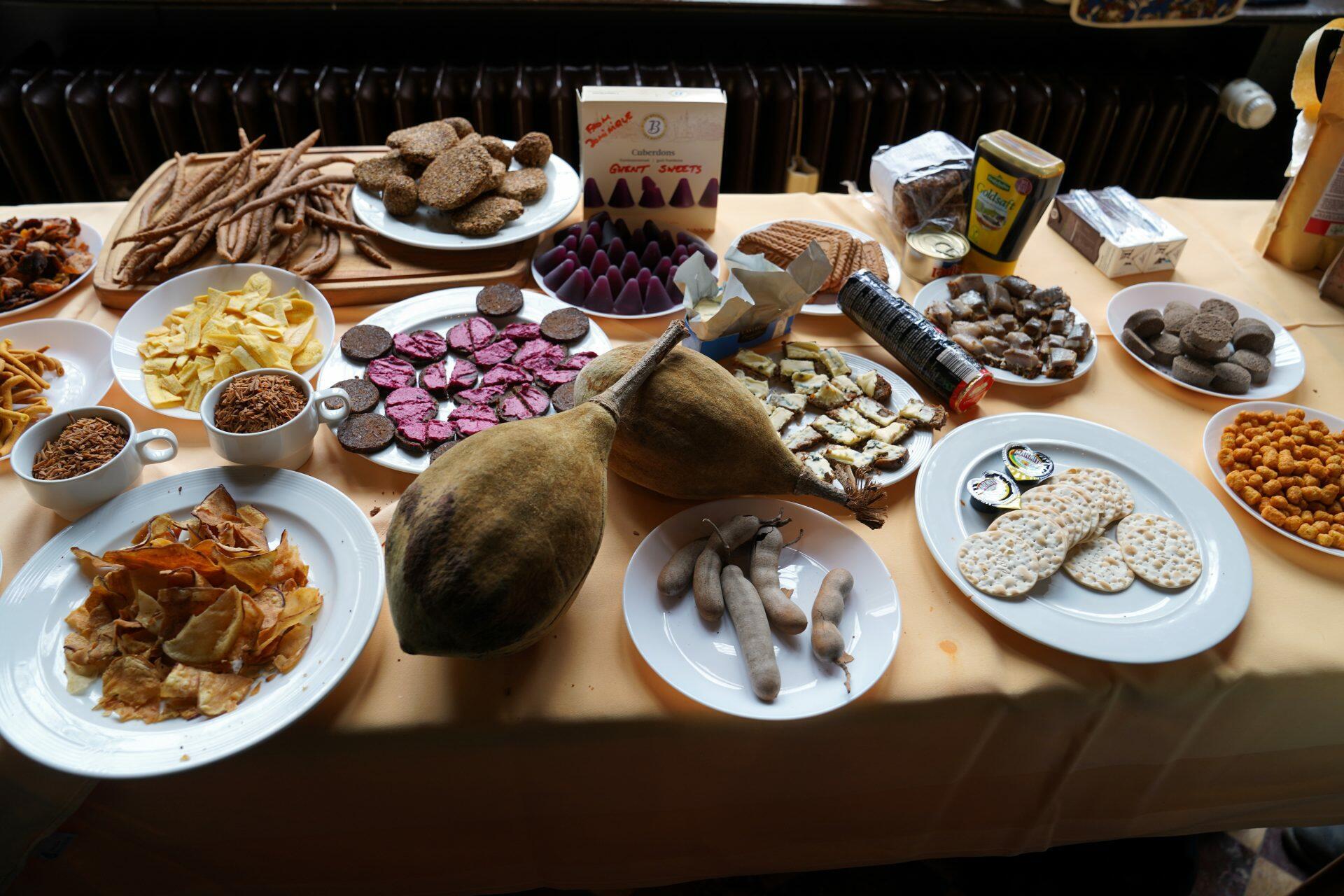
New food products from the HD4A living lab. Credit: Yavar Vaziritabar
Beyond nutrition, heritage and resilience: NUS as a source of economic innovation
Healthy Diets for Africa (HD4A) – a project co-led by the Alliance – is diversifying food production for nutrition and livelihoods through youth-led innovation, with living labs offering space for experimentation. Ghana hosts a living lab focused on NUS, engaging young entrepreneurs to explore market opportunities for these ‘niche’ crops, scaling production and consumption to benefit consumer health while boosting sustainable economic growth. Many farmers and entrepreneurs are reaping the rewards of repopularizing these crops, increasing incomes and people's ability to purchase affordable nutritious foods.

Participants in a bean value chain workshop. Credit: CIAT/Neil Palmer
Reframing NUS: Turning neglect into opportunity
Today, the narrative around 'neglected and underutilized species’ is shifting. As diverse stakeholders begin to see the multiple benefits of diversifying food production systems, these varieties are increasingly referred to as ‘opportunity crops’: opportunities to build food systems that value local agrobiodiversity, improve consumers’ health, boost farmers’ resilience to environmental changes, and increase community-led food sovereignty for generations to come.