From the Field Leveraging opportunity crops to transform food systems: Unveiling the 'Power of Diversity Funding Facility' in Nigeria, Zambia and Kenya

The Crop Trust and the Alliance have launched the Power of diversity funding facility in Nigeria, Zambia, and Kenya to boost opportunity crops, improve nutrition, and build climate resilience.
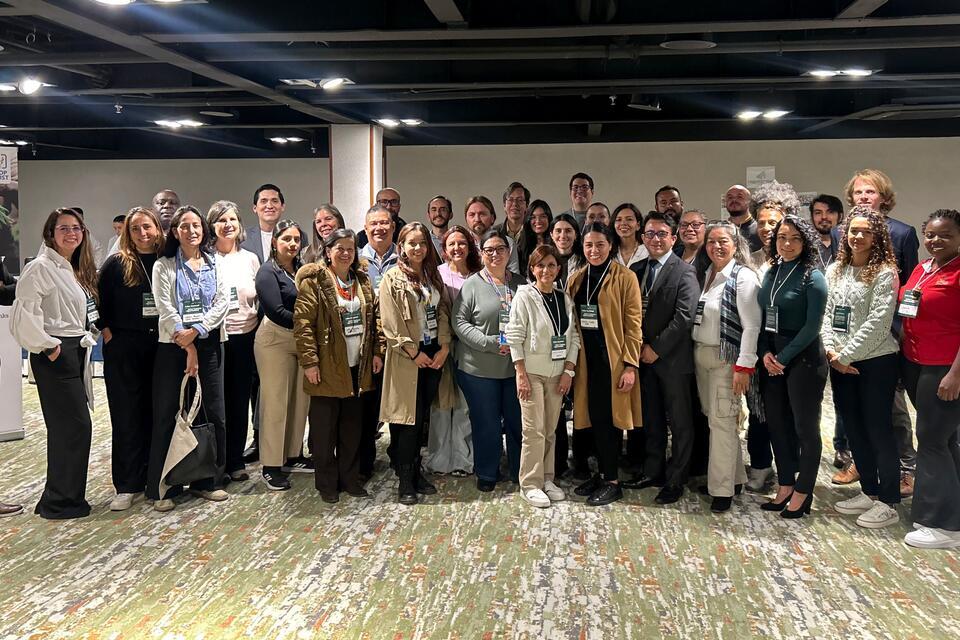
The Power of Diversity Funding Facility (PDFF) has been officially launched in Africa, ushering in a bold initiative to conserve, grow, and elevate neglected “opportunity crops” with high promise. With workshops and launch events successfully held in Nigeria, Zambia, and Kenya, this multi-donor effort is setting the stage for a transformative shift in food systems.
Managed by the Global Crop Diversity Trust (Crop Trust) and carried out in partnership with The Alliance of Bioversity International and CIAT, PDFF seeks to unlock the vast, underused potential of crops long cultivated by smallholder farmers but often ignored by mainstream agriculture and policy. By bringing these crops into the spotlight, the facility aims to diversify food systems, strengthen nutrition, and build resilience to climate change.
A landmark selection of crops
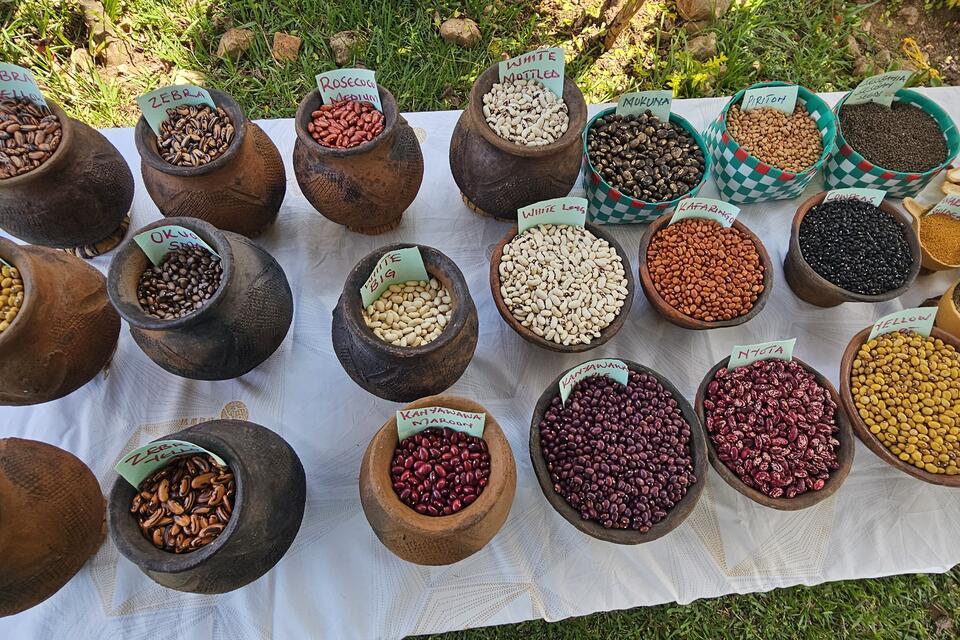
Stakeholder consultations in the three countries have already identified their national priority opportunity crops: Nigeria – Fonio and Pigeon Peas; Zambia – Sorghum and Cowpeas, Kenya – Finger Millet and Amaranth.
The selections were made following intensive, inclusive deliberations with representatives from government, research institutions, development partners, NGOs, farmer organizations, private sector, and the media. Each country’s decision was guided by critical factors such as nutrition value, climate resilience, gender and youth inclusivity, cultural relevance, and market potential.
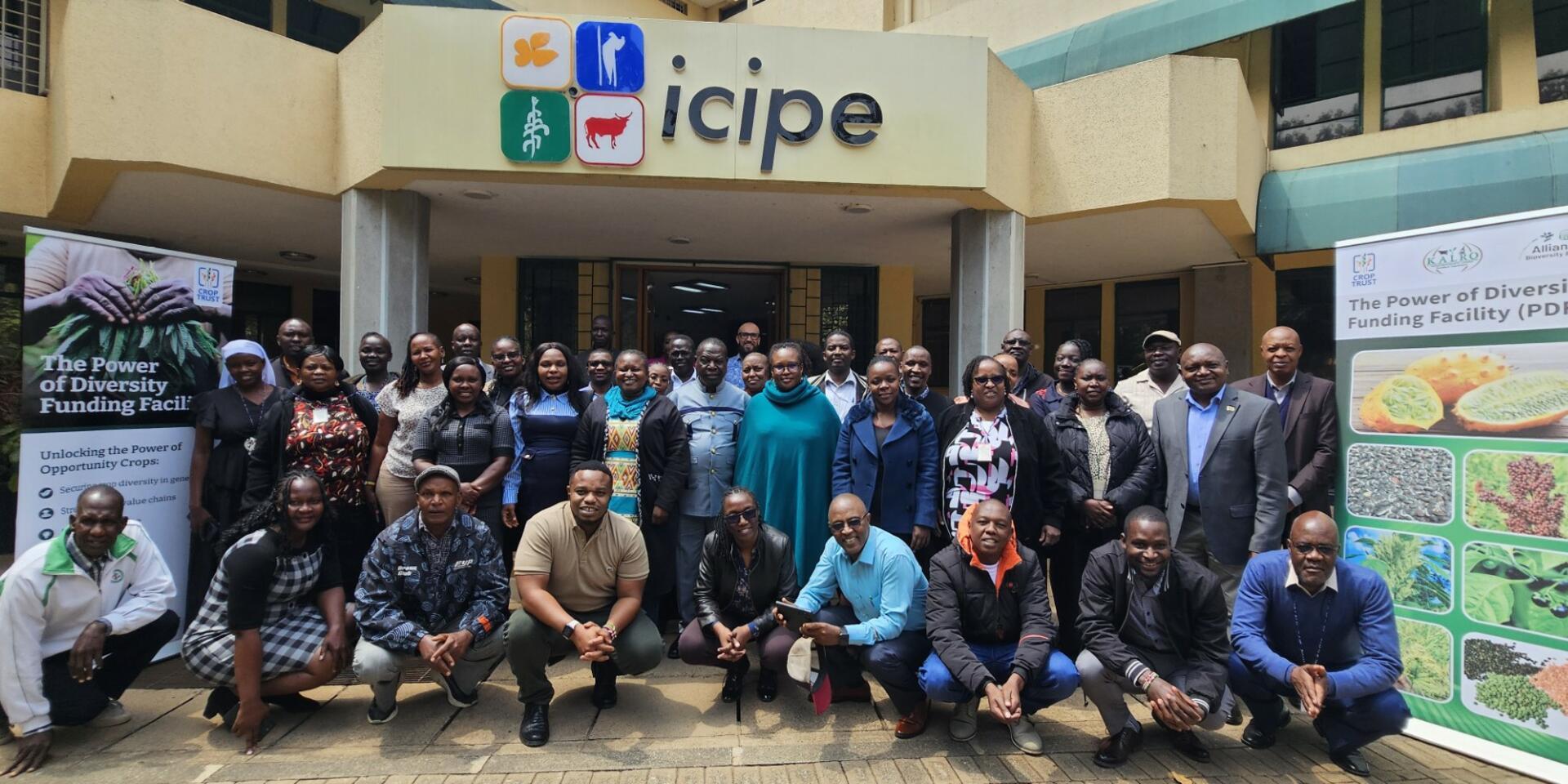
In Kenya, stakeholders gathered in Nairobi and debated among 42 possible crops. While opinions varied, the diverse participants ultimately reached consensus on finger millet and amaranth—nutritious, resilient crops that can thrive in multiple regions of the country.
Speaking during the official opening, GeRRI Director Dr. Desterio Nyamongo called for reclaiming and sustainably utilizing natural resources, noting that many are under threat. He further urged the reduction of over-reliance on a few staple foods, encouraging stakeholders to embrace crop and diet diversity.
His sentiments were echoed by Edwin Garzon-Horta from CROP TRUST, who highlighted the massive global loss of biological diversity and called for collective action to conserve biodiversity and prevent further loss.
Dr. Gloria Otieno from The Alliance stressed that conservation must go hand in hand with utilization.
“This is not just about saving seeds — it’s about securing our future, diversifying diets, strengthening resilience, and empowering communities through sustainable markets,” she said.
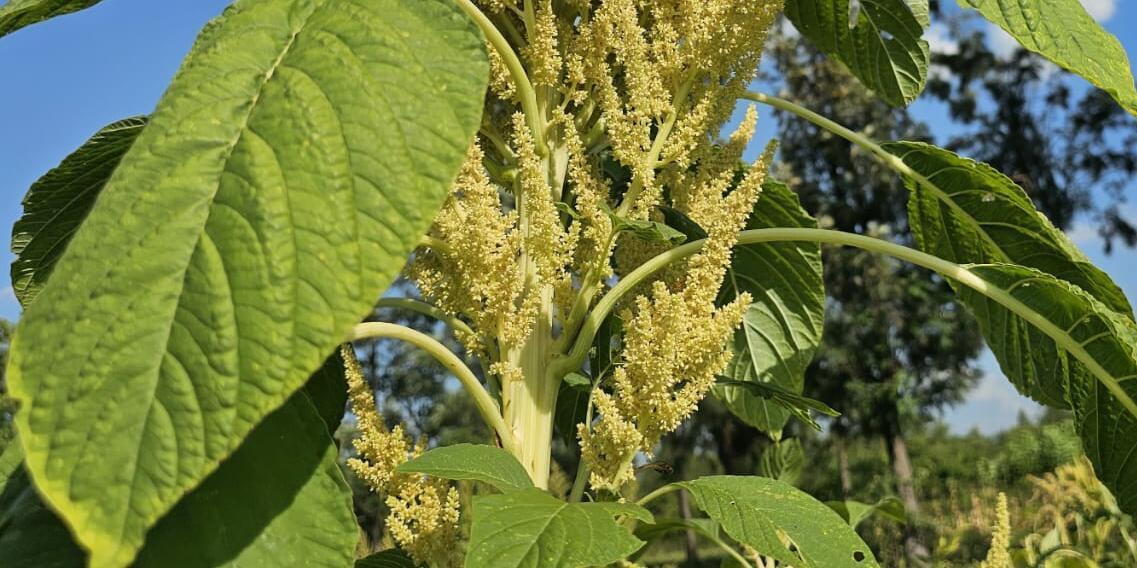
A close-up picture of amaranth.
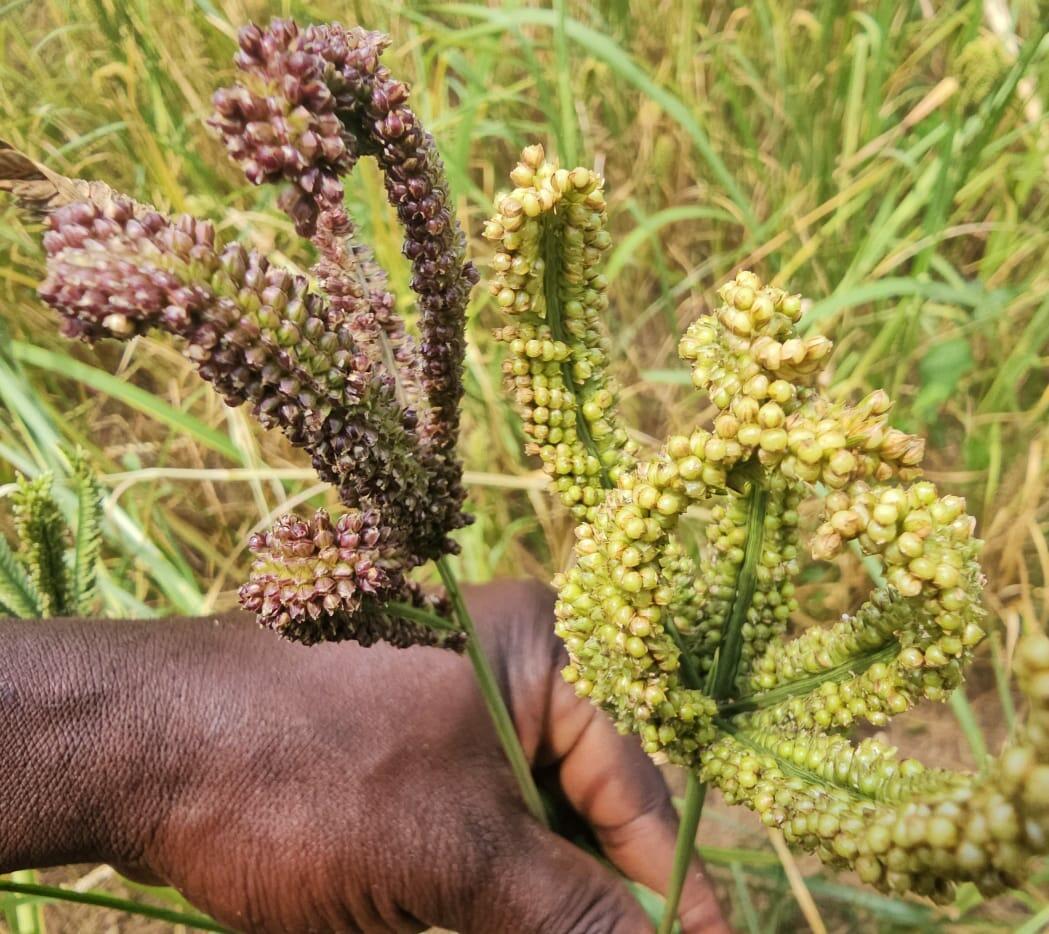
A close-up picture of finger millet.
The goals of PDFF
At its core, the PDFF seeks to unlock the potential of opportunity crops to create more resilient, equitable, and sustainable food systems. It also seeks to integrate these crops into conservation, production, and market development efforts. Further, PDFF will address systemic barriers, including chronic underinvestment, limited research, and weak value chains.
To achieve this, the project will work across three main areas:
- Securing crop diversity in genebanks, ensuring seeds are safely duplicated, studied, and made available for farmers and breeders
- Strengthening value chains by addressing barriers to production and consumption, engaging farmers and consumers, and improving seed systems
- Sharing knowledge and influencing policy, ensuring that scientific evidence informs national and global decisions on food systems.
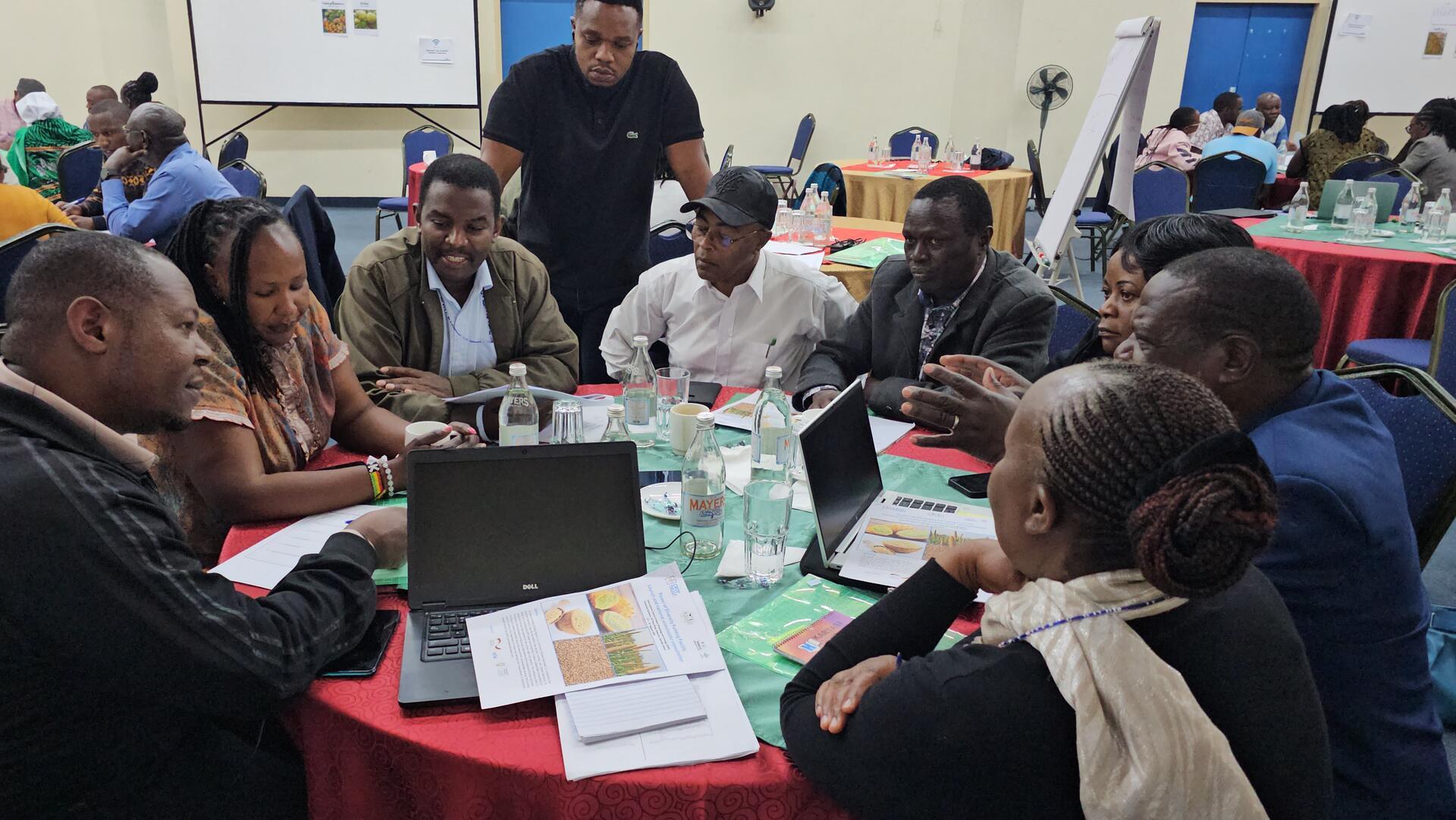
A section of participants during group discussions.
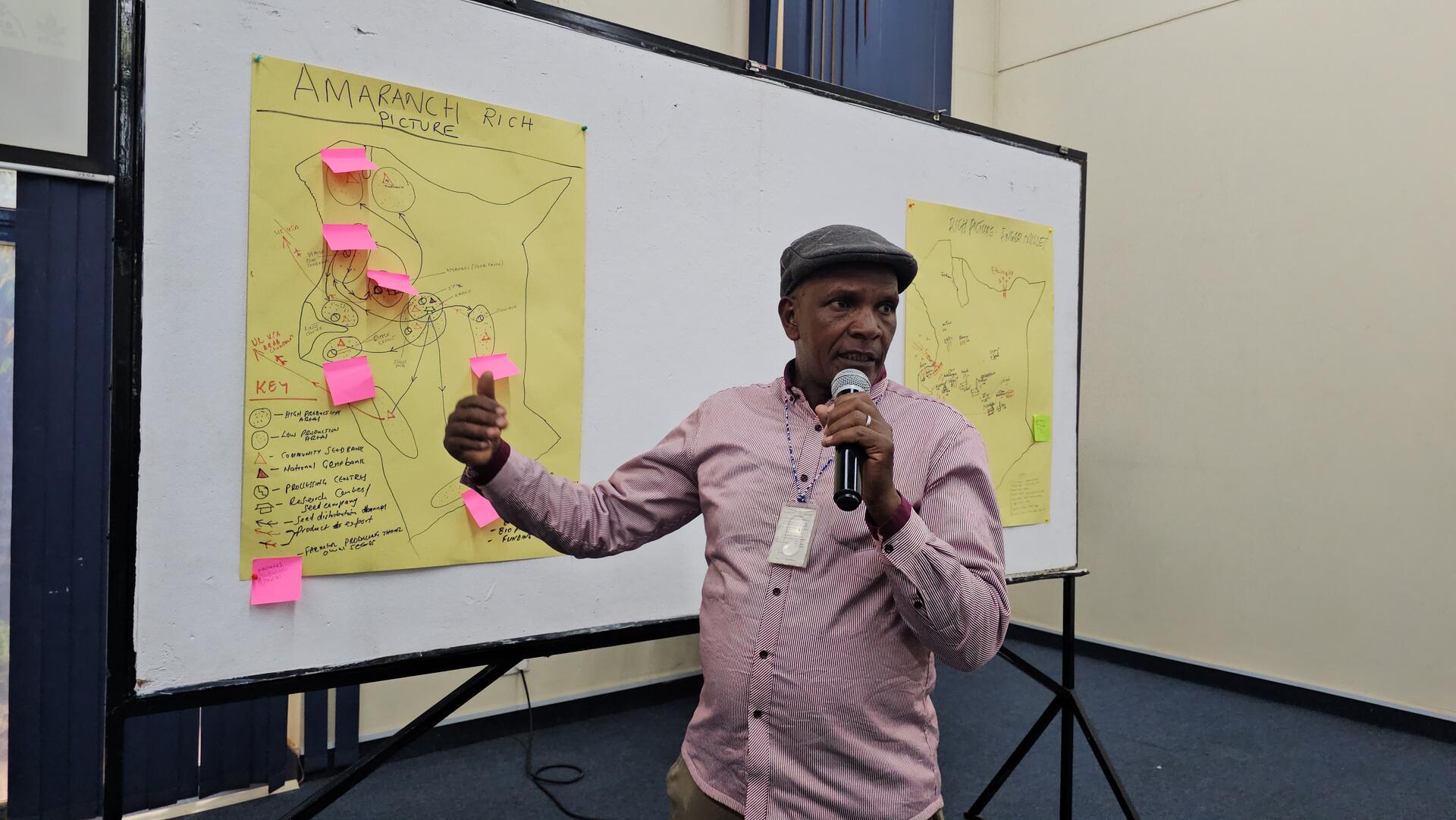
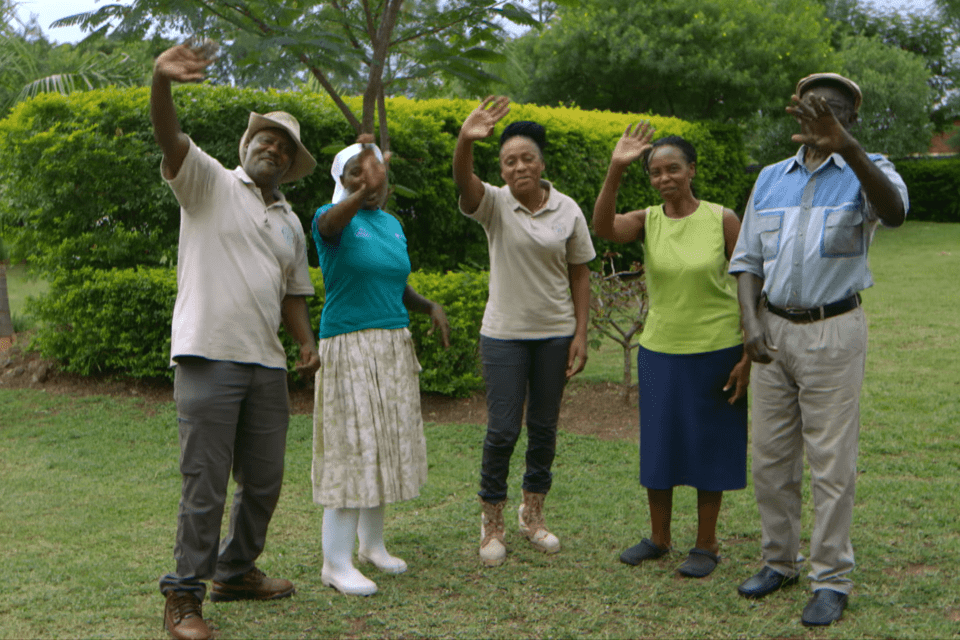
Francis Ngiri, a farmer from Nakuru, Kenya, makes a presentation during the workshop.
Why opportunity crops matter for Africa
Opportunity crops such as finger millet, amaranth, sorghum, and fonio are often naturally adapted to harsh conditions, requiring fewer inputs and thriving in marginal environments. Rich in essential nutrients, they offer sustainable solutions to malnutrition and climate challenges. Yet, due to limited research, weak policy support, and underdeveloped markets, their potential remains largely untapped.
By championing these crops, the PDFF is setting the stage for a five-year pilot phase that could redefine Africa’s food security landscape and transform food systems in the continent and beyond.
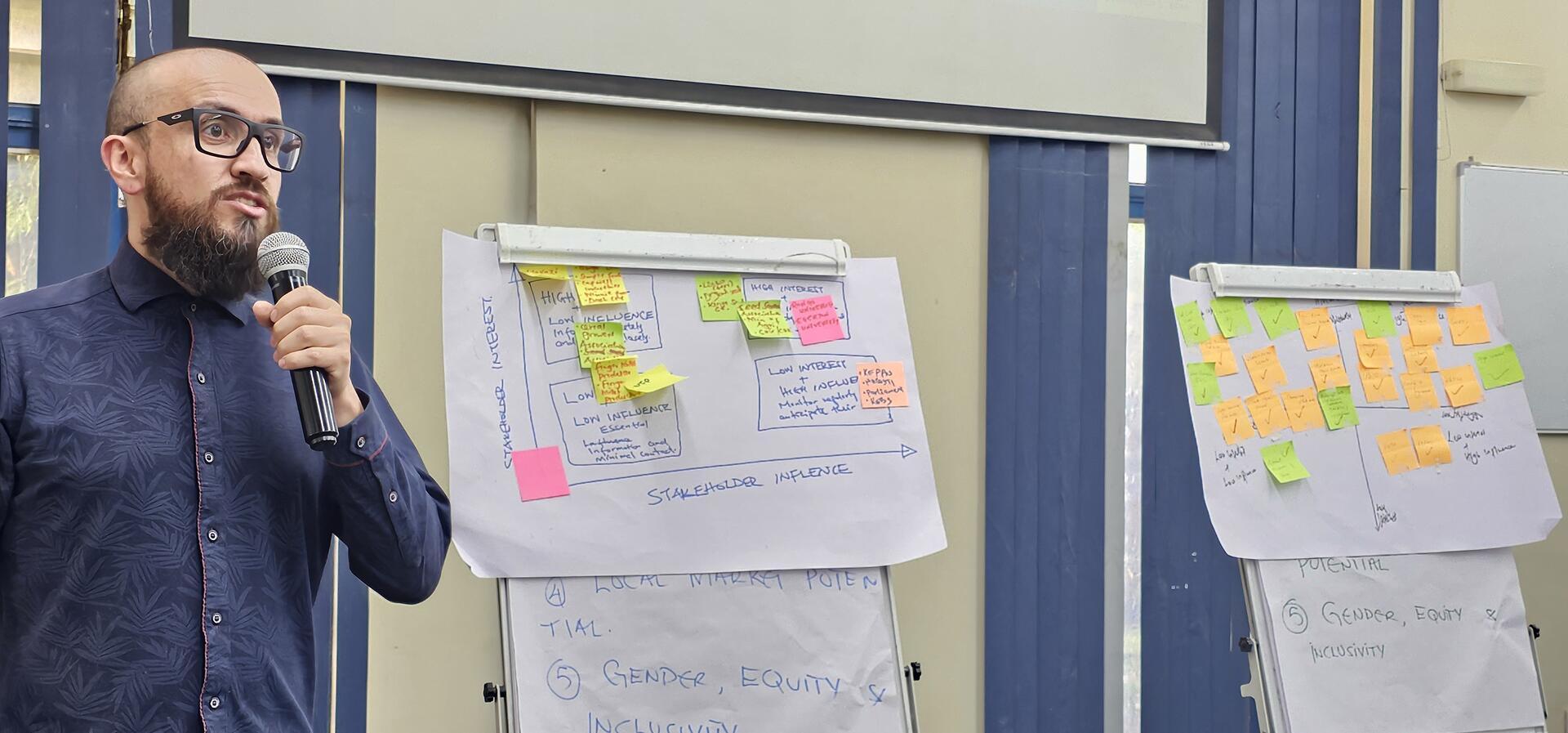
Edwin Garzon-Horta from CROP TRUST addresses participants during the workshop.
A multi-donor commitment
The facility has already attracted significant support, with initial funding including EUR 10 million from the German Federal Ministry for Economic Cooperation and Development (BMZ) through KfW Development Bank, and EUR 2 million from the Department of Foreign Affairs of Ireland. Additional contributions are expected to expand its reach globally.
The PDFF builds on Crop Trust’s ongoing work under the BOLD project’s BOLDER initiative, supported by the Government of Norway, and will collaborate closely with partners such as the World Vegetable Center through its Global Vegetable Biodiversity Rescue Plan (2025–2035).
More than a funding facility
As Nigeria, Zambia, and Kenya take the first steps, the PDFF represents more than a funding facility. It is a movement to restore diversity to our plates, our farms, and our food systems. The journey promises to empower farmers, strengthen rural livelihoods, and promote healthier diets for generations to come.
Keep exploring