From the Field Seeds for tomorrow: Opportunity crops that nourish hope in times of climate change

Today more than ever, the world is facing major challenges: climate change, biodiversity loss and growing food insecurity are affecting how we produce and consume our food. In light of this reality, it is becoming increasingly necessary to explore new alternatives that can help us build more diverse, sustainable and resilient food systems.
On this path, 'opportunity crops' are regaining importance. These are species such as quinoa, amaranth, cowpea, fonio and borojó, which have been cultivated for generations in rural communities, often under difficult conditions, and have contributed to the nutrition, health and culture of various regions. Although they have not been widely promoted for a long time, today their value is being increasingly recognized.
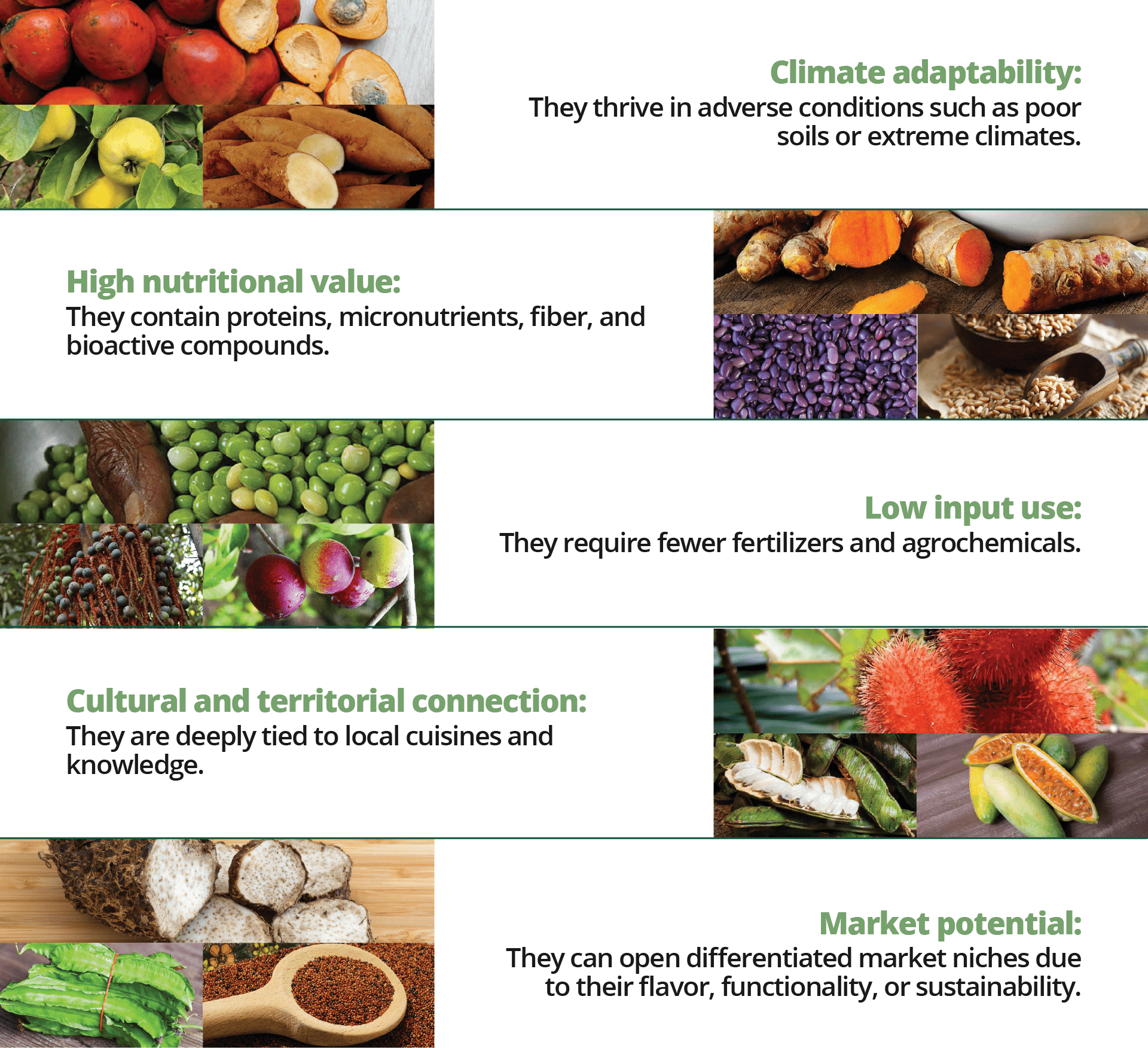
These crops stand out for their ability to adapt to extreme climates, grow in poor soils, and offer high nutritional value. They are also deeply connected to local traditions, regional cuisines and ancestral knowledge. They are a living example of how community knowledge can provide real solutions to today’s challenges.
That is why they are referred to as opportunity crops: because in the face of so many challenges, they represent a real chance to diversify what we consume, reduce dependence on commercial crops, and strengthen local economies with new opportunities.
“These crops still have untapped potential to improve nutrition, diversify diets, and strengthen rural livelihoods,” says Edwin Garzon-Horta of the Crop Trust, an international organization focused on safeguarding crop diversity. “They are species that grow in low-nutrient soils, tolerate extreme temperatures, and withstand long periods of drought. They require fewer inputs and represent a more sustainable alternative compared to intensive agricultural models.”
The current challenge is to properly recognize their value and strategically integrate them into public policy, research, and markets.
Seeds of change for the planet, and for Colombia, as the country faces a challenging climate
In a megadiverse country like Colombia, with its unique geography, extraordinary biological richness, and deep cultural diversity, opportunity crops emerge as local solutions with global impact.
These traditional, resilient, and nutritious species not only contribute to building a fairer food system in harmony with nature, but also represent an act of recognition for the ancestral wisdom of the communities that have protected and cultivated them for generations. Investing in them means planting resilience, equity, and sustainability from the heart of our territories.
The power of diversity
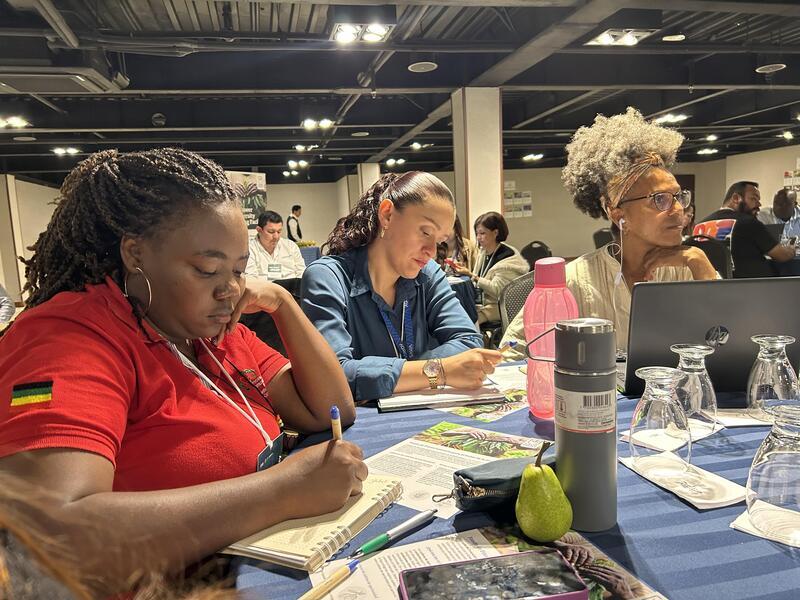
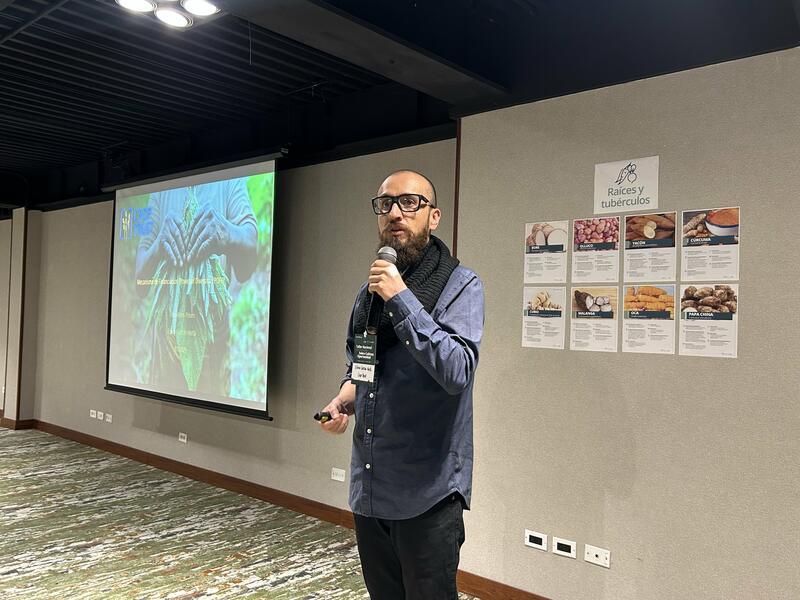
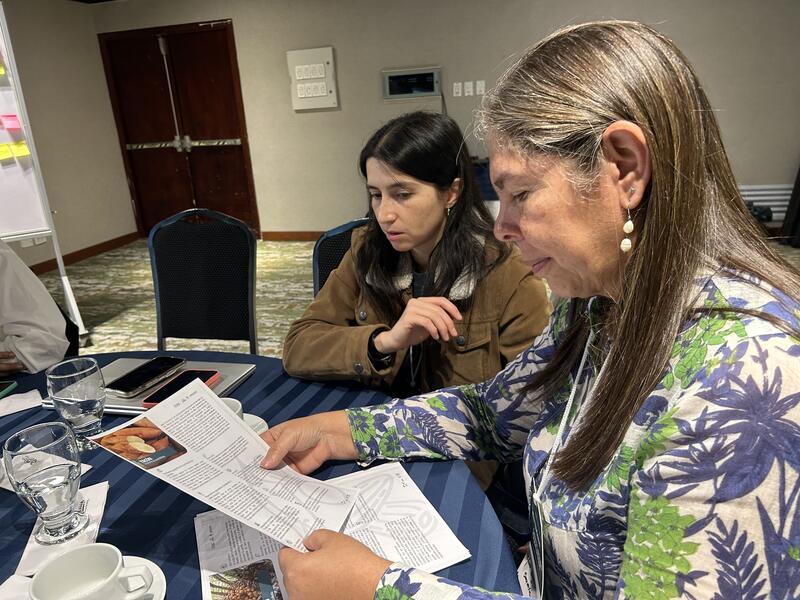
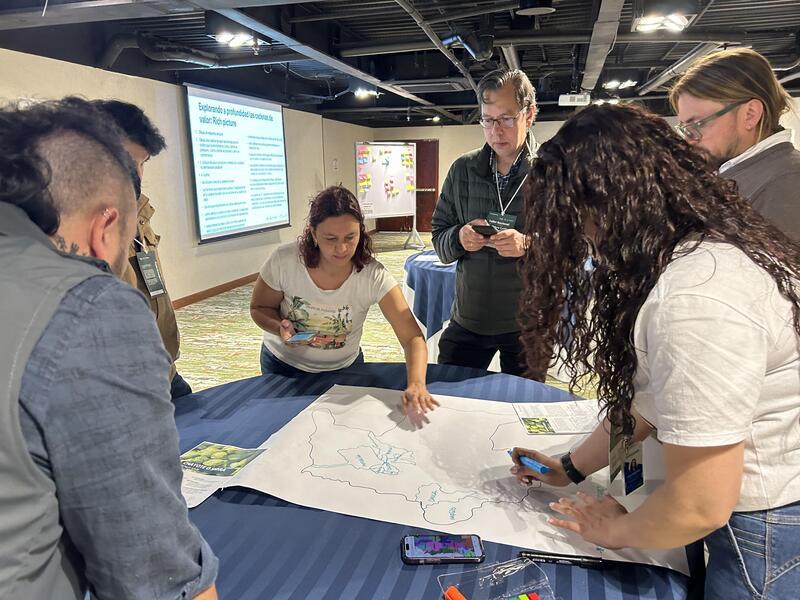
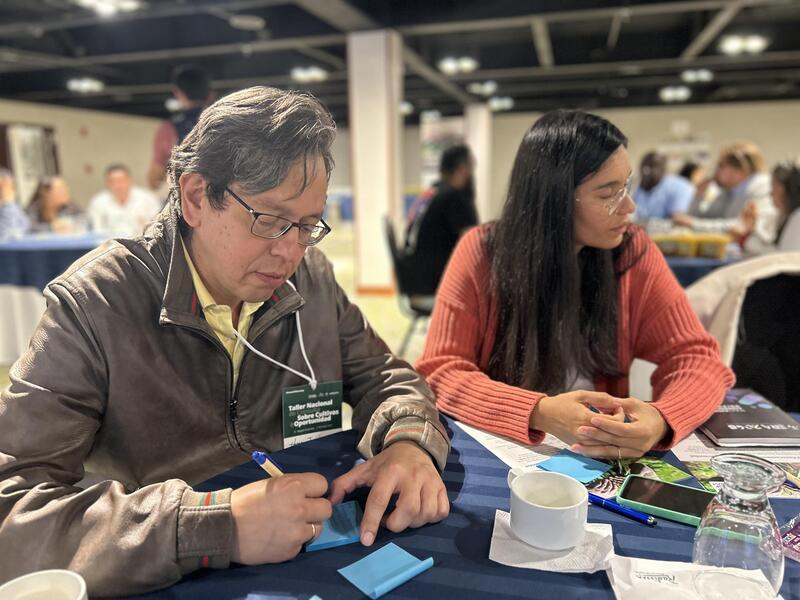
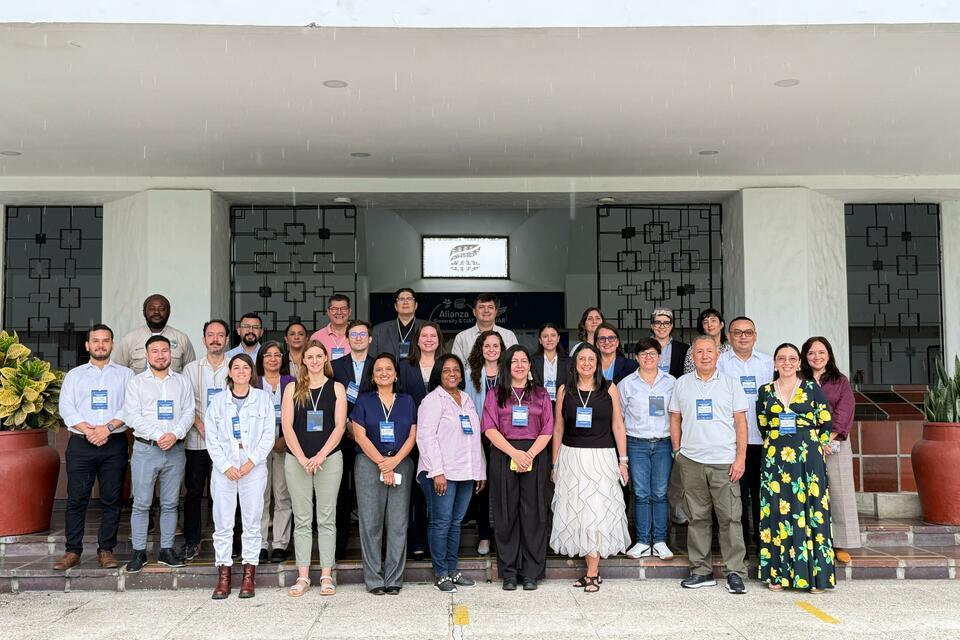
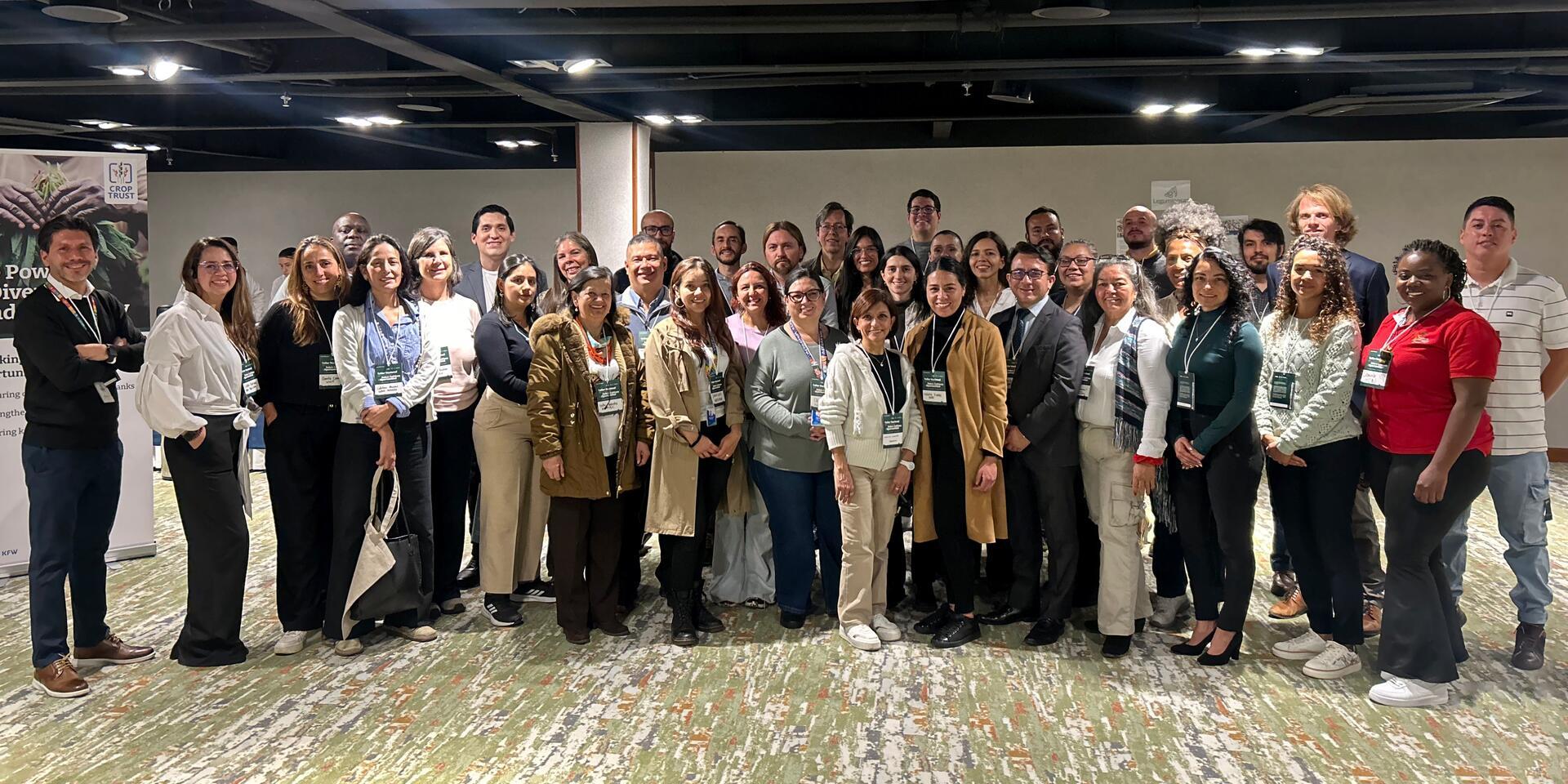
The international project Power of Diversity Funding Facility, led by the Crop Trust, is dedicated to the conservation, cultivation, and promotion of opportunity crops across Africa, Asia, the Pacific, Latin America, and the Caribbean. Under this initiative, producers, researchers, private sector representatives, decision-makers, and civil society organizations gathered in the Colombian capital, Bogotá, from July 15–16, 2025, to prioritize opportunity crops for the country.
“This crop prioritization event is a key opportunity to align scientific research and strategy, ensuring that we focus our efforts where they will have the greatest impact for farmers and agri-food systems", explains Lizeth Llanos, Specialist – Senior Data Scientist at the Alliance of Bioversity International and CIAT (the institution leading the opportunity crop selection process in Colombia). Similar events will subsequently be held in Kenya, India, Nigeria, Tanzania, Uganda, and Zambia.
The Power of Diversity initiative is financially supported by the German Federal Ministry for Economic Cooperation and Development (BMZ) through the KfW Development Bank, and the Irish Department of Foreign Affairs.
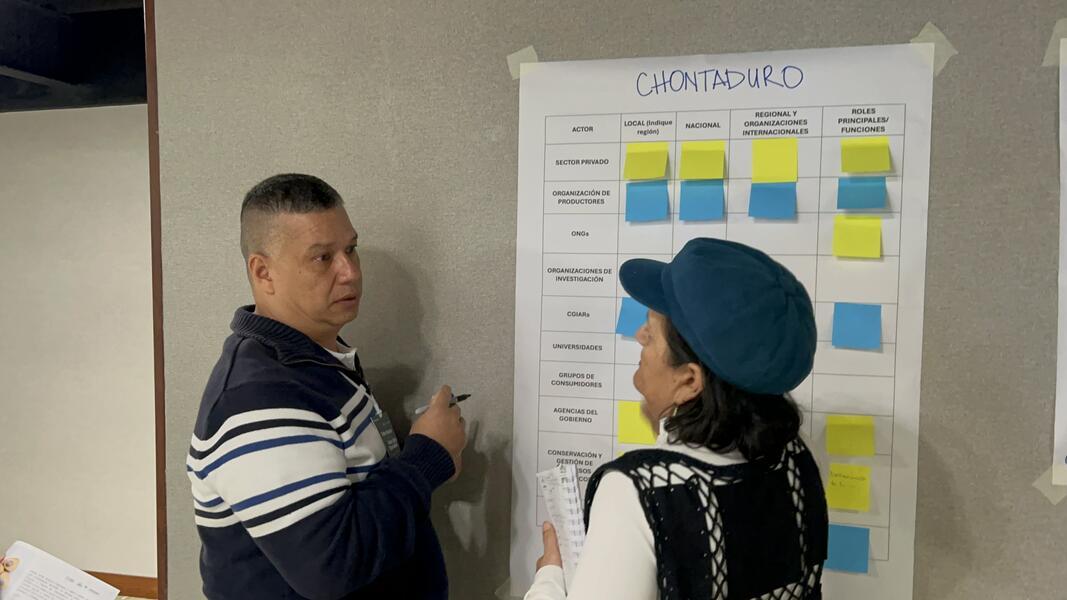
Colombia has selected its two opportunity crops: chontaduro and cidra.
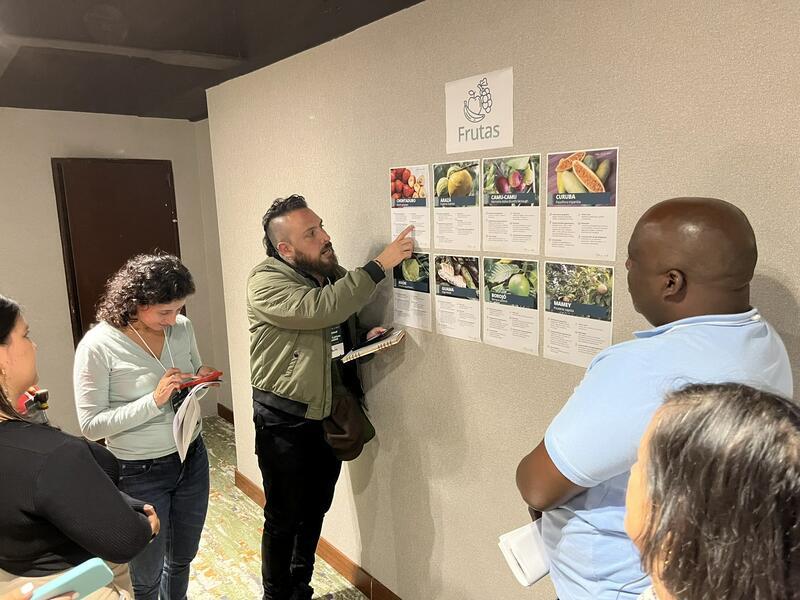
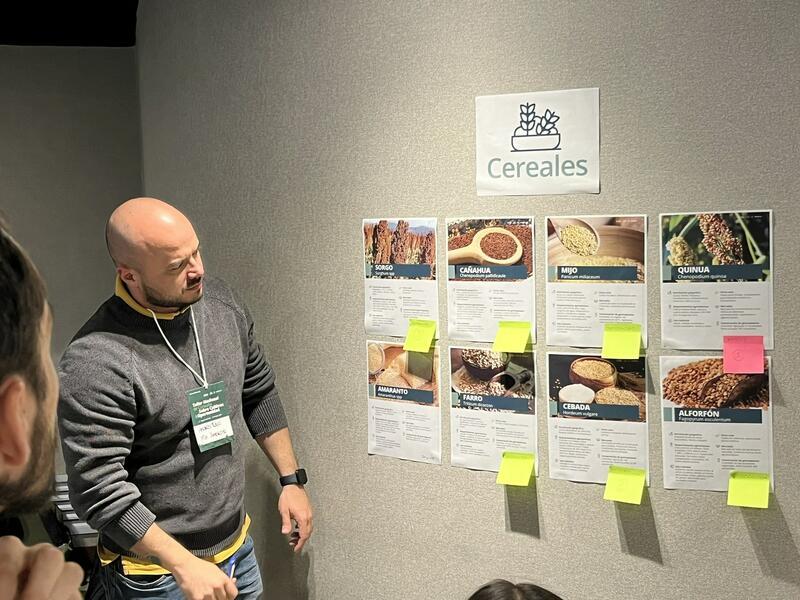
After two days of analysis with Crop Trust, AGROSAVIA and representatives from across the entire value chain, including the public sector (national and local government), academia and research centers, environmental and international cooperation organizations, community and social initiatives, agricultural guilds, as well as private sector companies and entrepreneurs, a total of 48 traditional crops from Colombia were jointly evaluated.
The goal: to identify those with the greatest potential as opportunity crops — climate-resilient foods with cultural and nutritional value and real potential for productive and commercial scaling.
The result of this participatory process: chontaduro and cidra were prioritized as Colombia’s opportunity crops and will now be the focus of joint efforts for their promotion, conservation, and the strengthening of more inclusive and sustainable value chains.
"Agrosavia has the opportunity to lead a joint effort so that, as a country, we can identify and recover the diversity that exists in our territories, foster the integration of knowledge, and contribute—through both the wisdom of our communities and scientific and technical expertise—to the conservation of these genetic resources, and perhaps even to their restoration in populations that have lost them," says Carolina González, Head of the Agrobiodiversity Department at Agrosavia.
This event marked only the beginning of a shared journey. The seeds of change are already here—in our mountains, jungles, local markets, and above all, in the hands of those who cultivate with wisdom and hope. With the support of committed policies, more investment, research, and cross-sector collaboration, these seeds can flourish and multiply their benefits. Because in times of uncertainty, betting on diversity also means sowing equity, resilience, and a sustainable future.