Blog Bridging the gap between climate forecasts and farm-level decision-making

Improved access to agricultural information and better targeting of agricultural inputs can help farmers increase productivity while reducing negative environmental impacts.
As mobile phone ownership expands across rural communities, smallholder farmers have greater access to basic mobile services, smartphones, internet connectivity, and SMS platforms. This creates new opportunities to deliver climate information and agricultural advisories beyond traditional extension channels. Through SMS alerts, WhatsApp groups, and other digital platforms, farmers can access timely weather forecasts, pest alerts, and farming recommendations directly on their phones.
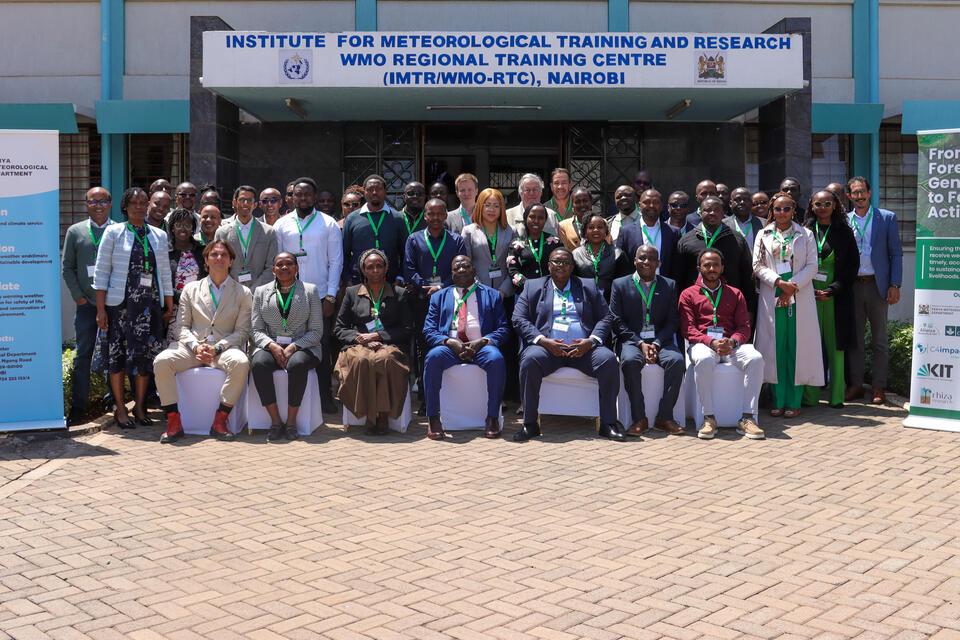
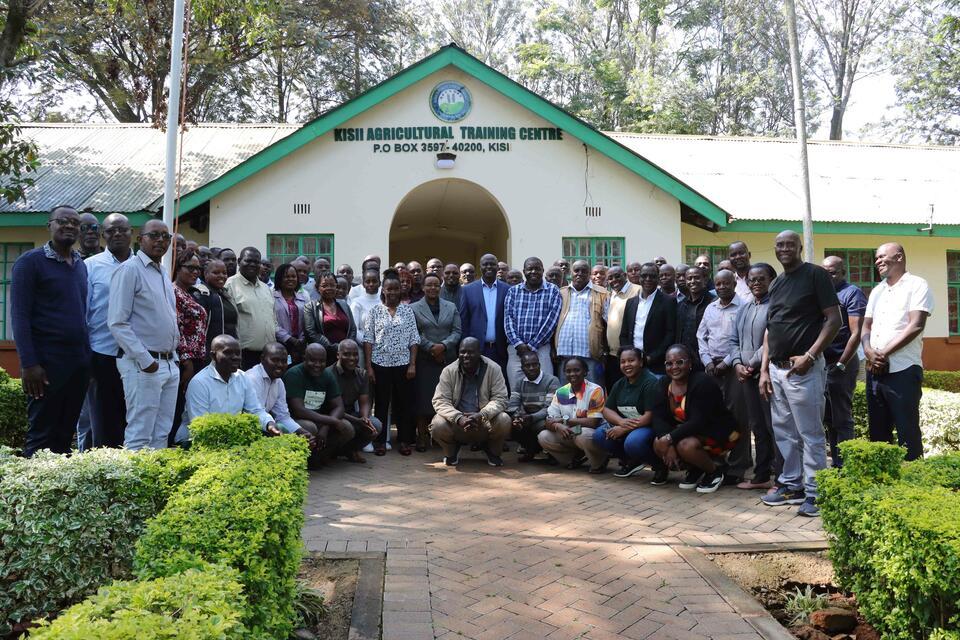
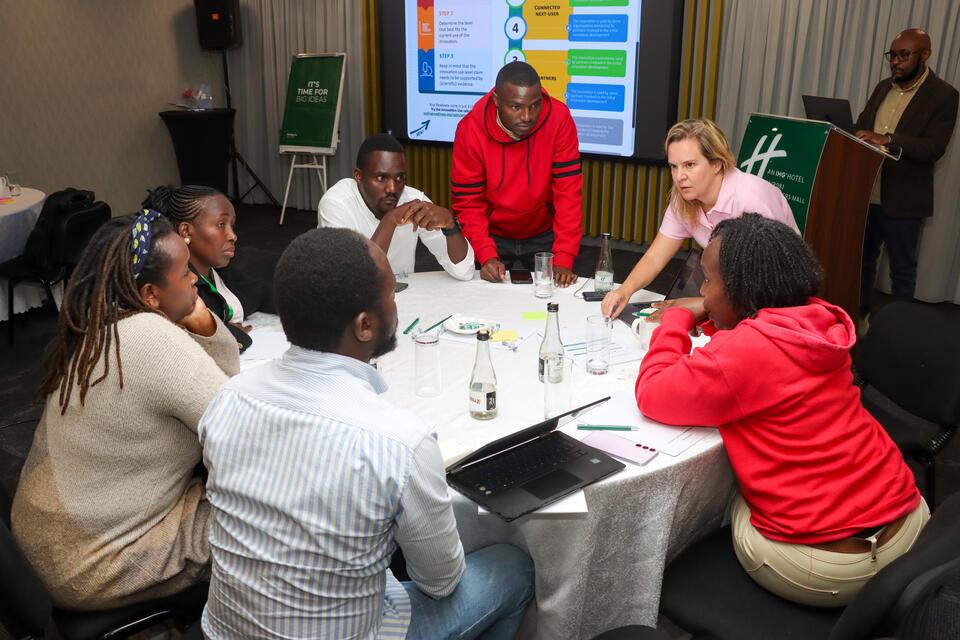
Following the farmer-to-forecast workshop held in Nairobi that brought together government agencies, researchers, meteorological experts, and development partners to discuss how weather forecasts can be transformed into actionable advisories, we traveled to Kisumu to explore a fundamental question: What difference do these advisories make when they reach farming communities?
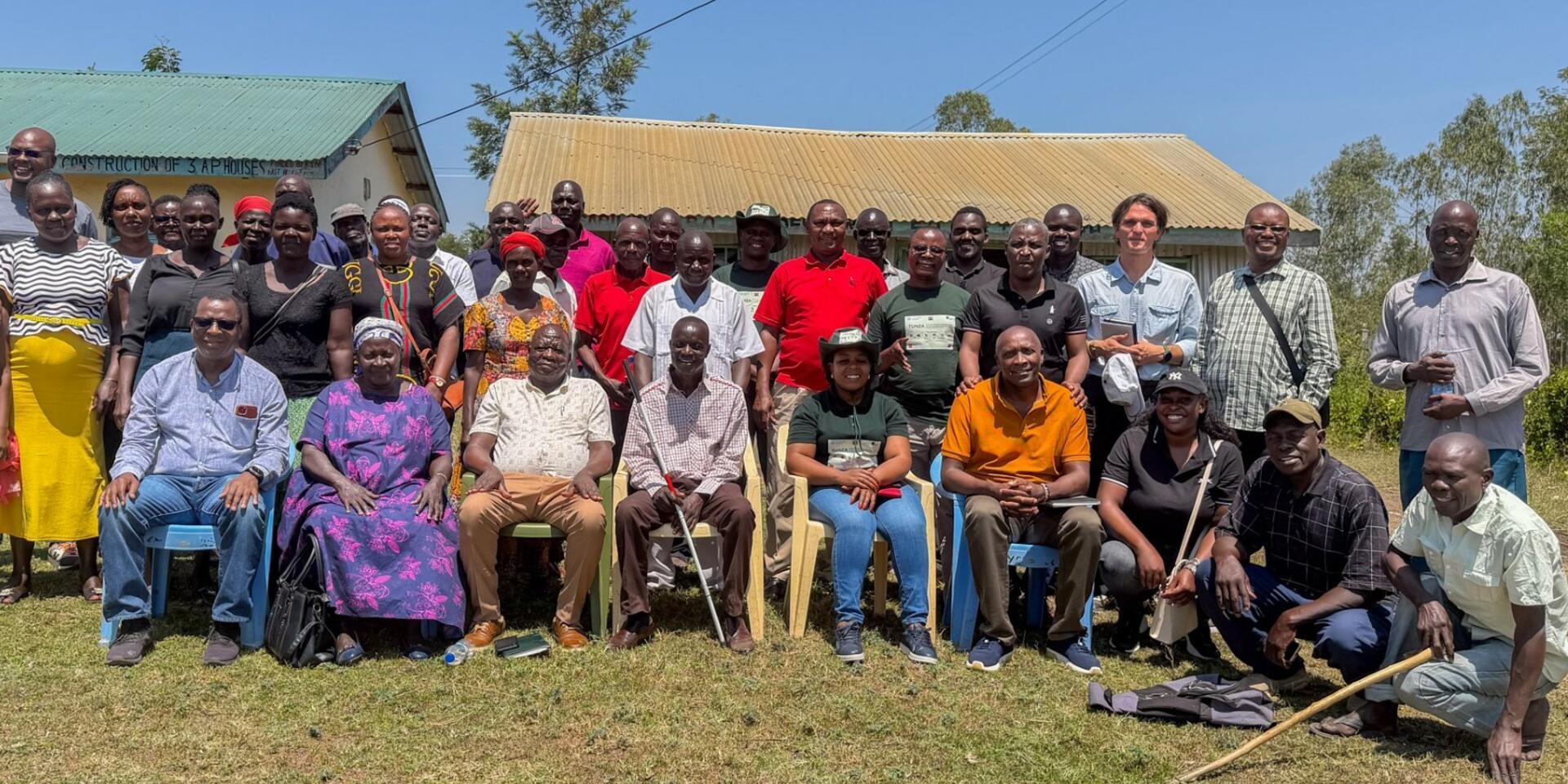
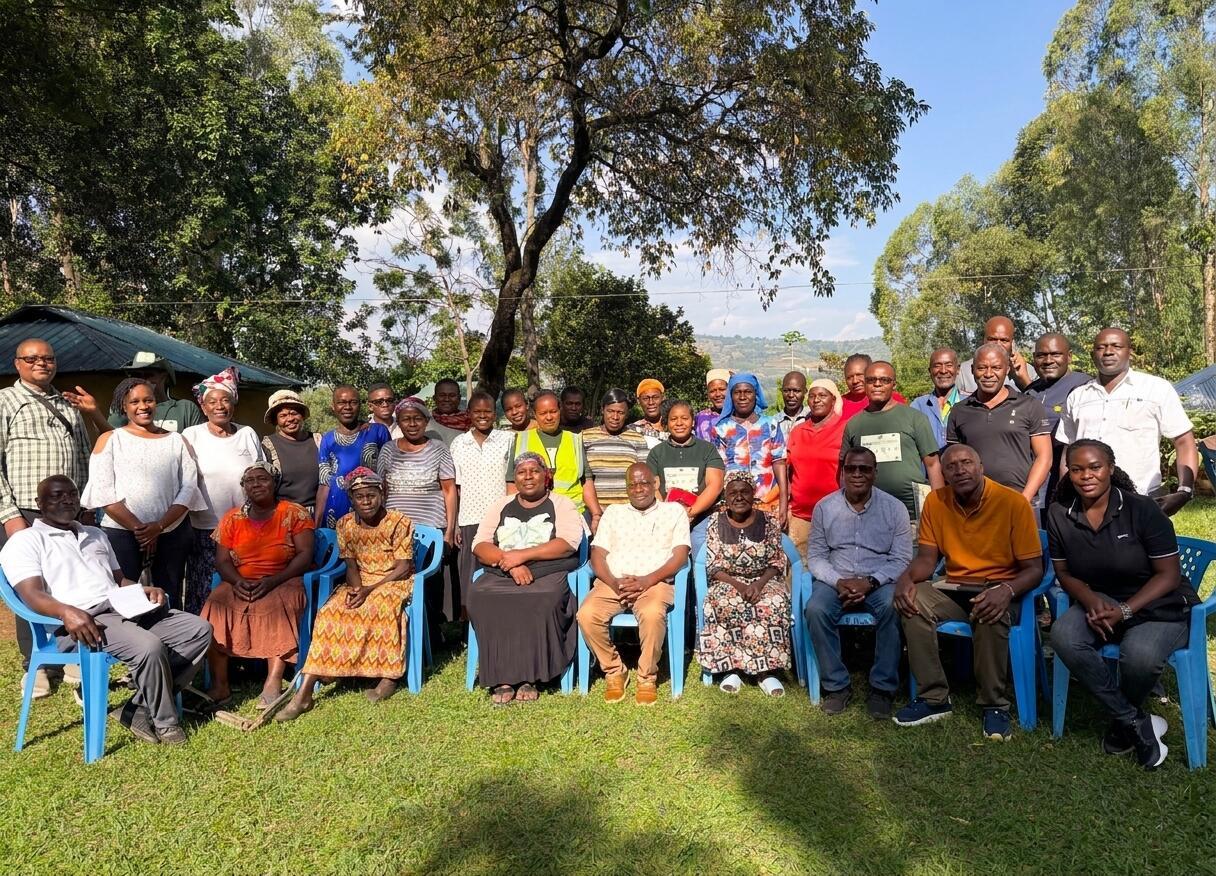
Our journey led us to two farmer groups: the Glory Disability Group, a disability-inclusive farming group cultivating indigenous green leafy vegetables, and the Odhis Ajwang Women Group under the Food and Agriculture Organization (FAO) Green Climate Fund(FAO) Tunza Project, where women farmers are strengthening their livelihoods through agriculture. These visits provided an opportunity to move beyond conference-room discussions and engage directly with the people climate information services (CIS) are designed to support.
In the fields, discussions shifted from weather forecasts to decision-making. Farmers described the challenges posed by increasingly unpredictable weather patterns and emphasized the need for climate information that reflects local conditions. They explained how weather information influences critical decisions on planting, irrigation, and crop management, particularly for indigenous leafy vegetables that are highly sensitive to weather variability.
The conversations also revealed that farmers are not passive recipients of information. They actively interpret scientific forecasts alongside generations of local knowledge to manage risk and make informed decisions. Yet many expressed a need for more timely and practical advisories that not only predict weather conditions but also recommend actions in response.
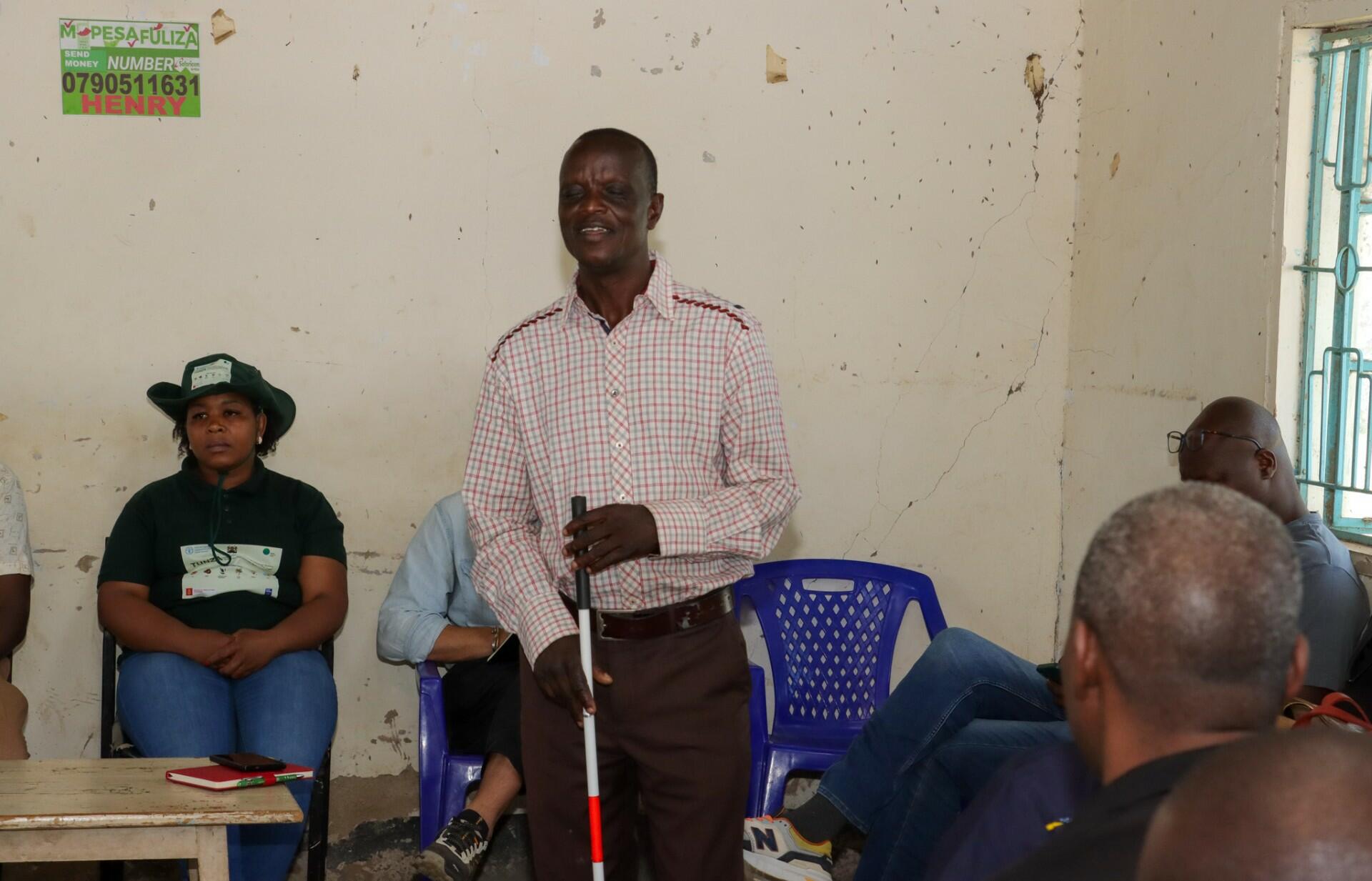
"We used to rely on indigenous knowledge to tell us when the rains were coming. Sometimes they still help, but the weather is changing. Today, we need weather advisories that tell us not only when it will rain, but what that means for our crops." Charles Ochola, Glory Disability Group Governor
A key insight emerging from the visits was the persistent disconnect between climate information production and its application on farms. While forecasts are routinely generated, farmers need information that is localized, easily accessible, and directly linked to their production realities.
Learning through community-led innovation
One promising approach highlighted during the discussions was the Farmer Field School (FFS) model. Through this system, farmers learn through hands-on experimentation, peer-to-peer learning, and community-led problem-solving rather than relying solely on conventional extension services. Facilitators are drawn from within the community, fostering trust, ownership, and sustained engagement.
Farmers are organized into common-interest groups (CIG) around specific enterprises such as African leafy vegetables, poultry, dairy, and fruit production. Within these groups, members test new practices, evaluate results, and share lessons learned. The model also supports collective marketing, allowing farmers to aggregate produce and supply institutional buyers such as schools and hospitals. Beyond strengthening technical knowledge, the approach improves market access and incentivizes innovation through shared economic benefits.
The experience shows that CIS is more effective when embedded in trusted community structures where farmers collectively interpret information and translate it into practical actions.
Making climate information relevant
While the farmers access weather information through radio broadcasts and smartphone applications, most reported that forecasts are often too broad to support farm-level decisions at the ward level. Regional forecasts frequently fail to capture local conditions, leaving uncertainty about when to plant, irrigate, or prepare for potential weather-related risks.
As a result, many farmers still rely on indigenous indicators such as bird behaviour, livestock movements, and other environmental observations. Although these indicators remain important sources of local knowledge, farmers acknowledged that they are increasingly insufficient on their own under changing climate conditions.
This combination of changing weather patterns and localized production needs underscores the growing demand for climate information that is both scientifically credible and locally relevant.
Moving beyond forecasts to actionable advisories
The Kenya Meteorological Service Authority (KMSA) generates weekly, monthly, and seasonal forecasts; farmers need those forecasts translated into practical recommendations. Information about expected rainfall, for example, becomes far more useful when accompanied by advice on crop selection, planting schedules, irrigation planning, pest management, or risk-reduction measures.
In 2024, Kenya operationalized its National Framework for Climate Services, which provides the framework for providing climate services. Under this framework, priority sectoral focal points work with KMD to include impacts in seasonal forecasts and document weather-event impacts throughout the seasons. This allows KMD to tailor forecasts to users' needs.
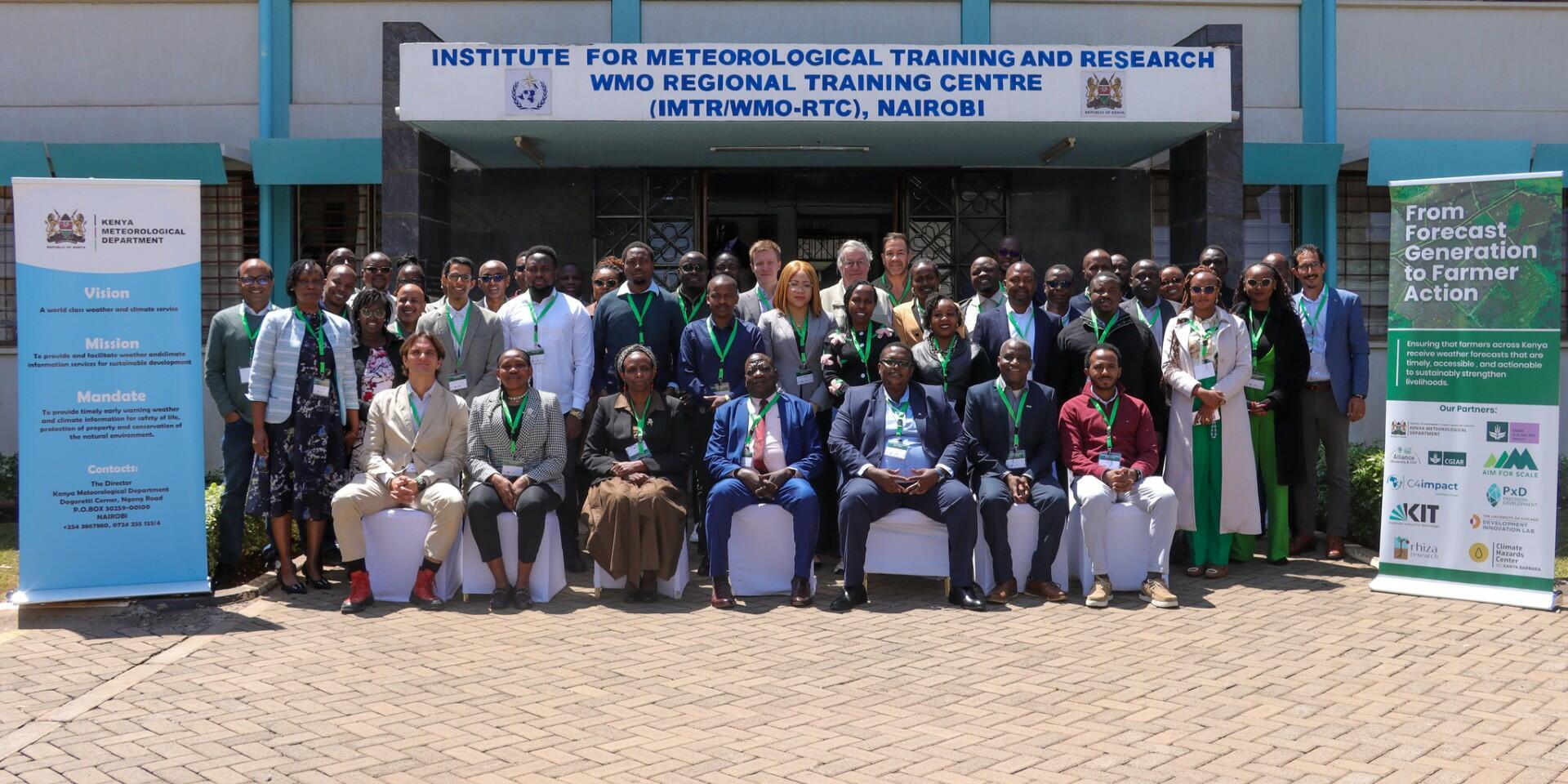
The Alliance, KMSA and Aim for Scale together with partners at the farmer-to-forecaster workshop in Nairobi.
Combining science and indigenous knowledge
An important lesson from the field visits is that effective climate services should integrate, rather than separate, scientific and Indigenous knowledge systems.
Farmers' observations provide local context, historical understanding, and trusted insights about environmental change, while scientific forecasts contribute broader climate analysis and predictive capacity. Bringing these perspectives together can improve both the relevance and credibility of climate information.
Participatory forecasting processes offer one pathway for integration. By creating spaces where farmers share local observations and meteorological experts contribute scientific forecasts, communities can jointly interpret information and develop advisories that are meaningful for local decision-making.
Strengthening forecast localization
Improving forecast localization emerged as a priority for maximizing the value of climate information services. Thus, through the Scaling for Impact Science program, the Alliance supports systems that put farmers at the center of climate service design. To address this gap, KMSA committed to integrating farmers into SMS-based and digital communication platforms that deliver real-time weather updates and advisories. Such channels can provide more targeted information while also enabling feedback between service providers and farmers.
Policy and practice implications
The discussions demonstrate that strengthening climate information services is not simply a technical challenge but a broader development and adaptation priority. Making climate information useful requires systems that convert forecasts into practical, decision-ready advisories tailored to farmers' needs.
The commitment by the Alliance, AIM for Scale, and KMSA representatives to translate forecasts into actionable recommendations reflects an important step toward closing the gap between information generation and farm-level decision-making.
Achieving this will require investments in localized forecasting, digital delivery systems, farmer-centered advisory services, inclusive participation, institutional coordination, and continuous feedback mechanisms. Together, these elements turn cis data into a tool that helps farmers make better decisions, strengthen resilience, and improve livelihoods in the face of a changing climate.
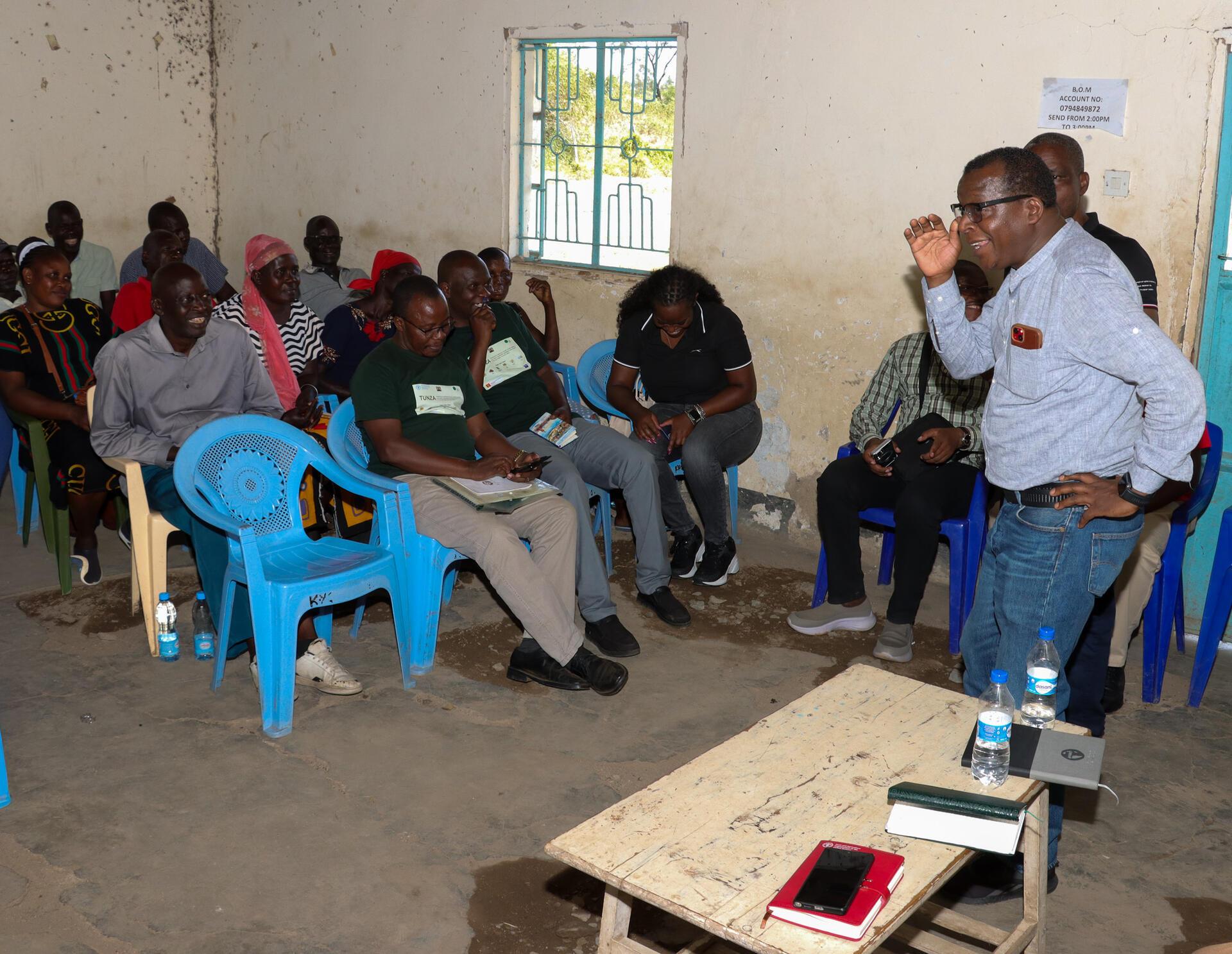
Desire Kagabo, Project Leader at the Alliance, sharing insights on the need for a localized digital climate advisory system.