Blog From national forecast to local action: Pilot for impact-based weather advisories

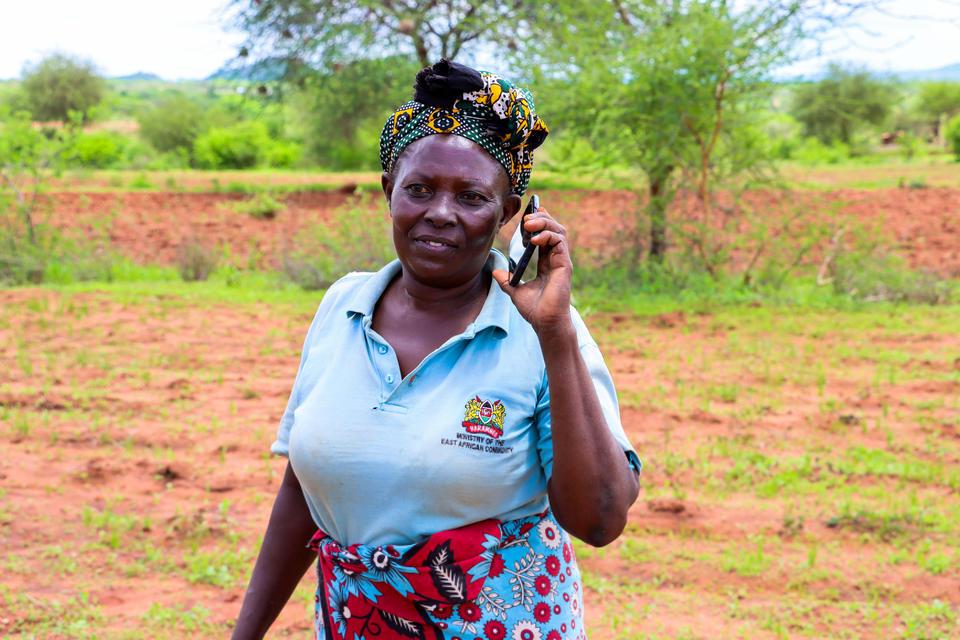
For a farmer watching the first rains arrive, the question is no longer simply whether rain is coming; it is whether there will be enough of it, for long enough, to make planting worthwhile. Therefore, weather and climate information play a critical role in Kenya’s agriculture and food security.
As seasonal and sub-seasonal forecasting continues to improve, including through emerging AI-based approaches, there is growing potential to provide farmers with more accurate, timely, and agriculturally relevant information.
To address this challenge, the Kenya Meteorological Service Authority (KMSA), together with the Alliance of Bioversity International and CIAT and the AIM4Scale partnership, launched a new pilot to turn advances in climate forecasting into practical agricultural advice for farmers. The pilot will test newly developed and validated rainy-season onset and sub-seasonal forecasting products and explore how to integrate them into advisory systems ahead of Kenya's 2026 short rains season.
The pilot is built around a simple but important question: how can better climate intelligence lead to better decisions on the farm?
Vibrant messages from the opening session
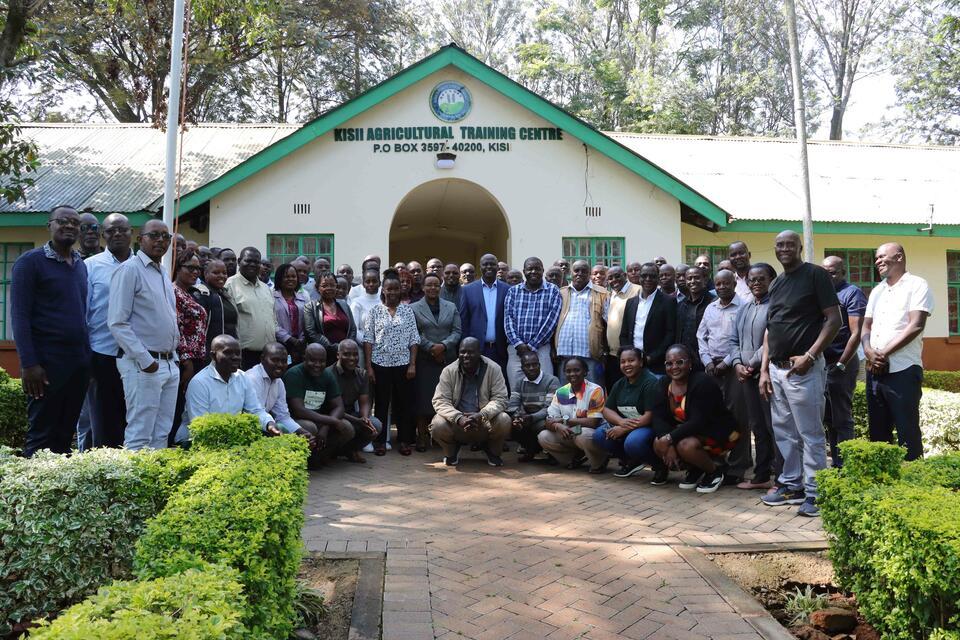
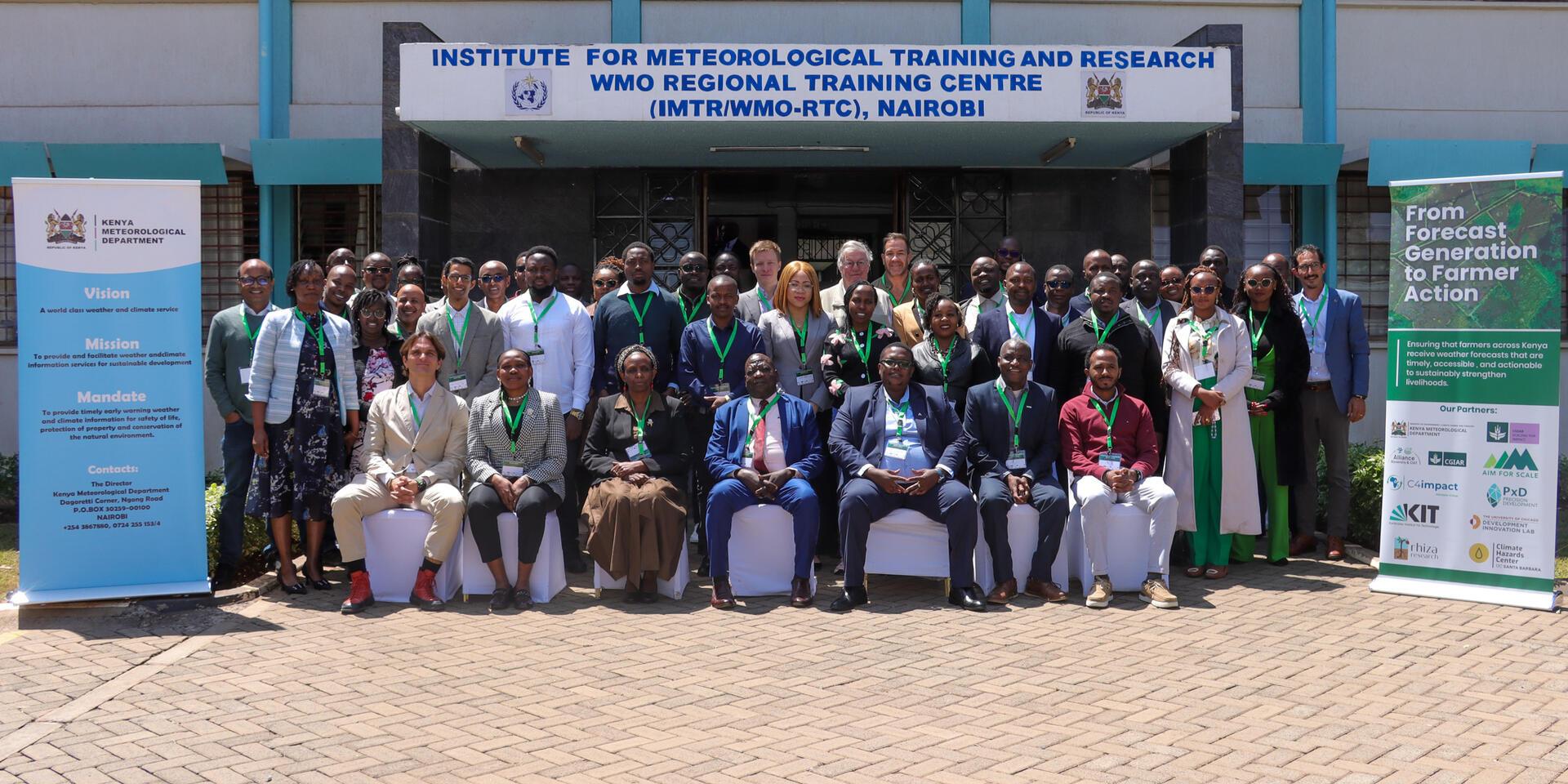
The workshop's opening remarks from key speakers representing government, research, private sector and development partners set the tone for the meeting, highlighting both progress in forecasting and the persistent challenge of providing useful climate information to smallholder farmers.
While forecasting capabilities continue to improve, many farmers still struggle to access or act on climate information. Forecasts are often delivered too late, lack sufficient local relevance, or are not translated into clear agricultural guidance. Closing this gap requires more than scientific advances. It requires partnerships, trusted communication channels, and systems that can move information from forecasting centers to farmers' fields.
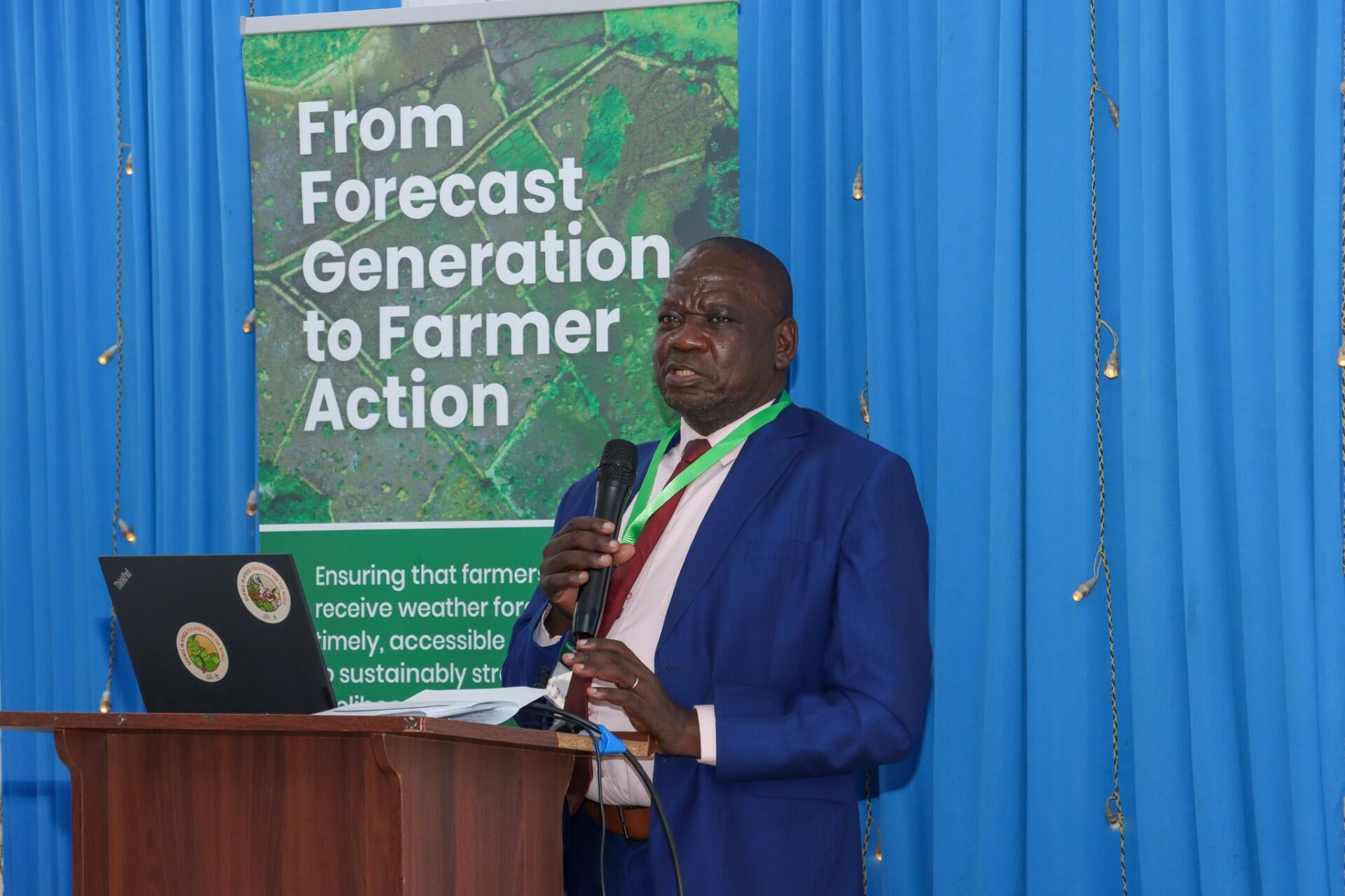
Welcome remarks by Charles Mugah from KMSA representing the Director.
Speaking during the launch workshop, Charles Mugah, representing the Director of KMSA and Kenya's Permanent Representative to the World Meteorological Organization (WMO), highlighted ongoing efforts to strengthen climate products through a combination of physics-based and AI-driven forecasting approaches. However, he noted that the real challenge is ensuring information reaches farmers in a usable form.
"We must fill the gap together by building a data-driven and AI-enabled climate services value chain that strengthens farmers' confidence in agro-weather advisories."
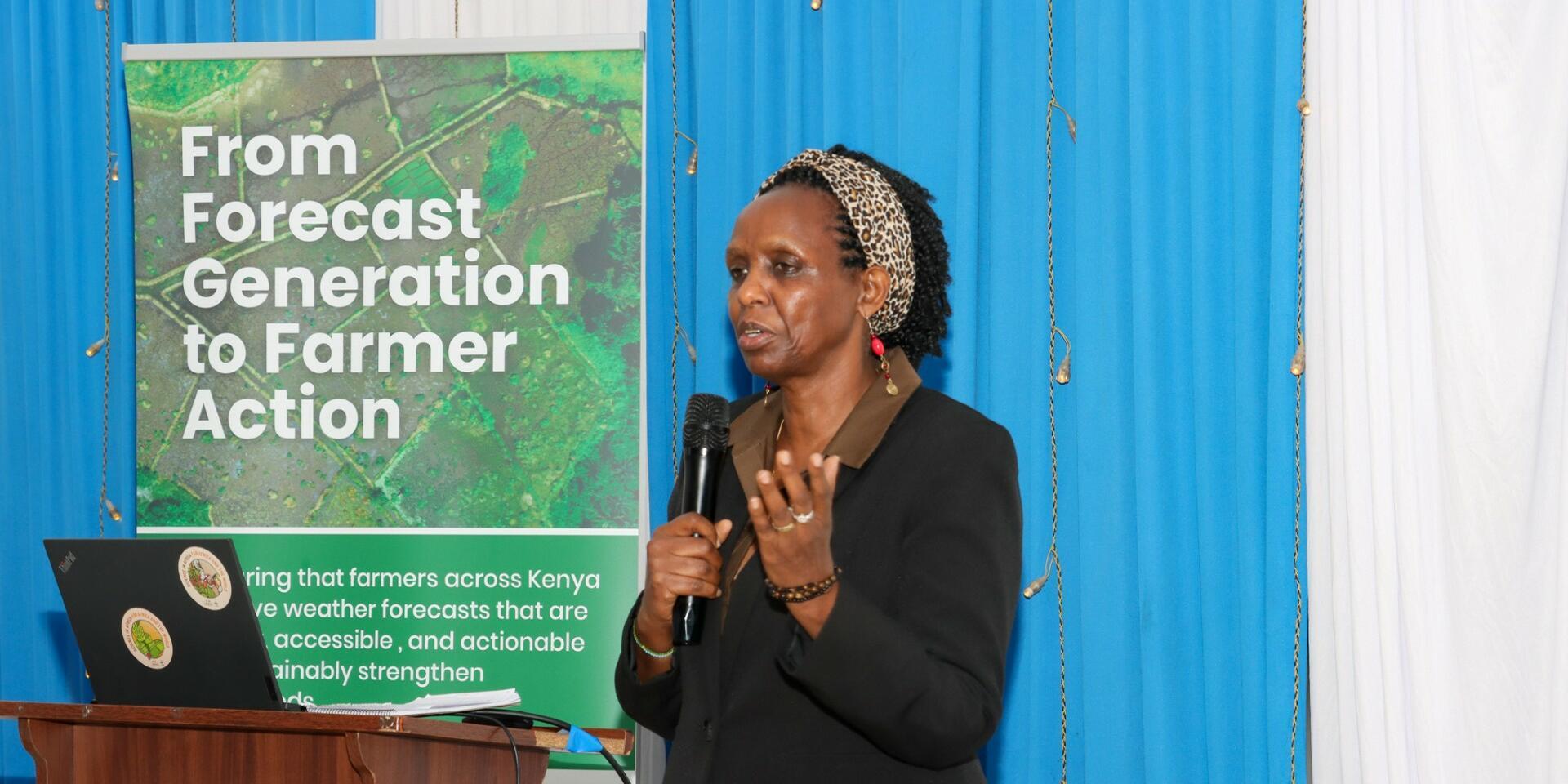
Dr. Agnes Kalibata, Founder and Chair of Connect for Impact Advisory Group, speaking on behalf of the AIM4Scale partnership, emphasized the need to move towards more precise and localized climate information. Farmers, she noted, need more than to know whether it will rain; they need information that helps them make decisions.
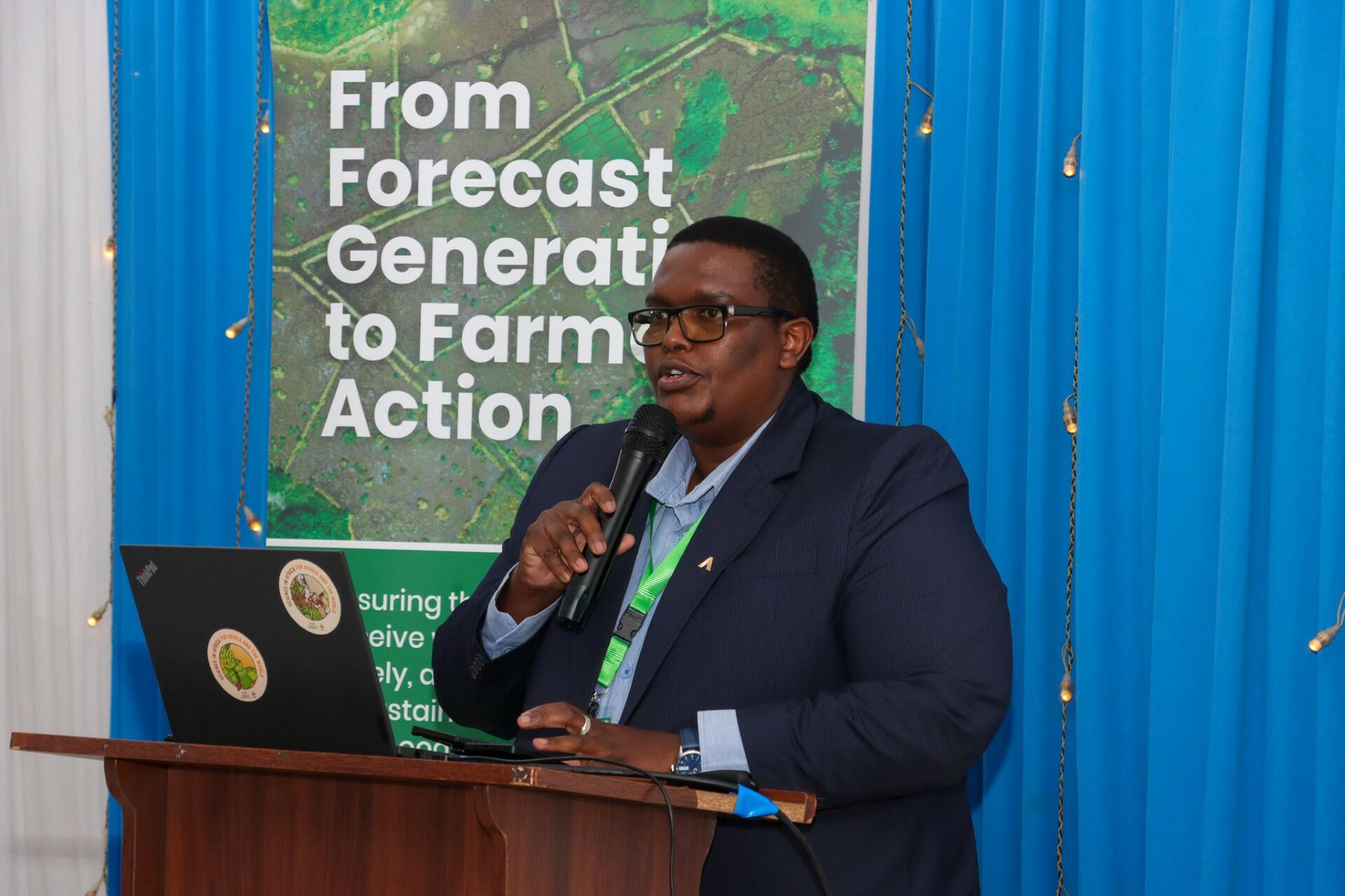
Simon Mulwa from KALRO gave the keynote speech on behalf of the Director General.
The Deputy Director of the Kenya Agricultural and Livestock Research Organization (KALRO), Simon Mulwa brought the discussion back to farmer action, saying a forecast's value lies in what it enables a farmer to do. As he put it:
“A forecast sitting on a server is information. A forecast translated into when to plant, what to plant, where to plant, and how to manage emerging climate risks becomes a decision support tool.”
He stressed that the pilot’s success should therefore be measured not only by forecast accuracy, but by whether information reaches farmers, is understood, and supports better decisions.
A key session of the workshop focused on new seasonal onset and sub-seasonal forecasting products KMSA developed for the pilot. The new forecasts aim to fill an important gap between short-term weather forecasts and seasonal outlooks by providing useful information over the two-to-six-week period when farmers make critical decisions such as when to plant.
The new system combines established forecasting science with AI-driven approaches and improved ground observations to deliver more reliable, locally relevant information. The Climate Hazards Center, University Corporation for Atmospheric Research (UCAR), Karlsruhe Institute of Technology, and Rhiza Research support the development of these new products, working alongside KMSA. The pilot will provide an opportunity to test how these improved forecasts can be translated into practical information for farmers, particularly for the upcoming short rainfall season and next year’s long rain season.
From reading the season to reaching the farmer
Presentations from Famine Early Warning Systems Network (FEWS NET) and Precision Development underscored the importance of translating complex climate information into simple, actionable messages that farmers can understand and trust. Lessons from Ethiopia and India demonstrated that even highly accurate forecasts have limited value if they are not communicated in ways that support decision-making.
A charter to hold the pilot together
With the science and farmer-facing lessons on the table, the conversation shifted to a practical question: what will it take to make the pilot work?
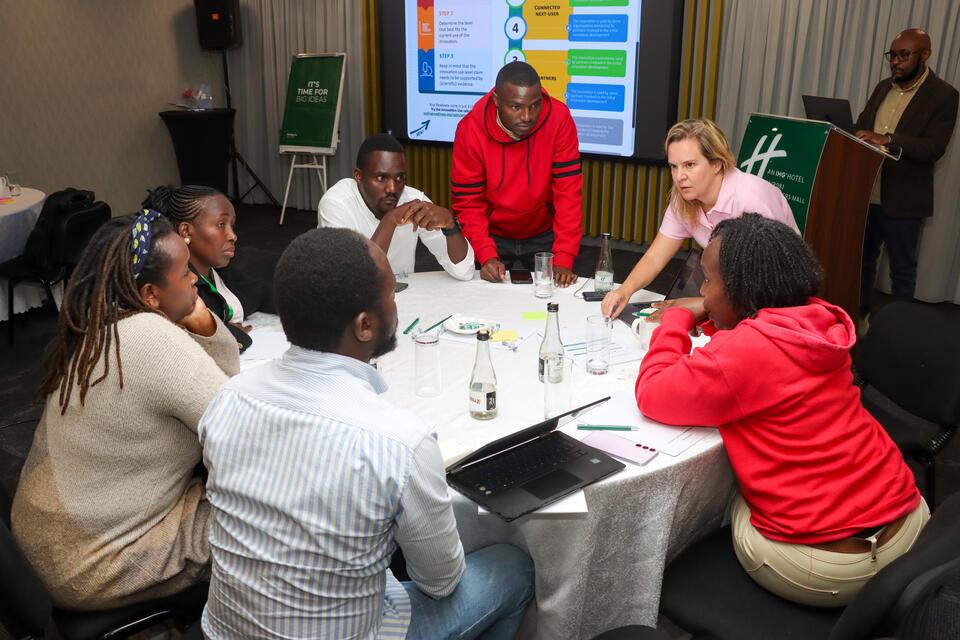
Participants explored a proposed, non-binding charter with a shared commitment to working together to deliver high-quality, location-specific forecast information to farmers. Rather than replacing existing agreements between institutions, the charter is intended to provide a common foundation for collaboration, helping partners work from consistent and trusted information.
The discussion also moved from what the forecasts can tell us to how partners will access and use them using different platforms and formats. Participants were introduced to European Center for Medium-Range Weather Forecasts (ECMWF)-based sub-seasonal products providing a six-week outlook, which will be made available through APIs and machine-readable formats for integration into partners’ existing systems.
KMSA will serve as the authoritative source of weather information, while technical working groups will help define how forecast products can be integrated into existing advisory systems. Partners will also work together to validate forecasts against ground observations and collect evidence on how farmers are using the information.
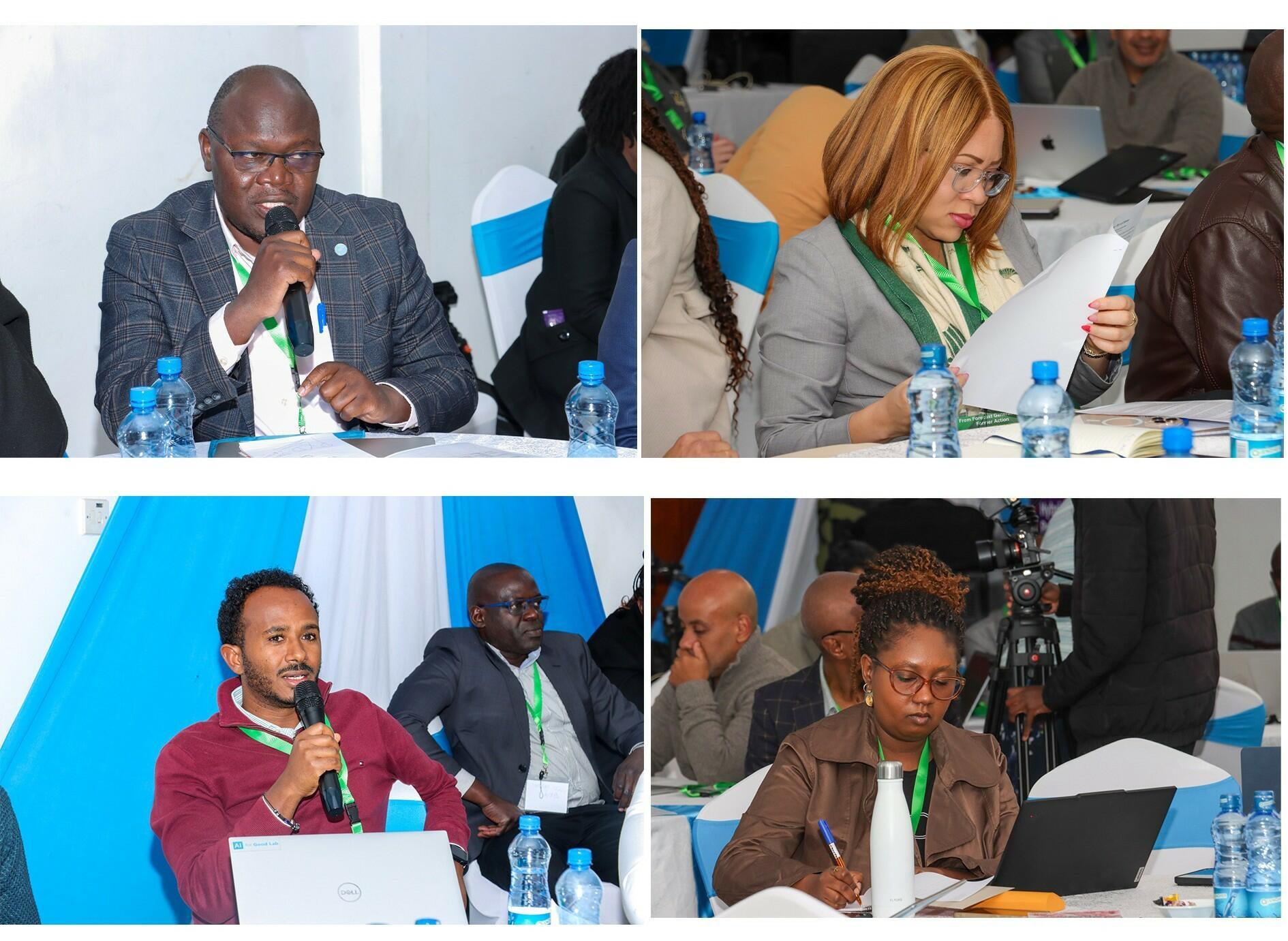
Participants during the discussions on the pilot charter. Photo: Esther Nzuki/CIAT
What happens next
The workshop closed with a concrete set of commitments. A technical working group will develop a framework for data sharing and collaboration among stakeholders, and consortium partners will begin implementing the pilot, focused on this year's short rains and next year's long rains, with research institutions validating forecasting products against ground-level observations along the way.
Participating organizations are reviewing the final proposed charter and access conditions, with expressions of interest to join the pilot due shortly after, ahead of the first technical working group meeting and the planned start of forecast data dissemination for the short-range season in early September.
Why it matters
The workshop's real achievement was not only introducing the new climate products but also agreeing on what needs to be in place for the improved forecasts to reach farmers at scale. The meeting agreed that the required mechanisms include a shared charter, common data standards, an authoritative source of information, and a coalition committed to delivering consistent, trusted climate information.
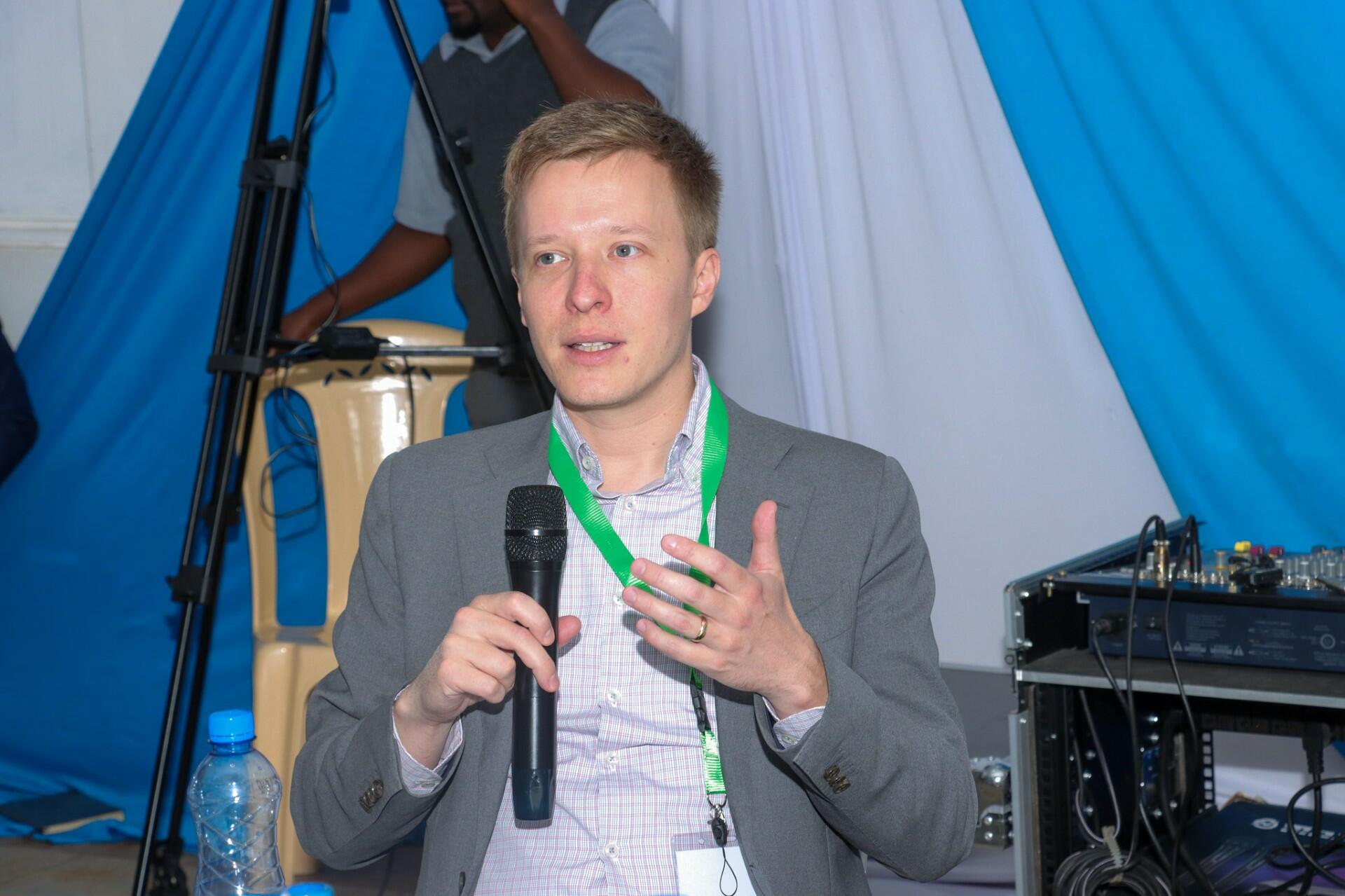
"There's going to be a lot of value in the learning that can happen out of this pilot. Collectively, for the institutions participating in dissemination, it's worth thinking about how to go beyond simply asking whether farmers received or liked the information and further understand whether it actually changed their decisions. And how we can maximize how much we learn from that, and how it feeds into subsequent activities." Joshua Deutschmann from the University of Chicago.
Because in the end, the distance between a forecast and a farmer's decision is measured in trust, consistency, and the strength of the relationships that carry information from the weather stations and forecasting models to the meteorologists, to the extensionists, and finally to the farmer’s field.
The team

Aniruddha Ghosh
Senior Scientist
Desire Kagabo
Project Leader
Grace Koech
Senior Research Associate