Blog Can a card game change how children think about food – and how they eat?

Researchers from the Alliance and partners are testing Food Heroes in 37 Kenyan schools to explore how a comic and card game can help children understand food systems, biodiversity, and nutrition while inspiring real-world action.
Across Kenya, researchers and partners are asking a question that classrooms don't often get to ask: what if children weren't just taught about agriculture and food systems, but trusted to help fix them?
The CGIAR Science Program on Multifunctional Landscapes (MFL SP) is testing that idea in schools, treating them not as places where knowledge simply flows from adults to children, but as hubs where young people investigate real food system problems, come up with innovative solutions, and work alongside their families and farming communities to sustainably transform the landscapes they live in. The result is Food Heroes, a comic, a collective card game, and a research-led learning approach built around a simple question: can play change how children understand food, nutrition, and biodiversity?
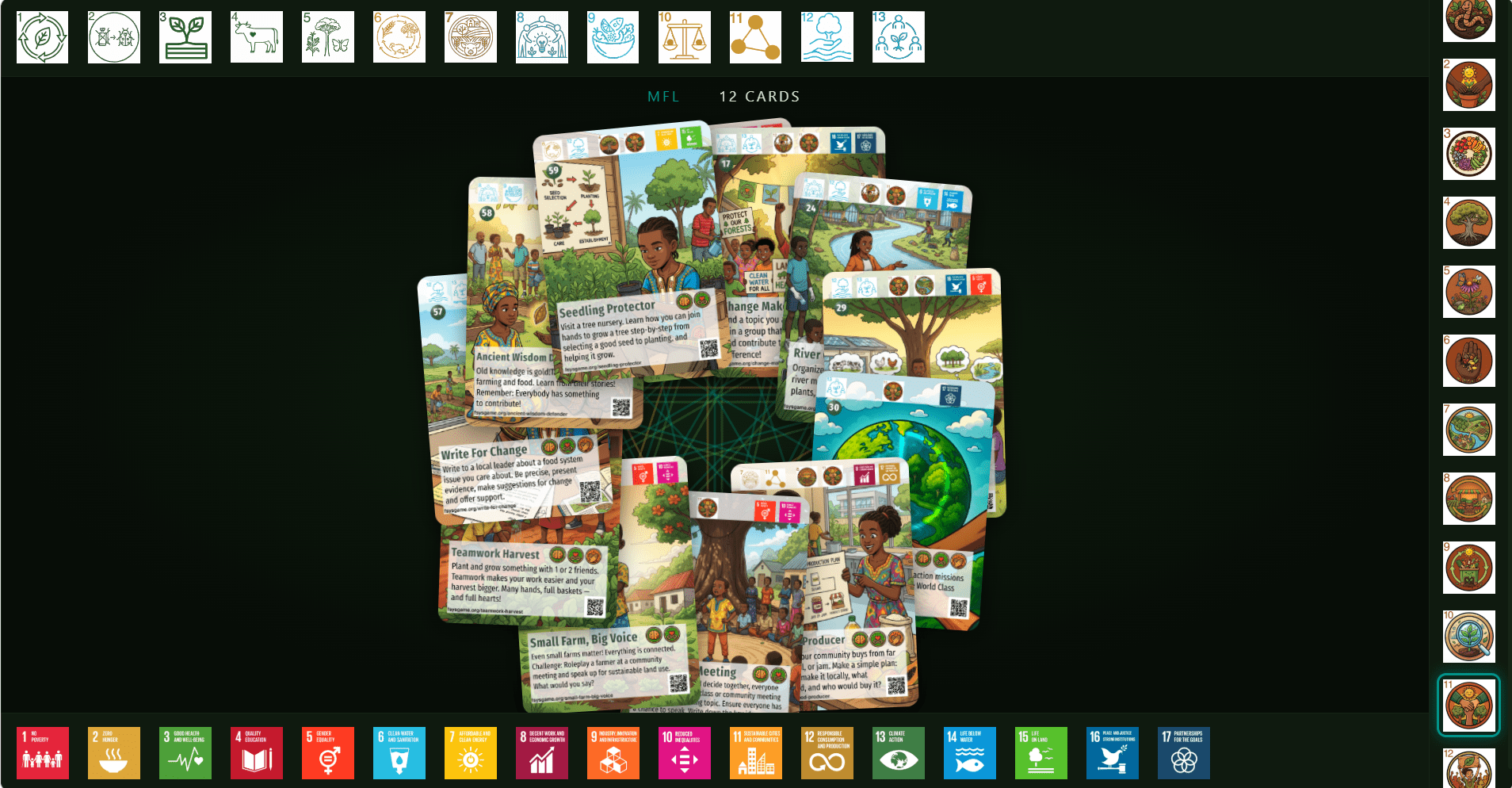
An interactive card explorer is included on the fsysgame website to explore Food Heroes Game cards, themes, and mappings.
Missing voices in the food system conversation
For decades, the push to transform food systems has centered on farmers, researchers, governments, and markets. Better crop varieties, stronger seed systems, restored landscapes, more sustainable farming practices: all of it has drawn serious attention and investment. One group, though, has mostly sat outside these conversations. Not because they lack influence, but because they've usually been cast as the people change will eventually reach, rather than people who can help define and drive it:
Children
The MFL SP team and partners in Kenya are pushing back on that assumption, exploring whether schools can become genuine catalysts for food systems change, places where kids grapple with the same complex questions as researchers do about how food, biodiversity, nutrition, and landscapes fit together.
Schools as part of the landscape
Food Heroes didn't start as a game. It started with an effort to strengthen the relationships that hold Kenya's landscapes together.
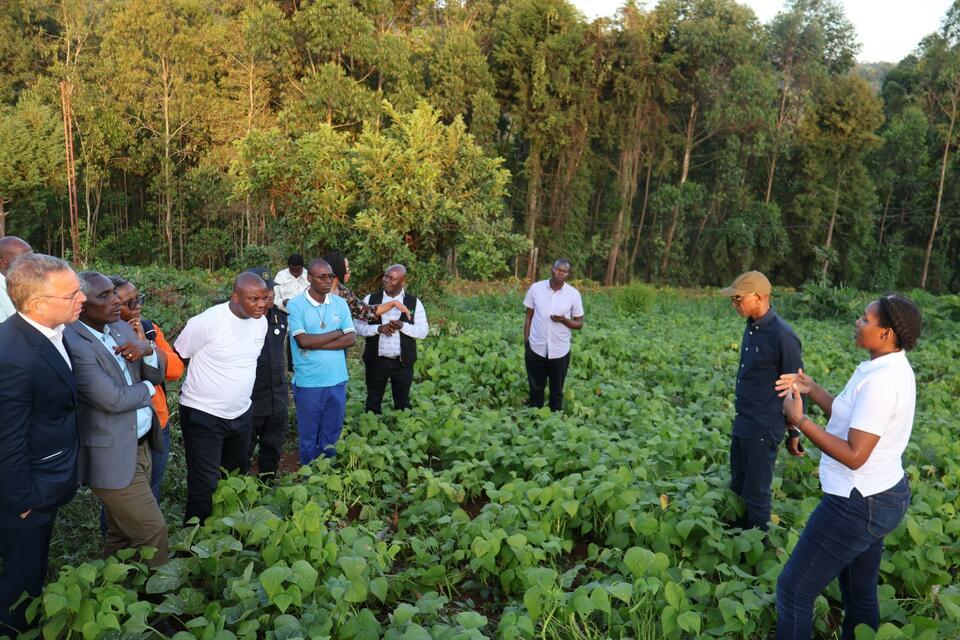
Specifically, Food Heroes was developed jointly with the Multifunctional School Networks in Kiambu, Kajiado and Makueni Counties, networks articulated with the Multifunctional Living Labs in Landscapes hosted by CSHEP Ndeiya, CSHEP Kiserian, and DNRC in Mbooni, respectively. Within the MFL programme, schools are linked to Farmer Training Centres that act as Living Landscape (LL) host centers, which also facilitate Farmer Research Networks, farmer groups that co-design and experiment with agroecological on-farm practices that are organised in Participatory Guarantee System (PGS) groupsthat aggregate, process and market agroecological produce, and are looped back to the schools. The results are vibrant local networks where knowledge and innovation are co-created and move back and forth between classrooms, farms, and communities to strengthen local food systems and access to healthy food for all. Schools aren't bystanders in this picture; they're part of a Living Landscapes approach built on the idea that resilient food systems depend on people actually talking with each other and finding solutions together.
"We started engagement with the schools as part of the broader Living Landscape approach that mobilises diverse actor networks, and also increases their engagement with each other," says Dr. Lisa Elena Fuchs, Scientist specialising in social and agroecological systems at the Alliance of Bioversity International and CIAT. "We work with Farmer Training Centres as host centres, Farmer Research Networks, Multifunctional Schools Networks and Participatory Guarantee System groups, all connected through the support of the Farmer Training Centre."
Once schools are woven into that network, children start learning something textbooks rarely convey that a landscape is a system, not a backdrop, one that supports livelihoods, biodiversity, and healthy diets all at once – and that their actions can make a difference.
Learning by doing, long before the cards existed
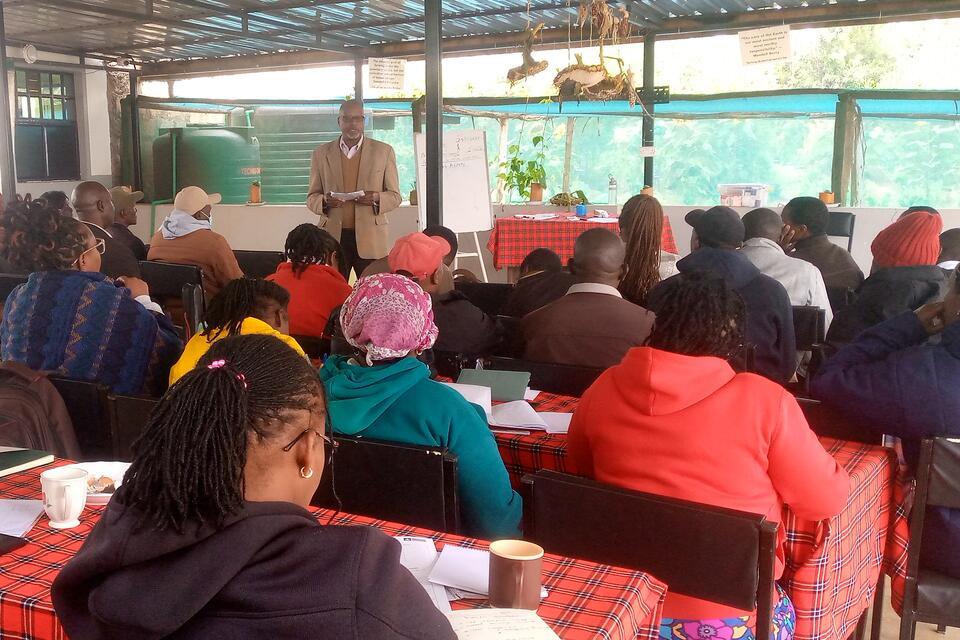
The programme's first steps with schools were hands-on. Participating schools, through the 4K Clubs, set up gardens, tree nurseries, and seed-saving facilities, with LL host centres supporting the work throughout in collaboration with the teachers.
"With the schools, we initially started by supporting the establishment of school gardens, tree nurseries and seed-saving facilities,"Fuchs explains."We work with the 4K Clubs, their teachers and school leaders, carrying out joint training in agroecological farming practices, tree seedling production, seed saving, seed sharing and multiplication."
These gardens are becoming something closer to living classrooms, places to watch biodiversity at work, understand why healthy soil matters, and see diverse crops up close rather than read about them. And they opened a door: if children could learn agriculture by doing it, could they learn food systems thinking the same way?
From a chance conversation to a comic
The idea for Food Heroes came out of conversations at the sidelines of a convening of the UNDP-convened Conscious Food Systems Alliance (CoFSA) and the 2025 CGIAR Science Week, where talk of play-based education got the team thinking about games as a pathway for food systems thinking, not as a gimmick, but as a genuine entry point for critical awareness and behaviour change.
"We started exploring how we could develop context-specific content together with the children," Fuchs recalls.
Researchers teamed up with a German technology and AI developer, a Kenyan consumer awareness organisation, and local partners across the Living Landscapes to figure out what that could look like in practice.
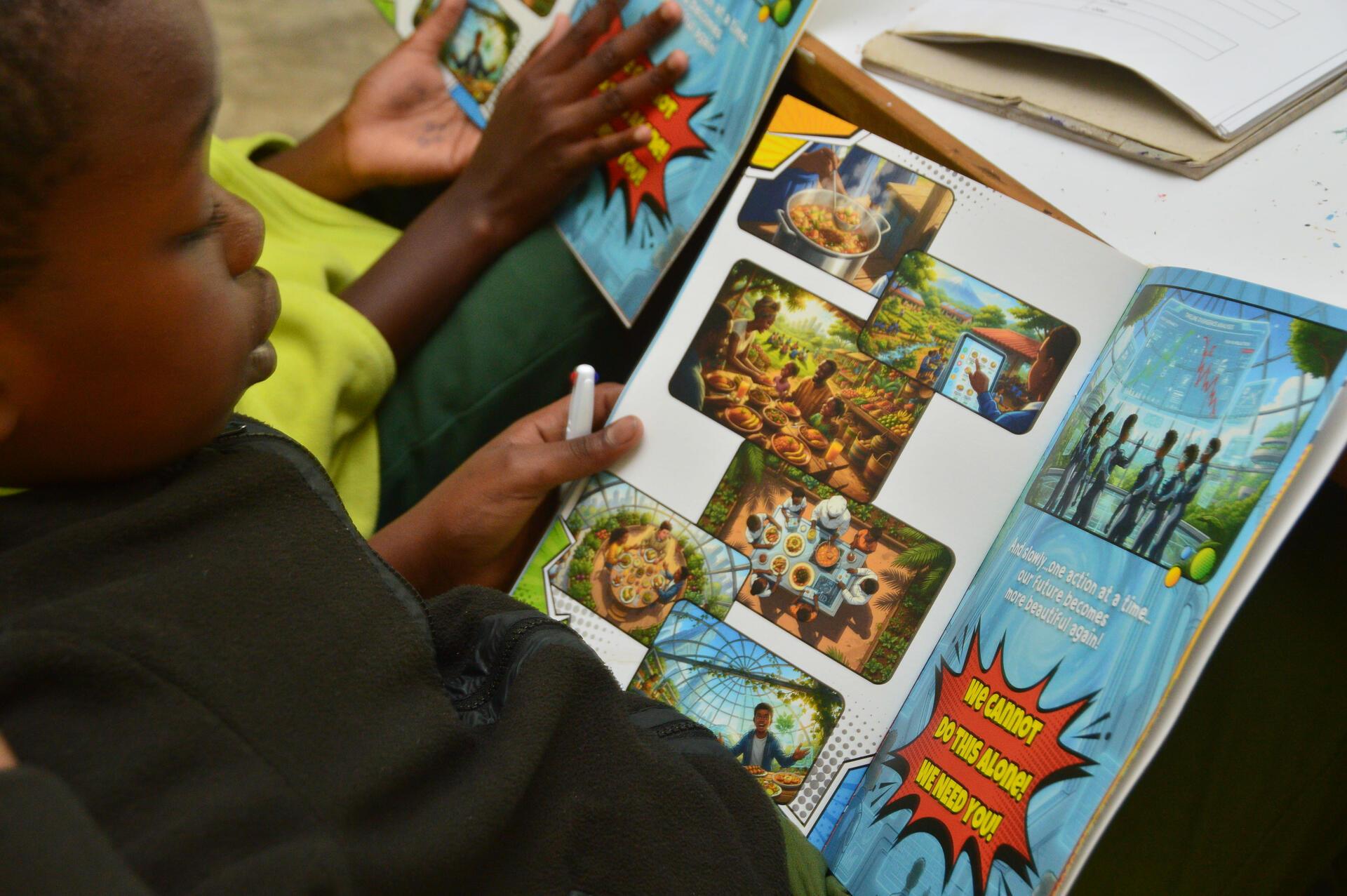
What came first was a comic through which the team addressed twelve interconnected MFL themes spanning healthy diets, biodiversity, agroforestry, seed systems, environmental conservation, civic engagement, and digital agriculture. Each theme was mapped against the 13 Principles of Agroecology, the 17 Sustainable Development Goals, and articulated with Kenya's Competency-Based Curriculum, and the national 4K Club curriculum, grounding the comic in both research and the realities of Kenyan classrooms.
When children stopped being an audience and became co-designers
The comic was always meant to be a starting point, not a finished product. Researchers brought a preliminary version to children in nine schools across Kiambu, Kajiado, and Makueni counties and asked them to help build on it. Together with the children, the team then adapted and published the final Food Heroes Comic so that its message would land: The world needs you; and developing action cards for the Food Heroes Game and playing it with your classmates and friends can allow you to be actively involved!
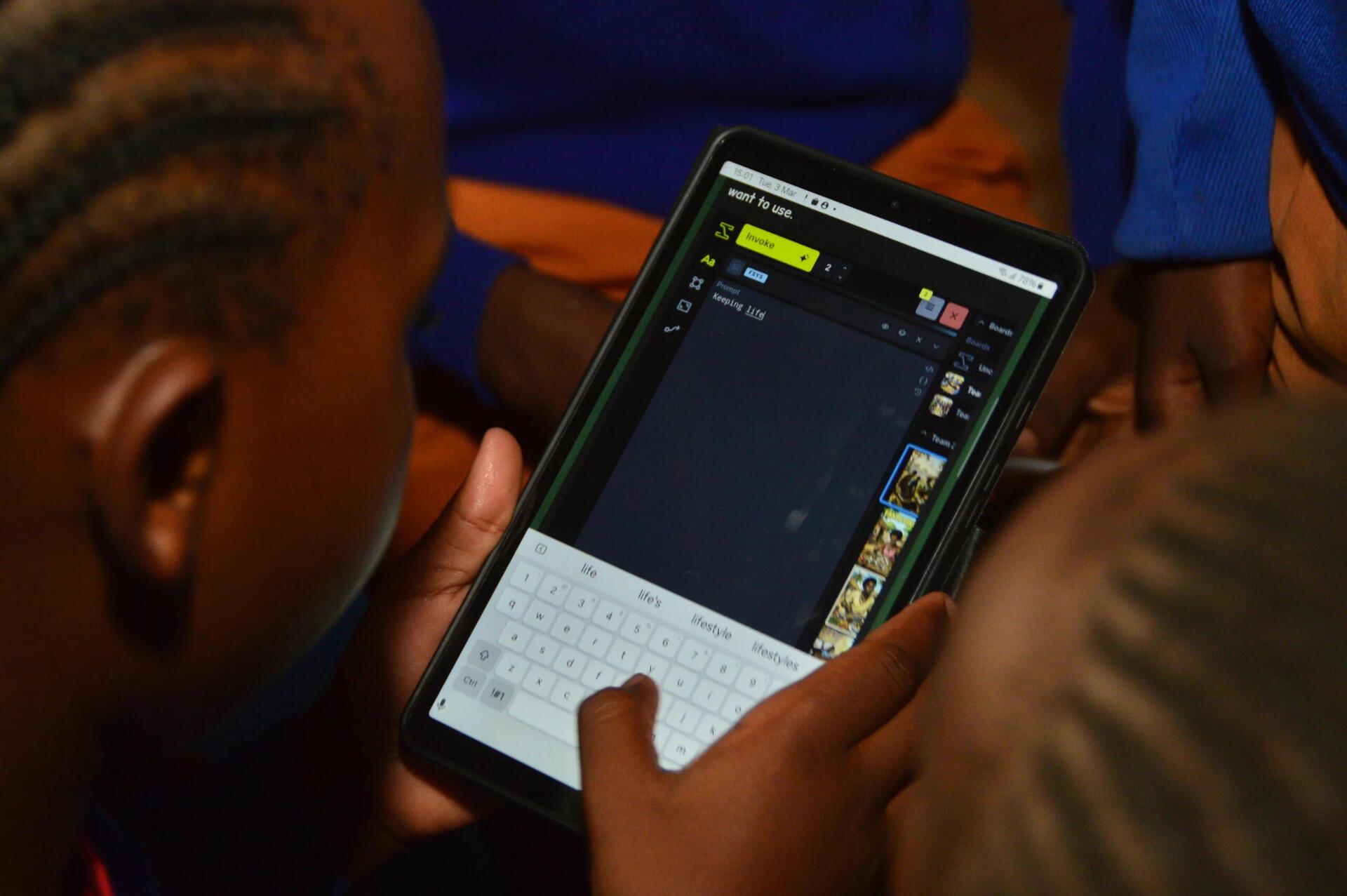
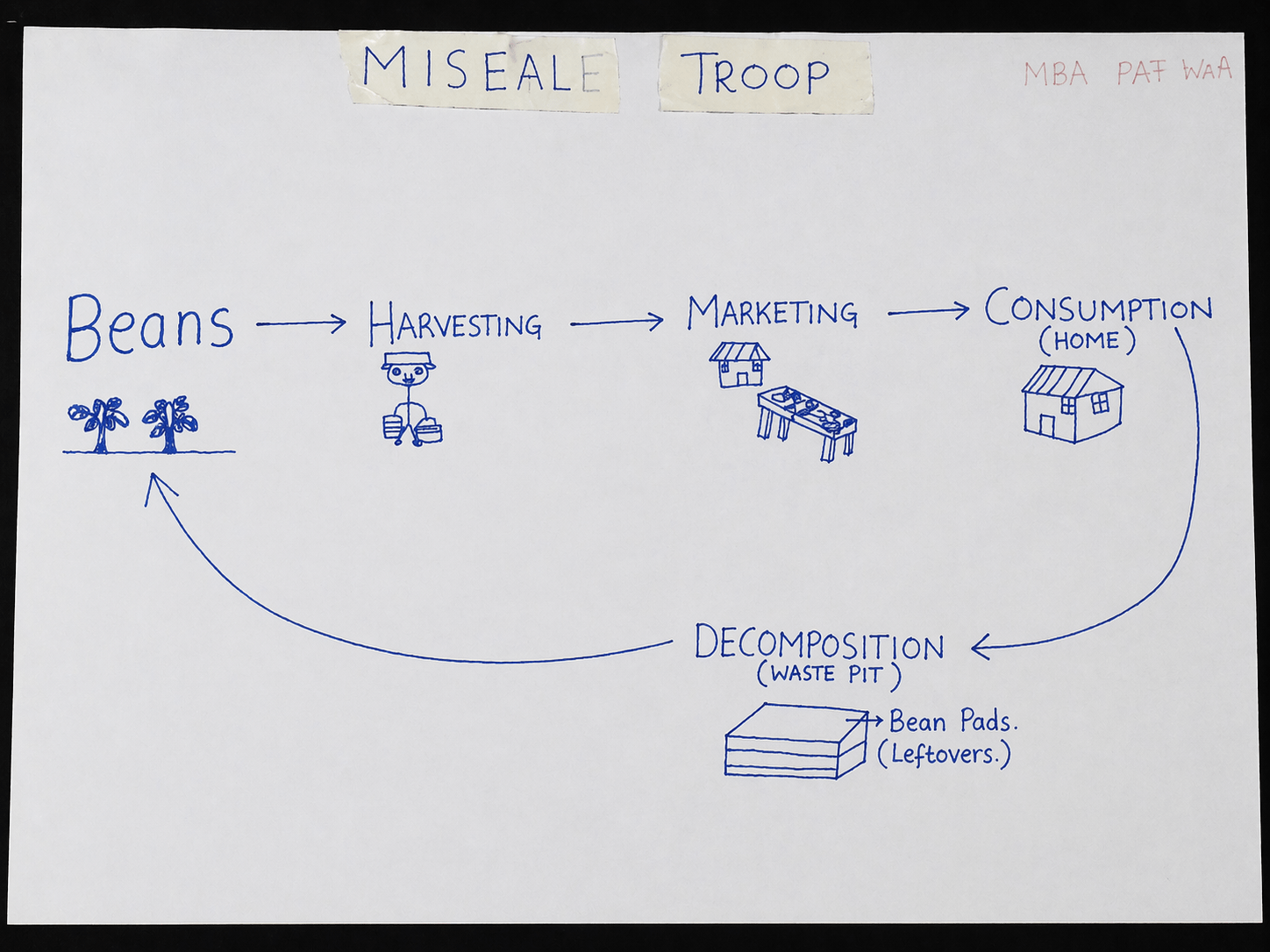
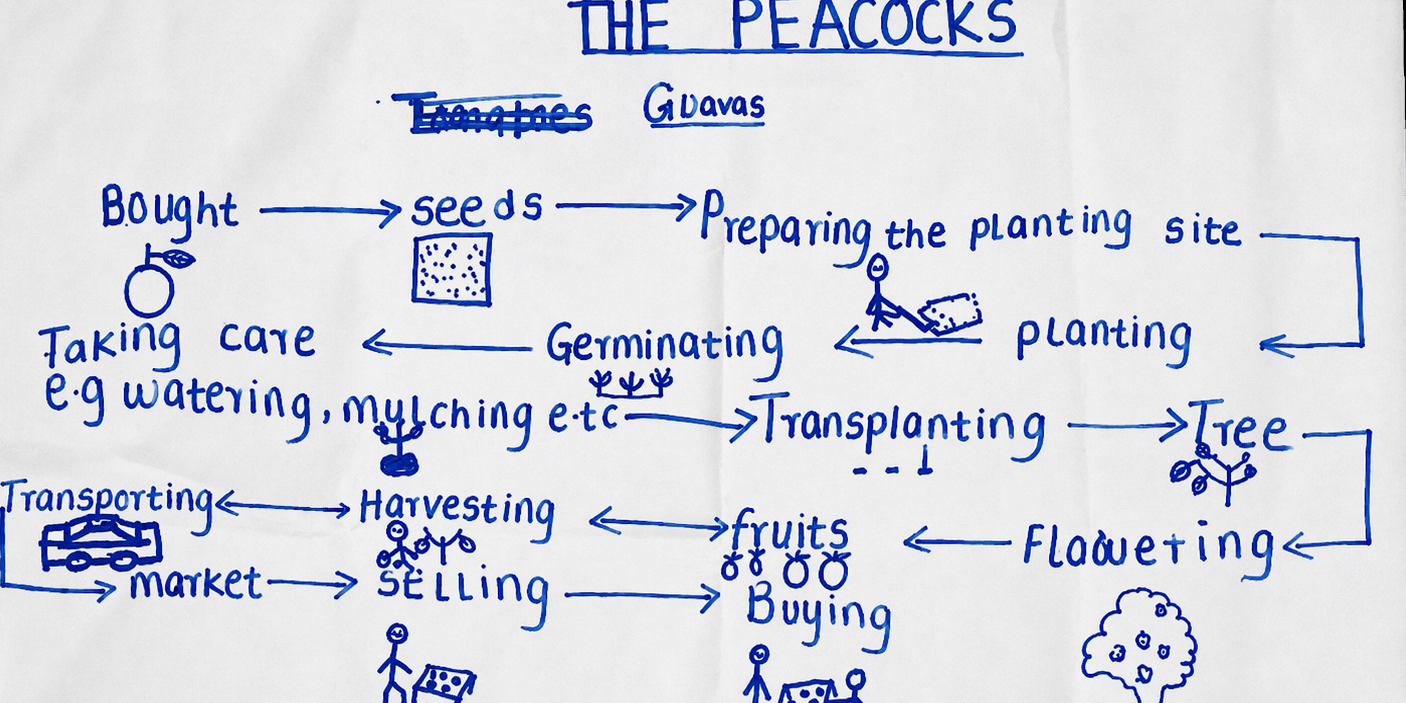
In co-design workshops, the children talked through food system challenges they'd actually seen in their own communities, proposed practical responses, and thought about how to explain those ideas to other kids. They also used AI-assisted design tools to create artwork drawn from their own experience of local food systems, rather than imagery handed to them from outside.
"We held co-design workshops with the children to develop interesting actions and challenges for each of the twelve MFL topics," says Fuchs."The children also co-designed the related imagery using AI software."
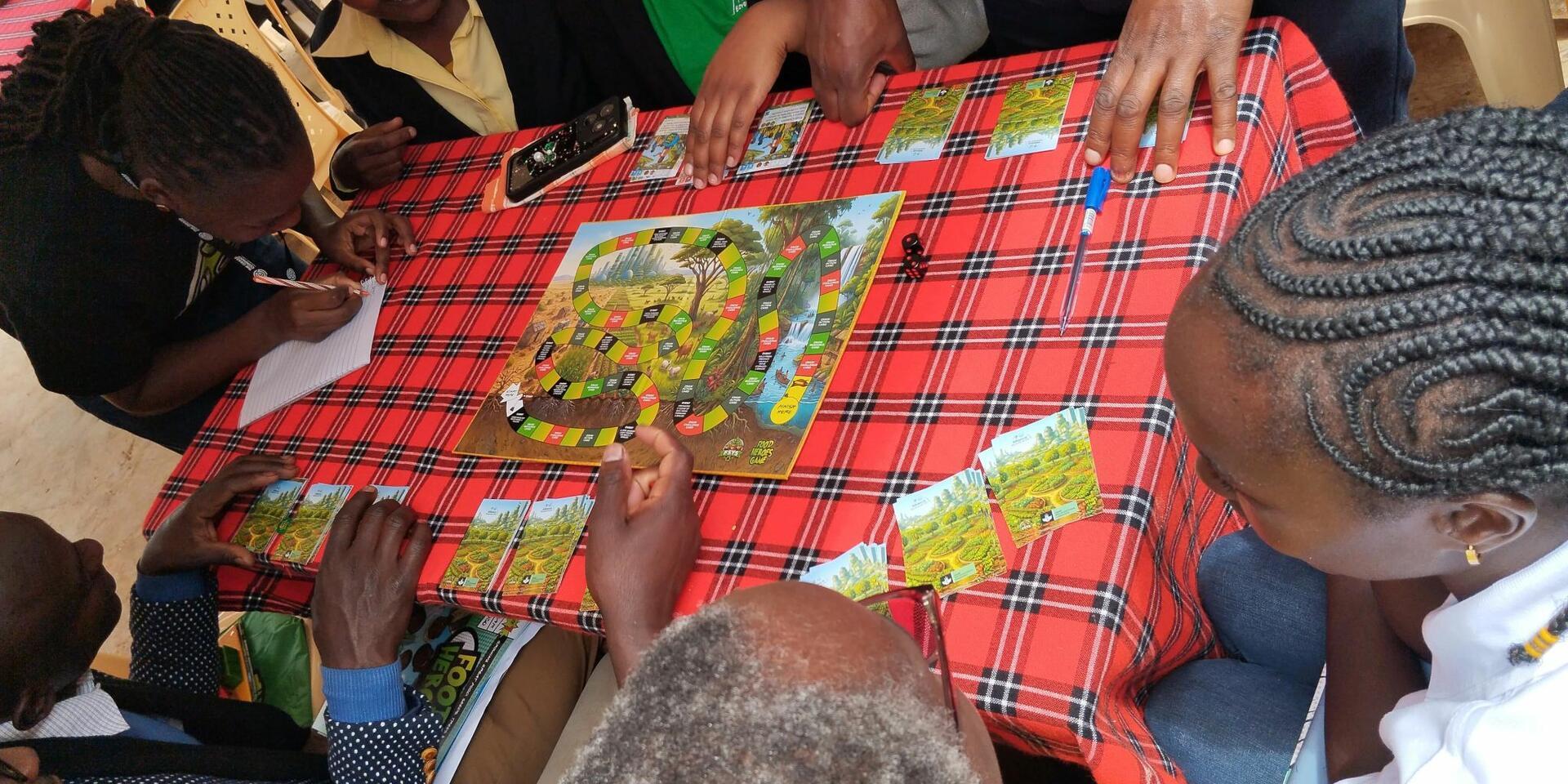
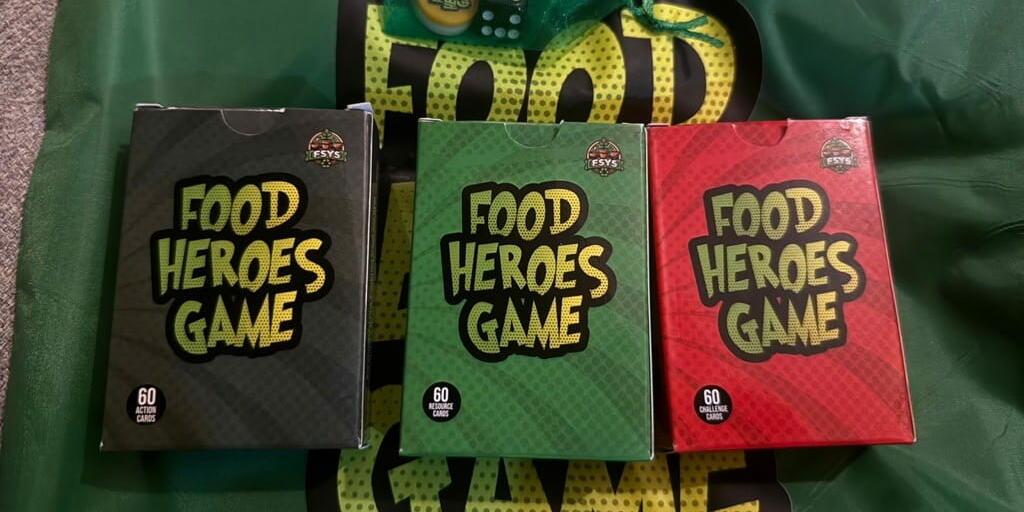
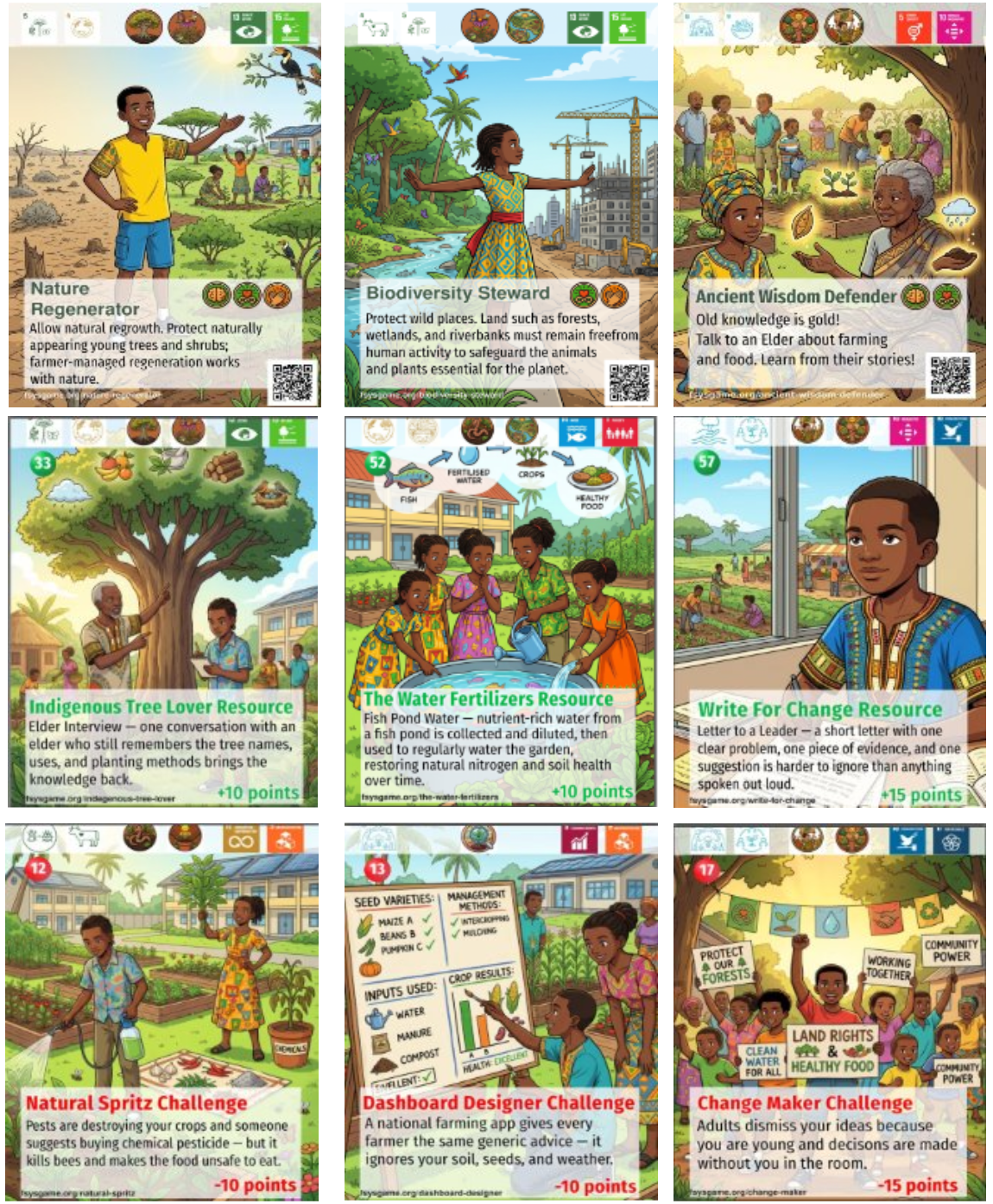
That process fed directly into the game itself: 60 Action Cards, 60 Challenge Cards, and 60 Resource Cards, built to get children identifying problems, debating solutions, and connecting those solutions to real knowledge and resources. The team also developed a Food Heroes Board Game that makes the children interact with the cards, allows teams to play against each other, and collect points on their food system transformation journey. The goal was never to hand children a set of correct answers, it was to get them talking, playing, and problem-solving together.
A kit that's already traveling further than expected
While the research rollout in 37 schools in the MFL school networks has just gotten underway in the second term of the 2026 school year, the game itself has already found its way well beyond the Living Landscapes. The developers behind the fsysgame.org platform track downloads of the DIY version of the cards, the printable kit that lets anyone build and play the game themselves. As of now, it has been downloaded over 300 times by users in 52 countries between May and July 2026, without any major promotion or marketing push, from countries including Colombia, India, China, Kenya, Peru, Mexico, Senegal, Tanzania, Tunisia, Vietnam, Nigeria, Malaysia, Zambia, the UK, Germany, Sweden, the USA, Canada, Costa Rica, Nepal, and Australia. A live network map on the fsys Agency site tracks where those downloads are coming from, a small but growing picture of how far a Kenyan classroom idea can reach.
The same site also hosts an interactive card explorer, where anyone can browse the full deck and see how each card maps against the 13 Agroecology Principles, the 12 MFL themes, and the 17 SDGs, making the thinking behind Food Heroes as easy to explore as the game itself.
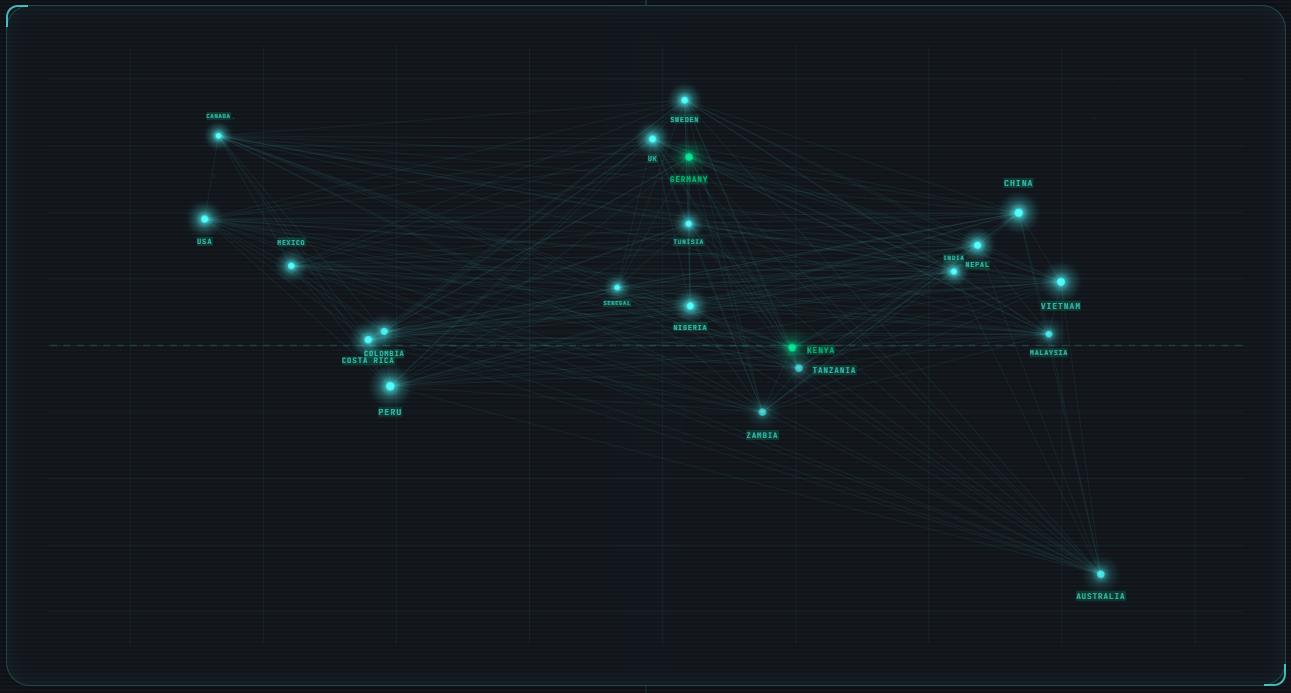
300+ downloads. 50+ countries. Zero marketing. Since May 2026, the Food Heroes DIY kit has spread from Kenya to classrooms and clubs as far afield as Colombia, Vietnam, Sweden and Australia, tracked live on the fsys Agency network map.
The real test begins now
Food Heroes has since been presented to schools, Farmer Training Centres, government ministries, the Teachers Service Commission, parents, and community representatives, and it's now been approved for rollout across participating schools.
The next phase asks a harder question than whether kids enjoy playing the game. Does it actually change how they think and act?
"We were given the go-ahead to roll out the games to all 37 schools and implement accompanying research to understand how the game, and the facilitated conversations within the 4K Clubs, change children's knowledge, attitudes and practices about food systems, landscape multifunctionality and healthy nutrition," says Fuchs.
Whatever the research finds, it will speak to more than just one game's success. It could offer real evidence that schools, treated as active parts of the landscape rather than institutions apart from it, have a role to play in building the knowledge, values, and collaborative habits that healthier, more resilient food systems will need.
Building on the emerging evidence, the team already has plans to expand access to and use of the comic and the game in Kenya, including by launching them at a special session on Youth in Agroecology at the 3rd National Agroecology Symposium on 23 July 2026, and also collaborates with partners in other MFL SP countries to adapt it together with local stakeholders to the diverse contexts in Zimbabwe, Tunisia, Peru, and other countries.
If a card game can already travel from a schoolyard in Kiambu to classrooms on five continents, imagine what it could do with a generation of children fully behind it.
Interested in bringing Food Heroes to your own school, network or landscape? Get in touch with the MFL team to find out how to get involved.
Access the website, the DIY download kit, and additional interactive features here
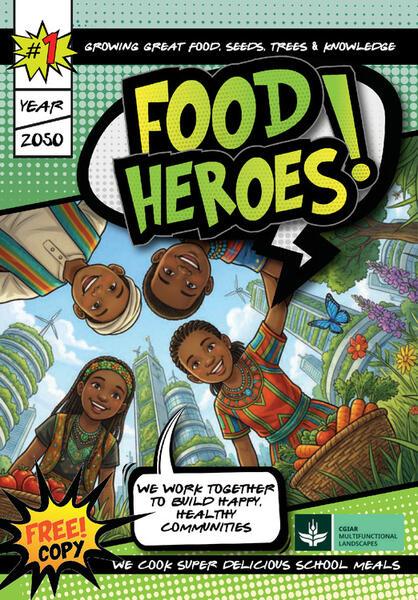
All Food Heroes materials, comic, card decks and related outputs, are available on CGSpace.