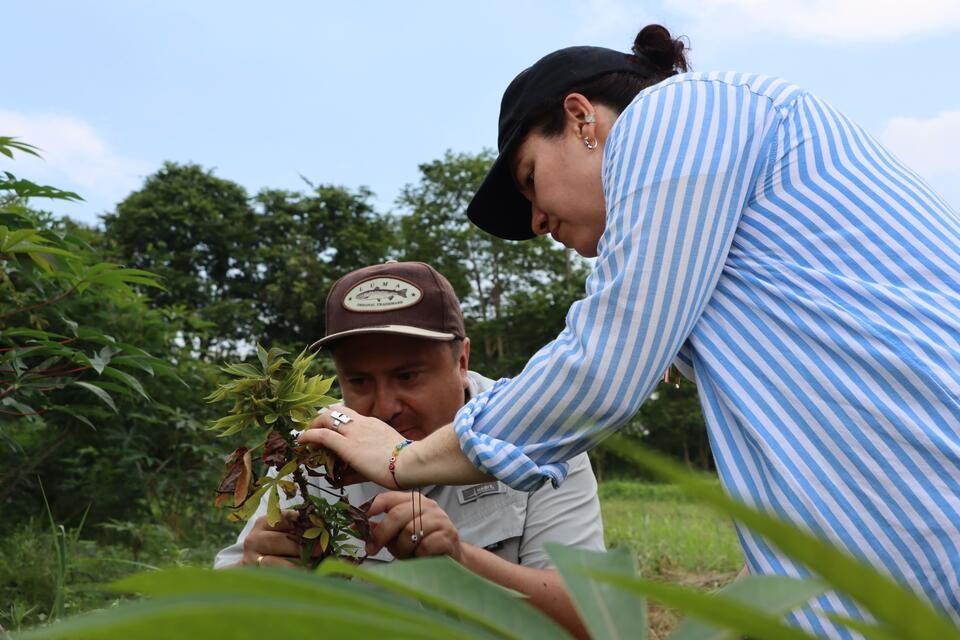
Countries join forces against cassava witches’ broom disease
A devastating crop disease has reached Latin America. We collaborated with national researchers to trace its roots, and slow its spread.

 Annual Report2025
Will food and land systems be a solution to the world's pressing challenges... or remain part of the problem? The science to tip that balance exists. But it requires partnerships to turn into action.
This Annual Report demonstrates how rigorous research is taking the next step: from resilient crops and digital tools developed with farmers, to shock-proofed supply chains and climate-smart policies.
Through collaboration across geographies and sectors, food and land systems change is possible.
We invite you to explore the Alliance's approach.
A devastating crop disease has reached Latin America. We collaborated with national researchers to trace its roots, and slow its spread.
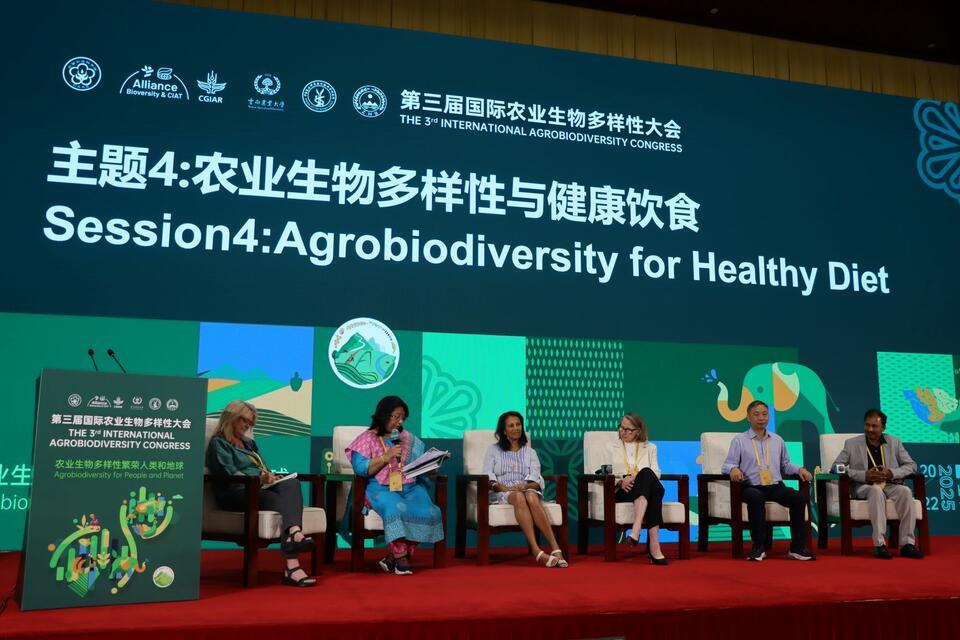
We welcomed 800 experts from 60 countries to Kunming. The Manifesto they produced lays the foundation for informed policies, from China to Dakar.
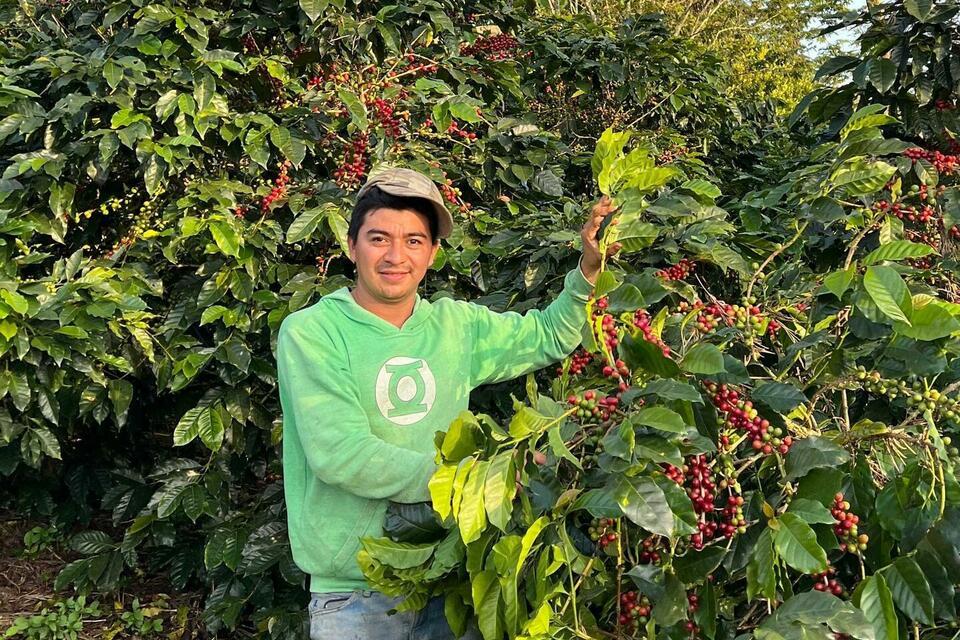
The world's food supply chains were built for a stable climate that no longer exists. We partnered with the food industry to identify exactly where the risk is, and make investments to keep food flowing.
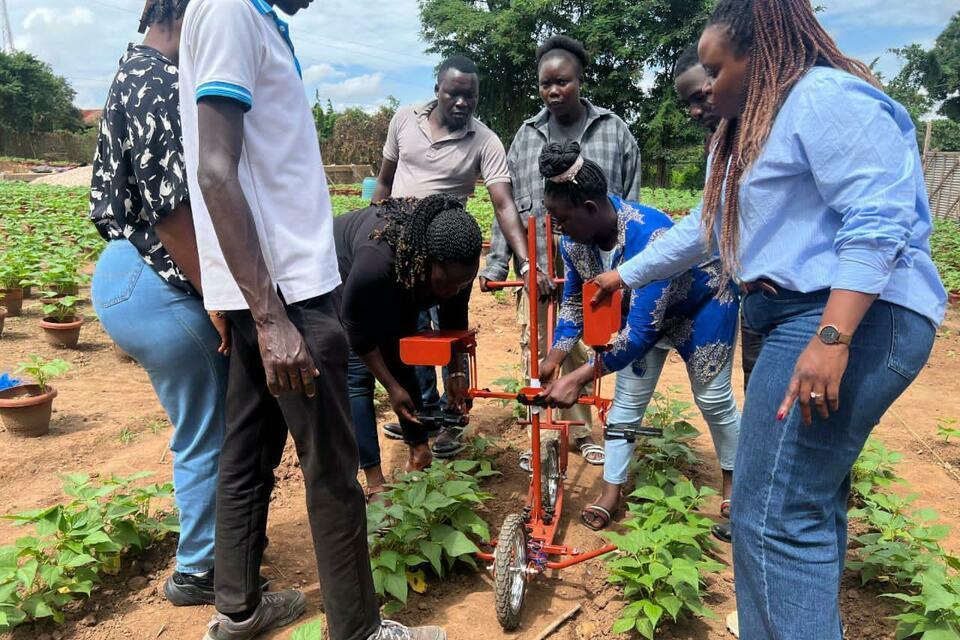
Smartphones can survey crops and listen to farmers. This is AI designed for the hands of breeders, extension workers, and farmers.
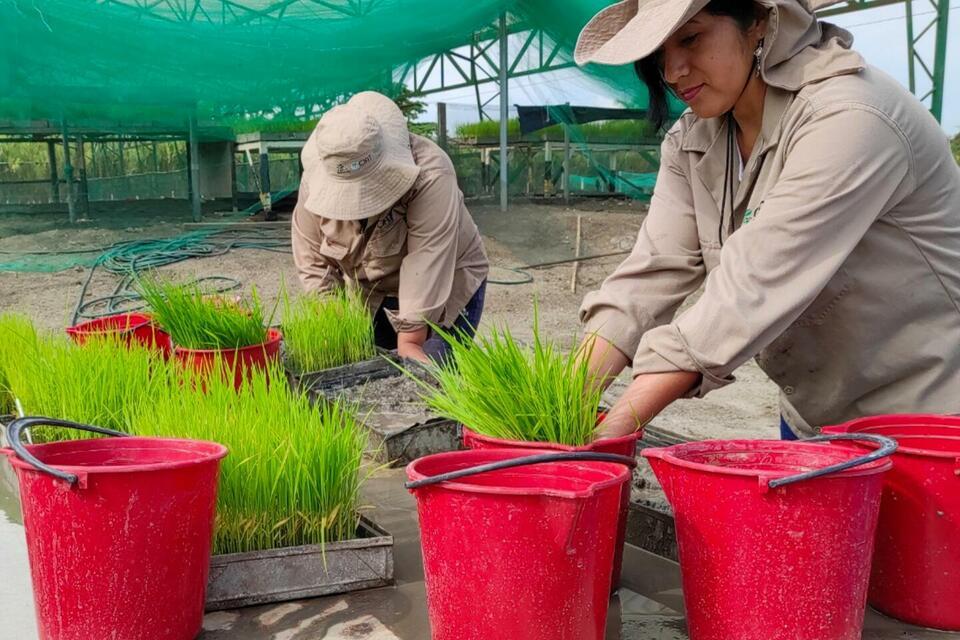
New forage grasses keep Kenyan livestock fed through drought. Hybrid rice boosts harvests in Colombia. Regenerative agriculture starts in the breeding plots.
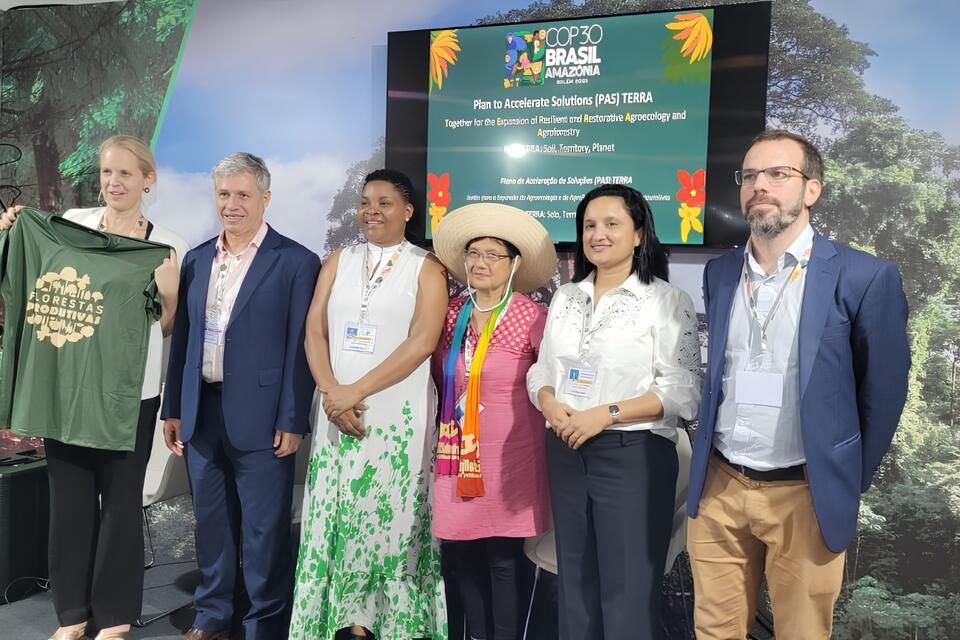
Global reports don't change food systems, but coalitions do. From the EAT-Lancet Report to COP30, we connected countries and stakeholders for effective advocacy, implementation, and science uptake.
through our Accelerating Impacts of CGIAR Climate Research for Africa program. Since 2021, AICCRA has bridged gaps between climate science and farmers by strengthening systems, partnerships, and institutions, ultimately scaling up climate-smart agriculture in six countries. Explore AICCRA’s legacy
to farmers by the Pan African Bean Research Alliance. Over the course of 30 years, PABRA has built a regional network of over 350 partners to disseminate biofortified, nutritious, and resilient seeds to smallholder farmers. Enter the PABRA network
at our two genebanks, Future Seeds and the International Musa Transit Center. This diversity of banana, cassava, beans and forages contains traits used for breeding varieties capable of resisting diseases and climate shocks. Explore the Alliance genebanks
through our digital platform that verifies reforestation efforts and compensates farmers and nurseries. Discover MyFarmTrees
due to our Ethiopian early warning system, developed with communities, government, and national partners to turn satellite data into alerts that enable pastoralists to anticipate the risks posed by extreme weather. Learn about the platform
connecting topics including healthy diets, soil fertility, agroecology, social justice, school meals, pollinators, genomics and food composition data.
in journals including Science, Nature, Global Food Security, Frontiers, and New Phytologist.
informing government decision-making to reduce risk, meet global goals, and build long-term resilience.
throughout the year by the entities of Bioversity International and the International Center for Tropical Agriculture (CIAT), combined
based on the organization's reserves to ensure financial stability and operational continuity throughout the year.
staying in touch with the Alliance across LinkedIn, Facebook, X, and Instagram.
where we shared evidence and best practices with partners and decision-makers, from the Africa Food Systems Forum to New York Climate Week.
in global, national, and local news outlets including Mongabay, El Tiempo, El Espectador, The Daily Nation, Science Africa, and Rappler.