Blog What is biodiversity? A complete guide to why it matters
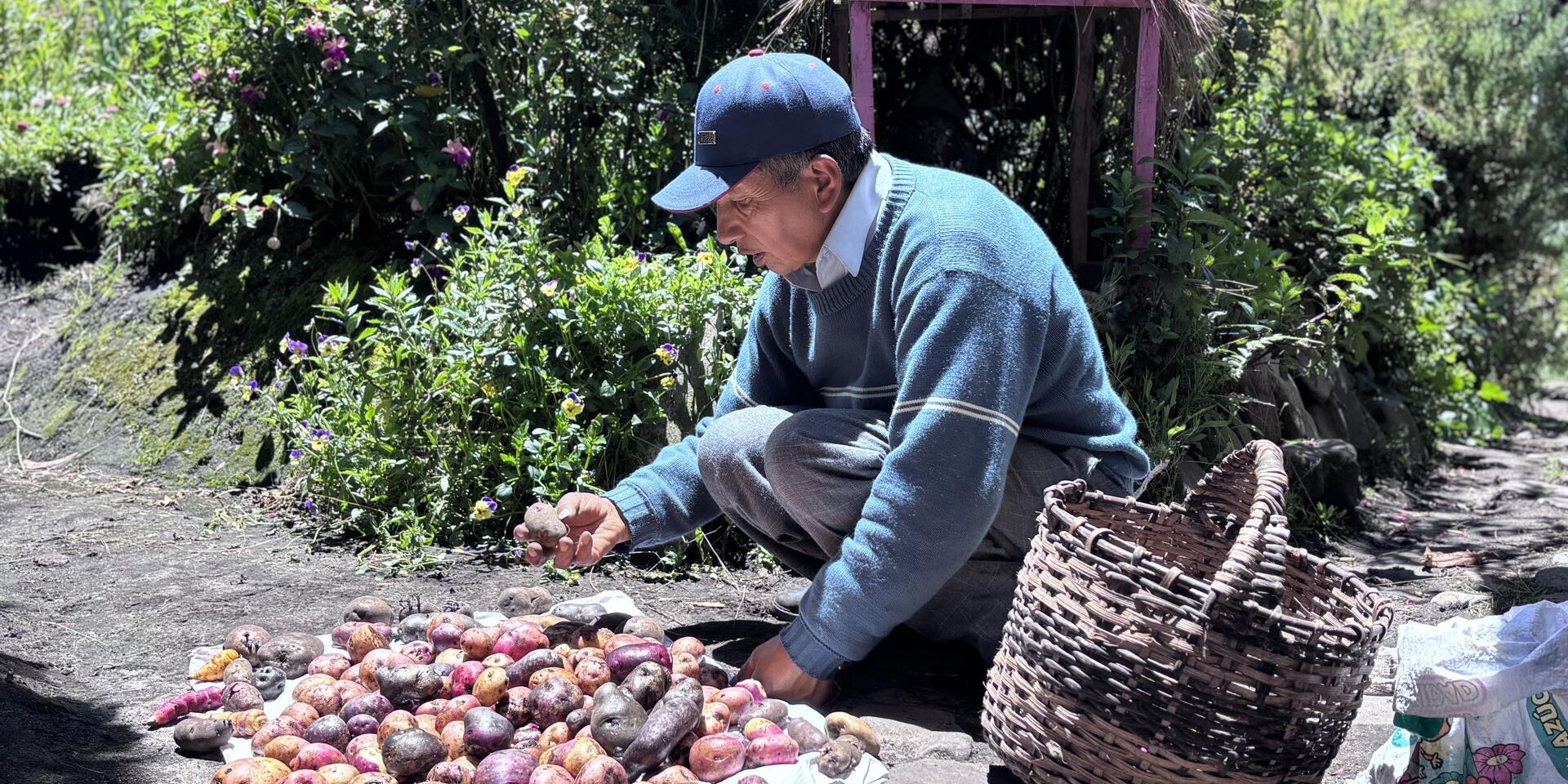

Protecting biodiversity is critical to climate-proofing the world's agri-food systems. From a single gene that helps a crop resist disease to an entire rainforest that regulates regional rainfall patterns, biodiversity proves essential in keeping food systems productive and helping the planet absorb climate shocks.
This guide breaks down the definition of biodiversity, the different types of biodiversity, why it matters for food, medicine, livelihoods, and climate stability, and what is being done to protect it.
Biodiversity is living variety
When people ask what biodiversity—short for biological diversity—means in simple terms, the easiest answer is this: the living variety of every plant, animal, fungus, and microorganisms that keeps ecosystems functioning. But it's not just a count of species, as biodiversity captures the complex webs of interaction including the genes each species carries to the bigger ecosystem they form together.
The term itself is a relatively recent addition to scientific and public vocabulary. It gained widespread use in the late 1980s and was formally cemented into international policy with the 1992 Convention on Biological Diversity, but the underlying concept, that variety among living things is valuable and worth protecting, has roots in centuries of natural history and traditional ecological knowledge long before the word existed.
The role biodiversity plays in supporting all life systems on Earth is indisputable. Biodiversity remains fundamental to creating an environment where people can live healthy and in harmony with nature—all while simultaneously driving economic prosperity. Despite continued efforts, however, biodiversity loss and degradation have reached unprecedented levels through the years, leaving a cumulative impact of potentially irreversible damage to climate, environment, and nutrition, among others.
Why biodiversity matters
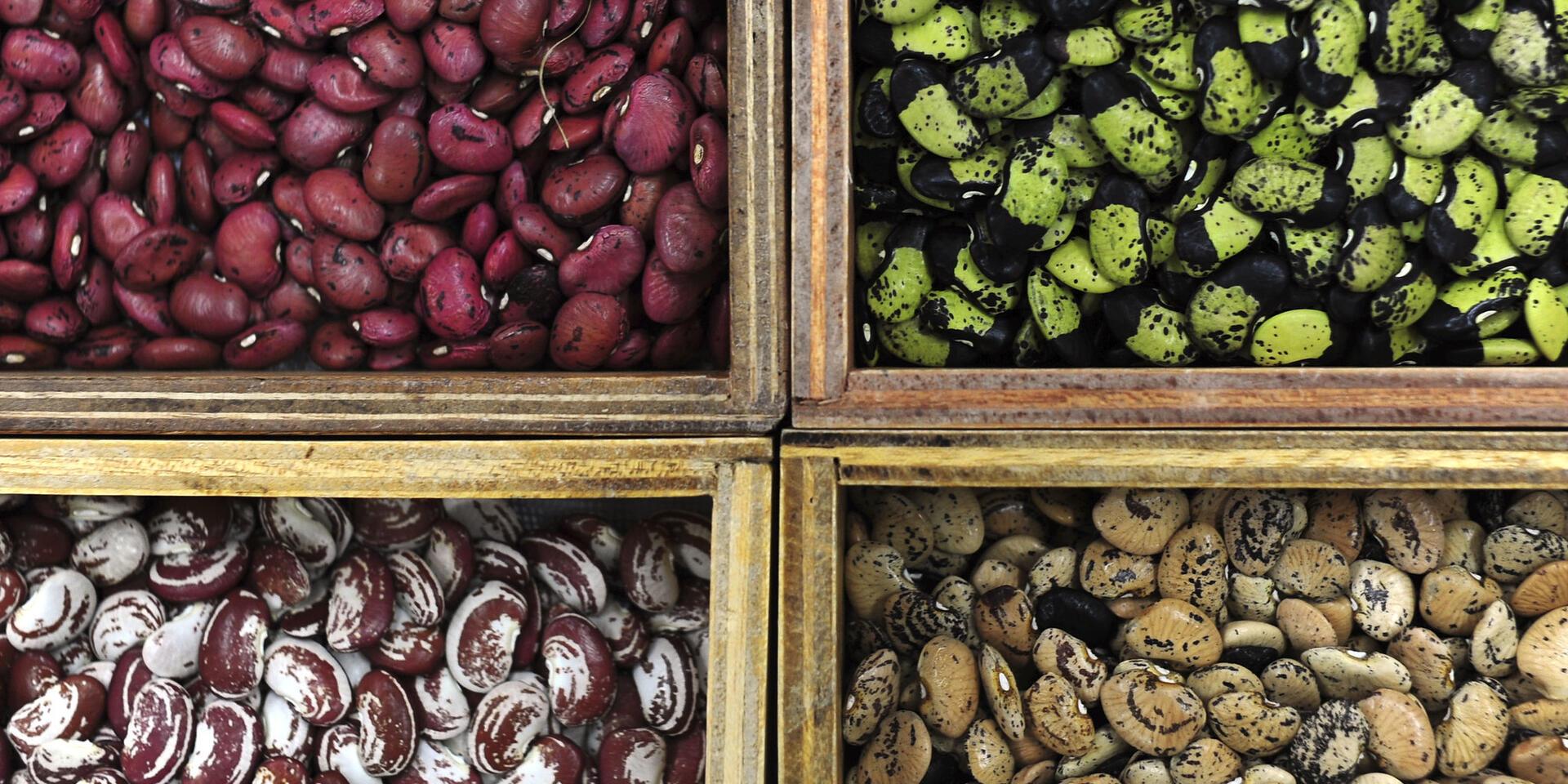
Food is an entry point to understanding the wealth of benefits derived from thriving biodiversity. People cultivate more than 6,000 plant species for food, but only nine account for 66% of total crop production, FAO reported in 2019. The fewer crops we lean on, the more each one's genetic variety matters.
That narrow base depends on a much wider web of life with about 75% of the world's food crops relying to at least partly on animal pollination, according to the Intergovernmental Science-Policy Platform on Biodiversity and Ecosystem Services (IPBES).
In fact, the crops pollinators directly affect are worth an estimated USD 235 billion to USD 577 billion a year. Putting these figures directly in the global food and nutrition security context provides a clearer picture as to why the Kunming-Montreal Global Biodiversity Framework (KMGBF) was developed in the first place.
But beyond food, biodiversity underpins nearly every system humans depend on to survive.
- Medicine draws heavily on biodiversity as well. A large share of modern pharmaceuticals were originally derived from compounds found in plants, fungi, and other organisms, and researchers continue to study biodiversity rich ecosystems for new medical breakthroughs.
- Climate resilience depends on healthy, diverse ecosystems that can store carbon, buffer against extreme weather, and adapt to shifting conditions. Forests, wetlands, and oceans all play major roles in regulating the global climate, and their capacity to do so depends on the biodiversity within them.
- Economic value flows from biodiversity through agriculture, fisheries, forestry, and tourism, industries that collectively support billions of livelihoods worldwide.
- Cultural value is harder to quantify but no less real. Countless traditions, diets, and identities are tied to specific local species and landscapes that have shaped communities for generations.
- Water and soil health also depend directly on biodiversity. Diverse plant root systems help stabilize soil and prevent erosion, while healthy microbial communities in the soil break down organic matter and cycle nutrients that crops need to grow. Wetlands and forested watersheds, home to their own distinct biodiversity, filter and regulate the water supplies that both cities and farms rely on.
What threatens biodiversity?
Roughly one million animal and plant species are now threatened with extinction, many within decades, based on findings detailed in the IPBES Global Assessment Report on Biodiversity and Ecosystem Services.
The main drivers behind this decline include:
- Habitat loss and land conversion, largely driven by agricultural expansion, urban development, and infrastructure projects
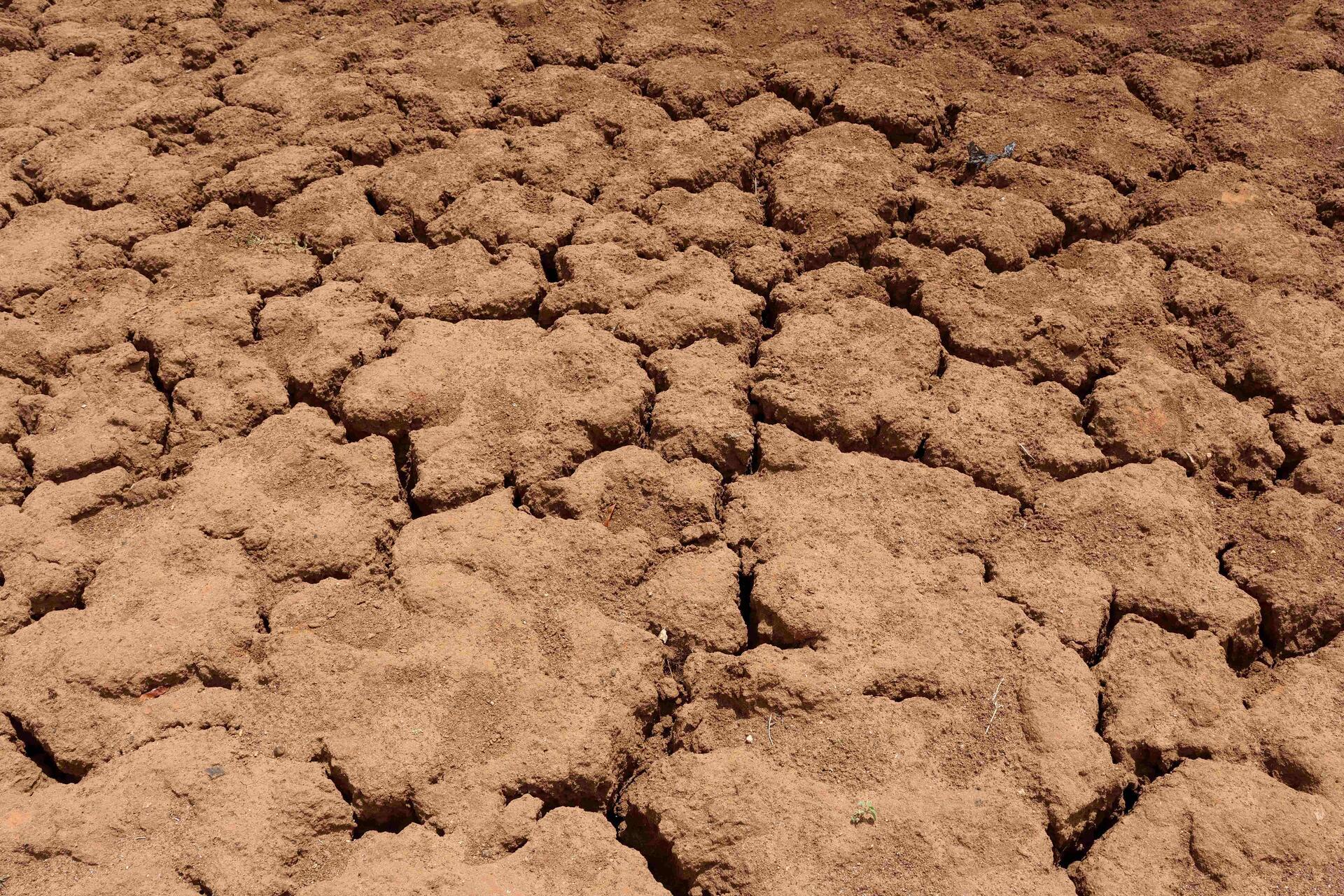
- Climate change, which is shifting the ranges and life cycles of species faster than many can adapt
- Invasive species, which outcompete or prey on native species that have no natural defenses against them
- Pollution, including plastic waste, agricultural runoff, and industrial chemicals that degrade habitats
- Overexploitation, such as overfishing, illegal wildlife trade, and unsustainable logging
Future-proofing biodiversity
Reversing biodiversity loss is central to the mission of the Global Biodiversity Framework (KMGBF), underscoring the need to put nature on a path to recovery for the benefit of people and planet through sustainable use and conservation of biodiversity. While various initiatives have been put in place to contribute to the global framework agenda, the Alliance and Bioversity International and CIAT elevates its role by mobilizing an internal community for agricultural biodiversity, otherwise known as agrobiodiversity.
“If we’re going to transform the global food system, we need to encourage biodiversity on our plate and bring underutilized crops back to the farmers’ field and on our tables – not only at international forums,” said Carlo Fadda, Director of Biodiversity for Food and Agriculture at the Alliance during the launch of the Kunming Manifesto at the 2025 African Food Systems Forum in Dakar, Senegal.

Carlo Fadda
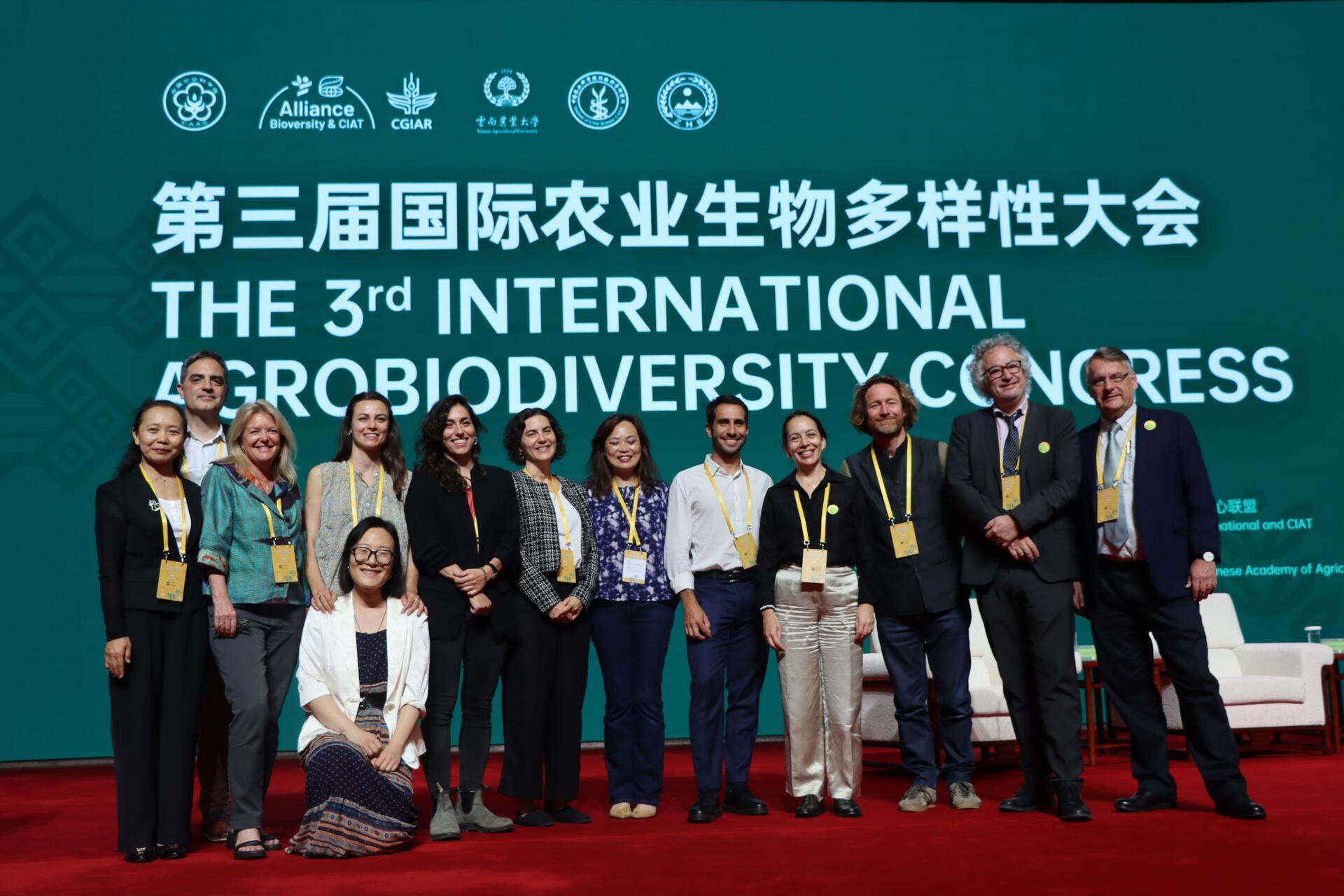
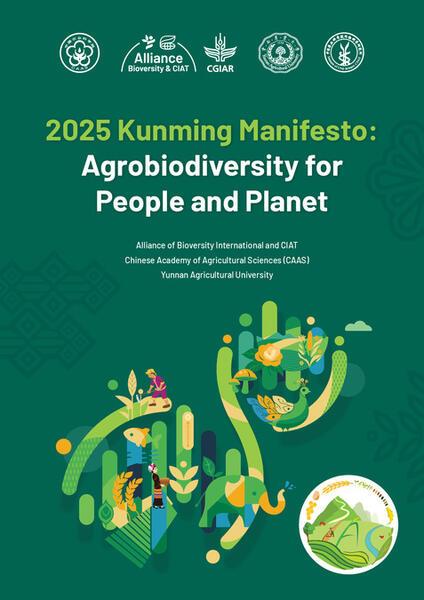
Director, AgrobiodiversityThe Kunming Manifesto, the key product of the 2025 International Agrobiodiversity Congress in Kunming, China, examines the linkages between agrobiodiversity and climate resilience, ecosystem health, nutrition, economic livelihoods, and social equity. Several controversial issues facing agrobiodiversity’s proponents, including productivity, investment, and market demand are addressed in the Manifesto.
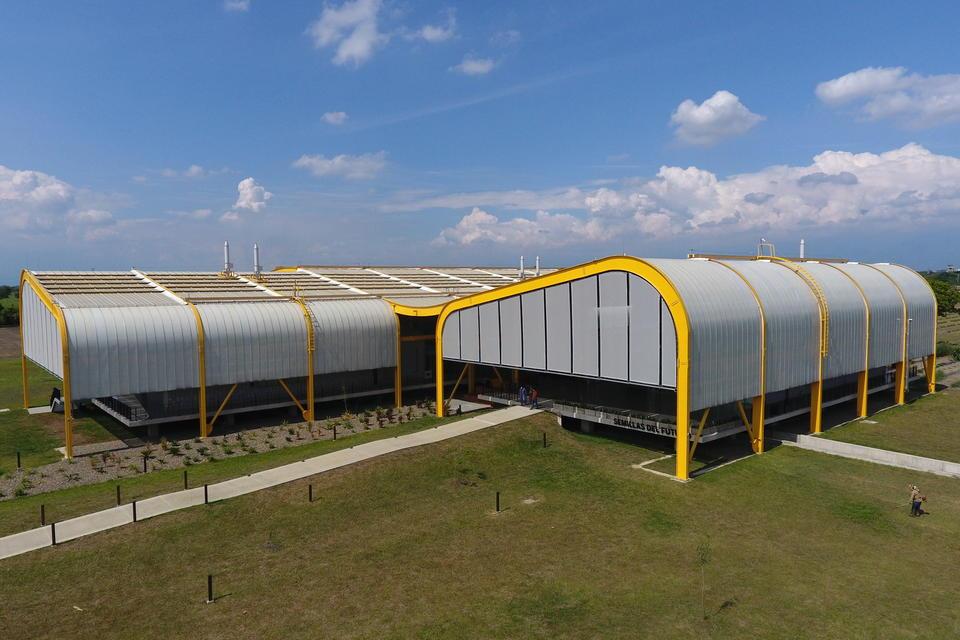
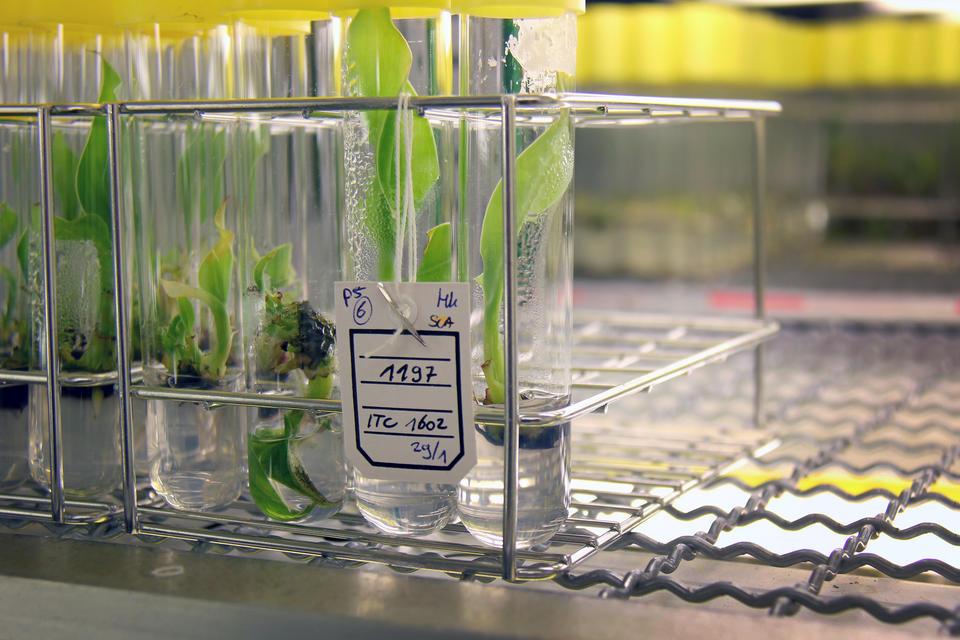
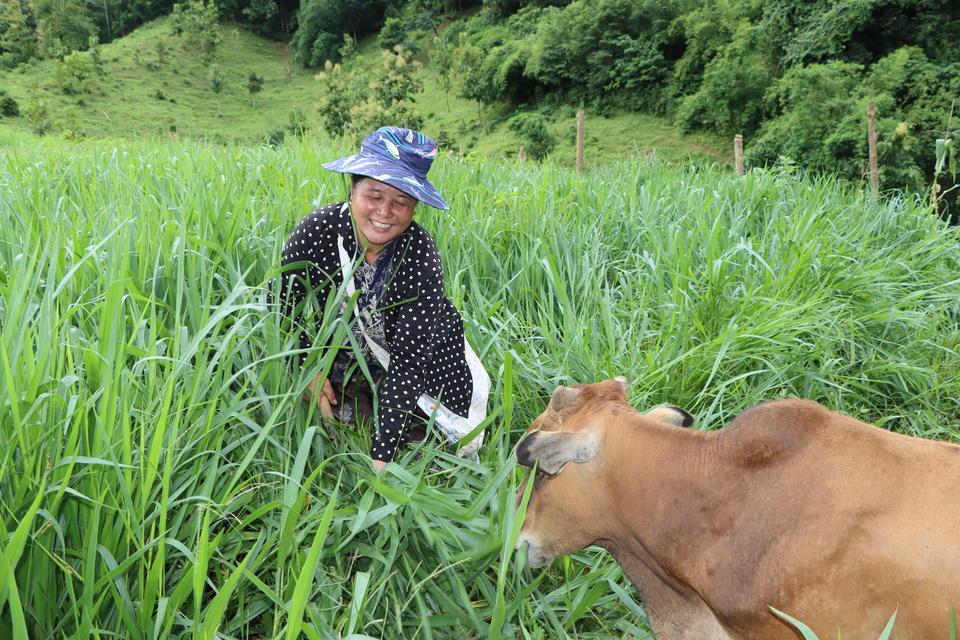
A living testament to the Alliance's commitment to championing the conservation and use of crop diversity stands tall in its campus in Palmira, Colombia. Through Future Seeds, a global conservation and research hub, the Alliance preserves the world's largest collection of beans, cassava, and tropical forages with more than 67,000 samples housed in the genebank. Varieties from Future Seeds have travelled as far as sub-Saharan Africa, where biofortified beans have become part of school meals and to Southeast Asia, where improved forage varieties have helped farmers feed livestock through the winter.
In October 2026, the Alliance is among the six CGIAR genebanks which deposited seed samples Svalbard Global Seed Vault. The deposit of 225 seeds from 58 samples of legumes and forages reflects the Alliance's commitment to ensure that agricultural diversity entrusted at Future Seeds is never lost, says Peter Wenzl, Leader of the Genetic Resources Program.
"Safeguarding these seeds in Svalbard preserves options for farming and science to adapt to climate change, sustain rural livelihoods, and help feed a growing world,” he adds.

Peter Wenzl
Leader, Genetic Resources ProgramAgrobiodiversity across regions
Agriculture biodiversity sits at the crossroads of the world's food systems. Over the last century, a significant share of the world's crop varieties has been lost as farming systems shifted toward a small number of high yield varieties grown at scale. That narrowing carries real risk, since a genetically uniform crop is far more vulnerable to a single pest, disease, or climate shock than a genetically diverse one.
In the face of fragility amid geopolitical conflicts disrupting lives and economies across regions, the risk of famine and low supply is threatening people's access to safe and nutritious food, especially for those who are already in vulnerable conditions like women, youth, and children. Past and recent crises already showed the weakness of systems optimized mainly for low cost and high throughput, calling for alternative models that optimize food systems both for efficiency and resilience through diversity, flexibility, and stronger local governance.
Across regions, Alliance research has already implemented effective approaches that contribute to achieving food and nutrition security:
-
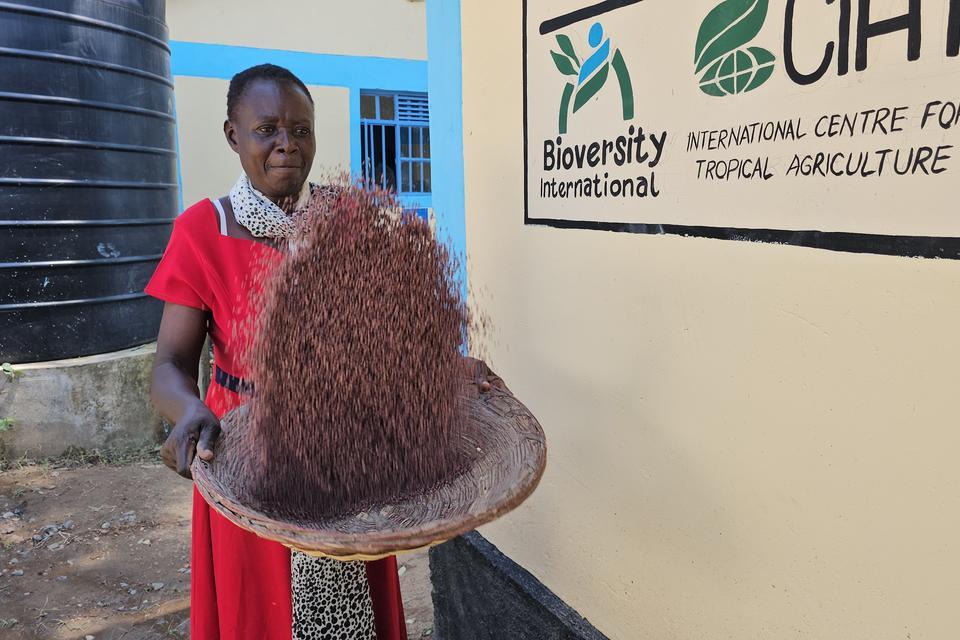
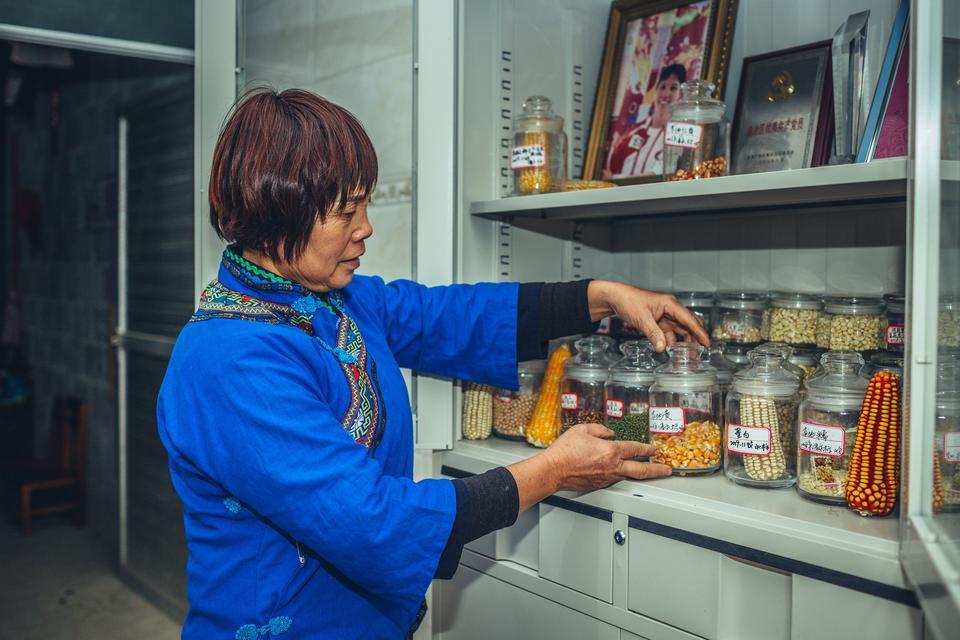
Community seedbanks help farmers access locally adapted seeds, protect crop diversity, and recover faster after climate or conflict shocks. In Guatemala, community seed banks “rescued” several local bean and maize varieties at risk of disappearing through a Payment for the Conservation of Agrobiodiversity Services initiative. In Kenya, community seed banks have started to generate income through the manufacturing and sales of composite flours made of neglected crops (amaranth, cassava, millets, sorghum). In China, community seed banks take on the lead role in the conservation efforts in Globally Important Agricultural Heritage Sites.
-
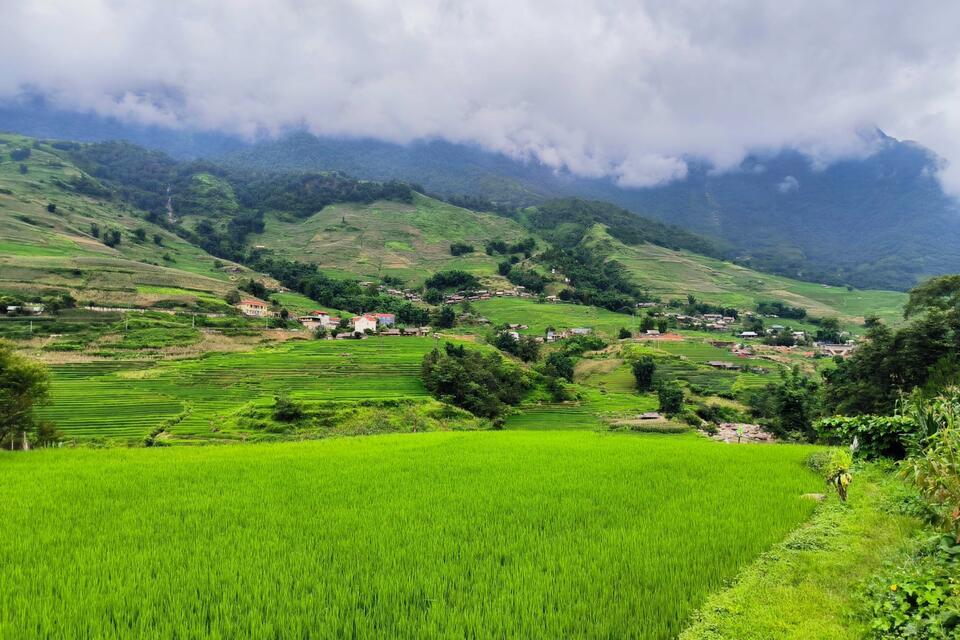
Agroecological transitions of regional food systems enhance both farmers and agricultural landscapes resilience against the climate crisis. By treating agriculture as the beneficiary of and major contributor to biodiversity, agroecology goes beyond safeguarding and even boosting yields but generate practical benefits to human and nature. In Vietnam, ethnic farming minorities are at the heart of the transformation for sustainable rural development as the Alliance and national partners turn to agro-ecotourism, where farm-to-table experiences and cultural food narratives are translating agrobiodiversity into economic value and supported through local policies.

While alternative, biodiverse models already exist, they are often less politically and financially supported than conventional industrial supply chains, says Brice Even, food environment specialist at the Alliance. He adds that sustainably transforming current food systems into resilient and equitable ones does not mean romanticizing “local food” or systematically rejecting trade; rather, building food systems with more options.
"More diverse crops, more diverse markets, more diverse suppliers, more resilient fresh food distribution, and stronger public institutions able to respond before a price shock becomes a nutrition crisis."

Brice Even
Research Team leaderContinuing biodiversity commitments
Biodiversity is far more than a scientific buzzword. It is the foundation of the food we eat, the medicines we rely on, and the ecosystems that stabilize our climate. With only four years left to deliver on the 2030 targets, the Alliance and CGIAR are actively involved in supporting efforts to translate the KMGBF's goals into action and ensure a more sustainable future for the people and planet.
From COP16 in Colombia to COP17 in Armenia, the Alliance leverages its longstanding expertise on conservation, research, and sustainable use of agrobiodiversity. With the Kunming Manifesto on Agrobiodiversity, the Alliance will continue to advocate for global biodiversity commitments that support practical implementation and amplify tangible change of effective integrated approaches that weave agrobiodiversity, nutrition, climate resilience, and economic sustainability across regions worldwide.
FAQs about biodiversity
1. What is biodiversity?
Article 2 of the United Nations Convention on Biological Diversity defines biological diversity as the variability among living organisms from all sources, including terrestrial, marine, and other aquatic ecosystems, and the ecological complexes of which they are part. This includes diversity within species, between species, and of ecosystems.
2. What are the three types of biodiversity?
- Genetic diversity refers to the variation in genes within a single species. In agriculture, genetic diversity is what allows some crop varieties to survive drought while others fail, or resist a pest that wipes out a neighboring field.
- Species diversity is the sheer number and variety of species living in a given region or ecosystem. This includes not just how many species are present, but how evenly distributed they are. An ecosystem dominated by one or two species is generally considered less resilient than one with a balanced mix of many species filling different ecological roles.
- Ecosystem diversity refers to the variety of habitats, biological communities, and ecological processes found within a region, from wetlands and grasslands to coral reefs and tropical forests. Each ecosystem type supports a distinct combination of species and provides different services, such as water filtration, carbon storage, or pollination.
3. What is the difference between biodiversity and an ecosystem?
An ecosystem is a community of living organisms interacting with their physical environment, while biodiversity refers to the variety of life within and across ecosystems. An ecosystem is essentially the stage, and biodiversity describes the range of life performing on it.
4. Why is biodiversity loss considered a crisis?
Because the pace of species decline over the past 50 years is far faster than natural extinction rates, and because biodiversity underpins food systems, medicine, and climate regulation, its loss carries consequences that extend well beyond conservation circles.
5. What are the main drivers to biodiversity loss?
Biodiversity is declining at an alarming pace. The main drivers behind this decline include habitat loss and land conversion, largely driven by agricultural expansion and urban development, climate change, pollution, and overexploitation.
6. What country has the most biodiversity?
Brazil is generally recognized as having the greatest overall species diversity, largely due to the Amazon rainforest, though countries such as Colombia, Indonesia, and Mexico also rank among the most biodiverse nations on Earth.
7. Can biodiversity loss be reversed?
In many cases, yes, particularly at the local and regional level through habitat restoration, protected areas, and reintroduction programs, although reversing extinction itself is not possible, which is why prevention remains the priority.
8. How does biodiversity relate to climate change?
The two are deeply connected. Biodiversity loss weakens ecosystems' ability to store carbon and buffer climate extremes, while climate change in turn accelerates biodiversity loss by shifting habitats faster than many species can adapt.
9. Why does agricultural biodiversity matter as much as wild biodiversity?
Because the crops and livestock breeds that feed the world are themselves a product of biodiversity, and their genetic variety determines how well global food systems can withstand drought, disease, and a changing climate. Losing agricultural biodiversity carries food security consequences that are just as immediate as losing wild species.
Keep exploring