From the Field Turning agricultural risk into policy priorities: Uganda charts a path forward
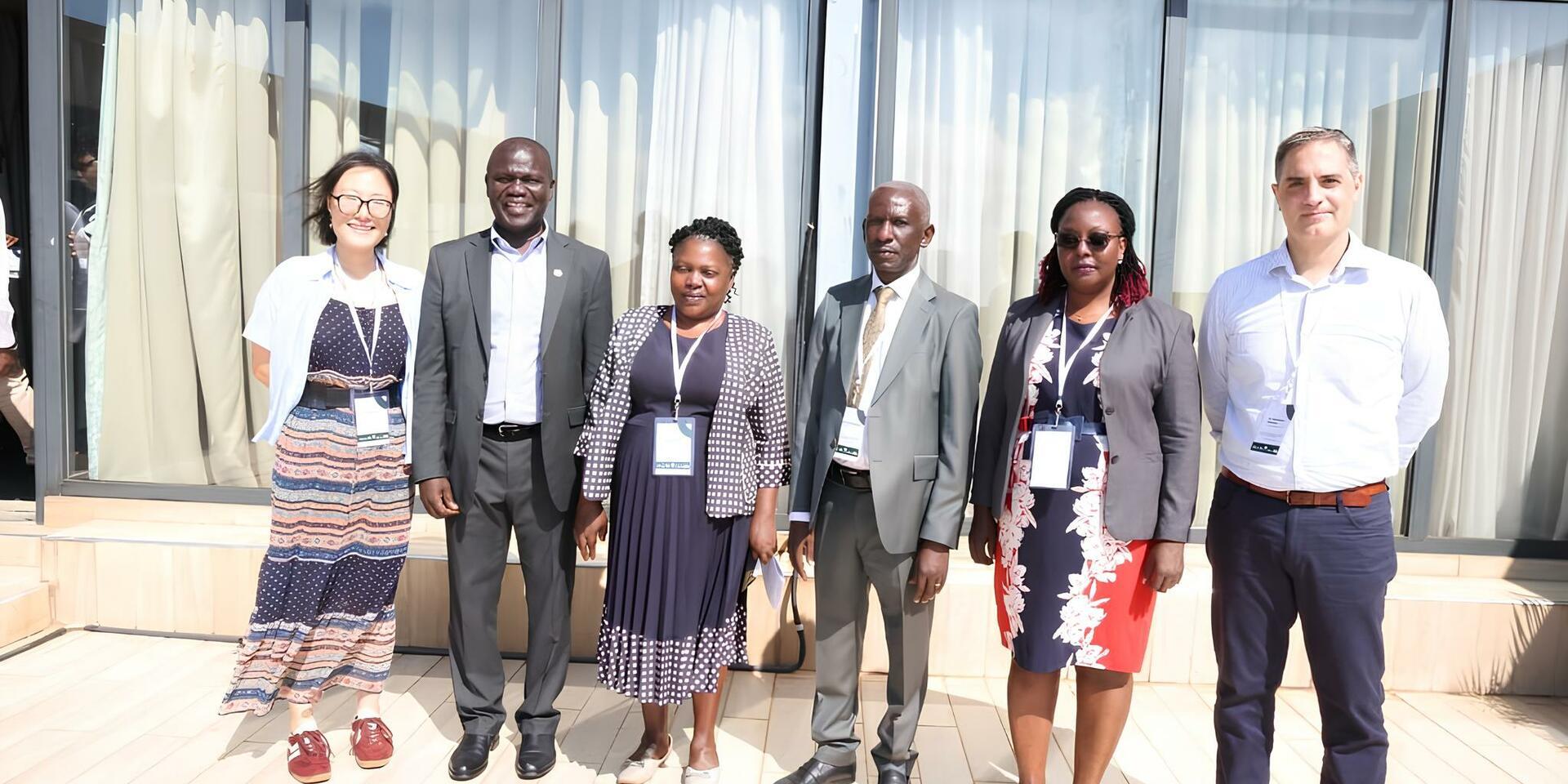

In Kampala on 15 September 2026, Uganda’s agricultural research and policy partners met to turn science into action on drought, floods, pests and disease, strengthening policies that protect farmers before shocks hit.
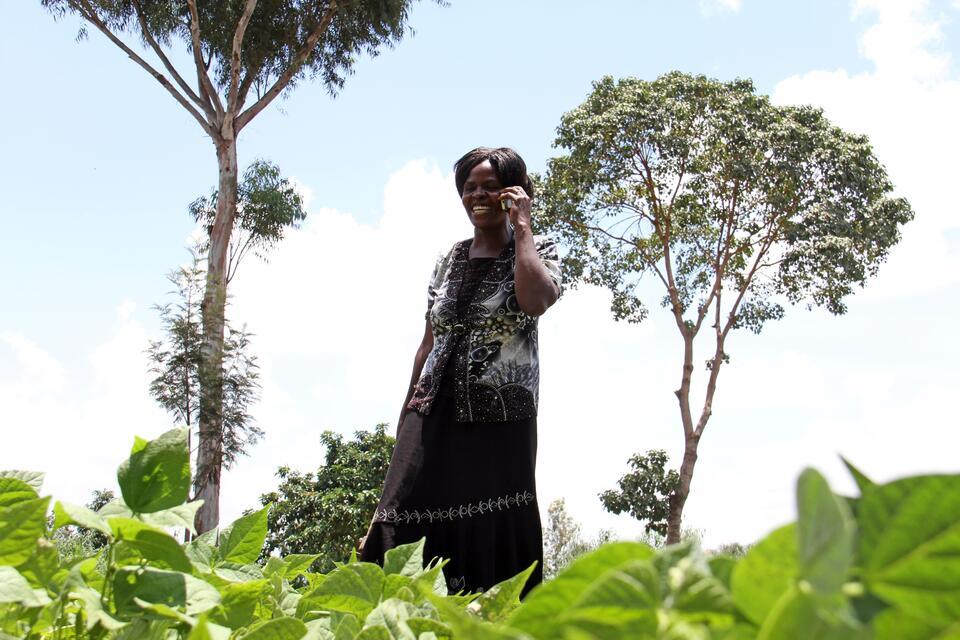
In Uganda, where the large majority of the population depends directly on the land, agriculture is not simply an economic sector. It is the foundation of food security, rural livelihoods and social stability. That foundation is under growing strain. Erratic rainfall, prolonged droughts, sudden floods and fast-moving pest and disease outbreaks are converging on a farming system that remains largely rain fed and has few financial safety nets. Increasingly, these are not isolated weather events but the product of poor alignment between land use planning, infrastructure and agricultural policy. Closing that gap and turning scientific evidence into policy that protects farmers before a shock hits rather than after, is what brought a wide range of institutions together in Kampala this September.
This blog draws on the workshop De Risking Agriculture in Uganda through Policy Innovation, held on 15 September 2026. It builds on an ongoing partnership between the Alliance of Bioversity International and CIAT, the National Agricultural Research Organization (NARO), the Ministry of Agriculture, Animal Industry and Fisheries (MAAIF), the Agricultural Policy Research Center (APRC) and local governments, all working to strengthen the link between policy and research in Uganda.
The Alliance and NARO's National Crops Resources Research Institute (NaCRRI) convened the workshop in Kampala. MAAIF, NARO, Makerere University, APRC and local governments, all working to strengthen the link between policy and research in Uganda.
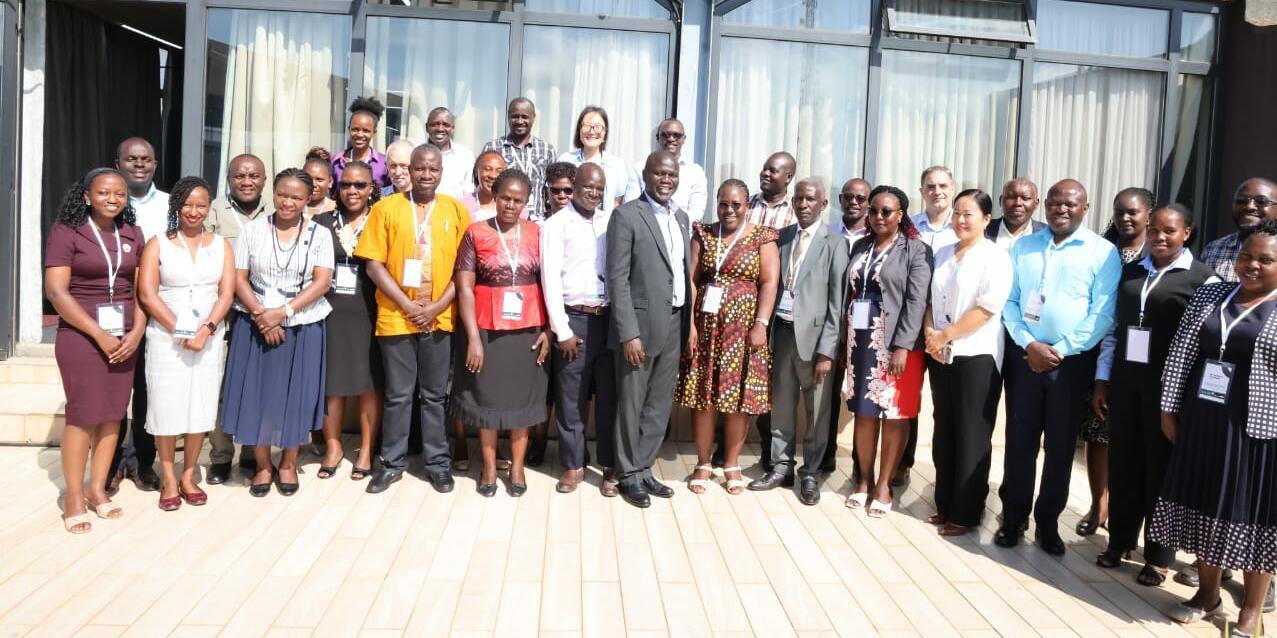
Commitment and clear demands from policy partners
Dr Yona Baguma, Director General of NARO, opened the meeting by asking that the workshop’s conclusions be packaged into concrete policy advice for government and that Uganda be prioritized within the Alliance's policy work. Partners went further, calling for a clear statement of commitments and actions to implement the agreed priorities. These centered on a national agricultural data hub and risk observatory, pest and disease forecasting, a more robust seed system, water for production, tailored finance and insurance, and extension services that reach farmers.
Synergies with the Alliance and the Policy Innovations program
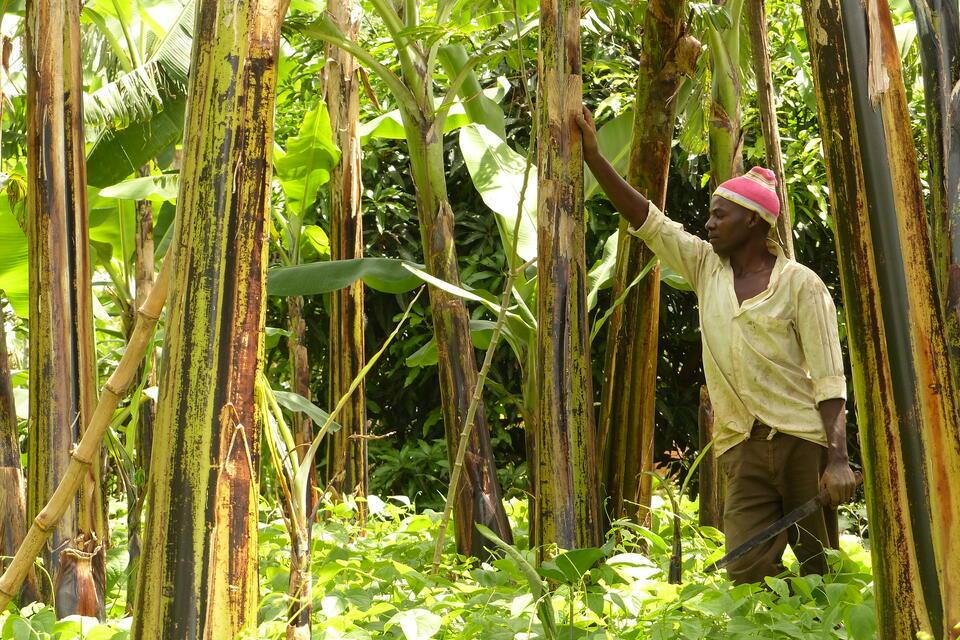
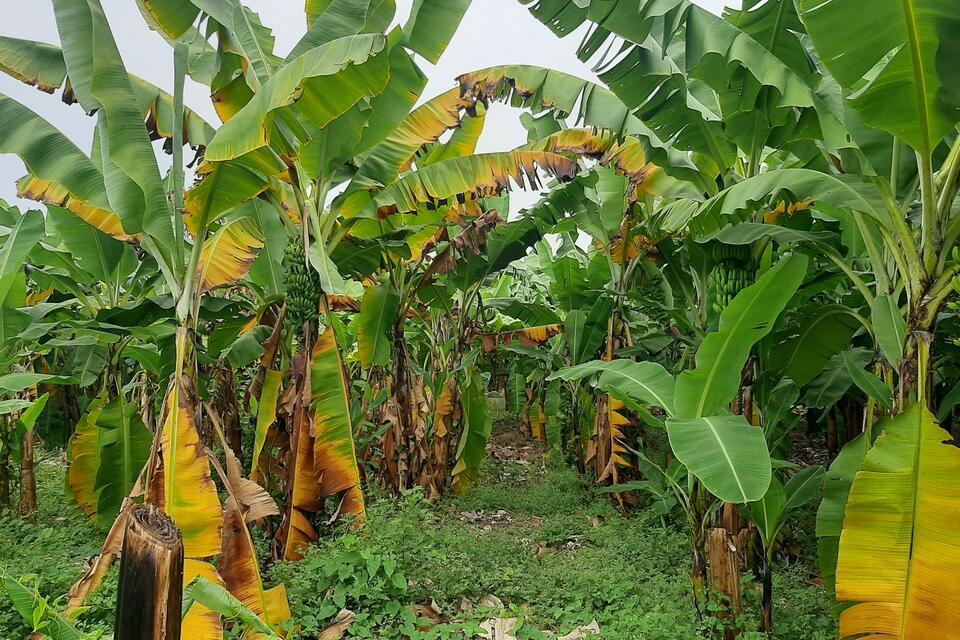
The Alliance opened the session by framing its purpose: matching Uganda's emerging agricultural risks with evidence already being generated by CGIAR and its partners. What followed was less a list of separate projects than a picture of how different pieces of evidence fit together. Remote sensing and early warning systems can flag a pest outbreak before it spreads. Economic studies, such as recent work on the cost of banana bunchy top disease, can show policymakers what inaction is worth. Drought phenotyping and foresight modeling point toward which crops and practices will hold up as conditions shift.
The institutional partners in the room tested that evidence against what they are seeing on the ground. NaCRRI reported that banana bunchy top disease has already reached backyard gardens in Kampala, a sign of how quickly a contained problem can become a national one, and pressed researchers to model when Fusarium wilt might arrive next. MAAIF brought the discussion back to policy, on what government can realistically act on and when. APRC offered the session's clearest framing: risk in agriculture cannot be eliminated, only managed, and evidence only helps manage it if it has a real place in how policy gets made.
Together, these contributions made the case for the rest of the workshop: the tools and data exist, and the task now is building the channel that gets them into policy before, not after, the next shock.
Way forward
Partners agreed to seek a formal government request to anchor joint work including on foresight analysis, water management, breeding, early warning systems, and stronger investment in extension and capacity development, all linking policy more closely to research. The first package of policy priorities will go to NARO's Director General, then on to MAAIF.
Five priority areas emerged from the discussion and will shape that joint work: scaling water harvesting and irrigation guided by spatial evidence; developing affordable insurance and better targeted subsidies with transparent risk indicators; investing in breeding and clean seed systems for cassava, beans, rice, banana and forage; strengthening extension officers' capacity and their links to researchers and districts; and using AI, remote sensing and foresight tools to turn science into recommendations that are timely and usable, with expert validation built in.
The meeting made one thing clear: the institutional appetite for a longer-term partnership between Uganda and CGIAR is real. What happens next, whether that appetite becomes a formalized, resource workplan, will determine whether this becomes the country's model for turning agricultural risk into policy action, rather than another round of shared priorities that stall at the workshop room door.
The Alliance team

Chun Song
Spatial Econometrician
Susan Ajambo
Country Representative for Uganda, Associate Scientist
Ilaria Urbani
Senior Knowledge Management and Results AnalystKeep exploring