Fusarium wilt of banana
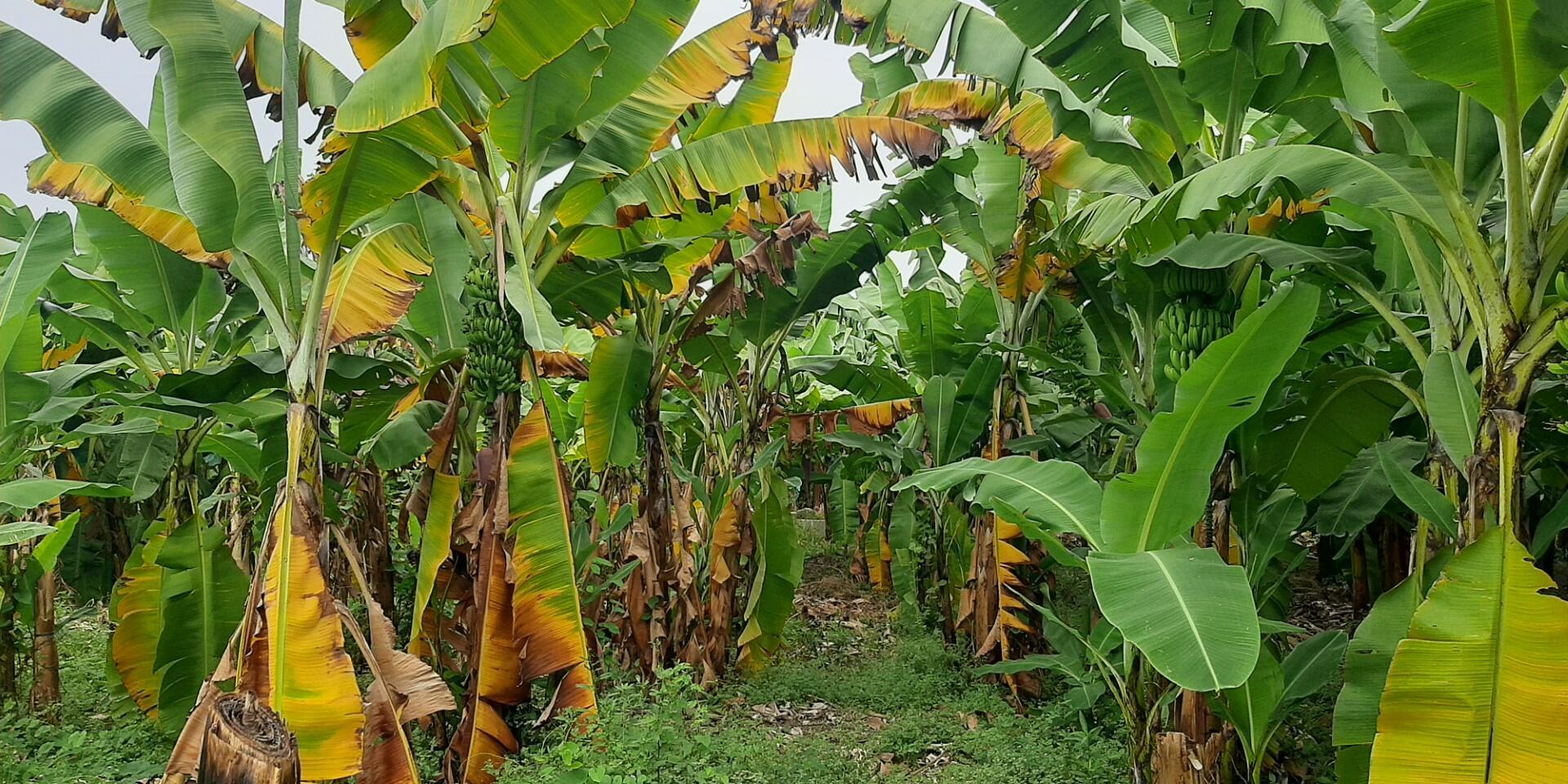
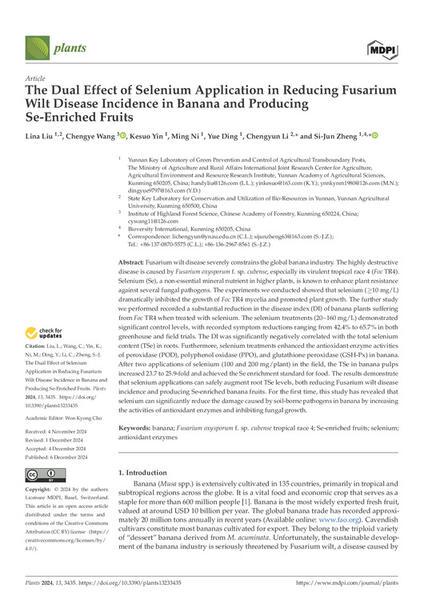
Fusarium wilt of banana is one of the most concerning threats to global banana production. Caused by the soil-borne fungus Fusarium oxysporum f. sp. cubense (Foc), particularly the Tropical Race 4 (TR4) strain, it infects the plant's vascular system, leading to wilting and eventual death. This disease severely affects smallholder farmers as well, who rely on bananas for income and sustenance, undermining rural livelihoods and regional food security as commercial large-scale banana plantations. As bananas are a staple food and a key export crop in many tropical countries, the spread of Fusarium wilt poses serious socio-economic and nutritional challenges worldwide.
Fusarium wilt of banana and its impact
Bananas are among the world’s most important commodities; however, exports account for only 16% of total global production (around 25 million metric tons). The remaining 84% is consumed locally, largely by smallholder farming households and domestic urban markets, highlighting the crop’s critical role in food security and rural incomes.
Musaceae crops (the family of plants that comprises plantains and bananas) face several challenges and threats. Among the most serious is the devastating soil-borne disease caused by the fungus Fusarium oxysporum f. sp. cubense (Foc), particularly tropical race 4 (TR4), the most virulent variant of the pathogen. TR4 has expanded rapidly across continents over the past decade, severely affecting banana crops and threatening export markets and local food security. Since 2018, the number of countries affected by TR4 has increased from 16 to 26. In South Asia alone, the disease is estimated to have destroyed more than 200,000 hectares of banana plantations.
In the Philippines, recent assessments indicate that approximately 15,000 hectares have been lost to TR4 in recent years, of which nearly 73% belonged to smallholder farmers, clearly illustrating the critical impact of the disease on the most vulnerable producers.
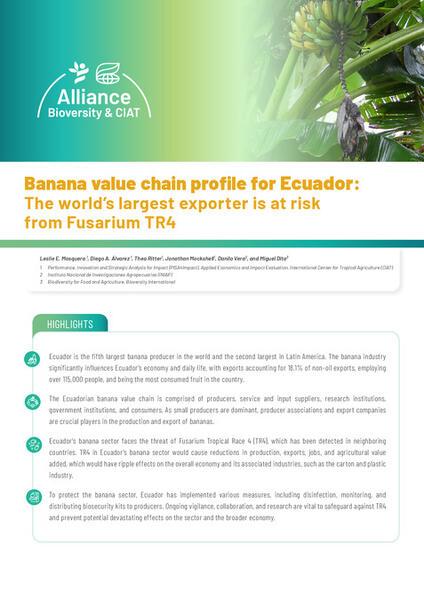
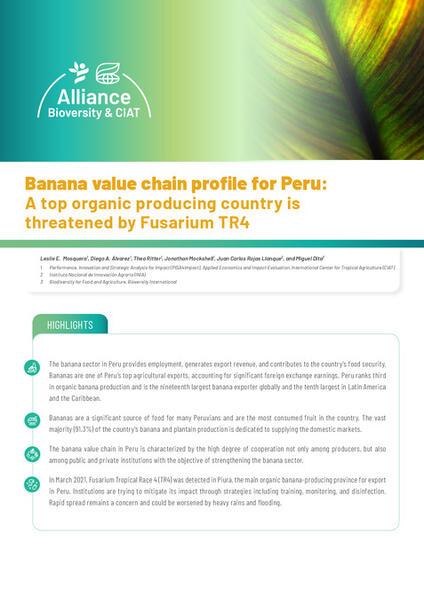
The situation is particularly worrying in (LAC), where the disease was first reported in 2019. This region includes the top ten banana-exporting countries, and bananas and plantains are crucial for food security and income generation. Colombia was the first LAC country in 2019 to report TR4 which now has already spread in La Guajira and Magdalena departments, affecting at least 20 large commercial export farms. In Peru, TR4 reported in 2021 and is currently affecting more than 1,000 small-scale organic banana producers in Piura. In Venezuela, TR4 was detected in 2023, affecting plantations in three states and five municipalities, and it was recently reported in the El Oro province of Ecuador in 2025.
Distribution of tropical race 4
Worldwide distribution of Foc TR4. (Adapted from map produced by ProMusa, 2021). Tropical Race 4 (TR4) of Fusarium oxysporum f. sp. cubense has been reported or officially confirmed in the following countries: Taiwan, Malaysia, Indonesia, China, Philippines, Australia, Mozambique, Jordan, Oman, Lebanon, Pakistan, India, Viet Nam, Laos, Myanmar, Israel, Thailand, Mayotte Island, United Kingdom, Türkiye, Colombia, Peru, Venezuela, Nepal, Ecuador, and Comoros.
Fusarium wilt tropical race 4
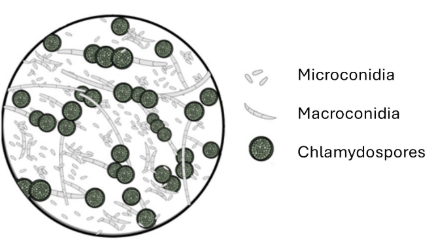
The Foc fungus has three reproductive and propagation structures: microconidia, macroconidia, and chlamydospores. The latter are thick-walled large resting spores which survive unfavourable conditions, particularly when embedded in plant tissues, and Foc forms them in response to stresses like, for instance, nutrient depletion. This contributes to the foc fungus's ability to survive in soils for many years, along with its alternative plant hosts.
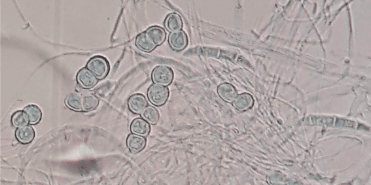
Reproductive structures of Fusarium oxysporum f. sp. cubense (Foc). (Adapted from Blomme et al., 2024).
Among its variants, tropical race 4 is considered the most virulent, with the potential to affect up to 80% of global banana production.
Plantain and banana varieties susceptible to the physiological races of Fusarium oxysporum f. sp. cubense (FOC). + means susceptible
|
Cultivars |
Subgroup |
Group genomic |
Picture |
Race 1 |
Race 2 |
SR4 |
TR4 |
|
Gros michel; Criollo; Coco; Banano común; Seda; Cuyaco, Quinientos |
Gros michel |
AAA |
|
+ |
|
|
+ |
|
Manzano; Maçã |
Silk |
AAB |
|
+ |
|
|
+ |
|
Prata ana |
Pome |
AAB |
|
+ |
|
|
+ |
|
Hawaiiano; Huamoa |
Maia-Maoli popoulu |
AAB |
|
+ |
|
|
+ |
|
Guayabo; Comino; Pompo; Palillo; Maqueño; Capirona |
Maia-Maoli popoulu |
AAB |
|
+ |
|
|
+ |
|
Isla; Maritú; Resplandor; Thaiti |
Iholena |
AAB |
|
+ |
|
|
+ |
|
Ducasse; Manzano vietnamita; Karpuravalli; Pisang awak |
Pisang awak |
ABB |
|
+ |
|
|
+ |
|
Cachaco; Popocho; Cuadrado; Rulo; Topocho; Papoche; Chopo; Moko; Cuatro filos; Burro; Sapino; Sapucho; sapo; Zapatito de niño. Thai pera; Mocosa; Mafafo; Guineo cudrado; Burro criollo; Mafufo |
Bluggoe |
ABB |
|
|
+ |
|
+ |
|
Orito; Bocadillo; Bananito; Baby banana; Murrapo; Primitivo; Datil; Dominico; Bizcochito; Pacumutito Moquicho; Ouro banana; Pisang mas; Bocado de reina; Guineo niño. |
Sucrier |
AA |
|
|
|
|
+ |
|
Red banana; Red Dacca; Mata cura; Morado; Mata Borracho; Rojo; Green red; Tafetán rojo; Caribe morado |
Red banana |
AAA |
|
|
|
|
+ |
|
Uganda Plantain (Type French); Dominico |
Plantain |
AAB |
|
|
|
|
+ |
|
Cavendish (Gran nanie, Valery and Williams) Nanica; Brazilian; Jhonson; Guineo Guineo macho; Quinientos; Cambur; Monte cristo; Baxijiao; Chocheco |
Cavendish |
AAA |
|
|
|
+ Subtropics |
+ |


Infection process and disease cycle
Foc infects the vascular tissue (xylem and phloem, like blood vessels in humans) of the banana host plant, restricting the flow of water and nutrients, and ultimately causing wilt and plant death. While root exudates (organic or mineral compounds secreted by the plant roots into the soil) stimulate the germination of Foc propagation structures (conidia and chlamydospores) present in the soil, infections typically originate in the secondary and tertiary roots, along with in root wounds and in root natural apertures.
After germination, the hyphae (thread-like filaments) of the fungus penetrate the root tip, moves through the root cortex, and invades the vascular elements of the xylem. A network of hyphae (mycelium) develops new spores, which in turn germinate and become more hyphae, and invading the whole subterranean plant stem, climbing up to the pseudostem (the rolled base of banana leaves).
The fungus produces new spores that travel through the plant's sap to other vascular cells of the xylem where they germinate, producing new fungal structures thus going ahead in vascular tissue colonization. This cycle repeats itself, spreading the fungal structures throughout the plant and the soil.
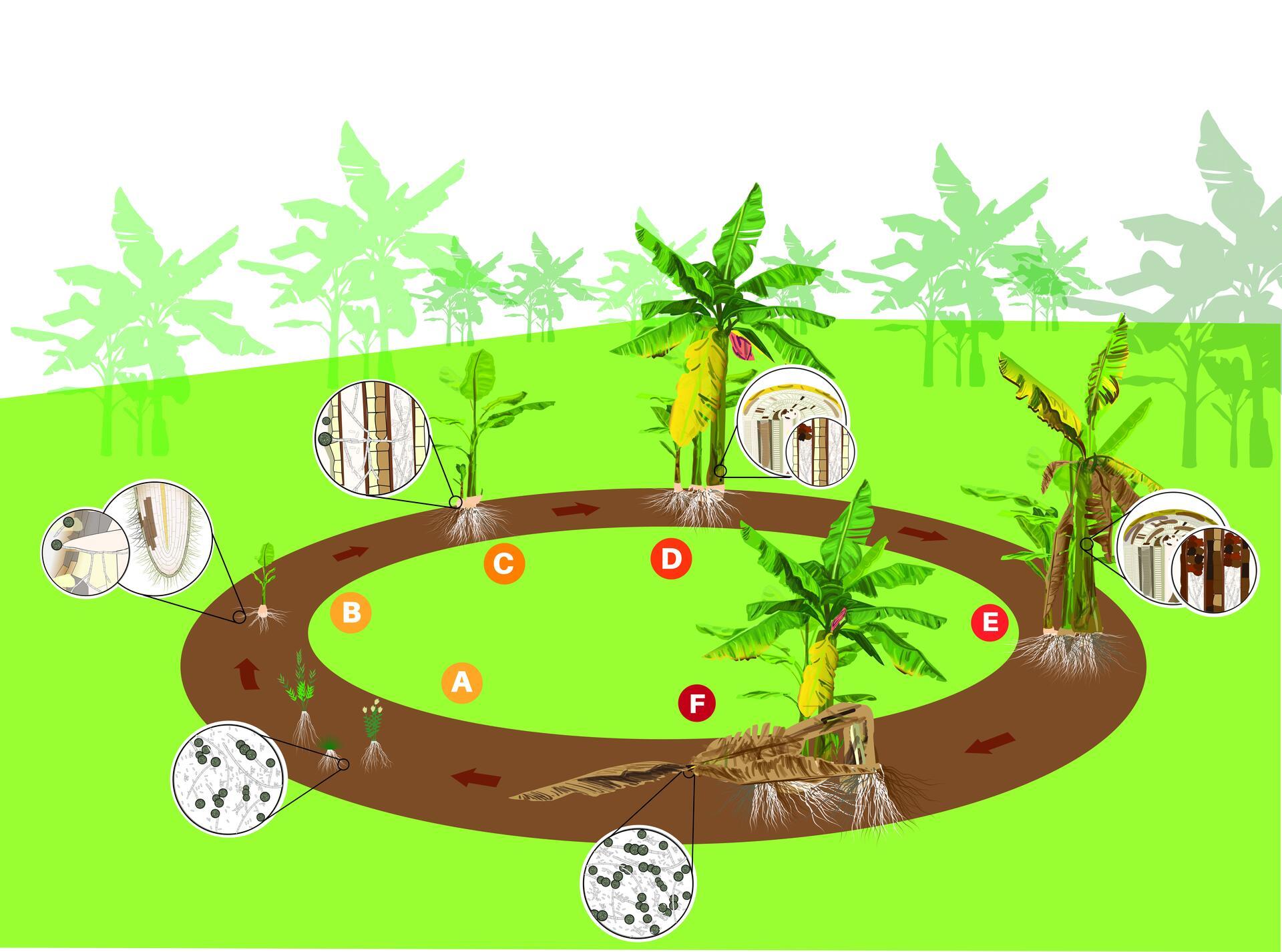
Life cycle of Fusarium oxysporum f. sp. cubense (Foc) in bananas
(A) Spores (micro- and macro-conidia and chlamydospores) rest in the soil or on alternative hosts such as weeds.
(B) Chlamydospores germinate stimulated by root exudates, and germ tubes penetrate banana roots.
(C) Foc grows through to the cortex, and the mycelium invades the vascular system.
(D) Conidia and chlamydospores are constantly produced in vascular tissues. Conidia are rapidly distributed throughout the plant via the transpiration system. Mycelium and gum block vascular tissues, and the first symptoms of yellowing are observed on older leaves.
(E) Foc colonizes and destroys more vascular tissues, causing intense wilting.
(F) The infected plant dies, and the follower (daughter) plant, which was contaminated by the mother plant through a vascular connection, shows initial symptoms. The mother plant eventually falls, and the disease cycle begins again. (Adapted from Dita et al., 2018).
Symptoms of the disease
The most visible symptom is the discoloration and wilting of the leaves, eventually killing the plant. Under natural conditions, the disease mainly manifests itself between 5 and 9 months old. However, in highly susceptible cultivars sum with soil conditions, early symptoms may appear as early as 3 months after sowing.
External symptoms
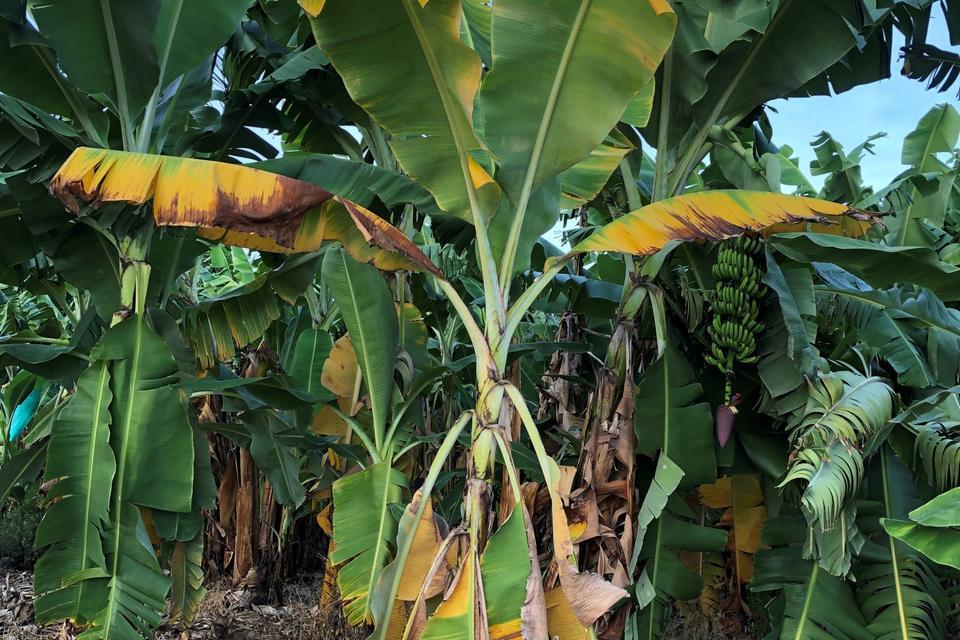
- Yellowing of older leaves from the edge toward the midrib, with yellowing and wilting progressing toward younger leaves.
- Wilted leaves gradually collapse at the petiole, hanging from the pseudostem like a skirt.
- Longitudinal splitting at the base of the pseudostem.
- Leaf emission ceases and leaves are poorly developed and malformed.
- The fruit shows no symptoms, although the emergence and full development of the clusters may be affected.
Progressive leaf chlorosis that advances from initial stages to necrosis and death of the plant.
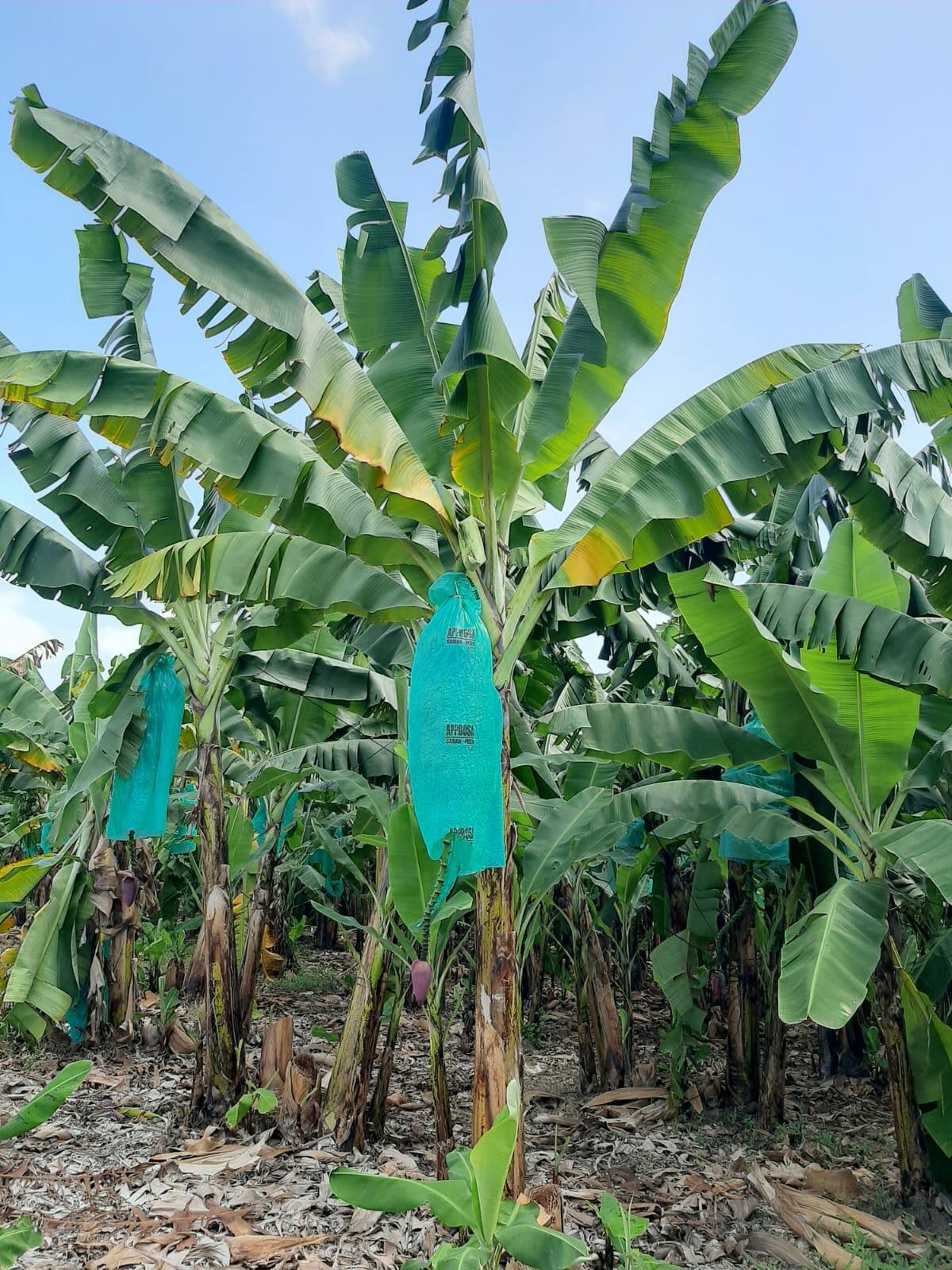
Early leaf yellowing
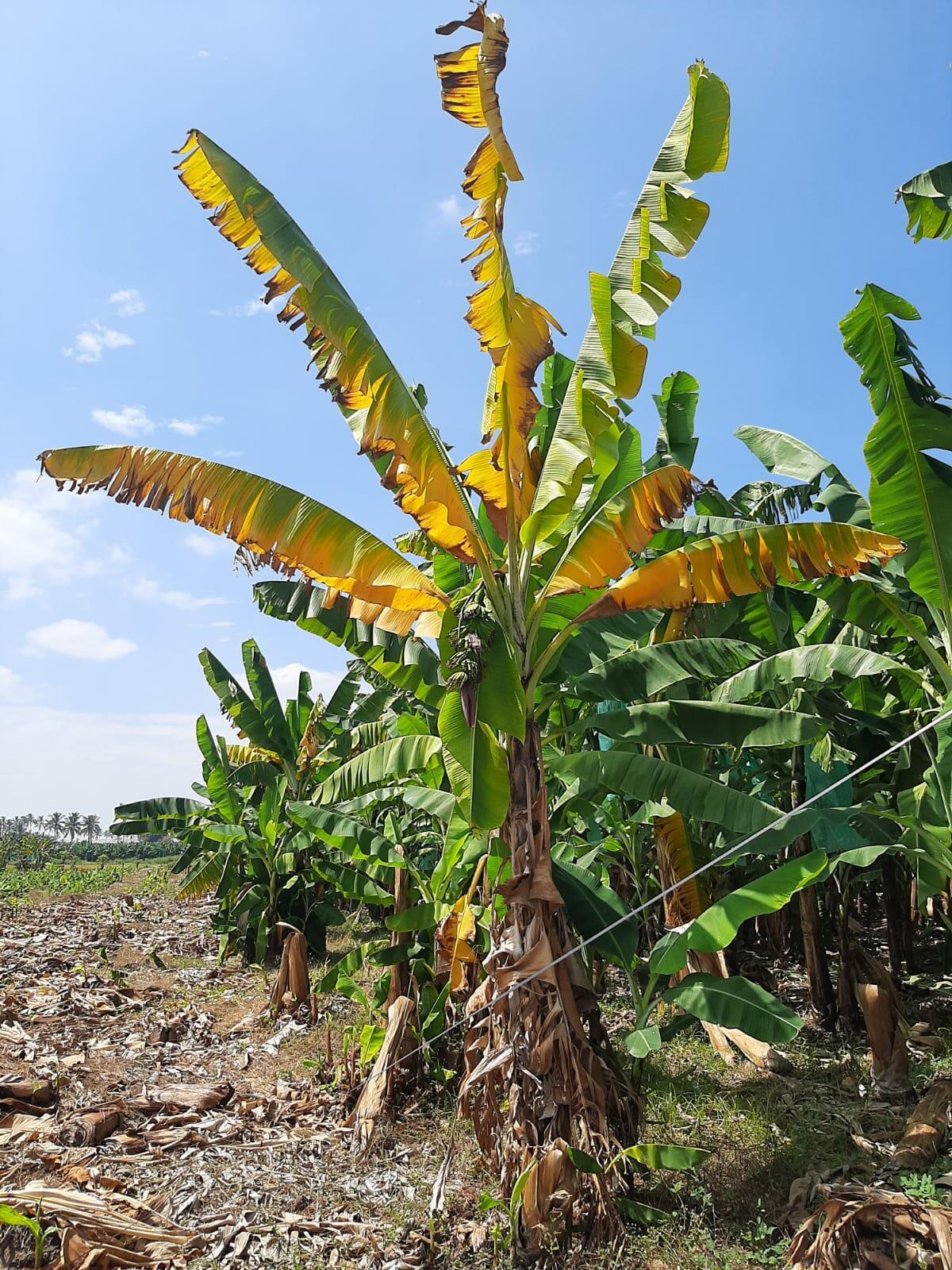
Advanced yellowing of leaves
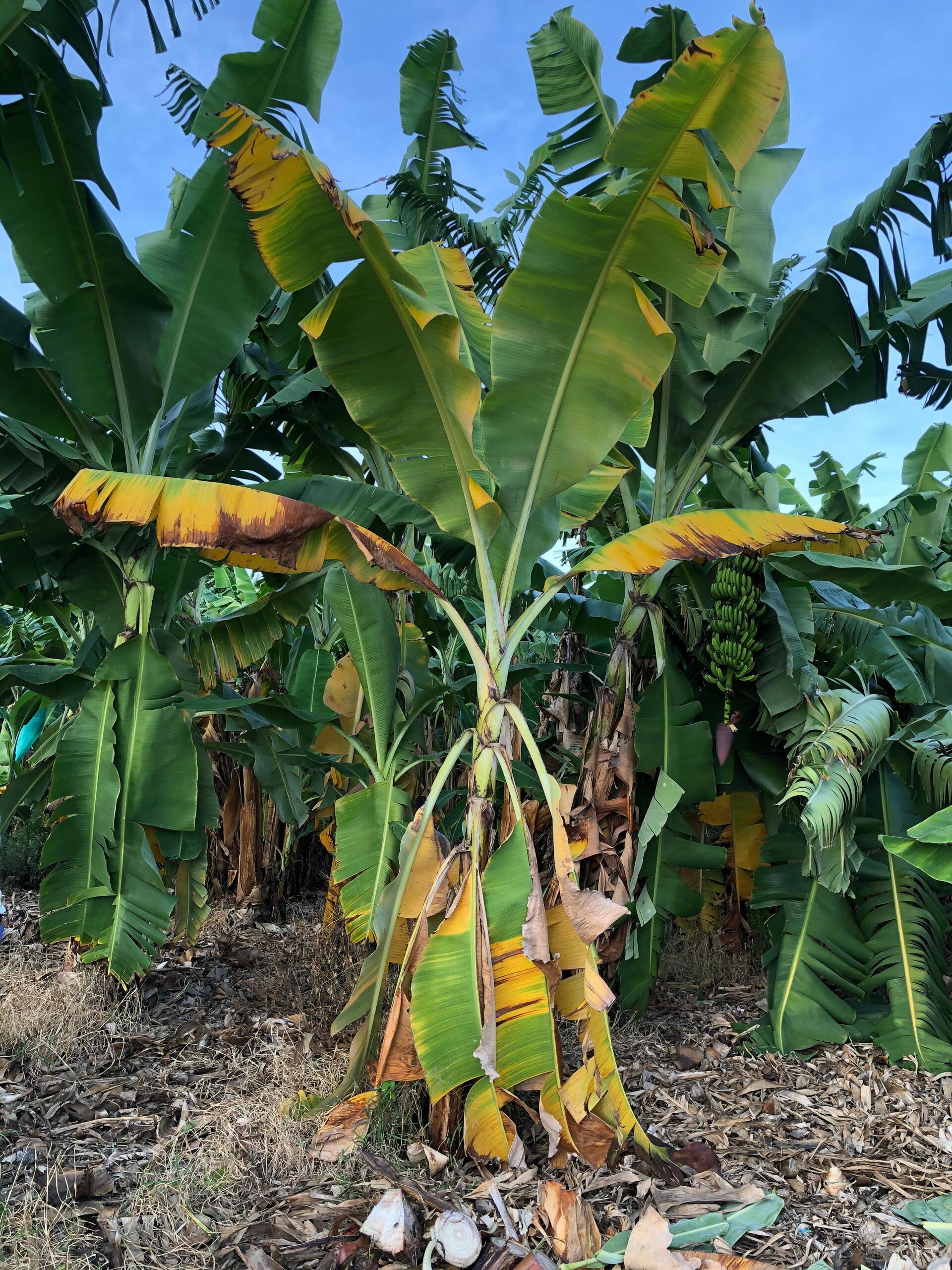
Folding sheets into a Hawaiian skirt shape
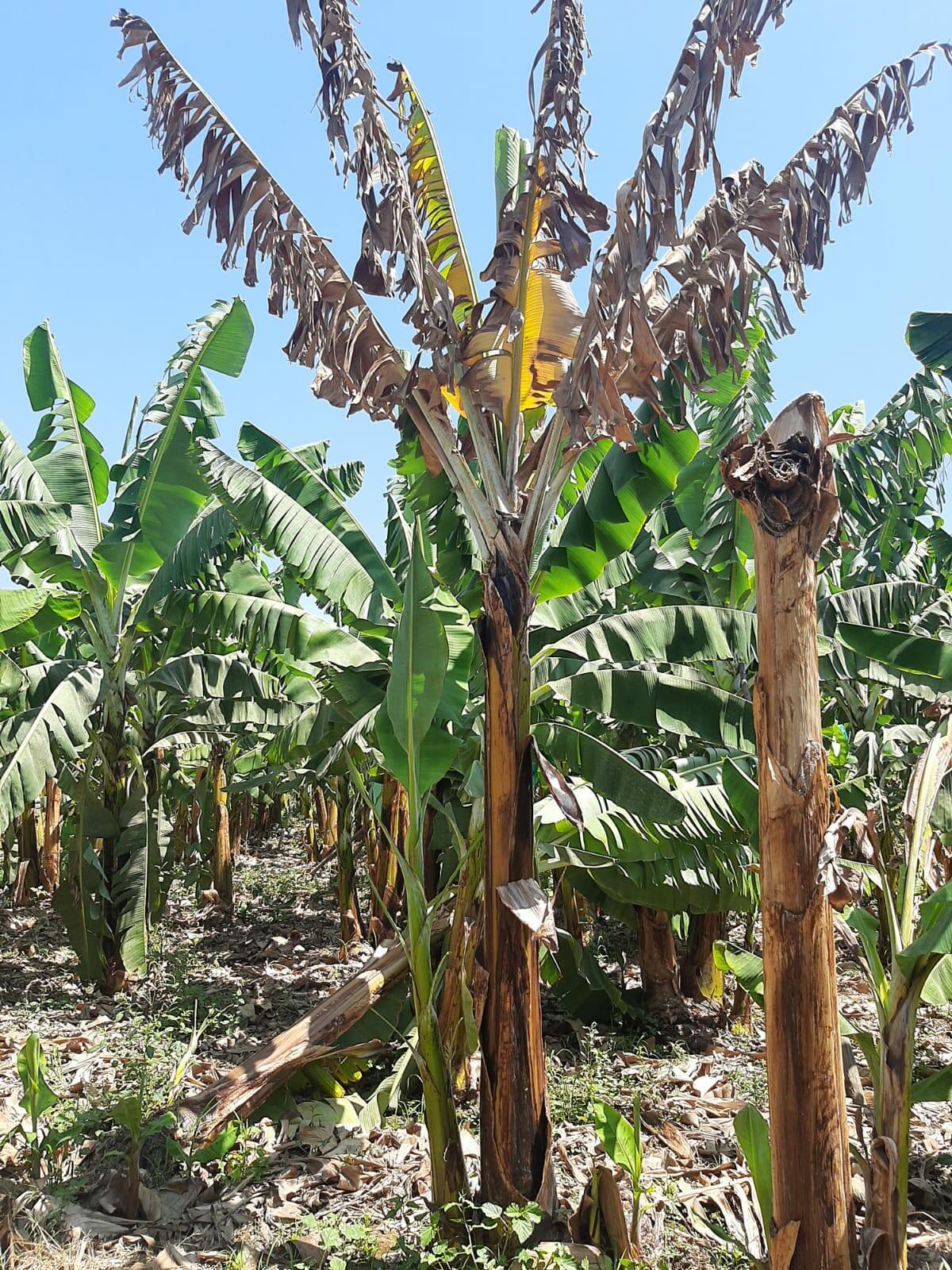
Dead leaves (Death of the plant)
Longitudinal splitting of the pseudostem and leaf deformation, accompanied by cessation of vegetative growth.
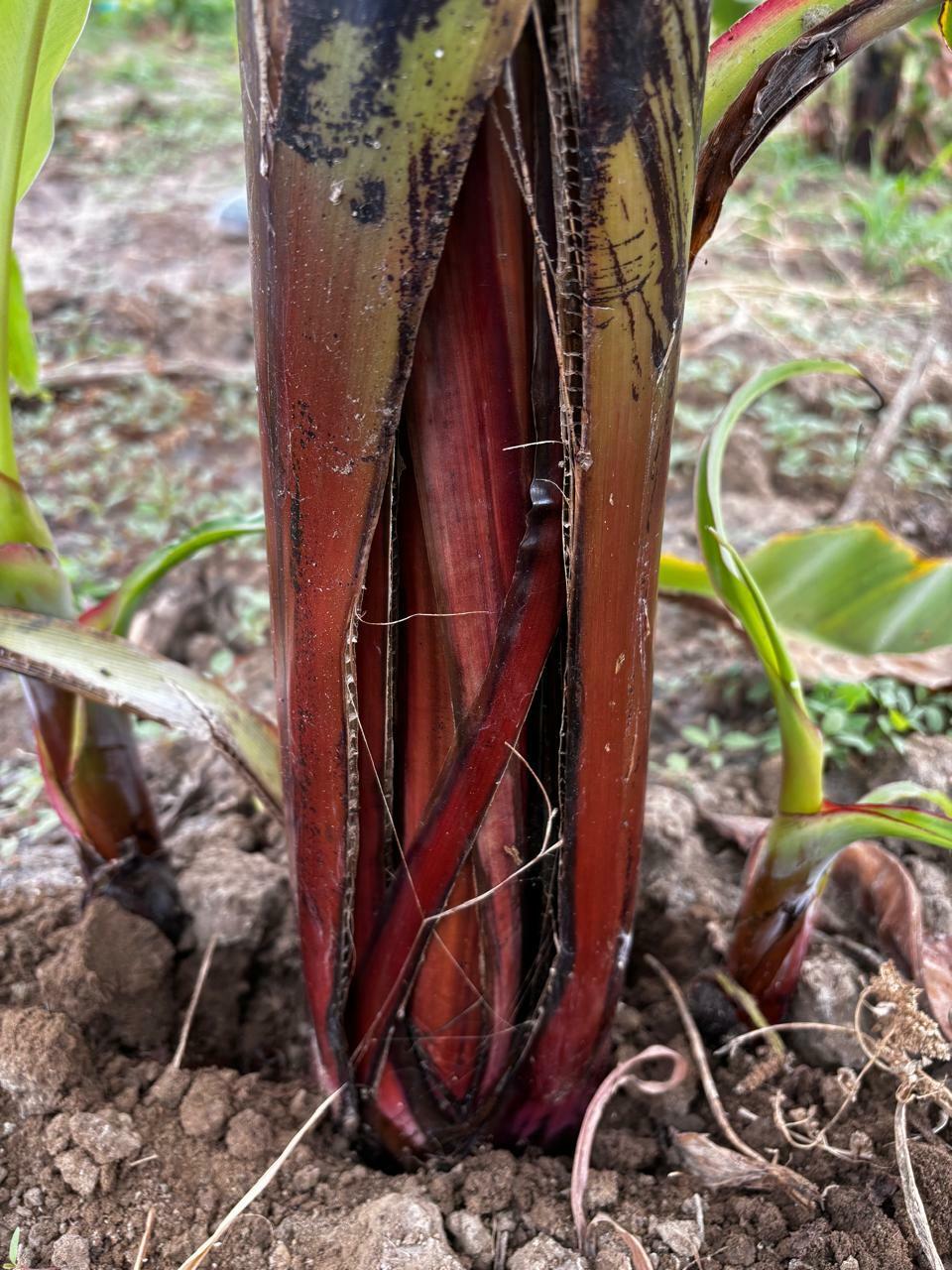
Splitting of the pseudostem.
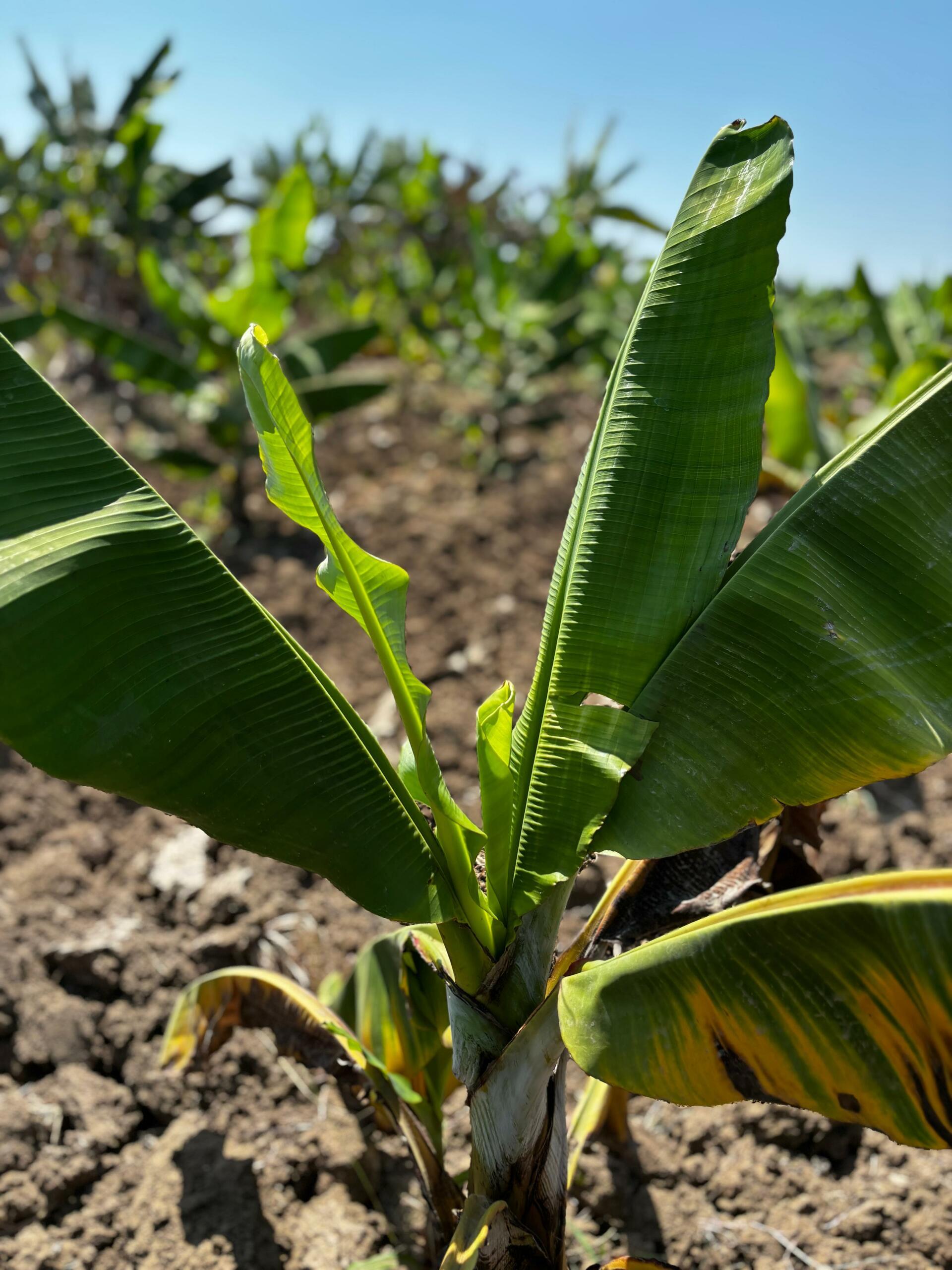
Malformed leaf and leaf emission ceases.
The fruits show no visible symptoms, but the clusters show incomplete emergence and poorly filled fruits.
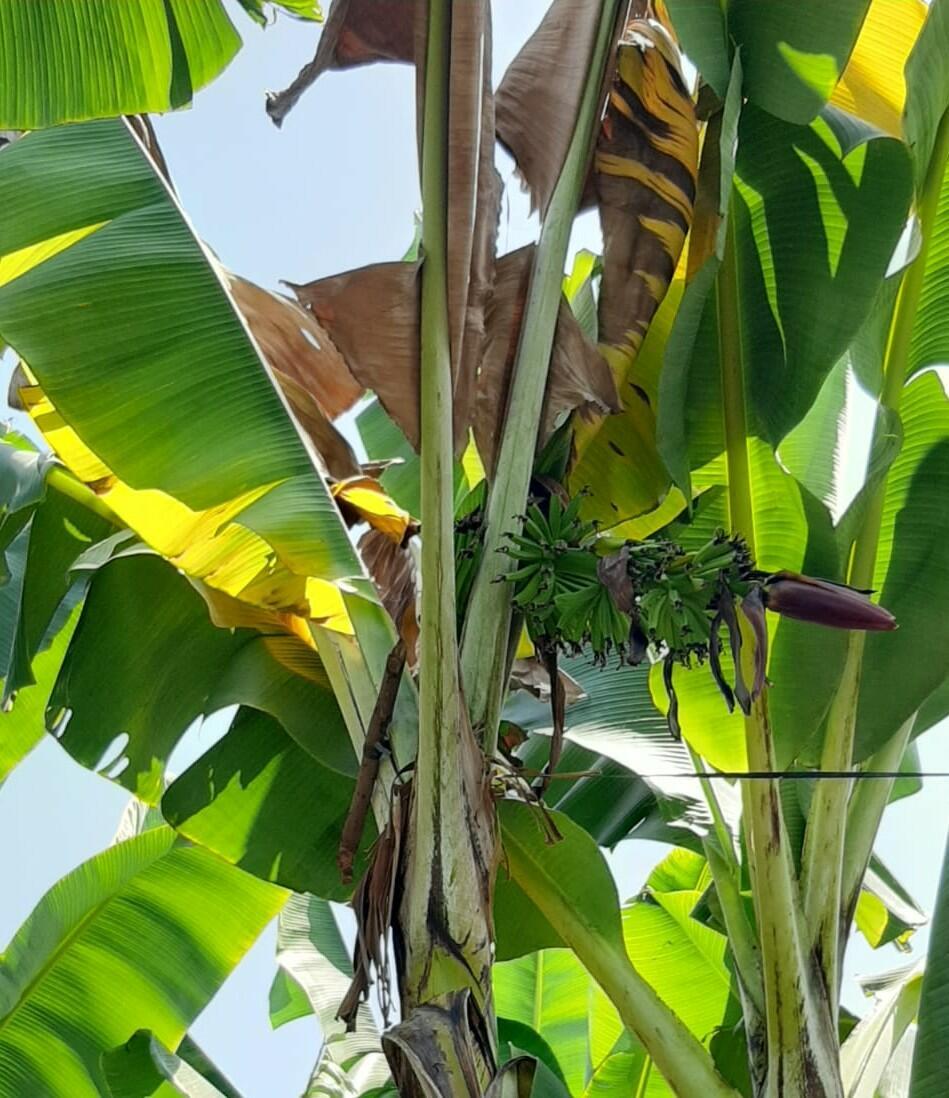
Bunch with incomplete emergence.
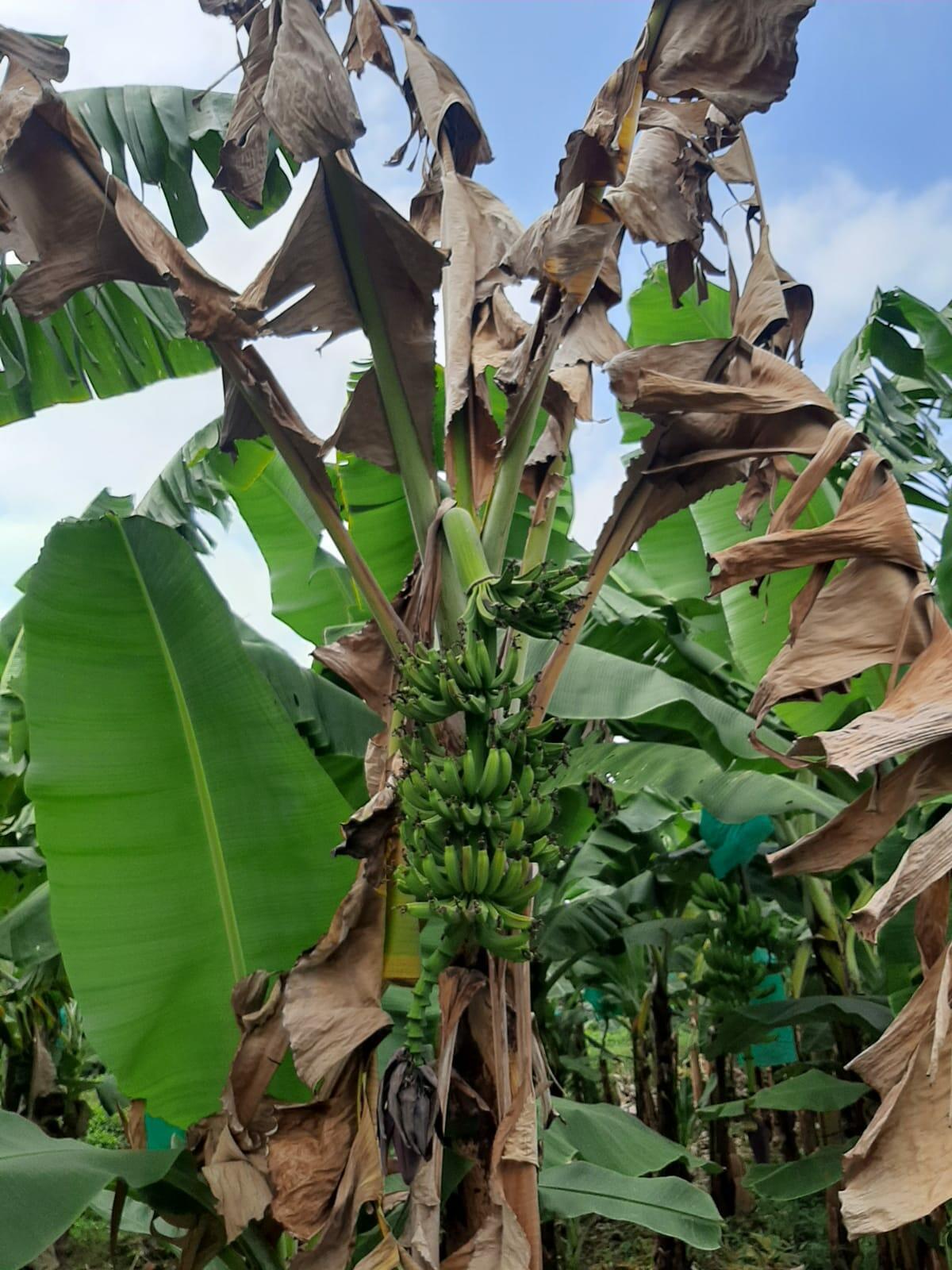
Malformed bunch with no fruit filling.
Internal symptoms
Internal symptoms in both pseudostems and corms include blockage and necrosis of vascular bundles, which prevent the plant from absorbing water and nutrients.
Obstruction and necrosis of vascular bundles
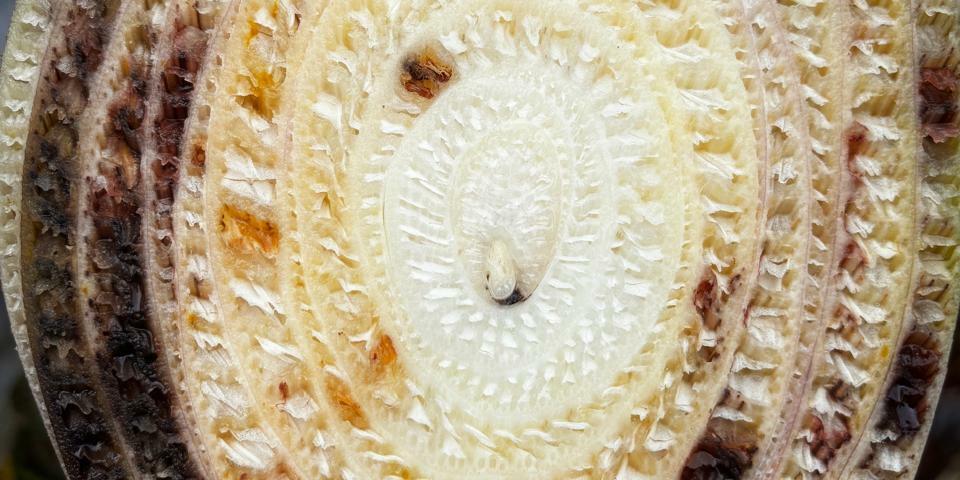
Pseudostem necrosis.
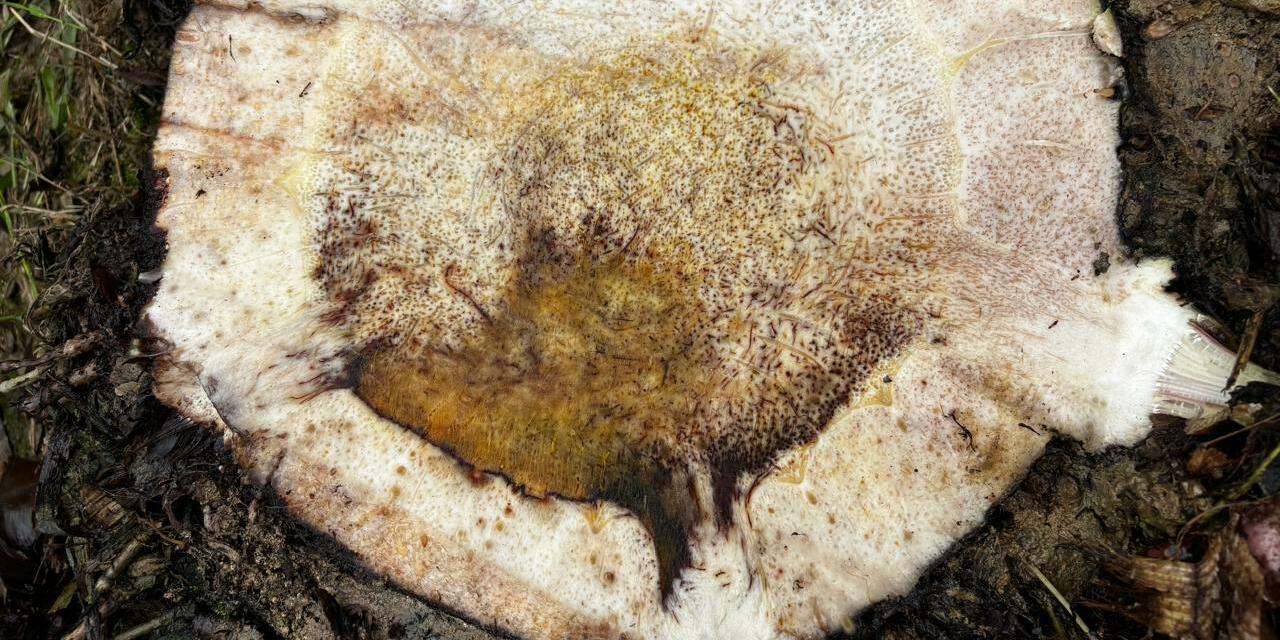
Corm necrosis.
Dispersal pathways
Long-distance dispersal is mainly due to human intervention, while short-distance dispersal can be associated with both human and natural factors, such as water runoff, the movement of animals, insects, and contaminated plants. The Foc fungus is a natural inhabitant of the soil and can be moved into and out of the farm or plot (Figure 8) through the following means:
- Soil contaminated with the fungus can be moved through footwear, tools, agricultural machinery, vehicles, runoff water, conventional planting material, substrates, and animals.
- Planting material has historically been the main means of spreading the disease. Asymptomatic offspring or corms from infected mother plants that are moved or transported between regions, farms, and within the same farm and used for planting are a means of introducing the disease. Plant organs or parts from crop residues used as sources of organic matter are a risk for the introduction and spread of the disease.
- Water is an effective vehicle for spreading disease because it can transport soil contaminated with Foc through rivers, floods, canals, runoff, and irrigation. It can also transport debris or tissue from contaminated plants.
- Insects: insects such as the banana weevil (Cosmopolites sordidus) can transport the pathogen and infect plants.
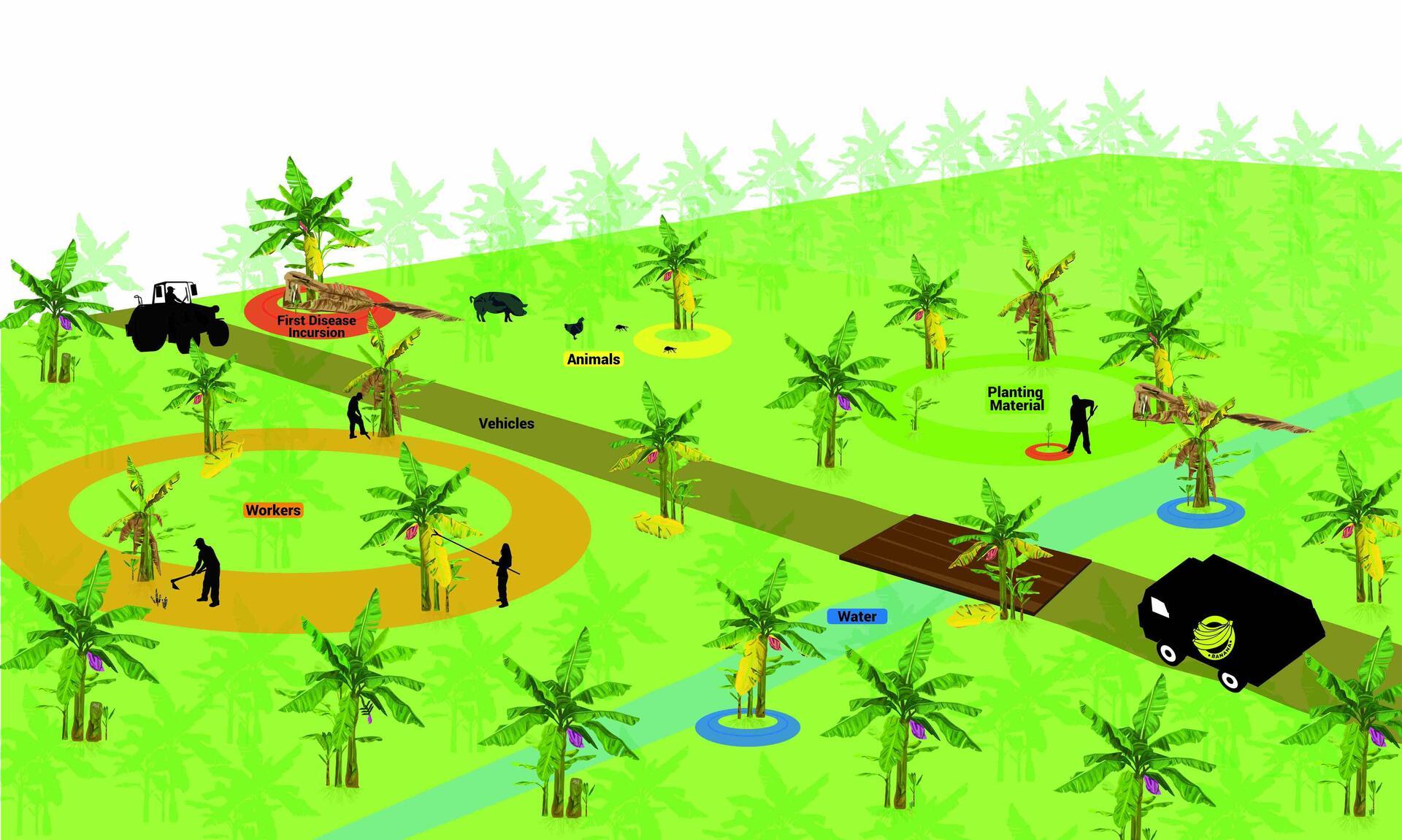
Factors associated with pathogen spreading in Fusarium wilt epidemics in bananas. First incursion (upper left). Vehicles (middle). Planting material (upper right). Animals (upper left). Workers (bottom left). Water (in blue). These factors may operate separately or in association to disperse Fusarium oxysporum f. sp. cubense structures for short or long distances. (Adapted from Dita et al., 2018).
Alternative hosts
Foc can also survive living within other plants, including several crops, weeds, grasses and ornamental plants, without causing the typical external symptoms of Fusarium wilt. The life cycle of Foc in these weeds may differ from its life cycle in bananas, although little is currently known about these mechanisms.
Alternative host of Fusarium oxysporum f. sp. cubense (Foc TR4)
|
Common name |
Scientific name |
Family |
Crop species |
Weeds |
Grasses |
Ornamental plants |
Foc TR4 host (+) |
|
False banana |
Ensete ventricosum |
Musáceae |
x |
|
|
|
+ |
|
Achira |
Canna indica |
Cannáceae |
x |
|
|
|
+ |
|
Spreading day flower; Chicken intestine; Canutillo; Everlasting flower; Comfrey with comfrey |
Commelina diffusa |
Commelinacea |
|
x |
|
|
+ |
|
Purpletop chloris; Indian beard; Goat's beard; Broom |
Chloris inflata = Chloris barbata |
Poaceae |
|
x |
|
|
+ |
|
Wild poinsettia; Milkman; Swallow and Garden spurge; Chicken intestines |
Euphorbia heterophylla and Euphorbia hirta |
Euphorbiaceae |
|
x |
|
|
+ |
|
Coat buttons; Bull's herb; Hill rosemary; Buttonwort; Worm-killer |
Tridax procumbens |
Asteraceae |
|
x |
|
|
+ |
| Billy goat; Goat's herb; goat; mint; blue celestine; St. John's wort or holy light | Ageratum conyzoideses | Asteraceae |
Biosecurity measures
Exclusion and prevention are strategies is based on phytosanitary surveillance and the implementation of biosecurity measures at the country, region, farm, or field level. Exclusion at the country level is the responsibility of NPPOs (National Plant Protection Organizations), which in the case of Foc TR4 have to concentrate efforts at ports, airports, and land borders. Prevention is a broader concept and also includes providing information and training to the various stakeholders in the value chain on FW risk factors. Exclusion and prevention enable the establishment of biosecurity measures aimed at an effective and operational management of these risks. Thus, quite different measures such as washing and disinfecting containers and vehicles, screening luggage, deploying trained detection dogs, installing footbaths for footwear disinfection, restricting the movement of plant material, and raising awareness among travelers through outreach materials and official alerts have been recommended and implemented to varying degrees.
Biosecurity, like any other Foc TR4 management practice, must be based on the epidemiology of the disease. Therefore, it is necessary to understand the factors and pathways of pathogen spread through site-specific approaches. Even in the presence of extreme weather events, biosecurity strategies and measures must be rigorously implemented and monitored. Regardless of farm size or producer economic status, biosecurity principles should be part of daily farm operations (Table 3).
The effectiveness of biosecurity measures on banana farms or plantations depends on various factors, which can be grouped into biophysical and socioeconomic factors. Biophysical factors can in turn be divided into controllable and uncontrollable factors.
Controllable biophysical factors
- Irrigation systems
- Establishing buffer zones with non-host crops between affected and disease-free areas can reduce the spread of pathogens.
Uncontrollable biophysical factors
- Flooding caused by heavy rains is very common in most banana-growing areas. These events have a direct and immediate impact on plantations, destroying them in many cases.
Socioeconomic factors
- The lack of implementation of biosecurity measures may depend not only on their cost per hectare, but also on labor organization and laborer practices, the already intensive current crop management routines with weekly targets (boxes/containers), and the contiguous layout of plots and farms without buffer zones.
Biosecurity principles for banana and plantain farms
|
Measure |
Comments |
|
Fencing of the property: |
Restrict access to people, vehicles, and animals. The use of durable materials (wood, barbed wire, mesh, hedges, etc.) is recommended.
|
|
Signage for biosafety measures and procedures: |
It allows for guidance and instruction on the biosafety procedures that must be followed by operators or visitors entering the farm. These must be located at each control point, indicating the actions to be taken. Signs or pictograms may be used and must be made of resistant and durable materials. |
|
Single entrance and exit to the property: |
This should lead people and vehicles to a single point of entry and exit from the property and should be restricted by a gate to limit access to the premises. The gate can be constructed from the following materials: wood, iron, aluminum, wire, etc. |
|
Washing and disinfecting footwear, vehicles, and agricultural machinery: |
An area for washing and disinfection must be available. It must be located at the sole entrance to the farm and must have a surface that isolates the ground from the vehicle's tires. Insulation materials such as cement, washed or crushed gravel, or crushed stone may be used. Install footbaths, which may be mobile or fixed, made of cement, plastic, and/or aluminum. Provide footwear cleaning equipment such as brushes, mechanical boot cleaners, and pressure washers, etc. |
|
Registration and control of entry to the farm:
|
Inform and instruct incoming personnel on biosafety procedures to be followed on the premises. Keep records of the person, such as origin, crops visited, shoe size, clothing, reason for visit, etc. |
|
Awareness raising and training: |
Raise awareness among the community surrounding the farm about the biosecurity measures implemented. Train farm workers on the biosecurity procedures they must adopt in each of their daily tasks. |
Detection of Fusarium wilt Tropical race 4
The timely detection of Fusarium wilt is a fundamental pillar for the prevention, containment, and effective management of this disease in Musaceae.
Field detection
Early detection and destruction of plants showing symptoms of Fusarium wilt is key to successful pathogen containment and overall disease management. The main objective behind this practice is to reduce or even halt the spread of the disease to other parts of the country. The sooner infected plants are detected, the greater the chances of successful disease containment. To this end, it is essential to monitor plantations frequently to detect suspicious plants. Although Fusarium wilt is an “old disease” in many places, farmers are unfamiliar with its symptoms.
Technicians and farmers must be trained not only to detect TR4 symptoms, but also to differentiate them from of bacterial diseases such "Moko" caused by (Ralstonia solanacearum raza 2) and bacterial soft rot (BSR) caused for (Pectobacterium carotovorum / Dickeya paradisiaca), and identify the possible coexistence of pathogen complexes (see pictures). In areas outside of export banana production, Foc R1 and R2 are widely distributed, affecting local varieties and causing symptoms like those of Foc TR4. This poses an additional challenge for the early detection of Foc TR4, as the pathogen may appear in local varieties rather than Cavendish. Training all participants of the value chain, particularly those working in production and packaging, provides an opportunity for real-time surveillance for disease detection, an option that is currently underdeveloped.
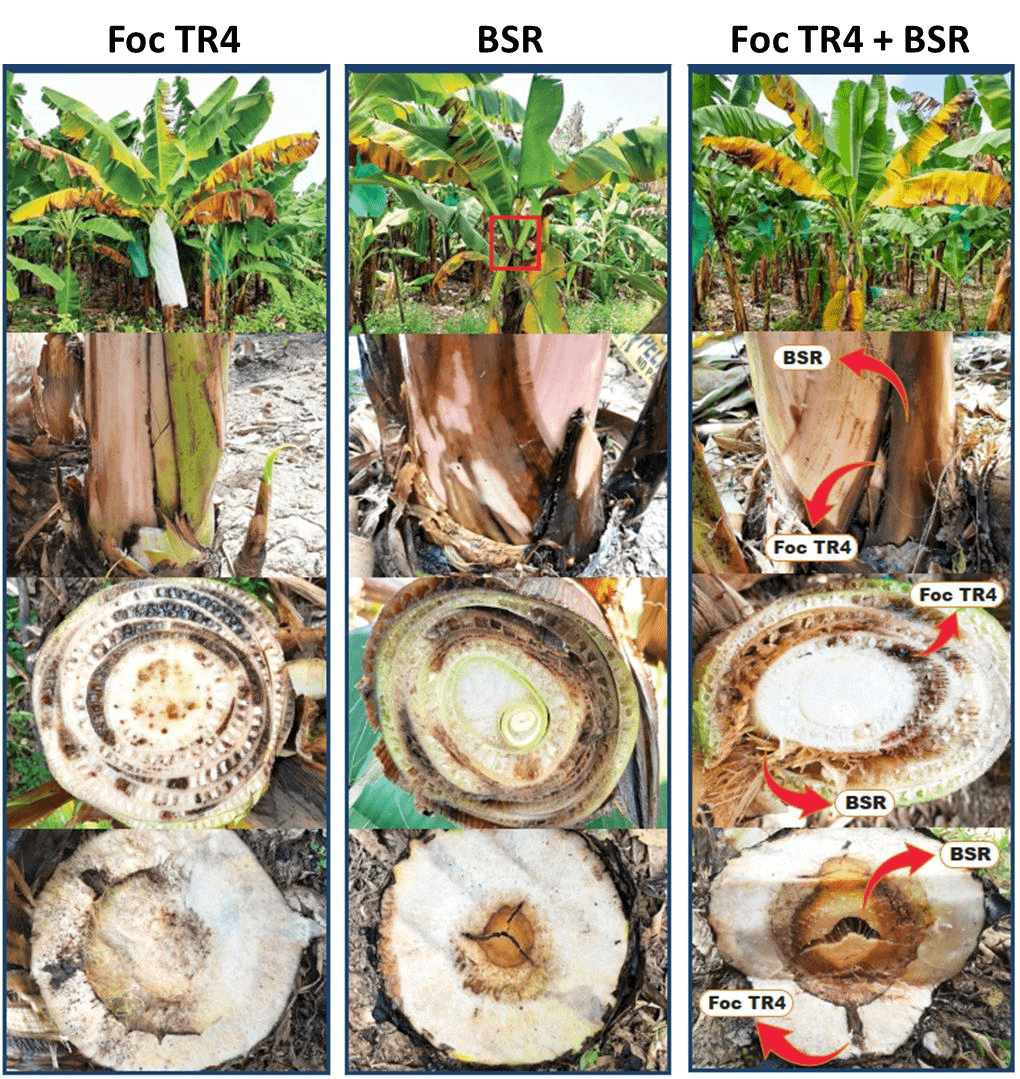
Co-occurrence of Foc TR4 and bacterial soft rot (BSR). Symptoms of Foc R4T (left panel), BSR (center panel) and Foc TR4 + BSR (right panel) (Adapted from Vargas JE et al., 2024).
Once the disease is detected, a discussion begins on the size of the area to be destroyed to contain it. The size of the area to be destroyed must be carefully designed on a case-by-case basis, considering scenarios at the farm level:
- Foc TR4 is not present (A);
- Foc TR4 is a quarantine pest and the first incursion has been detected (B);
- Foc TR4 is already established, but with low levels of incidence (C); and
- The intensity of Foc TR4 is high, the disease is evenly distributed throughout the plantation, and new infected plants are detected periodically (D).
Considering these different scenarios, management practices and their integration may vary, but some practices, such as those aimed at exclusion, containment, and exclusion and contention of pathogens and soil management, are applicable to all scenarios.
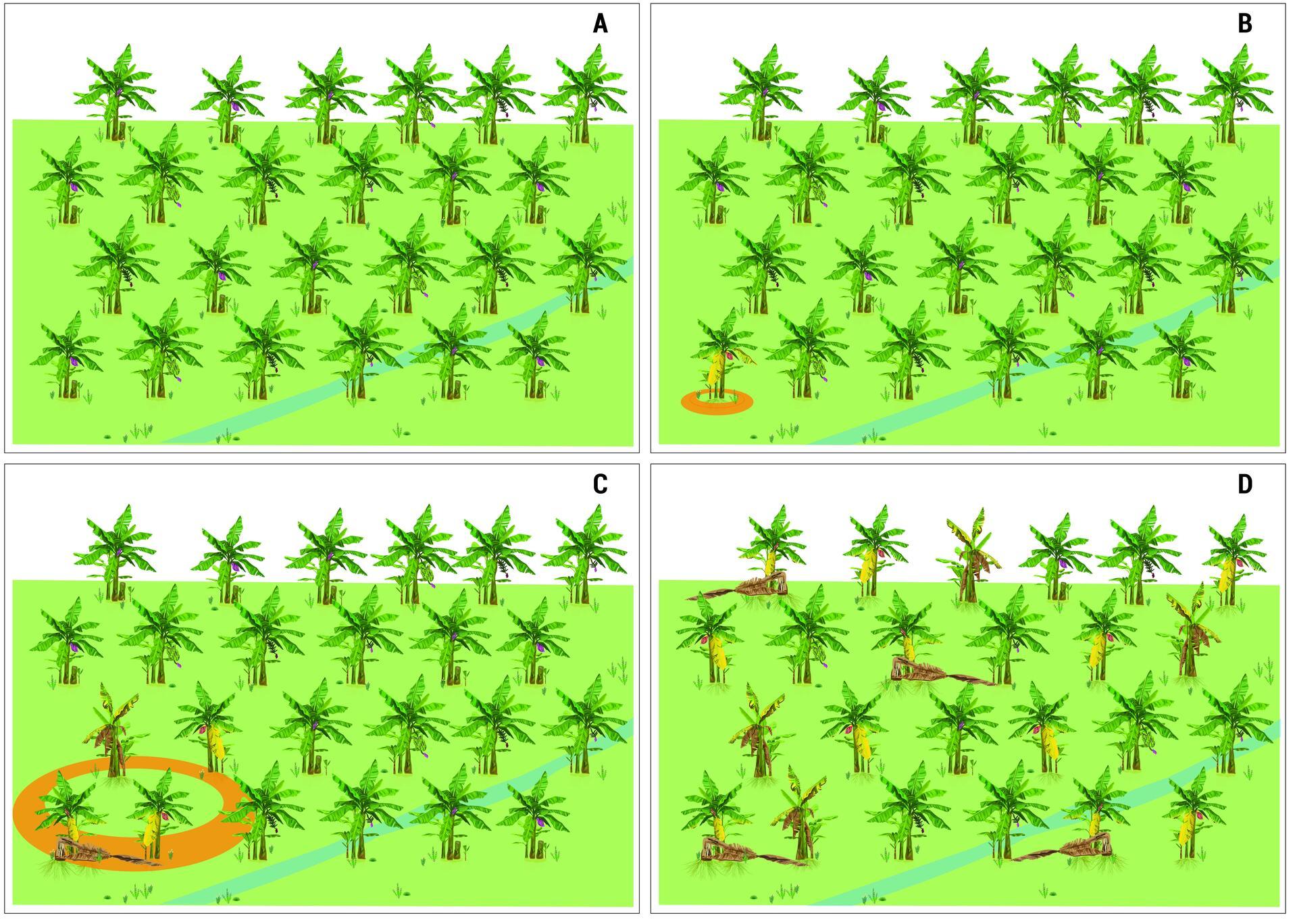
Schematic representation of four different scenarios of Fusarium wilt in a banana plantation. (A) The disease is not present. (B) The causal pathogen is a quarantine pest and the first incursion has been detected. (C) The disease is established, but with irregular distribution and low levels of incidence. (D) The disease is evenly distributed with high levels of incidence. (Adapted from Dita et al., 2018).
Laboratory detection
The detection and diagnosis of Foc TR4 are based on several complementary criteria. These include, at a minimum, the external and internal symptoms observed in the field on affected plants and the laboratory characterization of the causal agent, for which it is important to preserve single spore isolates from symptomatic banana plants. The most reliable molecular methods currently available for characterizing the causal fungus are PCR, qPCR (often regulatory) and LAMP (loop-mediated amplification, for which commercial kits are available that can be used directly in the field). However, new highly specific and sensitive methods are currently being developed, such as ddPCR (digital PCR) and RPA-CRISPR Cas12a (recombinase polymerase amplification). In the event of a first detection at the national level, quick and technical interventions are recommended, like diagnose the vegetative compatibility (VCG) among strains, an a complete sequencing process.
How can we fight Fusarium tropical race 4 (Foc TR4): Practical actions
The strategy for managing Foc TR4 in banana production systems should be based on an integrated approach that combines measures to exclude the pathogen, early detection, and immediate eradication or containment of outbreaks, together with the rigorous implementation of biosecurity protocols to prevent its spread within and between farms. The strategy should also incorporate the progressive use of resistant or tolerant varieties, the integration of biocontrol agents, and the adoption of agronomic practices aimed at improving the physical, chemical, and biological health of the soil, reducing pathogen pressure, and strengthening the resilience of the production system.
To reduce the risk of Foc TR4 entering and spreading to banana and plantain crops, follow these steps:
- Monitor and control the entry of people, animals, tools, vehicles, equipment, soil, or plant material onto your farm.
- Set up cleaning and disinfection areas for footwear, vehicles, and any source that may carry soil. Enter and exit clean.
- Ensure that the planting material you are going to use is proven to be healthy.
- Perform soil analysis, correct its pH to levels above 5.6, and ensure that nutritional elements such as calcium, potassium, phosphorus, and zinc are bioavailable and at adequate levels.
- Avoid using ammonium-based nitrogen sources such as urea and ammonium sulfate.
- Apply microorganisms with proven biocontrol action such as Trichoderma sp., Bacillus spp., Streptomyces spp., and Pseudomonas spp., among others.
- Apply organic amendments such as compost, organic matter, and biochar around the plant.
- Ensure that your farm has good drainage.
- Monitor and control Foc TR4 insect vectors such as the banana weevil (Cosmopolites sordidus).
- Provide regular training for field workers.
- Monitor plantations frequently to detect plants suspected of Foc TR4 and, in cases of suspicion, notify local phytosanitary authorities.
Finally, it is essential to adopt a deliberate, structural, and sustained response to Foc TR4, incorporating it as a permanent dimension in banana production systems, NPPO programs, and farm-level biosecurity practices. Quarantine and biosecurity measures must be consolidated as components of continuous management, both for the exclusion of the pathogen and for production in its presence. It is also essential to strengthen public phytosanitary protection and biosecurity programs throughout the value chain, integrating risk analysis and epidemiological approaches that allow for greater efficiency and effectiveness in the long term.
In this context, each country, with the support of its NPPO, international agencies, regional cooperation mechanisms, and banana research programs, should promote technically sound innovations that can be adopted by producers. These should be aimed at:
- containing the pathogen by strengthening surveillance and diagnostic capabilities;
- developing and scaling up resistant commercial varieties, supported by programs for the improvement, introduction, evaluation, and multiplication of planting material Fusarium wilt of banana;
- identifying and validating biological control organisms at the national level;
- implementing management strategies based on epidemiology, developed in close coordination with producers; and
- providing phytosanitary education to those involved in the banana production chain.
Together, these actions will enable a transition from a reactive response to a comprehensive and sustainable management model for Foc TR4, strengthening the resilience and competitiveness of the banana sector in the region.
Scenarios and priorities for action against Foc TR4 in the banana agri-food system
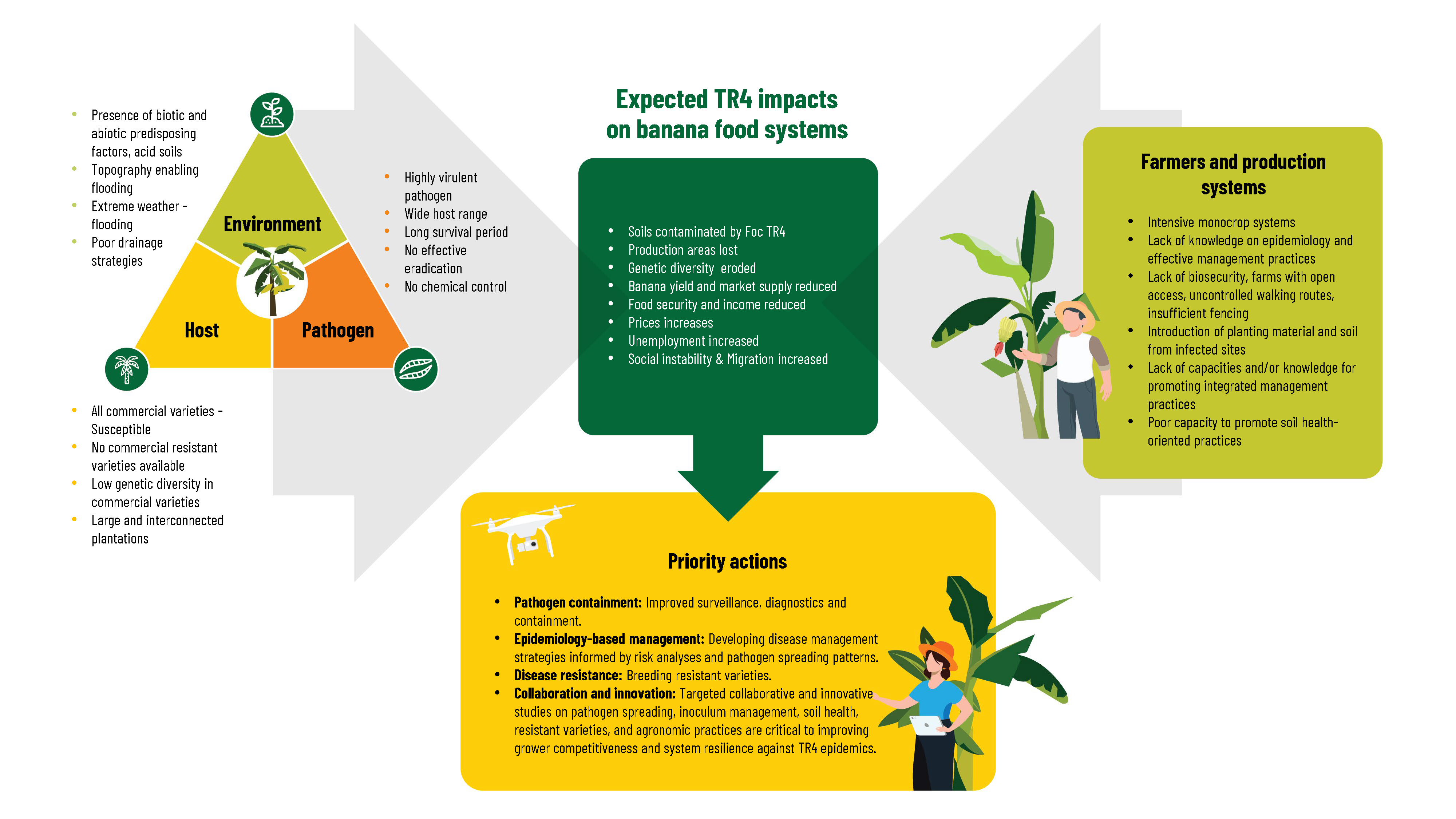
Overview of the current epidemiological situation (left panel), farmers and production systems (right panel), expected impacts (top panel), and priority actions (bottom panel) of Fusarium tropical race 4 (TR4) wilt in Latin America and the Caribbean. (Adapted from Munhoz et al., 2024).
Alliance efforts to understand and combat Fusarium wilt
The Alliance of Bioversity International and CIAT has been at the forefront of research and action against Fusarium wilt of banana, particularly Tropical Race 4 (TR4). Since its arrival in Latin America, the Alliance has led projects in LAC:
- ALER4TA Project: “Innovations for the prevention of Fusarium TR4 in South America.” (Colombia, Ecuador, Peru, and Bolivia) (2022-2024).
- IDB Project: Development of Regional Protocols for the Control and Prevention of the Spread of Fusarium Tropical race 4 in Musaceae Plants (Banana and Plantain) in CAN Countries (Colombia, Ecuador, Peru) (2022-2024).
- STC-CGIAR Project: “Strengthening knowledge, diagnostic capacity, and good practices in the face of the threat of Fusarium and other phytosanitary problems for banana-producing families in Peru” (2020–2022).
- STC-CGIAR Project: Innovations for the prevention and management of Fusarium tropical race 4 (Foc TR4) in plantain and banana crops in Peru. (2025-2027).
At the same time, the Alliance is promoting scientific research to develop banana varieties resistant to TR4. Key activities include the evaluation and selection of banana germplasm with resistance potential, the application of genomic sequencing tools to better understand the mechanisms underlying resistance and susceptibility, and the strengthening of breeding programs. These initiatives are part of an integrated disease management strategy that also includes research aimed at improving soil health through the incorporation of beneficial microorganisms and the use of cover crops, as well as farmer training and the promotion of climate-resilient agricultural practices. Together, these efforts seek to contribute to the development of a more sustainable, productive, and resilient banana production system capable of addressing current and future phytosanitary challenges.
Technical support and research from the Musaceae program
- Technical responses to outbreaks of Foc TR4
- Laboratory diagnosis (Moko and Foc TR4)
- In-person training course on detection, biosecurity, and preventive management of Foc TR4.
- Artificial intelligence agent for mass training on disease and risk analysis surveys via (WhatsApp Bot).
- Risk and contingency analysis for other quarantine pests (BBTV, XWB)
- Disease detection with AI (Tumaini app & AIR).
- Capacity building in prevention, detection, and management of phytosanitary threats from vascular diseases (Foc TR4, Moko, bacterial soft rot and others) of Musaceae in LAC.
- Strengthening the technical capacities of NPPOs, research centers, and producers in LAC.
- Socioeconomic studies of diseases affecting Musaceae.
Relevant stories
Multimedia
Relevant publications
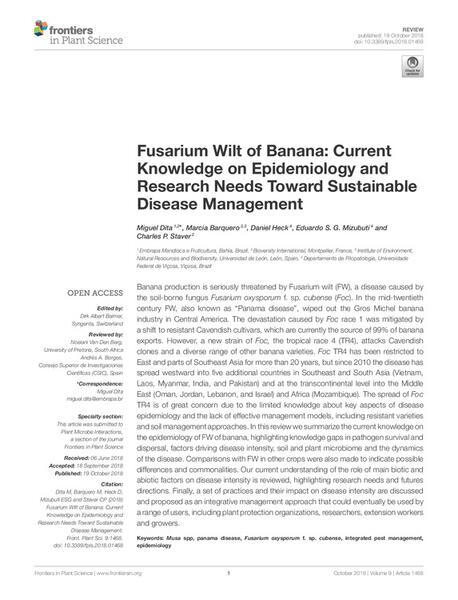
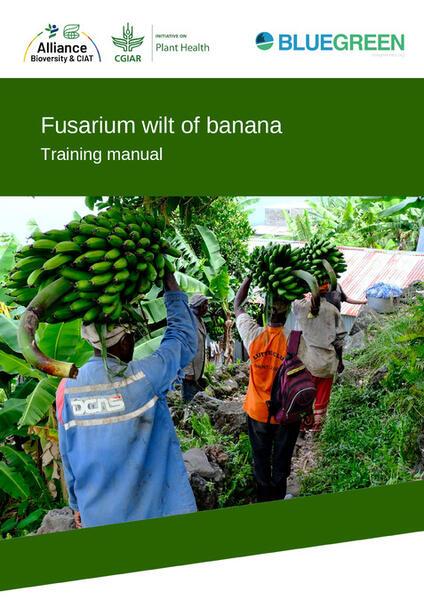
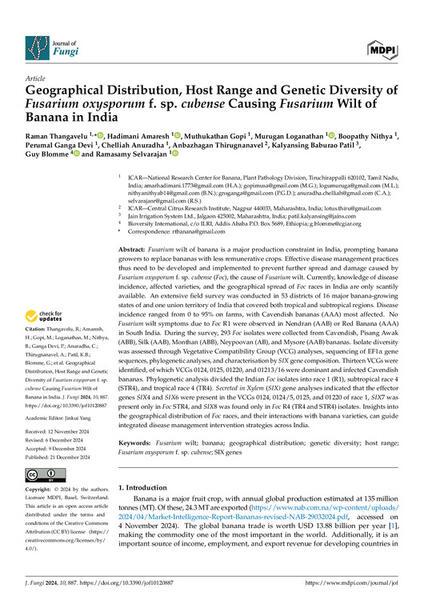
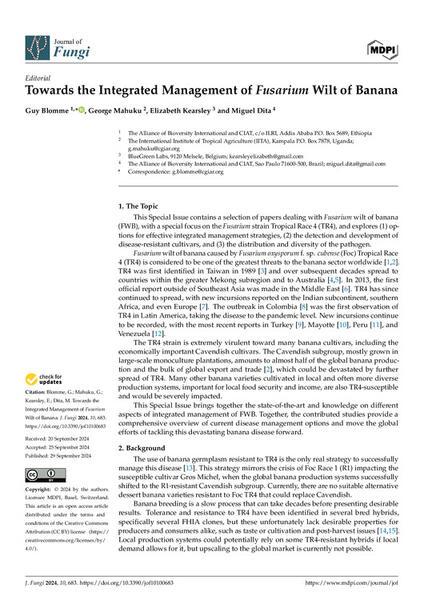
Researchers working on Fusarium wilt of banana

Sebastien Carpentier
Principal Scientist, Banana Program Leader
Ricardo Oliva
Senior Scientist, Banana Program leader for Latin America & the Caribbean
Jorge Eliécer Vargas Acosta
Research Associate
Nicolle Baron Higuera
Research associate