From the Field Sikia goes to the field: Can AI make it easier to listen to farmers?
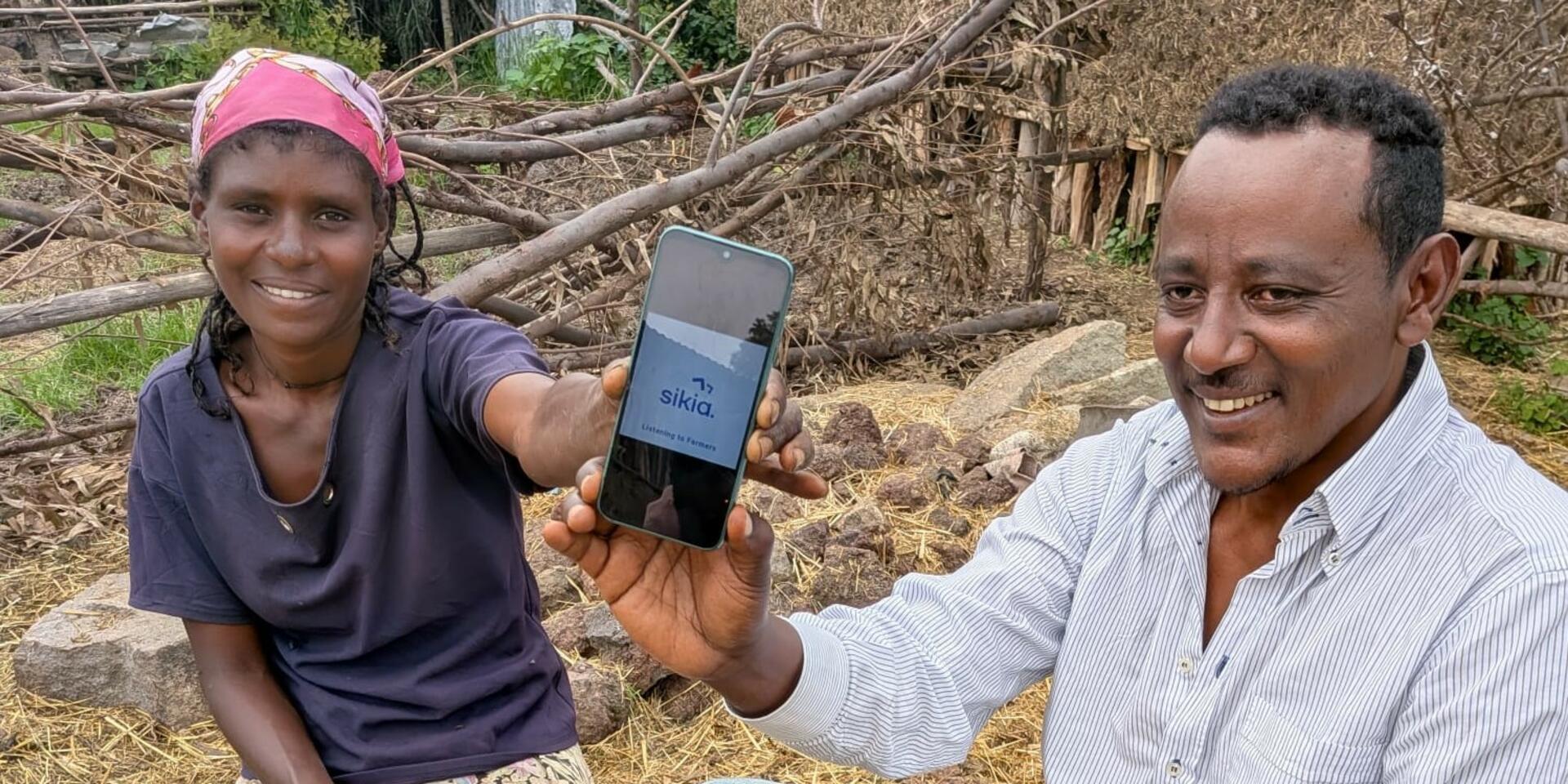

Researchers in Ethiopia and Tanzania are putting Sikia to its first live field test, exploring whether AI can capture what farmers say in their own words and turn those conversations into insights that can be used at scale.
Ask a farmer why they prefer one crop variety over another, and the answer is rarely as simple as selecting an option from a list. They may talk about how it performed when the rains were poor, whether it produced enough to sell, how it tasted, or why a variety that yielded well was still difficult to market. These details can tell researchers more than farmers’ preferences, but also capturing them at scale creates a practical challenge: hundreds of conversations have to be recorded, transcribed, read and interpreted before researchers can begin to identify patterns within them.
For qualitative researchers, this work can take weeks, and the more room people are given to explain their experiences in their own words, the more information there is to process afterwards. Sikia was developed around that challenge: could researchers listen to what farmers actually have to say without making the richness of those conversations too time-consuming to use?
“Farmers have always had a lot more to tell us than we could capture in a survey. With NDIZI, we wanted to see if we could listen to those stories at scale without losing the detail,” says Stephen Mutuvi of the Alliance of Bioversity International and CIAT.
Sikia, meaning “to listen” in Swahili, is a digital platform designed to capture open-ended responses in people’s own words and languages, then use AI to help researchers organize and analyze what they have heard. After earlier testing in crop-breeding research, the platform has now reached an important stage through the CropConcept Market Intelligence pilot in Ethiopia and Tanzania, where it has been deployed in a live field data collection exercise and applied beyond the crop-breeding trials for which it was originally developed.
From farmer feedback to Sikia
Sikia grew out of NDIZI (NLP to Develop and Innovate Zero-Shot Intelligence), an AI research initiative from the Alliance, supported by the Gates Foundation. NDIZI began with a practical research question: could AI help capture farmer feedback with the richness of an in-depth interview, but at the speed and scale of a survey?
The approach was first tested in participatory bean variety trials with smallholder farmers in Tanzania. Rather than limiting farmers to categories selected in advance, they could describe what they liked and disliked about different varieties in their own words, while Sikia transcribed their responses and helped researchers identify characteristics they mentioned, including yield, taste, drought tolerance and market demand. Those observations could then be organized into a dataset that allowed researchers to examine patterns across interviews while retaining the detail contained in farmers’ responses.
The CropConcept Market Intelligence pilot took that development further, using Sikia for a different research problem across Ethiopia and Tanzania and in three languages: Amharic and Afaan Oromo in Ethiopia, and Swahili in Tanzania.
Turning conversations into usable evidence
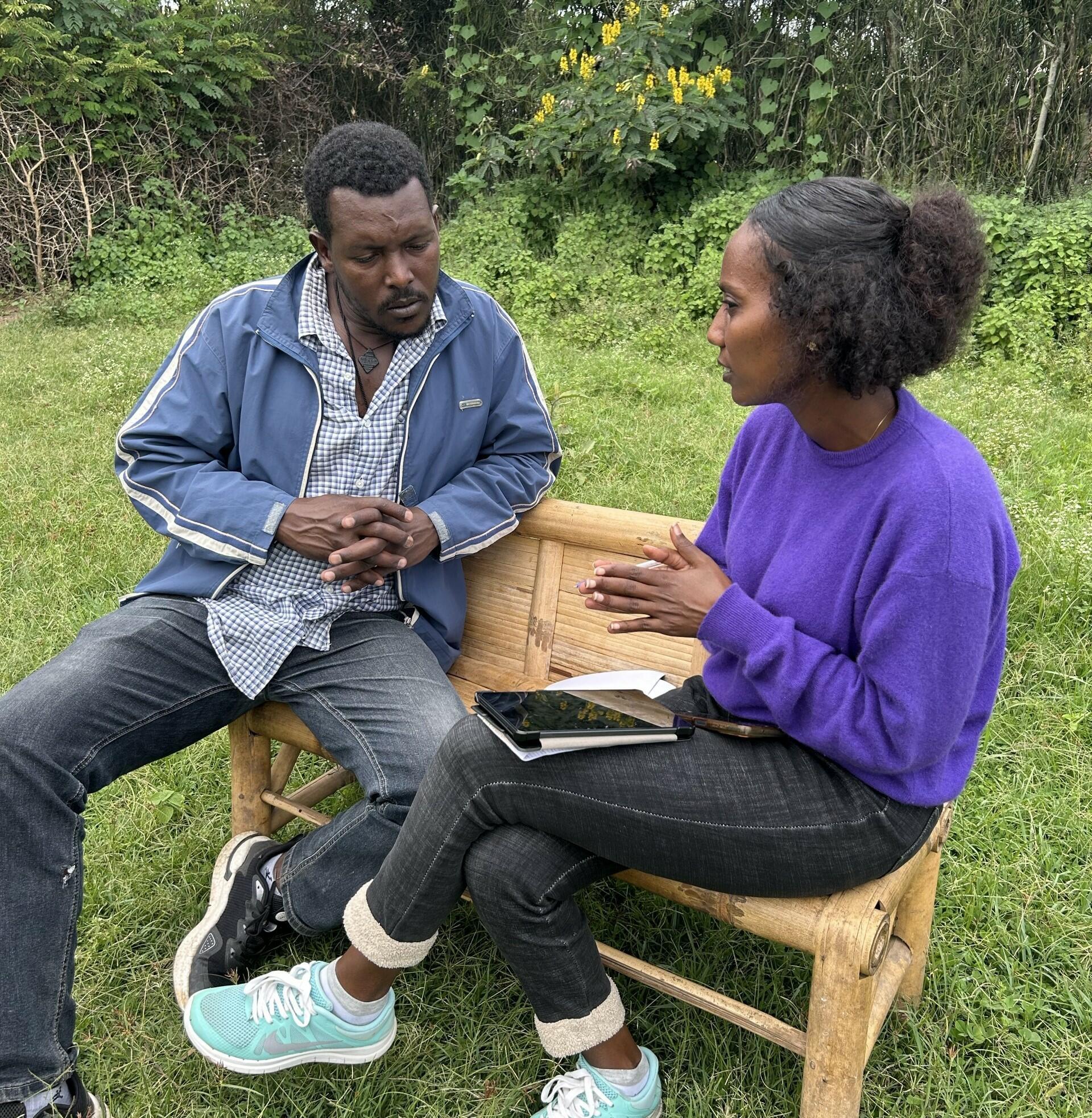
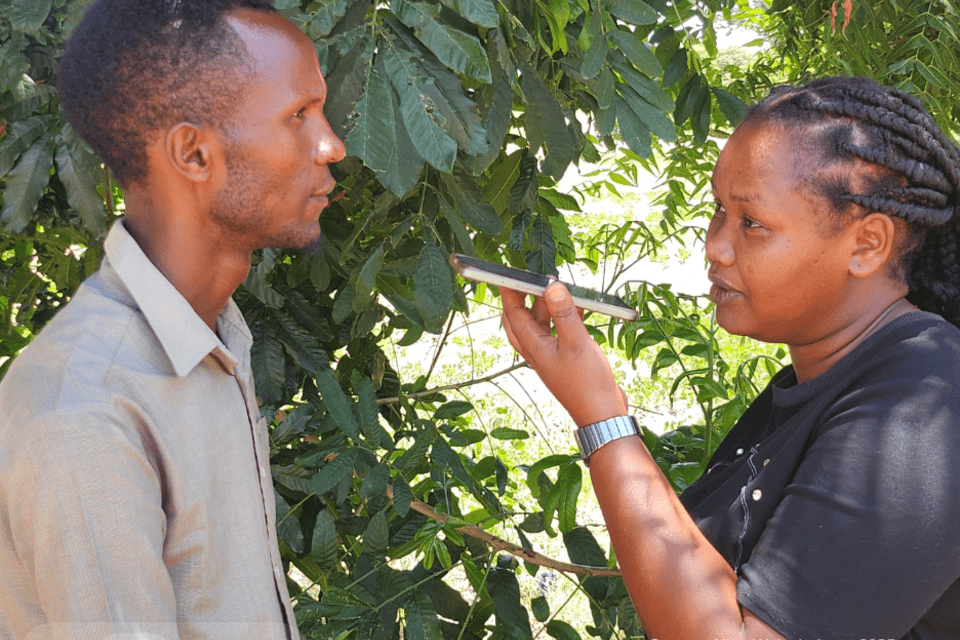
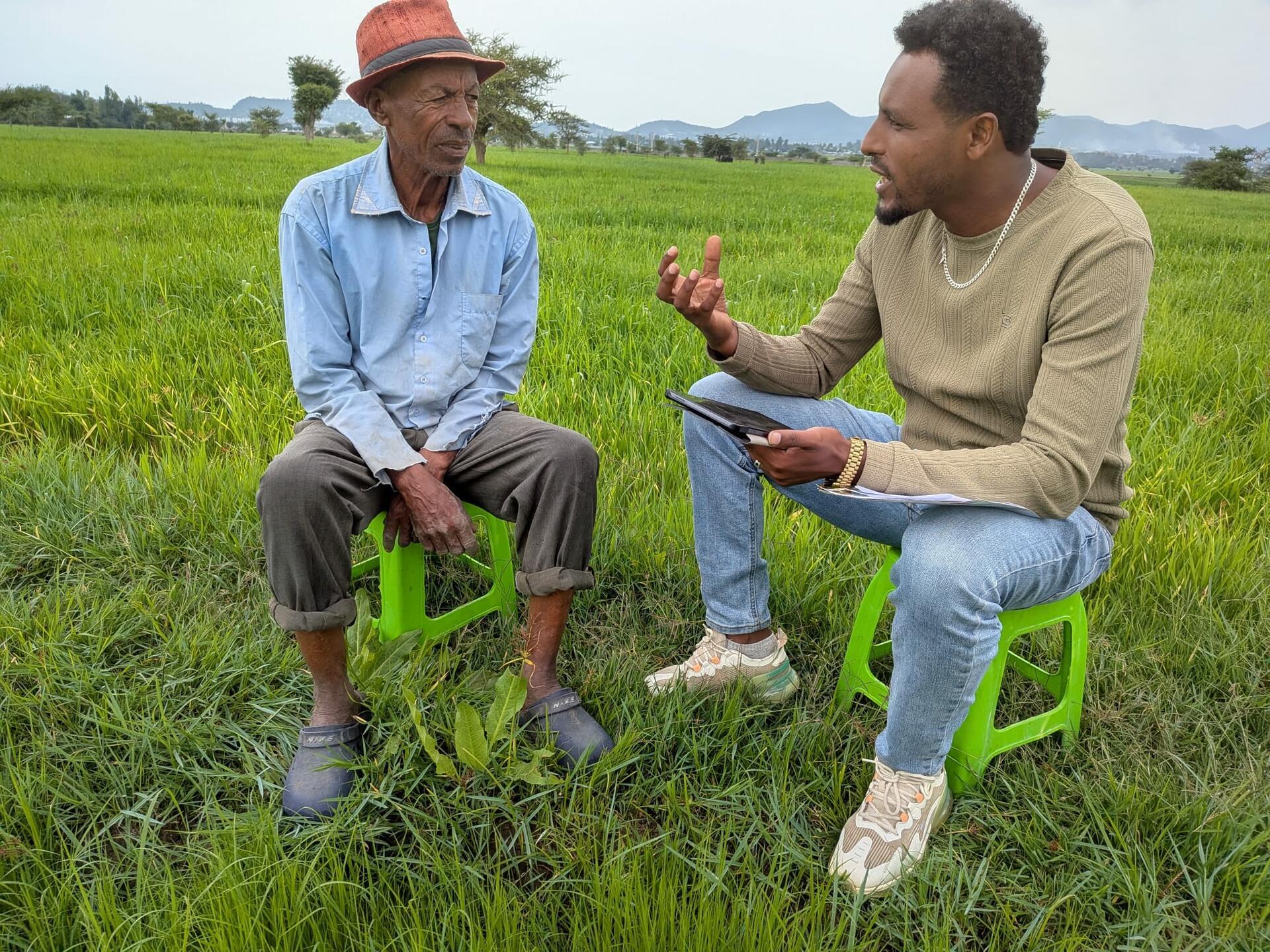
During the pilot, enumerators used Sikia to interview farmers and record their responses as audio, giving them room to explain their answers beyond predetermined categories. A farmer may answer the question being asked and then add a “well, actually…”, introducing an experience, preference or concern the researcher had not anticipated, but which could help explain why they prefer one variety or product over another.
Sikia helps researchers capture these fuller responses without having to manually work through every recording. Automatic speech recognition converts the audio into text, while natural language processing and large language model-based tools help identify and organize topics, individual observations and the sentiment associated with them. The aim is to make richer responses more practical to work with at scale, shortening the time between collecting an open-ended response and having information researchers can analyse.
From crop breeding to market intelligence
Until the CropConcept Market Intelligence pilot, Sikia had been tested within crop-breeding trials, where the questions centred on farmers’ experiences and preferences around crop varieties. This deployment presented a different challenge: applying the same approach to market intelligence research across two countries and three languages.
It was also the first time Sikia was deployed in a live field-based data collection exercise where qualitative analysis was not only a side experiment layered onto a quantitative survey. Market intelligence surveys, like many large-scale research exercises, tend to rely heavily on structured questions because the responses can be processed and compared relatively quickly, while large volumes of open-ended responses require considerably more work to transcribe, code and interpret.
The pilot therefore provides an opportunity to examine whether open-ended conversations can play a larger role in this kind of research without creating the same processing bottleneck, while also testing Sikia beyond the crop-breeding setting in which it was developed.
Testing Sikia with its users
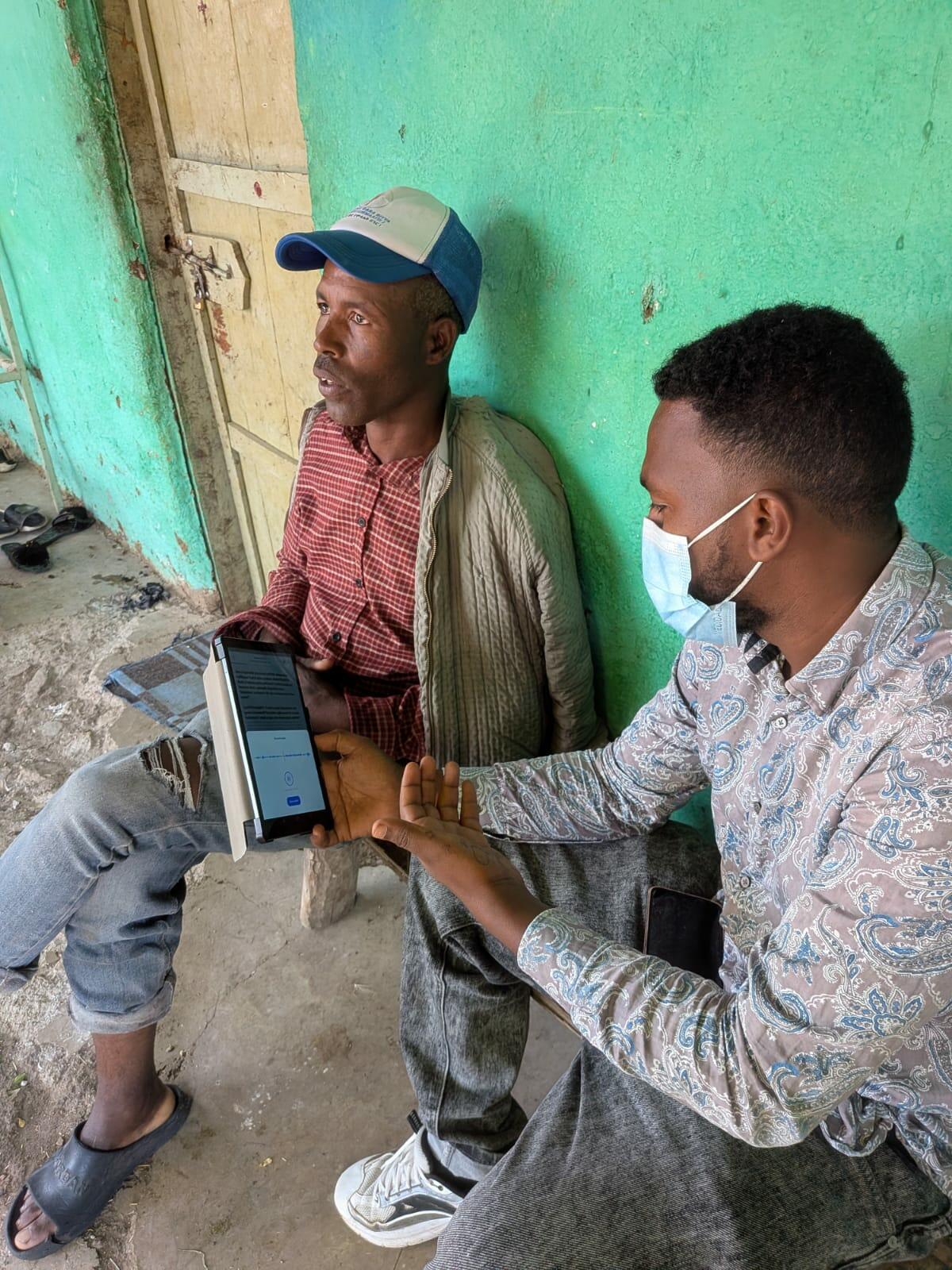
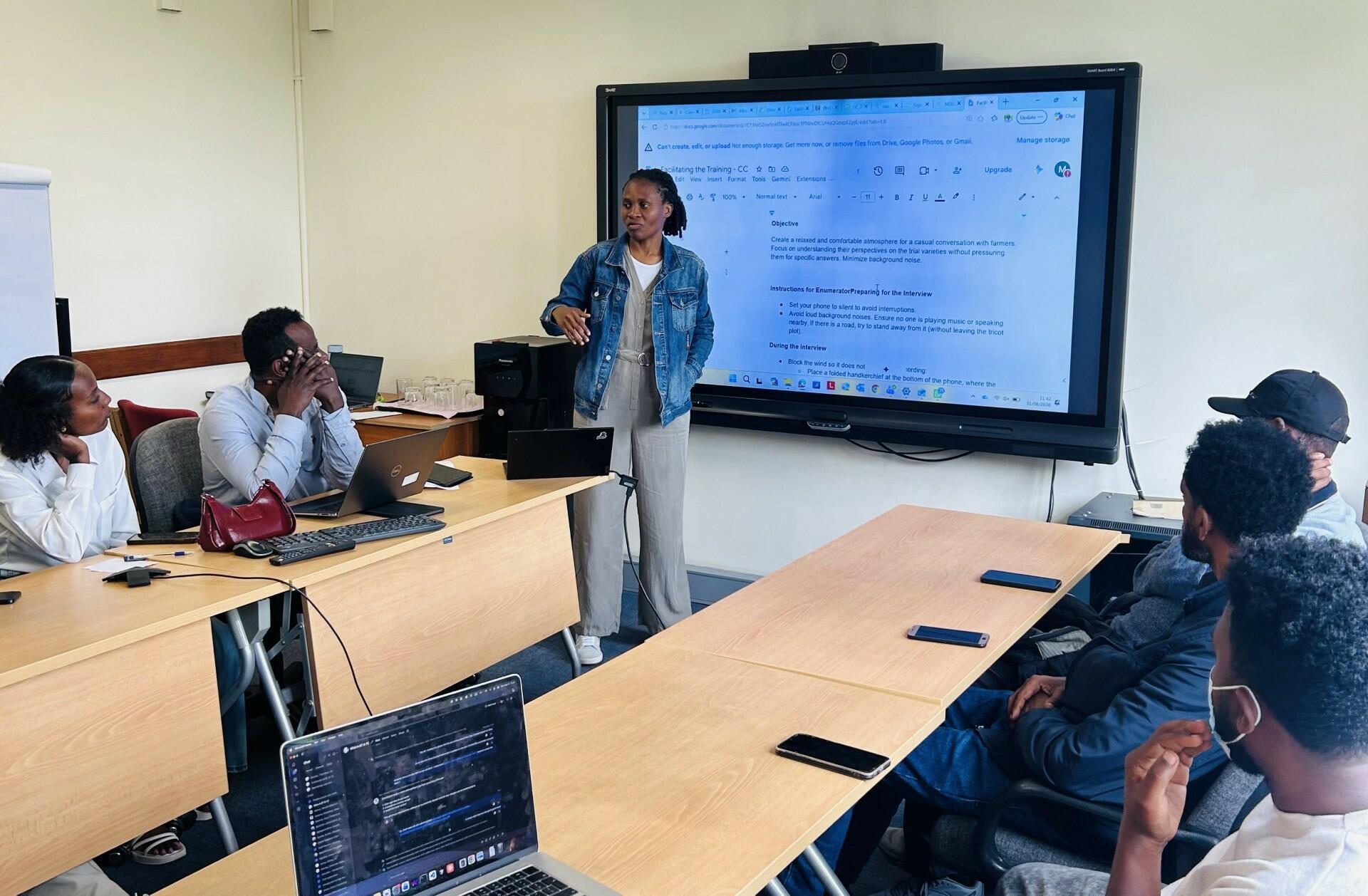
Moving from a research prototype to a product used during real data collection can expose challenges that are difficult to anticipate during development. Over three days, six enumerators used Sikia to interview around 30 farmers. Before going into the field, their training uncovered two critical bugs the GPS question could not be completed, and resuming a paused form caused the app to stall. Both were fixed the same day and verified the next, while the form logic was also improved.
The enumerators also identified a feature that worked particularly well in practice: Sikia’s integrated audio recording could be paused and resumed within the form, which they found worked better than the tools they normally use. This was an important insight from the deployment because recording open-ended responses is central to how Sikia captures farmers’ voices for transcription and analysis.
“I really liked being able to pause the recording, go back to the question and then continue. With the tools we normally use, that’s not as easy, so this made the interview much smoother.”
“Sikia means ‘to listen’, and this deployment reminded us that we also have to listen to the users too. The enumerators caught things we hadn’t, including two issues we were able to fix before they went to the field. But they also showed us what was already working well for them. That feedback is what helps us build a better product.” Laurens
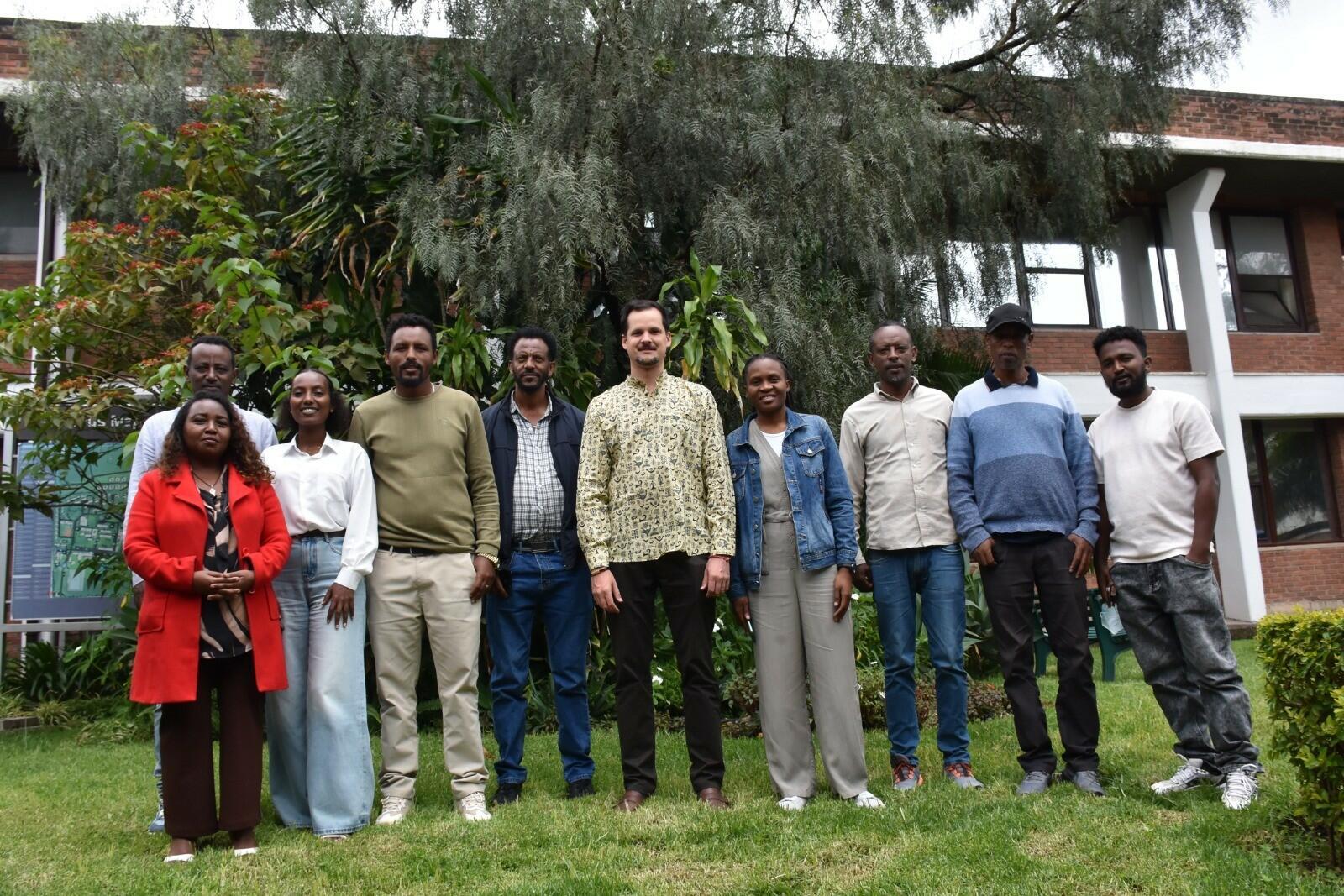
The deployment brought together the CIMMYT CropConcept team and the Alliance’s Artemis team, alongside colleagues working across MLOps, product development and field implementation, with support from the Gates Foundation. Together, they connected the research need with the technology behind Sikia and the practical realities of collecting information from farmers. The work is also contributing to a Sikia product suite that includes mobile and web applications.
Could the same approach work beyond agriculture?
Although Sikia emerged from agricultural research, the challenge it addresses is not confined to crop breeding. Researchers working in market research, consumer studies, nutrition, maternal health, gender research and other community-based programmes can face a similar difficulty when people’s experiences cannot be adequately captured through predefined responses.
The thinking behind Sikia is that the same underlying infrastructure for collecting and analysing open-ended responses could potentially be adapted to different research contexts without redesigning the core platform for every new subject. The CropConcept pilot provides an early opportunity to explore that potential by moving Sikia beyond its original crop-breeding environment and applying it to market intelligence. It is too early to conclude how the platform will perform across other sectors, but testing it on a different research problem is an important step towards understanding how widely the approach can be applied.
How well did Sikia listen?
Early assessment of the data is beginning to show where Sikia is performing well and where more work is needed. For Amharic, transcription quality was rated between 9.5 - 10 out of 10, with the English translation described as near perfect. Afaan Oromo proved more challenging: transcription scored between 3 - 6 out of 10, although the English translation performed better, scoring between 6 -8 out of 10.
These early results show strong performance in Amharic, while Afaan Oromo still presents challenges for transcription. This is particularly relevant as Sikia expands across languages with varying levels of digital resources available to support AI systems, and points to an area where further development and testing will be needed.
That work is continuing, and the team is developing offline functionality, so Sikia can be used where connectivity is limited or unavailable, as well as dynamic probing, which would allow AI to generate relevant follow up questions during an interview. Hausa and Arabic are also being explored as additional languages.
The Ethiopia and Tanzania deployment has therefore done more than take Sikia beyond its original crop-breeding use case. It has begun to show where the technology already performs well, where it needs to improve, and what will be required if researchers are to use it to listen to more people, in more languages and in more places.