From the Field From pilots to systems change: Scaling gender-transformative socio-technical innovation bundles in Ethiopia
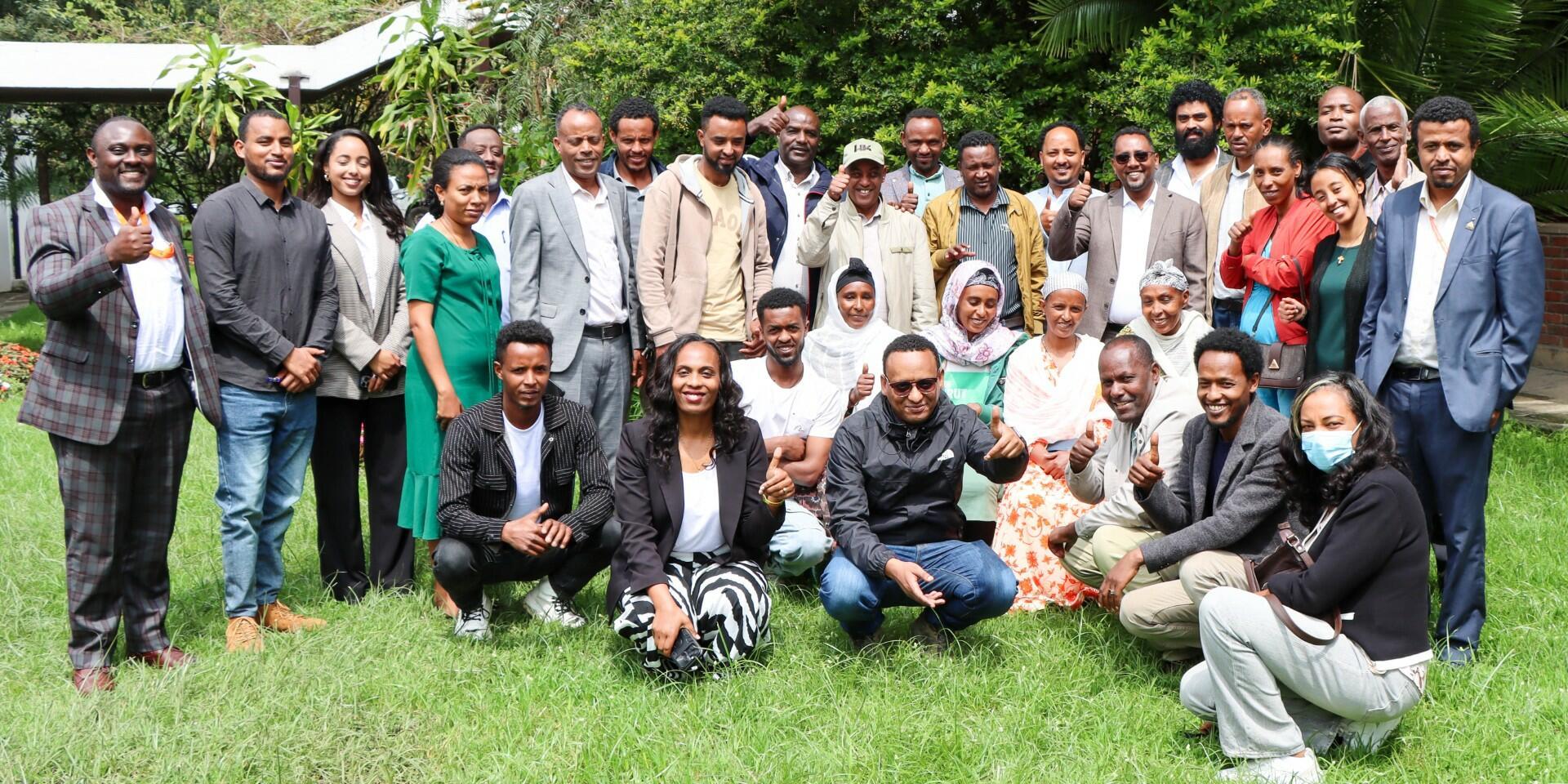

Ethiopia’s agricultural transformation depends not only on better technologies, but on better systems: systems that work for women, youth, and smallholder farmers who form the backbone of the sector. In September 2025, a diverse coalition of stakeholders came together in Addis Ababa to confront a critical question: How do we move from promising gender-transformative pilots to sustainable, system-wide impact?
The Gender-Transformative Socio-Technical Innovation Bundles (GTSTIBs) Scaling Stakeholder Workshop, convened by the Alliance of Bioversity International and CIAT with partners including the World Vegetable Center, SNV, Green Agro-Solution (Lersha), PABRA and icipe, marked a decisive shift from validating innovation to planning for scale.
Why GTSTIBs matter
GTSTIBs represent a fundamental departure from fragmented agricultural interventions. Rather than promoting isolated technologies, the model deliberately bundles technical, digital, financial, and social innovations, delivered through multi-stakeholder learning labs. At its core, GTSTIBs integrate a combination of:
- climate-resilient seeds, agronomic practices, and irrigation technologies
- digital advisory services, credit, and market linkages via the Lersha platform
- gender-transformative capacity building that challenges restrictive norms and power relations.
This integrated approach responds to a long-standing reality in Ethiopian agriculture: farmers—especially women and youth—are often excluded not because solutions do not exist, but because systems are disconnected.
Evidence from the ground: What the pilots are showing
Baseline evidence presented during the workshop confirmed early but promising results from GTSTIB pilots in Welmera and Ejere woredas. Adoption of bundled services is increasing, with many farmers using multiple services rather than single interventions. Importantly, the data show early narrowing of gender gaps in access to information, inputs, and advisory services.
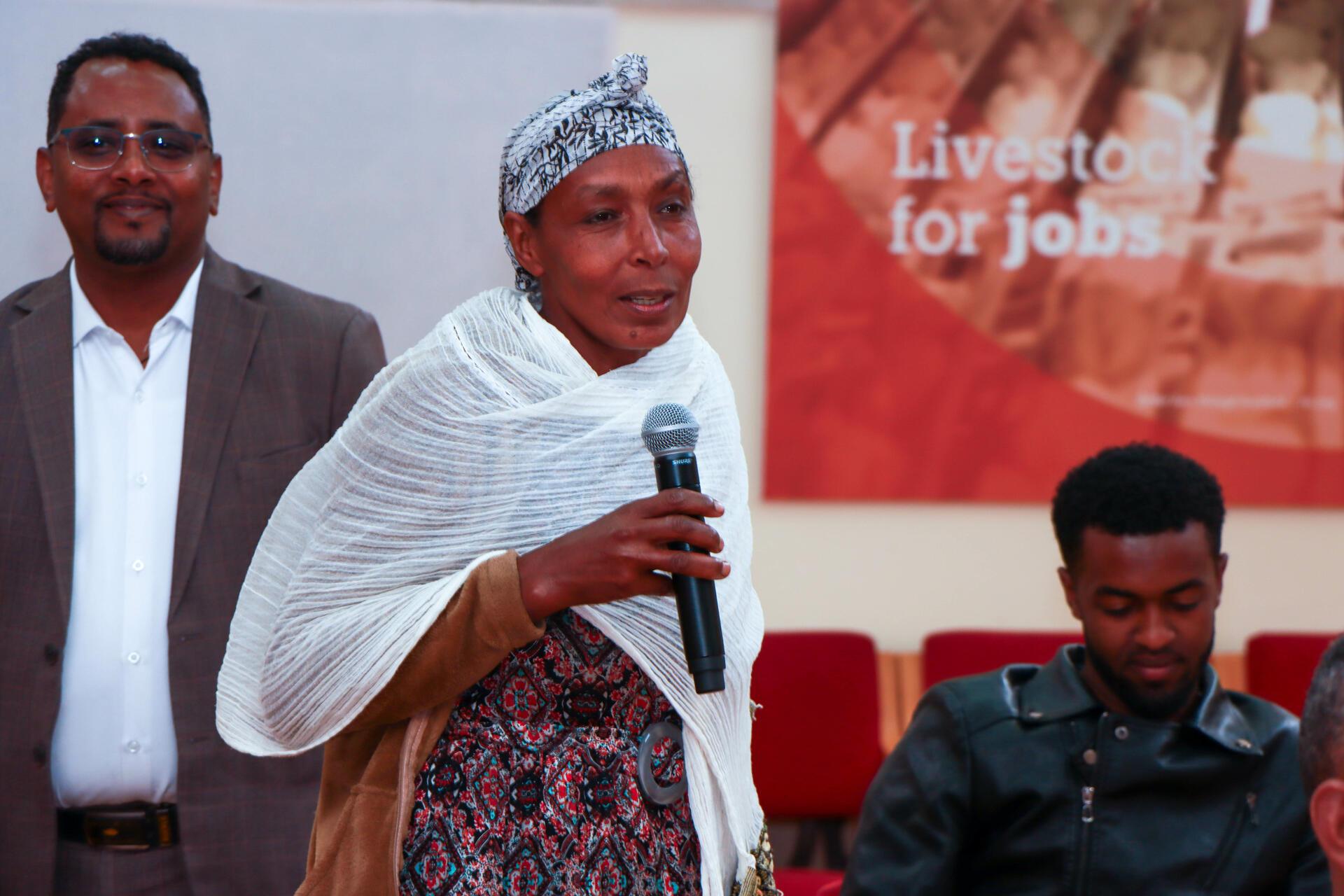
Farmer testimonies reinforced the quantitative findings. Women and youth described how access to credit, climate information, and guaranteed market outlets—delivered together—improved not only productivity, but confidence, decision-making power, and resilience. At the same time, they were clear about persistent barriers: untimely loan disbursement, high input costs, climate shocks, and entrenched social norms.
Local innovation as the foundation for scale
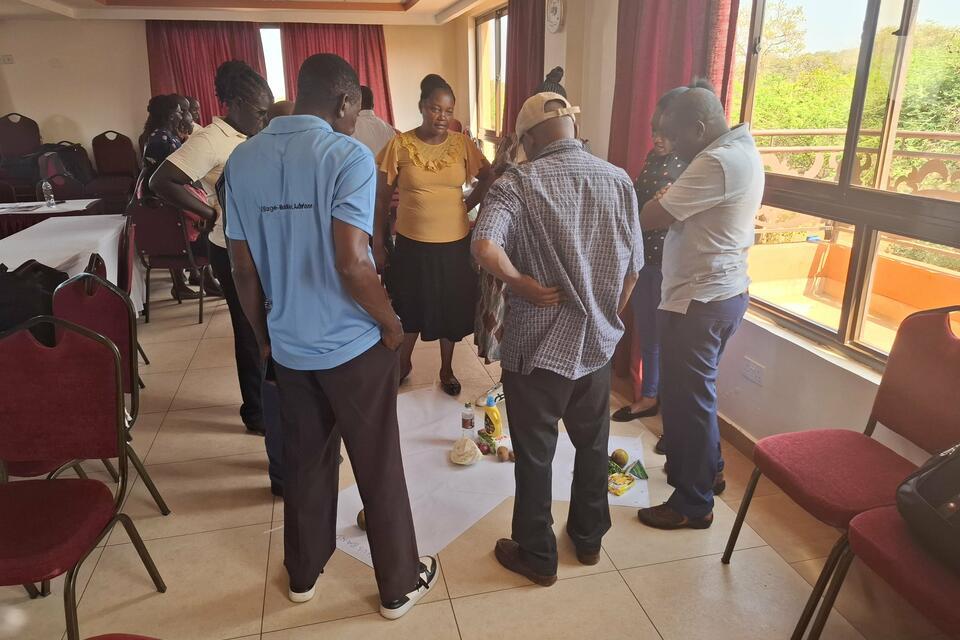
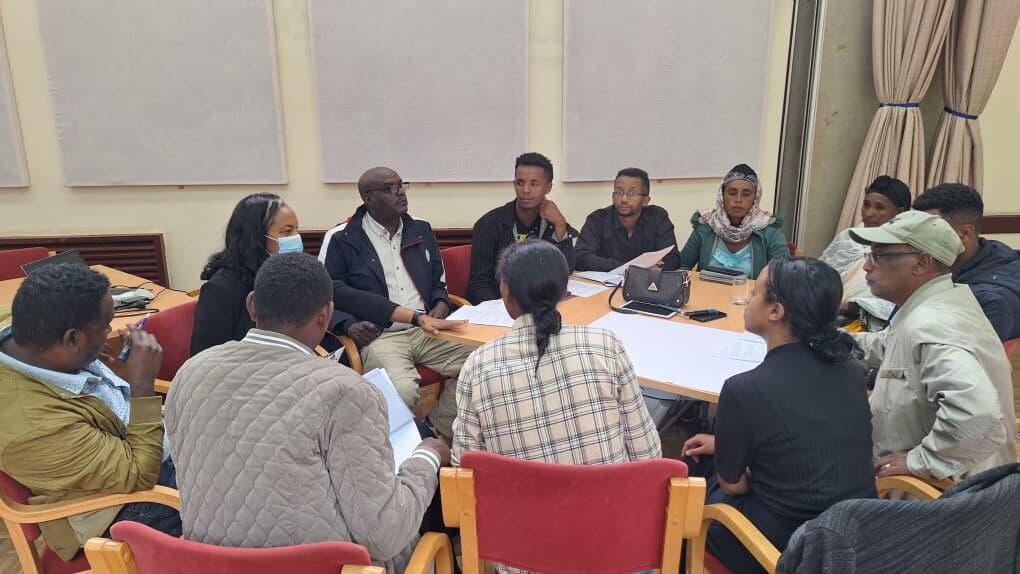
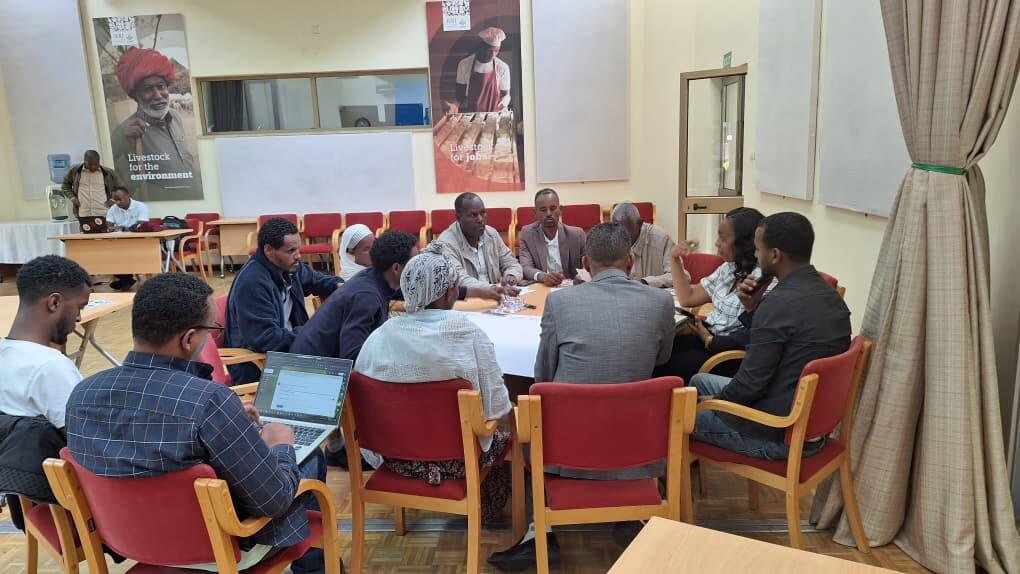
One of the workshop’s strongest messages was that innovation already exists within communities. Through participatory group sessions, farmers mapped indigenous practices—from botanical pest control and composting techniques to seed preservation and soil fertility management.
Rather than viewing these practices as informal or outdated, participants agreed that GTSTIBs should build on local innovation, refining and scaling what already works. This grounding in indigenous knowledge strengthens ownership, cultural relevance, and sustainability—critical ingredients for long-term transformation.
The scaling challenge: Opportunities and barriers
The workshop identified a rare convergence of enabling conditions for scale. Policy momentum around digital agriculture and financial inclusion, rapid expansion of mobile connectivity, private-sector readiness, and proven 'digital' delivery models like Lersha all create fertile ground for expansion.
Yet participants were equally candid about the barriers that must be addressed:
- financial systems that do not align with agricultural calendars
- gendered norms limiting women’s access to land, finance, and leadership
- climate volatility increases production risk
- digital literacy gaps, particularly among women and older farmers.
Crucially, the workshop did not stop at diagnosis. Stakeholders co-developed practical mitigation strategies, including seasonally aligned loan products, recruitment of women digital agents, climate-smart advisories, and tailored digital literacy support.
Co-creating the roadmap to 2030
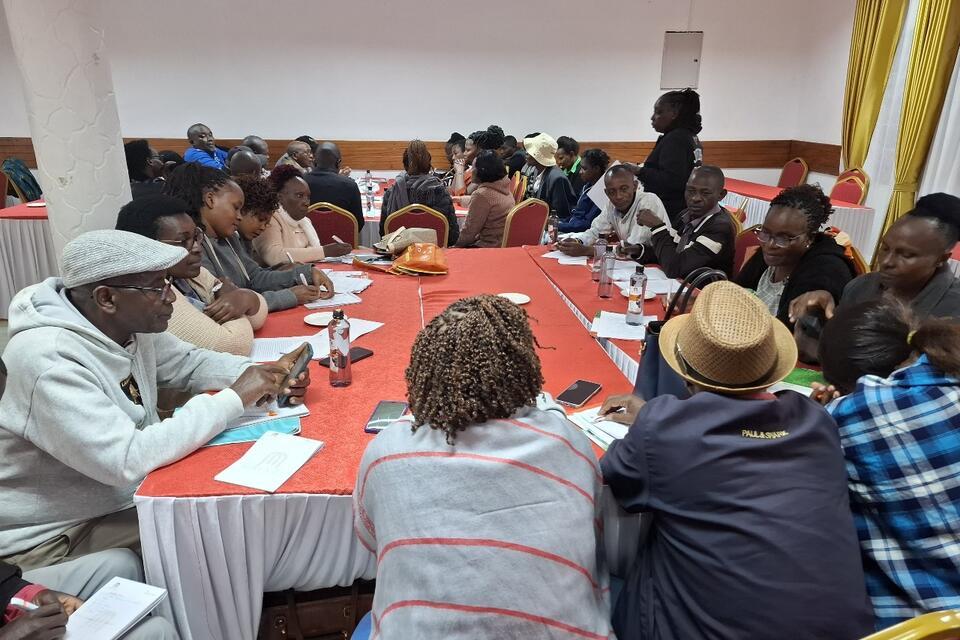
The heart of the workshop was the co-creation of woreda-level and national scaling roadmaps. These roadmaps move beyond ambition to action—defining responsibilities, partnerships, safeguards, and indicators.
Across both Welmera and Ejere, priorities converged around:
- Strengthening access to finance and market linkages
- Scaling Vegetable Business Networks with women in leadership roles
- Embedding gender and social inclusion as non-negotiable design principles
- Institutionalizing learning, safeguards, and accountability
The shared vision for 2030 is clear: GTSTIBs become a default model for integrated agricultural service delivery, with women and youth positioned as leaders, entrepreneurs, and decision-makers—not marginal participants.
From projects to institutions
Perhaps the most important outcome of the workshop was a collective commitment to institutional embedding. Scaling GTSTIBs is not about replicating a project; it is about aligning government systems, financial institutions, private platforms, and community organizations around a shared model.
This requires blended finance, policy alignment, strong coordination mechanisms, and continuous learning. It also requires treating gender equality and social inclusion not as parallel objectives, but as core operational functions—measured, resourced, and safeguarded at every stage.
The GTSTIBs Scaling Stakeholder Workshop marked a turning point. It transformed evidence into strategy, voices into roadmaps, and pilots into a shared agenda for systems change.
As Ethiopia—and the wider CGIAR community—seeks pathways to resilient, inclusive food systems, GTSTIBs offer a powerful lesson: true transformation happens when technology, finance, institutions, and social norms change together.
The work ahead is complex. But with shared ownership, grounded evidence, and deliberate gender-transformative intent, the pathway from pilots to scale is no longer aspirational—it is actionable.