Blog How gender-transformative innovation bundles are revolutionizing food security in Kenya
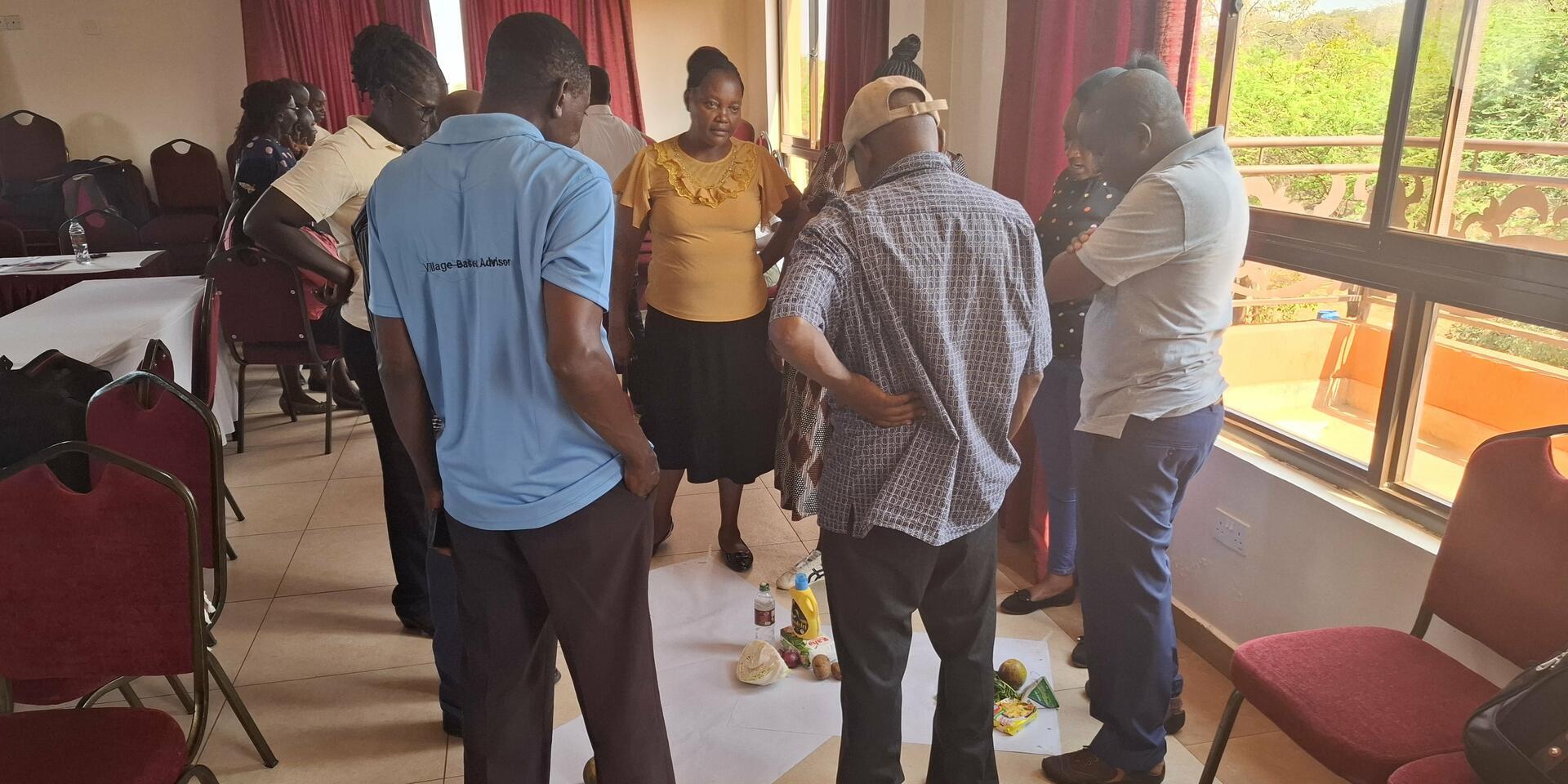

In Makueni, Kenya, farmers are boosting yields and empowering women through new gender-transformative innovation bundles. Introduced to overcome low tech adoption, the approach merges farming tools, training, and social change to tackle climate and gender barriers head-on.
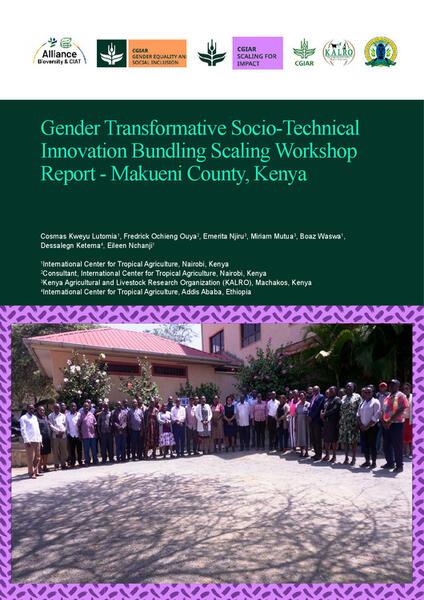
Bundling technical innovations with gender equality is transforming smallholder farming in Kenya's semi-arid regions, boosting yields by 80% while empowering women farmers. In the drought-prone landscapes of Makueni County, Kenya, farming communities are not just approaching farming with better seeds or climate-smart techniques but also addressing social inequalities alongside agronomic challenges.
For decades, agricultural development programs have focused on single-technology solutions: distribute improved seeds, teach conservation agriculture, or provide mechanization. Yet adoption rates remained low, especially among women farmers who constitute the majority of smallholder producers in sub-Saharan Africa.
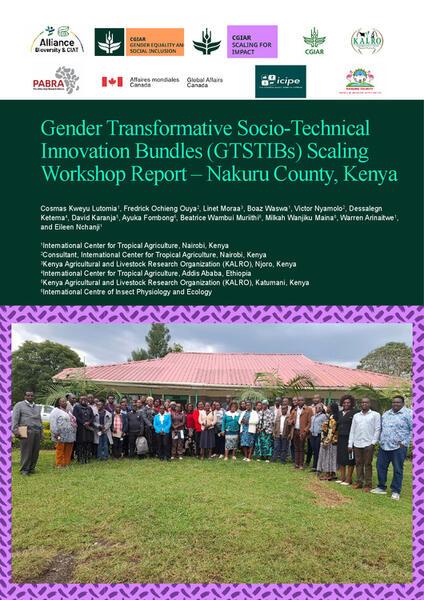
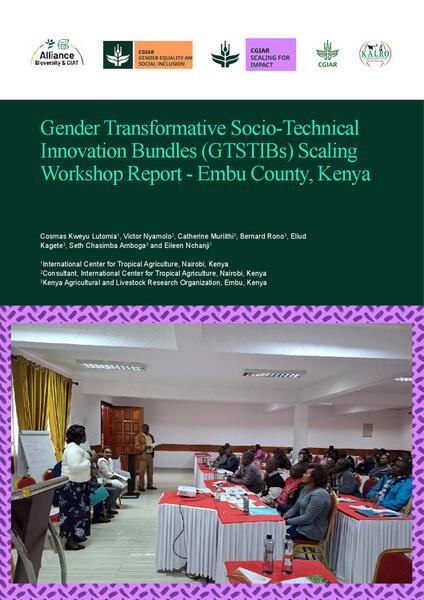
Gender-transformative socio-technical innovation bundles (GTSTIBs) is a holistic approach that combines technology innovations like improved seeds, irrigation systems, and mechanization with technical innovations that build capacity, skills, and equip farmers with competencies to adopt practices or technologies (e.g., capacity building sessions, demonstrations, farmer field schools, translating climate information into actionable farm decisions, digital literacy) and social innovations that facilitate learning and social behavior change to influence adoption of technological and technical processes (e.g., finance, market arrangements, gender training, nutrition sensitization, community dialogues, digital platforms, GALS, institutional and policy-driven mechanisms, collective action, social protection, governance mechanisms).
Farmers reported yield increase and resilience. Anticipative (4.85 vs. 3.84) and absorptive (4.80 vs. 3.66) capacities were higher among adopters than non-adopters. Women have gained decision-making power over land use, household nutrition improved dramatically, and communities built resilience against increasingly unpredictable climate patterns.
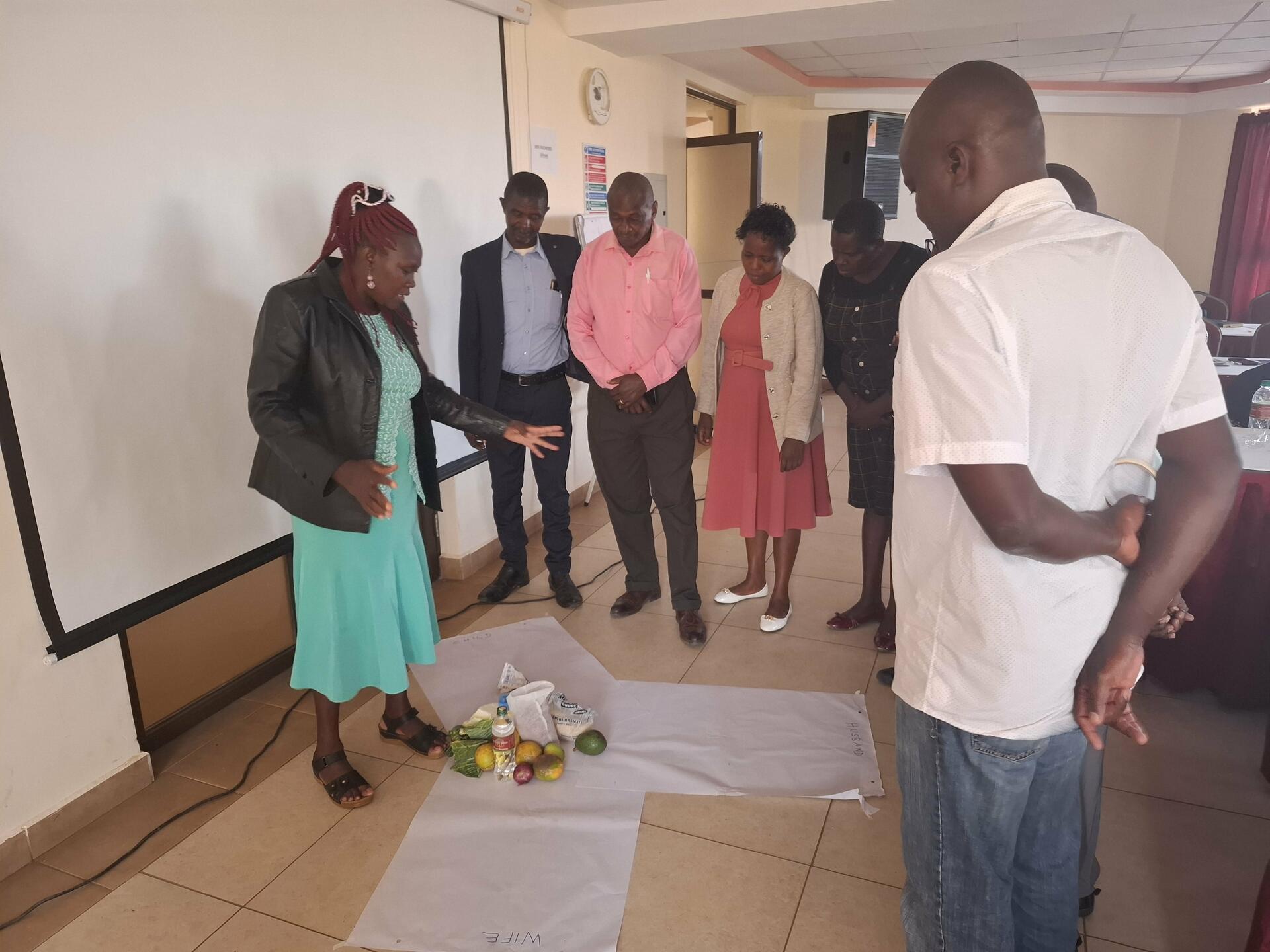
Gender-transformative socio-technical innovation bundles are different: they acknowledge that agricultural productivity isn't just a technical problem but a social one too. Through participatory gender dialogues and couples' training, these deep-rooted barriers are being challenged. One farmer, Christine Muteti, shared:
"Before, men never assisted in farm work but controlled the produce and income. Through gender training, we now attend sessions as couples, and men began supporting us both on the farm and with household chores."
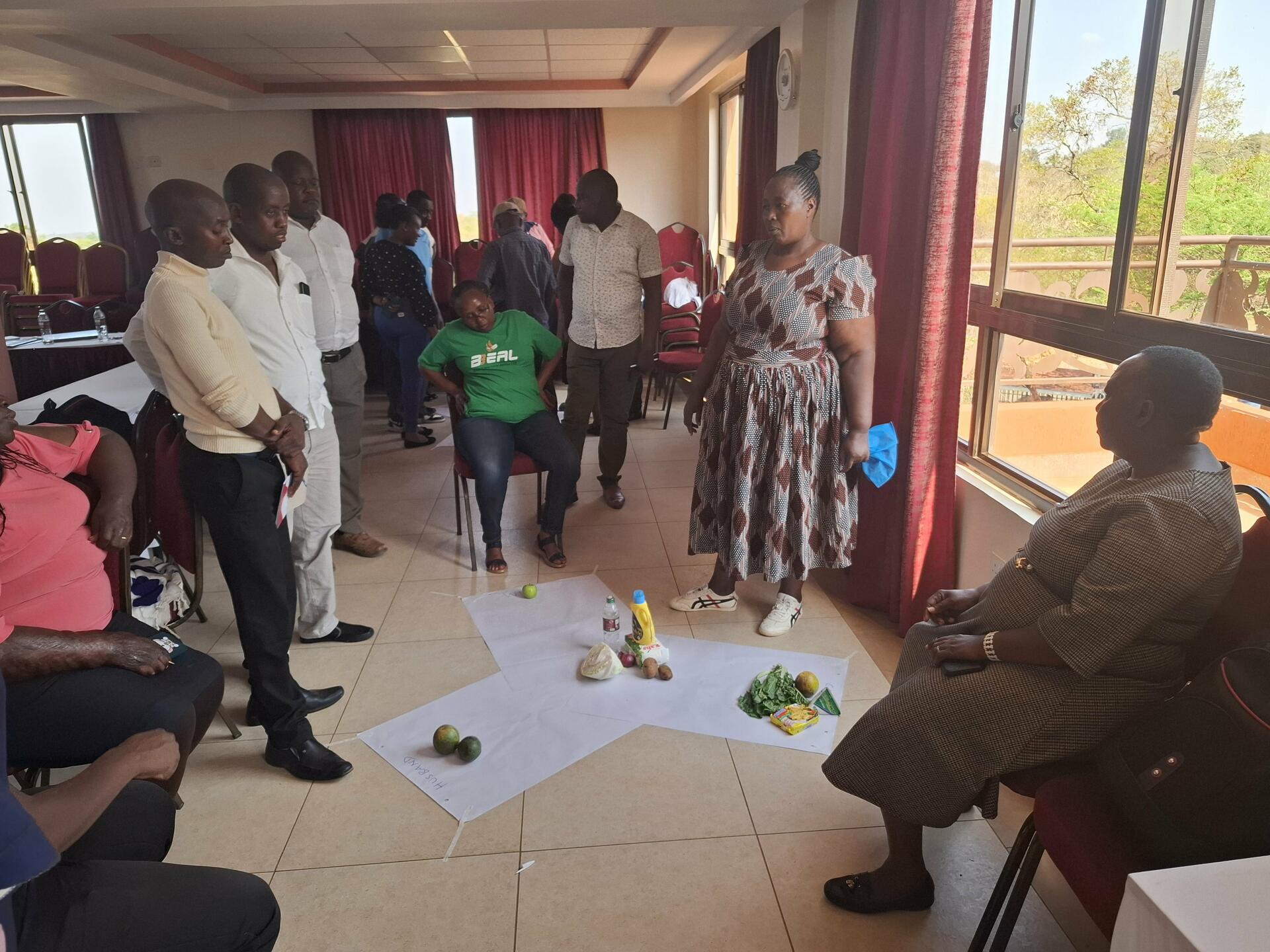
"This project has helped me in knowing how to balance my diet well. I farm maize, beans, sweet potatoes, cow peas and if I am to eat these, then it will be a balanced diet because I have eaten protein, starch and vitamins. Also, when I farm my vegetables, I don't have to spend so much time going to the market in search of the same. I also have meat sources in my home that supplement my diet”. [Mixed Gender FGD, Makueni County]
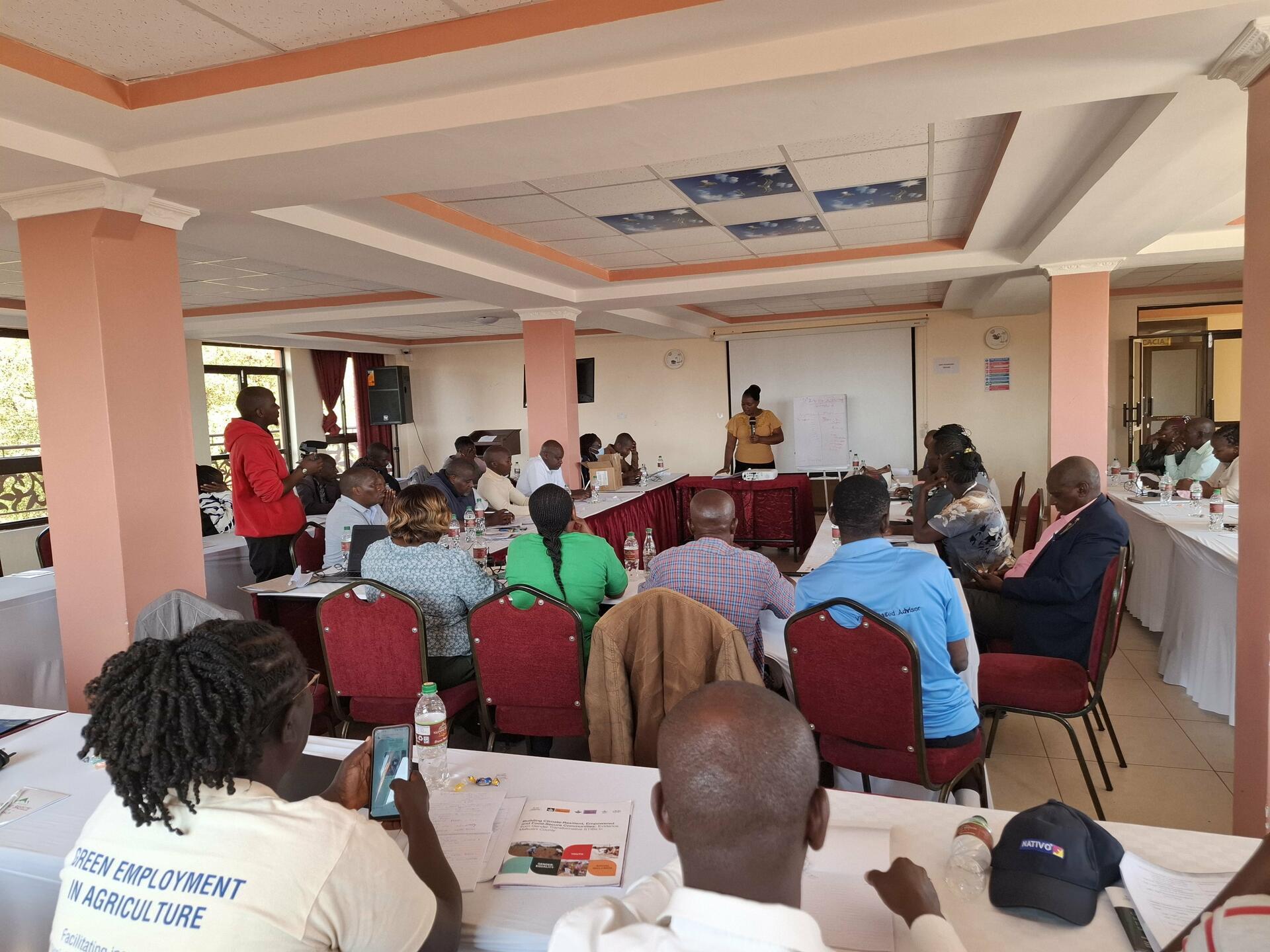
The challenge now is scaling these proven innovations beyond pilot wards to reach millions of farming households across Kenya's arid and semi-arid lands. This requires Institutional anchoring through county government structures and agricultural policies that mandate gender-transformative approaches as standard practice—not special projects. Multi-stakeholder partnerships engaging research institutions, private sector actors, NGOs, and most critically, farmer organizations in coordinated delivery of bundled innovations. Sustainable financing that transitions from donor dependency to county budget allocations and private sector investment in agricultural value chains. Inclusive design ensuring youth, persons with disabilities, and Makueni County's roadmap for scaling GTSTIBs demonstrates that transforming agricultural systems requires transforming social systems. By training community resource persons, integrating innovations into national programs, and building public-private partnerships for input supply and market access, the county is creating a replicable model for climate-resilient, gender-equitable agriculture.
As climate change intensifies and food insecurity threatens millions, the lesson is clear: technical solutions alone won't feed Africa's growing population. Gender equality isn't just morally right—it's agriculturally essential.
The seeds of change are planted. Now comes the work of ensuring they grow everywhere they're needed.
Keep exploring