Blog When farming meets equality: How Kenyan communities are growing more than crops
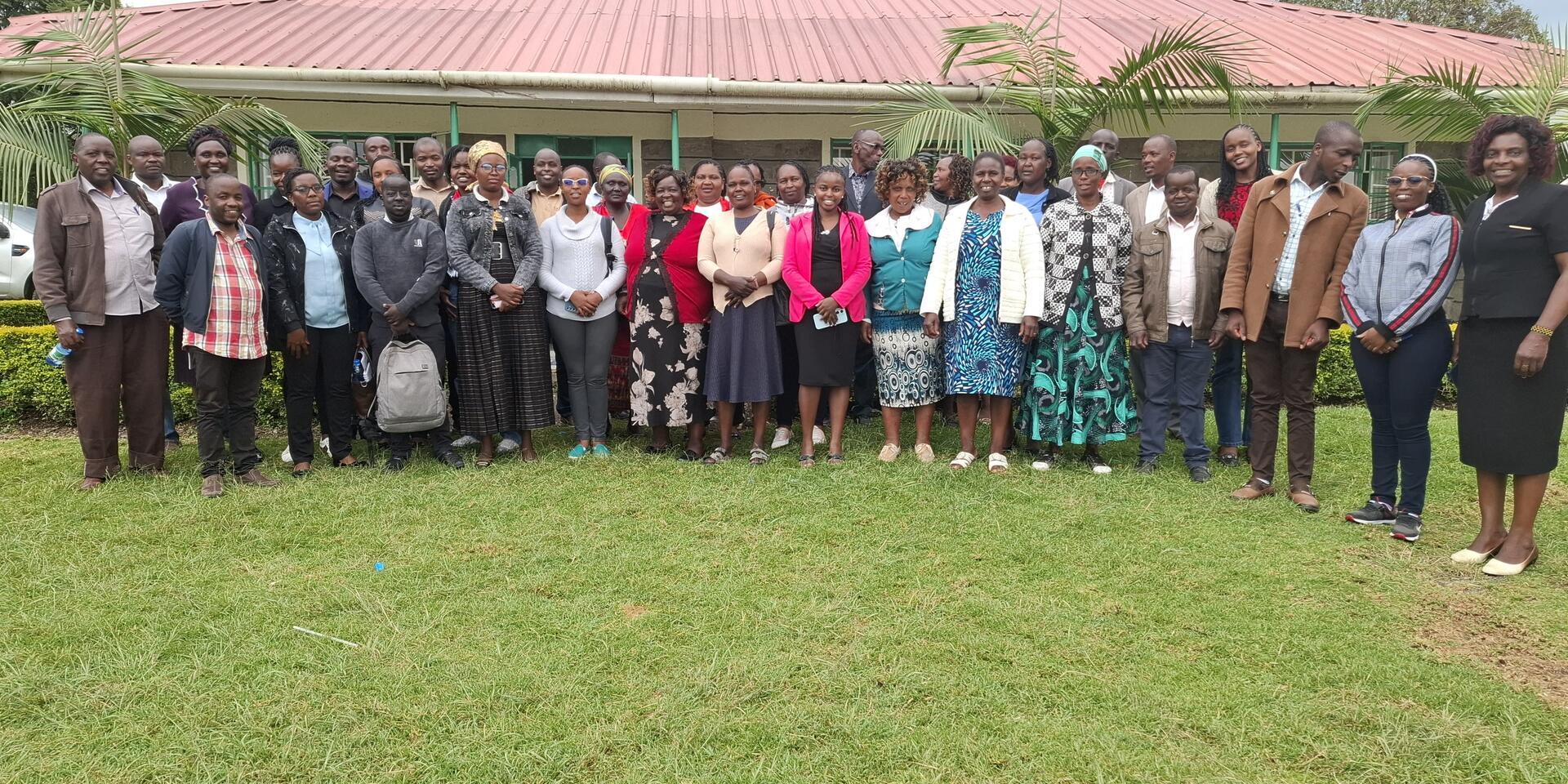

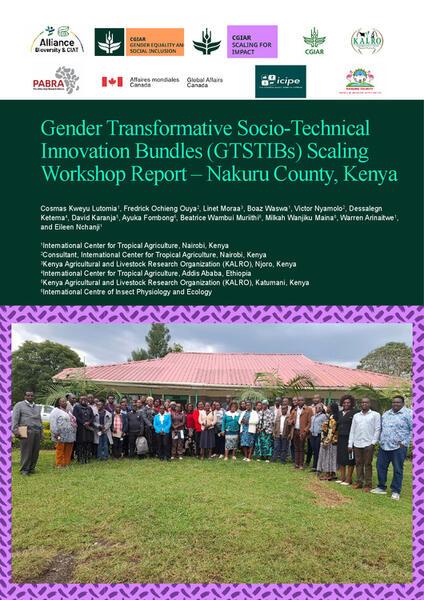
Farmers, researchers, and counties in Nakuru introduced gender-transformative innovation bundles to boost yields and equality. Launched recently, the approach works because it tackles farming and social barriers together, improving resilience and decision-making.
What if the biggest boost to farming in Kenya’s drylands wasn’t just better seeds, but better relationships, shared decisions, and stronger communities? It sounds surprising—but that’s exactly what farmers in Nakuru are experiencing.
For years, development programs introduced new seeds, fertilizers, and climate-smart practices. Some farmers adopted them, many didn’t—especially women, who make up most of Kenya’s smallholder farmers. Why? Because technology alone can’t fix challenges rooted in household dynamics, unequal access, or community norms.
So, farmers, researchers, and county teams tried something different:
gender-transformative socio-technical innovation bundles (GTSTIBs).
Yes, it’s a long name – but the idea is beautifully simple. It is everything farmers need together:
- Better seeds & agronomic practices
- Hands-on training & climate information
- Gender dialogues, nutrition lessons, and financial literacy
- Stronger links to markets, extension officers, and private-sector support
Think of it as a full recipe, not just one ingredient.
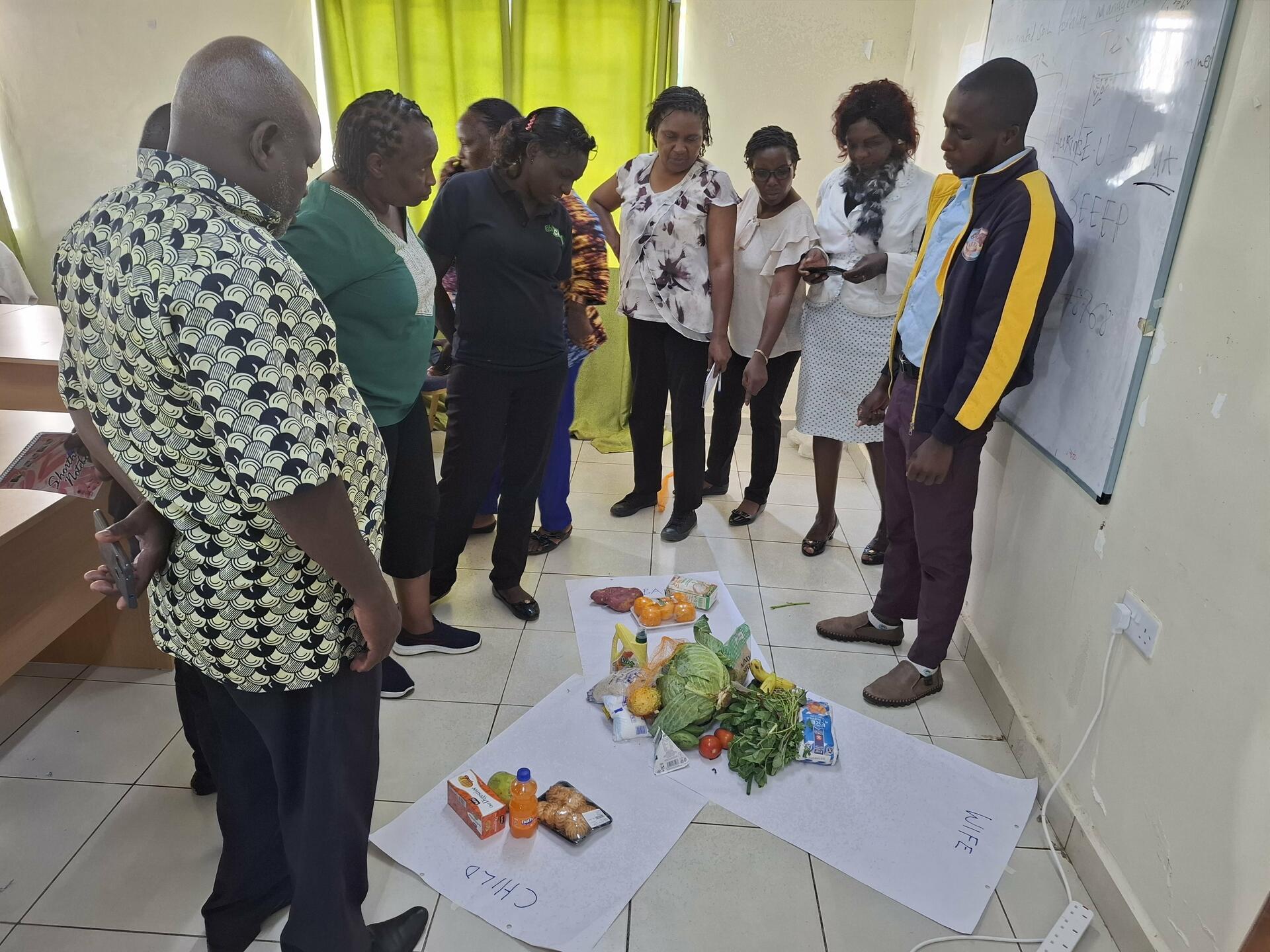
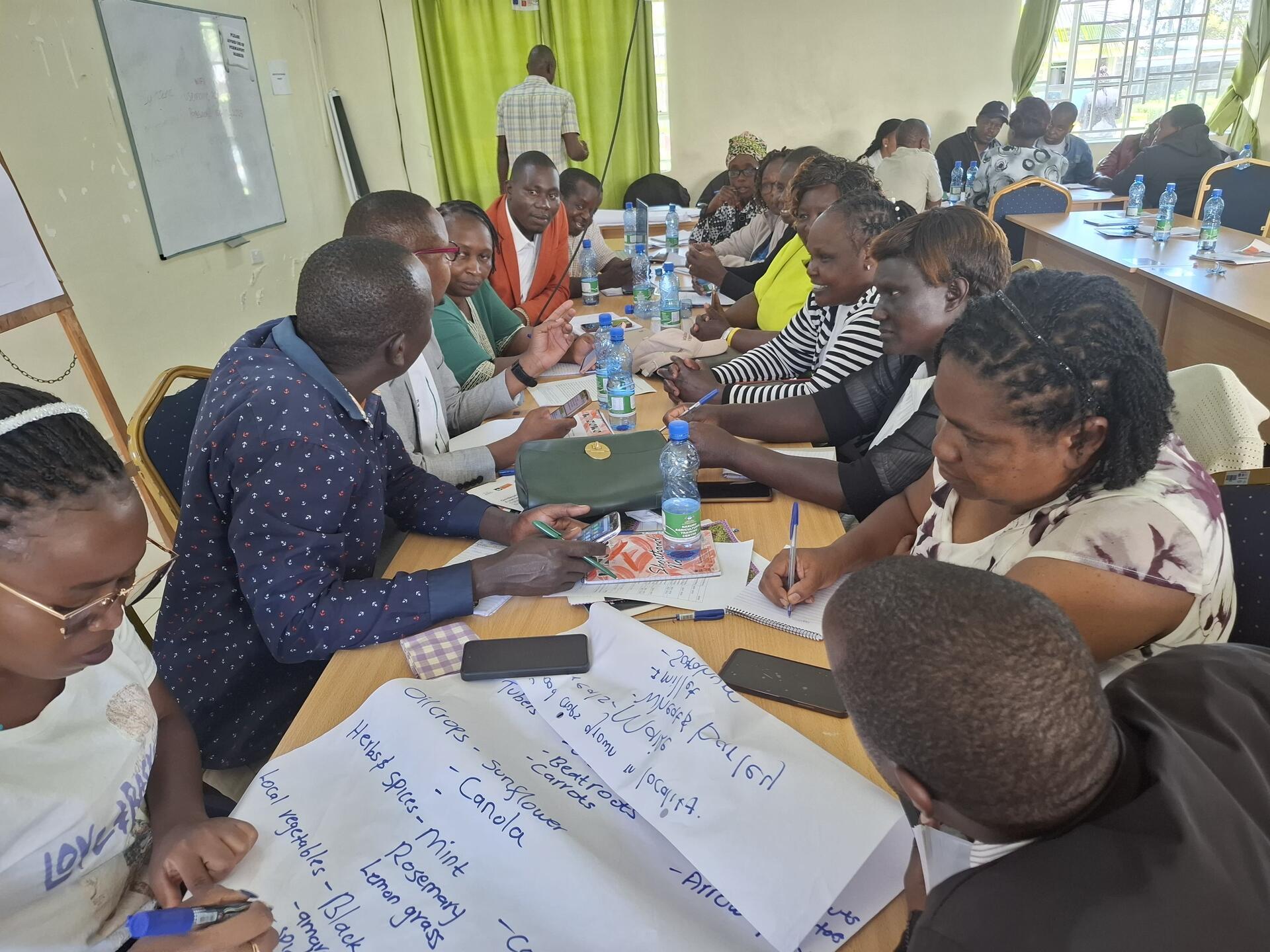
The recipe has resulted in:
- Bigger harvests
- More resilient farms
- More diverse diets
- Women are finally having a real say in land, money, and food choices
- Couples making decisions together
One farmer in Nakuru put it perfectly:
“Before, men never helped but controlled everything. Now we attend training as couples—men are supporting us on the farm and even with chores.”
Another shared how nutrition training changed her home:
“I can now cook a full, balanced meal from my own farm—and save money.”
This is more than farming: This is a transformation.
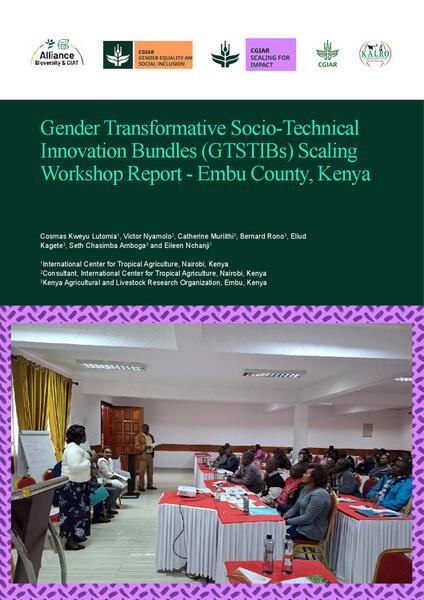
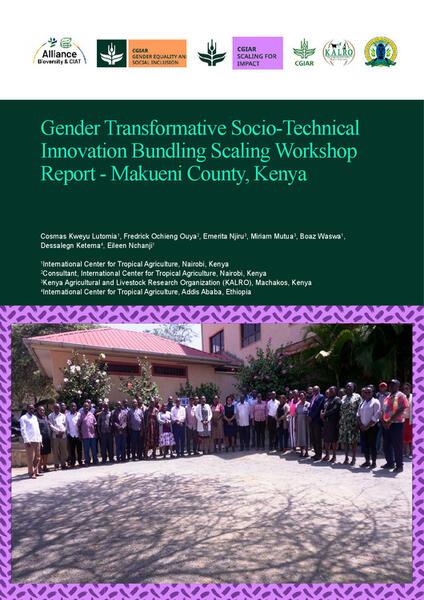
Nakuru is already building a roadmap to scale GTSTIBs across all sub-counties—anchoring it in policies, extension programs, and private-sector partnerships. Makueni and Embu are moving in the same direction.
The lesson is clear:
Climate-smart farming + gender equality = real change.
Scaling these bundles so every farming household—women, men, youth, and vulnerable groups—can benefit.
Because the future of African agriculture isn’t just about tools or technologies, it’s about people. It’s about equity. And it’s about growing communities as resilient as the crops they cultivate.
Keep exploring