From the Field From pilots to county-wide change: Scaling gender-transformative innovation bundles in Embu, Kenya

Farmers in Embu, Kenya, are scaling Gender Transformative Innovation Bundles (GTSTIBs) from pilots to county-wide adoption, empowering women, youth, and PWDs for resilient, equitable and sustainable agriculture.
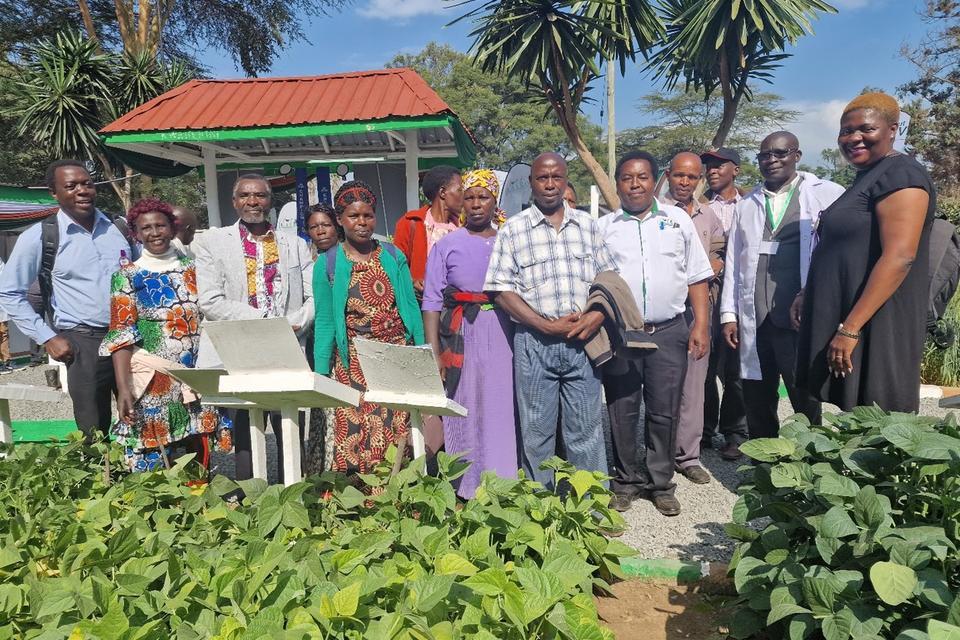
In the rolling hills of Embu, a quiet revolution is taking root. For years, smallholder farmers—especially women and young people—have faced challenges including poor yields, changing climates, and limited market access. But something new is happening: farmers are not just receiving innovations, they are co-creating them.
Welcome to the world of Gender Transformative Socio-Technical Innovation Bundles (GTSTIBs)—a mouthful, yes, but in simple terms, it means bringing together seeds, tools, knowledge, and conversations that empower farmers as equals.
From Pilot Villages to County-Wide Dreams
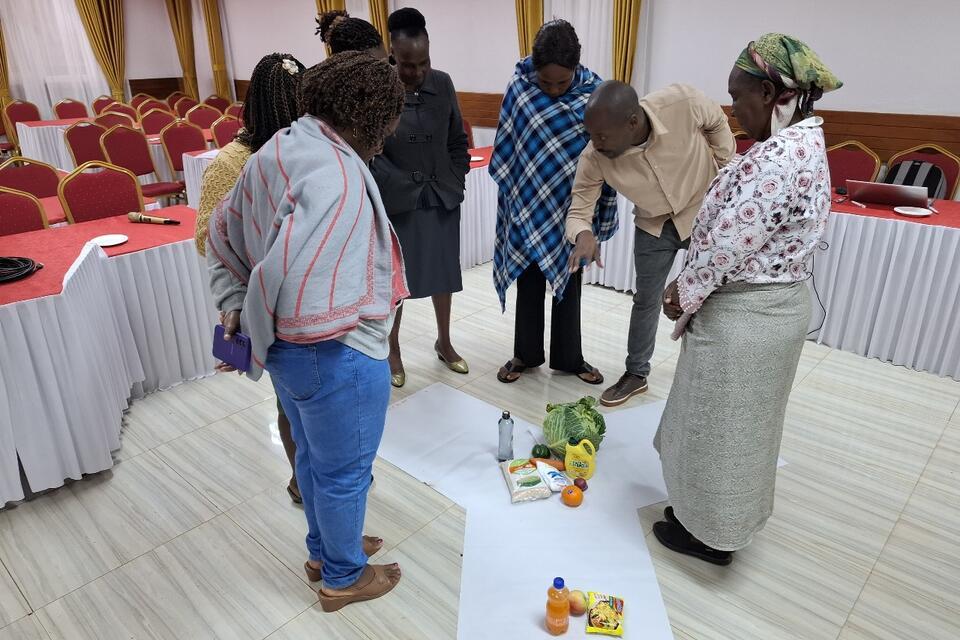
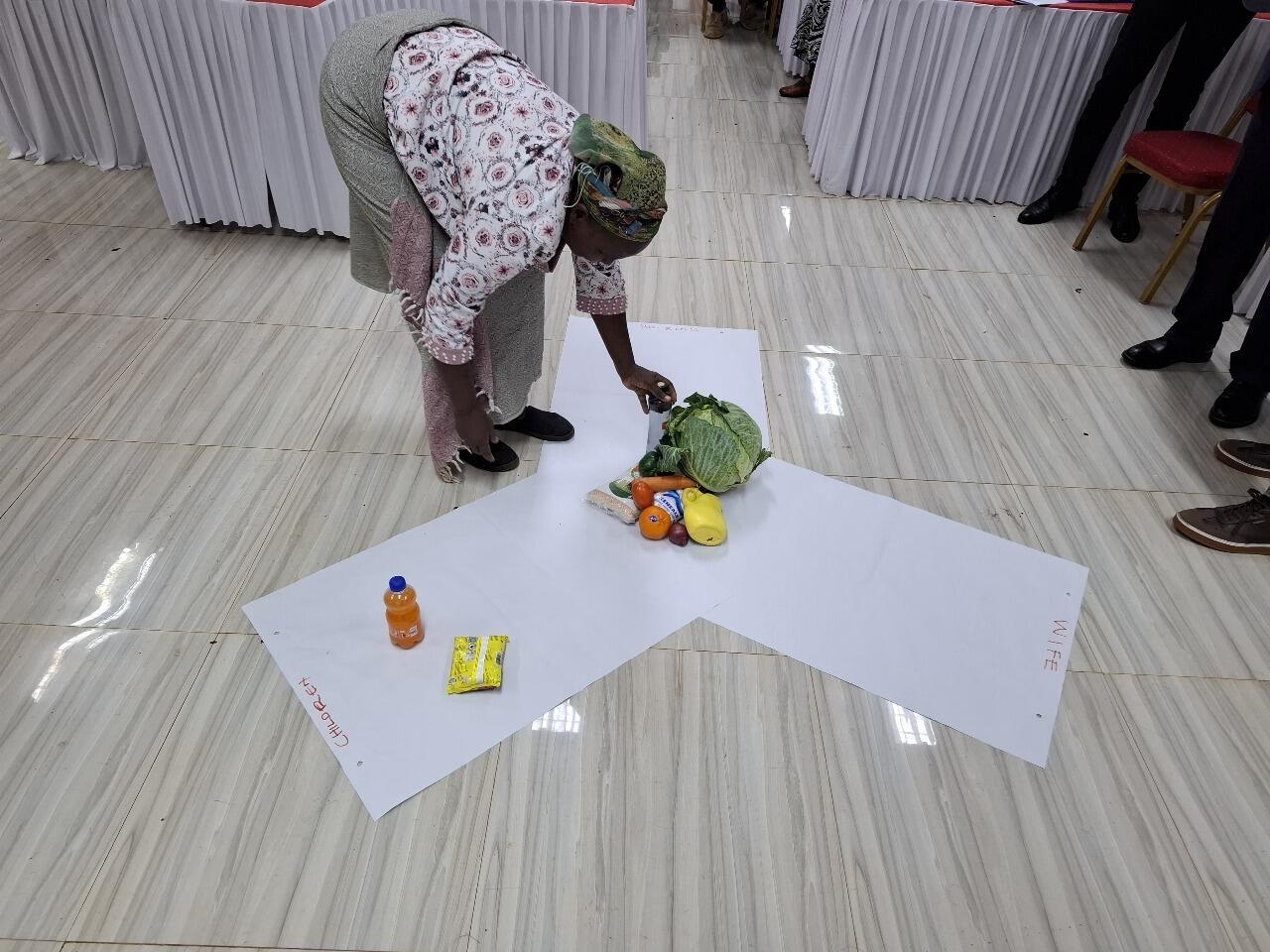
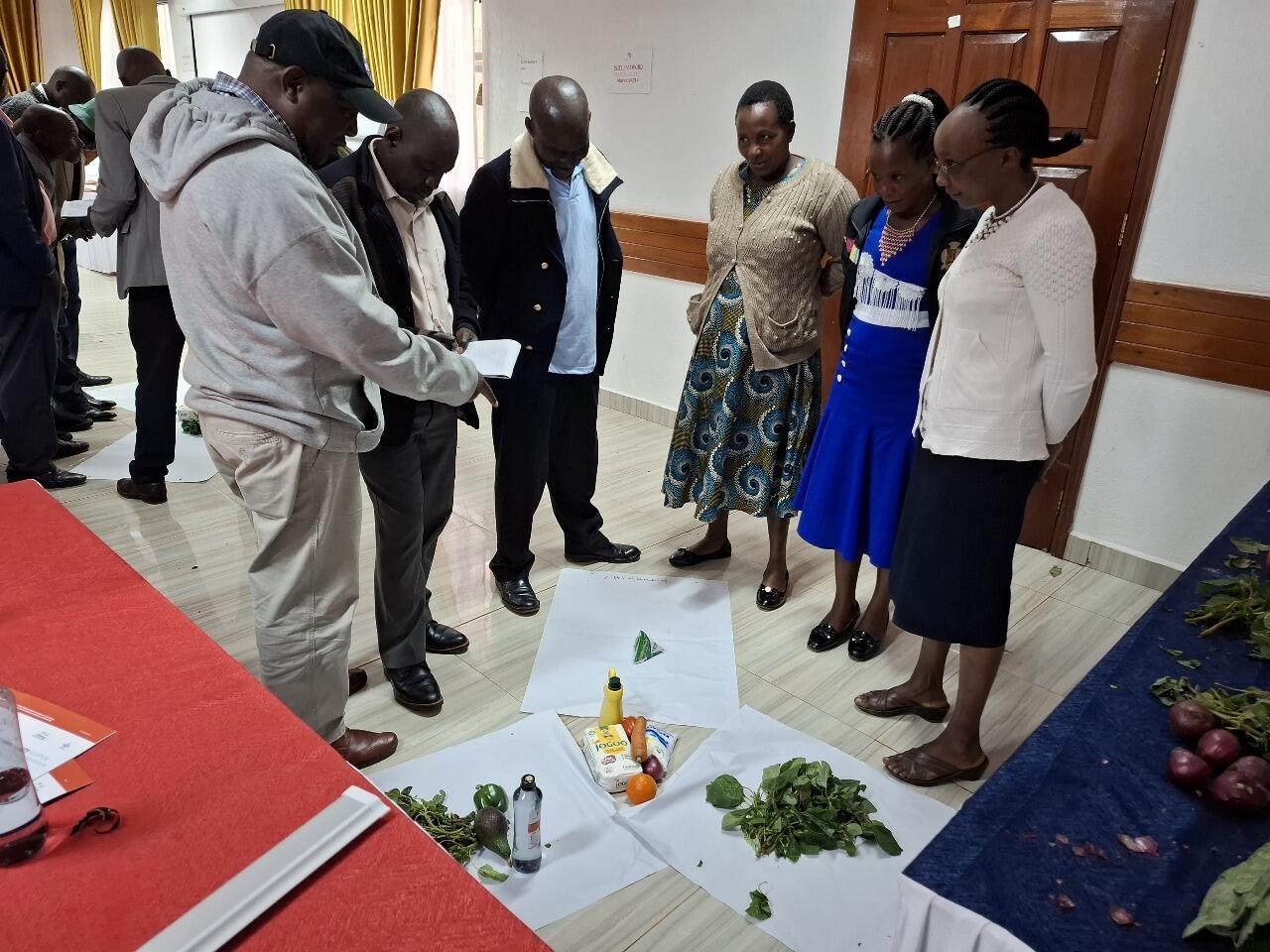
Between 2022 and 2024, farmers in Embu tested GTSTIBs in their maize and bean fields. They tried better seeds, used soil testing kits, participated in gender dialogues, and even adopted new nutrition practices.
The results were striking:
- Yields went up.
- Families ate better.
- Women spoke up more in farm decisions.
- Youth started seeing farming as an opportunity, not a burden.
Take Mary, a farmer from Runyenjes, who used to rely only on her husband for decisions. After joining GTSTIB dialogues and trying out new seed varieties, she not only grew more food but also convinced her family to diversify their crops for better nutrition.
“For the first time, my children eat vegetables every day,” she says proudly.
Now, Embu County wants every farmer to have the same chance Mary had.
How Change Will Spread
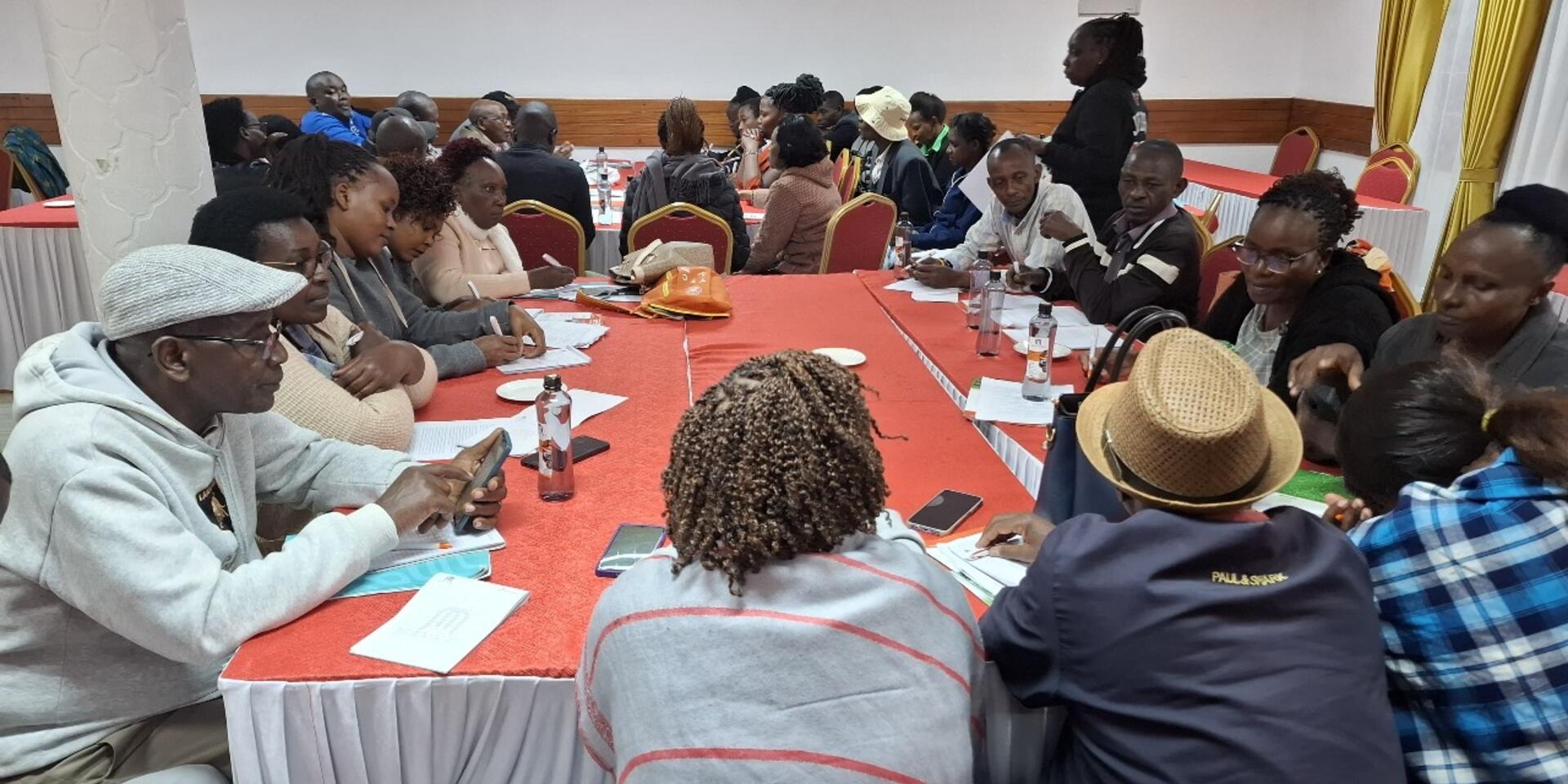
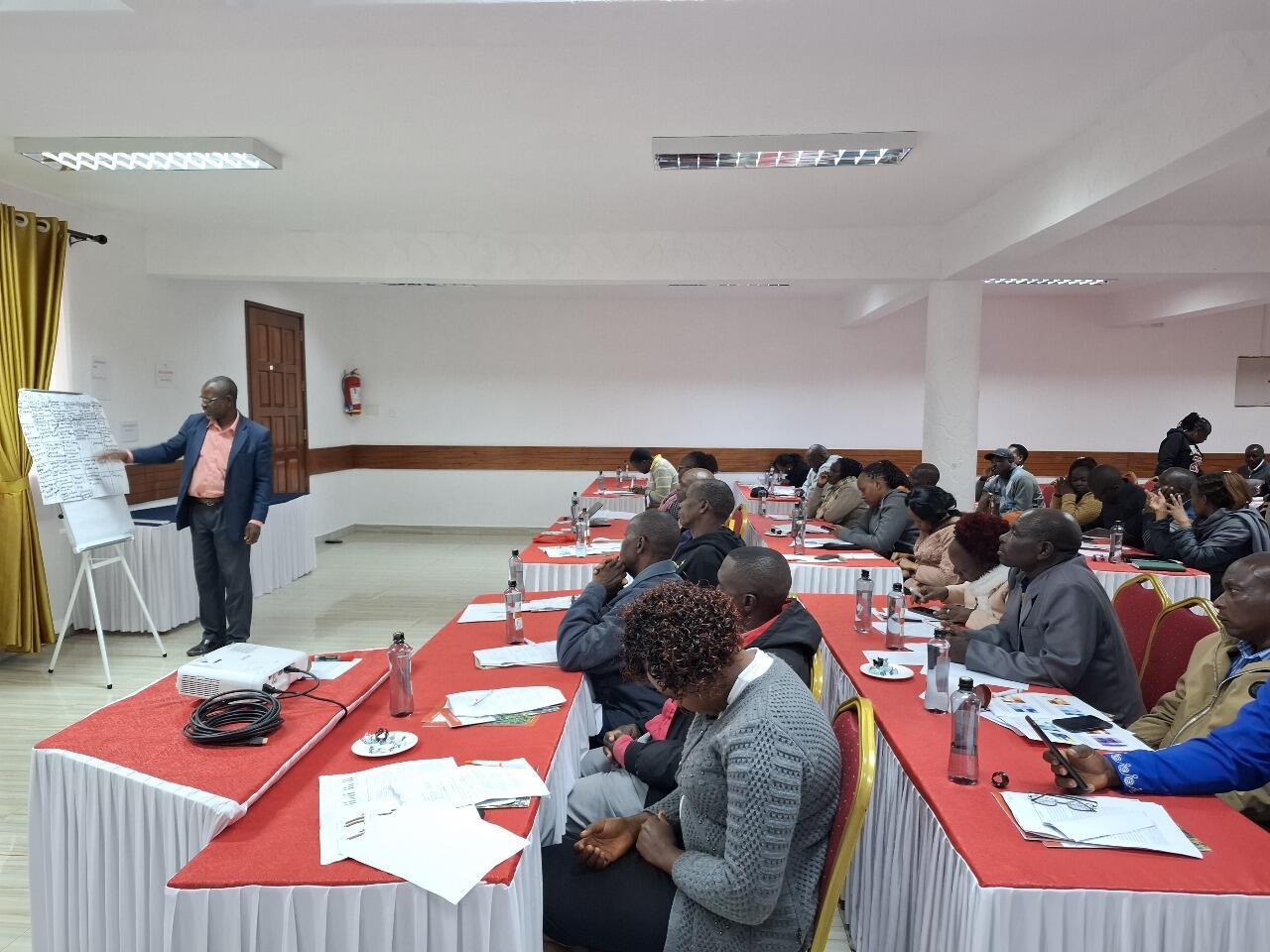
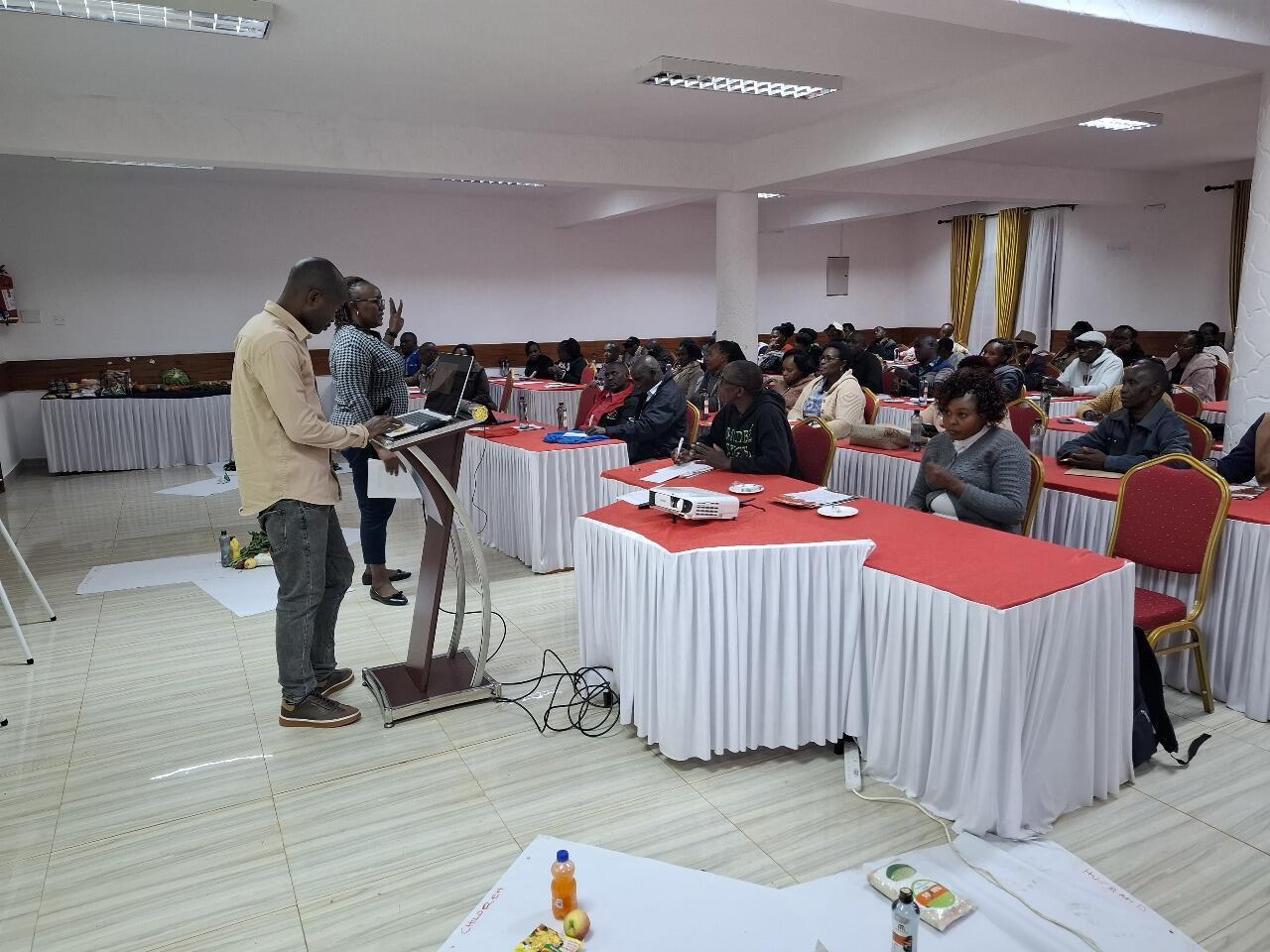
The roadmap isn’t just about rolling out new technologies. It’s about building a community of learning and resilience. Over the next four years, here’s what’s planned:
- Phase 1 – Farmers, government, and partners will come together under the County Agriculture Sector Steering Committee (CASSCOM) to officially make GTSTIBs part of county plans.
- Phase 2 – From the first pilot wards, GTSTIBs will expand to every sub-county, supported by Village-Based Advisors (VBAs) and farmer-to-farmer exchanges.
- Phase 3 – Farmers will connect with markets, savings groups, and processors, ensuring that bigger harvests mean better incomes.
- Phase 4 – Ownership of GTSTIBs will fully rest with the county and farmers themselves, making the system sustainable for years to come.
Why This Matters
This roadmap is about more than farming. It’s about:
- Women stepping into leadership roles.
- Youth and people with disabilities shaping innovations.
- Farmers learning from one another, not just from experts.
- Families are better prepared for climate change and market shocks.
The vision is bold: healthier diets, stronger communities, and livelihoods that young people want to inherit—not abandon.
A Future Written by Farmers
GTSTIBs are proving that when farmers are not just recipients but co-creators of change, the results go beyond the farm gate. What started as small pilots in Embu could soon become a blueprint for agriculture across Kenya—one that values equity as much as yields.
As Mary puts it, “We are not just growing crops anymore—we are growing confidence, knowledge, and a future for our children.”