Blog Protecting the harvest in Kenya’s North Rift through harvest and postharvest climate advisories

The Alliance of Bioversity International and CIAT and agriBORA convened farmers and partners in Eldoret on 10 September 2026 to explore how climate information and post-harvest solutions can reduce losses and protect harvest value.
For farmers in Kenya’s North Rift, a good harvest does not necessarily translate into a good return.
Long before grain reaches the market, its value can be eroded by unpredictable rainfall, poor harvesting practices, inadequate drying, pests, unsafe storage and financial pressure leading to selling quickly. In a region central to Kenya’s food production, these losses are increasingly difficult to separate from the wider challenge of climate change.
These issues were at the heart of the Harvest and Post-Harvest Value Protection Sensitization Workshop, held in Eldoret on 10 September 2026 under the P4G project (Partnering for Green Growth and the Global Goals 2030) and convened by the Alliance of Bioversity International and CIAT together with agriBORA. The workshop brought together farmers, agricultural officers, meteorological experts, grain warehouse operators, researchers and other stakeholders to explore a critical question: How can farmers not only produce successfully under a changing climate, but also protect the value of what they produce?
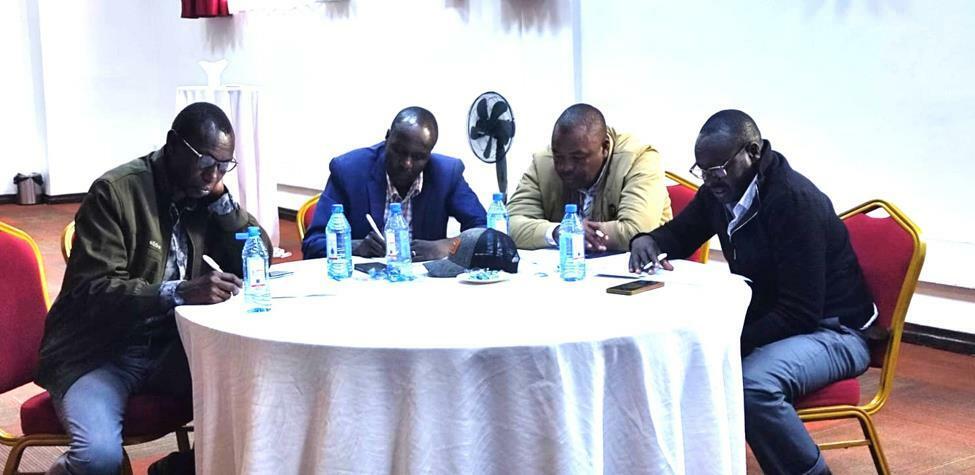
Participants work together during a group discussion to identify practical solutions for reducing post-harvest losses and protecting the value of farmers’ produce.
The discussions revealed that the answer begins well before grain enters a warehouse.
It starts with access to useful weather and climate information, appropriate seed varieties, and healthier soils. It continues through harvesting, drying and handling. And after harvesting, it depends on safe storage, quality management, access to finance and stronger links to markets.
In other words, protecting the harvest means protecting the value chain from field to market.
When climate risk follows the crop beyond the farm
The experiences shared during the workshop illustrated the scale of weather and climate linked challenge.
Participants reported that majority of areas within North Rift region experienced crop losses of up to 70 percent during the 2026 season. Maize production was also reported to have declined from a target of approximately 5 (five) million bags to about 1.5 million bags. These workshop-reported estimates point to the pressure that increasingly variable climatic conditions are negatively impacting agricultural production in the region.
But what happens after production presents another challenge.
The workshop estimated that approximately 30 percent of food production can be lost after harvest, with losses occurring during harvesting, threshing, shelling, cleaning, transportation, storage and processing. Some losses are visible through spillage, pests and theft. Others occur through deterioration in quality, including contamination by moulds and mycotoxins associated with inadequate drying and storage. This means that efforts to strengthen climate resilience cannot end when the crop is harvested.
Sharing his experience, farmer Bernard Rono explained:
“As farmers, we can work hard throughout the season and still lose part of our harvest after it leaves the field. If the grain is not properly dried, handled and stored, pests, moisture and poor storage can reduce both its quality and the amount we eventually sell.”
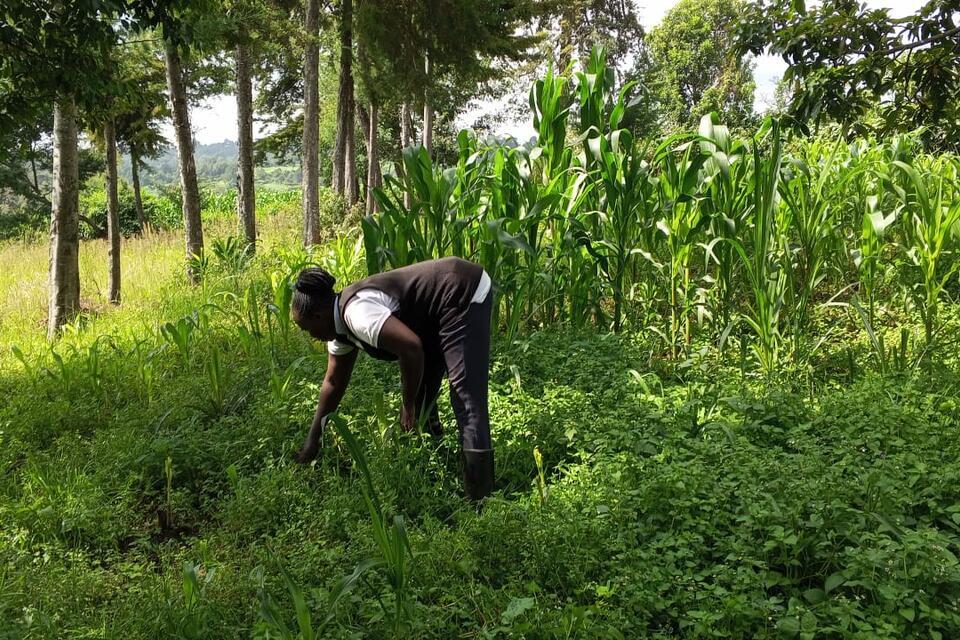
Participants explored how climate-smart agricultural practices can help farmers protect production from the rains onset. These included improved land preparation practices, such as using chisel ploughs to break hardpan layers, as well as minimum tillage, drought-tolerant and short-season crop varieties, soil testing, and better nutrient management.
Weather and climate information was equally important. Seasonal and sub-seasonal forecasts can help farmers anticipate changing conditions, but only when that information is understandable and connected to practical farming decisions.
A forecast becomes useful to a farmer when it helps answer questions such as: When should I plant? Which inputs including seeds and fertilizer variety should I choose? When should I apply inputs? And most importantly it helps farmers to better plan for harvest and post-harvest activities such as, when to harvest, dry, thresh, transport or store.
That translation from climate information to agricultural action emerged as an important part of protecting value.
Protecting what has already been produced
Once the crop is harvested, a different set of decisions begins.
When should grain be harvested? Is it dry enough to store? How should it be transported? Where should it be stored? How can its quality be maintained until it is sold?
Participants discussed practical measures ranging from harvesting at the right maturity and adequate drying to sorting, appropriate storage, regular inspection and integrated pest management. For maize as the predominant crop for North Rift farmers, the workshop report identifies 13.5 percent as the maximum moisture content for safe storage.
These may appear to be relatively simple interventions, but collectively they determine how much of a farmer's harvest retains its quality and economic value.
The Warehouse Receipt System (WRS) was discussed as climate-smart storage innovation that takes value protection a step further.
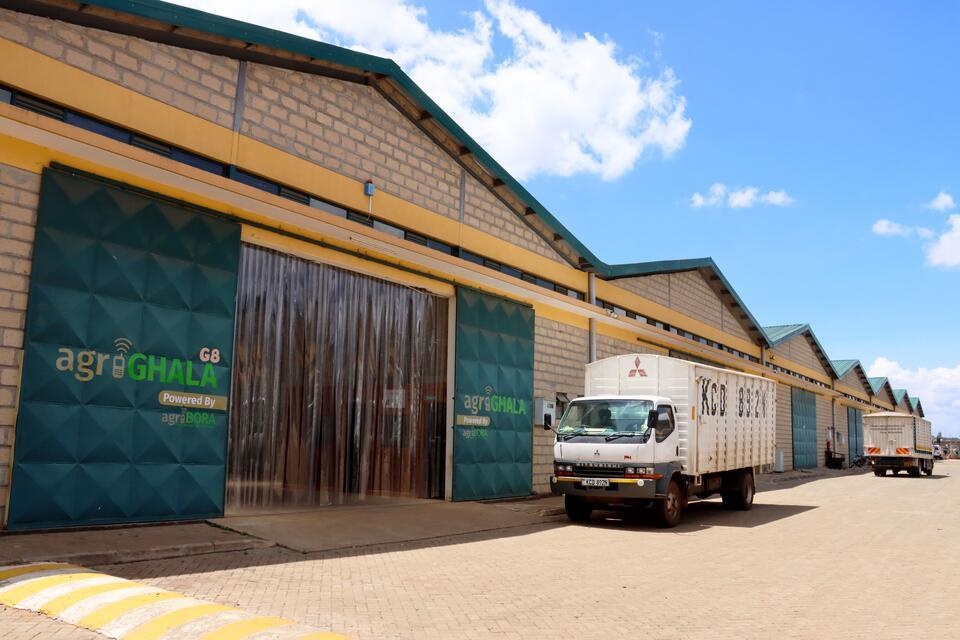
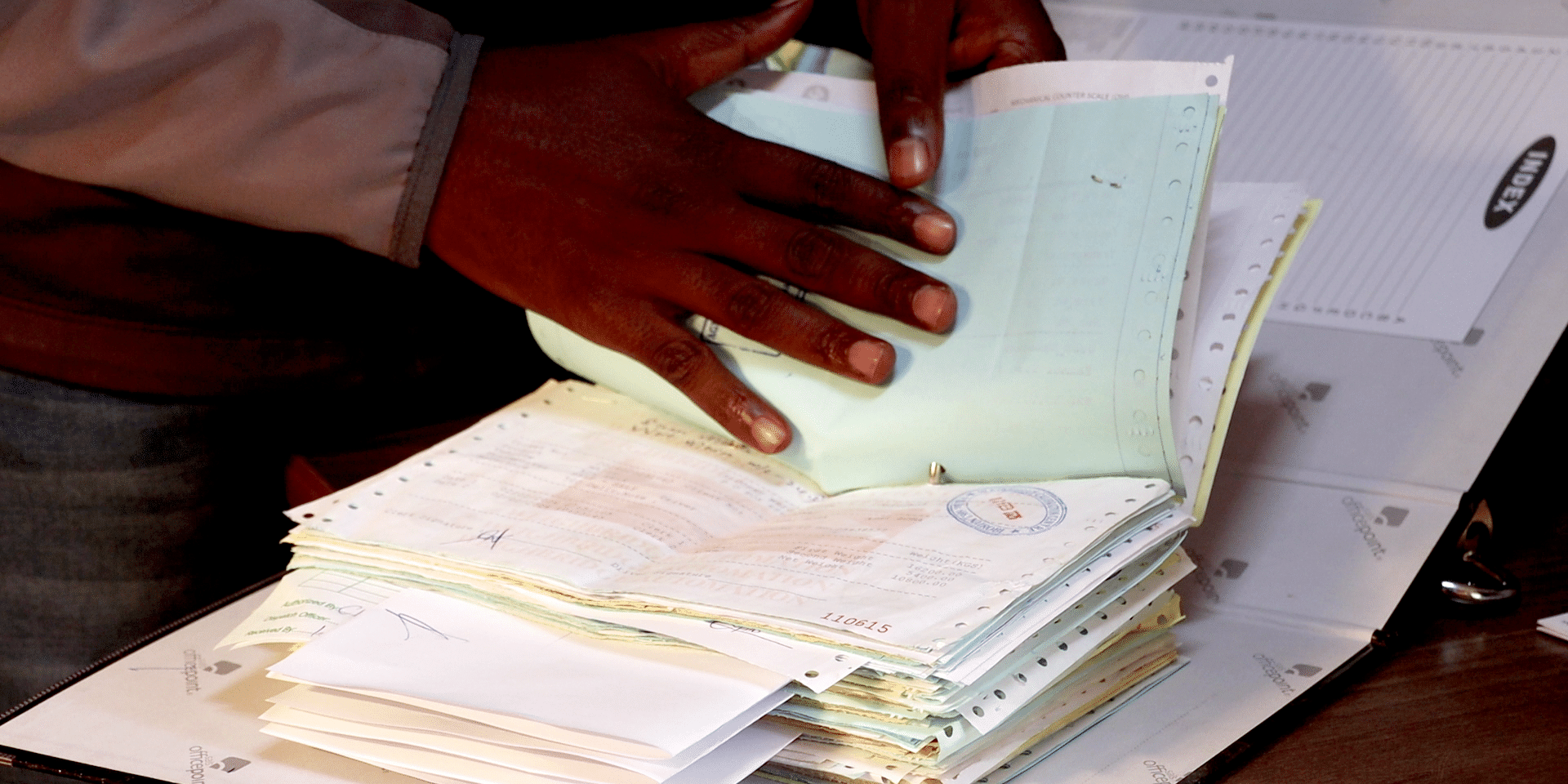
Through the system, farmers can deliver grain to a certified warehouse, where it is weighed, graded and tested before an electronic warehouse receipt is issued. The receipt serves as a document of title and can potentially be used as collateral for financing, subject to applicable arrangements.
This gives farmers an alternative to selling immediately after harvest and allows them to wait for more favourable market conditions. Speaking about the flexibility the system offers farmers, Johannes Ogallo, General Manager of agriGHALA, explained:
“The warehouse receipt gives the farmer options. You can store your grain safely, use the receipt to access financing, and you do not have to sell immediately after harvest. You can wait and sell when the market is more favourable.”
For the P4G project, this connects directly with the work being undertaken through agriGHALA, where safe storage, access to finance and market access are being brought together to strengthen structured grain trade.
Yet the workshop discussions reinforced an important lesson emerging from that work: providing the technology or infrastructure is only one part of the solution.
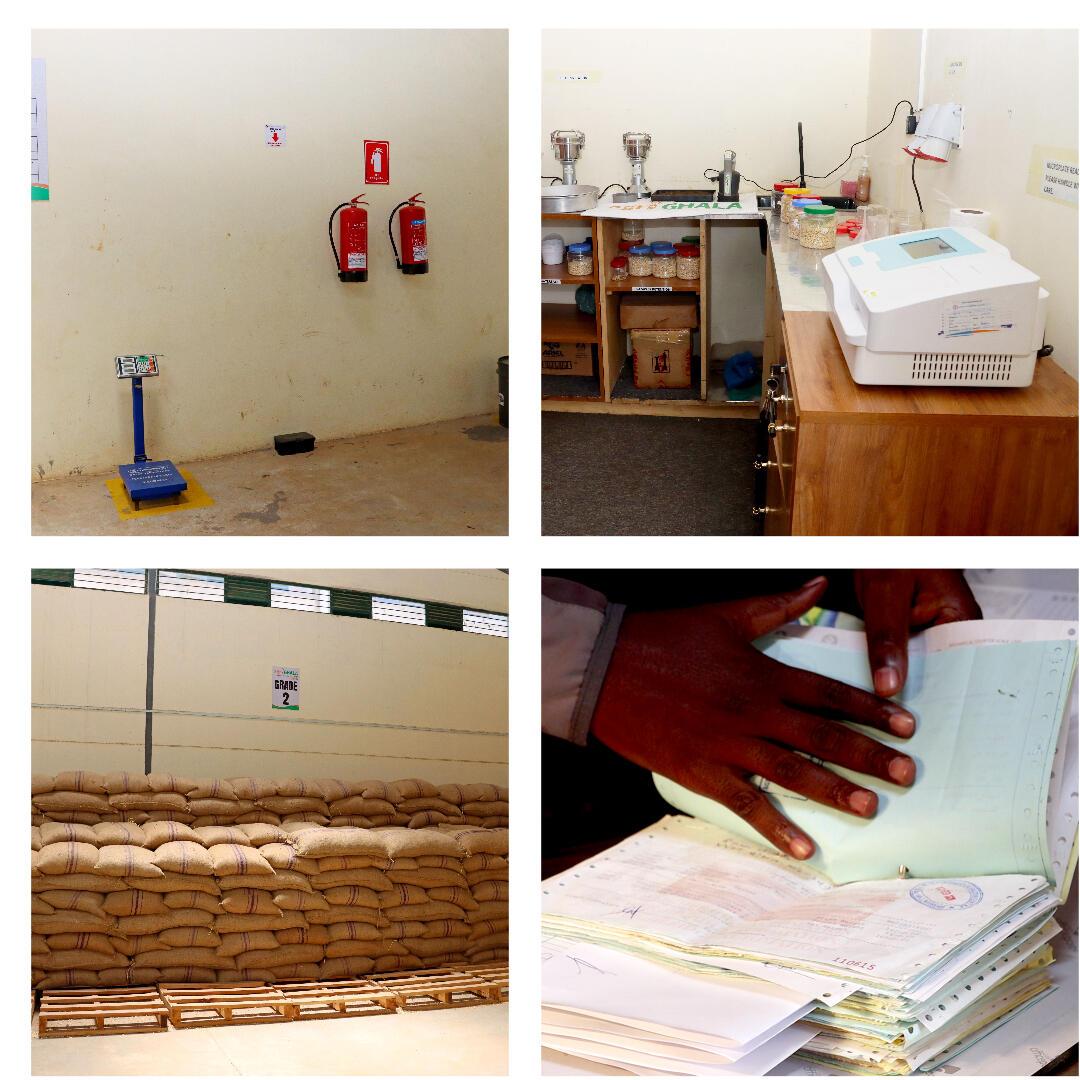
From delivery to receipt: Farmers’ grain is weighed, graded and tested at a certified warehouse before an electronic warehouse receipt is issued, helping ensure quality and accountability throughout the process
Farmers need information they can use
Whether the intervention is a seasonal forecast, a new seed variety, improved storage or a warehouse receipt, farmers need to understand how it works and what it means for their own circumstances.
This places agricultural extension at the centre of value protection.
Participants emphasized the need for practical farmer engagement through extension officers, demonstrations, farmer learning groups and field days. Extension personnel can play a particularly important role in translating technical weather information into decisions farmers can make on their farms.
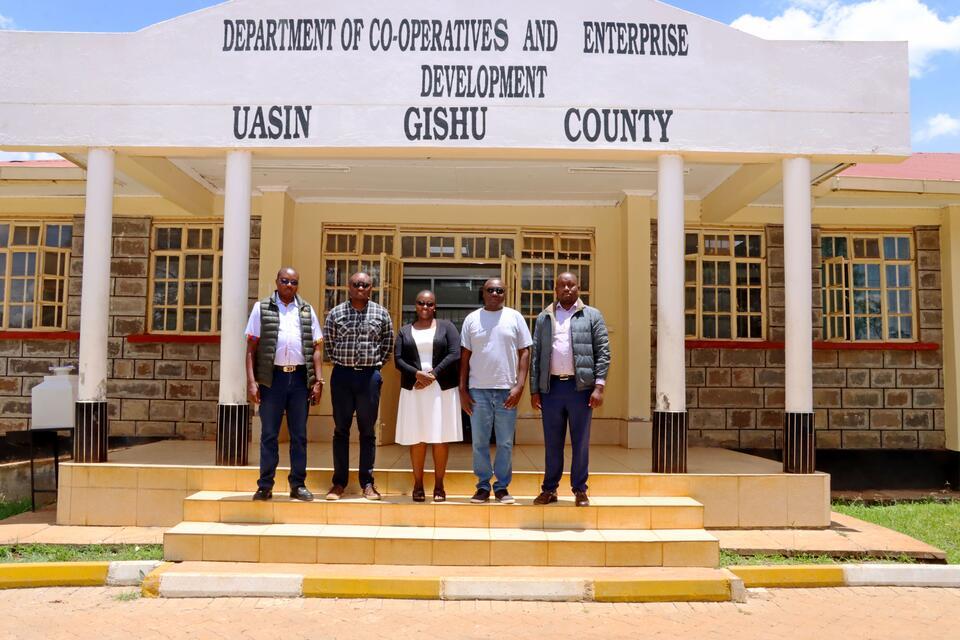
Speaking about the role of extension in supporting farmers, Eric Boinet from the Department of Agriculture, Uasin Gishu County Government, noted:
“Extension officers are the link between information and action at the farm level. Our role is not just to give farmers information, but to help them understand what it means for their farms and how they can use it to make better decisions.”
The conversation also went beyond agronomic knowledge.
Farmers increasingly need digital and financial literacy to navigate weather applications, SMS advisories, agricultural credit and warehouse receipt financing. Record keeping and farm business management are equally important if farmers are to make informed decisions about production, storage and marketing.
Reaching farmers also requires multiple communication channels. Participants identified SMS, WhatsApp, community radio, public gatherings and farmer field days, alongside extension officers, chiefs and other local structures, as important routes for getting information to the last mile.
Emphasizing that the value of weather and climate information ultimately lies in farmers being able to use it, Simon Cheptot, County Director of Meteorological Services in Uasin Gishu County, explained:
“Weather and climate information is only useful when it reaches farmers in time and in a form they can understand and act on. When farmers know what conditions to expect, they can make better decisions on when to plant, what varieties to grow and how to manage their crops throughout the season.”
Protecting value takes a system
Perhaps the strongest message from Eldoret was that farmers cannot protect the value of their harvest alone.
Meteorological services are needed to generate timely climate information. Agricultural and extension institutions are needed to translate it into practical advice. Researchers help identify appropriate technologies and practices. Warehouse operators provide professional storage and quality assurance.
Financial institutions can connect stored commodities with finance. Cooperatives can support aggregation, learning and market access. County and national governments provide the policies, regulation and institutional support that allow these different pieces to work together.
The workshop therefore moved beyond identifying problems to considering what could be done differently.
One of the immediate actions proposed was remarkably straightforward: establish a WhatsApp group connecting meteorological officers, agricultural departments and farmers so that forecasts can be shared more directly. Participants also proposed training farmers to interpret forecasts and expanding awareness of the Warehouse Receipt System through cooperatives.
Over the medium and longer term, priorities included establishing more certified warehouses, strengthening soil-testing services closer to farmers, building extension officers' capacity to interpret climate information, developing stronger market linkages and investing in climate-resilient infrastructure and financing mechanisms.
Reflecting on the discussions from a farmer’s perspective, Simon Biwott of Marathon Farmers Union summarized what an enabling system means at farm level:
“As farmers, we need more than good production. We need the right information to make decisions, knowledge on how to reduce losses after harvest, safe places to store our produce and better access to markets. When these services work together, we are in a better position to protect what we produce and get value from it.”
These actions reflect a broader lesson from the P4G engagement. Climate resilience is not achieved through a single intervention. It is built through a chain of decisions and services that allow farmers to protect value at every stage.
Better climate information can support better production decisions. Climate-smart practices can protect crops in the field. Proper harvesting, drying and handling can preserve quality. Safe storage can reduce losses. Finance can give farmers greater flexibility over when to sell. And stronger market connections can help translate a protected harvest into economic value.
For Kenya's North Rift, where agriculture is both a livelihood and an important contributor to national food supply, strengthening that chain matters. Because producing more is only part of the challenge. The value of that production must survive the journey from the field to the market.
The team

Benson Kenduiywo
Research Specialist
Grace Koech
Senior Research Associate