Blog Ground-level insights from AgriGHALA baseline survey

The Alliance of Bioversity International and CIAT, in partnership with agriBORA and with support from Partnering for Green Growth and Global Goals 2030 (P4G), launched a baseline survey on June 30th in Kenya's Uasin Gishu County and Bungoma County.
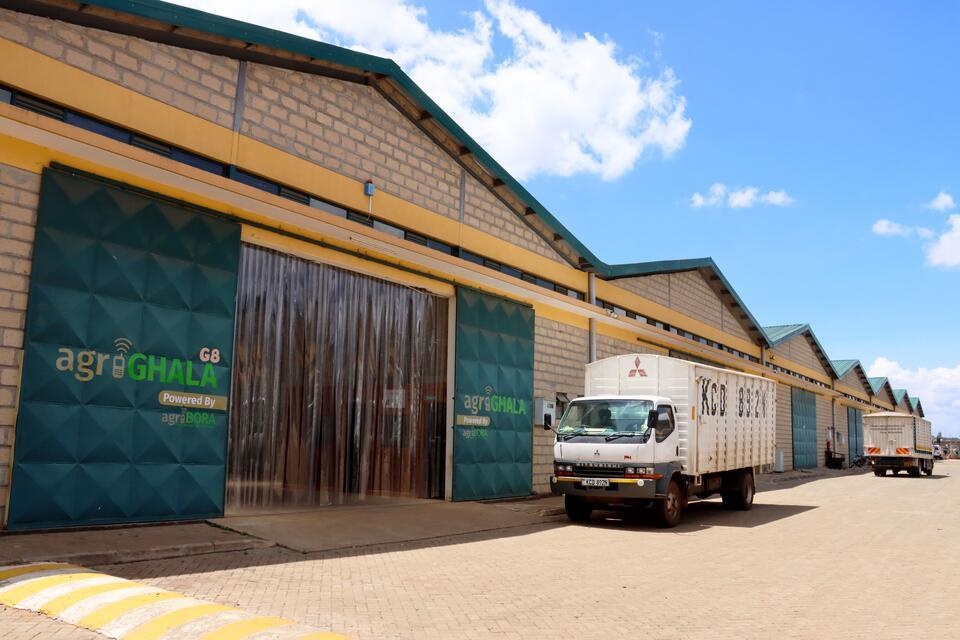
The survey is part of the project “Building Resilience of Smallholder Farmers through the Warehouse Receipt System (WRS).” The WRS, branded agriGHALA by agriBORA, enables farmers to store their produce in climate-controlled warehouses and sell when market prices are favorable, helping to reduce post-harvest losses, stabilize incomes, improve access to finance and eventually address climate mitigation by reducing greenhouse gas emission from commodity waste.
Why a baseline survey?
The survey will enable the Alliance and agriBORA to design context-specific, farmer-driven interventions informed by baseline data.
The fieldwork experience
The exercise was led by local enumerators trained to administer the survey using the digital Open Data Kit (ODK) tool. ODK enabled real-time data collection, ensuring efficiency, accuracy, and inclusivity throughout the process. 200 farming households were interviewed across the two regions. Farmers were mostly engaged in their local languages to enhance understanding and gather meaningful responses. Their stories offered valuable insights into the impacts of climate change and the post-harvest challenges they have faced over the years.
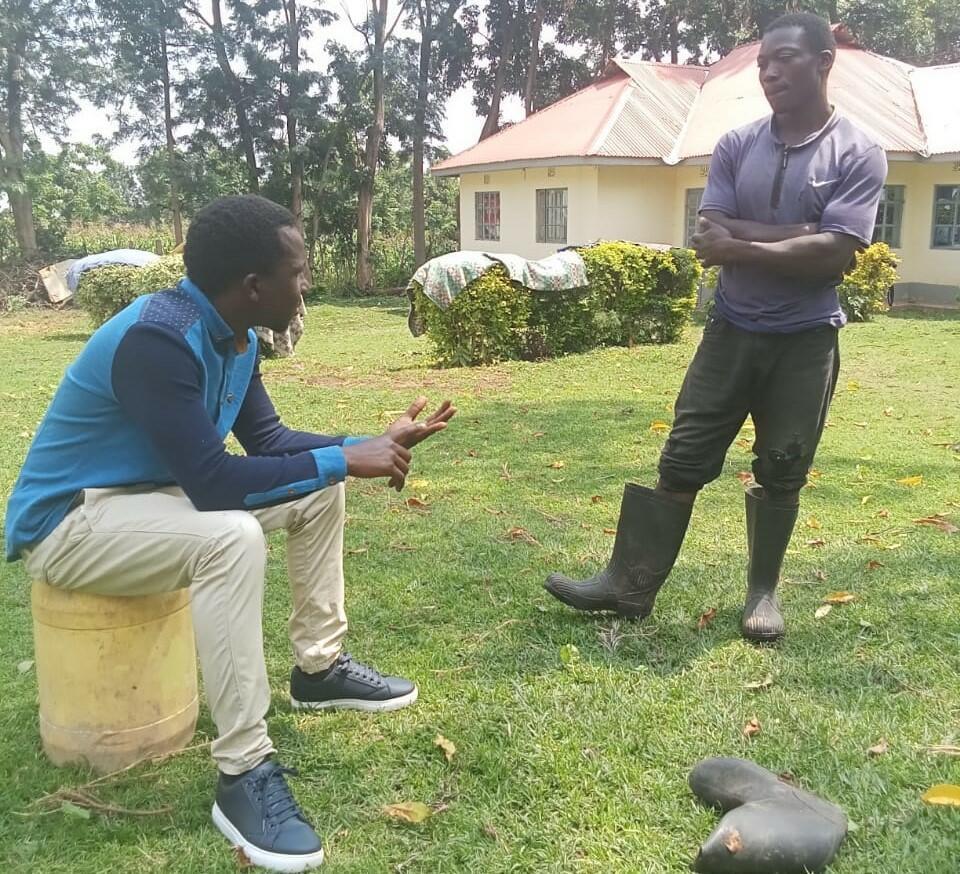
David Sikuku from Bungoma County, shares his experiences during one of the interview.
What next?
Data from the field survey will help agriGHALA tailor its warehouse receipt services to better address post-harvest management, ensuring the system reflects the needs of farmers. By doing so, the WRS aims to improve smallholder farmers’ access to markets and financing, ultimately enhancing their livelihoods.
Challenges
Even with meticulous planning, field data collection often presents unexpected challenges. We encountered a few key hurdles during our exercise, each requiring a solution to address these issues.
- One significant issue was limited network coverage in certain areas. To overcome this, we implemented a system allowing offline data submission and established manual synchronization protocols to ensure all collected information was eventually integrated.
- We also recognized that some of our enumerators, while skilled, needed additional support with device handling. We addressed this by providing one-on-one guidance, ensuring everyone felt comfortable and proficient with the tools.
- Finally, farmer availability posed a common challenge, leading to potential delays. To mitigate this, we flexibly adjusted daily targets and proactively pre-arranged interview appointments with farmers, which helped streamline the process and keep us on track.
Looking ahead
Capturing farmers’ needs and perspectives firsthand is essential for tailoring WRS solutions that truly serve them. This co-creation approach also raises awareness of the system’s benefits enhancing food security, improving market access, and assessing its impact on carbon footprint. An endline survey will be conducted at the close of the project to evaluate the adoption rate of the agriGHALA WRS. This will be key in documenting lessons learned and identifying best practices for future implementation.
Acknowledgements
The baseline survey in Bungoma and Uasin Gishu County was a collaborative effort made possible through the support and partnership of several key organizations. We would like to express our sincere gratitude to the following programs and institutions for their invaluable contributions:
- Partnering for Green Growth and Global Goals 2030 (P4G).
- AgriBORA
- Research Centre for Smallholder Farmers (RCFSF)
The enumerators for this survey were drawn from various agro-dealer hubs, whose support was key to the success of this process:
- Kuona Mbele
- Defana Agrovet
- Apex Farmpoint
- Kaptama
- Mt. Elgon Agribusiness
In addition, we acknowledge, most importantly, the smallholder farmers whose collaboration and dedication played a pivotal role in the success of the survey.
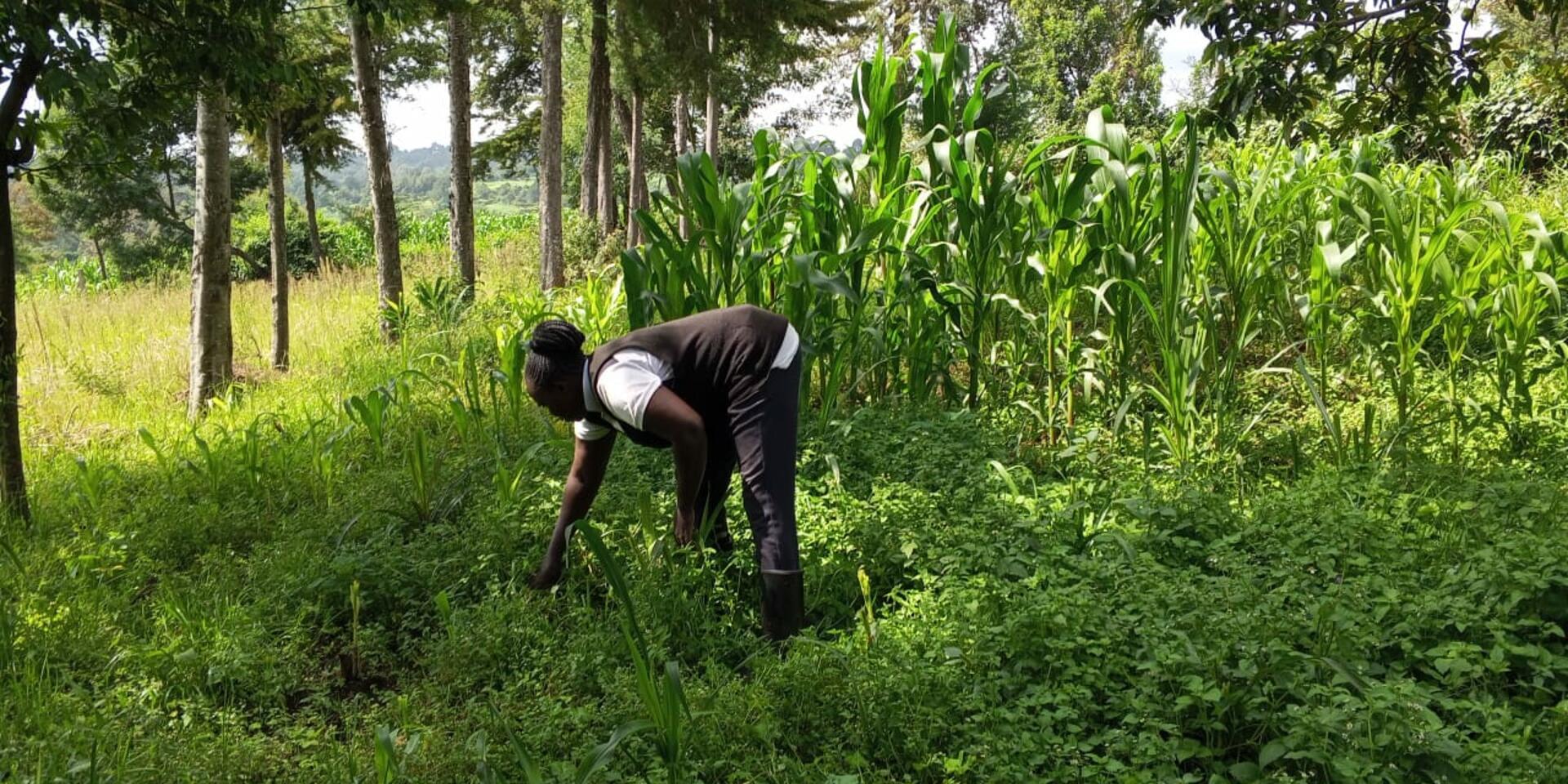
Cover Image: Lucy Kosgei, a farmer who took part in the baseline survey works on her farm in Burnt Forest, Uasin Gishu County.
The Team

Benson Kenduiywo
Research Specialist
Grace Koech
Senior Research Associate