Blog Mapping food environments and associated sustainability and nutritional sensitivity of underutilized nutrient-dense food value chains in Uganda

The pivotal role of mapping and understanding the food environments cannot be overstated. By discerning the types and sources of our food, we gain the ability to address potential health issues at their root. This proactive approach ensures that consumers are not only informed about their food, but also have access to safe and nutritious options at the source.
Funded by the European Union, the Healthy Diets 4 Africa (HD4A) project aims to better understand how to combat all forms of malnutrition. The overall research objective of the study component presented here is to map and assess the internal and external food environments and associated value chains that supply nutrient-dense foods to these environments among identified subpopulations of people at risk of malnutrition in Uganda.
Initial food environment data were collected in and around Mildmay Hospital in Kampala, Uganda in November 2023. Mildmay Uganda is a non-governmental organization established in 1998 and based in Uganda's capital city of Kampala, specializing in the provision of comprehensive HIV and AIDS prevention, care and treatment services.
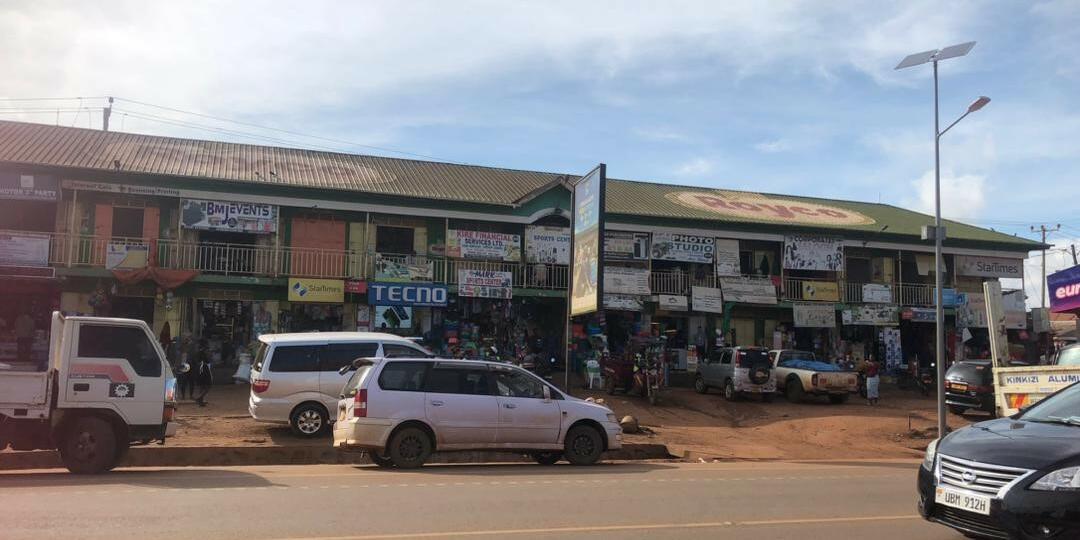
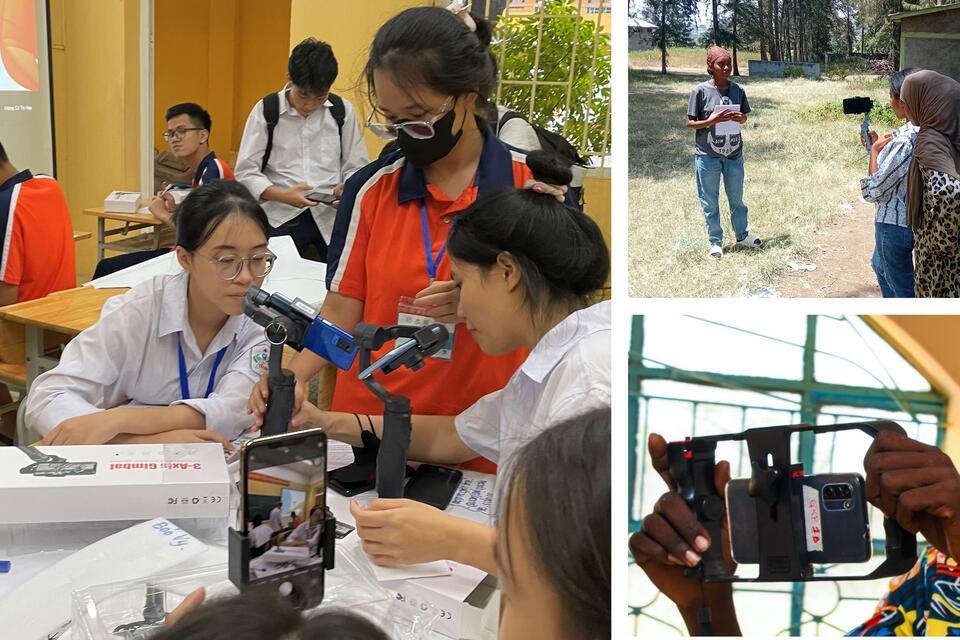
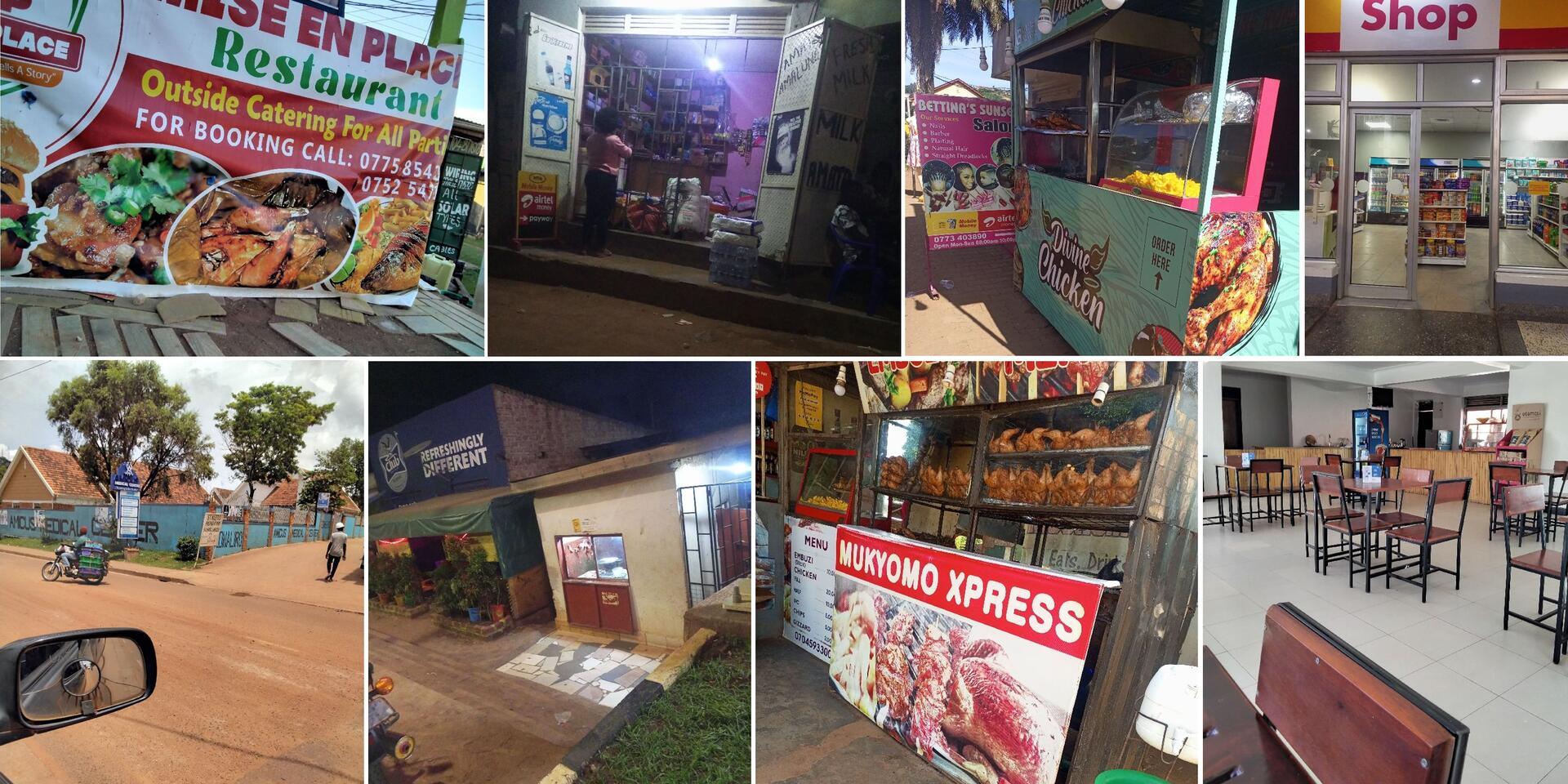
The food environment mapping was conducted in a one-kilometer radius around the hospital. All food vendors within this one-kilometer radius were mapped through an observational survey, GPS coordinated, and photographs of the vendor's premises/structure were taken with the permission of the vendors. The initiative, conducted by five dedicated enumerators over seven days, unfolds a dynamic chronicle. Beginning at the crack of dawn (6:00 a.m.) and extending into the night (10:00 p.m.), the mapping captures the diverse activities of the vendors, from morning vegetable and fruit stalls to late-night fast-food joints.
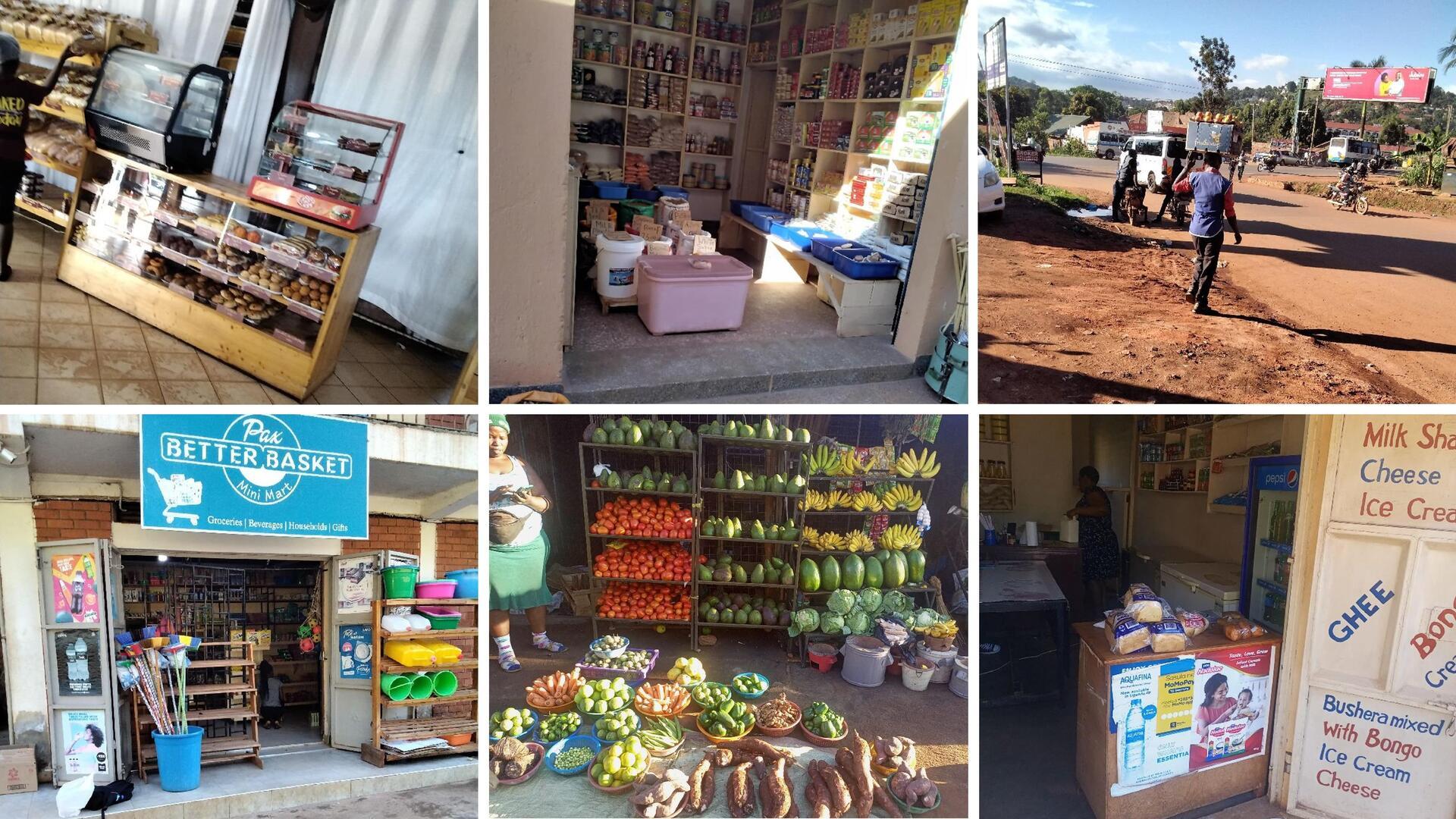
But this project isn't only about mapping the food environment, but also about understanding sustainable food value chains. Market mapping was also conducted in Seguku and Kajjansi markets. These are important hubs where patients and communities source their food. Data collection includes consumer, trader and producer surveys, with seven enumerators engaged for a comprehensive 22-day survey.
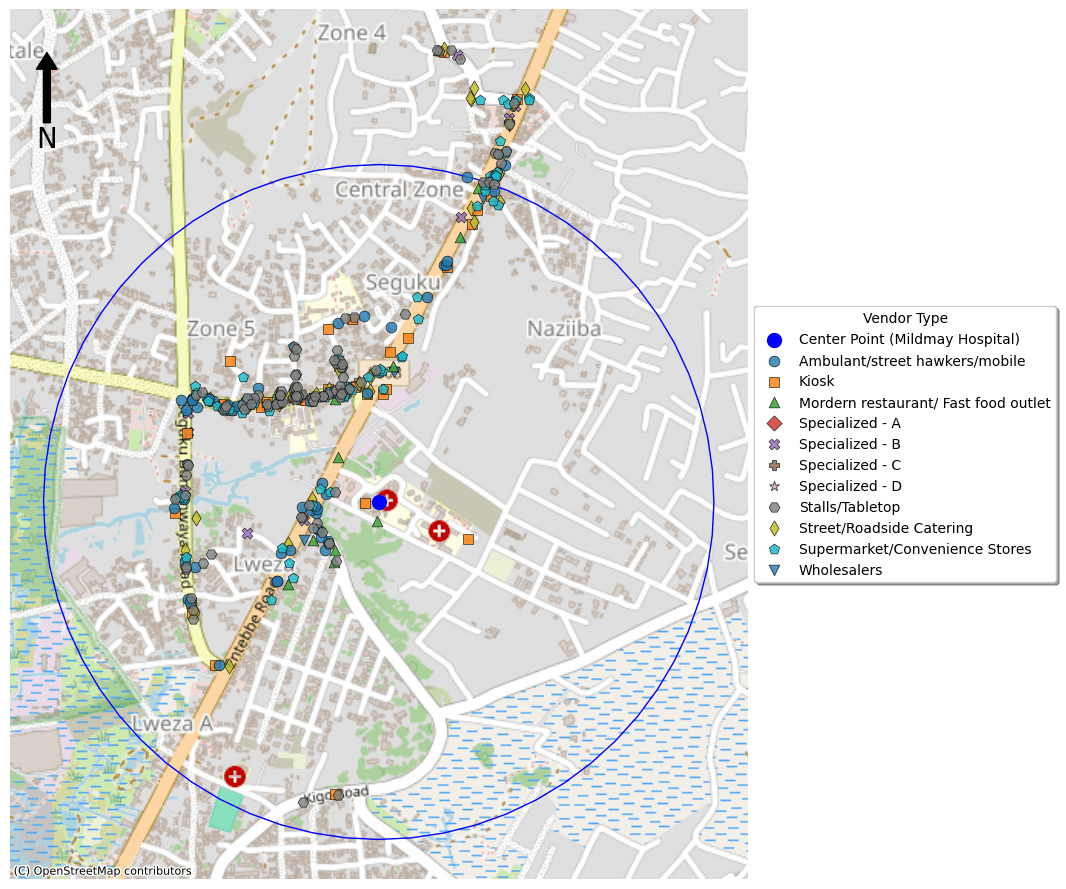
Figure 1. Vendor Type Map
At its core, this initiative is a collaborative effort that combines research expertise with community engagement, all with the ultimate goal of reshaping the future of nutrition in Uganda. The role of the Alliance is to develop tools, metrics and indicators that can be used by other partners to assess malnutrition risks and comprehensively evaluate the food system. This has resulted in the Nutrition Sensitive Food Environment Index, which we hope to share more about in a forthcoming scientific publication.
Food Environment mapping as described in this blog, can be done with respect to a place, such as a health center, setting a radius, such as 1 km around, but also as a census in a given region, or selected communities in a larger administrative area. The result is a map where you can see the typologies of the different outlets, what they sell and how they are distributed in a geographical area, as you can see in Figure 1.
A second component maps the food-related infrastructure. Anything related to food, but also health and water: access to public toilets, drinking water, and anything that promotes food issues, such as advertising. If there are public gardens or community spaces or public fruit trees, they are also mapped.
Finally, the mapping of markets: It is very important to map these markets well because a single point can regroup many others (such as collection centers) and the mapping becomes less populated. These markets play different roles: you can have products that sell directly to the consumer, but they can also sell to an intermediary who buys in this market and resells elsewhere.
This research journey has been truly enriching, expanding our knowledge and insights into the realm of fighting malnutrition. Ultimately, this research underscores the critical importance of understanding the food environment as a key strategy in fostering a healthier and more nourished society.
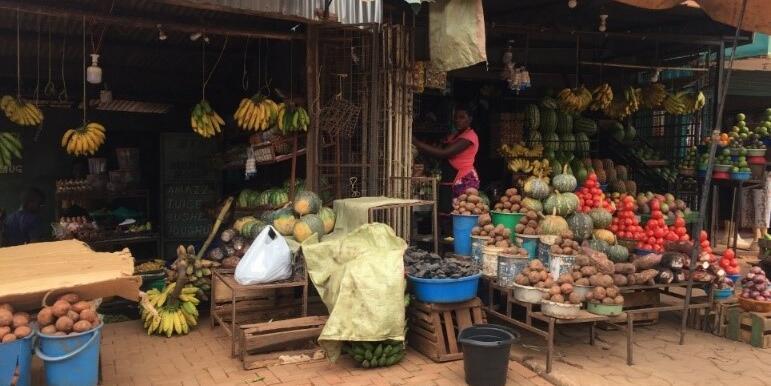
A fruit and vegetable vendor on Wankulukuku road, Ndejje division, Wakiso District.
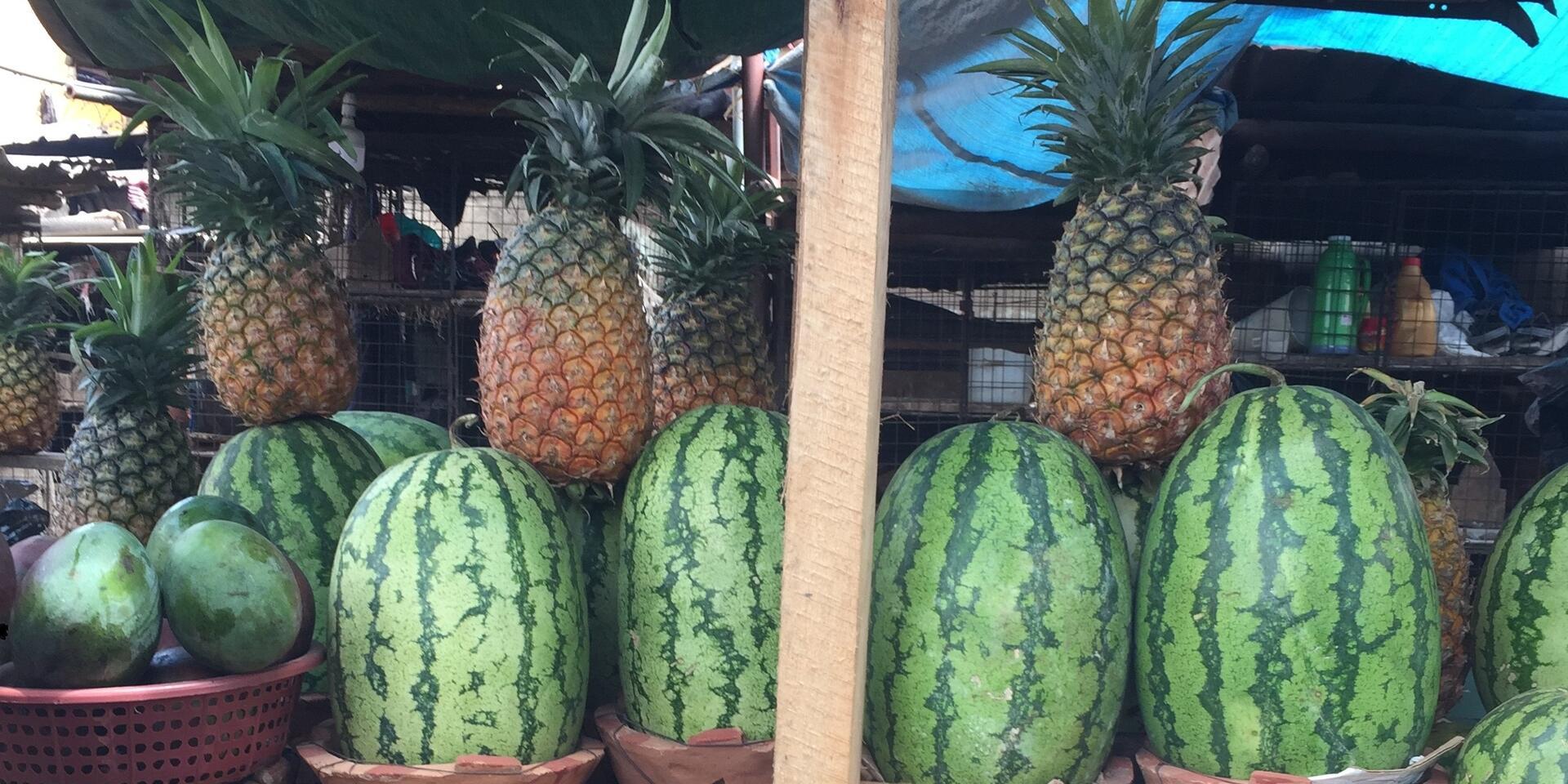
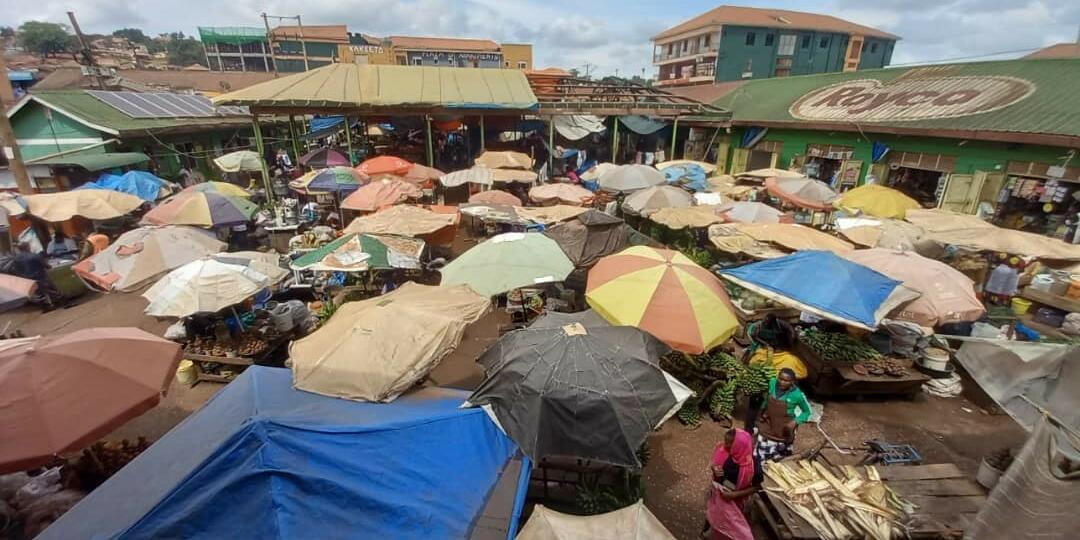
A fruit and vegetable vendor on Wankulukuku road, Ndejje division, Wakiso District.