Blog What works in gender-transformative innovation bundling? Evidence from learning labs in Ethiopia

In Ethiopia, researchers and partners tested a new way to scale agricultural innovation. By bundling technology, skills, and social change, they show how farming systems can work better for women and build resilience.
A familiar problem-seen differently
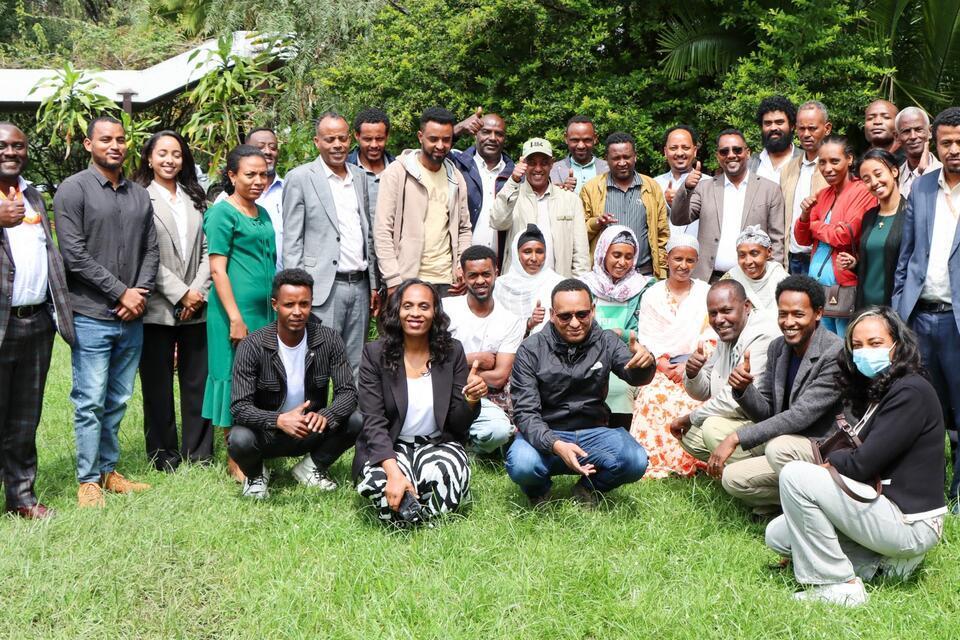
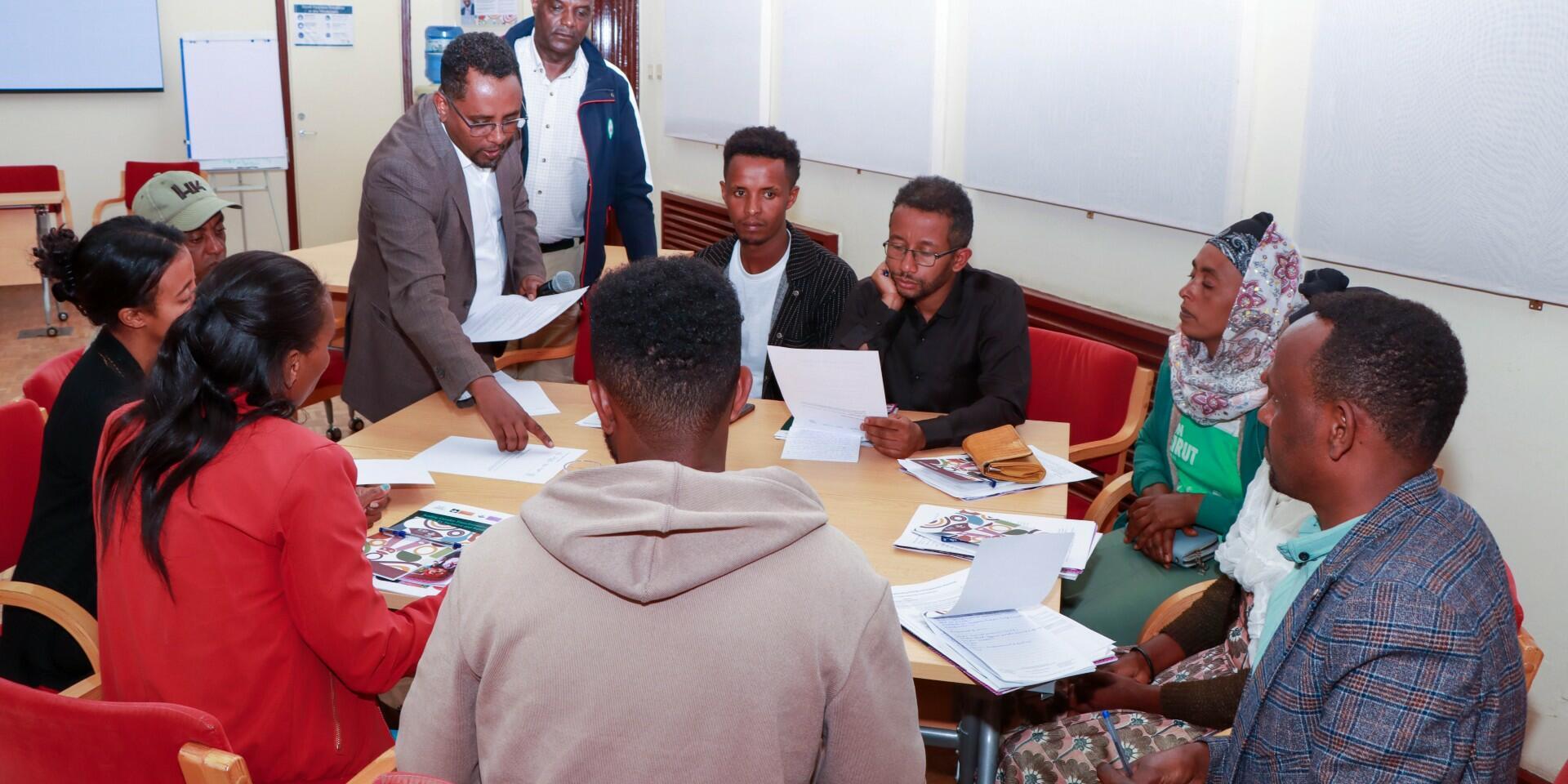
On Feb 24, 2026, experts discussed GT-STIBs in Ethiopia to show why pairing ag-tech with social support is essential for driving resilience and positioning women as agents of inclusive change.
The discussion drew on evidence from two learning labs in Ethiopia. What emerged was both encouraging and challenging.
- Encouraging - because integrated approaches are delivering real gains in adoption, resilience, and women’s empowerment.
- Challenging - because it confirms that technology and technical know how is rarely enough.
For decades, agricultural development has followed a “technology-first” model. The assumption has been that introducing improved seeds, irrigation, or digital tools will naturally lead to better outcomes. But in practice, technologies interact with deeply rooted social systems. Where inequality exists, benefits tend to flow unevenly.
This is the starting point for Gender-Transformative Socio-Technical Innovation Bundles (GT-STIBs) - an approach that treats innovation as a system rather than a single intervention.
Beyond technology: Why agricultural innovation must change
For years, agricultural development has relied on a familiar logic: deliver improved technologies and productivity and livelihoods will improve. Yet across many contexts, the results have been uneven.
The reason is increasingly clear. Technologies do not operate in a vacuum. They are embedded within social systems shaped by unequal access to resources, information, and decision-making power. When these inequalities are ignored, even the best technologies can reinforce existing gaps benefiting those already advantaged while leaving women, youth, and marginalized farmers behind.
This is where Gender-Transformative Socio-Technical Innovation Bundles (GT-STIBs) offer a different pathway.
Rather than promoting isolated interventions, GT-STIBs intentionally combine:
- Technological innovations (e.g., improved seeds, irrigation, production tools)
- Technical support (training, advisory services, digital tools)
- Social innovations (market access, finance, gender dialogue, collective action, institutional change)
The central premise is straightforward: innovation works when the enabling social conditions are addressed alongside the technology itself. The idea is simple but powerful: innovation only works when the social system around it works too.
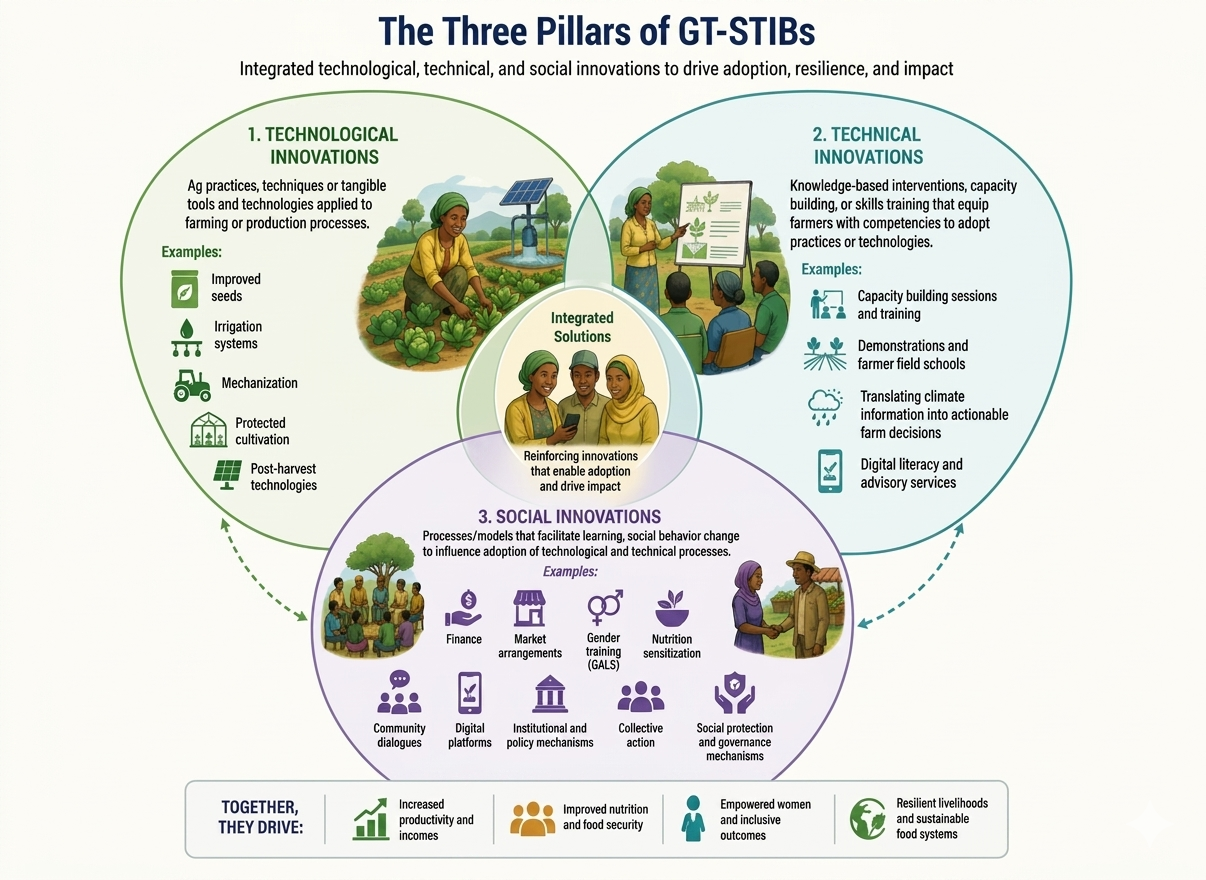
The three pillars of GT-STIBs. Credit: Dessalegn Ketema
The ‘gender-transformative’ dimension goes further. It does not only recognize differences between women and men - but it also actively seeks to address the norms, power relations, and institutional barriers that create those differences in the first place.
In practical terms, this means designing interventions that:
- engage both women men and marginalised groups
- challenge restrictive norms around roles and decision-making
- expand women’s agency over resources, income, and participation
The result is not just better uptake of technologies, but more equitable outcomes.
From theory to practice: Learning labs in Ethiopia
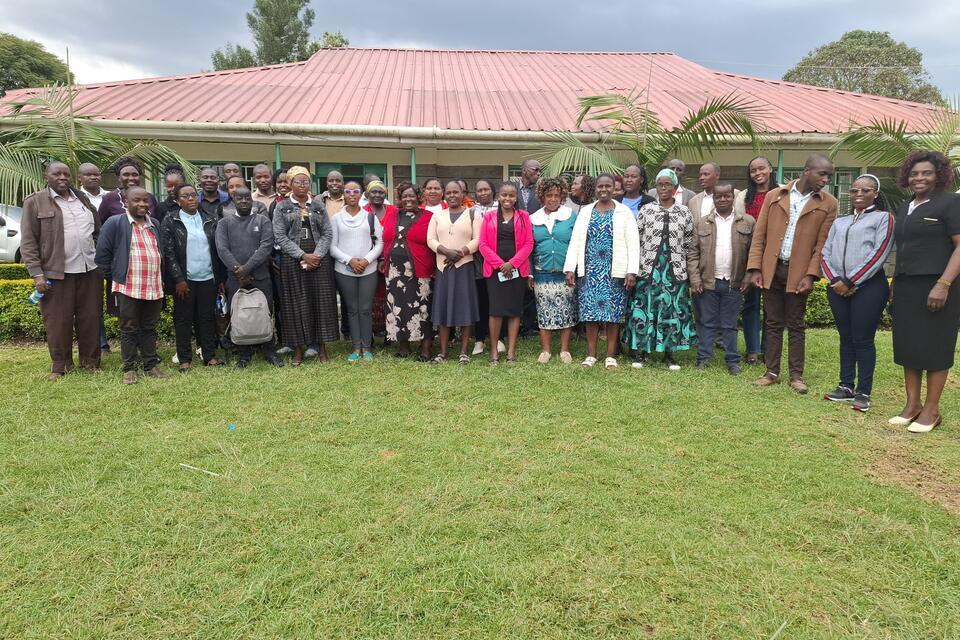
To test this approach in practice, GT-STIBs were co-designed and piloted in two districts Welmera and Ejere in Oromia regional state, Ethiopia through a partnership between the CGIAR Gender Equality Initiative (HER+), the Veggies 4 Planet and People (V4P&P) program implemented by World Vegetable Centres in Collaboration with SNV and Green Agro-Solution PLC (Lersha Digital Platform), and national and private sector partners.
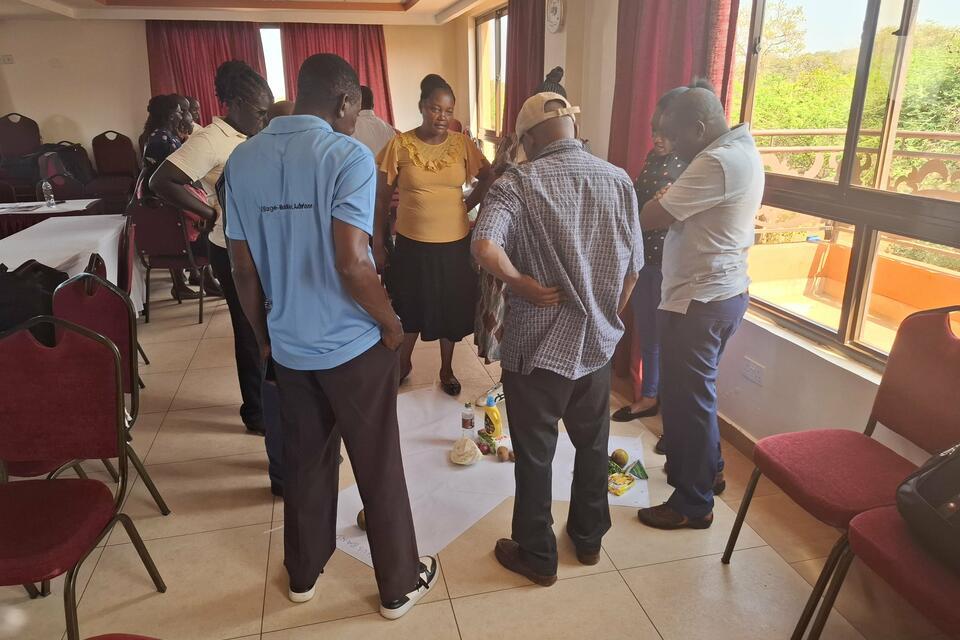
These sites functioned as learning labs spaces for joint experimentation where farmers, researchers, development actors, and private sector partners worked together to:
- identify context-specific constraints
- design integrated, context specific bundles of solutions
- test and refine bundles in real farming systems
- generate evidence on what works, for whom, and why
The approach moved away from top-down delivery toward co-design, ensuring that interventions reflected the realities of women and men farmers, including differences in access, roles, and constraints.
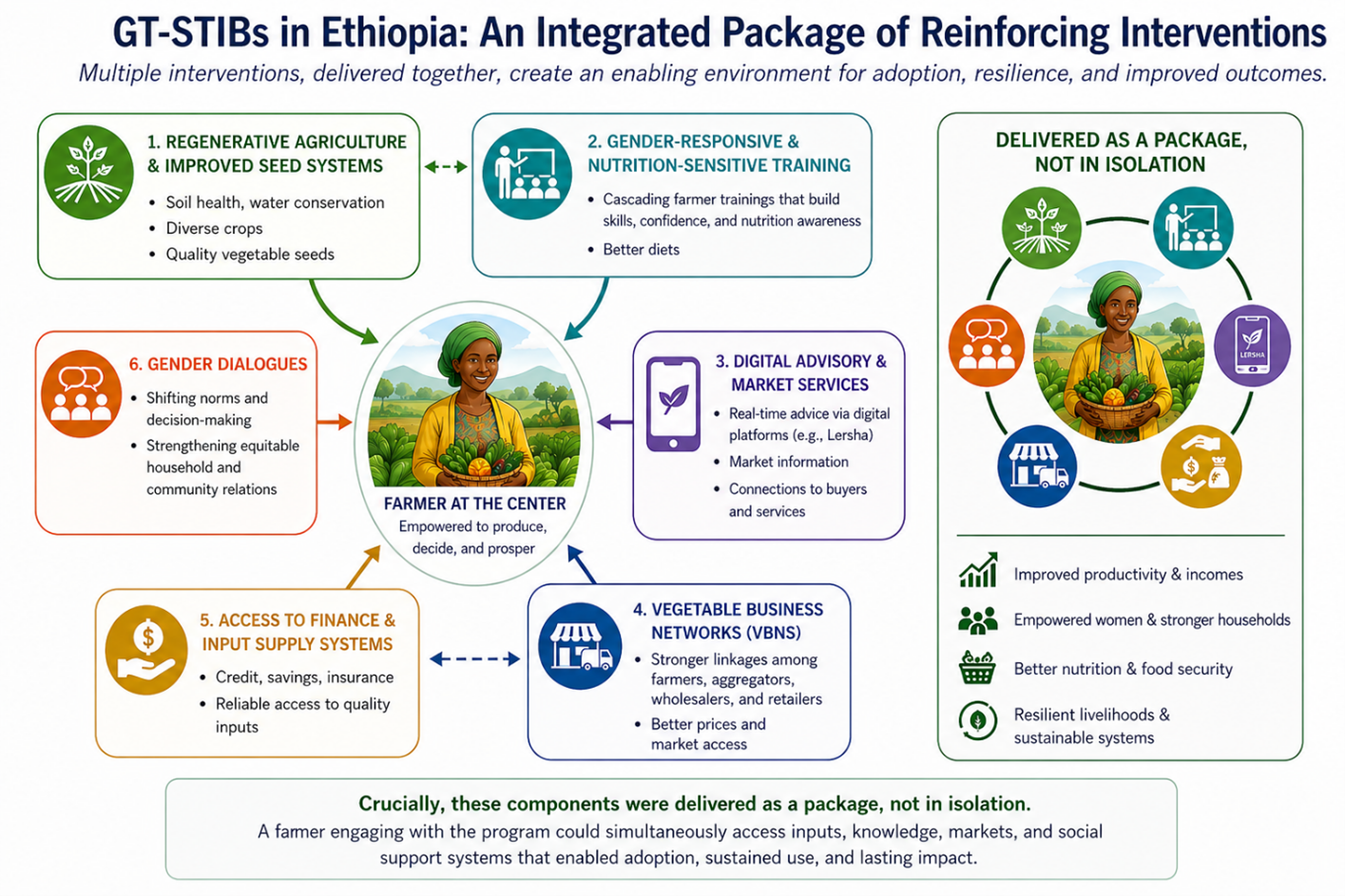
GT-STIBs in Ethiopia: An Integrated Packages of Reinforcing Interventions. Credit: Dessalegn Ketema
What is changing? Emerging evidence from the field
Data collected from 17 kebeles across the two learning labs provides early but robust signals of impact.
1. Bundling drives higher adoption
Adoption rates were significantly higher where integrated bundles were available:
-
50.5% adoption among program participants, compared to 25.2% among non-participants
This confirms that bundling matters. Farmers are more likely to adopt innovations when they are supported by knowledge, markets, and enabling social conditions.
However, gender disparities remain:
-
Men’s adoption rates exceed women’s, highlighting persistent structural barriers
This underscores both the effectiveness of bundling and the importance of strengthening gender-transformative components to close remaining gaps.
2. Food security and nutrition outcomes improve
Participation in GT-STIBs translated into measurable gains in household wellbeing:
- Dietary diversity increased by 8.9%
- Months of food shortage declined by 32.9%
These improvements reflect not only increased production, but also better access to markets, income, and nutrition knowledge.
3. Women’s empowerment strengthens
Across multiple indicators, GT-STIB adopters demonstrate higher levels of empowerment:
- Increased decision-making power within households
- Improved control over resources and income
- Higher overall empowerment scores (including Pro-WEAI measures)
Notably, while adoption improves outcomes for both women and men, the gains for women are particularly important, as they reflect shifts in agency and intra-household dynamics. Importantly, these gains are not accidental. They are directly linked to the inclusion of gender-transformative components within the bundles.
4. Climate resilience is strengthened
Using the Women’s Climate Change Resilience Index (WCCRI), the study assessed four key capacities:
- Anticipatory capacity (access to information and preparedness), increased from about 0.21 to 0.31 for men and 0.19 to 0.27 for women (~40–45% improvement).
- Absorptive capacity (ability to cope during shocks), rose from roughly 0.37 to 0.42 for men and 0.36 to 0.42 for women (~10–15% gain, with women slightly closing the gap)
- Adaptive capacity (ability to adjust practices over time), improved from around 0.46 to 0.52 for men and 0.43 to 0.53 for women (~15–20% increase, with women slightly surpassing men)
- Transformative capacity (agency, voice, and institutional engagement), increased from about 0.31 to 0.39 for men and 0.30 to 0.38 for women (~20–25% gain in agency and institutional engagement)
Overall resilience scores also show a clear shift:
- From ~0.28 to 0.34 for men
- From ~0.26 to 0.35 for women (notably, women’s gains are proportionally larger)
GT-STIB adopters consistently scored higher across these dimensions.
They were:
- more prepared for shocks, with stronger access to climate and early warning information
- better able to cope during crises, relying less on erosive coping strategies
- more capable of adapting practices over time, including uptake of improved and climate-smart techniques
- more engaged in decision-making and governance processes, both within households and in community or institutional settings
They were also more likely to recover better from shocks such as crop pests and diseases, and less likely to resort to harmful coping strategies.
Why does bundling work? Key insights
Three insights emerge from the Ethiopia experience.
The social dimension is central not optional: Gender norms, power relations, and institutional dynamics shape how innovations are accessed and used. Addressing these factors directly unlocks adoption, sustained change and is essential for equitable outcomes.
Interactions between components drive impact: The effectiveness of GT-STIBs lies not in individual elements, but in how they interact. For example:
- Digital tools enhance market access
- Training improves the use and effectiveness of technologies
- Market access creates incentives for adoption
- Gender dialogue enables women to act on new opportunities
Together, these create reinforcing pathways for adoption and impact.
Context-specific design matters: There is no universal “bundle.” Effective GT-STIBs are:
- co-designed with local stakeholders
- tailored to specific agroecological and social contexts
- aligned with existing systems and institutions
Implications for scaling: Rethinking how we invest in innovation
The findings point to a need for a fundamental shift in how agricultural development is financed, designed, and scaled. Rather than investing in isolated technologies with the expectation that social change will follow, there is a clear case for bundle-based investment where resources deliberately support the combination of technologies, skills, market systems, and social transformation processes. This means rethinking funding structures to value integration, embedding gender-transformative approaches into extension and private sector delivery models, and prioritizing long-term system change over short-term outputs. In practical terms, scaling success will depend less on how many technologies are distributed, and more on how well the surrounding ecosystem enables equitable adoption, sustained use, and meaningful impact.
Move beyond “technology push” models
Scaling should focus on transforming systems not just distributing technologies.
Adopt bundle-based investment strategies: Funding models must support integrated approaches. Investing in technologies without the accompanying social and institutional components risks limited or unequal impact.
Embed within national and market systems: For sustainability, GT-STIBs need to be integrated into:
- public extension systems
- private sector service delivery models
- policy frameworks and programs
Measure transformation, not just outputs
Monitoring systems should capture:
- changes in agency and decision-making
- shifts in gender norms
- long-term resilience outcomes
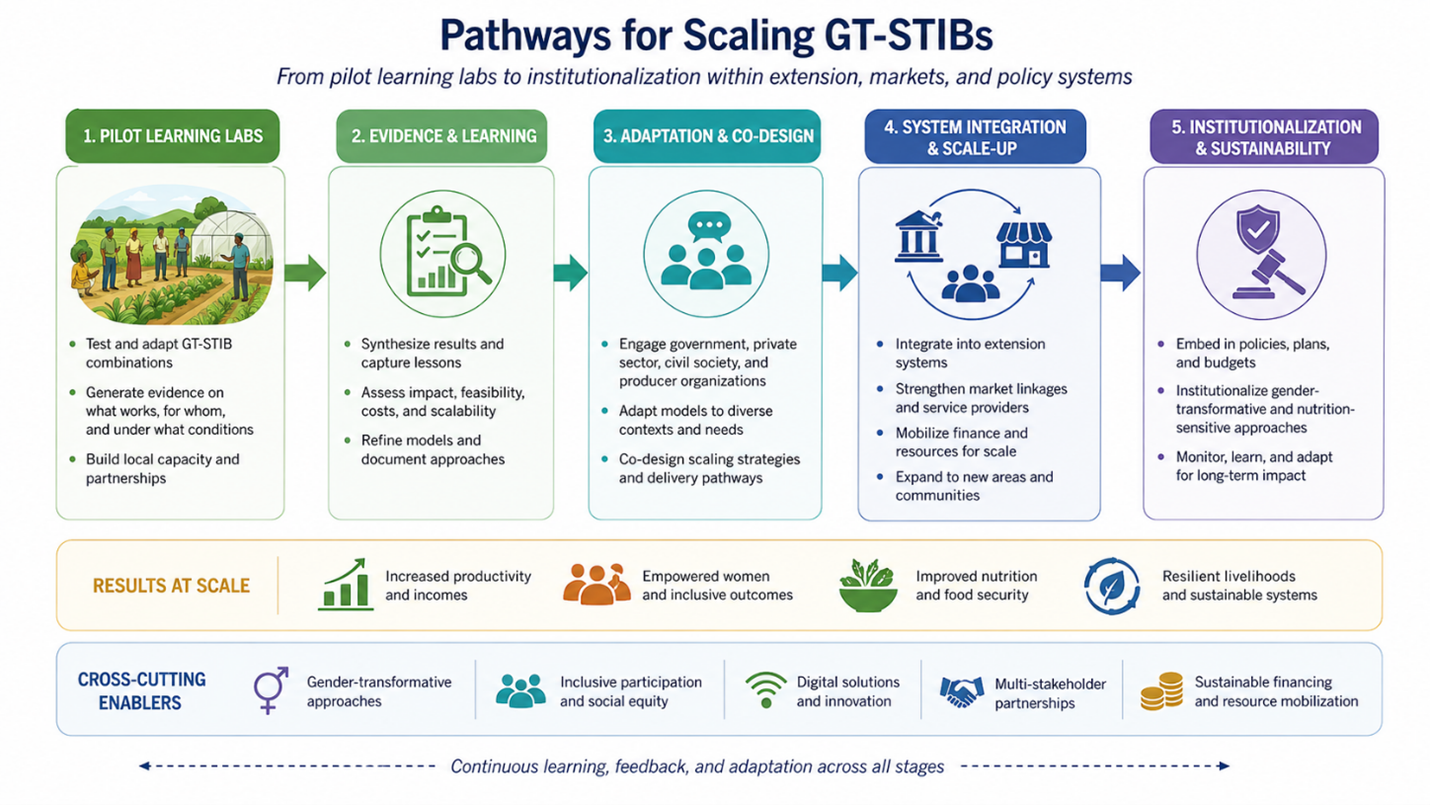
Pathways for Scaling GT-STIBs. Credit: Dessalegn Ketema
Looking ahead: Toward inclusive and resilient agrifood systems
The Ethiopia learning labs demonstrate that integrated, gender-transformative approaches can deliver tangible improvements in adoption, empowerment, resilience, and food security.
At the same time, the findings highlight important next steps:
- closing persistent gender gaps in adoption
- deepening understanding of how bundle components interact
- strengthening long-term measurement of transformative change
Perhaps the most important lesson is this:
The “social” is not an add-on to agricultural innovation it is the foundation that determines whether innovation succeeds or fails.
As development actors, researchers, and policymakers seek pathways toward more inclusive and resilient agrifood systems, GT-STIBs provide a practical, evidence-based approach for moving forward.
The challenge now is not whether bundling works but how to scale it effectively, sustainably, and equitably.