Blog Ethiopia scales up agroecology to transform its food systems
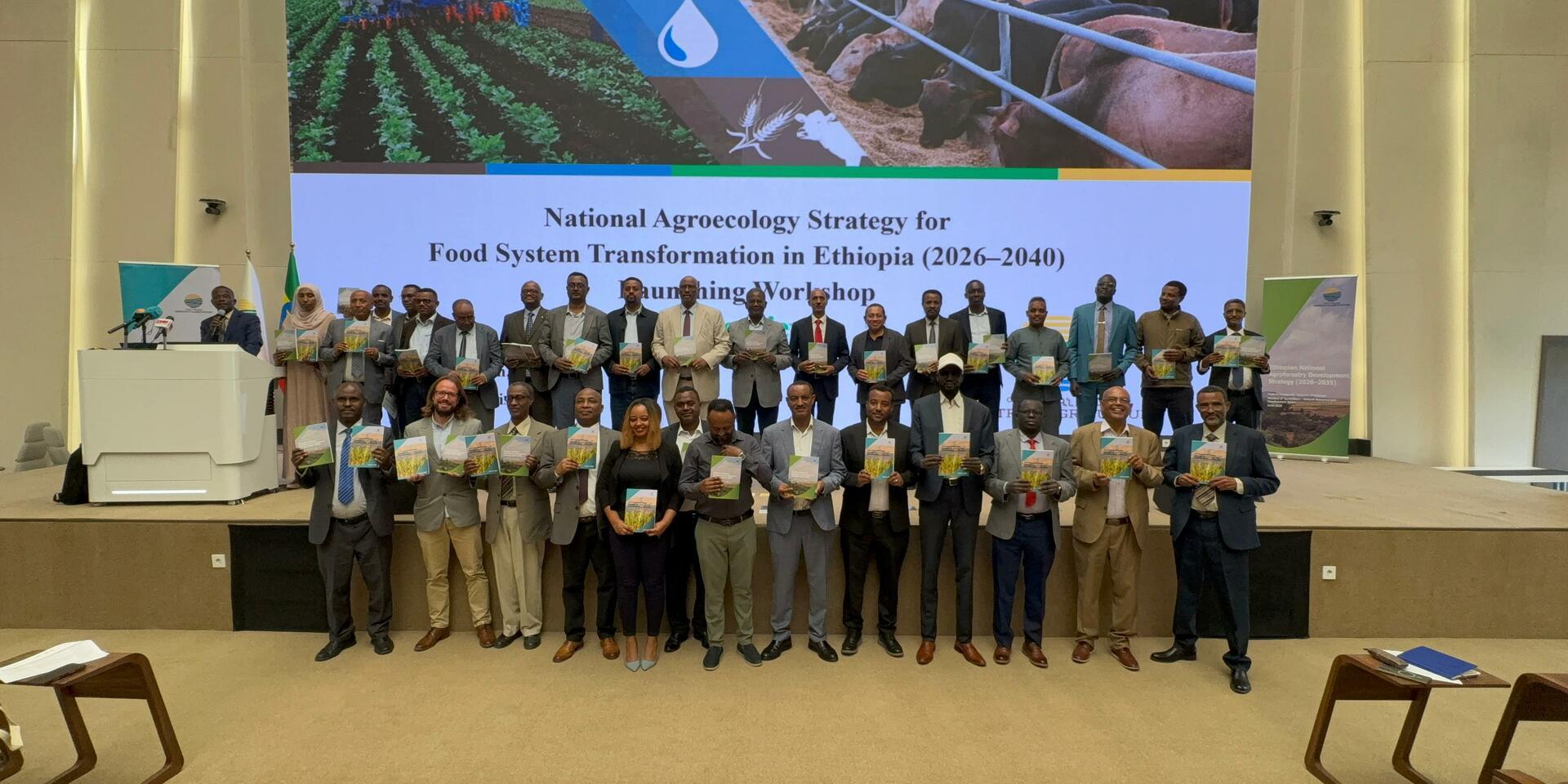

On March 14, 2026, Ethiopia officially launched its National Agroecology Strategy for Food System Transformation (2026–2040), marking a major turning point in the country’s agricultural policy direction.
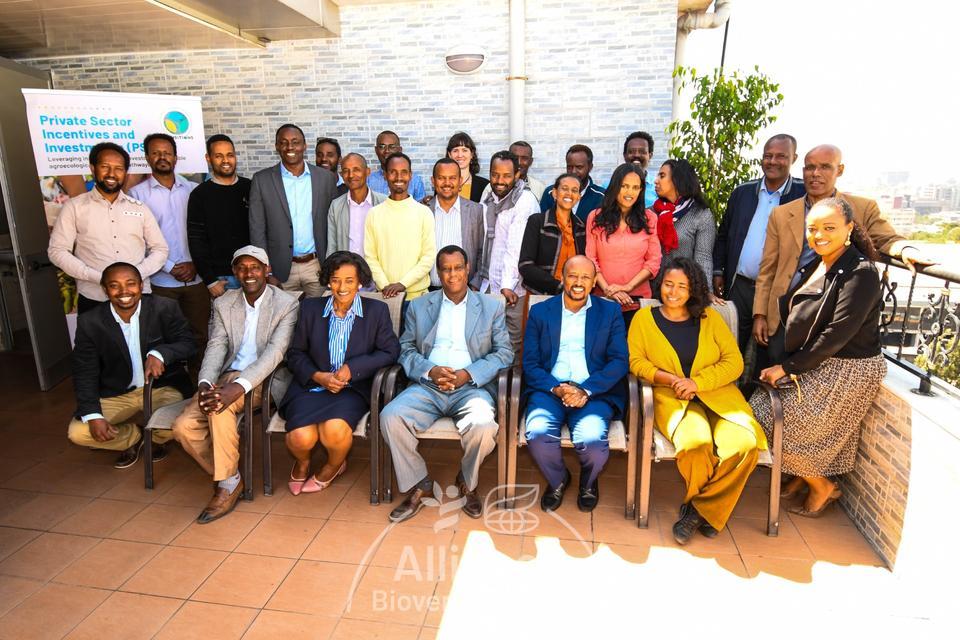
Led by the Ministry of Agriculture, this ambitious roadmap is the result of a one-year multi-stakeholder process involving public institutions, researchers, development partners, civil society, and the private sector. This process was not only technical but deeply consultative, with more than ten national and regional dialogue platforms shaping the final strategy, ensuring that it reflects both scientific evidence and realities on the ground.
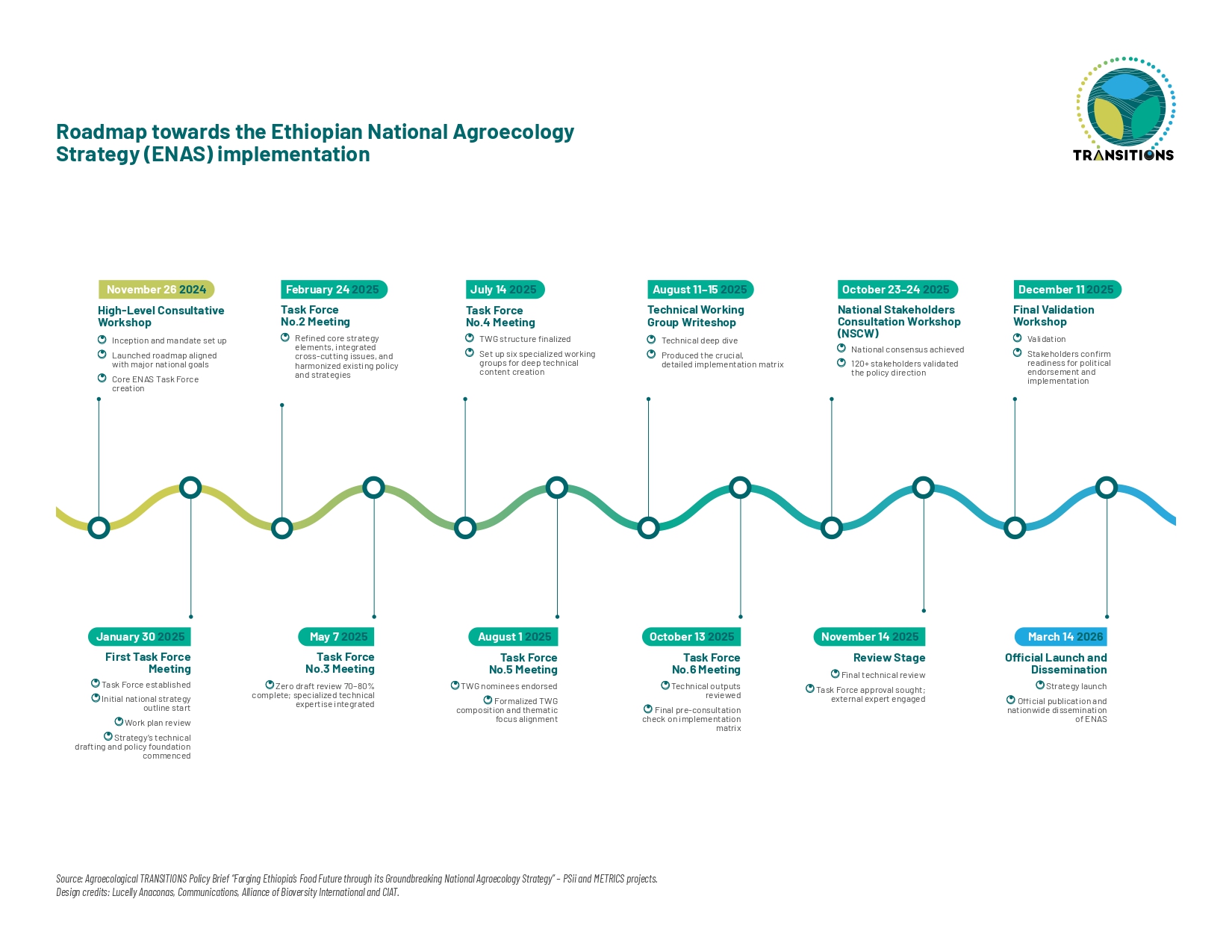
It was co-developed with the technical support of the Alliance of Bioversity International and CIAT, co-chair of the process, and CIFOR-ICRAF as technical secretariat, with support from the EU-funded TRANSITIONS programme under DeSIRA and managed by IFAD and CGIAR Science program on Multifunctional Landscapes (MFL SP), alongside partners such as GIZ, WorldVeg, Irish Aid, and AICCRA-Ethiopia. More than a policy document, this strategy sets out an integrated vision of food systems that connects productivity, climate resilience, ecosystem restoration, and social inclusion.
The official launch event itself brought together high-level representatives from federal and regional governments, universities, and development partners, signaling strong national ownership and commitment to move from strategy to action.
A sector under pressure, a strategy rooted in real urgency
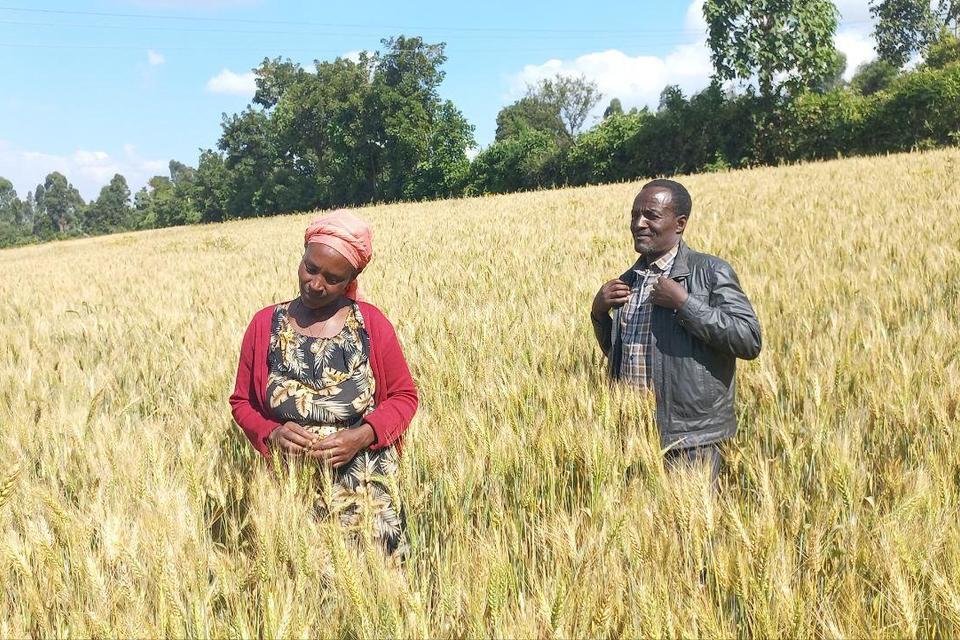
In Ethiopia, agriculture is far more than an economic sector. It is the backbone of livelihoods for millions and remains central to the national economy. It accounts for about 34% of GDP and supports nearly 80% of the population.
Ethiopia is also one of the most agroecologically diverse countries in the world, with 18 agro-climatic zones and 21 of the 32 major soil groups globally, a diversity that creates both opportunity and complexity for managing its agricultural systems.
Yet this central role comes with growing vulnerability. Across many regions, soils are degrading, yields are stagnating, and rainfall patterns are becoming increasingly unpredictable. These pressures are compounded by deforestation, biodiversity loss, and climate variability, all of which threaten the sustainability of farming systems and rural livelihoods. These challenges are not isolated, but deeply interconnected, requiring coordinated and system-wide responses rather than standalone interventions.
The national agroecology strategy begins from this reality. It recognizes that agricultural, environmental, and climate challenges are deeply interconnected and can no longer be addressed in isolation. Rather than offering a single solution, it provides a framework to rethink how production systems and natural resources are managed.
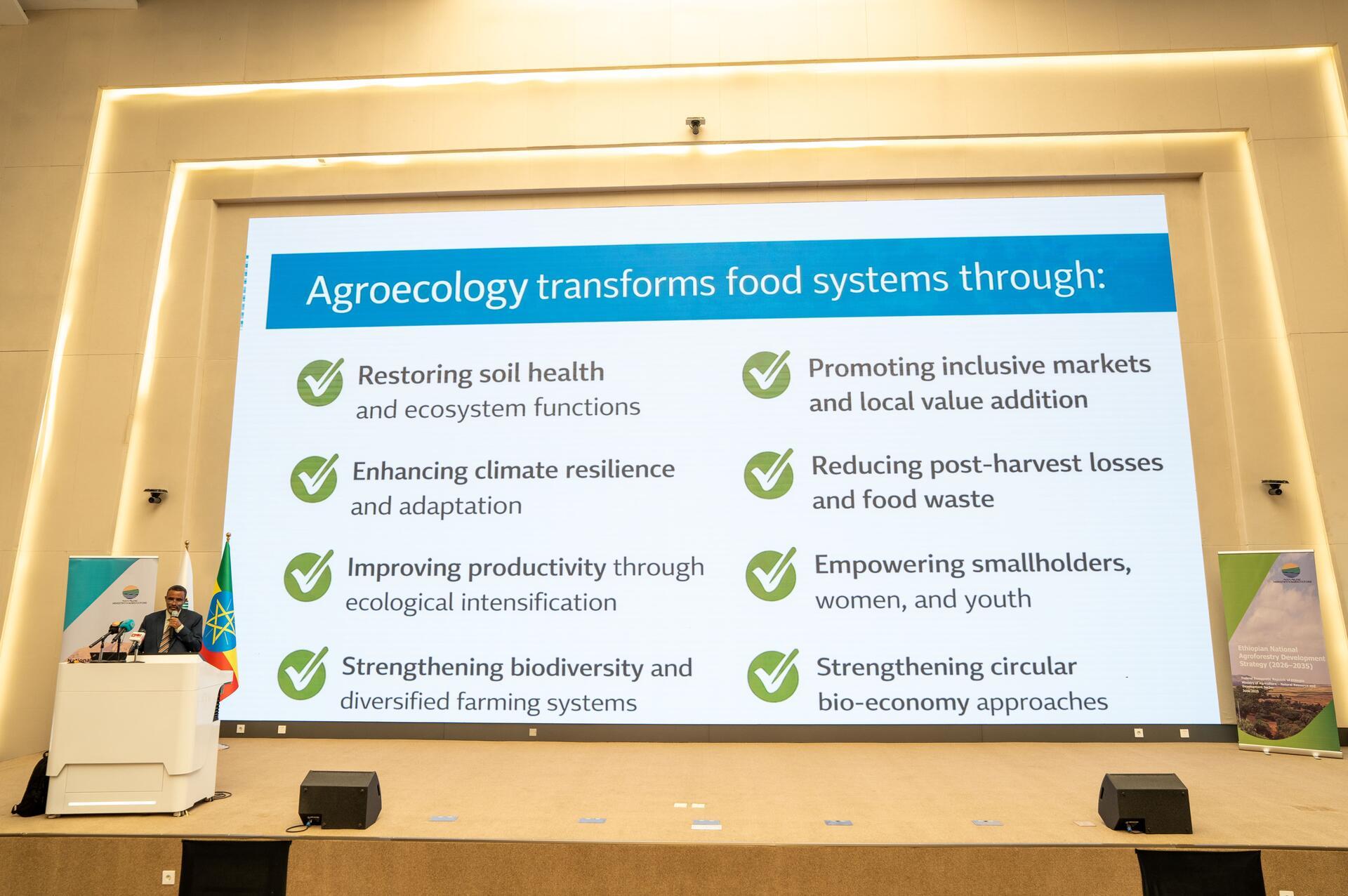
At the launch, Prof. Eyasu Elias, State Minister for Natural Resource Development, captured this shift:
“To ensure a sustainable future for our farmers and our country, we must pursue approaches that increase productivity while restoring ecosystems and strengthening resilience.”
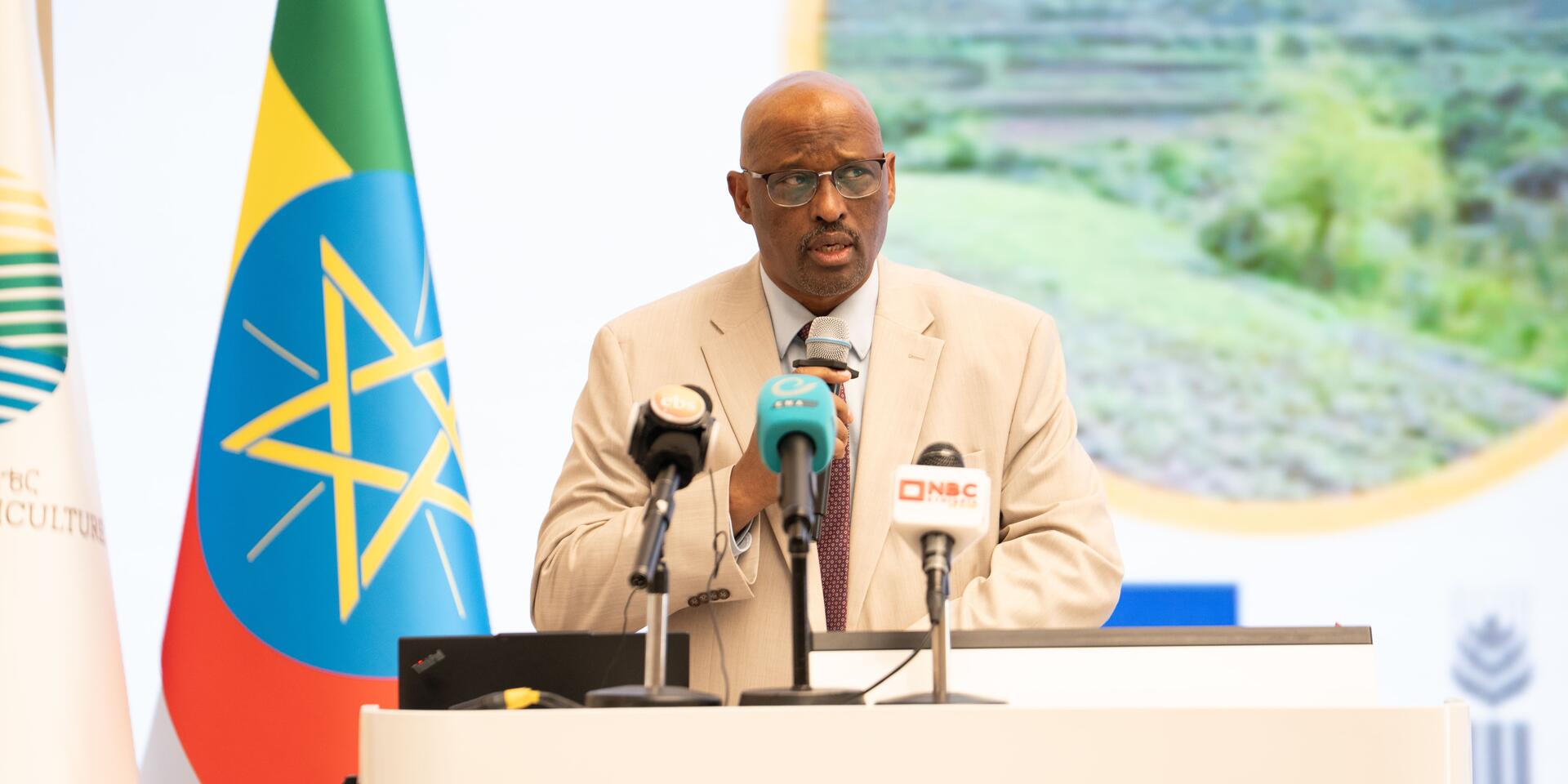
This statement reflects a broader policy transition. Increasing production alone is no longer sufficient. The question is how to do so without undermining the natural resource base.
The strategy is well aligned with Ethiopia’s broader national policy frameworks, including the Agricultural and Rural Development Policy, Homegrown Economic Reform Agenda, the Green Legacy Initiative and the Ethiopian Strategic Investment Framework (ESIF) for sustainable land management, which promote large-scale landscape restoration. It also aligns with global commitments such as the Sustainable Development Goals (SDGs), the Paris Climate Agreement, and the UN Food Systems agenda, ensuring that national priorities are connected to global transformation efforts.
Within this context, agroecology emerges as a pathway capable of linking productivity, resilience, and sustainability.
A systemic vision
What sets this strategy apart is its systemic perspective. Agroecology is not framed as a set of farming techniques, but as a broader transformation of food systems.
Globally, agroecology is increasingly recognized as an approach that can address food security, climate resilience, and environmental sustainability together, particularly in countries with diverse farming systems such as Ethiopia.
Looking toward 2040, this 15-years’ strategy envisions a resilient, inclusive, and sustainable food system that can ensure food security while safeguarding ecosystems.
To achieve this, the national agroecology strategy is structured around six key pillars: sustainable agricultural practices, research and innovation, markets, governance, social inclusion, and sustainable consumption.
These pillars are grounded in internationally recognized agroecological principles, which were adapted to Ethiopia’s context through extensive consultation with researchers, practitioners, and policymakers.
This integrated approach reflects real-world complexity. Improving yields without restoring soils is ineffective. Expanding production without access to markets limits impact.
As highlighted by the State Minister:
“Agroecology offer practical, science-based solutions that integrate trees, crops, soils, water and biodiversity into productive and resilient farming systems.”
He further emphasized that the principles of agroecology build on practices that farmers are already familiar with, strengthening and scaling them rather than replacing them, making the strategy not merely a technical document but a vital engine for the national economy and food system transformation.
The national agroecology strategy, which is built upon 13 global agroecological principles, translates food system transformation goals into concrete practices, including crop diversification, integration of trees into farming systems, improved soil fertility, and sustainable water management.
The strategy also places strong emphasis on inclusion. Women, youth, and marginalized groups are recognized as central actors in transforming food systems. This reflects a deliberate effort to ensure that transformation benefits reach smallholder farmers and rural communities who are at the center of the system.
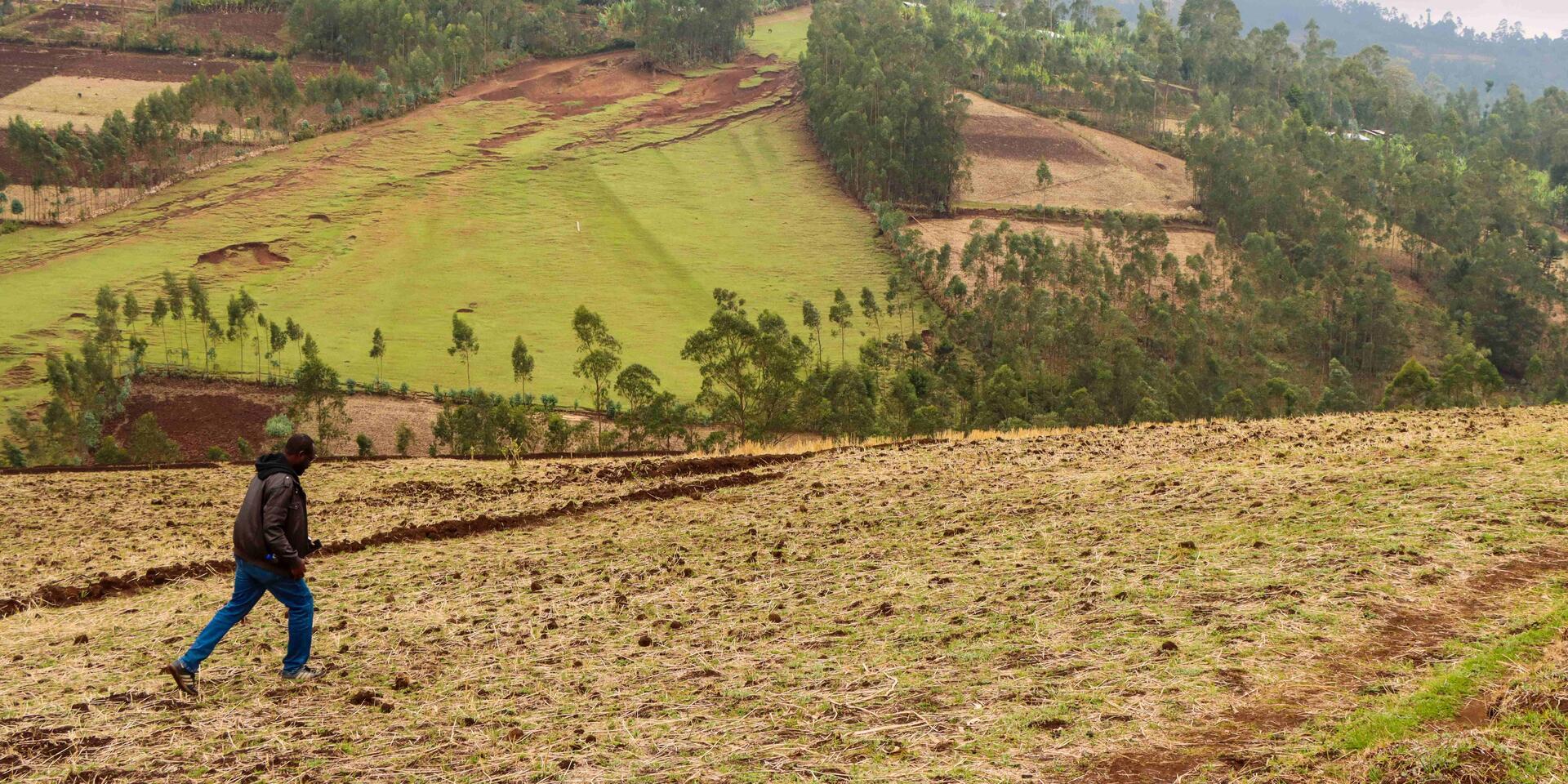
As noted by Jonathan Mockshell, Senior Scientist at the Alliance of Bioversity International and CIAT:
“In Ethiopia, agroecology is no longer just a promise emerging from research or pilot projects. With this strategy, it becomes a shared language connecting science, public policy, and the lived realities of farmers.”
This reflects a key shift: moving from fragmented initiatives to a coordinated transformation.
From vision to implementation: coordination, accountability, and evidence
The real test begins after the launch. Turning strategy into action requires robust implementation mechanisms.
One of the strengths of the document lies in its operational clarity. It outlines multi-level coordination structures, from national to local levels, alongside monitoring, evaluation, and learning systems.
This structure is designed to address a common challenge in public policy: lack of coordination across institutions.
As emphasized during the closing remarks:
“The success of the strategy will depend on strong partnerships and coordinated action.” There was also a clear message that collaboration must translate into accountability, with institutions expected to deliver tangible results by creating strong alignment between federal and regional institutions, with clear roles and responsibilities at each level.
The strategy also underscores the importance of data and evidence. Monitoring changes in soil health, biodiversity, productivity, and livelihoods is essential to track progress and ensure accountability. This includes strengthening systems for data collection and learning, allowing implementation to adapt based on real experiences from the field.
In this context, Jonathan Mockshell highlights the core implementation challenge:
“The true value of this strategy will be measured by its ability to connect national ambitions with decisions made on the ground, where agricultural transformation becomes tangible.”
This evidence-based approach strengthens the credibility of agroecology as a scalable solution.
A collective process with implications beyond Ethiopia
Beyond its content, the strategy reflects a new way of designing agricultural policy.
It is the outcome of a one-year participatory process involving a wide range of stakeholders across national and regional levels.
Throughout the event, speakers highlighted that this inclusive process has created a strong sense of ownership within the Ministry of Agriculture and among its partners. The involvement of development partners was described as supportive, while leadership and ownership remained firmly with national institutions.
This approach signals an important shift. The challenge today is not only to generate innovations, but to embed them within public policy systems.
Ethiopia’s experience offers a concrete example of how this can be done.
It shows how agroecology can move from pilot initiatives to a national strategy, aligned with broader development priorities.
The strategy also connects with major national initiatives. The Homegrown Economic Reform Agenda emphasizes agricultural transformation as a driver of economic growth, while the Green Legacy Initiative demonstrates Ethiopia’s commitment to landscape restoration.
By linking these agendas, the agroecology strategy positions itself at the intersection of economic transformation and environmental sustainability.
Ultimately, this launch speaks beyond Ethiopia. It offers insights for other countries seeking to balance productivity, resilience, and sustainability.
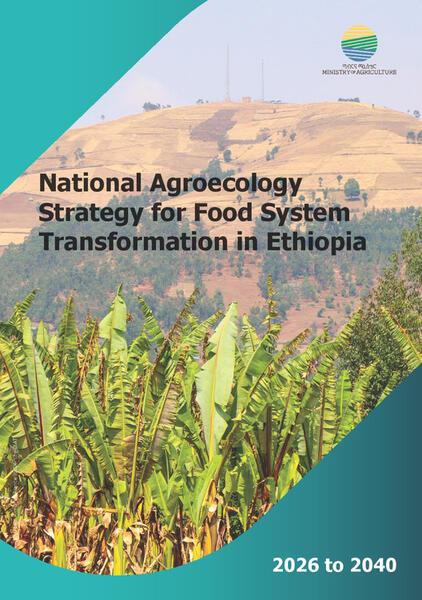
Discover the Strategy:
The team

Jonathan Mockshell
Scientist and Project Leader
Degefie Tibebe
Research Specialist
Silvia Araujo de Lima
Senior Research Associate
Yodit Balcha
Climate Change Adaptation| Research Officer IIKeep exploring
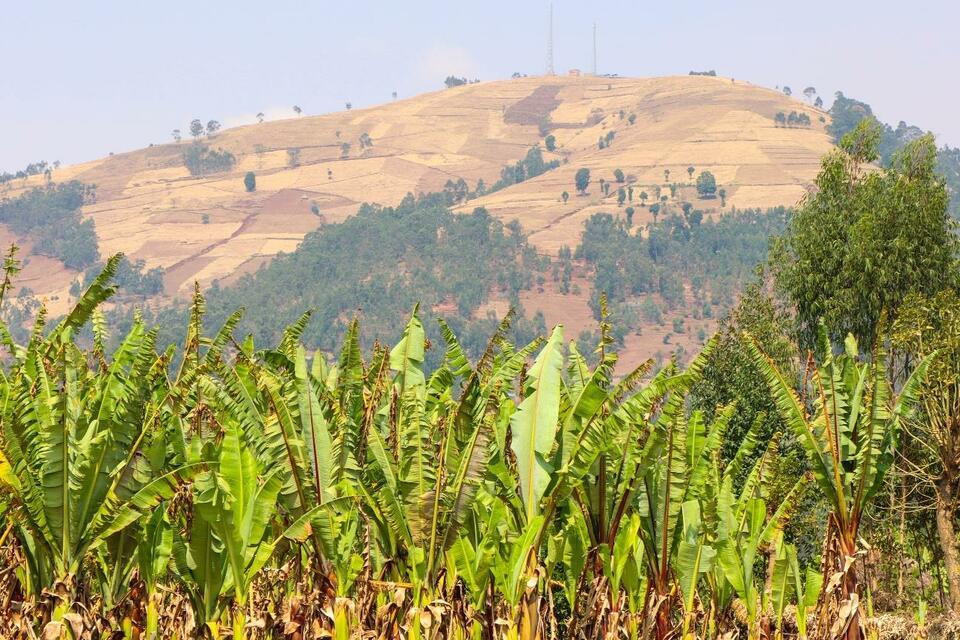
The Alliance at the Ethiopian National Agroecology Strategy launch