From the Field Enhancing climate resilience in bean production systems despite increasing weather extremes

Researchers from the Alliance of Bioversity International and CIAT, together with KALRO, are enhancing climate resilience in bean production across Kenya through the BIOBELIEF Project, launched to address the impacts of emerging weather extremes on food security.
Climate change is no longer a distant threat—it is here, reshaping agricultural systems across the globe. One of the most critical impacts of climate change is unpredictable rainfall patterns and prolonged droughts, which threaten food security, especially in sub-Saharan Africa where millions of people depend on rain-fed agriculture. Among the crops most affected by drought stress is the common bean (Phaseolus vulgaris L.): a staple in many households and an affordable source of protein, iron and dietary fiber.
Common beans are highly sensitive to water stress, and their yields can decline drastically when drought occurs at key growth stages., noted Boaz Waswa, the BIOBELIEF Project Lead.
This is where the BIOBELIEF Project comes in, addressing these challenges head-on by developing and testing drought tolerance of biofortified bean varieties. BIOBELIEF: (BIOfortification of common Bean to promote heaLthy dIEt and Food security in a context of climatic variation) Project, is funded under the ERA-NET co-funding on Food Systems and Climate (FOSC) (Home - M-ERA.NET). It is a collaborative project involving partners from Kenya, Italy and South Africa. The Kenya component is funded through the National Research Fund – NRF Kenya of the Ministry of Education Science and Technology, Kenya, and led by the Alliance of Bioversity International and CIAT in collaboration with Kenya Agricultural and Livestock Research Organization (KALRO).
Why beans and why now?
Beans are sometimes referred to as the 'poor man’s meat', not because they are inferior, but because they offer affordable, high-quality nutrition. They are rich in protein, iron, zinc and dietary fiber, making them an ideal food for combating malnutrition. However, the crop’s potential is constrained by its sensitivity to moisture stress.
Globally, 60% of beans are grown in drought-prone regions, and in Kenya, erratic rainfall patterns mean that farmers often experience massive yield losses. These losses not only affect household food security but also the wider bean value chain—from farmers and traders to processors and consumers.
The BIOBELIEF project seeks to break this cycle by identifying bean varieties that can withstand drought stress while maintaining high nutritional quality. In particular, the project is testing biofortified bean varieties with enhanced iron content and reduced anti-nutritional factors, ensuring both resilience and better health outcomes.
Understanding moisture stress in beans
The research recognizes that drought stress impacts beans differently depending on the growth stage. To capture this, the experiments simulate water stress at three key stages:
- Vegetative stage (WV) – This first stage is when the plant is growing leaves and stems. Introducing stress here stunts plant growth, reduces leaf area, and lowers the photosynthetic capacity. This weakens the plant, limiting its ability to support later development. Yield losses at this stage can be 30–40%, as plants may fail to establish sufficient biomass to support flowering and podding.
- Flowering stage (WF) – This is when the plant begins reproduction. Water stress during flowering is particularly devastating. Flowers may abort, leading to reduced pod formation. Pollination and fertilization are also impaired under drought conditions. Yield losses at this stage can reach 60–70%, making it the most critical stage for water management.
- Podding stage (WP) – At this stage, the pods are filling with seeds. Water stress here leads to smaller pods, fewer seeds per pod, and shriveled grains. The weight of seeds declines significantly, affecting both quantity and quality of harvest. Losses at this stage range between range 40–50%, directly reducing farmer income and grain available for markets.
These reductions cascade down the bean value chain: farmers lose income, traders face shortages, processors encounter inconsistent supplies, and consumers pay higher prices for lower-quality beans.
The experimental trials
To study and address these challenges, the BIOBELIEF trials are being conducted at three sites: The Alliance of Bioversity and CIAT's Greenhouse in Nairobi, KALRO-AMR Katumani, and KALRO Horticultural Research Institute (HRI) Kandara. The project is implemented under KALRO’s National Beans Research Program and aligned with the objectives of the PABRA (Pan African Bean Research Alliance). The trials use both greenhouse and field setups to simulate drought at vegetative, flowering, and podding stages. A total of 18 varieties under study include Kenyan lines like Nyota, Angaza, Faida and Waithera, as well as international lines from Italy (Meccano) and South Africa (PAN 148). Control and biofortified low-phytate lines (lpa1-1, lpa2, lpa3) are also included.
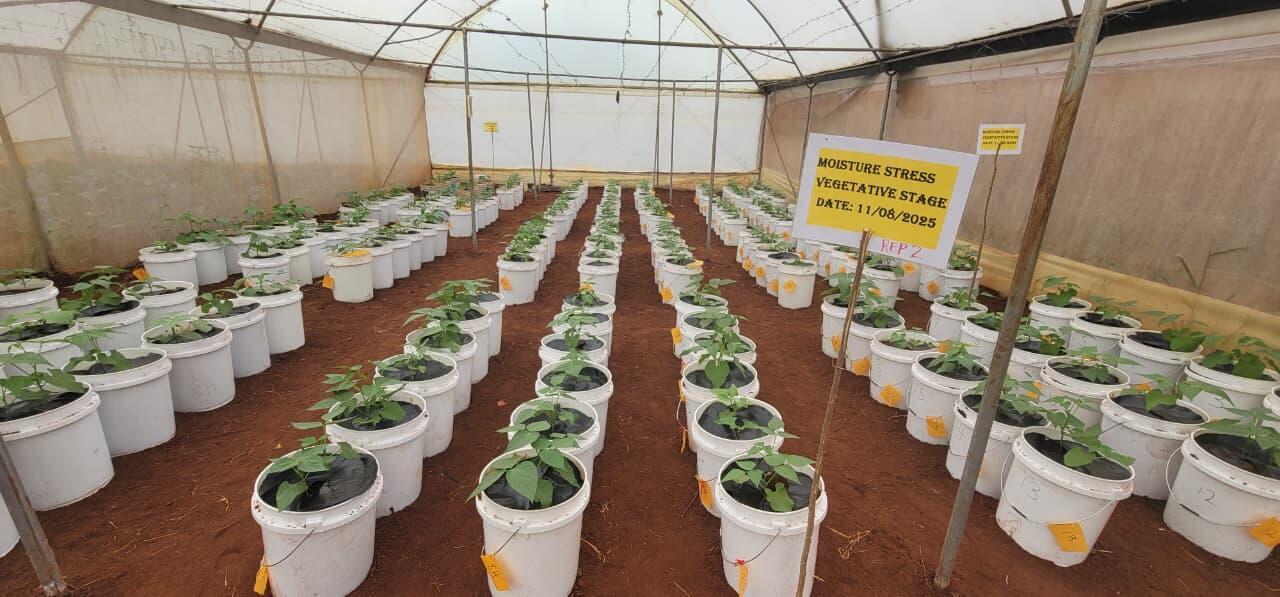
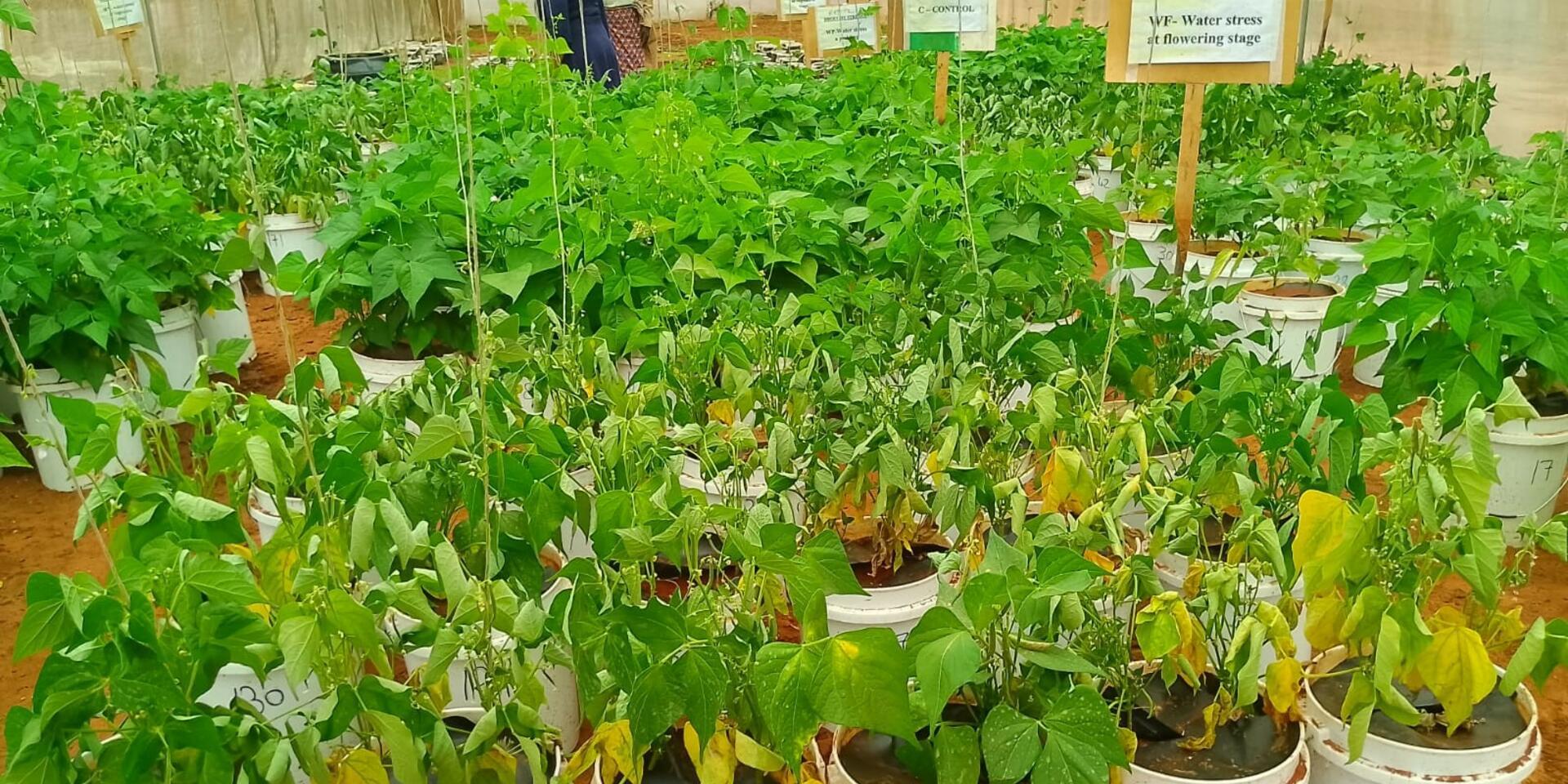
Experimental set up in a greenhouse at KALRO Kandara.
Data collection and indices
To ensure robustness of the research, various parameters are being measured to determine multiple traits and effects of the moisture stress at various stages: Soil moisture, growth traits (days to germination, flowering, leaf wilting) and yield traits (number of pods, seed number per pod, 100-seed weight, grain yield) and biomass (root and shoot biomass).
Using the data collected the project will derive indices to inform impact of drought stress and help identify varieties that maintain stable performance under rainfall fluctuations.
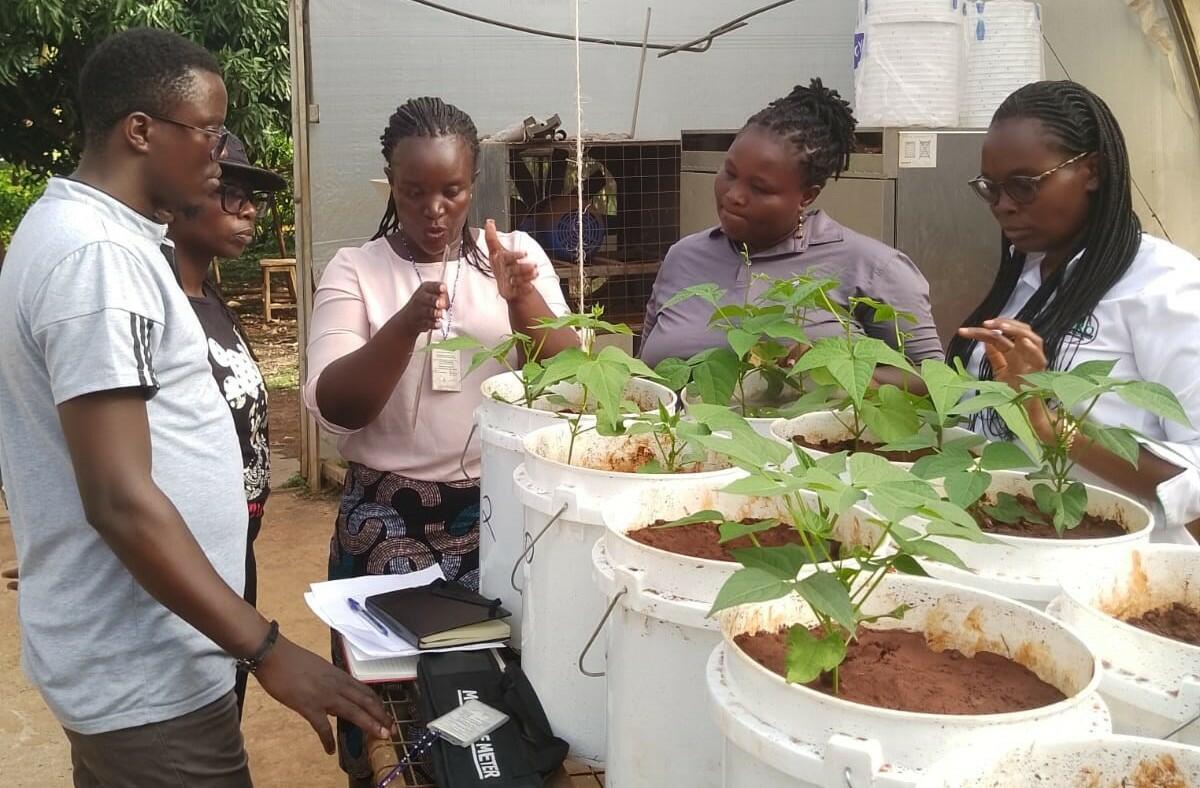
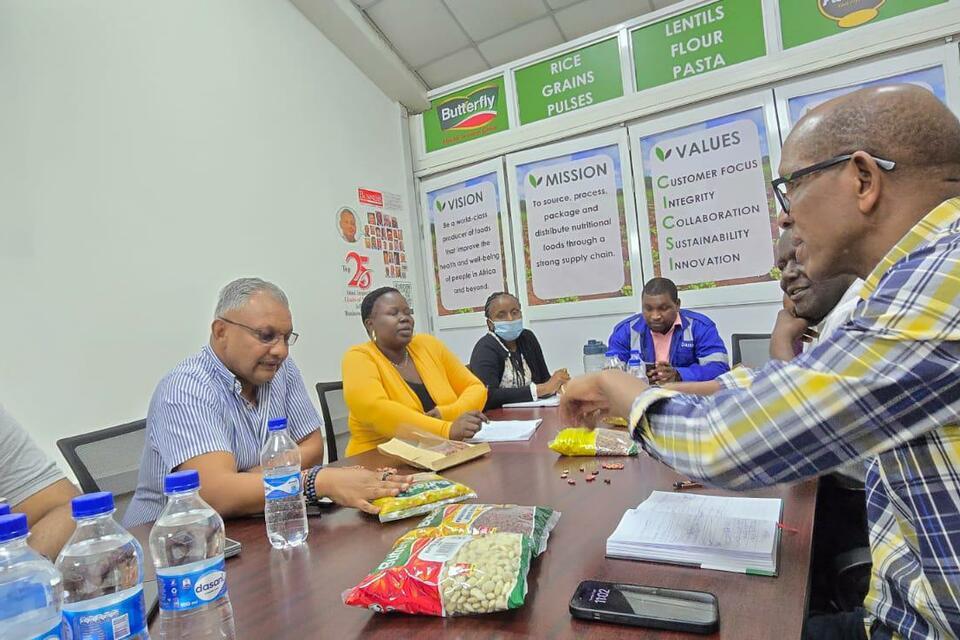
CIAT and KALRO research team at the CIAT Greenhouse.
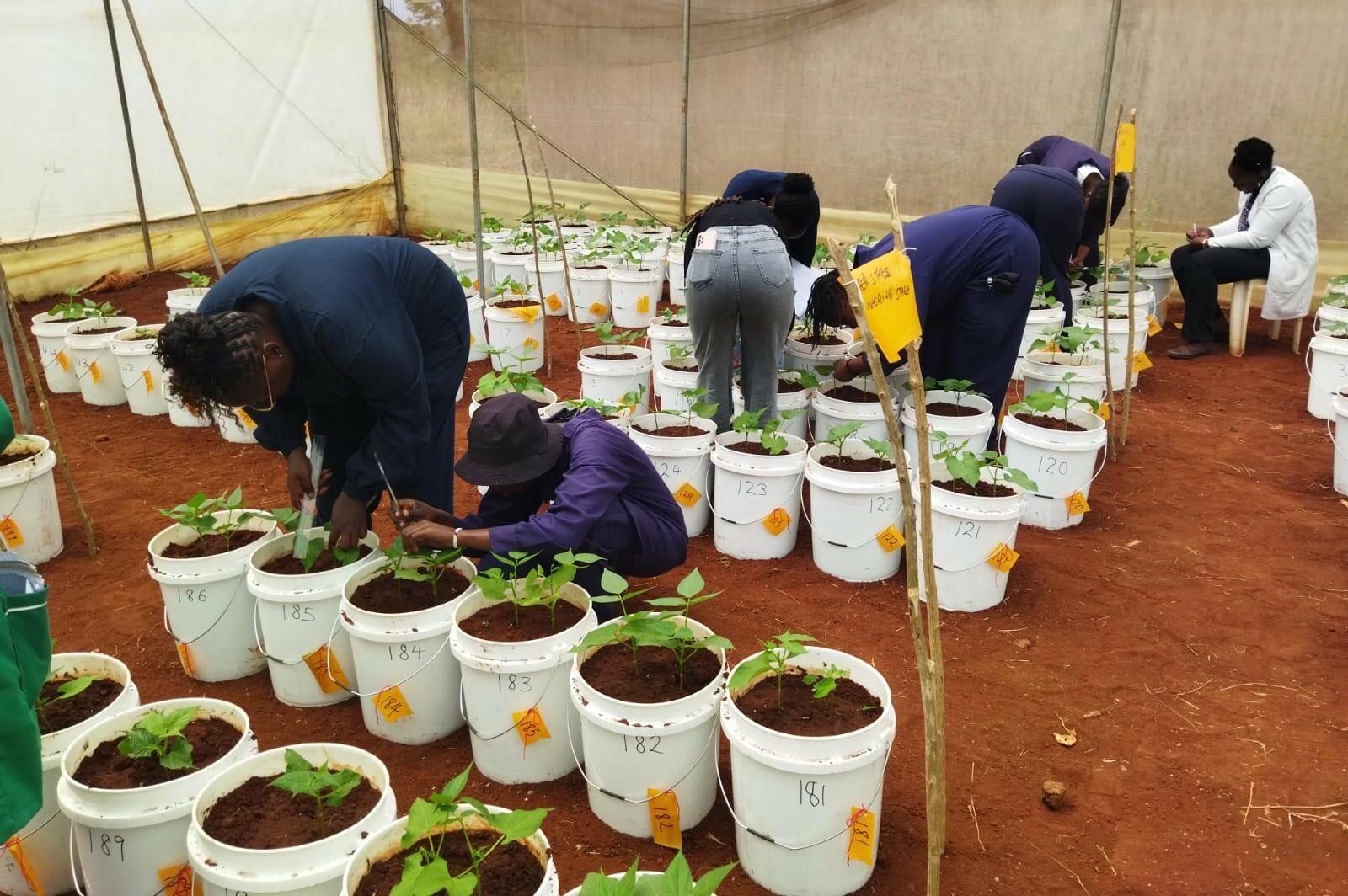
Student training in data collection at KALRO Kandara trial.
Institutional support and collaboration
The project has received strong institutional backing. During the Katumani visit, the team engaged with Dr. Patrick Ketiem, Director of AMRI-Katumani, who assured full support for logistics, field operations, and technical collaboration. Such leadership support is vital for scaling the project beyond experimental plots into real farming systems.
The project has enabled cross-centre visits and interactions among researchers, enhancing collaboration and knowledge exchange in areas of data collection, protocols, and harmonized parameters across sites. This ensures consistency and comparability of results, strengthening the scientific integrity of the project.
The trials have also served as learning labs for students from various institutions undertaking their internship and training in agronomy and breeding.
The BIOBELIEF project is an example of how collaborative, multi-stakeholder research can tackle urgent agricultural challenges facing the agricultural sector.
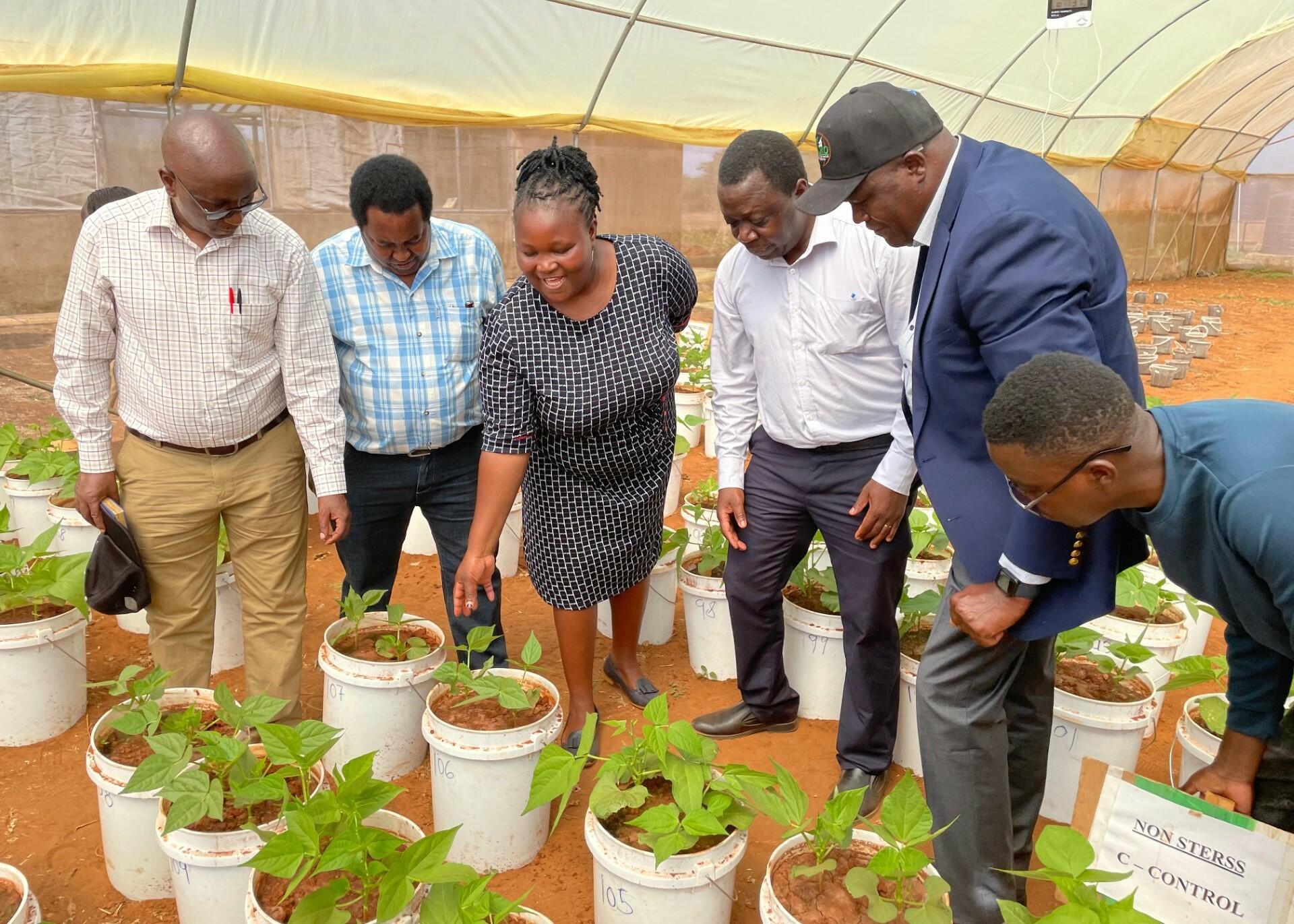
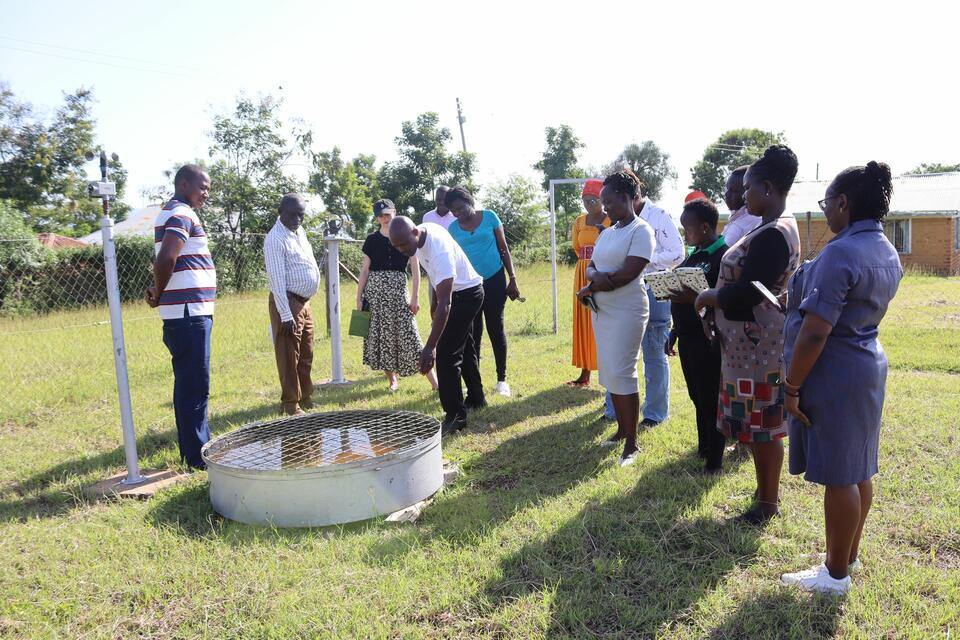
Dr. Patrick Ketiem (in cap), Director of AMRI-Katumani with the BIOBELIEF project team inspecting the trial at Katumani.
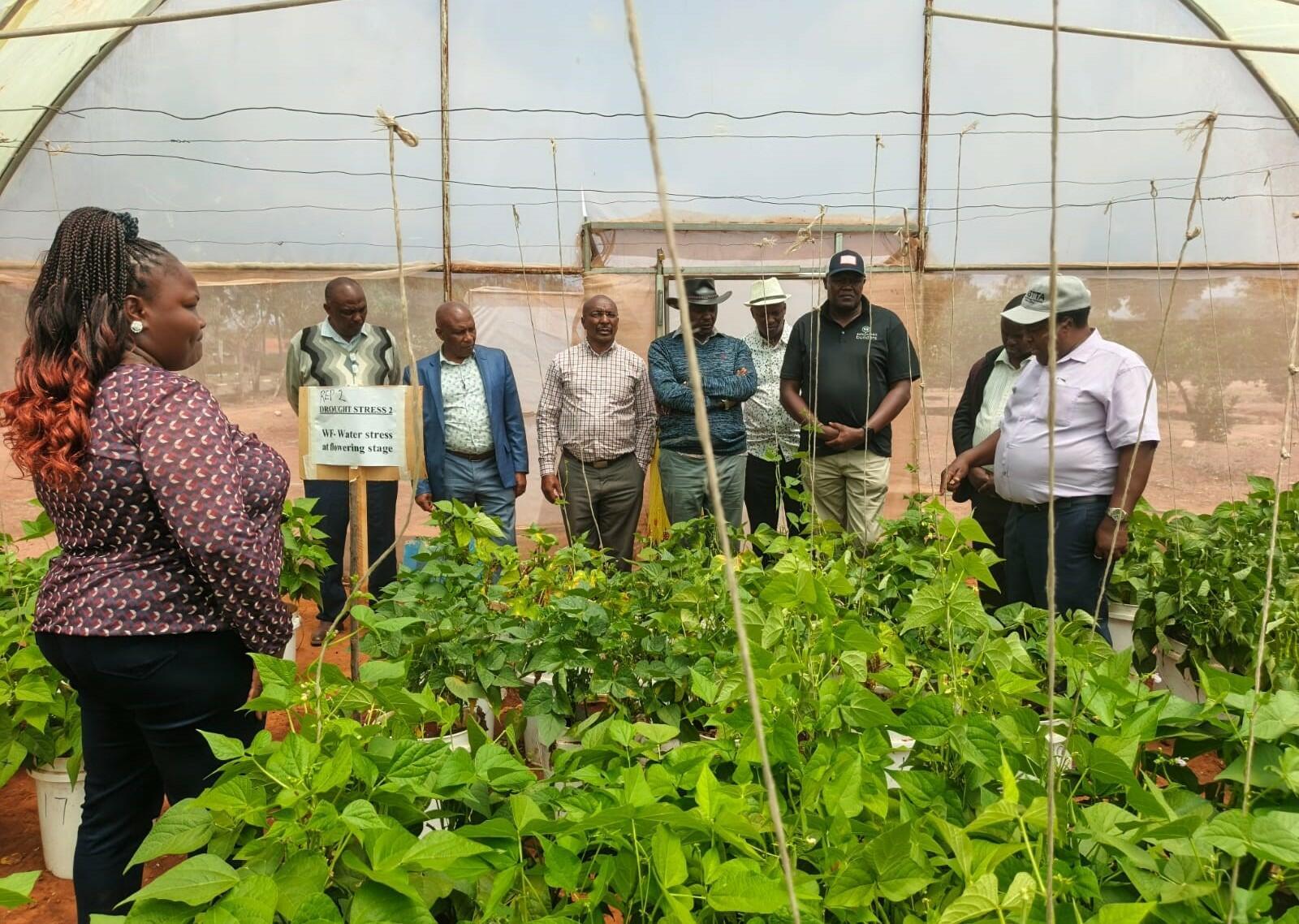
Wincaster Makoani explaining bean drought breeding trials to Dr Thuo Mathenge, Chairman KALRO Board of Management, Dr. Patrick Ketiem, Director of AMRI-Katumani and private investors at KALRO Katumani.
Broader impacts on the bean value chain
The implications of this research extend beyond the farm. The project seeks to stabilize farmer incomes by reducing yield variability, thereby providing more reliable earnings for smallholder households. It also aims to strengthen market supply chains, ensuring that processors and traders have consistent and dependable bean supplies. At the same time, the initiative enhances nutritional security by promoting iron-rich beans that address hidden hunger among vulnerable populations. Furthermore, it builds climate resilience for smallholder farmers, equipping them with the capacity to adapt to increasingly unpredictable weather conditions.
Looking ahead
The research team will generate data that identifies the most drought-tolerant and nutrient-rich bean lines. These varieties will then be scaled up for on-farm adoption through participatory trials and dissemination via PABRA’s extensive farmer networks. In essence, BIOBELIEF is not just about science—it is about securing livelihoods, improving nutrition, and preparing Africa’s agricultural systems for a changing climate.