Blog From roots to resilience: BRAINS cruises into year two with purpose and power

BRAINS enters its second year, uniting 15 African countries to boost climate resilience through beans, beneficial insects, and fruit trees—scaling innovations, empowering farmers, and transforming agriculture into a digital, inclusive movement.
What began as an unlikely combination of beans, beneficial insects and fruit trees is now blossoming into one of sub-Saharan Africa’s most innovative agricultural transformations – a powerful reminder that small beginnings can seed monumental change.
By the end of its first year, the Building Equitable Climate Resilient African Bean & INsect Sectors (BRAINS) Project - spearheaded by Alliance of Bioversity International and CIAT through Pan-Africa Bean Research Alliance (PABRA) and the International Centre of Insect Physiology and Ecology (icipe) - had gained significant momentum. 13 of 15 countries were onboarded to reimagine farming systems through bundled climate-smart technologies. With the recent onboarding of Guinea-Conakry and Madagascar, all 15 implementing countries are now actively engaged. BRAINS is now evolving into a pan-African movement, meant to build climate resilience by integrating value chains of beans, beneficial insects, integrated pest management and fruit trees like mango, citrus and avocado; promoting low-carbon practices; and empowering women and youth farmers.
Now entering its second year, the focus sharpens: refined strategies, stronger partnerships, and an emphasis on scaling proven interventions, such as climate-resilient bean varieties, Black Soldier Flies (BSF), bio-based pest management, and digitalization of stakeholders, creating an online ecosystem connecting farmers to markets, financing, and knowledge.
Climate-smart transitions: Cameroon implements, Zambia innovates
In Cameroon, the BRAINS initiative swiftly moved from vision to action. With 33 project sites identified early on, the country made a decisive leap from planning to full-scale implementation. Supported by 18 partner organizations and four key off-takers managing 671 tons of produce – with strategies in place to scale this further – Cameroon is actively embedding climate-smart technologies into both its agricultural practices and market systems.
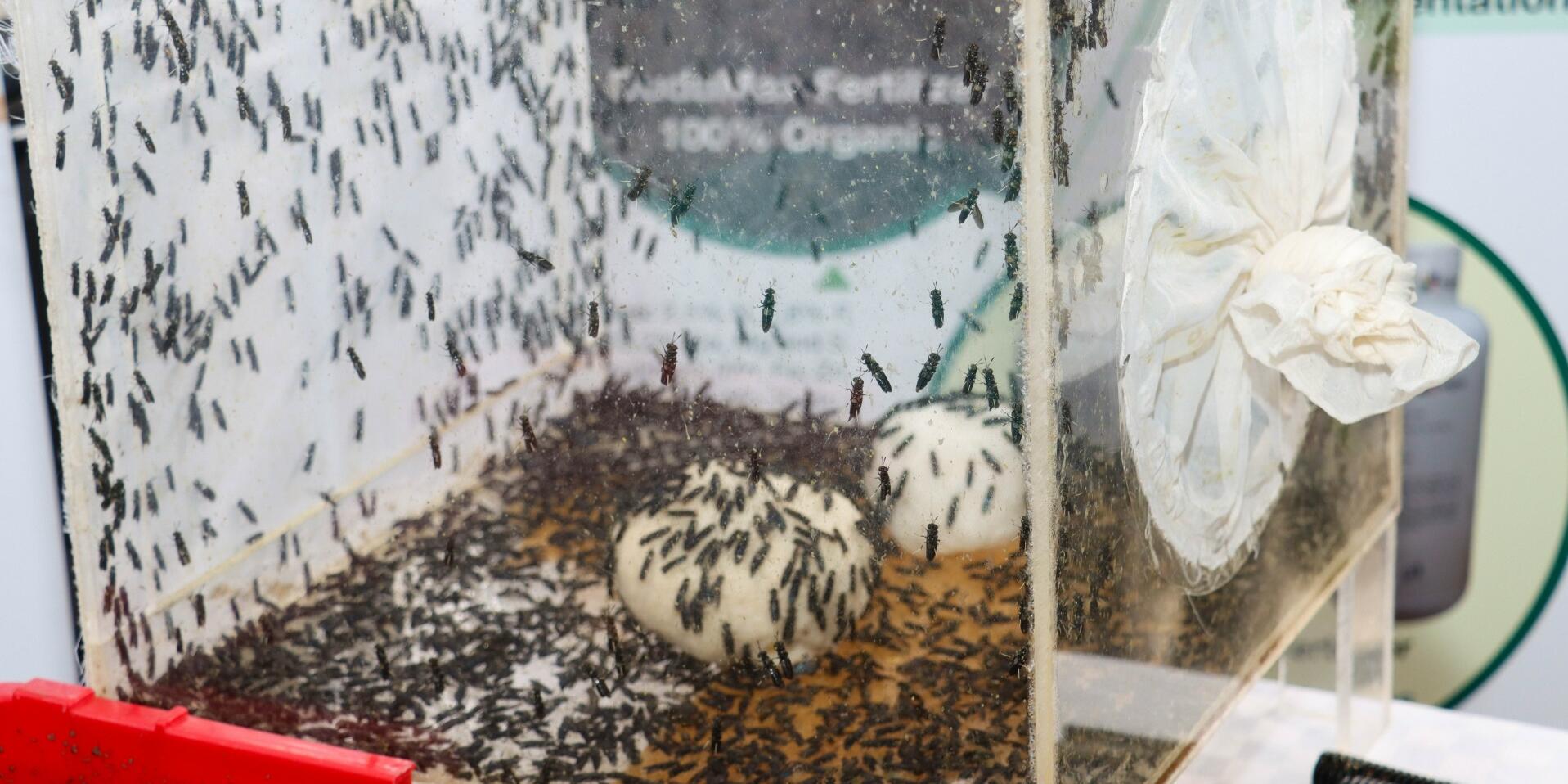
Crucial insects: Black Soldier Flies play a key role in advancing climate-smart solutions under the BRAINS initiative
Over 2,370 farmers have already benefited from bundled interventions that are both practical and innovative. These include climate-resilient bean varieties, BSF systems for organic waste recycling and frass-based fertilization, and the use of biopesticides and integrated pest management. Farmers are also adopting beekeeping, fruit tree intercropping, renewable energy solutions, and post-harvest technologies that cut losses and boost incomes.
Meanwhile, Zambia is actively shaping its own trajectory. A surge of interest from women and youth has brought fresh energy to the project, turning farms into living laboratories of innovation and resilience. Zambia’s strategy centers on climate-smart bean varieties and the use of liming to correct soil acidity and boost productivity. This is enhanced by strip cropping systems integrating pigeon pea and Gliricidia, improving soil health while providing diverse income and nutrition sources. Through this blend of science and community engagement, Zambia is not only restoring its soils but also creating opportunities for the next generation with women and youth stepping forward as leaders in climate-smart farming and agri-entrepreneurship.
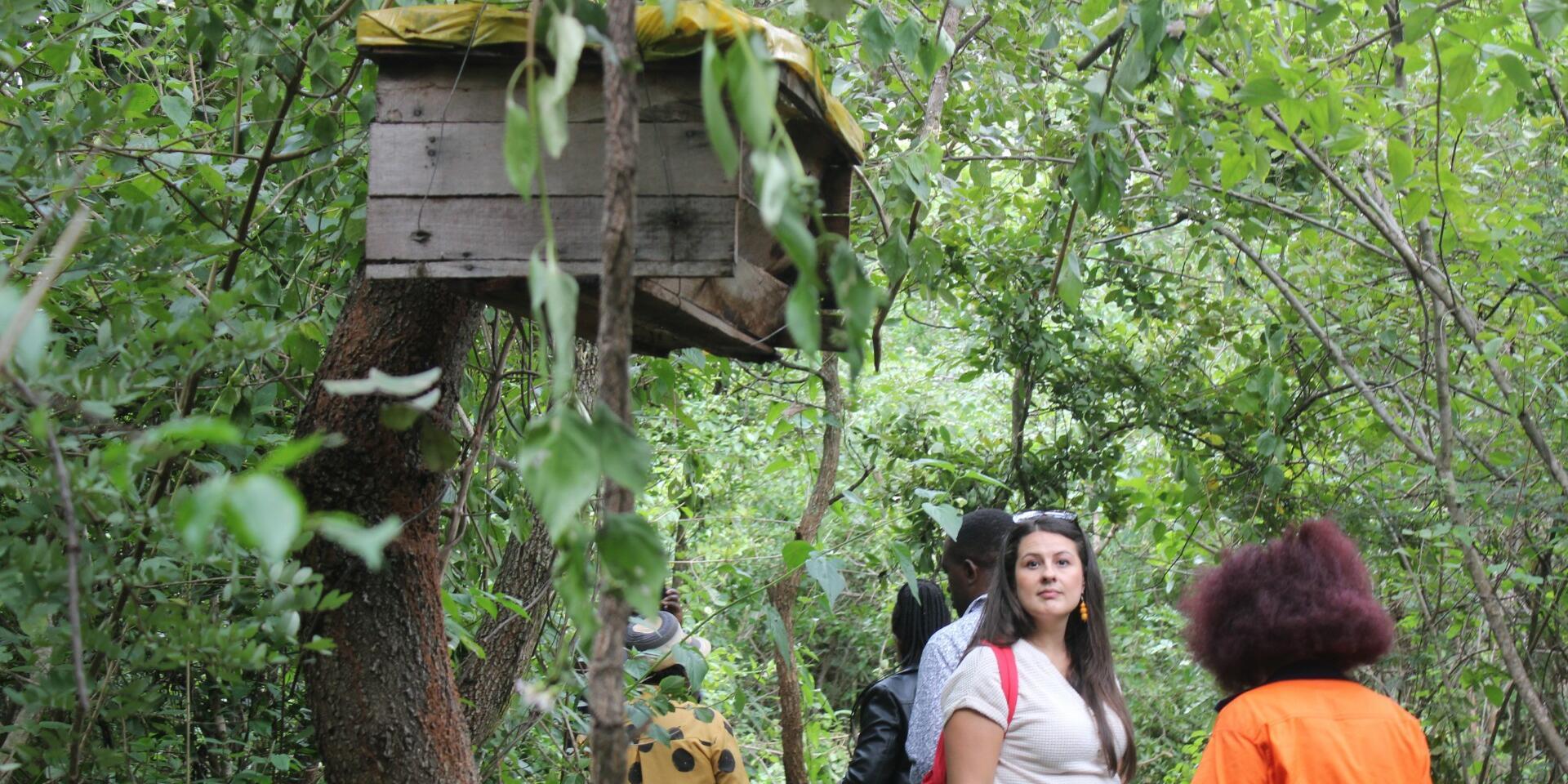
Global Affairs Canada (GAC) Representative Alicia Sosa visits honeybee apiary owned by Zambia farmer during her February 2025 mission
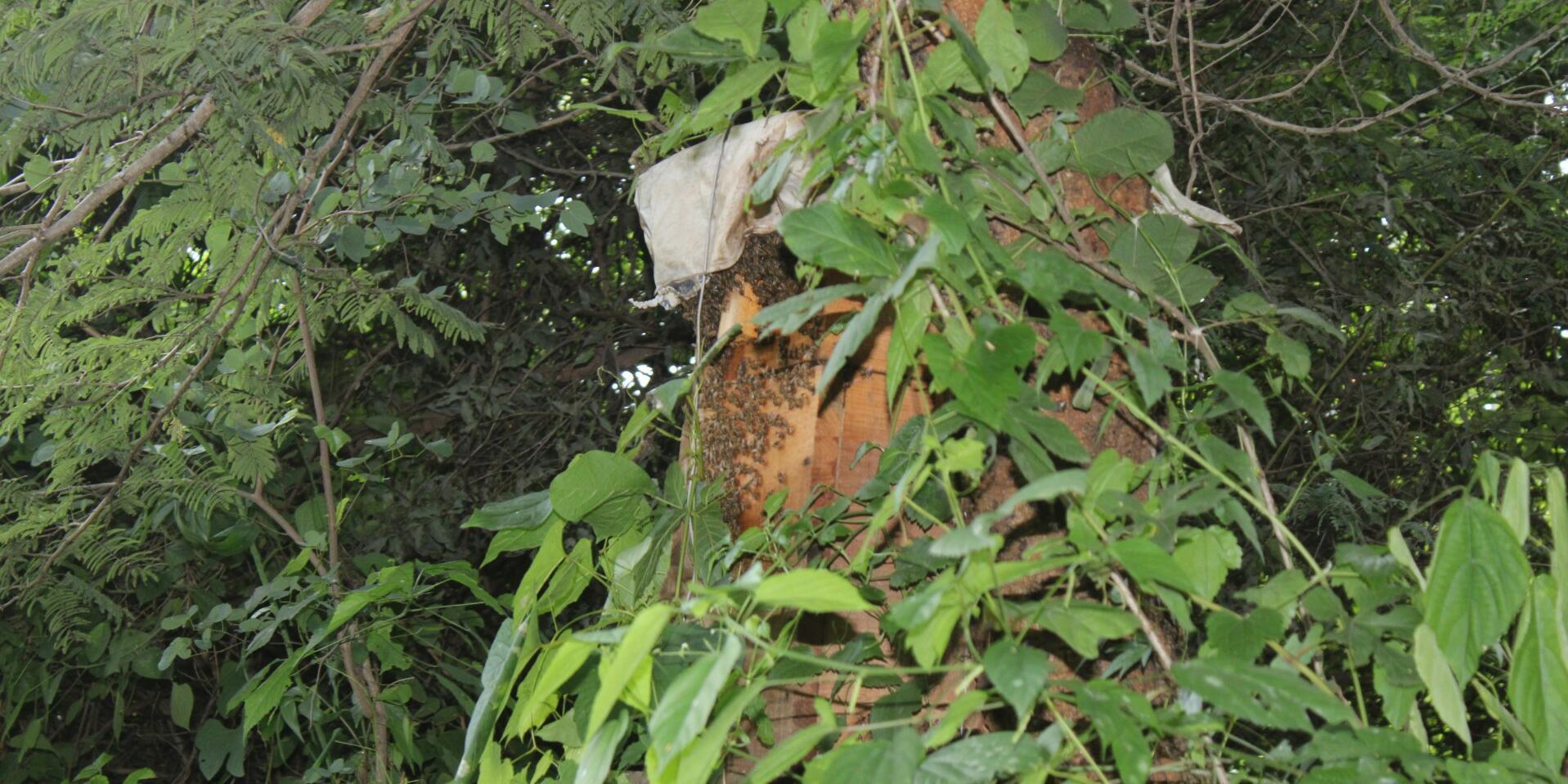
Tanzania is scaling with purpose
In East Africa, the trajectory of the BRAINS initiative is unfolding with both impressive scale and strategic depth. Tanzania, for instance made strong strides in its first year, reaching 93,184 bean farmers - 47% women and 31% youth – a clear sign of an inclusive and expanding movement. In parallel, 597 avocado farmers have joined the initiative, further diversifying the country’s climate-smart agriculture portfolio. What distinguishes Tanzania is not just the scale of outreach, but the precision of implementation. Climate-smart agriculture bundles are not merely being introduced, but are also being strategically integrated into holistic farming systems. Farmers are adopting intercropping models that combine avocado, beans, and beekeeping, transforming smallholder plots into resilient, income-generating ecosystems.
This transformation extends beyond the field. Tanzania has actively brought six key agricultural enterprises, including Rogimwa, BIVAC, Kanyomoza, Khebhanza, Kabuzi, and Crop Bioscience into the fold. These partnerships are reinforcing the value chain from seed to market, strengthening both supply and demand. At the same time, the country is championing carbon farming and climate resilience, positioning itself as a leader in regenerative agriculture.
Rwanda and Malawi: From precision to potential
Across the BRAINS Initiative, Rwanda and Malawi are charting complementary paths, one marked by refined precision, the other by promising beginnings. For Rwanda, the focus has been on fine-tuning implementation to deliver both impact and sustainability. The country has deployed a suite of tailored climate-smart agriculture technologies that not only boost productivity but also safeguard ecosystems and farmer health. Key innovations include the use of BSF frass fertilizer to enrich soil, biopesticides and pheromone traps for eco-friendly pest control, and the introduction of Brachiaria and Desmodium to improve forage and protect soil. This attention to detail reflects Rwanda’s strength in scaling with care, delivering results that are both measurable and responsible.
Meanwhile, Malawi is laying the groundwork for transformation, showing strong potential even in these early stages. So far, 389 farmers have been engaged with emerging social-technical bundles centered around BSF integration, climate-resilient bean varieties, and honey-based sub-projects that support both pollination and income diversification. While the numbers may be smaller, the ambition is big. Malawi is building a solid foundation for sustainable agriculture, one that could evolve into a dynamic platform for enterprise development and resilience building in the coming years.
Digital dawn: Pesira’s vision for year two
As BRAINS moves into its second year, digital innovation is emerging as a central pillar. Kenya-based agri-fintech startup Pesira is at the forefront, helping digitize agricultural value chains across the 15 BRAINS countries. Initial deployments are underway in Kenya, Tanzania, Democratic Republic of Congo (DRC), Uganda, Rwanda, and Malawi, with more on the way. Pesira’s tools offer real-time monitoring, data-driven farmer records, and market connectivity, empowering farmers, especially youth and women, with access to microloans, insurance, and formal markets.
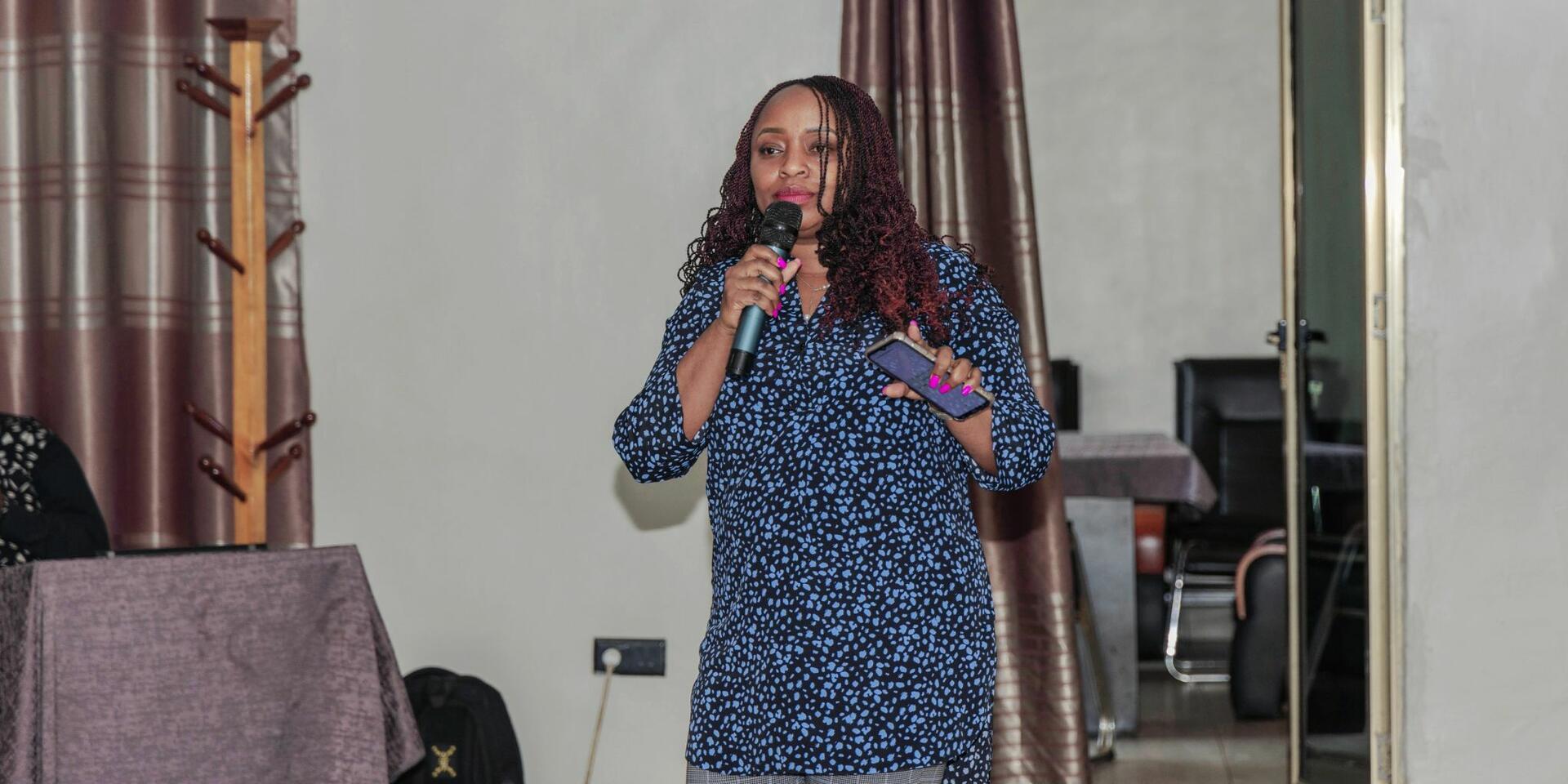
Pesira CEO Musengi highlights bridging farmers to opportunity through technology
Pesira will integrate real-time digital tools into the BRAINS to digitize agricultural value chains, bringing traceability, efficiency, and transparency to beans, fruit trees, insects, and related commodities. These tools connect farmers, aggregators, and traders to data-driven systems that boost productivity and market access. Key efforts include real-time monitoring and evaluation to track climate-smart tech adoption, assess income impacts, and guide strategy. Pesira also digitizes farmer records to expand inclusive access to markets and financial services, enabling microloans, insurance, and formal trade for smallholders, especially women, youth, and marginalized groups.
“We are creating pathways for farmers to connect with markets, financing, and knowledge, using technology as the bridge to resilience and prosperity,” said Penny Musengi, Pesira Chief Executive Officer and Founder.
From momentum to movement
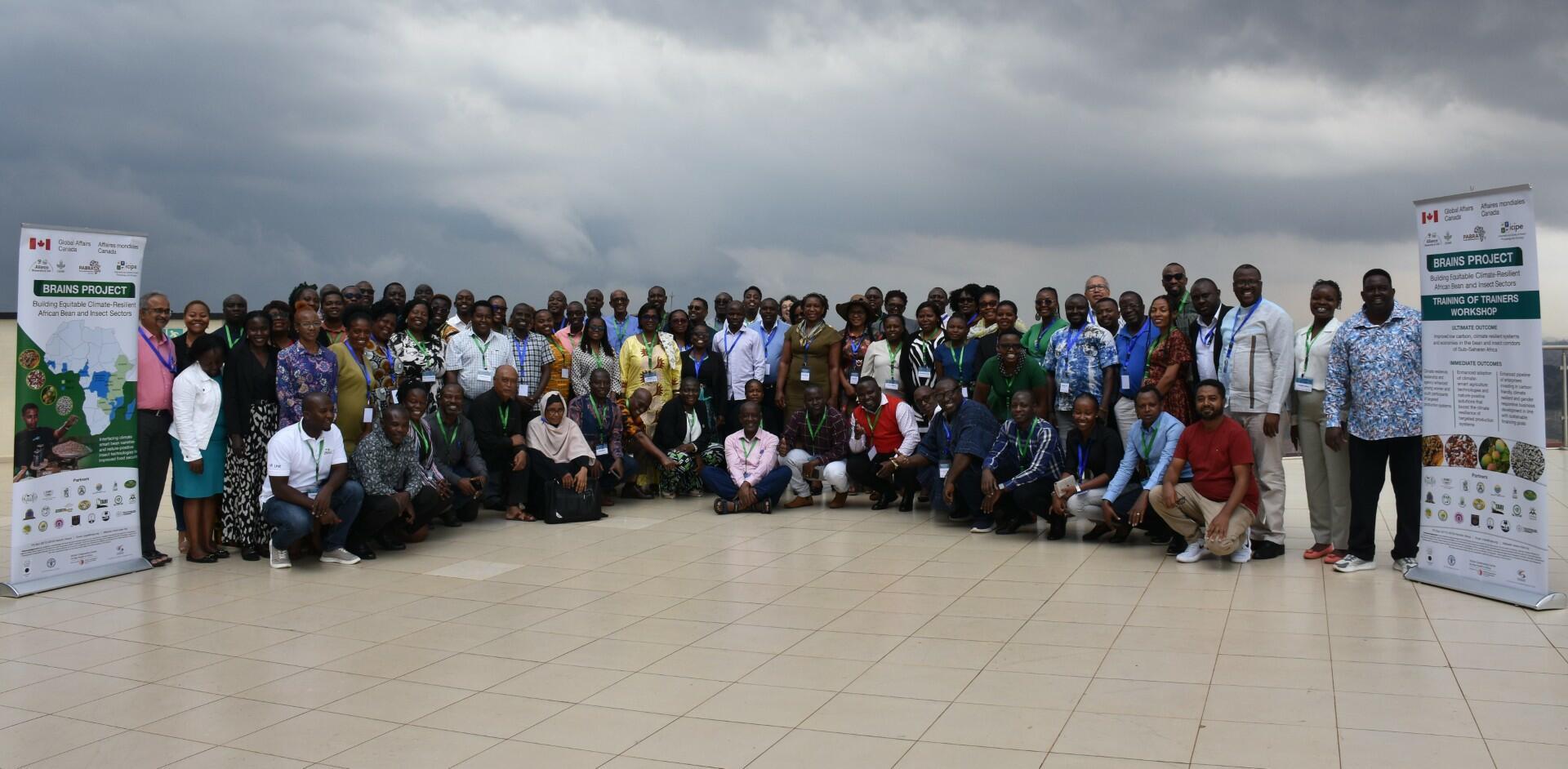
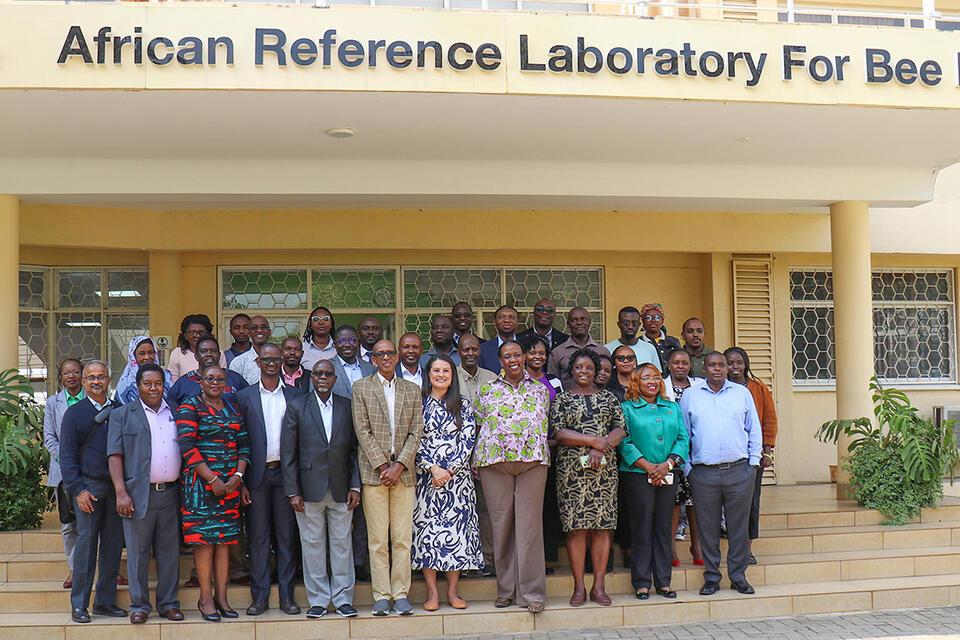
BRAINS Project partners during the Year 1 review workshop in Kampala, Uganda in August 2025
The BRAINS Project’s first year laid a solid foundation; year two marks the ascent. With increasing country ownership, accelerating digital transformation, and a strong coalition of public and private partners, the initiative is evolving beyond a climate-smart effort into a continental model for sustainable and inclusive agriculture. What once seemed like an unlikely combination of beans, insects, and fruit trees now stands as a compelling symbol of innovation, resilience, and African ingenuity.
Warren Arinaitwe, Project Lead on behalf of the Alliance of Bioversity International and CIAT emphasized strengthening collaboration, underscoring the need for active private sector engagement and involvement to drive sustainable impact, and called for scaling up partnerships with NGOs, community-based organizations, and other key stakeholders to broaden reach and ensure inclusive development. He said:
“The issues raised during our interactions are not setbacks, but steppingstones meant to cement our working partnership. What’s clear is that we cannot move forward without active engagement from the private sector.”
Ayuka Fombong, co-Project lead at icipe, commended the project's progress and the strength of its networking efforts, highlighting significant advancements in intervention prioritization and outreach.
“There has been a deep understanding of the project, which is both encouraging and inspiring,” he noted.
Fombong also emphasized the importance of increasing private sector engagement, involving more youth, and promoting innovative approaches moving forward.
Bean Program Leader and PABRA Director Jean Claude Rubyogo emphasized the importance of aligning development efforts with the needs of communities and the expectations of stakeholders. “This project fits perfectly within the Global Affairs Canada (GAC) vision in Africa, supports economic growth, poverty eradication, entrepreneurship, and climate adaptation, but to succeed, we must involve both the private sector and governments,” he noted.
Dr Subramanian Sevgan, who represented icipe leadership, said: “We must keep building on this momentum. Thanks to GAC, this collaboration has taken shape. At first, we lacked clear understanding, but as we move forward, we begin to understand each other’s strengths and weaknesses. Let’s strive to focus on the strengths and truly work together as one team.”
Once an unconventional idea, BRAINS has become a powerful model of African innovation and climate resilience. By combining science, community engagement, and digital tools, it is transforming agriculture and improving lives. As it enters its second year, BRAINS is evolving from a project into a continent-wide movement driven by innovation, equity, and the promise of Africa’s agricultural potential.