Blog PABRA and Spice World forge new path for Africa’s high-value beans
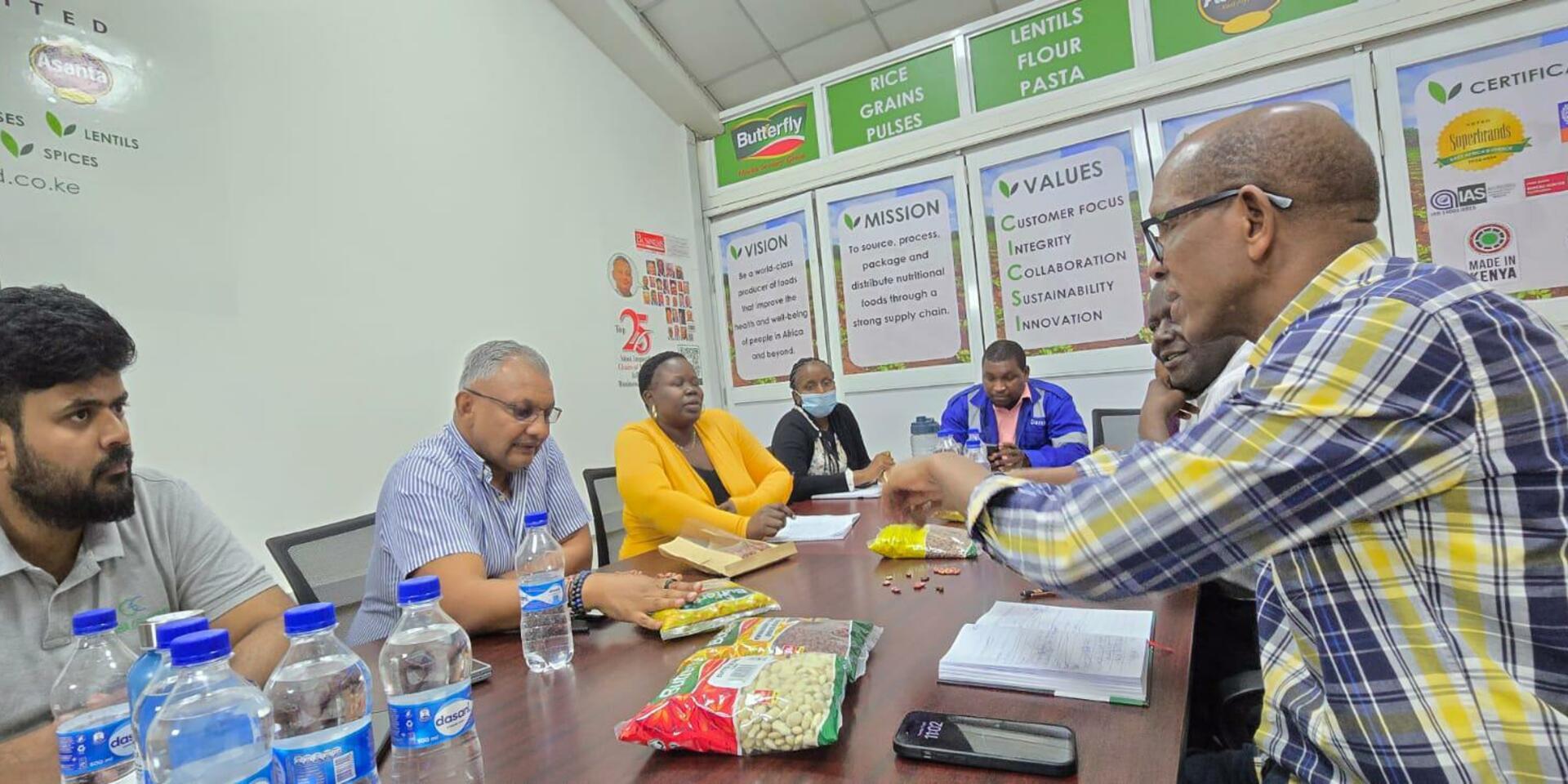

PABRA and Spice World Ltd are redefining Africa’s bean value chain through a strategic partnership that connects premium bean varieties to regional markets, combining quality, innovation, and farmer-driven models for sustainable trade growth.
The story of beans in Africa is evolving and is no longer confined to subsistence farms or local markets. Beans are now drawing the attention of major food industry players seeking to deliver nutrition, variety, and innovation to increasingly demanding consumers. One of the latest and most promising partnerships in this transformation is the growing collaboration between the Pan-Africa Bean Research Alliance (PABRA) of the Alliance of Bioversity International and CIAT, and Spice World Limited.
A company hungry for distinction
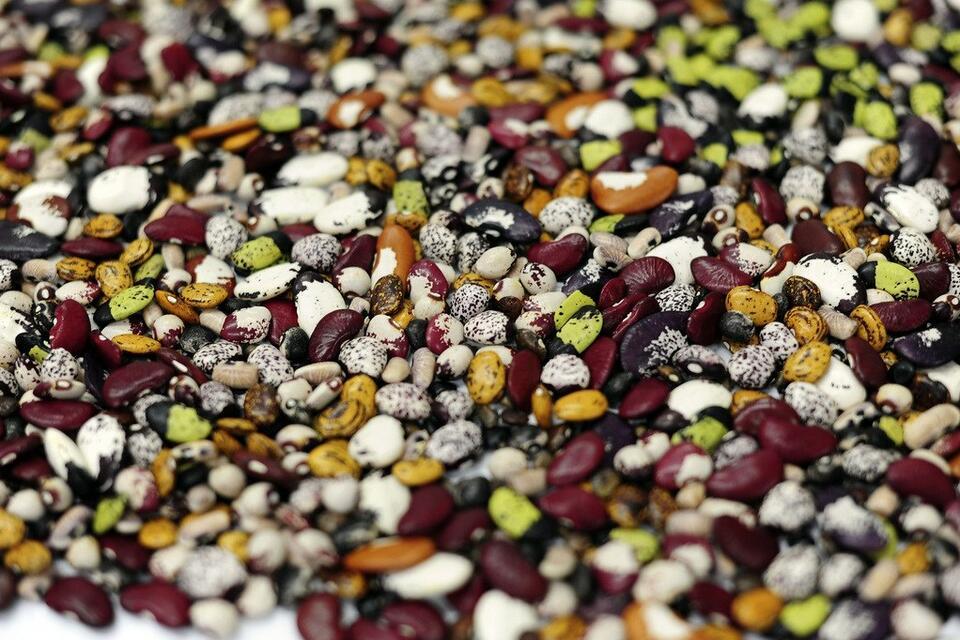
Spice World, a rapidly growing food processor based in Kenya, is no stranger to the pulse sector. However, despite sourcing from promising regions, the company has reported post-sorting losses of up to 30%. To stay competitive, the agribusiness has been seeking more than volume. Their goal has been to add exclusive varieties to their offering. That search led them to PABRA, known for its role in facilitating the breeding, promotion, and access of farmer-centred, market-preferred, and planet-friendly bean varieties across 31 countries. The varieties that drew the most attention were Rwanda’s MBC 23, Mwirasi, NUA 566; Uganda’s NABE 15; and Tanzania’s Selian 13, Uyole 96, and Selian 94. Spice World believes that adding these varieties to their portfolio would help them secure marketable volumes that consistently meet the quality required for trade. From transaction to transformation: A new odel Emerges.
Recognizing the need for new sourcing models, PABRA and Spice World began exploring alternatives. Central to this shift are approaches such as contract farming, aggregator channels, and out-grower frameworks, designed to address quality concerns, ensure traceability, and provide predictable supply. Leveraging existing PABRA systems, these models are being activated faster and with greater trust, with initial steps underway in Tanzania in sorting and cleaning seeds for the upcoming season. Through its Tanzanian subsidiary, The Good Grain Company Ltd, Spice World is aiming to aggregate 1,500 metric tons (MT) from Tanzania in 2025. To start with, the offtaker has begun aggregating 200MT of Selian 13 yellow bean, 70MT of red mottled (Lyamungo 90) and TARI Bean 7, 100MT of Selian 94, and 500MT of Uyole 96 (red kidney) and Kikatiti (sugar), with two godowns secured in Kisongo, Arusha region. The presence of The Good Grain Company in Tanzania has opened business opportunities for local actors. For example, Bashiru Traders (grain trader) and Crop Biosciences (seed company) from Babati are currently in discussions on how to tap into existing opportunities.
The team

Jean Claude Rubyogo
Leader, Global Bean Program, and Director, Pan Africa Bean Research Alliance (PABRA)
Eliud Abucheli Birachi
Project Leader, Country Representative for Rwanda
Sylvia Monica Kalemera
Bean Program & PABRA Monitoring, Evaluation and Learning Coordinator, Country Representative for Tanzania
Justus Ochieng
Project Leader