Blog Beans, climate and resilience: How weather and climate information is transforming bean farming in Homa Bay, Kenya

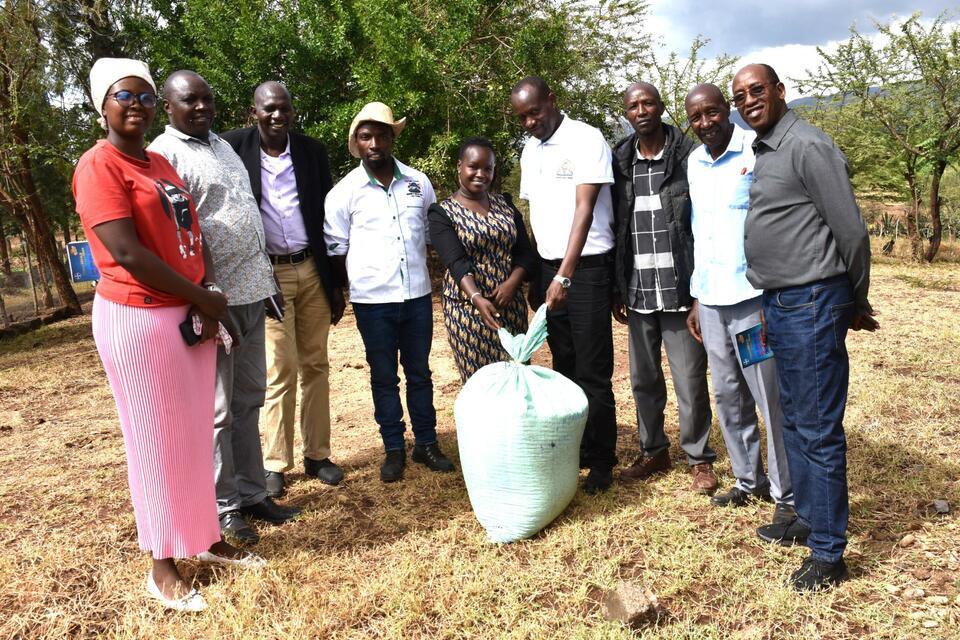
The UK Government, WISER teams and partners visited Homa Bay, Kenya, on June 11–12, 2025, to see how smallholder farmers are using climate information from the ECREA project to boost bean farming resilience and make informed decisions.
In the heart of Kenya’s Homa Bay County, farmers are redefining how they grow beans. Not just with better seeds or tools, but with forecasts in hand and climate information guiding their every move. During a two-day donor assurance field visit from June 11–12, 2025, a team from the Government of the United Kingdom and the WISER programme (led by the UK Meteorological Office), saw first hand how smallholder farmers are leveraging weather and climate information services (WCIS) to build more resilient farming systems.
The visit was organized by the Alliance of Bioversity International and CIAT, in collaboration with the Kenya Agricultural and Livestock Research Organization (KALRO), the Kenya Meteorological Department (KMD), and Caritas-Homabay. It aimed to showcase how localized climate information is influencing agricultural decision-making and outcomes. The activity builds on groundwork laid by the Pan-Africa Bean Research Alliance (PABRA) and the BRAINS project, whose ongoing efforts to strengthen climate-resilient bean value chains have significantly shaped ECREA’s interventions in the region.
The visit began in Suba North, at the farm of Mr. Sana, a farmer who no longer guesses when the rain might come. Instead, he listens to radio bulletins and receives SMS updates that share recommendations on when to plant, based on meteorological data. This is the result of the training he received through the ECREA project, which equipped him and many others with the knowledge to interpret and act on weather and climate information. His experience is shared by the members of the Lagesa Farmers’ Cooperative Society, where farmers have learned to synchronize their input purchases and planting cycles with seasonal climate forecasts. They told us how, thanks to these services, they now plant with confidence and harvest with results.
“Before, we used to rely on guesswork. Now, with the climate forecasts we receive on radio and SMS, we know exactly when to plant. It has changed how we farm: we plan better, waste less, and harvest more.” said Mr. Sana, a member of the Lagesa Farmers’ Cooperative Society.
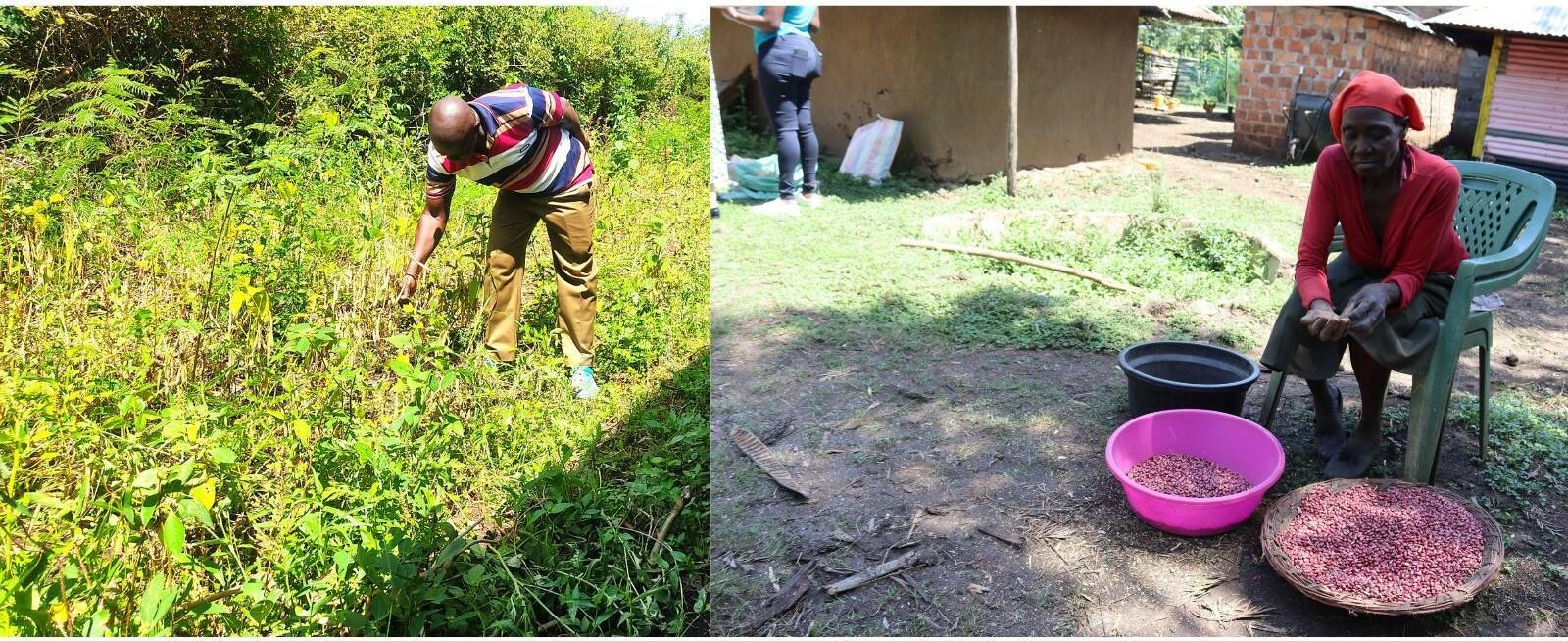
Mr. Sana, a bean farmer in Suba North, proudly showcases his thriving bean farm (left) and harvested produce (right) to the visiting team during the UK Government and WISER programme field visit.
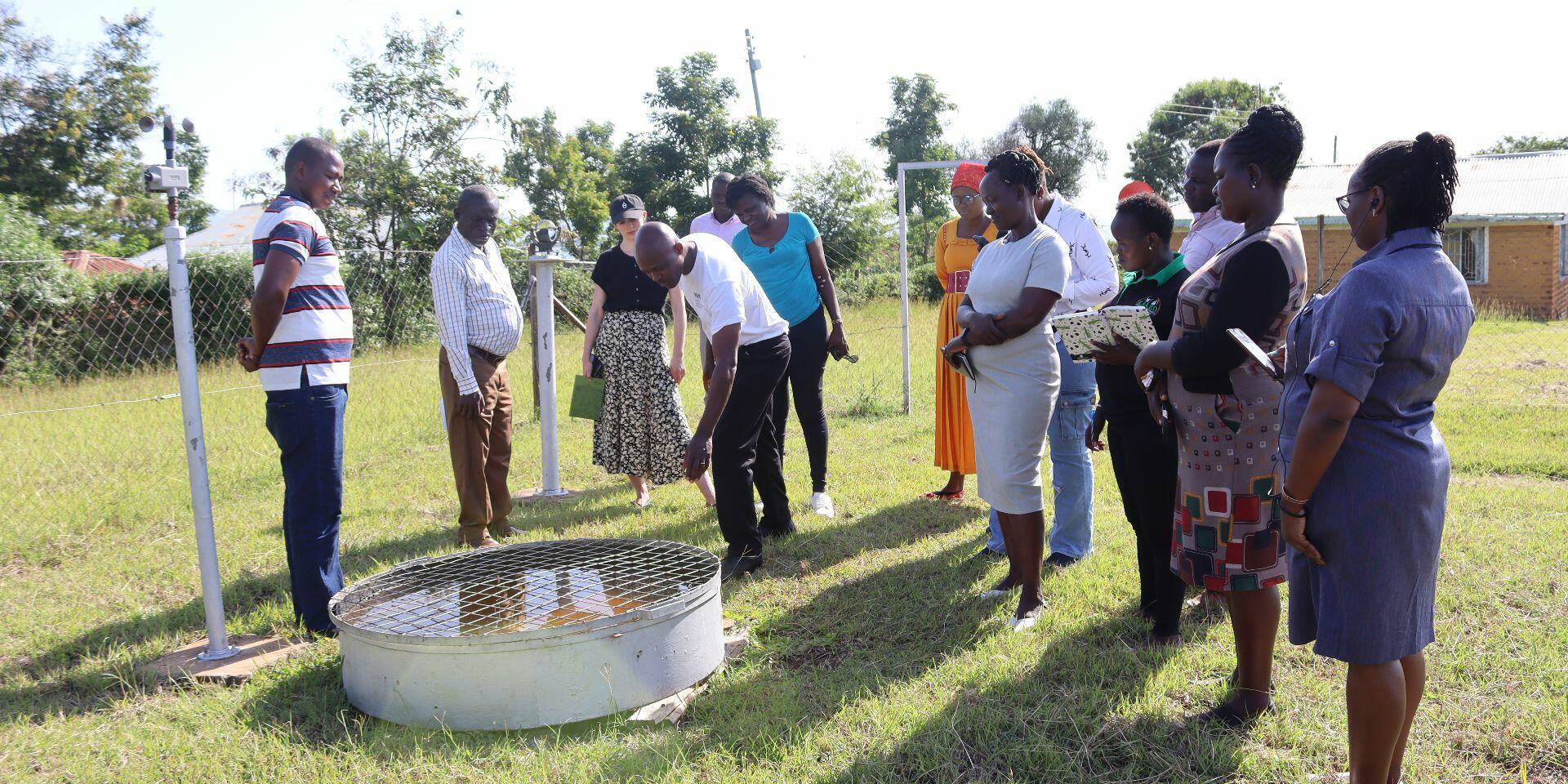
At the Suba Meteorological Station, we witnessed how data flows from weather models to farmers’ phones. However, the magic isn't in the high-tech equipment, but in the relationships built between institutions like the Kenya Meteorological Department and communities that make the information meaningful and usable.
“Technology is important, but it’s the trust we build with communities that makes climate information usable. When farmers believe in the forecasts, they act on them — and that’s when real change happens,” said Paul Oloo, County Director of Meteorological Services, Homa Bay.
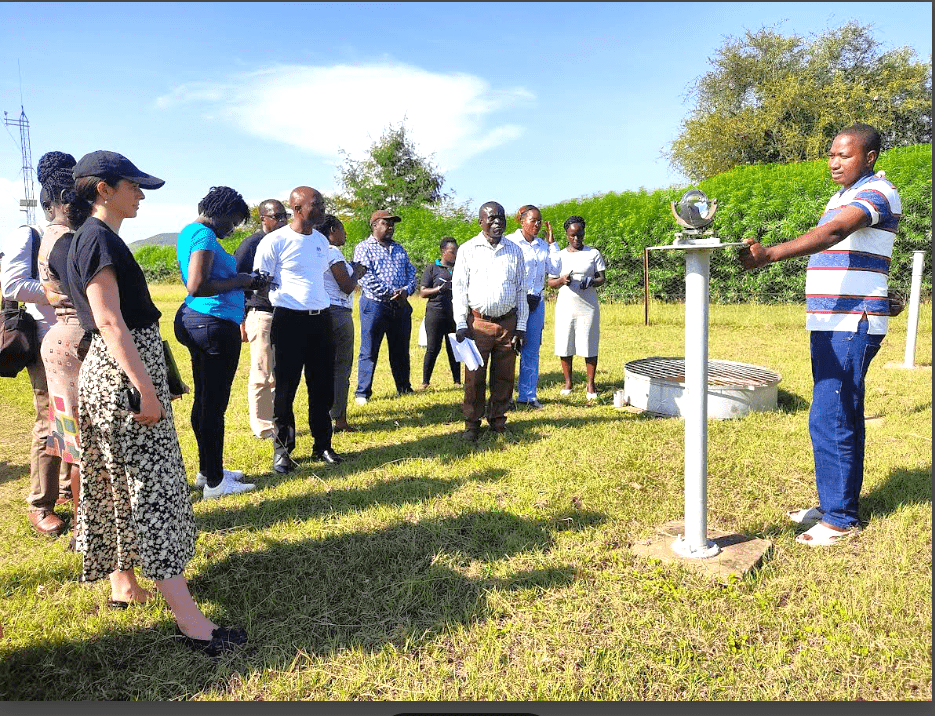
At Suba Meteorological Station, the team learns how weather data is shared with farmers, showcasing the power of tech and trusted local partnerships.
The second day took us to Wiga Village, where we met George Oketch, a farmer who uses real-time updates to monitor aphid outbreaks in his bean crop. Nearby, the Wiga Community Based Organization has become a hub for climate learning hosting community discussions, interpreting forecasts, and amplifying voices of women and youth.
“With timely updates, I can act fast like spraying early when there’s a risk of aphids. It has made a big difference in protecting my beans,” said George Oketch, a farmer in Wiga Village. “And the Wiga CBO has brought us together to learn, share, and make better decisions, especially for women and young farmers like my daughter.”
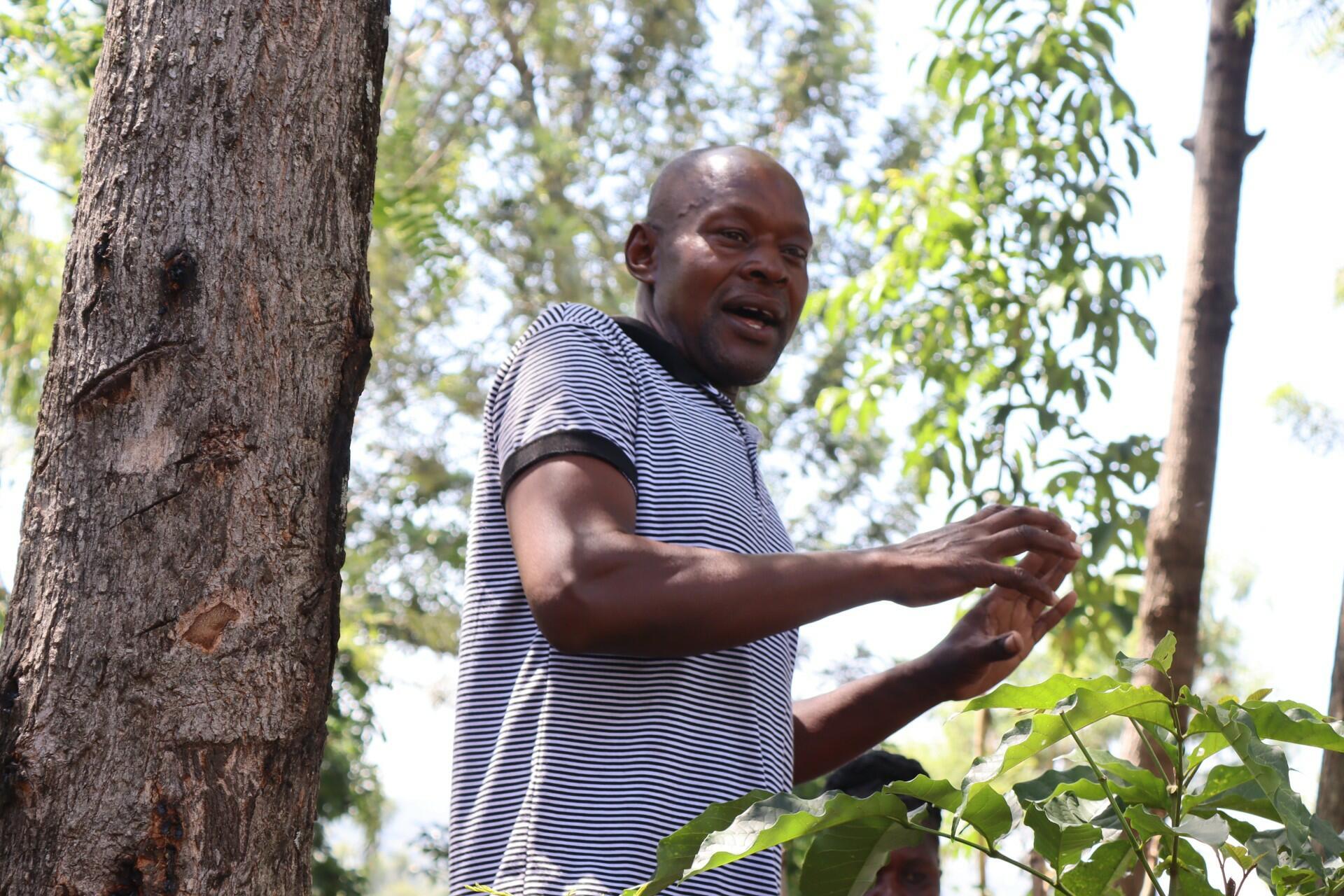
George Oketch shares how using weather and climate information has improved his farming practices and boosted his bean yields.
We ended the visit by meeting four inspiring women bean farmers who shared how weather and climate information has helped them reduce post-harvest losses by aligning their activities with expected dry spells. For them, forecasts mean more than just weather: they are tools of empowerment.
“We used to lose so much after harvest because we didn’t know when the rain would return. Now, with forecasts, we dry and store our beans at the right time. It’s not just about the weather, it’s about control, confidence, and feeding our families” shared Mary Atieno, a woman farmer during the visit.
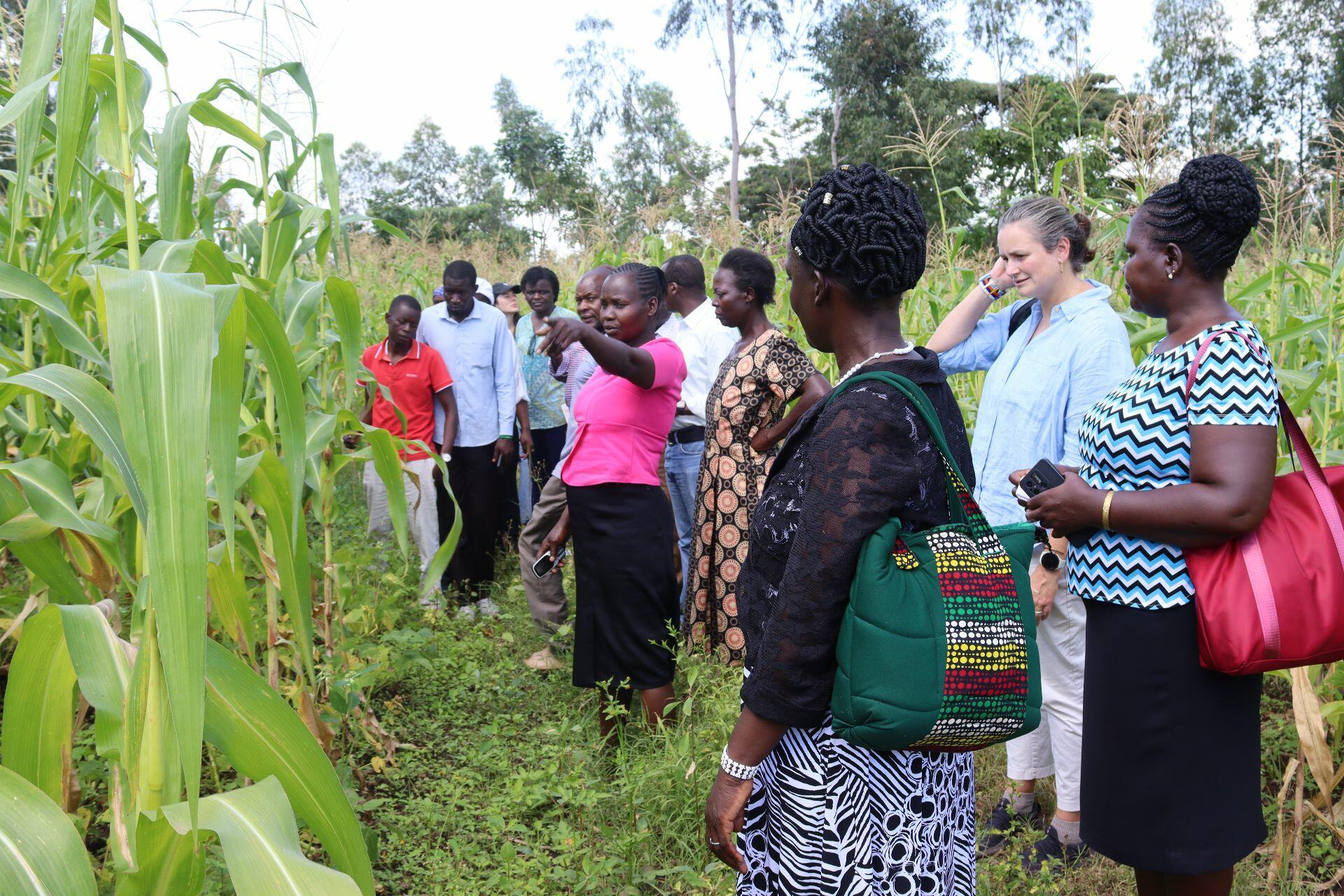
Rose, representing the Koketch Women’s Group of smallholder farmers, proudly showcases her farm—demonstrating how women are accessing and using weather and climate information services (WCIS) to strengthen climate-smart agriculture.
While the positive impact of WCIS was clear, so were the challenges: Not every farmer owns a phone, forecasts can lack hyper-local accuracy, and once project funding ends, continued provision of training and information becomes a concern.
This is exactly the gap that ECREA is addressing through its cascading model. By training Trainers of Trainers (TOTs), who in turn train other farmers, ECREA builds a sustainable network of local dissemination. These TOTs include farmers, youth and extension workers, translating meteorological jargon into actionable insights for the community.
To further strengthen reach, the project is also investing in tailored communication approaches, including local languages, visual aids, and community radio ensuring that even those without digital access, especially women and elderly farmers, are not left behind.
As climate shocks intensify, WCIS is no longer a luxuryL it is a necessity. The Homa Bay visit showed that when information flows, so does hope. Farmers are not just responding to the weather they are planning around it. They are marketing better, managing risks, and building systems that work even when the climate does not.
At the heart of this transformation are partnerships: among government agencies, NGOs, researchers, communities, and development partners such as the UK government through FCDO- Wiser- Met Office, whose support has been instrumental. This collaborative spirit must be nurtured to ensure the continuity and scaling of climate-smart agriculture.
The Team
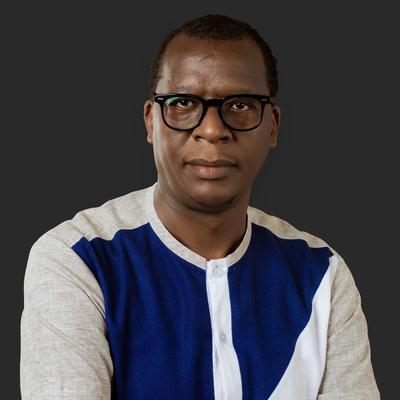
Desire Kagabo
Project Leader