Press and News Deforestation-free supply chains are unlocking financial inclusion opportunities for smallholder coffee farmers in Honduras

What if a farmer’s commitment to the environment could open the door to financing? In Honduras, that idea is becoming a reality for the first time. A coalition of key stakeholders, supported by the European Union and Germany, is transforming smallholder coffee farmers' environmental compliance data into verifiable information for formal credit access through a digital marketplace.
In the mountains where coffee is grown, it’s not just seeds that sprout, but the stories of more than 110,000 small-scale farmers who have made Honduras Central America’s leading exporter. Yet barriers in accessing financing —more than 70% face multiple difficulties to accessing formal credit— continue to create a gap between those who produce value and those who have the power to finance it. At the same time, new export regulations such as the European Union Regulation on Deforestation-free Products (EUDR) are driving the transition toward deforestation-free supply chains. Connecting EUDR compliance with access to finance can help address both challenges.
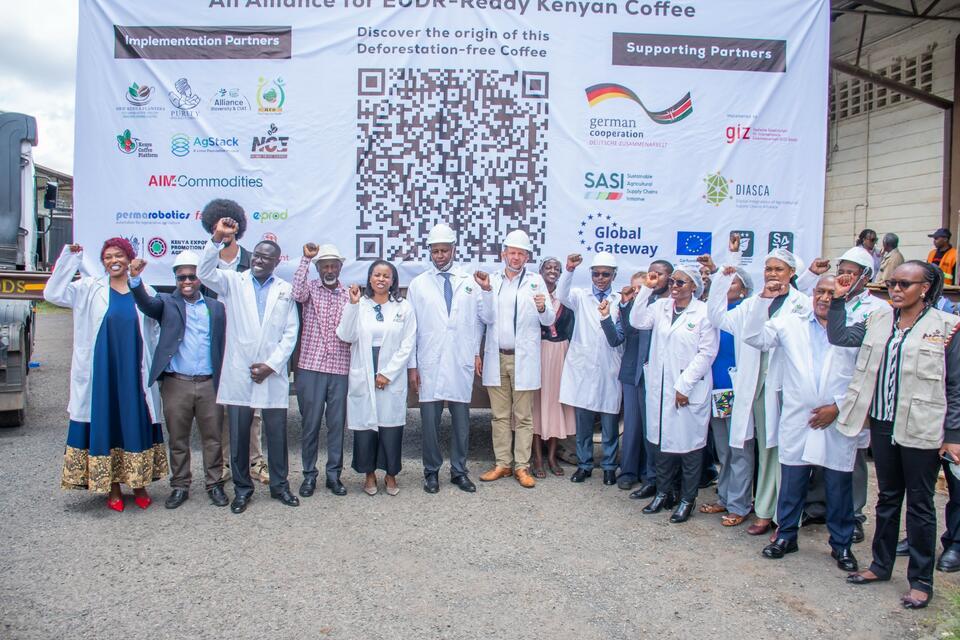
After months of work linking coffee plantations in Copán (Honduras) to consumers in Germany, a milestone has been achieved: the first EUDR-Ready coffee shipment from producers registered on the country’s only agricultural credit marketplace. This digital platform, developed by Confianza SA-FGR, allows financial institutions to view the production profile of each coffee farmer who complies with European anti-deforestation standards, enabling them to assess creditworthiness more accurately, identify eligible borrowers, and make concrete financing offers.
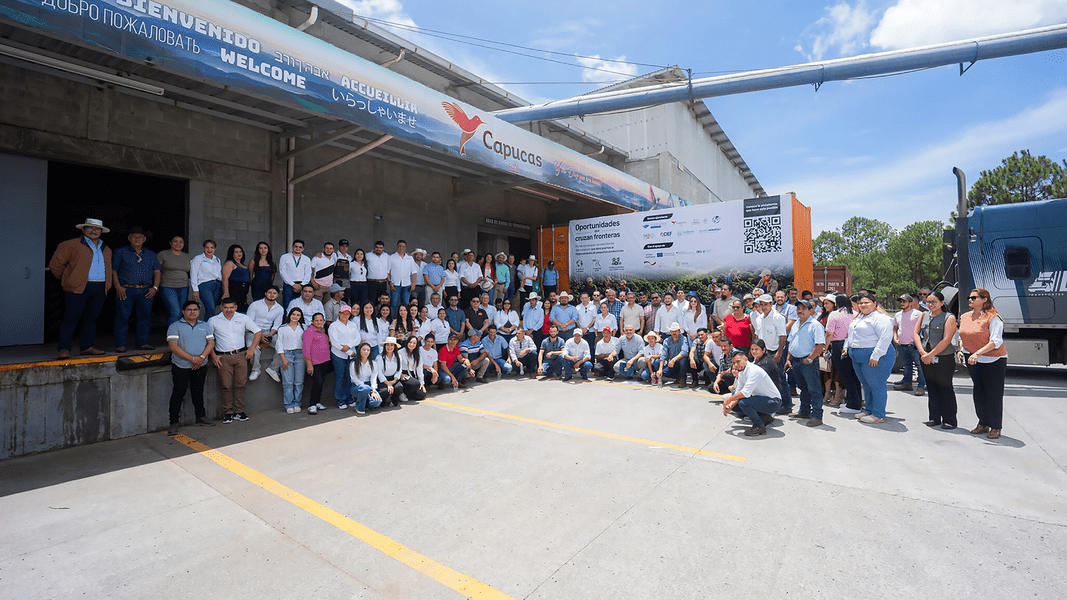
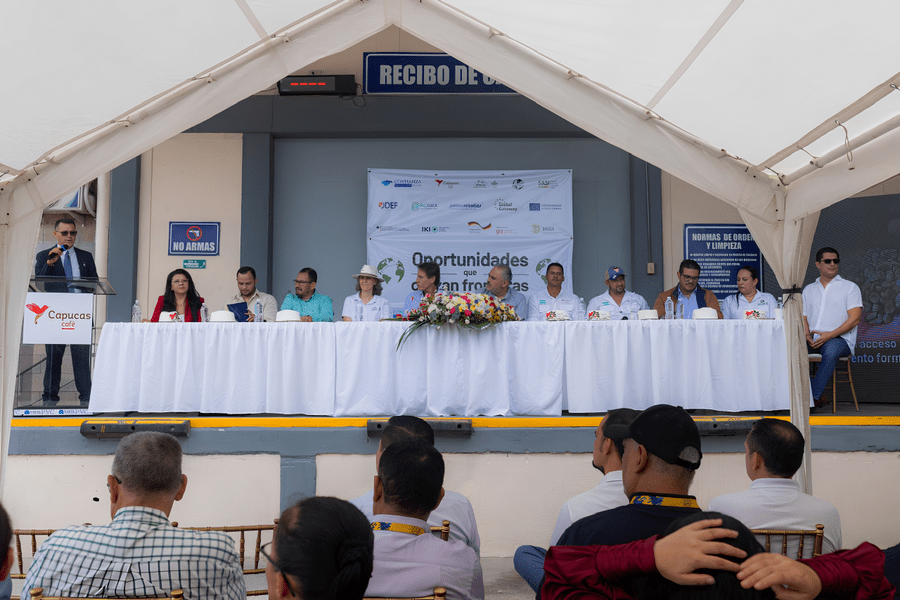
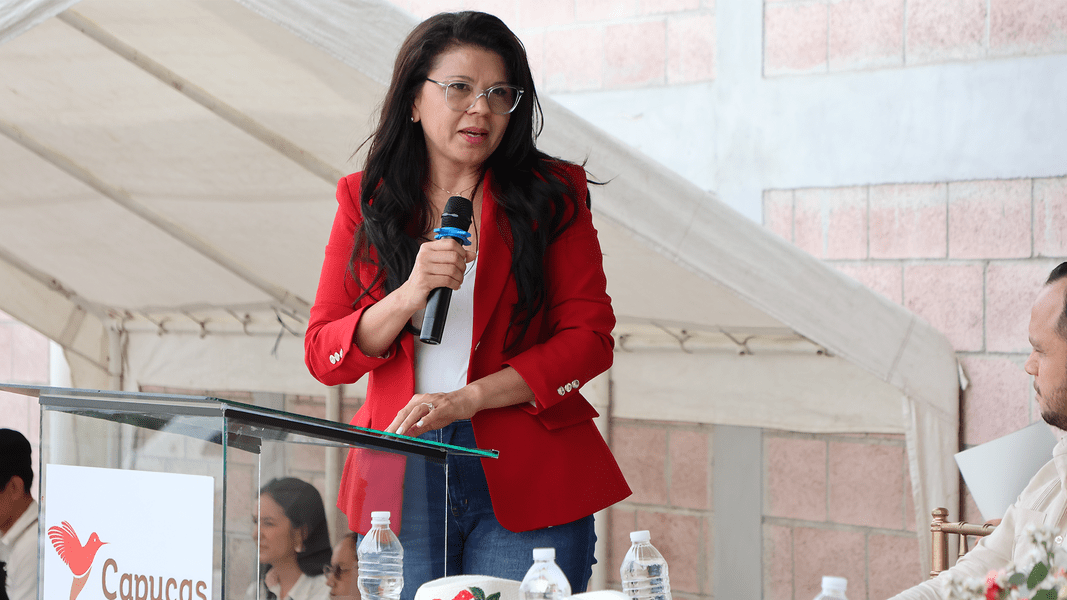
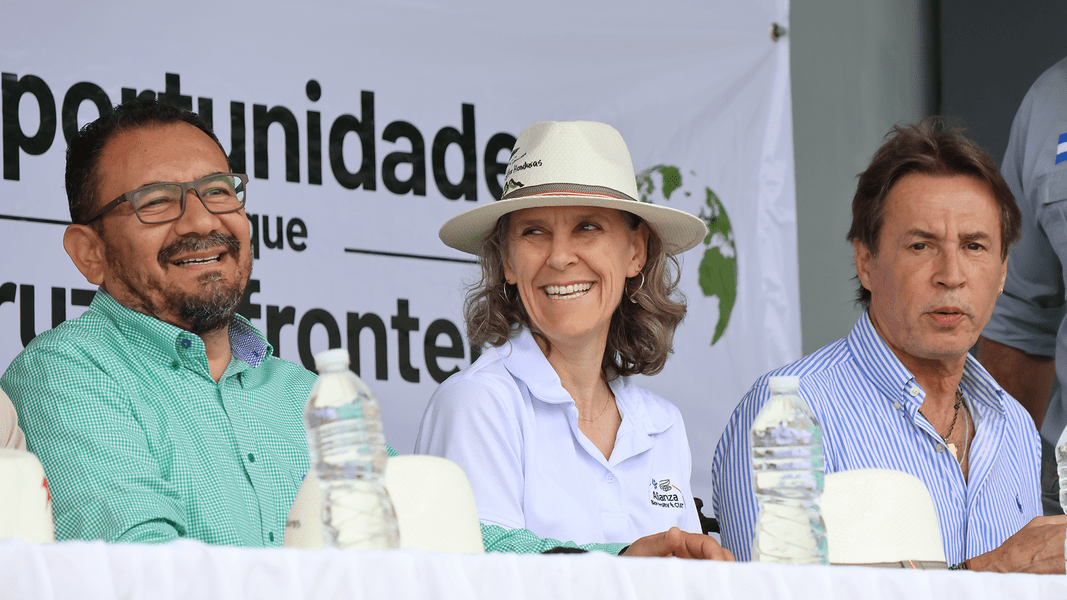
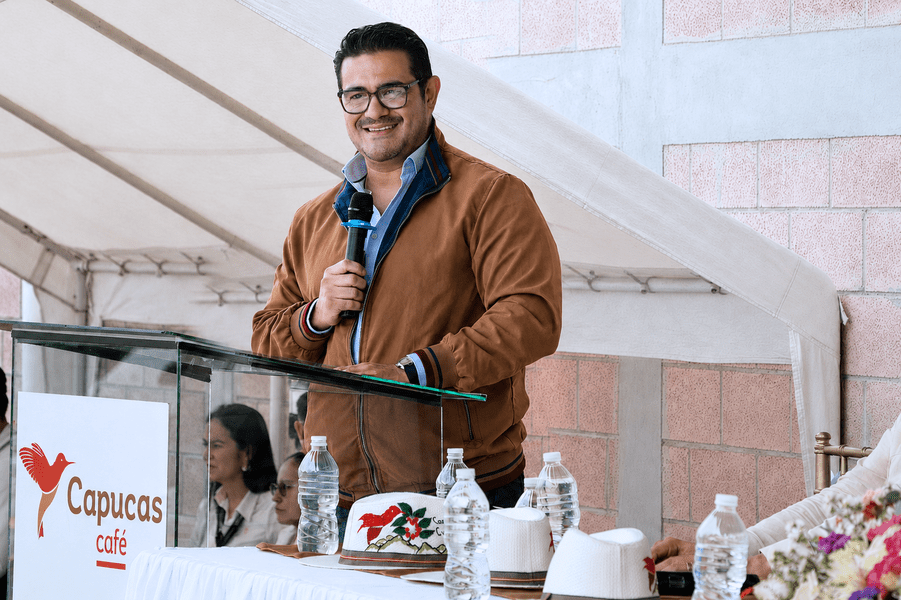
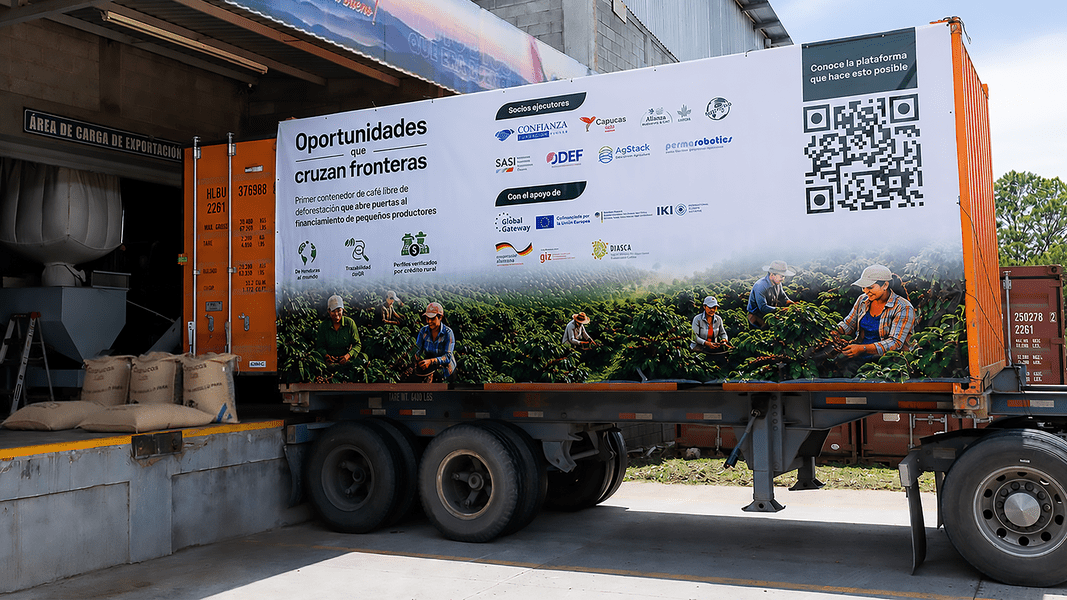
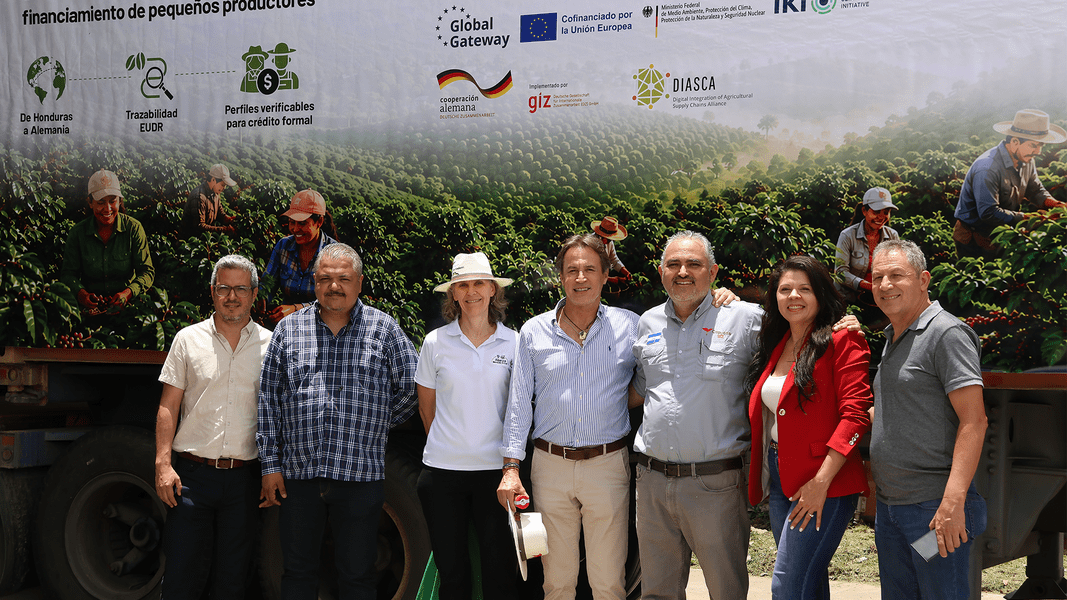
This initiative is designed to promote the early preparation of small Central-American producers for the new requirements of the EUDR and improve their living incomes by facilitating access to formal loans. It has been made possible through the invaluable partnership with Confianza SA-FGR, the Capucas Coffee Cooperative (COCAFCAL), the Hamburg Coffee Company (HACOFCO), and the technical leadership of the Alliance of Bioversity International and CIAT.
“Traceability and farmer livelihoods are the foundation of a truly sustainable supply chain — enabling environmental protection, ensuring consistent quality, and building the resilience our business needs to remain competitive in an era of climate change and increasingly volatile markets.”Miriam Trinker, Sustainability and Supply Chain Manager at HACOFCO.
The project is supported by SASI’s Due Diligence Fund, implemented by GIZ and funded by the German Federal Ministry for Economic Cooperation and Development (BMZ). It is furthermore supported by the Great Forests of Mesoamerica Programme and the Coffee and Forests Initiative, co-funded by the European Union and the German Ministry for the Environment, Climate Action, Nature Conservation and Nuclear Safety (BMUKN) through the International Climate Initiative (IKI).
“The European Union’s commitment to promoting the EU Deforestation Regulation is not only about protecting the planet, its forests, and natural resources, but also about people, especially small producers, to ensure that the new regulations become an opportunity and not just one more requirement. An opportunity to protect their livelihood, which is the forest and the land. Preventing deforestation means protecting both the forest and the livelihoods of the coffee farmers who contribute Honduras’ second-largest source of foreign currency to the national budget.”Gonzalo Fournier, Ambassador of the European Union to Honduras.
EUDR as an enabler, not just a requirement
The traceability required under the EU Regulation on Deforestation-free Products (EUDR) is emerging as an opportunity, not only to preserve forests, but also because of the worth of traceable supply chains beyond their environmental benefits. The data collected to comply with EUDR —traceability, deforestation-free, commercial history, and legal production— is precisely the information financial institutions need to assess a producer. Moreover, this same data can enable agricultural risks to be analyzed with greater scientific rigor.
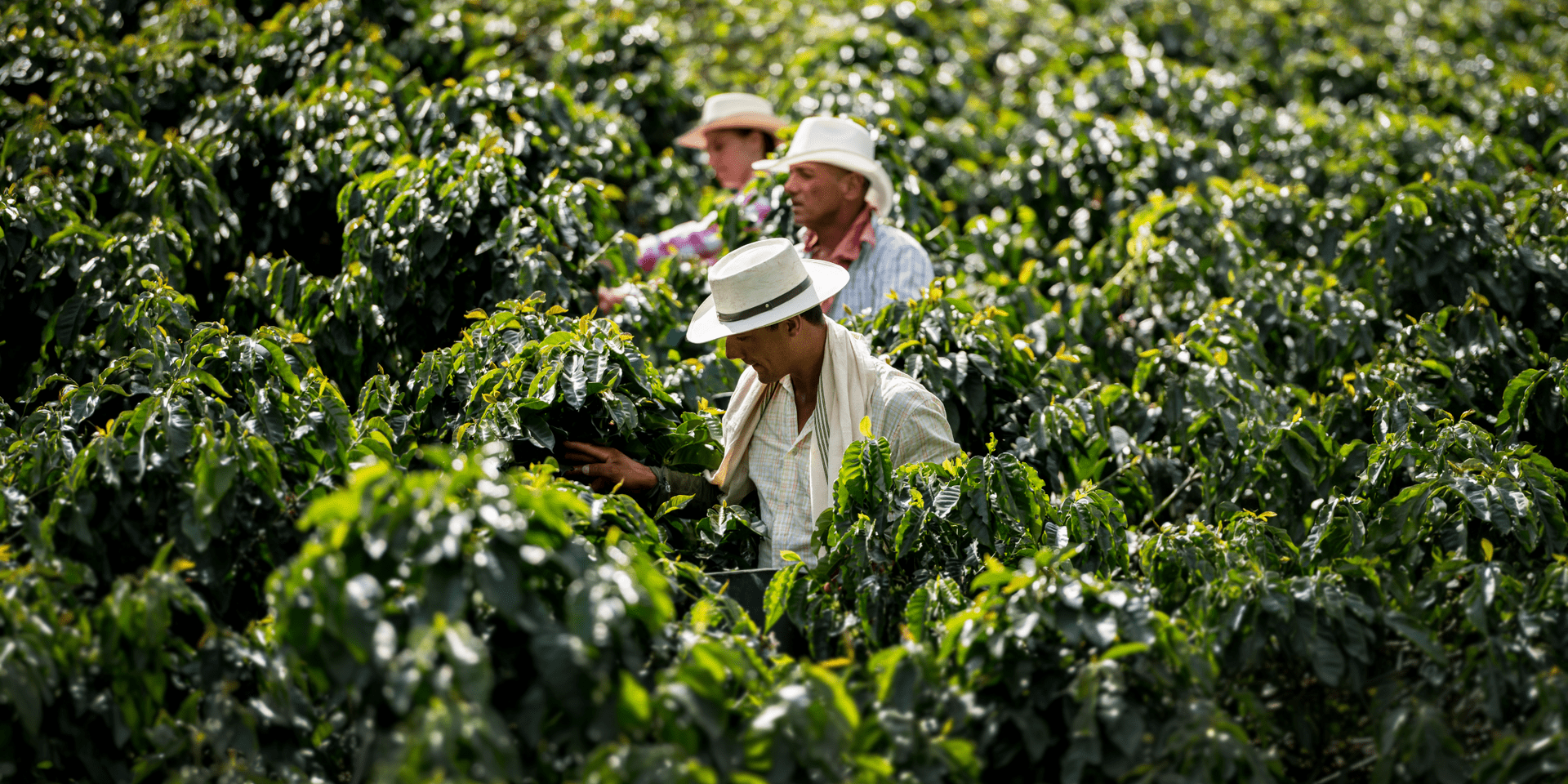
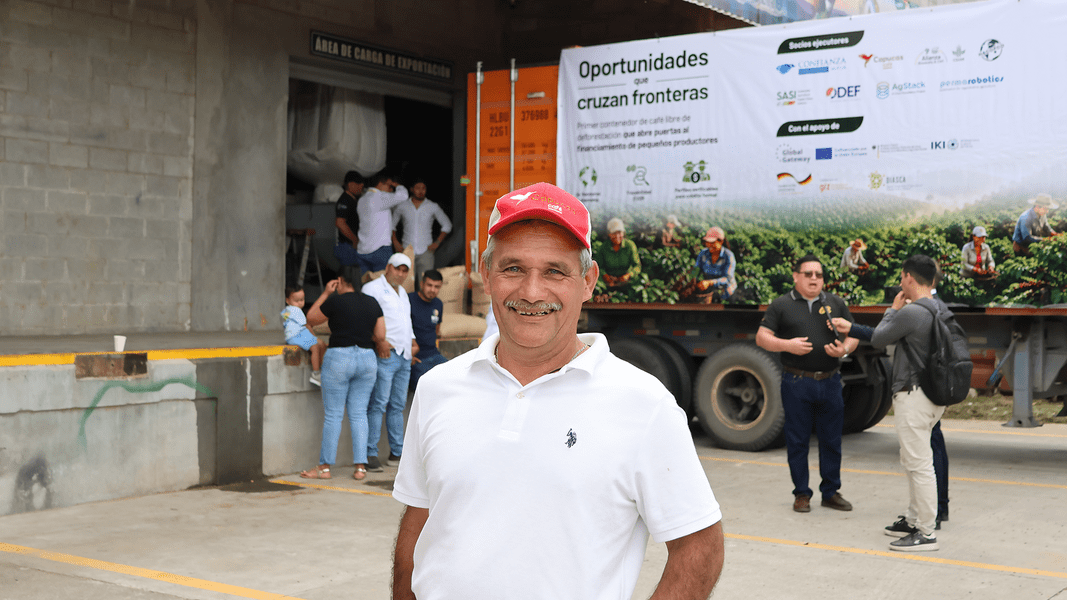
This financing model has its first pilot with the export of Capucas coffee, which is part of a commercial agreement covering 10 containers, equivalent to 189.52 tons. The full export operation reflects the work of 170 smallholder farmers: 36 women, 16 young people, and 118 men. Their commitment and effort demonstrate that Honduran coffee can supply European consumers without felling a single tree, while creating new pathways toward financial inclusion.
“The coffee sector is investing heavily in traceability and due diligence systems to comply with the EUDR, making producers visible in ways that were not possible before. Once this information exists, the cost of connecting it to other sectors is minimal. In this pilot, we are using it to expand access to finance, but the same data can also support agricultural insurance, advisory services, climate-risk management, and public programs. The goal is to generate multiple benefits for producers from a single investment in traceability.”
Federico Ceballos, Project Lead at the Alliance of Bioversity International & CIAT.
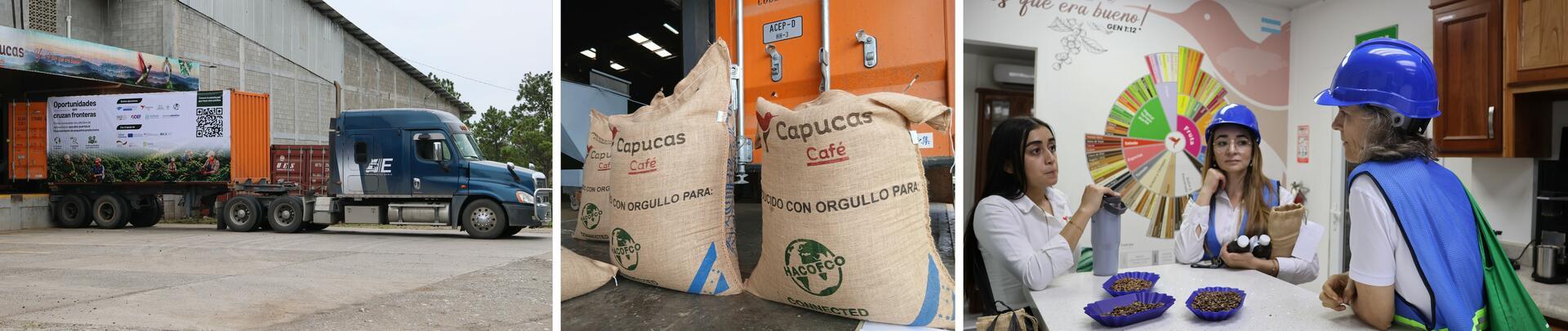
Photography: Alisson Zelaya and William Igeler / CIAT.
The marketplace
This digital platform acts as a bridge between producers and financial institutions. Each registered farmer is profiled using data obtained from the commercial intermediaries (cooperatives, processing centers, or exporters), which track coffee production along the supply chain. These profiles become a reliable record that financial institutions can consult.
While financial institutions are evaluating producers through the platform, Confianza SA-FGR is sharing the risk through a pre-approved guarantee covering 50% of eligible loans. Their involvement moves the initiative from a promising concept to an opportunity being tested in the market.
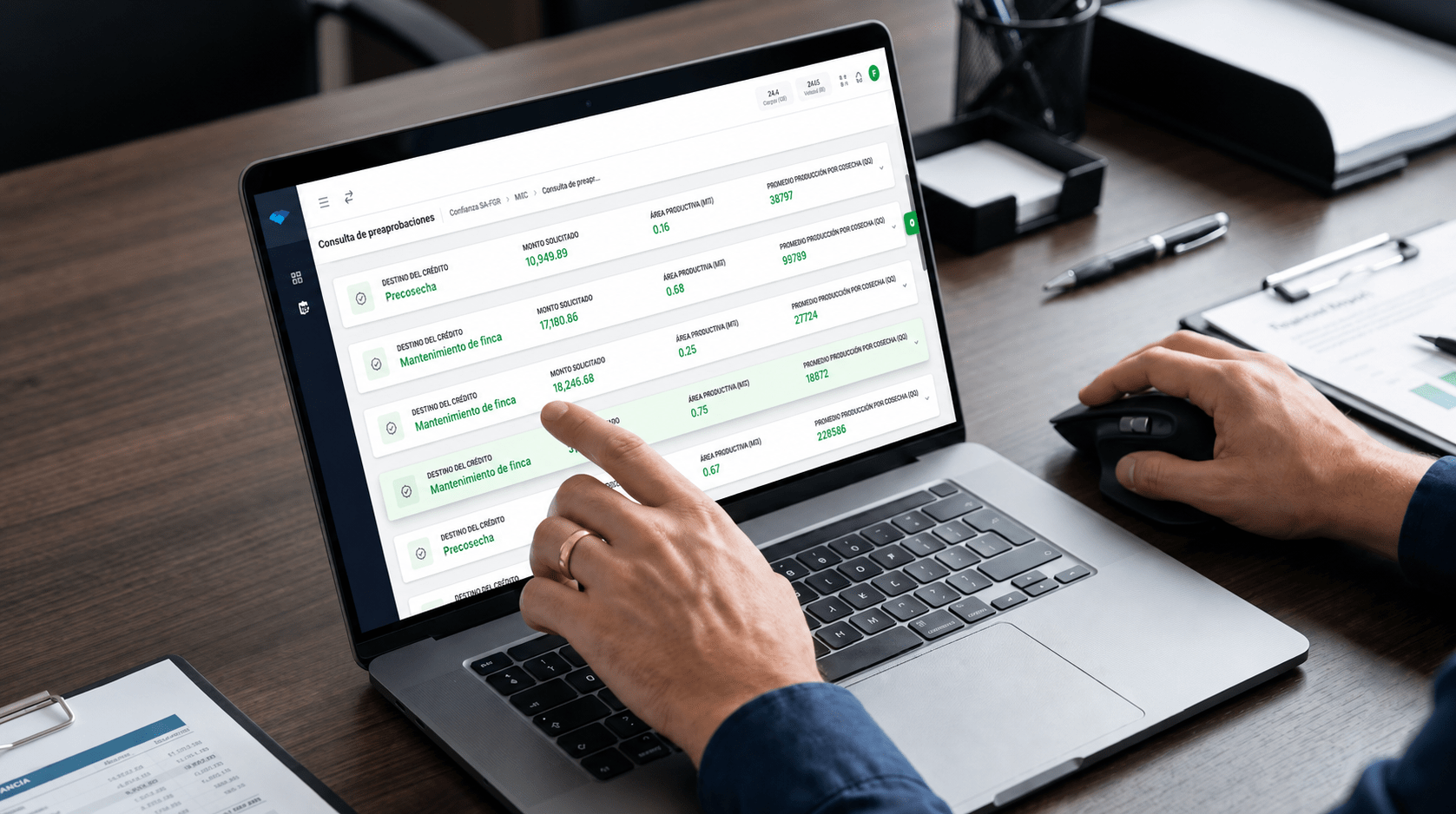
Photography: Confianza SA-FGR. Simulated data shown for illustrative purposes.
“Historically, small-scale producers have struggled to access the formal financial system due to their lack of collateral. We serve as that collateral, making loans viable even for producers without a formal credit history.”
Francisco Fortín, General Manager of Confianza SA-FGR.
Additionally, the marketplace significantly reduces the costs of prospecting, contacting, and evaluating producers, enabling financial institutions to reach rural areas where operations were previously unfeasible.
First financial partner
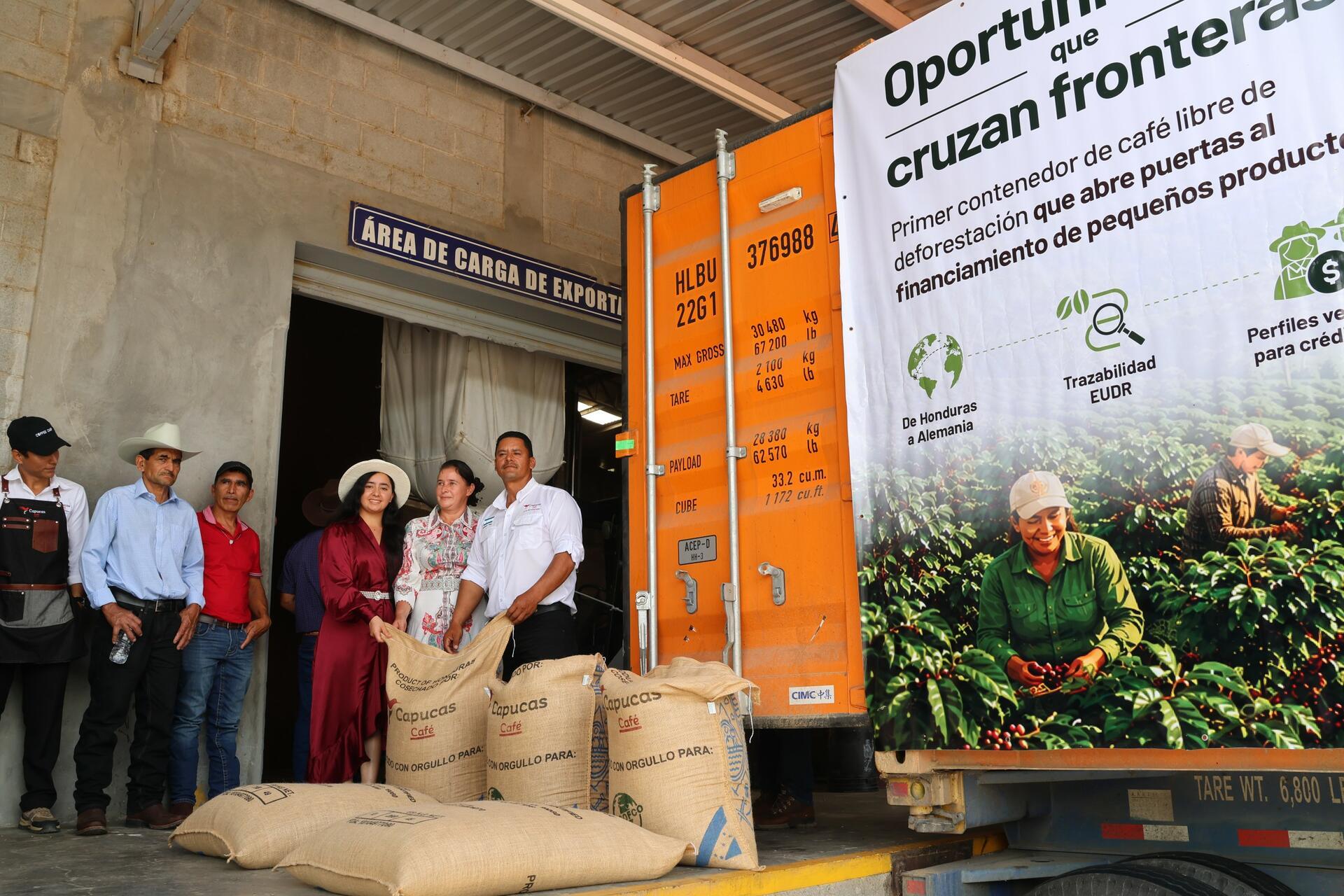
Photography: Alisson Zelaya / CIAT.
ODEF is the first financial institution to join the pilot. Fourteen producers from the Capucas' shipment will be presented as priority cases to ODEF for an initial credit assessment. To conduct the evaluation, the institution will also use the climate risk analyses provided by the ACLIMATAR platform. This promotes the inclusion of coffee producers in sustainable financing mechanisms and the support for climate change adaptation.
"Seeing small-scale coffee farmers supported by a traceable export process enables us to conduct more informed analyses and expand access to credit for those who meet certified quality standards. This is exactly the kind of partnership we need to ensure that financing reaches those who need it most."
Miguel Ángel Navarro, Business Manager at ODEF.
The model is designed to grow alongside those who wish to build it. Development organizations, importers, exporters, and cooperatives that recognize traceability as a competitive advantage in an increasingly transparency-driven market, while also seeking to address sustainability challenges and amplify the social impact of the smallholder farmers who ensure the quality of the products.
More voices on the impact
“We joined this initiative because it brings technology, and that technology is driven by a commitment to inclusion—one that seeks to support producers who currently lack a voice and who, through the fair and responsible trade of their coffee, can qualify for credit to continue producing the excellent quality they have delivered in this shipment.”
Omar Rodríguez Romero, General Manager of the Capucas Coffee Cooperative.
“What makes this project special is its ability to bridge compliance with legislation on deforestation-free supply chains with efforts to strengthen sustainable livelihoods. We are delighted that SASI’s Due Diligence Fund, implemented by GIZ, supports tangible results for smallholder farmers and deepens collaboration among partners throughout and beyond the value chain.”
Charlotte Haeusler Vargas, Team Lead at SASI, part of GIZ.
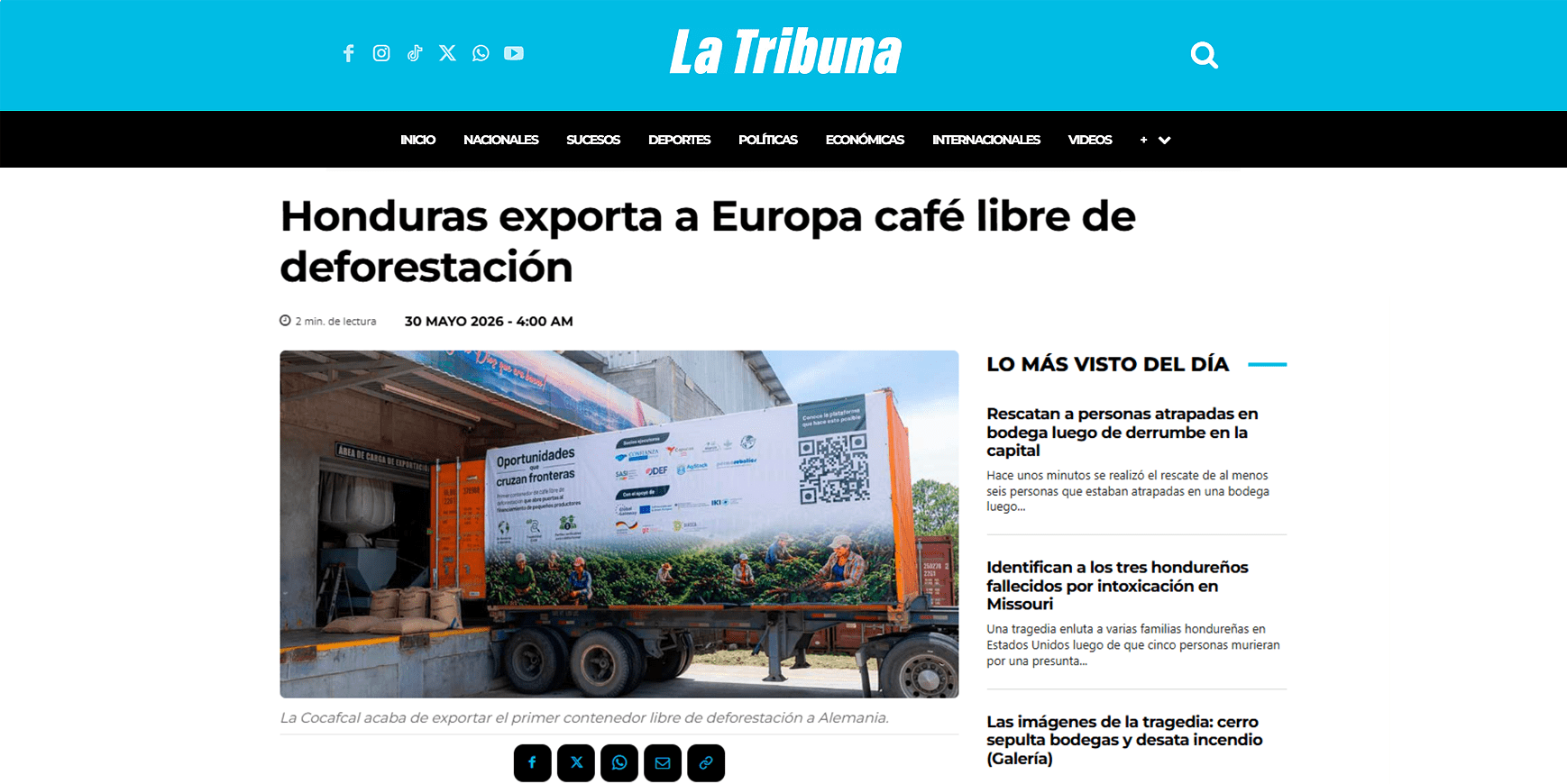
Honduras exporta a Europa café libre de deforestación
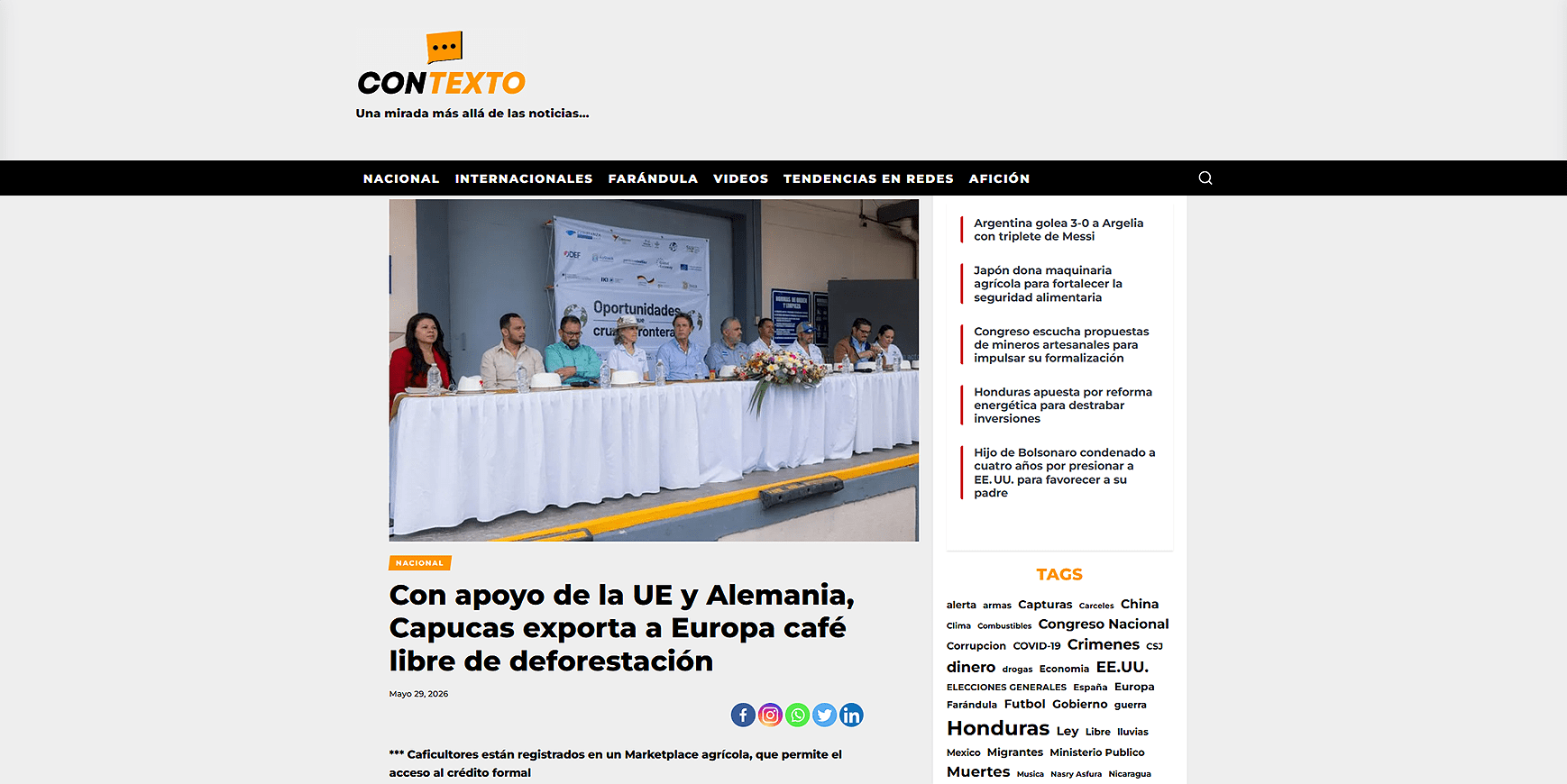
Con apoyo de la UE y Alemania, Capucas exporta a Europa café libre de deforestación
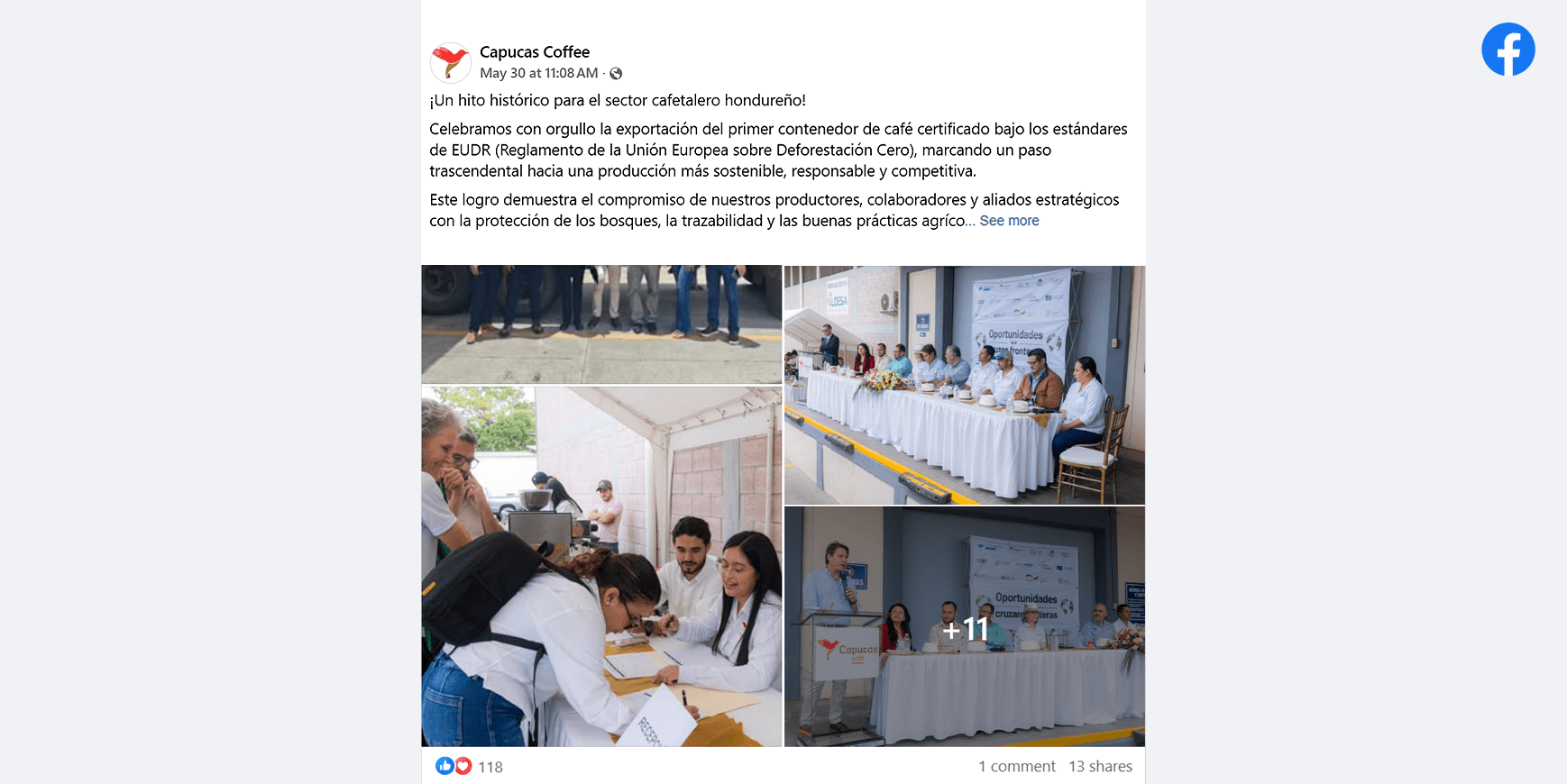
¡Un hito histórico para el sector cafetalero hondureño!
Meet the Alliance team

Federico Ceballos-Sierra
Postdoctoral Fellow
William Igeler
Senior Research Associate
Jenny Wiegel
Americas Lead, Food Environment and Consumer Behavior
Brian King
Senior Manager, Technology Integration (IT)Keep exploring