From the Field Climate-smart villages in Guatemala and Honduras as local innovation platforms for scaling ecosystem-based adaptation
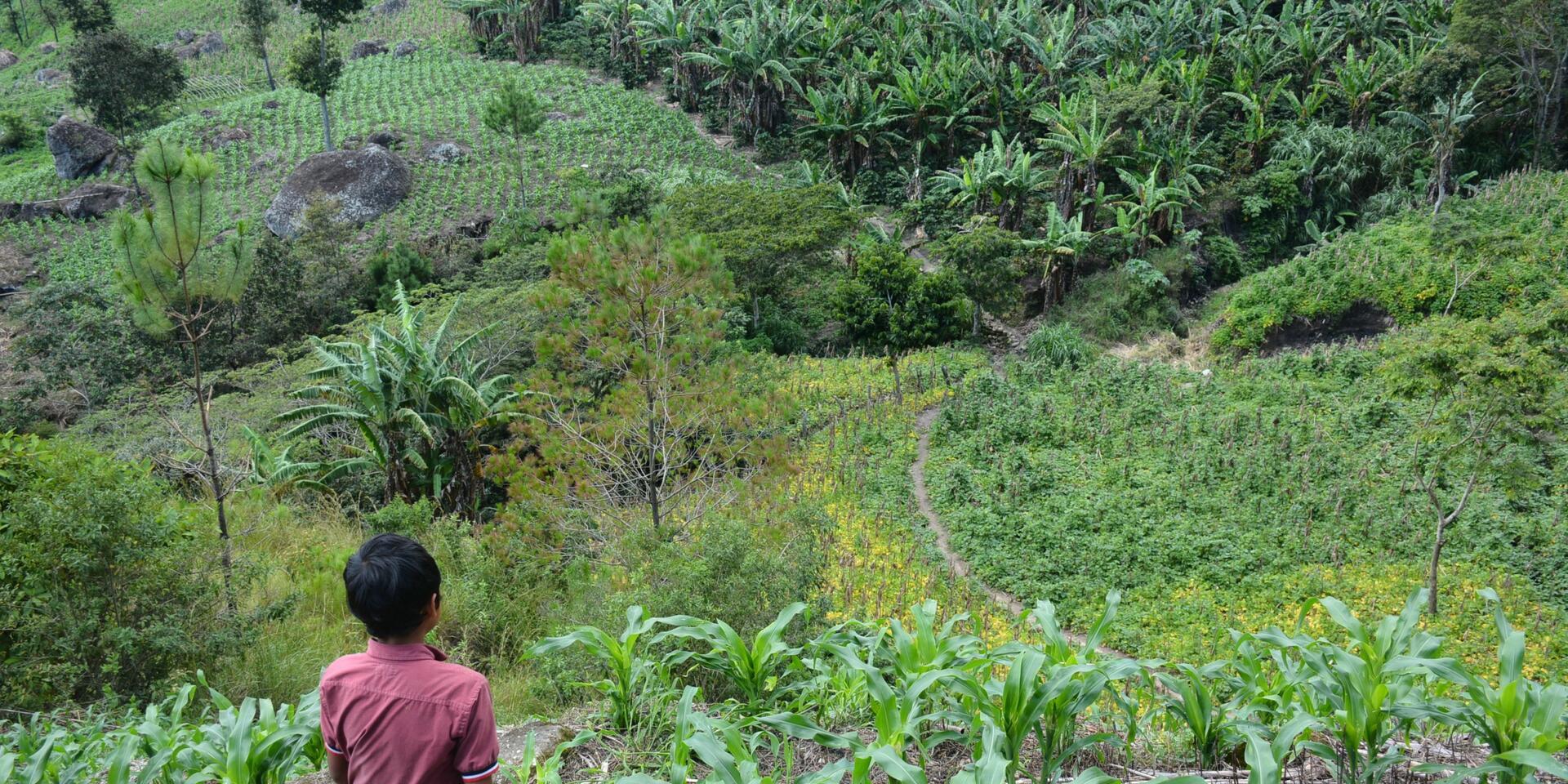

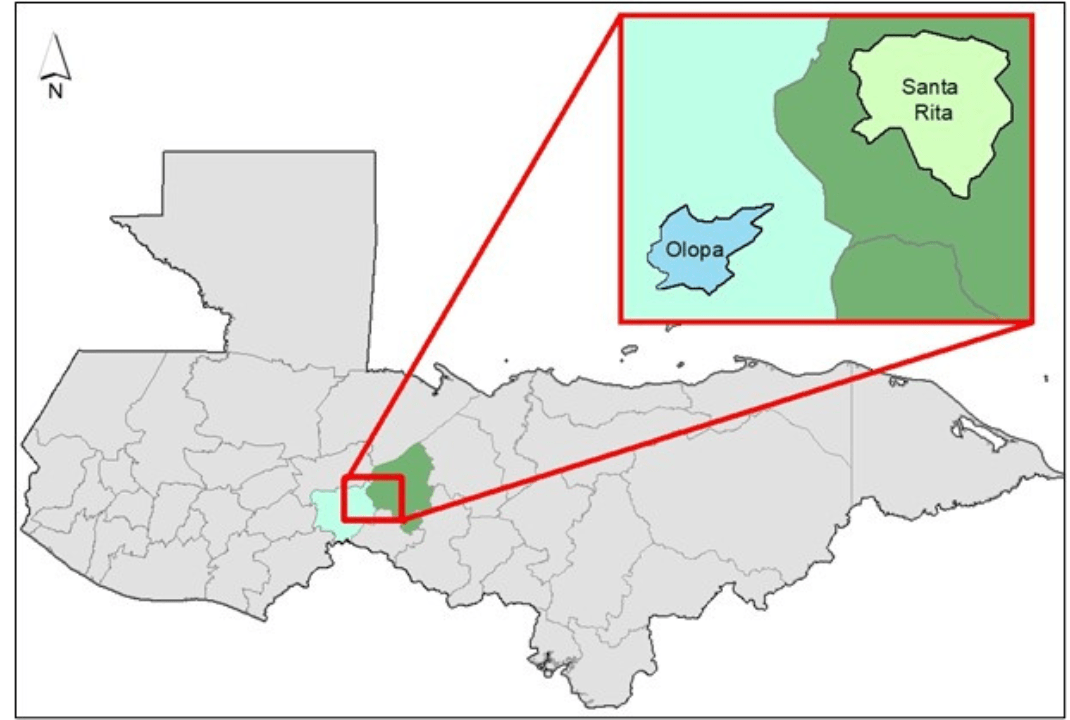
The municipalities of Santa Rita (department of Copán, Honduras) and Olopa (department of Chiquimula, Guatemala), are located in the Central American Dry Corridor region, characterized by irregular rainfall, high susceptibility to climate variability, and, according to IPCC models, high vulnerability to climate change. These challenges will be critical for farmers due to the effects that climate has on cash crops such as coffee (Bunn, Castro and Lundy, 2018), fundamental for the region's economy, as well as for self-consumption crops such as maize and beans (Eitzinger et al., 2017).
What’s the story?
In recent years, more frequent droughts have forced many farming families to push their land and resources to the limit. However, this short-term strategy has a downside: overusing natural resources weakens the land and makes it even harder to cope with future climate impacts. That means lower harvests, lower incomes, and fewer opportunities to improve living conditions.
So, what is CSV?
Since 2015, communities in Santa Rita and Olopa have been using an innovative approach called 'climate-smart villages (CSAs). It was created by the CGIAR’s CCAFS program and tested in several Latin American countries. The idea is simple: bring together farmers, researchers and local organizations to find smart, sustainable ways to adapt to the changing climate.
Through CSVs, communities identify what works best for them—from using drought-tolerant seeds to building water reservoirs, rotating crops, or accessing reliable climate forecasts. These actions are not imposed from the outside; they are chosen through inclusive, participatory processes that respect local knowledge and realities.
CSV is not just a project, it is a platform for innovation and collaboration, helping rural families build stronger, more resilient livelihoods in the face of climate change.
Starting in 2022, the CSVs in Honduras and Guatemala began integrating Ecosystem-based Adaptation (EbA) approaches through the project “Putting Ecosystems at the Center of Adaptation through the Climate Smart Villages Approach.” Funded by the Global EbA Fund. This initiative aims to expand the range of solutions to tackle the challenges of climate change and variability in both countries. At the same time, it supports the continued growth and scaling of the CSV model as a platform for climate resilience and sustainable rural development.
About the Project
The project 'Putting Ecosystems at the Center of Adaptation through the Climate Smart Villages Approach' was carried out between March 2022 and August 2024, in partnership with the Regional Ch’orti’ Farmers Association (ASORECH) in Guatemala and the Mennonite Social Action Commission (CASM) in Honduras. Both organizations have been working in these territories for over 20 years and have strong experience in rural development projects—making them ideal partners to scale up the project’s key findings.
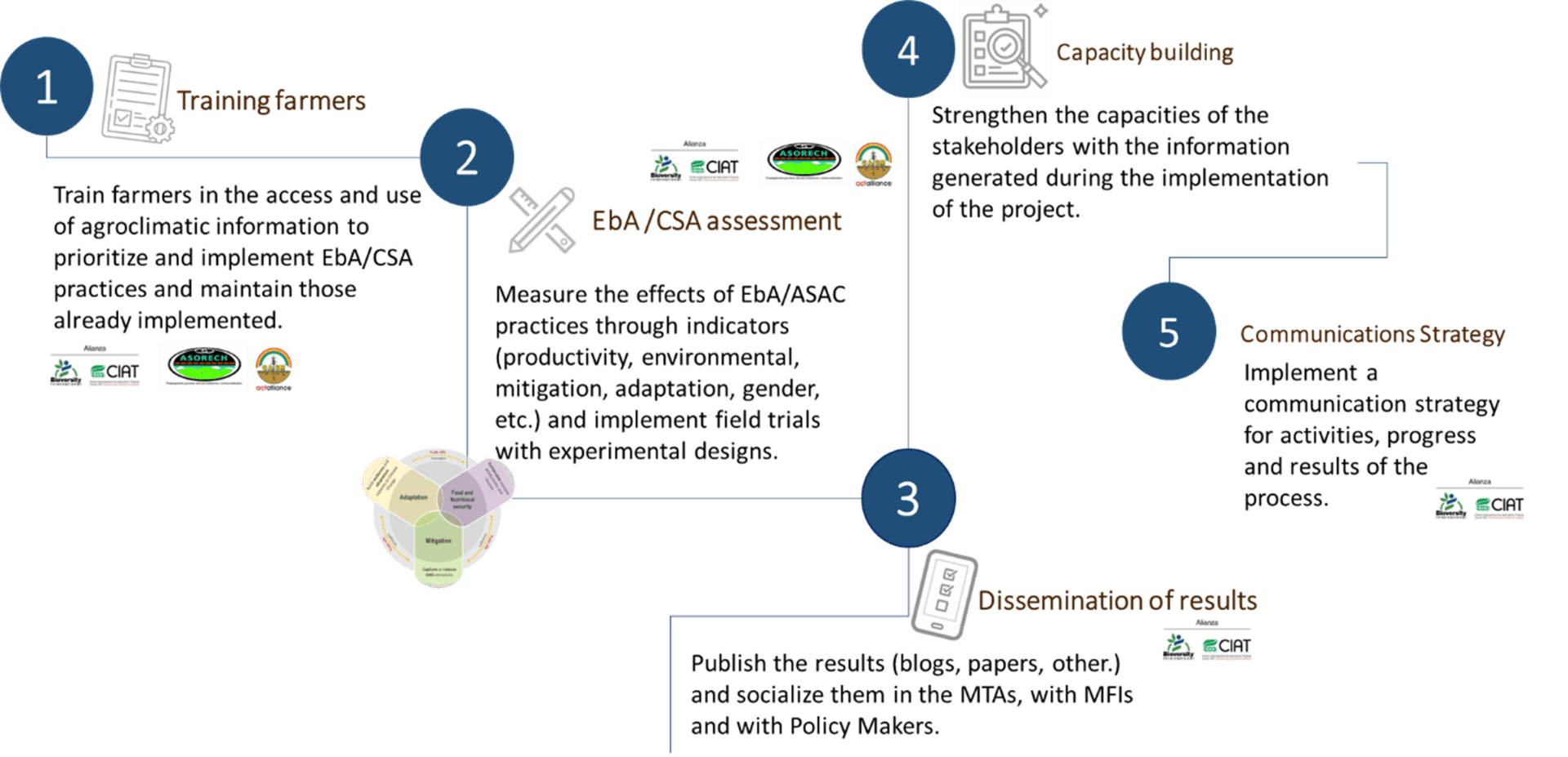
Figure 1. Summary of the activities carried out in the project.
The project’s main goal was to help reduce environmental vulnerabilities caused by climate change in small farms and rural communities. To do this, it promoted the use of EbA/CSA practices to restore and strengthen local farming systems. These practices were selected through participatory processes and based on climate information to ensure they responded to local needs.
The project focused on working with subsistence and near-subsistence farming families, who have limited capacity to cope with climate impacts. It placed a strong emphasis on supporting women—who made up 75% of participants in Santa Rita and 87% in Olopa.
Project activities revolved around five key areas, which are illustrated in Figure 1.
Key Results
Building Farmers’ Skills
At the heart of the CSV approach is empowering farmers to better access, understand and use climate information to make smarter decisions for their crops and land. To support this, the project trained farmers using the Participatory Integrated Climate Services for Agriculture (PICSA) methodology.
Throughout the project, over 80 training sessions were held in Santa Rita and Olopa, covering PICSA and other climate-related topics. The results were very encouraging: more than 80% of participants showed improved knowledge and understanding of climate information, helping them make more informed choices for their farms.
Strengthening Technical Capacities
Another important focus of the project was creating spaces to share results and providing training for professionals and agricultural extension workers. A standout example was a diploma course called 'Innovative Extension for Sustainable Agriculture', held in Guatemala in collaboration with the San Carlos University of Guatemala (CUNORI) and supported by international partners such as IICA, CGIAR, and CIMMYT.
Through this course, 27 professionals from 10 institutions were trained. In total, the project provided training to over 100 professionals from 30 organizations, helping strengthen local capacity to support climate adaptation in agriculture.
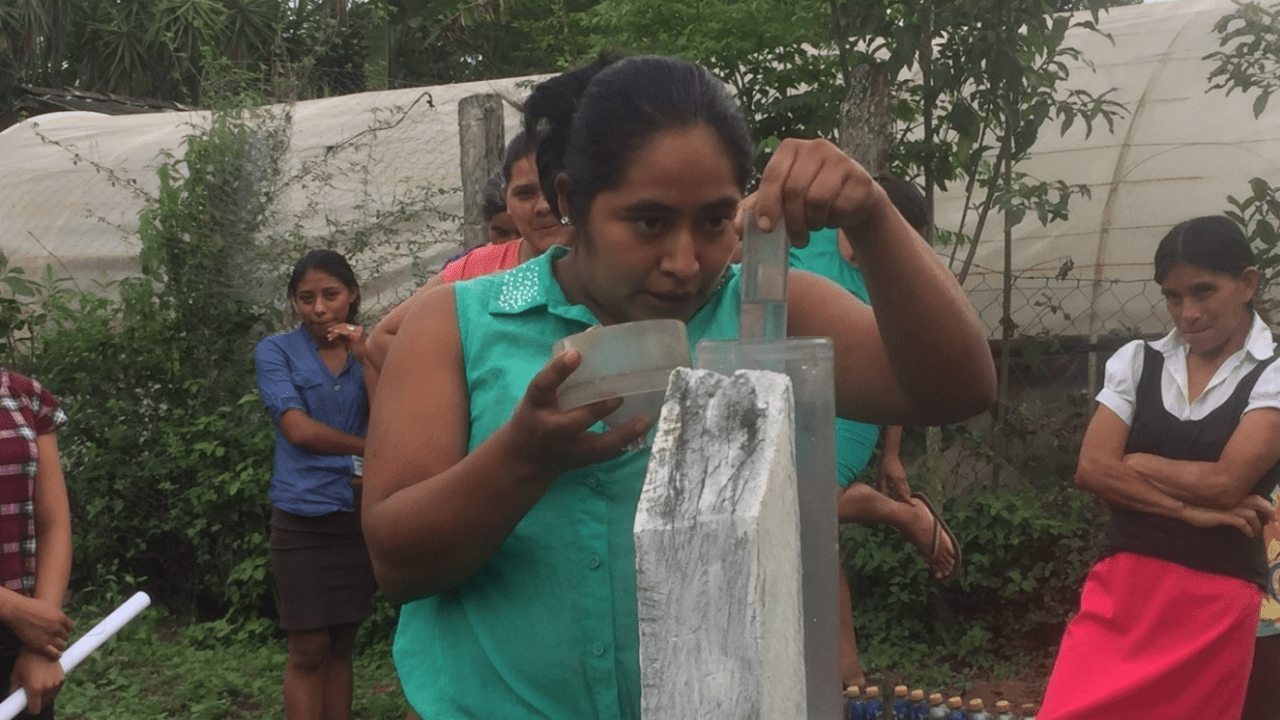
Woman learning to interpret data from a rain gauge (La Casita community, Honduras)
EbA/CSA Practice Portfolios
A key part of the project was helping farmers learn how to access, interpret and apply climate information to make better decisions for their farms and ecosystems. As a result, the CSVs in Santa Rita and Olopa implemented various practices both in productive plots (on-farm) and in home gardens. While on-farm practices focused on improving commercial production, home garden practices were aimed at enhancing family food security.
Here are some of the main EbA/CSA practices promoted in both Honduras and Guatemala:
On-Farm practices
1. Living Barriers
These are rows of plants—mainly shrubs and trees—planted along the contours of the land. They help prevent soil erosion, trap sediments, improve water infiltration, and provide biodiversity and useful resources for families.
2. Dead Barriers
Made from natural materials such as rocks, these barriers are placed in rows to slow down rainwater, reduce erosion, retain sediments, and conserve soil moisture.
3. Irrigation ditches (Acequias)
These are small ditches or trenches used to capture and distribute rainwater or irrigation water more efficiently. They also help prevent runoff and collect sediments and organic matter.
4. Terraces
Built on sloped land, terraces create flat steps where crops can be grown. They reduce erosion, improve water infiltration, and make farming easier and more productive on hillsides.
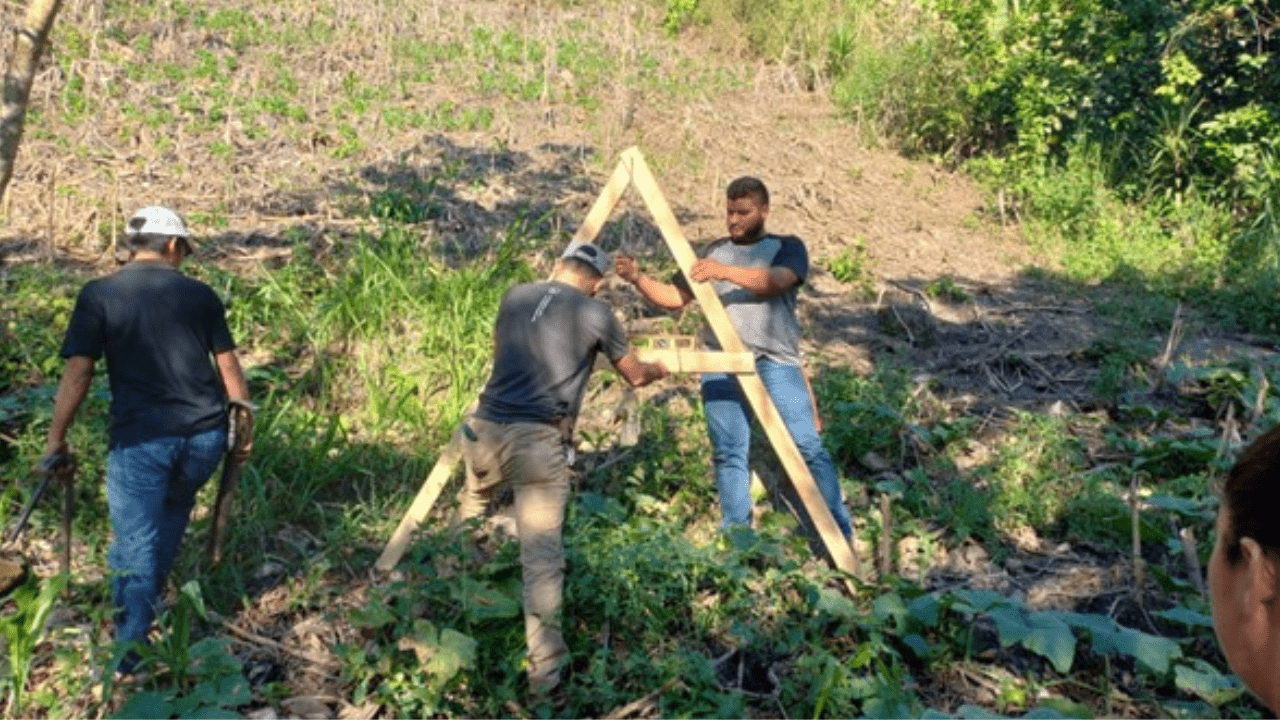
Farmers tracing contour lines to implement living barriers, dead barriers, irrigation channels, or terraces (CSV of Honduras)
5. Water Reservoirs
These are manufactured ponds or tanks built on the farm to collect and store rainwater or runoff. They help ensure water is available during dry periods and make water use more efficient for farming.
6. Organic Compost Pits
These are designated spaces for making organic fertilizer through composting. Farmers use crop leftovers, animal manure, and other organic waste to create nutrient-rich compost that improves soil fertility, structure, and health—supporting more sustainable agriculture.
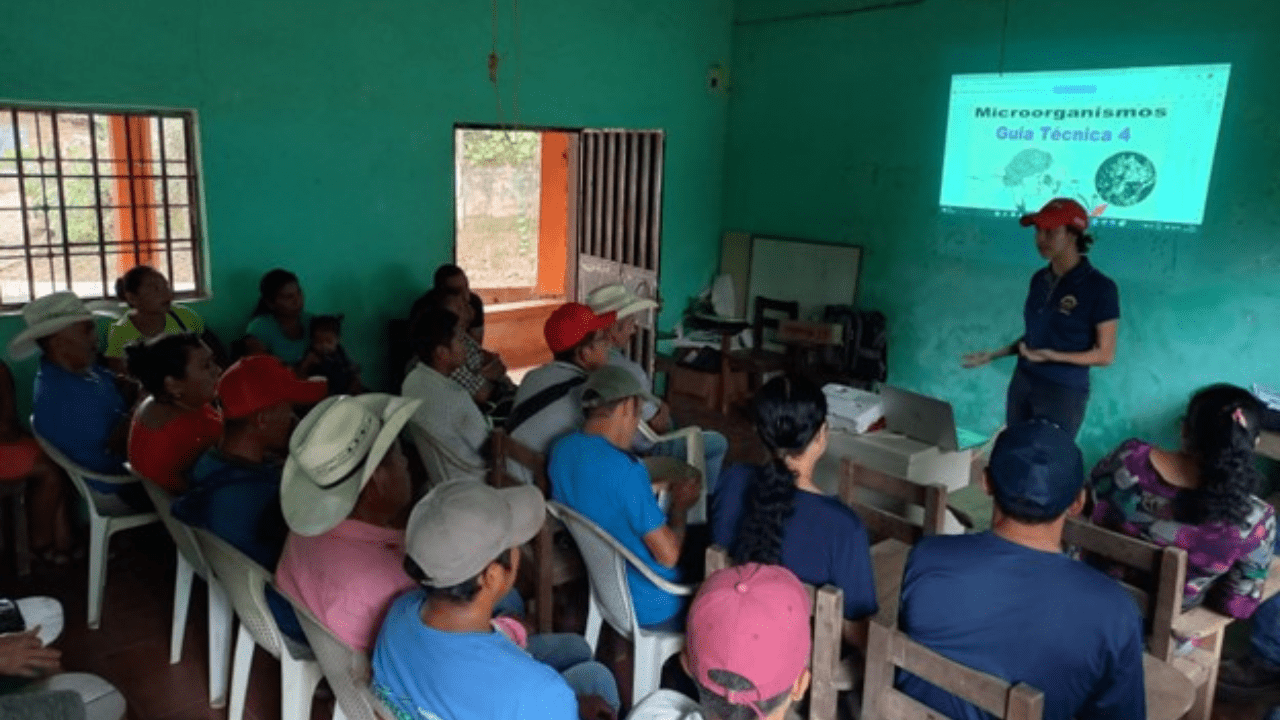
Training farmers in compost pit preparation (CSV of Honduras)
7. Grafting
Grafting is a farming technique that joins parts of two different plants to grow as one. The idea is to combine the strengths of each plant, like better resistance to harsh weather, faster growth, or higher yields—into a stronger, more productive crop.
Home Garden Practices
1. Rainwater Harvesting
This practice involves collecting, storing, and using rainwater through systems like roof catchments, cisterns, ponds, or trenches. The goal is to make the most of rainfall during the dry season—mainly for watering crops and, in some cases, for household use.
2. Water Reservoirs for Fish Farming
These are specially built ponds or tanks used to raise fish. They allow families to produce food while also making efficient use of water resources, combining aquaculture with water conservation.
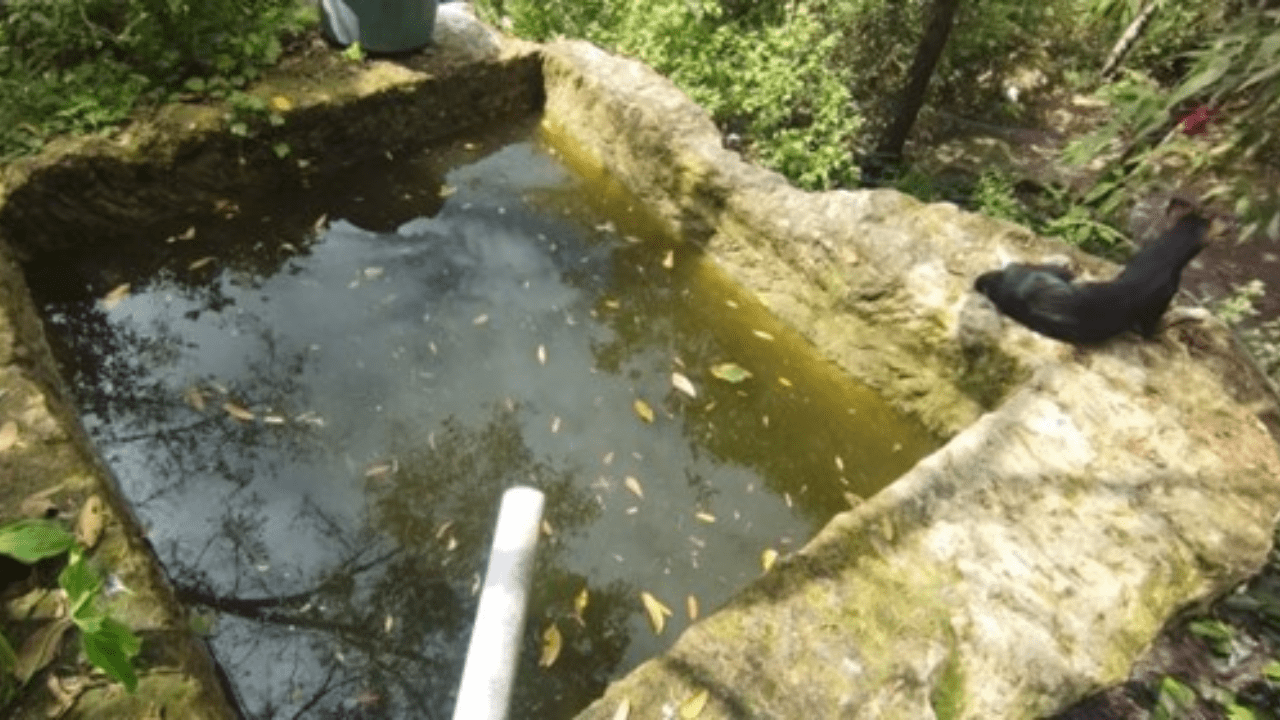
Rainwater harvesting and fish pond (CSV of Guatemala)
3. Sustainable home gardens
These are small areas near the home where families grow vegetables, legumes, and other edible plants. They are easy to manage and provide fresh food, better nutrition, and even extra income.
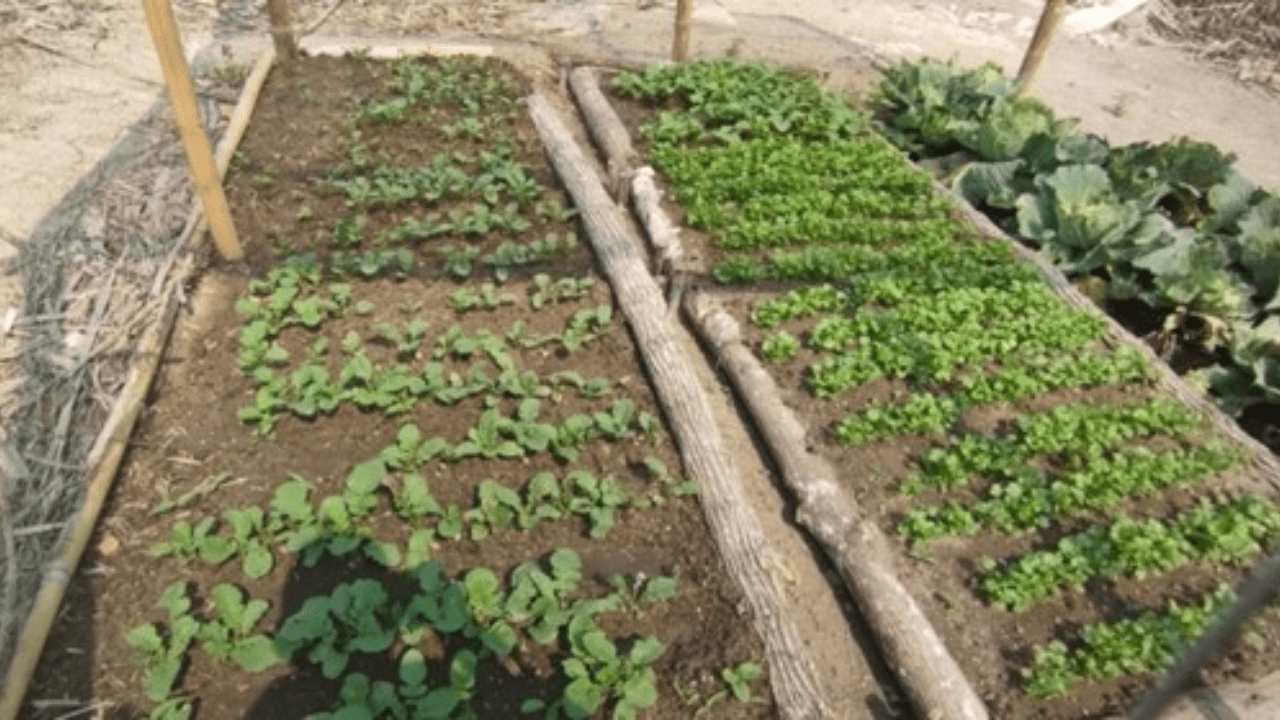
Sustainable home gardens with many crops (CSV of Guatemala)
Participatory Research: Learning Together with Farmers
One of the most valuable components of the CSV process was participatory research, carried out in both Santa Rita (Honduras) and Olopa (Guatemala), with three different field trials in each country. These trials focused on bean cultivation, a key crop for both communities.
Key Findings from Honduras:
4. Beans grown with either chemical or organic fertilizer produced similar yields, suggesting both can be effective options depending on available resources and soil conditions.
5. Among the varieties tested (Honduras Nutritivo, Lenca Precoz, Paraisito Mejorado, and SEF 70), SEF 70 stood out as the top performer, with yields exceeding 2,742 kg/ha—340% above the national average.
6. Planting beans following technical recommendations led to yields up to 40% higher than traditional methods, highlighting the importance of extension programs and improved farming techniques.
7. Biofortified and drought-tolerant varieties like SEF 70 and Honduras Nutritivo showed strong adaptability to the dry conditions of the region.
Key Findings from Guatemala:
1. Both organic and chemical fertilizers significantly improved bean yields compared to unfertilized fields (a frequent practice in Olopa). However, no major difference was found between the two types, suggesting that organic compost is a sustainable and viable alternative.
2. Among the tested varieties (Patriarca, Chortí, and SMN97), ICTA Patriarca had the highest yields in most trials. This variety is known for its drought tolerance and exceeded national yield averages by up to 250%.
3. All tested varieties adapted well to the region’s climate, growing healthily without significant pest or disease problems—an encouraging sign for promoting low-chemical farming.
Community Monitoring: Tracking Change Together
The project also included a participatory monitoring system, where farmers and technicians in both countries tracked changes in soil moisture, organic matter, productivity, and biodiversity.
In Honduras:
- Over 80% of farmers adopted EbA/CSA practices such as living barriers, crop rotation, agroforestry systems, and water reservoirs.
- Up to 36% increase in soil organic matter, improving fertility and water retention.
- CO₂ emissions were reduced by 76% in maize and 31% in coffee systems.
- Soil moisture retention improved significantly, and agricultural diversification increased across farms.
In Guatemala:
- EbA/CSA practices led to:
- Increases in soil organic matter ranging from 0.52% to 1.98%.
- 38% reduction in CO₂ emissions in coffee systems.
- Fivefold increases in coffee productivity where living barriers were combined with compost pits.
- Maize and bean production grew by over 300% with the use of trenches and dead barriers.
- Soil moisture improved by more than 10% on average, especially during dry months, thanks to practices like terraces, acequias, and living barriers.
- Farms also saw a 25% increase in crop diversification.
Figure 2 shows a comparison of soil moisture levels with and without irrigation channels (acequias) in the Guatemalan CSV during the driest months (November to March) in 2022, 2023, and 2024.
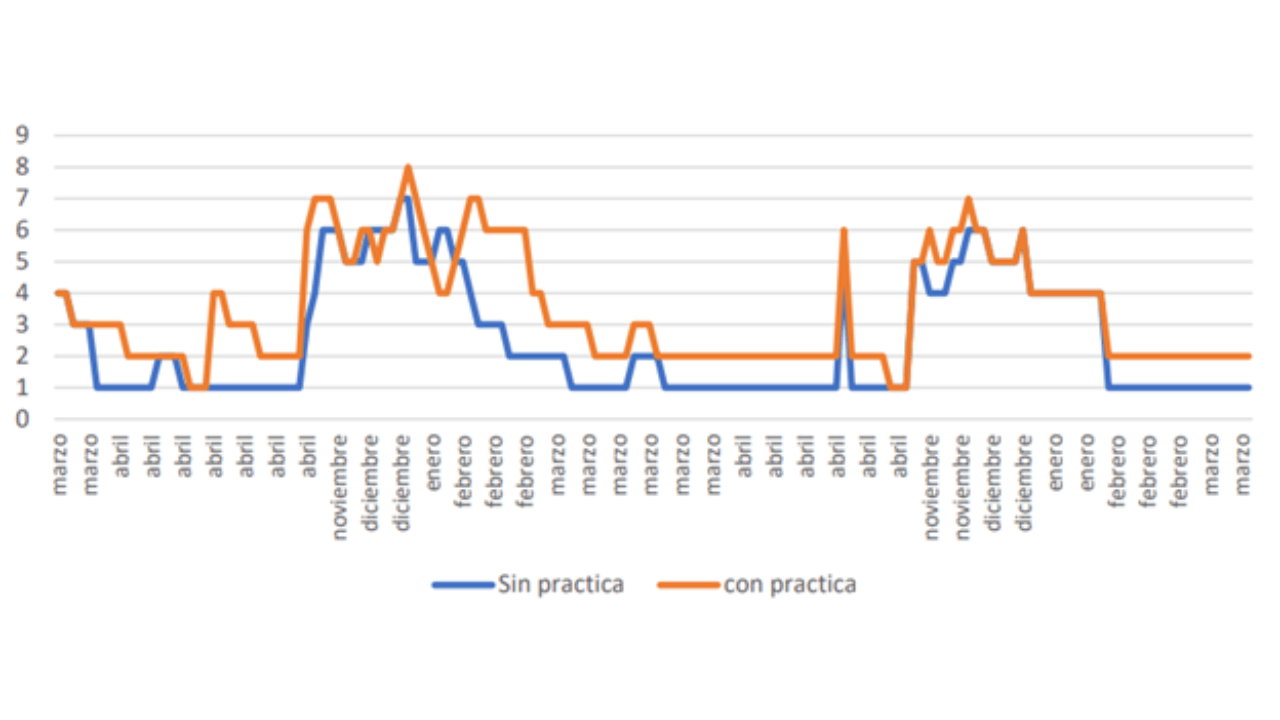
Figure 2. Soil moisture indicator measured with analog hygrometers in areas with and without irrigation channels (acequias) during 2022, 2023, and 2024.
Socioeconomic Monitoring and Climate Risk Perception with a Gender Lens
The project also included monitoring activities to track changes in farmer empowerment—especially among women—in areas such as decision-making, resource management, and the adoption of climate-smart practices.
Key Findings from Honduras:
In the communities of Honduras, women’s empowerment increased significantly. Their involvement in agricultural spending decisions rose from 17% to 67%. Food security also improved, with 80% of participants producing most of their food on their own farms, compared to 70% in the control group. Both women and men also increased their capacity to save—25% for women and 35% for men. In addition, 80% of farmers had access to and used climate information effectively, with 60% reporting lower vulnerability to climate change and 80% making adaptive changes to their farming practices.
Key Findings from Guatemala:
In the communities of Guatemala, women’s economic empowerment also grew significantly, with participation in economic decision-making rising from 35% to 67%, and decisions about farm spending increasing from 55% to 75%. Food security improved, with 62% of women producing most of their food, versus only 40% in the control group. Their access to agricultural income rose from 20% to 50%, and their savings capacity grew from 18% to 50%. As in Honduras, 80% of farmers had access to climate information, and 70% felt less vulnerable to climate impacts, while 80% reported making better-informed farming decisions. There was also a 25% increase in farm diversification, with more varied crops being grown.
Sharing Results Across Stakeholders
The project also held workshops in both Guatemala and Honduras to share results and build local and national capacity to address climate change in rural areas. These workshops focused on real-life experiences from the CSVs and how they can inform community-based adaptation strategies.
In Honduras:
At the regional level, a workshop in Santa Rita found that 64% of participants were already applying EbA and CSA practices, such as rainwater harvesting, integrated pest management, grain banks, and drought-resistant crop varieties. Around 775 people received valuable climate information to improve their farming decisions. Participants also identified opportunities for future action, including strengthening poultry production, entrepreneurship, and community collaboration.
At the national workshop in Tegucigalpa, all attendees were familiar with the EbA and CSA approaches. They especially highlighted the value of organic farming, agroecology, and agroforestry systems. The CSV model was recognized as a valuable tool for advancing food sovereignty and incorporating economic and cultural perspectives into rural development. Innovations that stood out included climate monitoring systems and agricultural adaptation tailored to local conditions.
In Guatemala:
At the regional level in Chiquimula, 73% of participants were already familiar with the EbA and CSA approaches. They reported promoting practices such as crop diversification, soil conservation, biofertilizer production, and the use of drought-tolerant varieties. It was estimated that about 6,000 people had accessed climate information from local climate roundtables and the project’s activities, significantly improving local decision-making.
At the national workshop in Guatemala City, knowledge of these approaches was even higher—90% of participants. Agroforestry systems and integrated watershed management were among the most recognized practices, contributing to the development of national policies on climate adaptation and food security. The most notable innovations included community-driven climate information management and the widespread creation of on-farm water reservoirs.
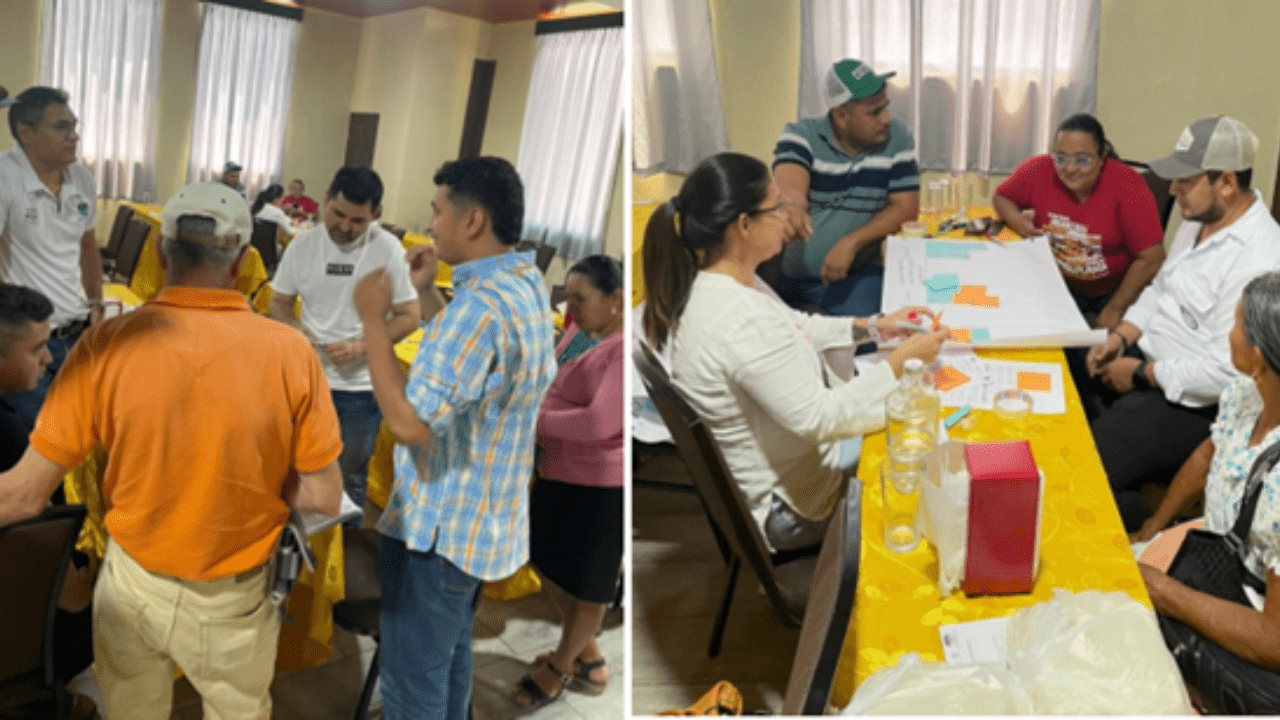
Regional workshop sharing project results (Chiquimula, Guatemala)
Policy Recommendations
Based on the project’s most important findings, two policy briefs were developed—one for each country. These documents summarize key lessons and offer practical guidance for decision-making at national, municipal, and local levels.
For Honduras, the main policy recommendations are:
1. Achieving resilient agricultural development requires better coordination between governments and international partners using integrated approaches like EbA and CSA Agriculture.
2. Promoting sustainable practices like agroforestry, crop rotation, and drought-resistant varieties, supported by climate knowledge, helps strengthen both climate resilience and food security.
3. Ensuring fair access to productive resources, affordable financing, and inclusive training is key to building self-reliant and resilient rural communities.
4. Digital tools can enhance development efforts by enabling real-time data collection and sharing, especially useful for strengthening platforms like Participatory Climate Roundtables.
5. Public policies with a gender focus help guarantee equitable participation and long-term sustainability in rural development.
For Guatemala, the main policy recommendations are:
1. A truly integrated approach to rural development requires coordination between governments and the international community, combining complementary strategies like CSA and EbA.
2. Scaling rural development means supporting EbA/CSA practices through accessible financing, low-cost innovations, and robust monitoring systems.
3. Improving regional and local resilience depends on strengthening Climate Technical Roundtables and community networks that empower farmers to use climate information effectively.
4. Making the most of climate data and sustainable farming methods requires technical training programs with a gender-sensitive approach and a focus on resilience.
5. Updating national climate policies such as the PANCC and NDCs is essential to strengthen soil conservation, biodiversity, and access to quality climate information.