Blog Bridging knowledge systems: Indigenous practices for sustainable foodways

“Indigenous knowledge plays a vital role in addressing today’s food and environmental challenges... Its value goes far beyond production techniques, encompassing food culture, health, conservation, knowledge transmission, inclusion, and economic application.” - Yasuyuki Morimoto, Scientist at the Alliance of Bioversity International and CIAT
Indigenous peoples’ food systems have existed for millennia: far longer than the industrialised food systems that dominate much of the world today. Often living in remote areas ranging from the Amazon rainforest, the deserts of central Africa, and far beyond, Indigenous peoples make up 6.2% of the global population, yet they are believed to be the custodians of up to one quarter of Earth's land surface, home to a significant portion of global biodiversity. Strongly rooted in their native environments, studies of Indigenous peoples’ food systems (IPFS) highlight that the environmental impact of their food production is significantly lower than industrial systems due to shorter value chains, the use of integrated production systems such as agroforestry, greater diversity of species, circularity in natural resource use, and approaches that prioritize farming in harmony with their environments, with high importance given to socioeconomic benefits.
IPFS may seem like a model for creating food systems that address today’s climate crisis, improve nutrition, and increase social equality. However, can we supply sufficient food for a growing population with these production systems? Would Indigenous peoples want their knowledge to be ‘upscaled’ into global development plans? And, what co-creation processes would connect Indigenous peoples, researchers and policymakers to create food systems that benefit all?
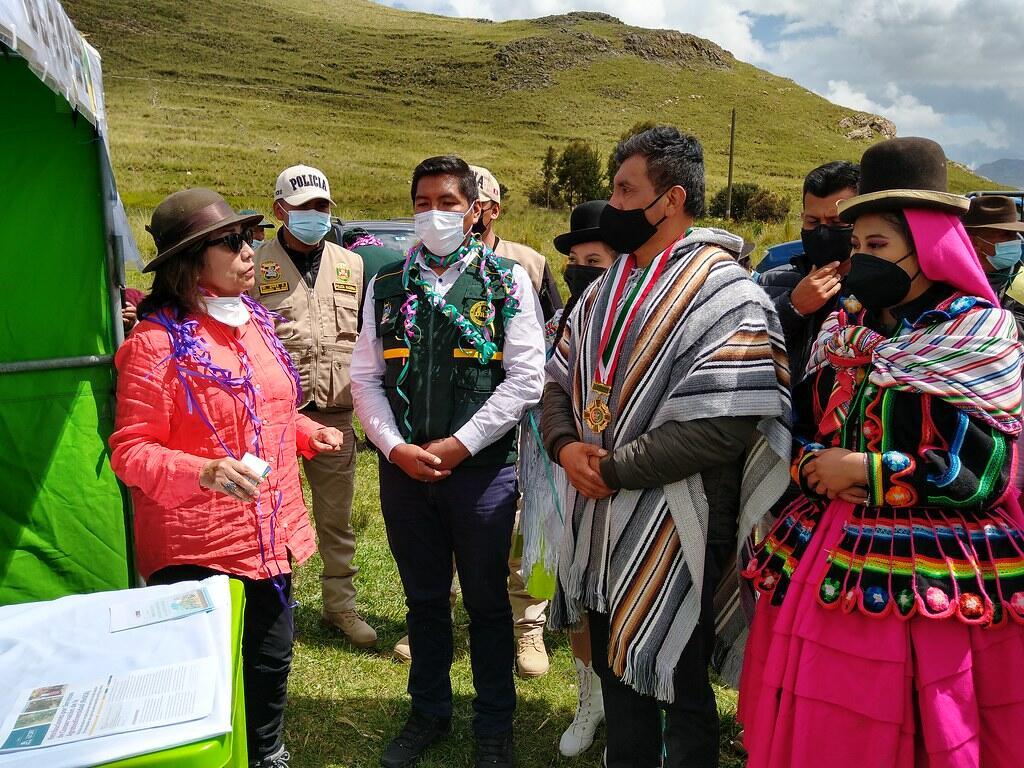
Indigneous peoples join diverse stakeholders at a farmers' field day in Puno, Peru. Credit: CIAT/Adam Drucker
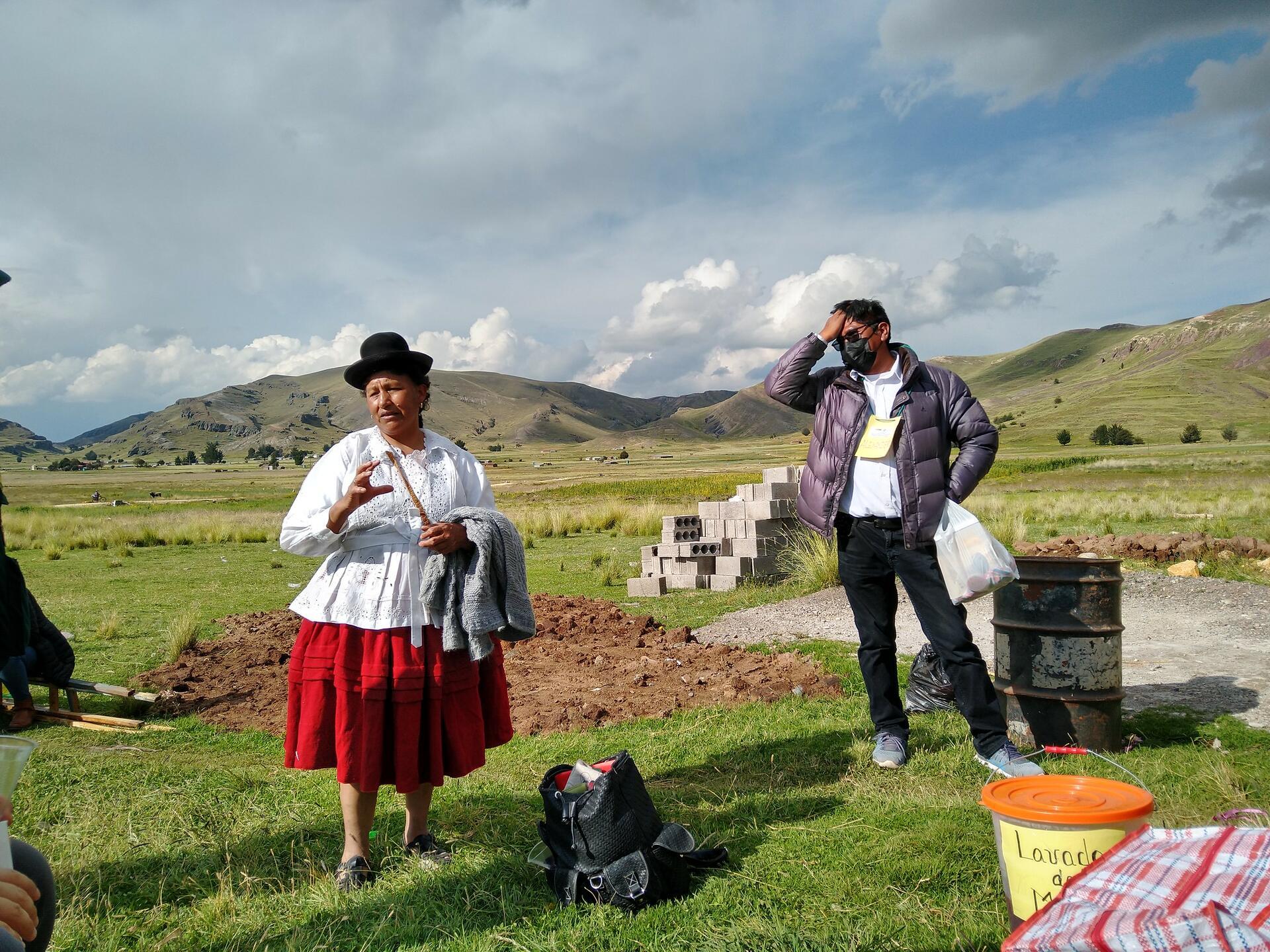
An Indigneous women at a farmers' field day in Puno, Peru. Credit: CIAT/Adam Drucker
Interculturalism: Where modern science meets indigenous knowledge
In Mexico – home to at least 68 identified Indigenous peoples – social inequality led to government-led initiatives to facilitate Indigenous peoples’ access to higher education. However, challenges such as linguistic barriers, Indigenous youth’s abandonment of their peoples, scientists’ perception of indigenous knowledge as ‘non-scientific’, and many Indigenous peoples’ caution of the ‘extractive’ nature of conventional scientific approaches. Clearly, a middle ground was missing.
Francisco Rosado-May - Founding President of the Intercultural University of Quintana Roo, Mexico – shared his perspective on how, with the emergence of ‘interculturalism’, productive collaboration finally began between agronomists,
life scientists and Indigenous peoples, leading to the co-creation of applicable solutions for sustainable food systems.
As recalled by Rosado May, in the 1970s, growing interest in Mexico’s efforts to give voice to its Indigenous peoples in universities coincided with academic critique of the long-term environmental impacts of the Green Revolution. Researchers and spokespeople from diverse backgrounds were united by the shared challenge of protecting food production, and the scientific discoveries of the time merged with Indigenous researchers’ emphasis on the importance of a holistic approach to agriculture, leading to the creation of the agroecology framework, which today is used by many researchers and policymakers as a blueprint for food systems transformation.
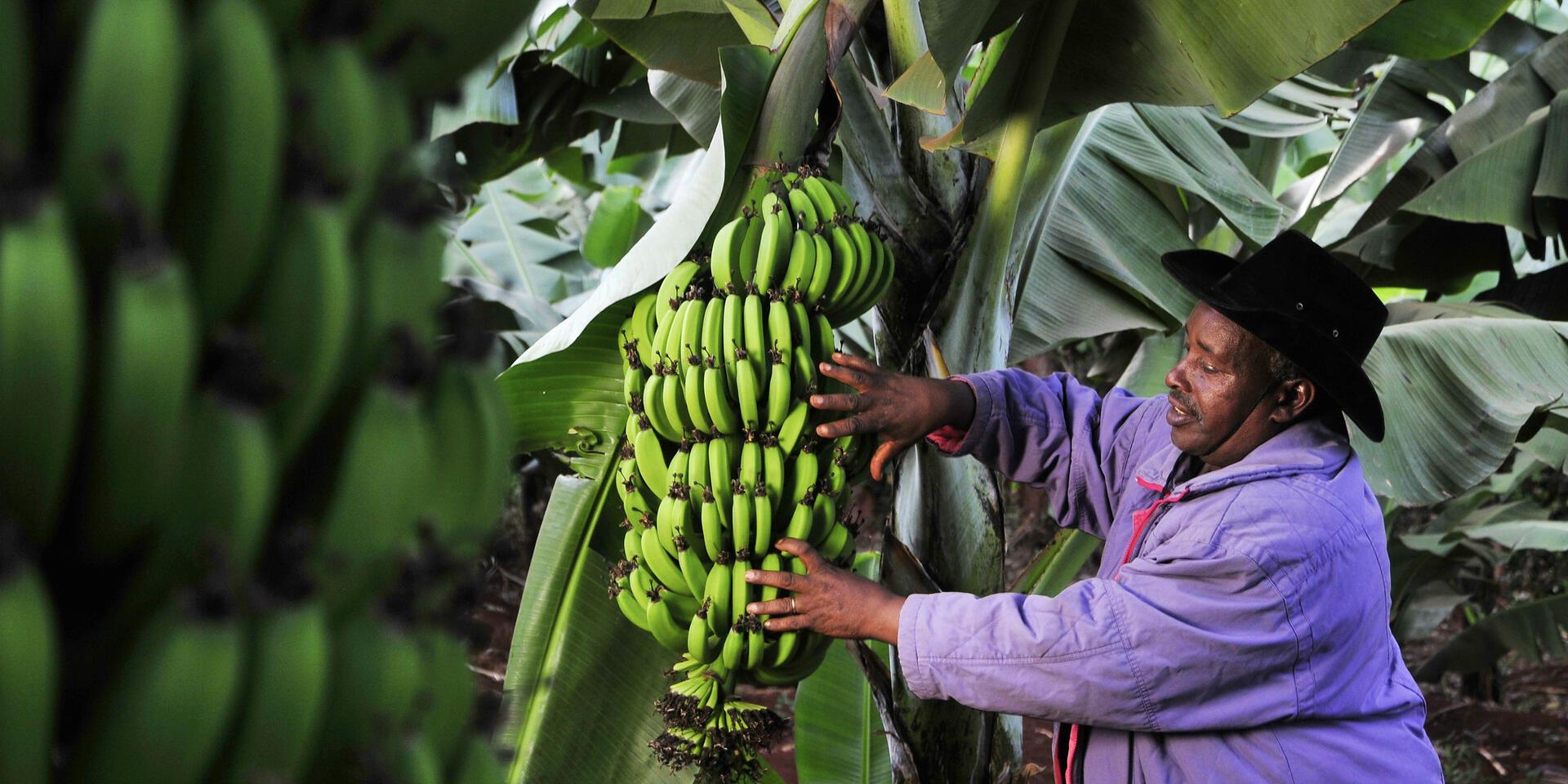
Banana farmer in Kenya: Indigenous peoples often cultivate diverse crop varieties within biodiverse landscapes. Credit: CIAT/Neil Palmer
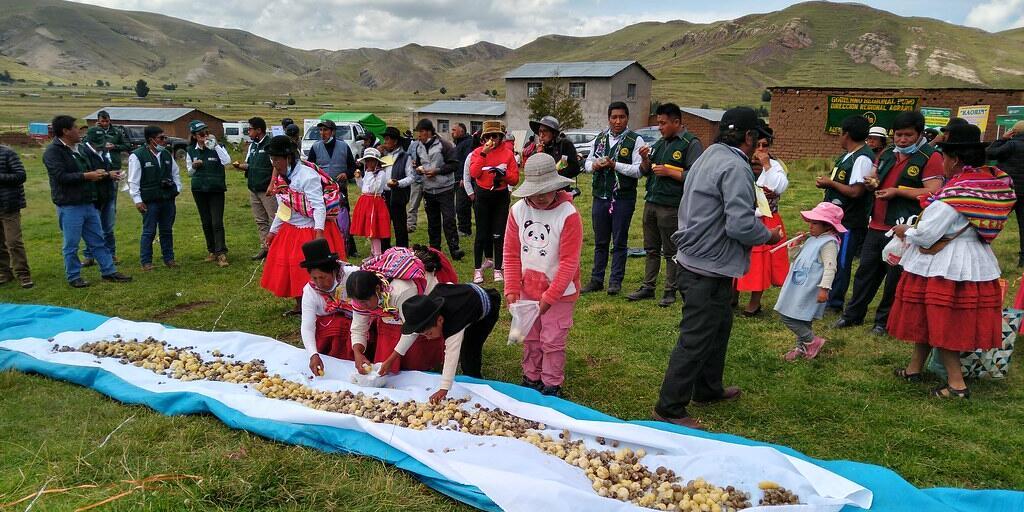
Indigneous peoples participate in a farmers' field day in Puno, Peru. Credit: CIAT/Adam Drucker
Agroecology: A broader approach to food systems transformation
Although the concept of agroecology emerged in the 1970s in these discussions, the most recognized definition of agroecology was established in 2019 by the Food and Agriculture Organization of the United Nations (FAO), dividing agroecology into 10 pillars: diversity, co-creation and sharing of knowledge, synergies, efficiency, recycling, resilience, human and social values, culture and food traditions, responsible governance, and circular and solidarity economy. By defining the key principles of IPFS within a clear framework, diverse stakeholders were able to apply them to their research, policies and production systems. However, despite growing global interest in agroecology, how can such principles be applied to today’s globalized food systems?
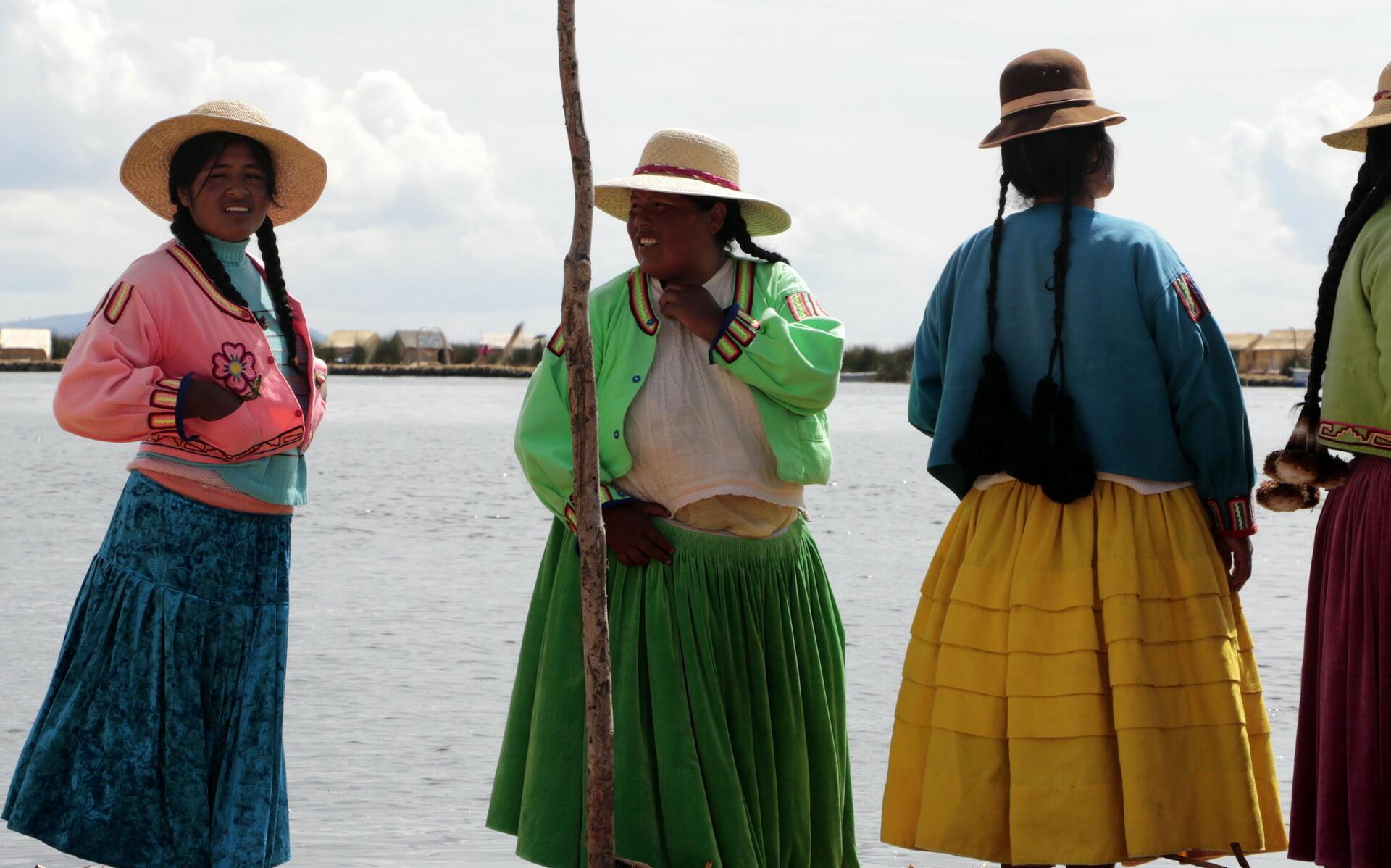
Indigenous women in Peru's Altiplano. Credit: CIAT/Manon Koningstein
Going global: Inclusive sharing of indigenous knowledge
Today, there are numerous organizations that bring indigenous knowledge to international policymaking spaces, proposing location- and country-specific solutions for low-impact, inclusive food systems inspired by indigenous practices. When asked about the challenges of the appropriation of indigenous knowledge and the perspective of indigenous communities about the ‘upscaling’ of frameworks such as agroecology, Rosado-May clarified that as long as the principles of Indigenous peoples’ food systems are presented as a broad model from which to co-create location-specific solutions, and Indigenous communities truly participate in decision-making and governance in ways that work for them, the development of new production systems inspired by their principles are win-win solutions for all. In terms of how to reach stakeholders such as policymakers and investors, the solution lies in close collaboration between Indigenous peoples and organizations such as the Indigenous Partnership for Agrobiodiversity and Food Sovereignty (TIP), the Indigenous Peoples Food Systems Coalition, and others. These organizations use culturally appropriate methods to gather insights from Indigenous communities, and present these in international fora in a way that gives Indigenous peoples a voice in global-level food systems transformation, while respecting the sovereignty of these peoples.
One recent example of bridging Indigenous peoples and other stakeholders in food systems development is a study by TIP - an organization hosted by the Alliance of Bioversity and CIAT. The study was conducted by researchers in collaboration with local-level organizations in Thailand, India, Kenya and Mexico, using participatory approaches to gather knowledge from Indigenous communities, allowing TIP to present evidence on the low-impact, high-yielding food production practices that are shared across geographically diverse Indigenous peoples, with recommendations on how these practices can be applied elsewhere.
However, the primary remaining challenge in bridging the knowledge and practices of Indigenous peoples with the transformation of national- and international-level food production systems is how to apply these principles at a larger scale, outside of the socio-cultural setting of Indigenous communities. Strategies for food systems transformation must address the need to feed a growing population - expected to reach 9.8 billion by 2050 - and developing a roadmap for adopting agroecological principles at a sufficiently large scale requires further investigation.
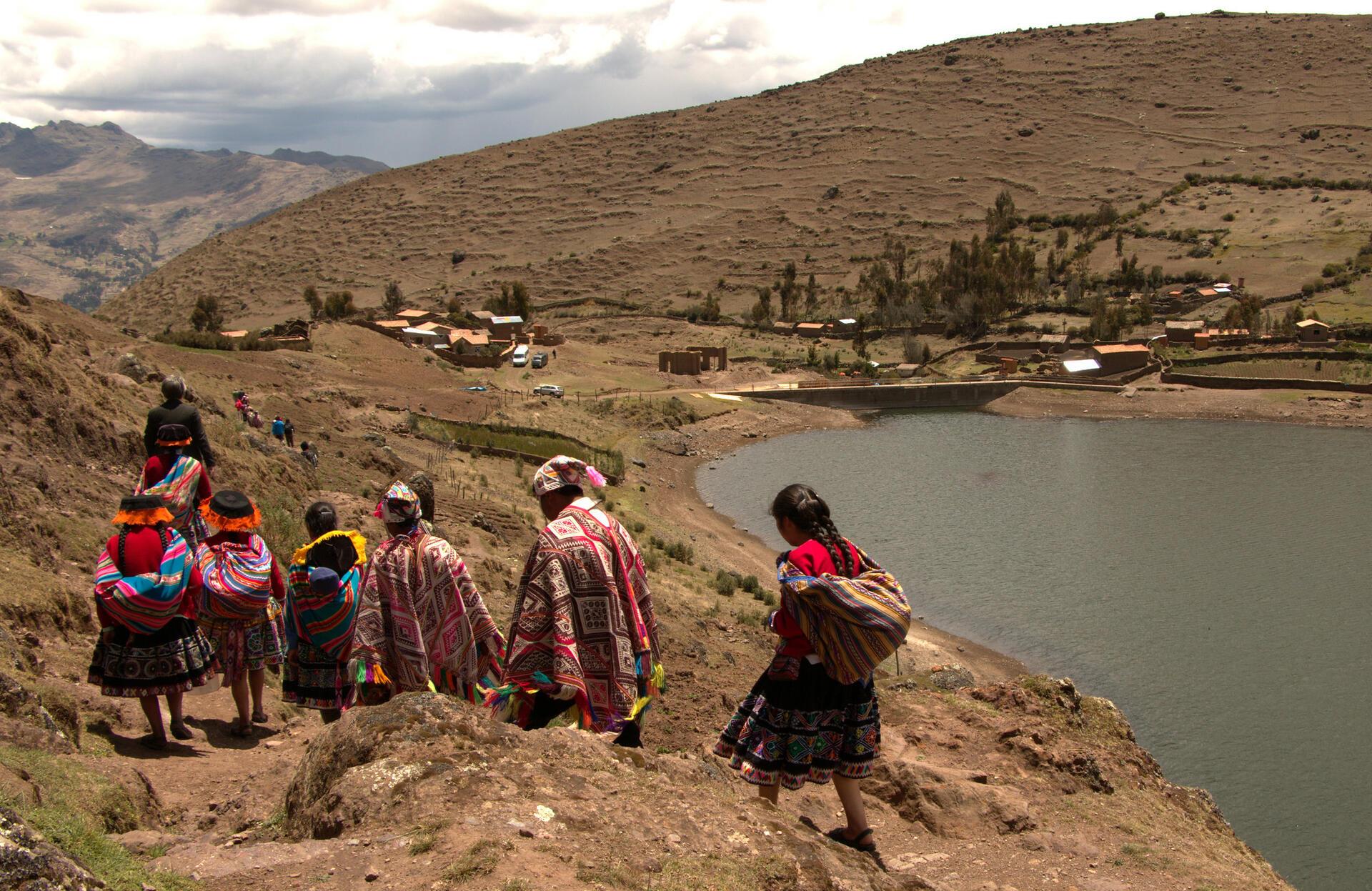
Indigenous peoples in the Peruvian Andes walk to the nearest market. Credit: CIAT/Manon Koningstein