Blog Urgent Science, Profound Hope: The Alliance launches its vision for food and land systems
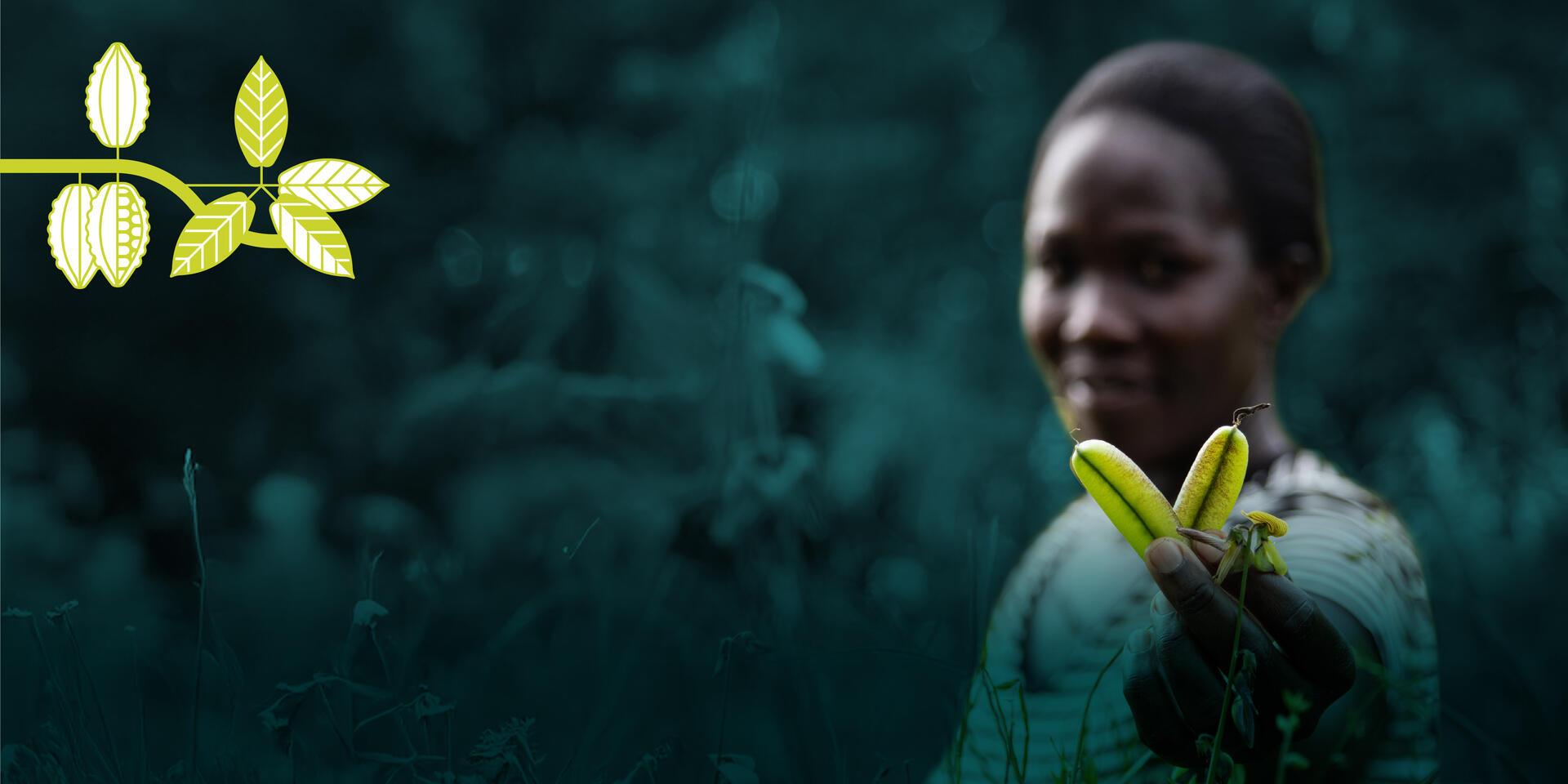

A scientific breakthrough can change a Kenyan farmer’s life for the better: but it requires a union between science and partnership. This theme underpinned the global launch of the Alliance of Bioversity International and CIAT's new strategy on July 16, 2026.

Scientists, funders, and partners from FAO, AGRA, the Rockefeller Foundation, Embrapa, and the Gates Foundation gathered online to explore how food and land systems can be transformed through urgent, partnership-driven science. Here is what they said.
Lucy, a farmer in Kenya, used to harvest 30 kilograms of beans from her plot. Last season, she harvested 180.
That number, shared by Alliance scientist Clare Mukankusi during a global launch event on Wednesday, summed up a recurring theme of the two-hour gathering: what it takes for science to close the gap between possibility, and better conditions for people and the planet.
Today’s complex challenges require practical scientific solutions
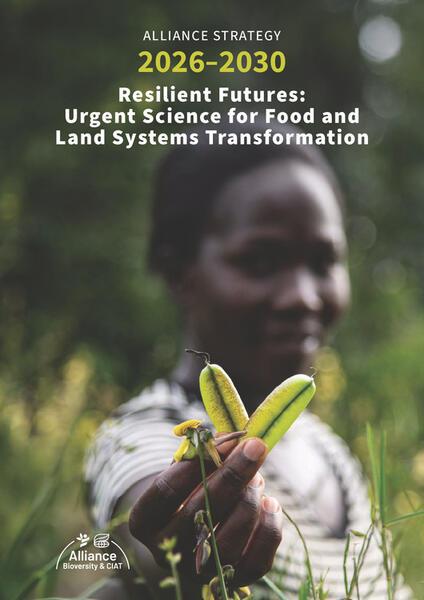
The Alliance of Bioversity International and CIAT officially launched its 2026-2030 strategy, Resilient Futures: Urgent Science for Food and Land Systems Transformation, before an audience of partners, funders, policymakers, and researchers joining from across the world.
The strategy sets out five interconnected outcomes for the next five years, from unleashing agrobiodiversity to mobilizing investment at scale, and makes a case that food and land systems are both the source of some of the planet’s most urgent problems and its most powerful levers for change.
“Food and land systems account for roughly 30% of global emissions. Nearly half of the habitable land on the planet is used for agriculture. About 4 billion people live in households tied to agriculture. The problem is there. The solution needs to come from there as well.” Juan Lucas Restrepo, Director General, Alliance Bioversity-CIAT

Juan Lucas Restrepo
Director General, and Trustee, Bioversity International UK/USAWith this, the event began on a tone of urgency: the world needs science that can address interconnected challenges, began Stephanie Speck, the Alliance’s Global Director for Partnerships, Engagement and Communications, and the session’s moderator:
“Not science that remains in publications or sits on a shelf. Science that informs policy, unlocks investment, empowers farmers, and strengthens communities.”
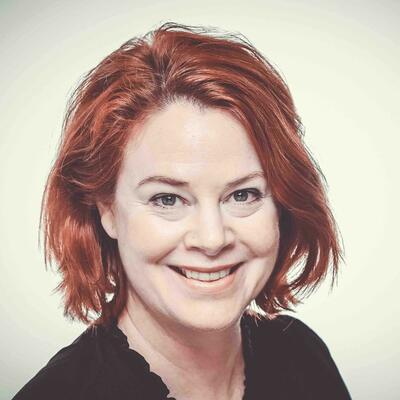
Stephanie Speck
Global Director, Strategic Partnerships, Engagement & Communications and Trustee, Bioversity International UKThis was reinforced in a keynote speech by Geoff Hawtin, a pioneer in agrobiodiversity research who received the World Food Prize in 2024, partly for his role in establishing the Svalbard Seed Vault. Hawtin has been linked to the Alliance’s predecessor institutions for nearly half a century. Speaking from southern England, he noted that temperatures had exceeded 30 degrees Celsius for more than a week, a detail that would have been unimaginable a decade ago.
When CIAT was founded in 1967, the global population was 3.5 billion. It is now 8.3 billion. And by 2080, it is expected to surpass 10 billion. The biodiversity crisis, barely on the radar when Hawtin joined Bioversity International (then known as IPGRI) in 1991, has worsened every year since. Climate change, then a fringe concern, now shapes everything from crop yields to migration to geopolitics.
“The challenges are multifaceted. They require complex and multifaceted answers.”
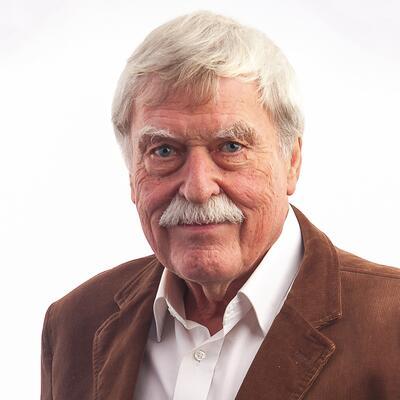
Geoff Hawtin
World Food Prize 2024 and former co-chair, Alliance Board of TrusteesJuan Lucas Restrepo, the Alliance’s Director General, was candid about the context in which this Strategy was developed: funding for agricultural research has been under pressure, multilateralism has been tested, and the gap between political commitments and ground-level action has widened. While 159 countries signed the UAE COP28 Food Systems Declaration, and 128 are developing national food system transformation pathways, paper commitments and field-level change remain far apart.
That gap, he said, is where the Alliance can make positive change.
Marcela Quintero, Associate Director General for Research Strategy and Innovation at the Alliance, walked the audience through the five outcomes at the heart of the Strategy, emphasizing:
“We don’t do science for science. We do science for impact. And these outcomes are not meant to be worked towards in isolation.”
She offered examples grounded in farmer and consumer realities:
- Disease-resistant bananas from the Alliance’s genebank in Leuven, Belgium, are now growing in Tanzania, where yields have tripled.
- High-iron beans reach farmers and consumers across Africa thanks to PABRA.
- In Honduras, evidence and tools by the Alliance enabled coffee growers to comply with incoming EU deforestation regulations, keeping their access to European markets open.
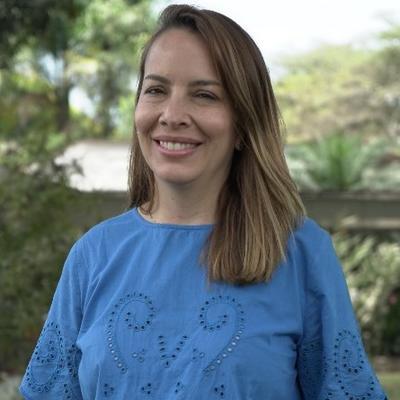
Marcela Quintero
Associate Director General, Research Strategy, and InnovationRestrepo returned repeatedly to the systems approach: Climate, biodiversity, food security, and economics collide at the same intersections. Most policy processes still treat them as separate problems, while the Alliance does not.
“The Alliance is the connecting science across all of this. From genebanks to landscapes, to policy environments, and ultimately to the plates of healthy, nutritious food we all need to eat.”
To connect these elements, the Alliance joins forces with partners across the world, as the guests highlighted in the conversations.
Perspectives to scale food and land systems change
The sharpest framing of what makes innovation in this field matter was offered by Andy Jarvis, who spent 22 years as a scientist at the Alliance before joining the Bezos Earth Fund as Director for the Future of Food.
“A great scientific breakthrough is one that scales. You have got to have the discipline of not pursuing an idea just because it is interesting. Farmers can use it, markets can reward it, policy can enable it.”
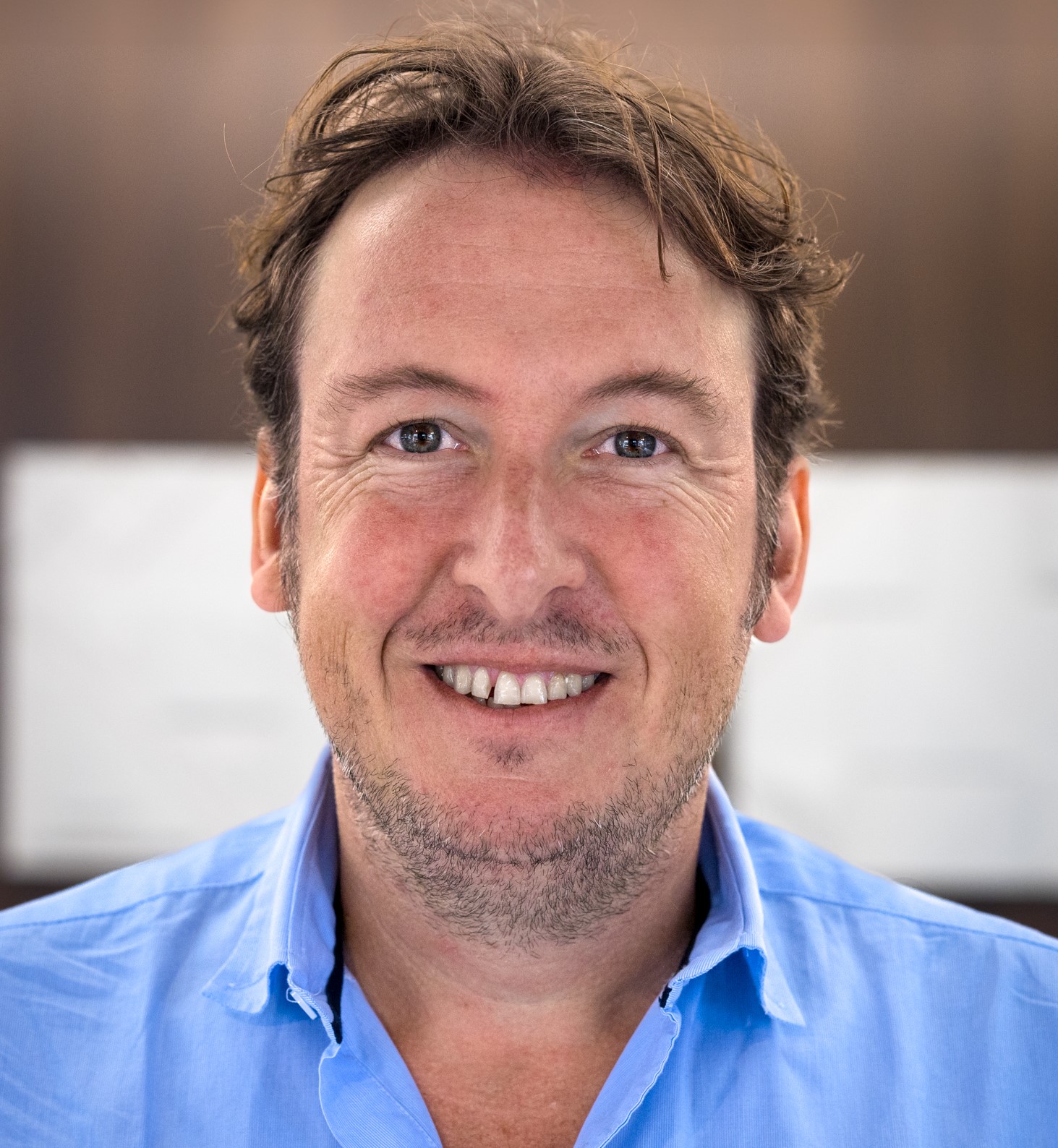
Andy Jarvis
Director of Future of Food, Bezos Earth FundHe described a structural shift: the food system of the past was built on abundance: cheap energy, stable climates, predictable seasons. That system is gone. In its place is one defined by land scarcity, climate volatility, water stress, and biodiversity loss.
“The question to be asked is not how do we produce more. It is how do we produce enough, well, and within tightening planetary limits. And I think the Alliance has that very, very clear in the DNA of the organization.”
John de la Parra, Director of the Food Initiative for the Rockefeller Foundation, pushed at one of the Strategy’s central concepts, inclusive food economies, and challenged the audience to think about what inclusion requires:
“True inclusion is not just about inviting marginalized actors to pull up a chair to what is already an unequal table. It is about shifting power dynamics and reconfiguring the table itself.”
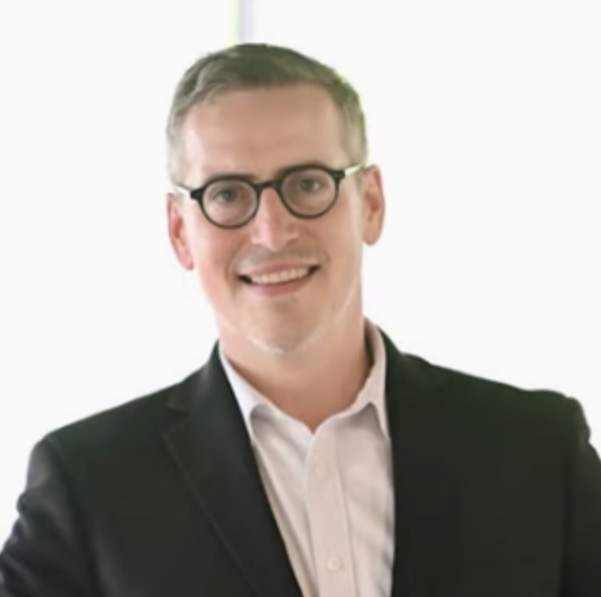
John de la Parra
Director, Food Initiative, The Rockefeller FoundationHe pointed to a figure from the strategy: $542 billion in annual agricultural, fisheries, and forestry subsidies actively harm biodiversity and marginalize smallholders. Science, he argued, makes it possible to redirect that capital.
“When we can use rigorous evidence to advocate for true cost accounting, it shows the hidden environmental and health costs of the existing industrialized food system. That can pull real financial investment toward sustainable systems.”

Joining via video, Charles Spillane, Chief Scientist at FAO, cited several figures: Unhealthy diets are linked to six of the top ten global disease risk factors in nearly every country. Non-communicable diseases caused 18 million premature deaths in 2021 alone, 82% of them in low- and middle-income countries. And for every one degree of warming, yields of the four crops providing 60% of global calories can fall by up to 6%. He said:
"Affordable healthy diets remain out of reach for billions of people, not because we lack scientific evidence, but because we still face challenges in translating that evidence into policies, investment, and practical access for people."
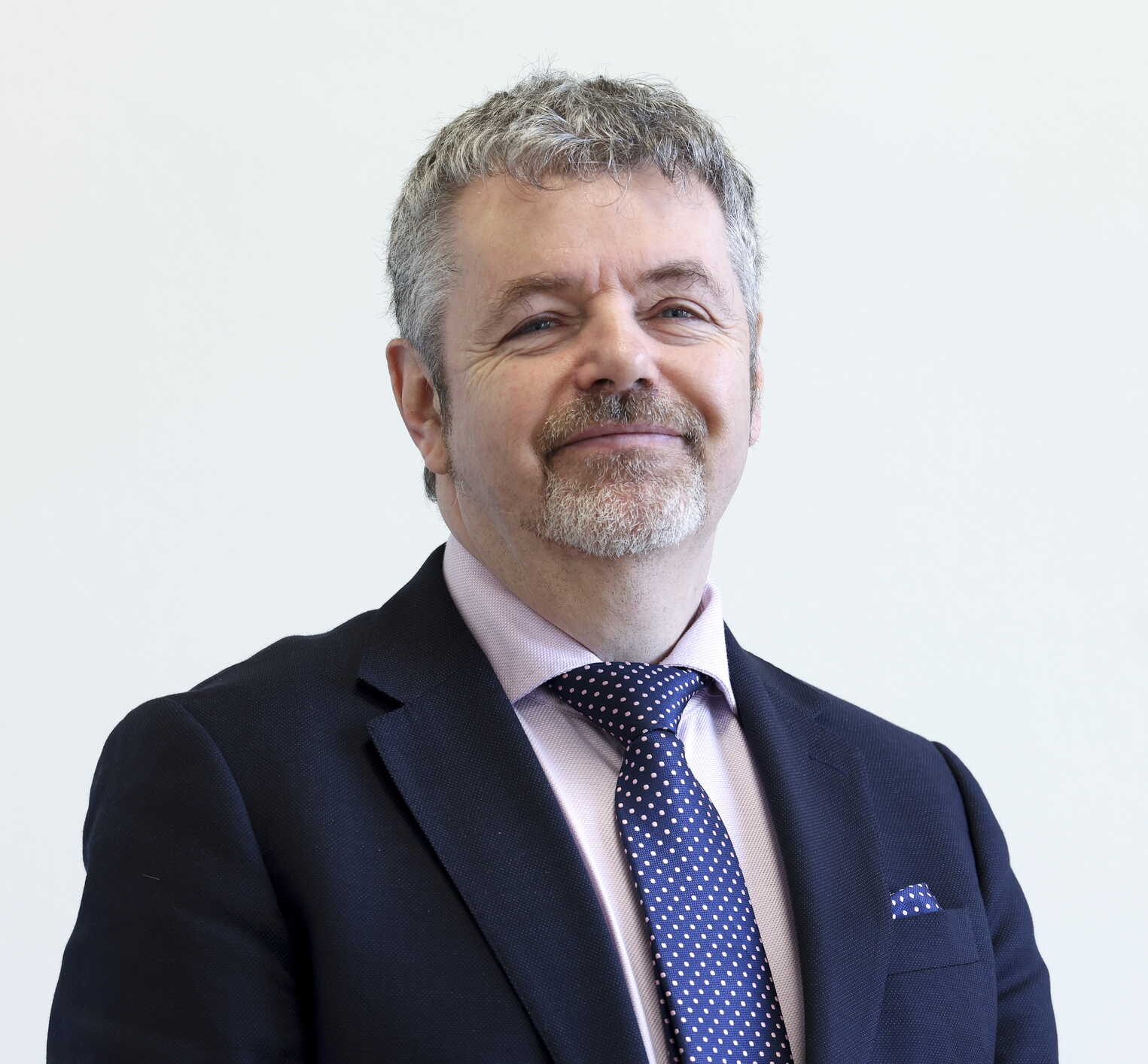
Charles Spillane
Chief Scientist, Food and Agriculture Organization of the United NationsThe Alliance-FAO partnership, he argued, can close that gap.
"Together, we can ensure that evidence is not only generated, but translated into decisions and actions."
Ruben Echeverria, who spent nearly 11 years as Director General of CIAT and helped shape the formation of the Alliance, described the landscape it will have to navigate, coming from his current perspective as Senior Advisor in Agricultural Research for Development at The Gates Foundation.
"The urgency," he said, "is not only on the science. The urgency comes from understanding what I would call a tsunami on the funding landscape."
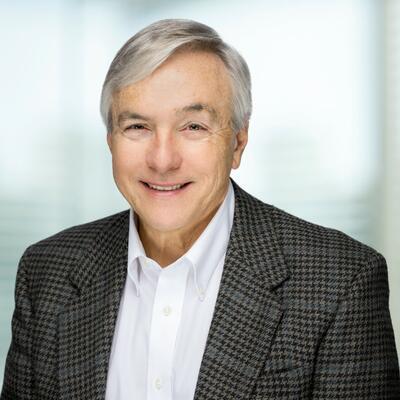
Ruben G. Echeverria
Former Director General, CIAT, and Senior Advisor, Agricultural Development, Gates FoundationSeventy percent of public agricultural research funding is concentrated in just ten countries, leaving 150 national research systems severely underinvested. New capital, he said, will come from commercial markets, natural capital instruments, and blended finance, not from traditional development windows. His advice was: stay close to national systems, keep working at the level of whole systems rather than individual technologies, and take risks.
"Sixty years ago, somebody took a huge risk to establish this institution. Look what happened." On the strategy's outcome dedicated to financing and investment for impact, he offered a concise summary: "It is the lubricant for the rest of the wheel."

Impact for farmers and consumers around the world
But let’s return to Lucy. Mukankusi, who has spent more than 20 years breeding beans for the Alliance in Kampala, Uganda, started with a farmer’s actual needs: a bean that yields well, cooks fast, tastes good, survives drought, resists disease.
The variety “Waithera”, developed with KALRO and the Pan-Africa Bean Research Alliance (PABRA), nearly doubles the yield of the popular local variety it improves on. Lucy planted two kilograms and harvested 180.
“This change in the field in Africa was possible because of our Future Seeds collection in Colombia. That genebank holds over 66,000 bean samples. Because we conserved that diversity, we were able to utilize it and make real change in farmers’ conditions.”
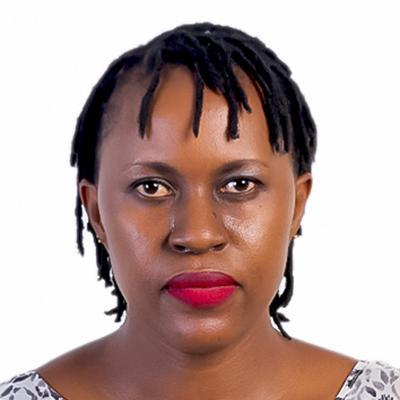
Clare Mukankusi
Global Breeding Lead-Common BeanMoving from food production to consumption, Sara Rankin, researcher for the Alliance working on urban food systems in Colombia, began by asking: why are millions of people in countries with productive food systems still unable to access a healthy diet?Her team’s answer was a platform, Plasa Colombia, that pulls fragmented food system data into accessible dashboards. In Cartagena, it revealed that the average distance food traveled to reach the city increased by more than 50 kilometers between 2019 and 2023. The finding raised immediate questions about supply chain dependency, emissions, and vulnerability to future shocks.
Over 2,000 users consulted the platform in its first year. Vietnam and the Philippines are now exploring similar approaches.
“Developing the profile itself is part of the change. It creates a common language among actors who do not always work together.”
What gives her hope, she said, is specific: seeing people who rarely sit at the same table begin to examine the same evidence. This was reinforced by perspectives of regional guests.
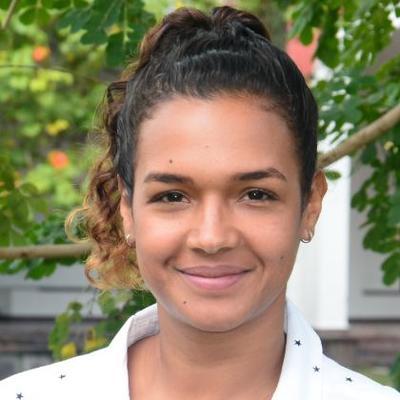
Sara Rankin-Cortázar
Senior Research AssociateBharat Kakade, President and Managing Trustee of BAIF Development Research Foundation, cited the 50,000 varieties of rice, many of which are drought-tolerant and climate-resilient, that Indian farming communities have conserved for generations.
He reflected that farmer knowledge "has been tested over ages, over generations. It is more for us, the scientific community, to create evidence from it."
Mobile internet penetration in rural South Asia now exceeds 90%, he added. The conditions for connecting that knowledge to global science have never been better.
"There are islands of information. Connect those islands, pull that into a common reserve, and make it accessible."
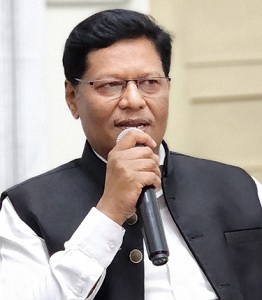
Bharat Kakade
President and Managing Trustee, BAIF Development Research FoundationKindie Fantaye, Head of the Climate Adaptation, Sustainable Agriculture, and Resilience Program for AGRA, put the interdependence plainly:
“Science alone does not change anything. And scaling without science does not mean anything either.”
He laid out six areas where AGRA and the Alliance can combine their strengths, from turning agricultural data into local decision-making to mobilizing finance for adoption at scale.
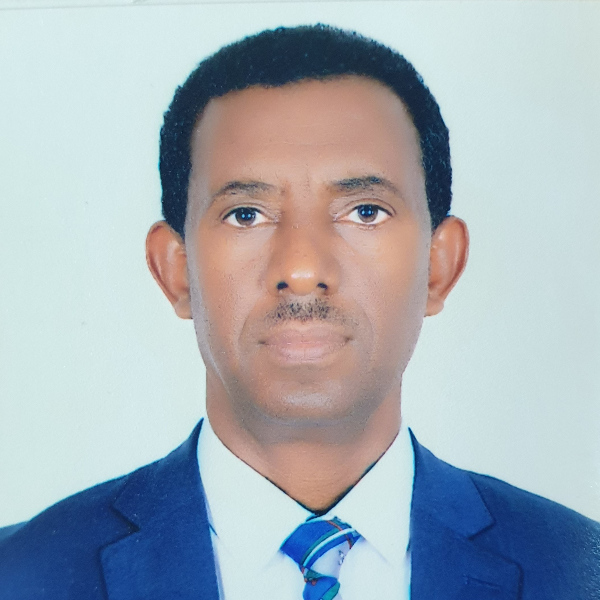
Kindie Tesfaye Fantaye
Head, Climate Adaptation, Sustainable Agriculture and Resilience, AGRAPaulo Eduardo De Melo of Embrapa, Brazil’s agricultural research corporation, articulated a vision a network of institutions
"Operating as a connected ecosystem of innovation, linking labs, biomes, and farmers in a constellation of national, regional, and global research.”
In this future, he said, agriculture is a solution to climate change, not a cause of it.
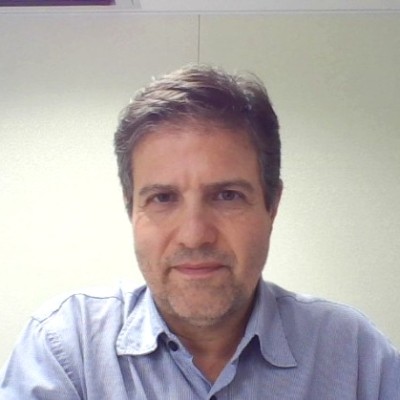
Paulo Eduardo de Melo
Senior Researcher, Brazilian Agricultural Research Corporation (Embrapa)The event concluded with Julia Marton-Lefèvre, Chair of the Alliance Board of Trustees, explaining why the Board endorsed the Strategy: the rigor of the process, the ambition of the vision, and the confidence in the team to deliver it. She reflected that she has watched biodiversity, climate, and food systems slowly evolve from separate policy discussions into the integrated agenda they represent today.
“Science is most powerful when it is inclusive, trusted, and shaped through collaboration across regions, disciplines, and sectors. Please engage with this strategy, read it, challenge it, and tell us where you would like to work alongside us. The next five years will be defined by what we build together.”
The voices at this launch reflected fields in Kenya, genebanks in Belgium, food markets in Cartagena, and seed banks in Uganda. A farmer named Lucy and 66,000 bean samples across the ocean, whose existence changed what she could grow.
The future of food and land systems is not something we wait for. It is something we grow together.