From the Field Accelerating agroecology from the ground up through ABCD training in Kiserian
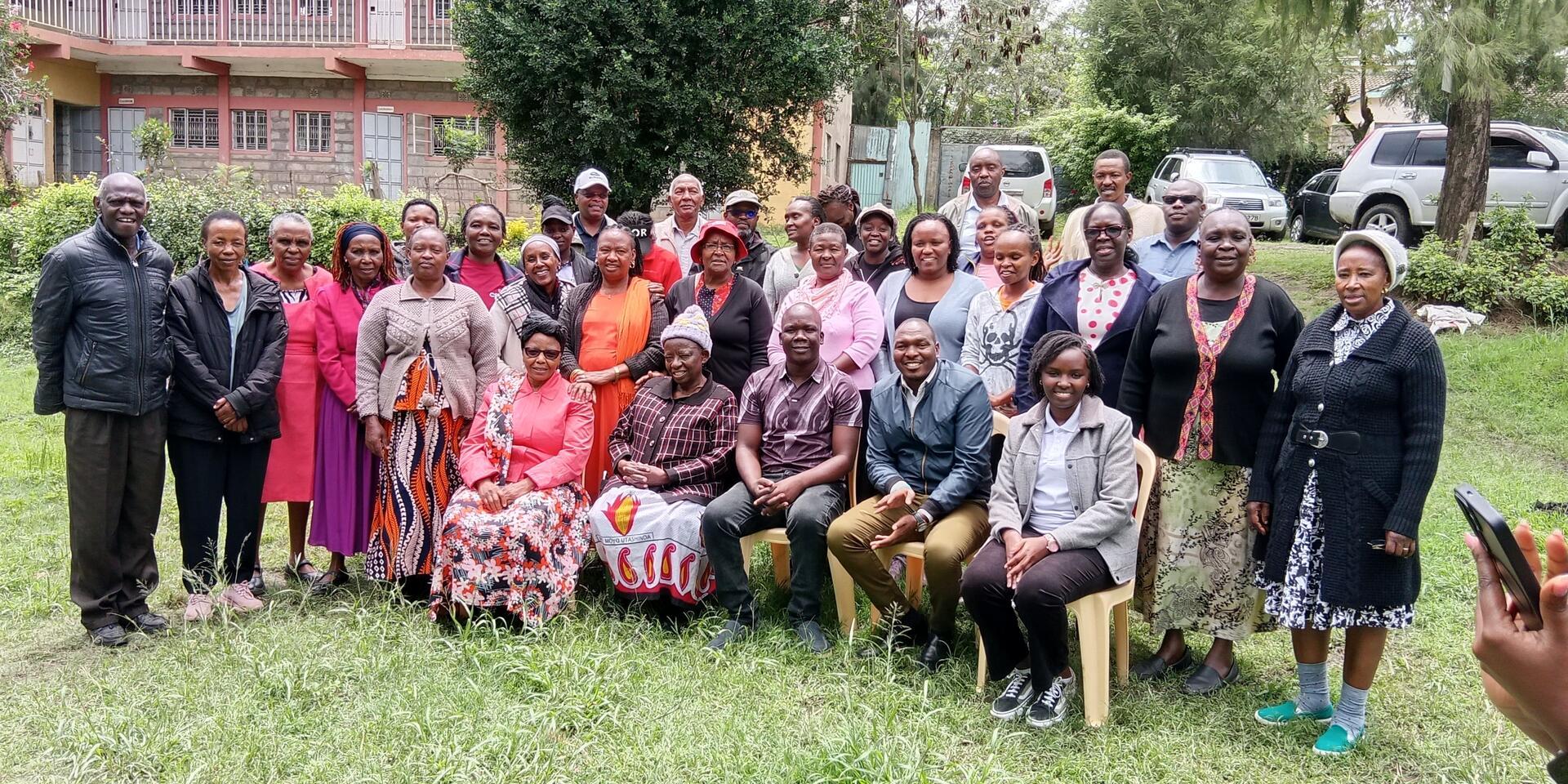

In March 2026, smallholder farmers in Kiserian, Kenya, joined a four-day ABCD training under CGIAR’s Multifunctional Landscapes program to strengthen agroecology by shifting from deficit-based thinking to asset driven, community led development.
In Kiserian, Kajiado County, food system stakeholders convened for an intensive four-day training under the theme: Accelerating Agroecology through Asset-Based Community-driven Development Approach (ABCD), an activity anchored within the CGIAR’s Multi-Functional Landscapes (MFL) Science Program. Hosted at the Community Sustainable Agriculture and Healthy Environment Program (CSHEP), Kiserian, the workshop, which took place between 3rd and 6th March 2026, brought together predominantly smallholder farmers practicing agroecology and seeking a deeper understanding of its economic, social, and ecological aspects for a better foundation.
At its core, the project recognizes a critical gap in many agroecological transitions. While the ecological rationale for diversification, soil regeneration, and reduced external inputs is widely acknowledged, farmers often face structural constraints. These include limited financial literacy, fragmented marketing systems, and weak bargaining power. The training responded to this reality by introducing ABCD, an approach that recognizes the strengths, gifts, talents and resources of individuals and communities, and helps communities to mobilize and build on these for sustainable development. ABCD emphasizes focusing on assets and capacities rather than needs and deficiencies. Energy is therefore directed toward opportunities at the community level, while remaining conscious of how the policy environment could be changed to further strengthen the community’s capacity to drive their own development
The first day of the workshop set the conceptual tone. Participants began by interrogating the deficit-based narratives that often define most rural communities in terms of a scarcity mindset.
Through sessions such as Letting Go of Deficits and Glass Half-Full/Half-Empty, farmers were encouraged to recognize their capacities, assets and strengths within their own households and communities and to think positively in all spheres of life. During this session, participants wrote down their deficits, and as a gesture of letting them go, they collected the papers with the deficits and collectively burned them. After the exercise, one participant said,
“I feel like my mind is refreshed. I had a lot of negative perceptions weighing me down. Am glad I let those issues go”
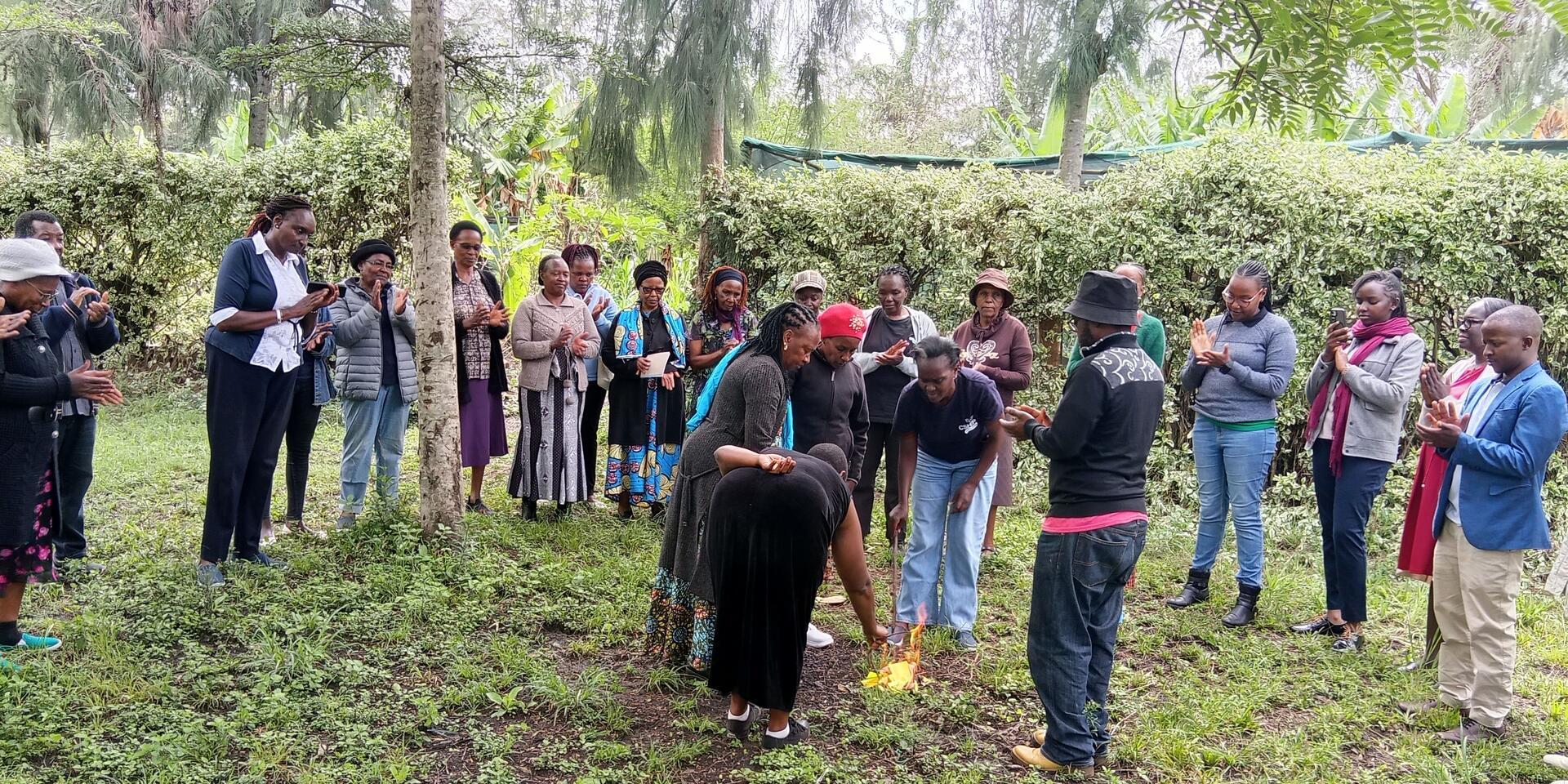
Workshop participants burning their written-down deficits. Photo credit: Kevin Onyango, Alliance of Bioversity International and CIAT
An appreciative interviewing and storytelling session followed, where each participant got the chance to share a success story from their life experiences. The exercise revealed histories of resilience, innovation, and mutual support. One intriguing story shared was a case where a female participant, in her usual endeavor to feed her family, went to buy a goat at the nearby livestock market. Even though she intended to purchase just one goat, she ended up buying 3 goats because the prices were lower than she had anticipated. Through the support of her family and encouragement from her neighbors, she transformed the goat for subsistence venture into a profitable goat enterprise. In just 4 years, she now boasts of an enterprise of 35 goats and supplies live goats for slaughter to the community. She added that the goat-rearing business has transformed their household's economic situation and encouraged fellow participants to pursue their passions.
After the storytelling session, participants were taken through a skills mapping exercise using the Heads, Hands and Hearts ABCD tool and collective capacity inventories to make visible the human and social capital that often remain undervalued in formal agricultural development models within the community. Farming, composting, weaving, cooking and dancing, to mention but a few, were identified as physical skills. On the other hand, farm management, financial management, marketing, research and data analysis were mentioned as intellectual skills. Additionally, compassion, passion, empathy, parenting and patriotism were identified as emotional skills. Strengths-based reframing is not abstract optimism. It is a strategic repositioning of farmers as knowledge holders and economic actors. By identifying human, social, physical, and natural assets, participants lay the groundwork for more coherent planning and collective action.
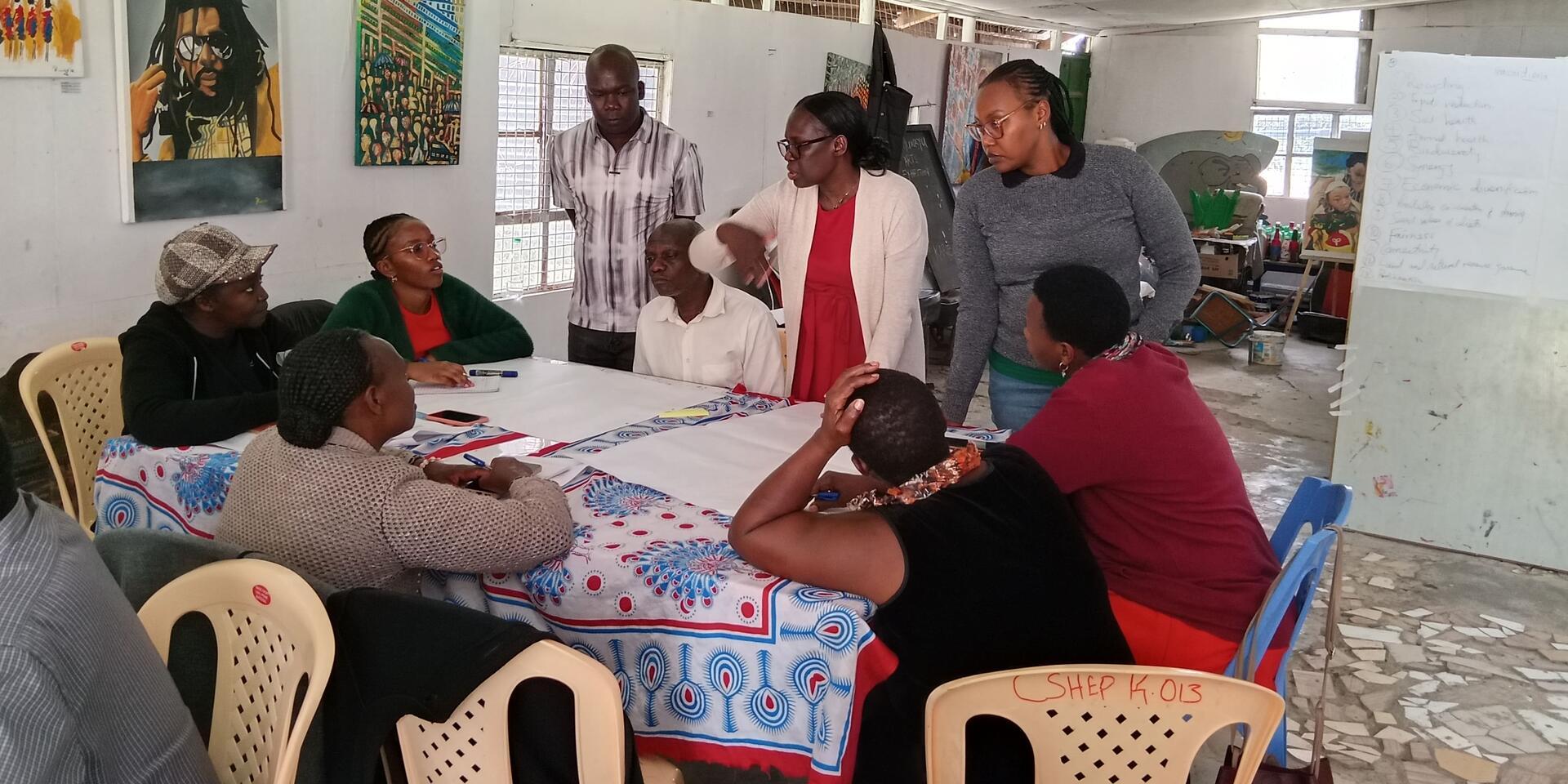
Workshop participants discussing and mapping intellectual, physical and emotional skills/capacities under the guidance of the trainers. Photo credit: Kevin Onyango, Alliance of Bioversity International and CIAT
On the second day, the focus of the workshop shifted to the analysis of social, institutional, and ecological systems within the Kiserian landscape. Through associations and institutions mapping, farmers analyzed the networks that shape their agroecological production and marketing environments. They identified both enabling and constraining linkages with cooperatives, local authorities, buyers, religious and civil society actors.
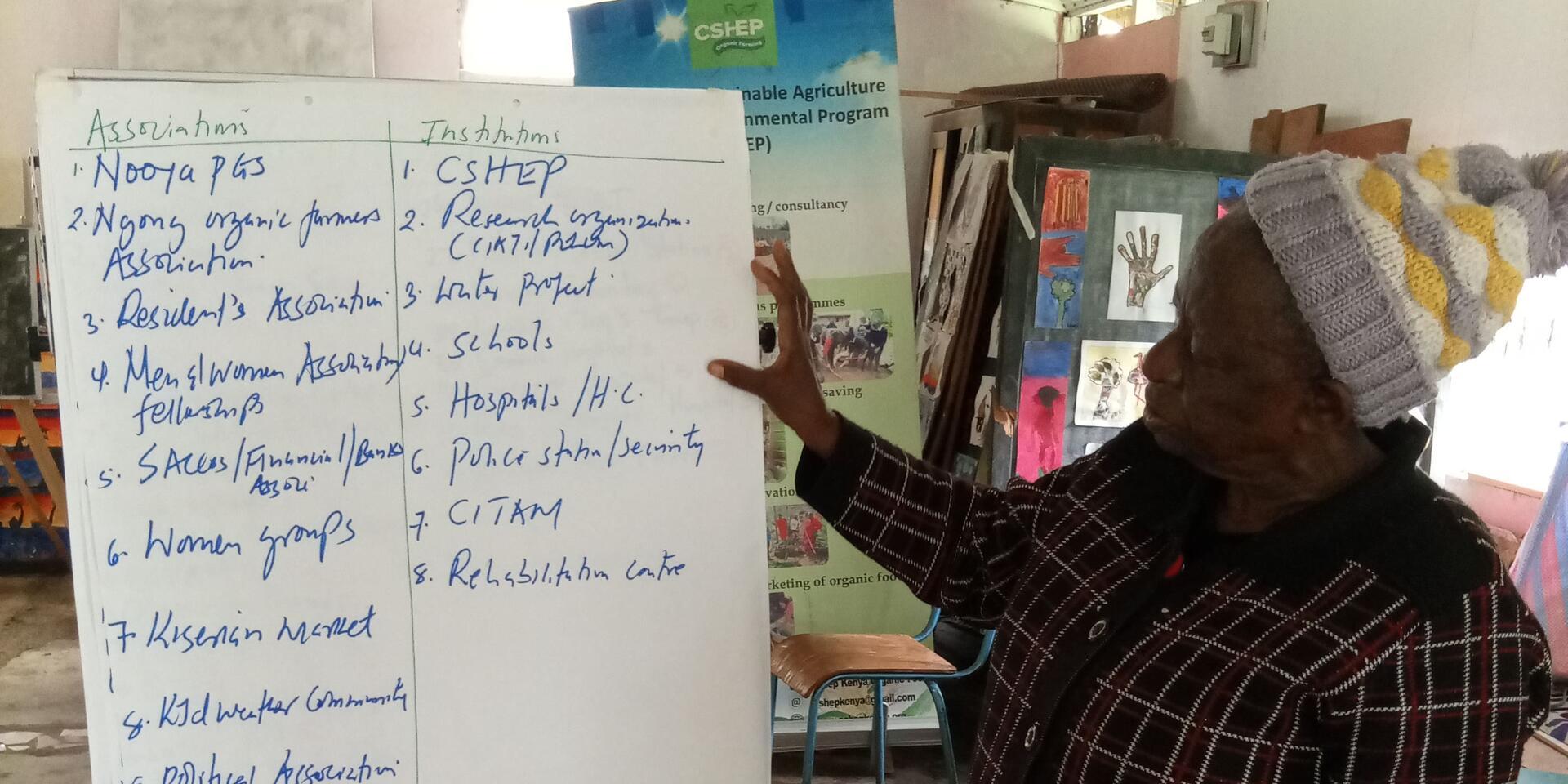
A participant presents a list of associations and institutions in the community.
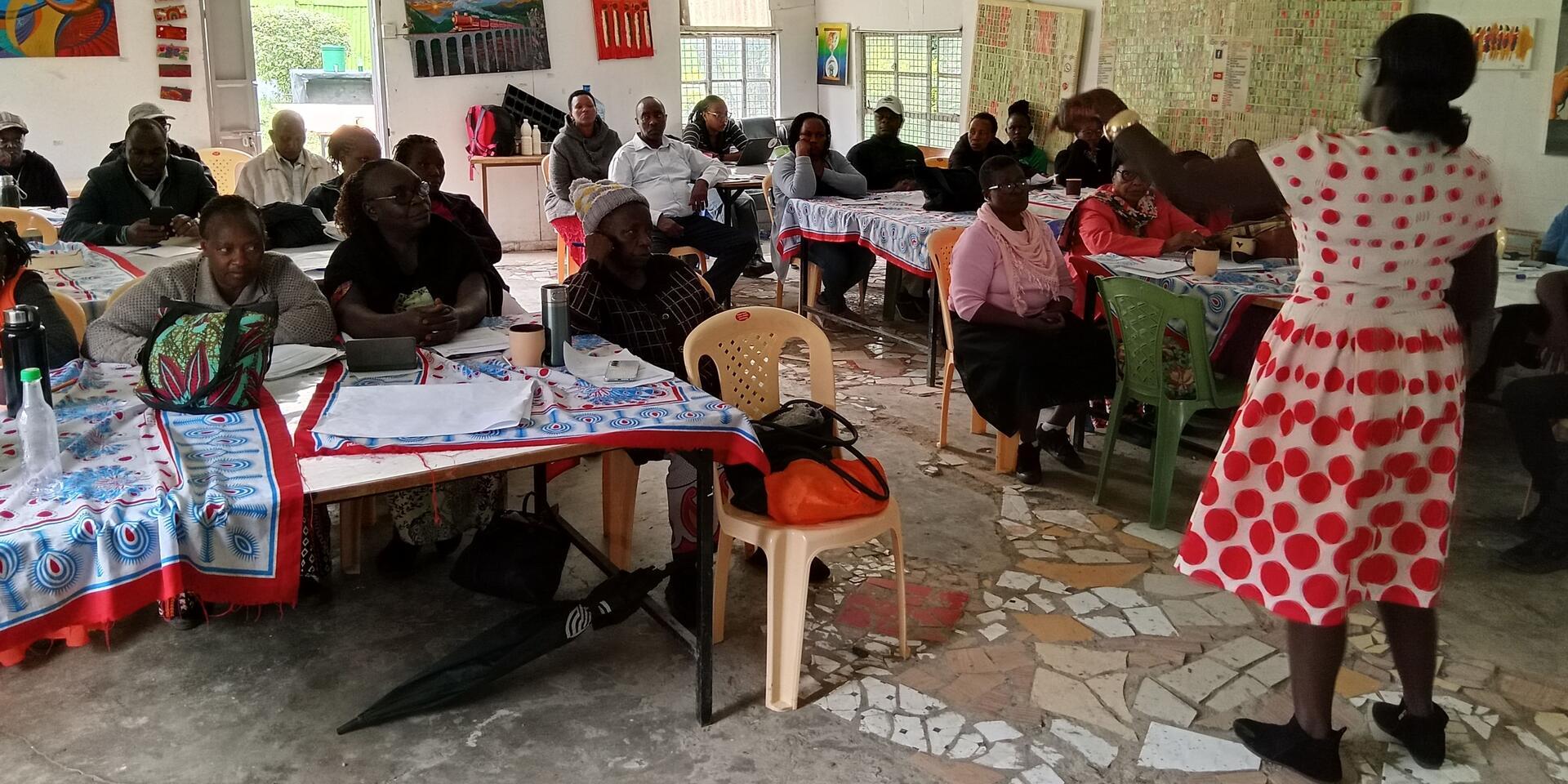
Victoria Apondi, one of the ABCD workshop facilitators explaining concepts. Photo credit: Kevin Onyango, Alliance of Bioversity International and CIAT
Infrastructure and natural resource mapping further situated agroecological practice within its landscape context. A transect walk complemented these discussions, grounding analysis in lived reality and environmental observation. The layered mapping process fosters systems thinking. Agroecology is framed not merely as a set of farm practices but as an integrated food system approach that requires alignment among actors, resources, and institutions.
The third and fourth days introduced one of the most transformative components of the training, the Leaky Bucket analysis. At the community, household, and commodity levels, participants traced their economic inflows and outflows. They examined where value is created, where it escapes, and how local multipliers could be strengthened. By analyzing farm and off-farm dynamics, participants confronted the often-invisible leakages that undermine profitability and value accumulation. This exercise moved agroecology from theoretical principles to performance. It provided evidence for informed decision-making and encouraged a shift toward agribusiness without compromising ecological integrity. Community action planning that translated insights into concrete commitments was then participatorily developed.
The ABCD workshop in Kiserian successfully catalyzed a transformative shift in local development perspectives, moving participants from a deficit-based mindset toward a powerful asset-based approach to sustainability through agroecology. Through the introduction of practical tools and concepts, participants gained a deep recognition of community and household economic flows, enabling them to visualize and design strategic interventions to retain and grow local economic value. A central highlight was the enthusiasm around the use of storytelling as an instrument for fostering unity, mutual support, and continuous peer learning within Kiserian community. The will and the collaborative efforts resulted in the development of a community action plan, signaling a commitment to self-reliance where community members are now equipped to lead their own development journey by leveraging the strengths already present within Kiserian.